- Category
- Dairy and eggs
- State
- Other
- Usual unit
- g
What it is
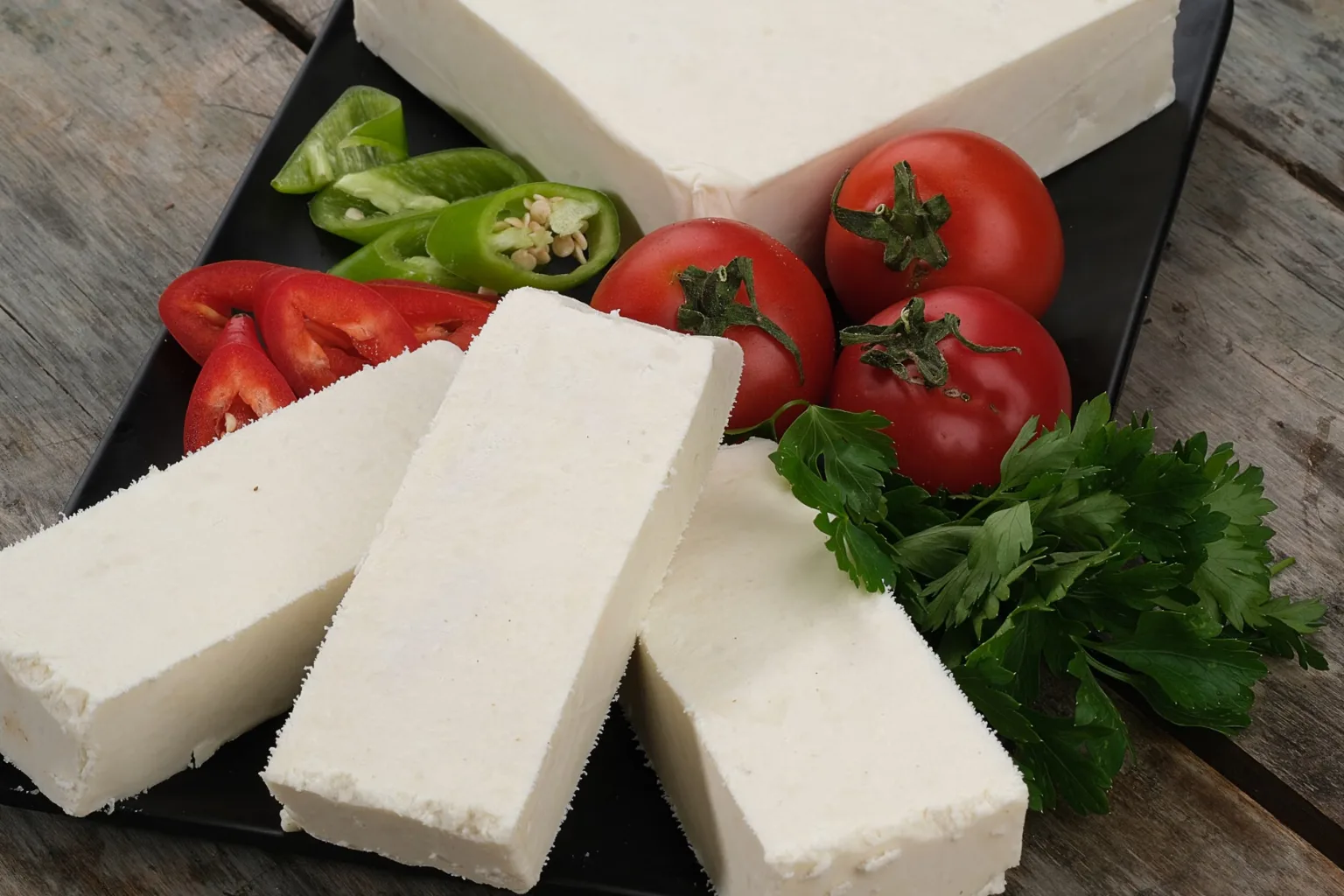
Goat cheese is cheese made from goat’s milk. The name covers many styles rather than one fixed variety: depending on the type and maturation, it may be fresh and tender or have a firmer paste and a more pronounced flavor. Cheesemaking also varies. Common steps in many cheese styles include coagulating milk, cutting the curd and separating whey, but the specific process depends on the cheese being made. As a result, the name alone does not tell you whether a particular cheese will be creamy, firm, mild or assertive. Check the product name and label to identify the style you are buying.
When to use it
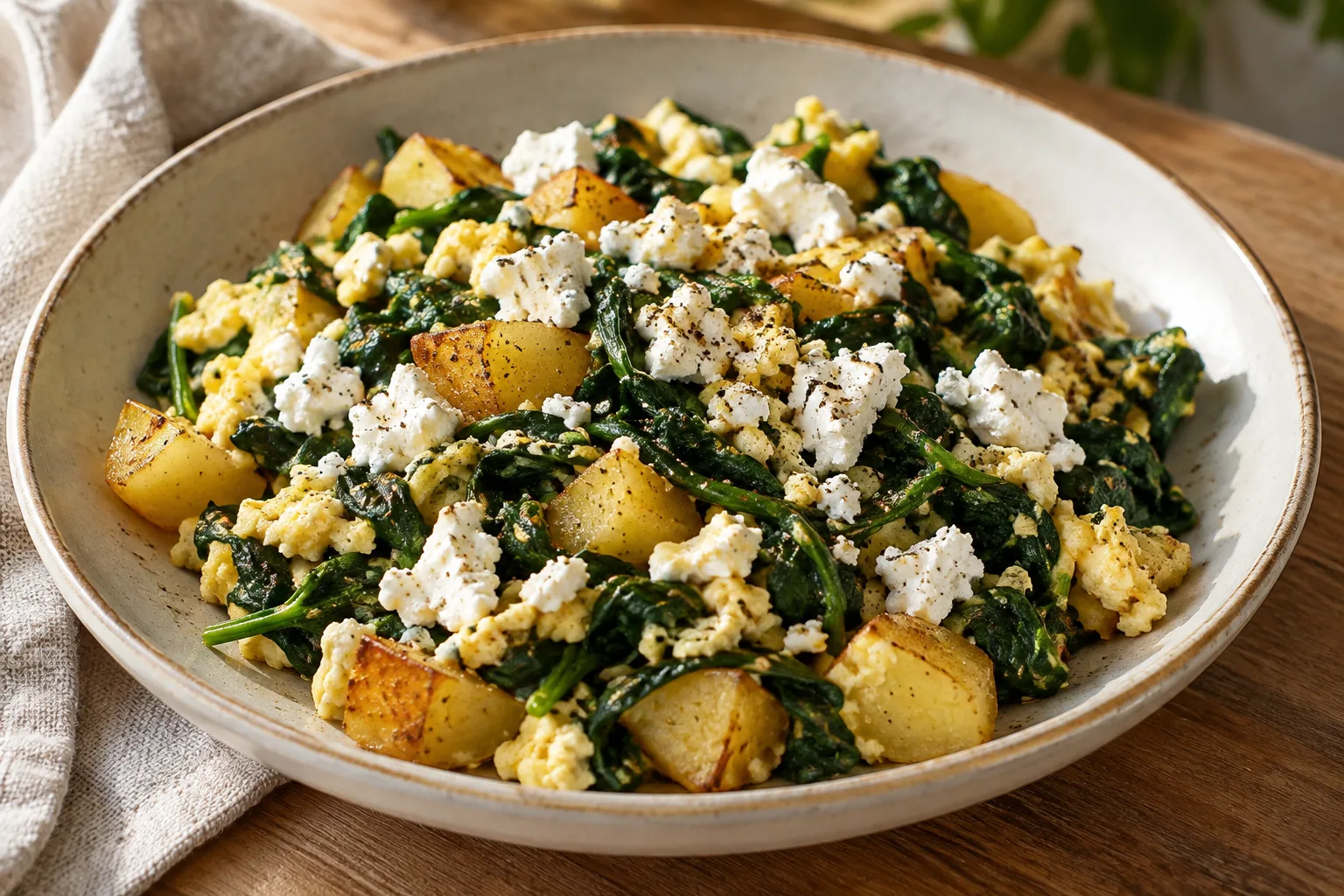
Choose a fresh style when you want a tender cheese to crumble over salads or toast. For a cheese board, sandwich or more pronounced flavor, look for a firmer or more mature style. If adding it to a hot dish, remember that some goat cheeses soften when heated without melting like many cow’s-milk cheeses. Check which style you have before deciding how to cut or use it, because both texture and flavor vary between products.
How to use it
Crumble fresh goat cheese over a salad or toast, or cut it into portions for a cheese board. Softer styles can be spread on bread; firmer ones can be sliced for sandwiches or served alongside other cheeses. Goat cheese can also be used in baked dishes, but the result depends on the style: heating may soften it without producing an even melt. If you are unfamiliar with the cheese, try a small amount in the dish first, then adjust the cut and quantity to suit its consistency and intensity.
Flavour and texture
Flavor can range from mild and milky to more pronounced, while texture can vary from tender and creamy to firm, depending on style and maturation. Some goat cheeses have a slightly tangy character. Heating can soften certain cheeses without making them melt in the same way as many cow’s-milk cheeses, so do not assume every variety will behave alike.
How to choose it
Read the product name and label to distinguish a fresh cheese from a matured one and to understand its presentation. Goat cheese spans a range of textures and flavor intensities, so choose it for its intended use: a tender style for spreading or crumbling, and a firmer one for slicing or serving on a cheese board. If you need to avoid an ingredient because of an allergy or intolerance, check the product’s allergen information and ask the seller when buying it unpackaged.
Storage
Follow the storage and use instructions on the label, since conditions may depend on the product and how it is sold. After opening, check the package for guidance on storage and how long it is suitable to eat; do not assume one shelf life applies to every style. If it is sold unpackaged, ask the seller for the relevant instructions and keep the product information available.
Substitutions
Fresh cow’s-milk or sheep’s-milk cheese can replace goat cheese when a tender texture is suitable, but the flavor will differ and the texture may behave differently when heated. These cheeses are not exact equivalents. If you are substituting because of an allergy or intolerance, check the ingredients and allergen information of the alternative rather than relying only on the type of milk suggested by its name.
Common mistakes
Do not assume every goat cheese has the same texture or intensity: goat cheese may be fresh or matured. Another common mistake is expecting it to melt like many cow’s-milk cheeses; some styles soften without melting in that way. Check the label and test a small amount in the dish first.
Safety and allergens
Check the label for milk and other allergens, and follow its storage and use instructions. An alert was issued for a specific goat cheese because of Listeria monocytogenes and Escherichia coli; this does not mean all goat cheese is affected. If you have a product covered by an alert, follow official instructions.
Culinary uses
- queso para untar o servir en tablas
- ingrediente para ensaladas, tostadas y platos al horno
Recommended techniques
- desmenuzar o cortar según la textura
- hornear variedades firmes; el queso puede ablandarse sin fundirse como muchos quesos de vaca
Pairs well with
- pan
- ensaladas
Frequently asked questions
Is all goat cheese fresh?
No. Goat cheese includes both fresh and matured styles, with different textures and flavors.
Does goat cheese melt when heated?
Not necessarily. Some styles soften with heat without melting like many cow’s-milk cheeses.
What can I use instead of goat cheese?
Fresh cow’s-milk or sheep’s-milk cheese may work in some dishes, though the flavor and possibly the texture will change.
Estimated nutrition
- Fat
- 21.4 g
- Saturates
- 14.3 g
- Carbohydrate
- 0 g
- Sugars
- 0 g
- Fibre
- 0 g
- Protein
- 17.9 g
- Salt
- 2.23 g
Sources and review
Automatically researched, cross-checked and validated content. Sources consulted:
- En el etiquetado alimentario hay algunas menciones que son obligatorias eletiquetadocuentamucho.aesan.gob.es
- ¿Por qué la muerte es origen de miedos y tabúes? doi.org
- The Essential Glossary of Cooking Terms for the Culinary Arts - Escoffier escoffier.edu
- Queso: Historia, Variedades y Beneficios Nutricionales — Ibéricos Sofía Luengo ibericossofialuengo.es
- Aesan - Agencia Española de Seguridad Alimentaria y Nutrición aesan.gob.es
- Cheese «Cabrales» El Queso de Cabrales es un queso de corteza natural mapa.gob.es
- LECHE DE CABRA La leche de cabra se utiliza para hacer muchos tipos de quesos pvamu.edu
- (PDF) Chacón, Pineda, 2009, Características de un queso de Cabra del tipo “Crottin de Chavignol”.pdf academia.edu
- Introducción a la elaboración de queso extension.psu.edu
- Queso de cabra - Wikipedia, la enciclopedia libre es.wikipedia.org
- Eurial Ibérica Curiosidades sobre el queso de cabra: historia, beneficios y cómo disfrutarlo al máximo - Eurial Ibérica eurial.es
- Queso de Cabra: Un Tesoro de la Gastronomía Tradicional Española platoes.blogspot.com
- Queso de cabra quesoteca.com
- Apuestas Deportivas Online en España de forma segura en 2026 quequesos.es
- Queso de cabra: tipos, beneficios y cómo se elabora quesoscerron.com
- Conoce todo sobre el delicioso queso de cabra Historia beneficios y recetas - Armeria Albala armeriaalbala.es
- Queso de Cabra: Análisis y Comparativa de los Mejores Variedades en el Mercado donquesotori.es