- Category
- Vegetables
- State
- Fresh
- Usual unit
- g
What it is
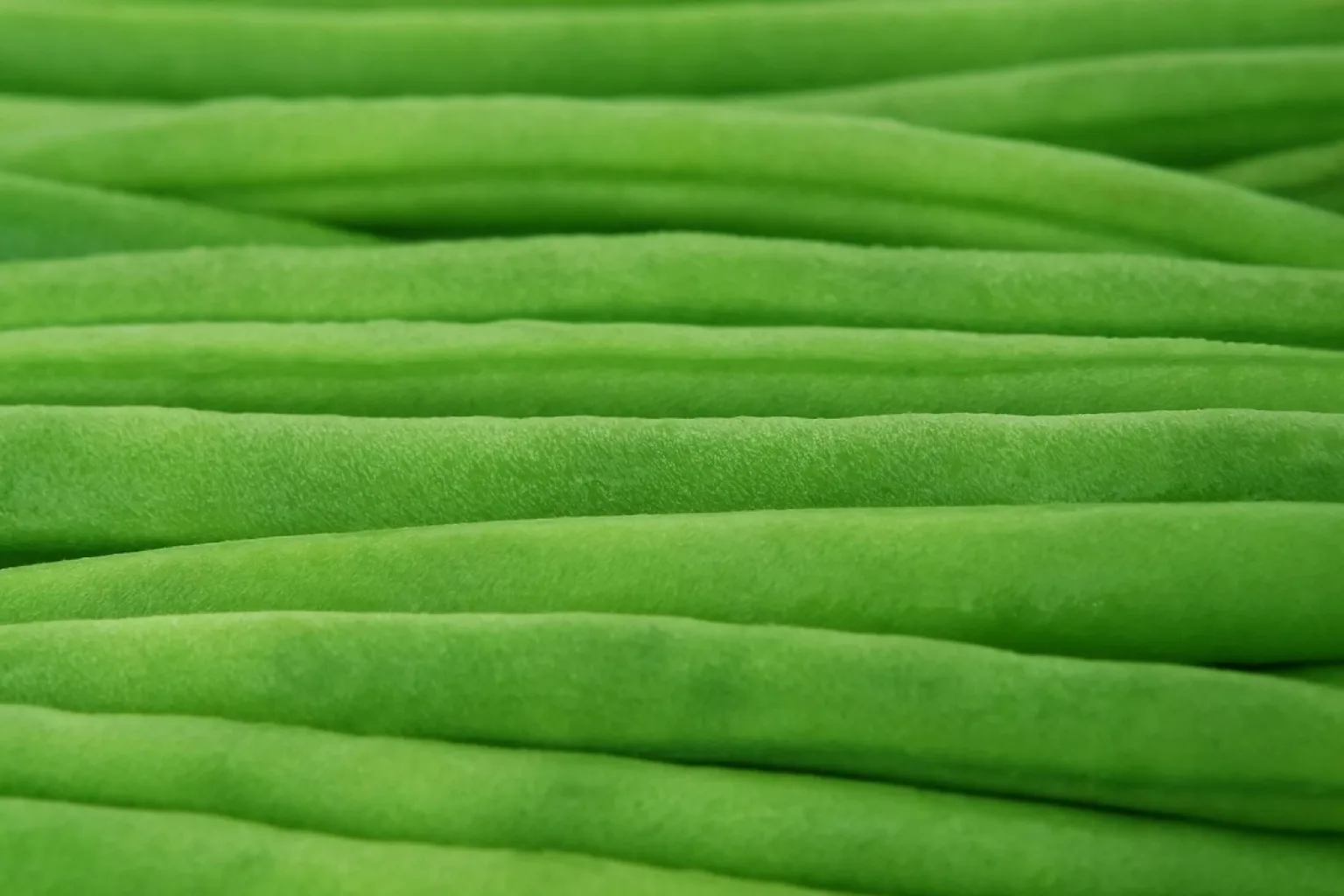
Green beans are the tender pods of the bean plant, picked before their seeds have fully matured. The pod and its small seeds are eaten together. Although they are commonly treated as a vegetable in cooking, botanically they belong to the legume family. Varieties include flat and round pods, as well as differences in colour and size. Shape, thickness and variety affect the texture and how long the beans need to cook to your preference. Fresh green beans should not be confused with the plant’s dried seeds, which are prepared differently. (5234, 5238)
When to use it
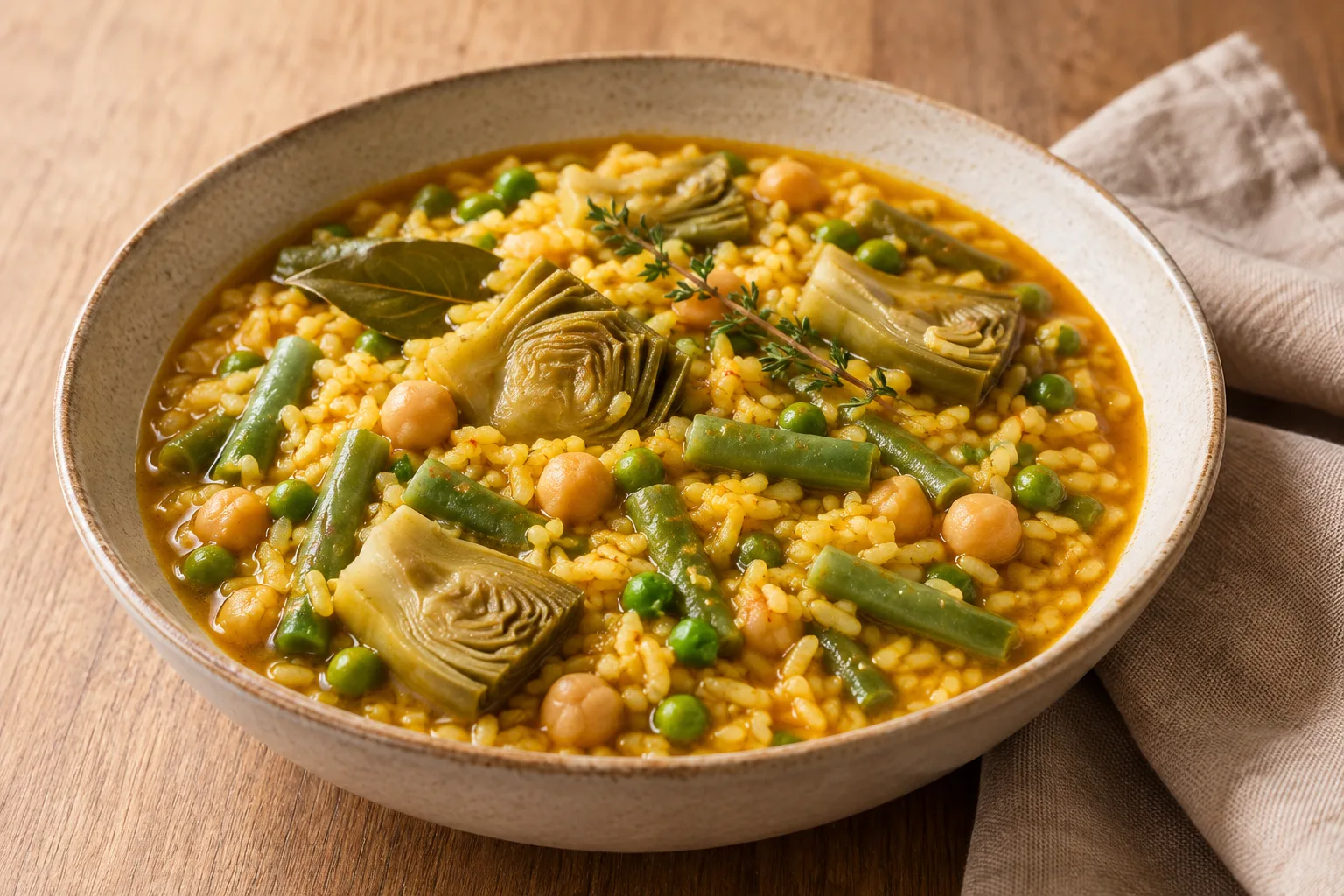
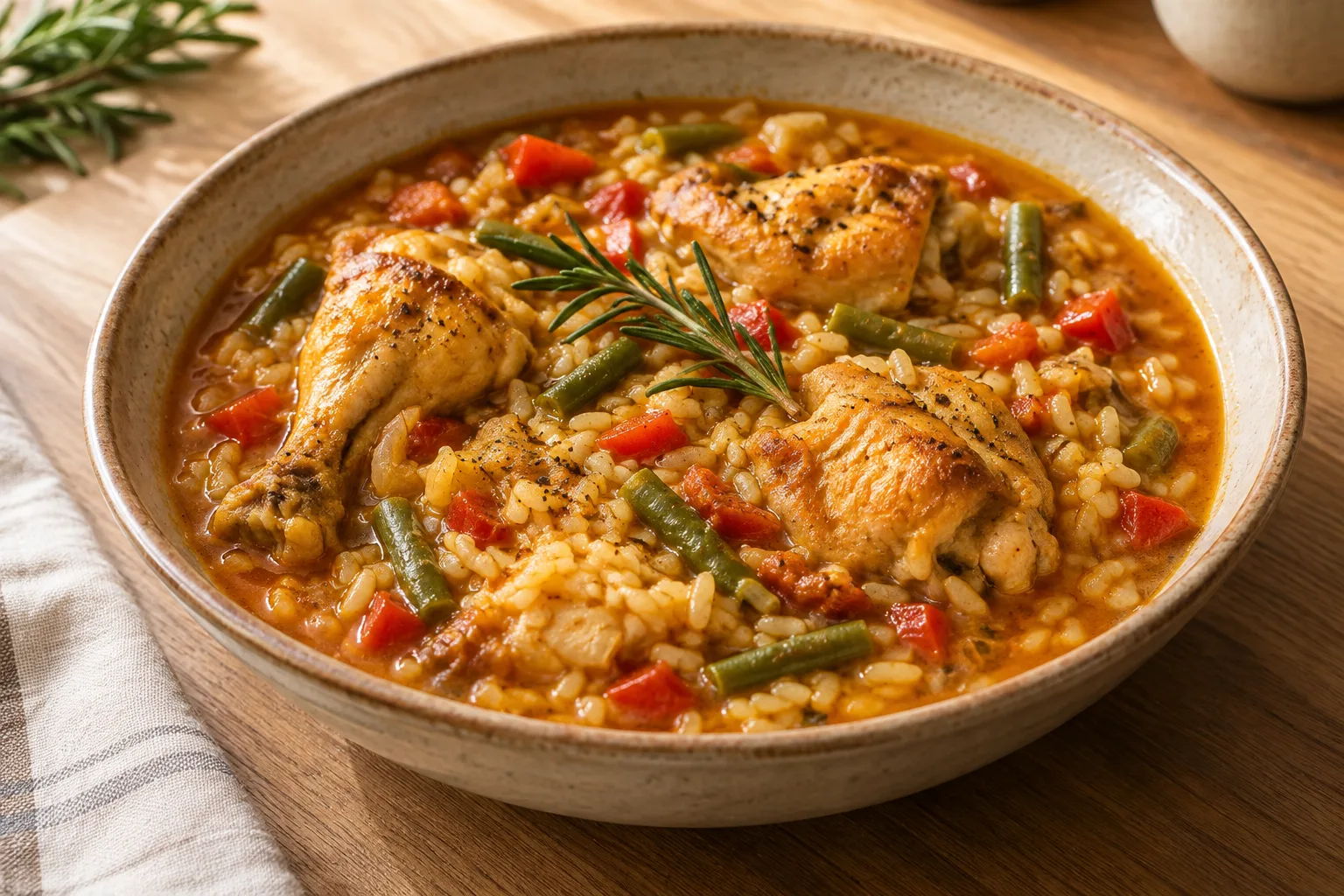
Use green beans when you want to add a mild-tasting vegetable to a hot or cold meal. Serve them whole or cut as a side, add them to soups and stews, or use cooked and cooled beans as the base of a salad. They are also an easy way to vary familiar side dishes: flat and round beans can replace one another in many recipes, although their textures may differ. Green beans are available in markets throughout the year; the supplied sources describe spring and summer as a favourable period for fresh beans. (5233, 5238)
How to use it
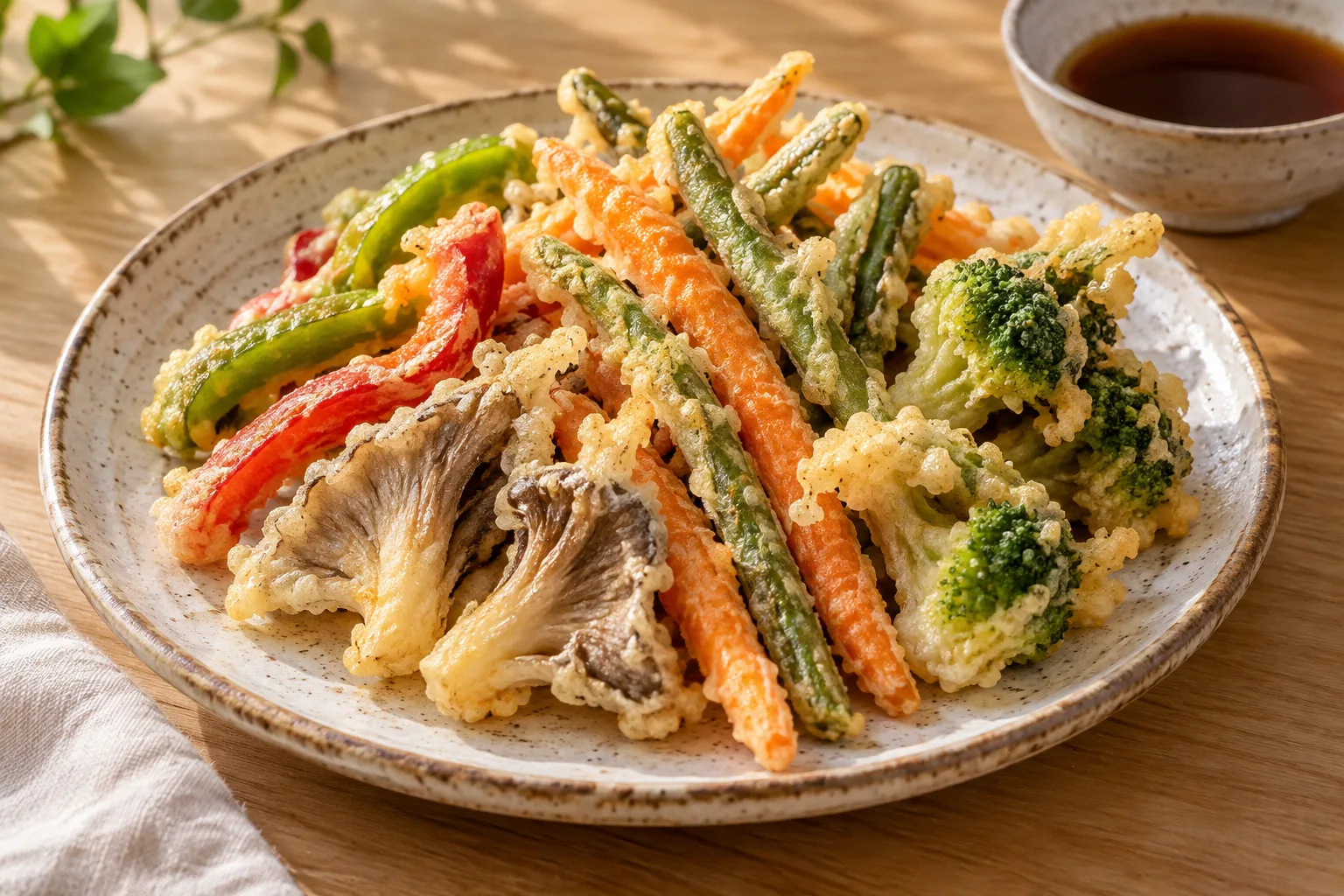
Trim the ends if you like, and check whether the variety has a lengthwise string; some do, while others are described as stringless. Wash the pods and cut them to suit the dish. Steam or boil until they reach your preferred texture, or sauté them for a firmer, browned result. They can also be roasted and served as a side. For a salad, cook the beans, drain them and let them cool before dressing. Add them to soups and stews with the understanding that they will continue to cook in the liquid. Pod thickness and variety affect the result, so check for doneness rather than relying on one fixed cooking time. (5233, 5234, 5240, 5242)
Flavour and texture
Their flavour is generally mild and can be slightly sweet. A shorter cooking time can leave the pods tender yet firm, while longer cooking softens them. Sautéing or grilling adds browned spots and toasted notes. Flat and round varieties may differ in crispness and firmness, so the final texture also depends on the type of pod and its freshness. (5238, 5233, 5241)
How to choose it
Choose firm, smooth pods with a bright colour and no unusual spots or discolouration. They should not feel limp or excessively tough and fibrous; very prominent seeds can indicate a more mature pod. Some sources describe easy snapping as a sign of freshness. Green beans vary in shape, size and colour, and a varietal difference alone does not mean the product is spoiled. (5234, 5238, 5230)
Storage
Keep fresh green beans in the refrigerator, preferably in a perforated bag or an open container, and use them promptly. The supplied sources give different storage-life estimates, so treat no single period as a guarantee; check the beans’ condition before cooking. Several sources recommend blanching before freezing, then draining and packing the beans for the freezer. Follow the package directions for frozen or canned products. (5230, 5234, 5238, 5241)
Substitutions
Flat and round green beans can usually replace each other in many recipes, though their different thicknesses may affect texture and cooking. Frozen or canned beans can also stand in for fresh ones, but their cut, texture and preparation may differ. Adapt the method to the product and check the label for packaged varieties. (5233, 5235)
Common mistakes
Avoid limp, wilted or very fibrous pods if you want a tender result. Do not cook them without checking the texture: thickness and variety mean there is no single cooking time that suits every bean. If using them in a salad, drain them well after cooking so excess water does not dilute the dressing. (5234, 5238, 5234)
Safety and allergens
AESAN reports that botulinum toxin has been found in low-acidity vegetable preserves, including green beans. Follow the package directions for canned beans and avoid eating a product if you have doubts about its storage or condition. (2188, 119)
Culinary uses
- Guarnición vegetal
- Ingrediente para ensaladas, guisos, sopas y salteados
Recommended techniques
- Cocción al vapor o en agua
- Salteado o cocción a la plancha
- Asado al horno
- Escaldado antes de congelar
Pairs well with
- Patata, tomate, cebolla y pimiento
- Ajo y aceite de oliva
- Jamón o chorizo
- Queso feta, frutos secos y vinagreta
Frequently asked questions
Are green beans vegetables or legumes?
They are used as a vegetable in cooking, but they are the tender pods of a legume plant, eaten before the seeds fully mature. (5234, 5238)
Do green beans need to be stringed?
It depends on the variety. Remove a lengthwise string if it is present; other varieties are described as stringless. (5233, 5234)
Can fresh green beans be frozen?
The supplied sources recommend blanching them before freezing. Drain them well and pack them for the freezer. (5238, 5241)
Can green beans be served cold in a salad?
Yes. Cook and drain them, then let them cool before adding dressing and other ingredients. (5233, 5234)
Estimated nutrition
- Fat
- 0 g
- Saturates
- 0 g
- Carbohydrate
- 6.17 g
- Sugars
- 2.47 g
- Fibre
- 2.5 g
- Protein
- 1.23 g
- Salt
- 0 g
Sources and review
Automatically researched, cross-checked and validated content. Sources consulted:
- En el etiquetado alimentario hay algunas menciones que son obligatorias eletiquetadocuentamucho.aesan.gob.es
- Aesan - Agencia Española de Seguridad Alimentaria y Nutrición aesan.gob.es
- Client Challenge doi.org
- Judía verde: origen, cultivo, propiedades y beneficios. frutamerca.com
- Judías verdes: cómo conservarlas y cuántas variedades hay abc.es
- Conoce las judías verdes, sus caracteristicas y como cocinarlas con 5 recetas cocinayaficiones.com
- Judías verdes beneficios, cultivo y usos culinarios esenciales flores.ninja
- 10 recetas con judías verdes, sanas y fáciles | Gastronosfera gastronosfera.com
- Judías verdes: cómo comprar, cocer y cocinar en verano esta legumbre que se consume como verdura huleymantel.com
- Recetas deliciosas con judías verdes hola.com
- Propiedades y beneficios de las judías verdes - Verleal verleal.com
- Judías verdes: beneficios, propiedades, usos y contraindicaciones - No desperdicies nonsprecare.it
- Judías verdes | Introducción | Verduras y hortalizas | EROSKI CONSUMER verduras.consumer.es
- Gastronomía de Filipinas - Wikipedia, la enciclopedia libre es.wikipedia.org
- Judías verdes salteadas: receta de primer plato o guarnición conasi.eu
- Judías verdes: de “meh” a “WOOOO” en 8 minutos | CocinaSinReceta.com cocinasinreceta.com
- Las mejores recetas con judías verdes directoalpaladar.com