- Category
- Vegetables
- State
- Fresh
- Usual unit
- unit
What it is
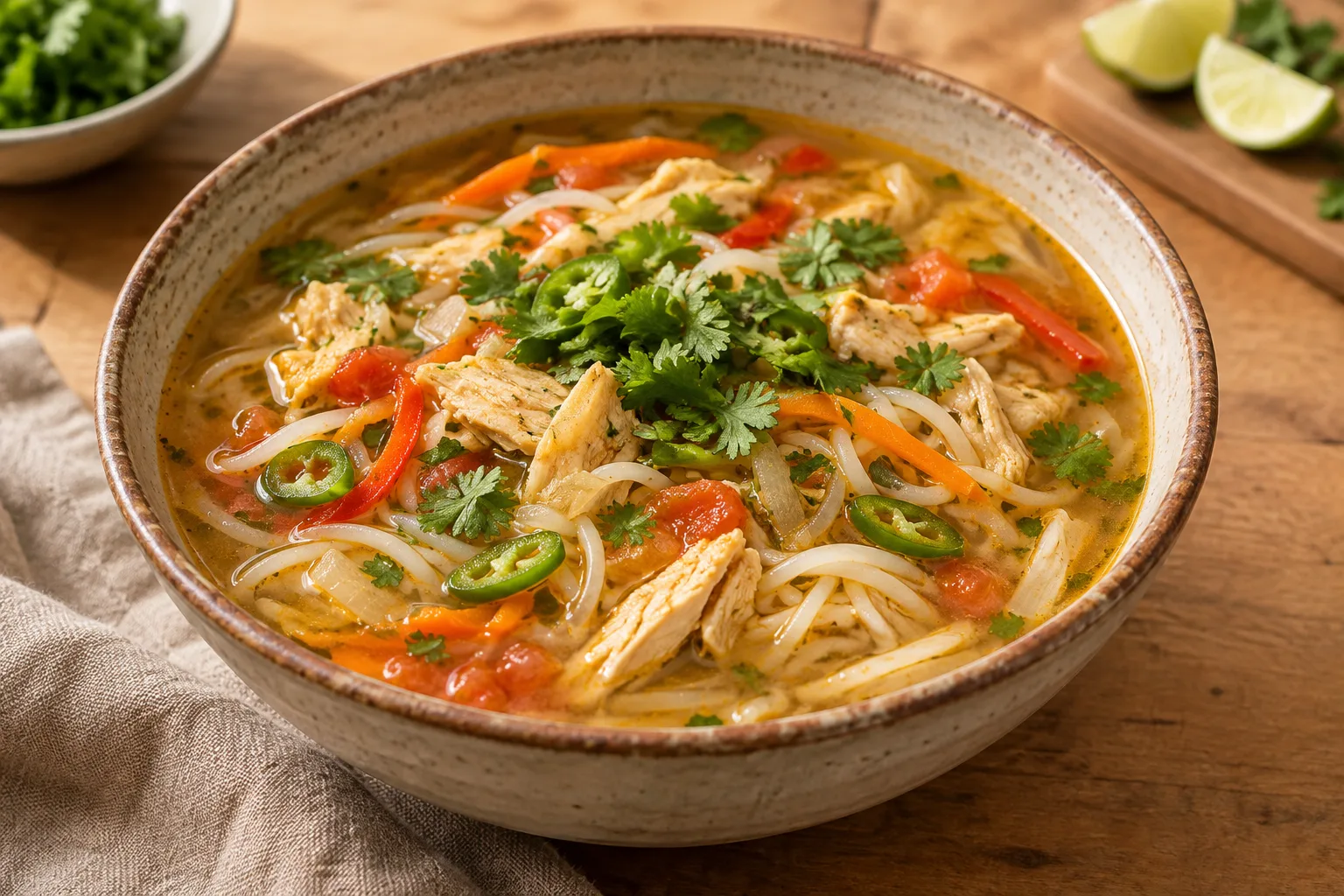
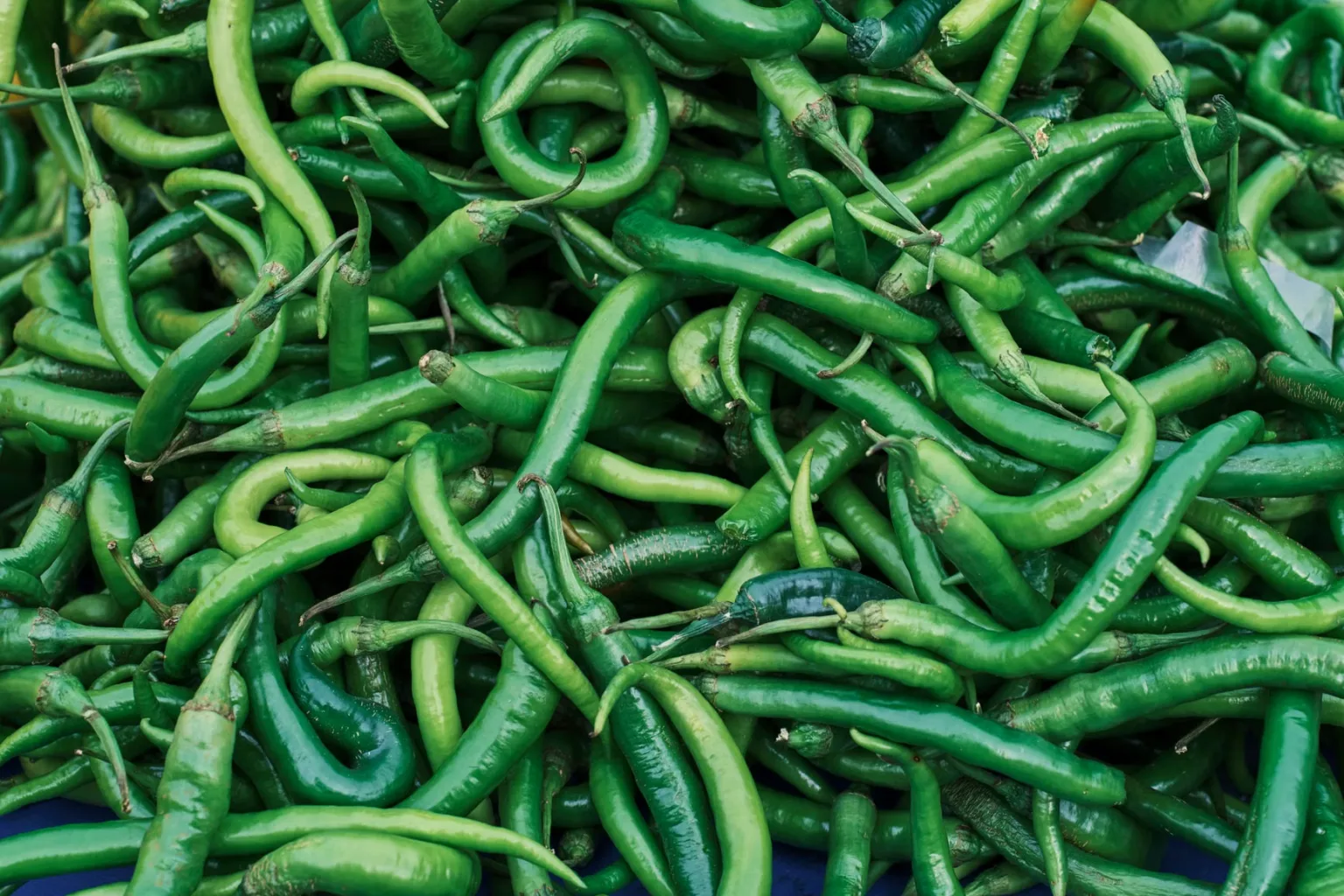
Green chile commonly describes fresh chiles that are green in color, but the name alone does not identify one specific variety. Chiles come in different sizes and levels of heat, so the label cannot reliably predict how hot an individual pepper will be. Green chiles can be eaten raw or cooked and used in salsas and stews. Serrano is one example of a chile often eaten green and immature, but not every green chile is a serrano. Treat the ingredient as a fresh chile whose exact variety and heat level may vary.
When to use it
Use green chile when you want to add heat and fresh chile flavor to salsa, guacamole or a cooked dish. Chop it raw for a fresh salsa, or cook it into salsa or a stew for a more integrated flavor. Because “green chile” can refer to different chiles, taste a small amount before adding more and adjust to the actual heat of the variety and the preferences of the people eating. You can also roast it before peeling when a recipe calls for that preparation.
How to use it
Wash and dry the chile before preparing it. Remove the stem and chop it to add raw to salsa or guacamole, or cook it into a salsa or stew. To make the skin of some chiles easier to remove, roast until it blisters and then peel; peeling is not necessary if the chile will be finely chopped. Heat varies among varieties. The inner veins can concentrate heat, and removing them can reduce it; taste gradually rather than using green color as a guide. Consider wearing gloves when handling very pungent chiles or if your skin is sensitive, and avoid touching your eyes during preparation.
Flavour and texture
The profile depends on the variety: green chile can range from mild to very hot. Fresh, it has a firm, juicy texture that softens during cooking; roasting can blister the skin so it can be removed. Do not infer heat level from green color alone. Identify the variety where possible and taste a small amount.
How to choose it
Choose fresh, firm, crisp chiles with smooth skin and no soft spots, mold, bruises or shriveling. A chile that feels heavy for its size is another useful selection cue described in the preservation guidance. Bright green color is a helpful sign for some varieties, but appearance cannot reliably tell you the heat level. If the variety is identified on the label, use that information to guide your choice.
Storage
The available evidence does not establish a general storage duration or conditions for unroasted fresh green chiles. Follow the seller’s or package’s instructions rather than assuming a specific shelf life. For roasted chiles that will not be processed promptly, the preservation guidance consulted says to place them in shallow containers and refrigerate them if more than two hours will pass before processing.
Substitutions
You can substitute another fresh chile, but its heat and flavor may differ. Start with less and adjust after tasting. A mild green bell pepper can retain color and texture with much less heat. No substitute necessarily reproduces the original variety’s profile, so tailor the quantity to the dish and the people eating.
Common mistakes
Do not assume “green chile” means one variety or guarantees a particular heat level. If you do not know the variety, avoid adding the full amount at once: taste first and adjust. Peeling every chile is unnecessary; the skin is mainly removed after roasting when the preparation calls for it.
Safety and allergens
Hot chiles can irritate or burn skin and eyes: consider wearing gloves and avoid touching your face while handling them. For home-canning chiles without added acid, do not improvise; use a tested recipe and an appropriate pressure-canning process. These storage notes are not a substitute for complete official instructions.
Culinary uses
- Aportar picor y aroma fresco a salsas y guacamole
- Añadir sabor a sopas, guisos y platos cocinados
Recommended techniques
- Picar y usar crudo
- Asar o tostar y pelar
- Cocinar en salsas y guisos
- Congelar para uso posterior
Pairs well with
- Tomate
- Cebolla
- Ajo
- Comino y orégano
Frequently asked questions
Are all green chiles equally hot?
No. “Green chile” can refer to different varieties, ranging from mild to very hot. Identify the variety if possible and taste a small amount before adding more.
Do I need to remove the skin before cooking?
Not always. Roasting can blister the skin and make it easier to remove, but the preservation guidance says peeling is not necessary when the chile will be finely chopped.
How can I reduce the heat?
Removing the inner veins can reduce heat. You can also use less chile or replace some with mild green bell pepper; taste and adjust.
Estimated nutrition
- Fat
- 0 g
- Saturates
- 0 g
- Carbohydrate
- 10 g
- Sugars
- 3.33 g
- Fibre
- 0 g
- Protein
- 3.33 g
- Salt
- 0.58 g
Sources and review
Automatically researched, cross-checked and validated content. Sources consulted:
- Agencia Española de Seguridad Alimentaria y Nutrición aesan.gob.es
- Food Labeling Guide marketready.uky.edu
- ¡Asegurándonos de que no eres un robot! doi.org
- Salsa de Tomate y Chile Verde (Spanish) - National Center for Home Food Preservation nchfp.uga.edu
- How to Preserve Chiles | USU extension.usu.edu
- Chile serrano - Wikipedia, la enciclopedia libre es.wikipedia.org
- Guía completa de tipos de chiles: variedades, usos y secretos postposmo.com
- Salsa and Chiles with ICE Alumna and Chef Ivy Stark of Dos Caminos | Institute of Culinary Education ice.edu
- Canning Green Chile | New Mexico State University - BE BOLD. Shape the Future. pubs.nmsu.edu
- "Recipes - Salsa - Verde (1980-1993)" scholarworks.utrgv.edu
- ESOP COMMUNITY COOKBOOK: faopharmacy.unc.edu
- The Loretta Paganini School of Cooking | ICASI icasi.edu
- Salsa Verde | University of Rochester Medicine urmc.rochester.edu
- Chile Verdura: la guía definitiva para entender, cocinar y disfrutar esta verdura picante y versátil – Sabordeamor.es sabordeamor.es
- Usos del chile y sus variedades en la cocina | Recetas Nestlé recetasnestle.com.mx
- chiles verdes - Ingrediente - Guías de Cocina guiasdecocina.com