- Category
- Vegetables
- State
- Fresh
- Usual unit
- unit
What it is
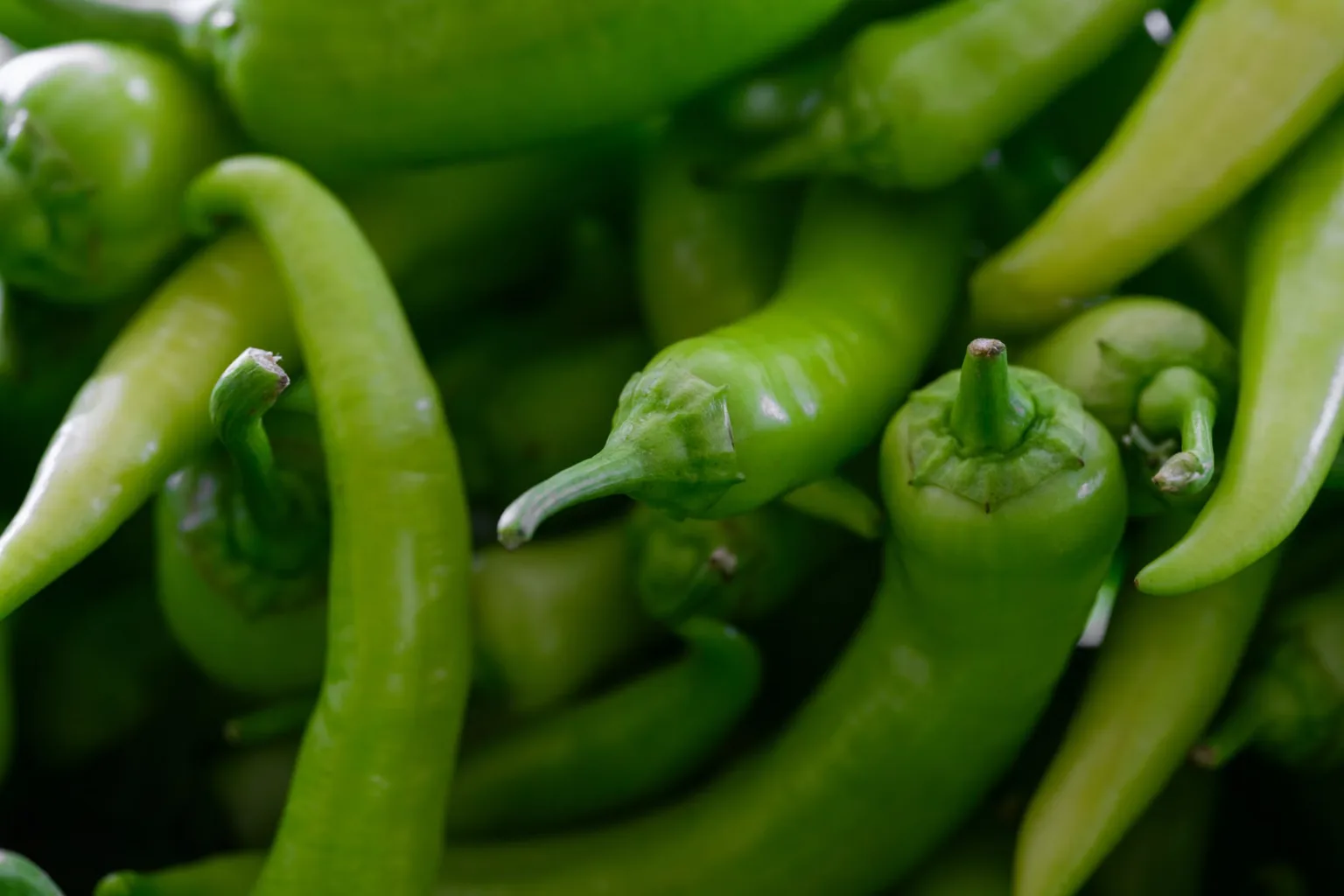
A jalapeño is a fresh, fleshy, crisp chile in the pepper group. It is commonly sold green and can also be red when riper; color and heat may vary from one pod to another. Its interior contains veins and seeds, and much of a chile’s heat can be concentrated in the veins. Jalapeños can serve as seasoning, garnish, or a more central ingredient, raw or cooked. This profile describes the fresh pepper: pickled, canned, dried, or smoked versions are different products and may behave differently in a recipe.
When to use it
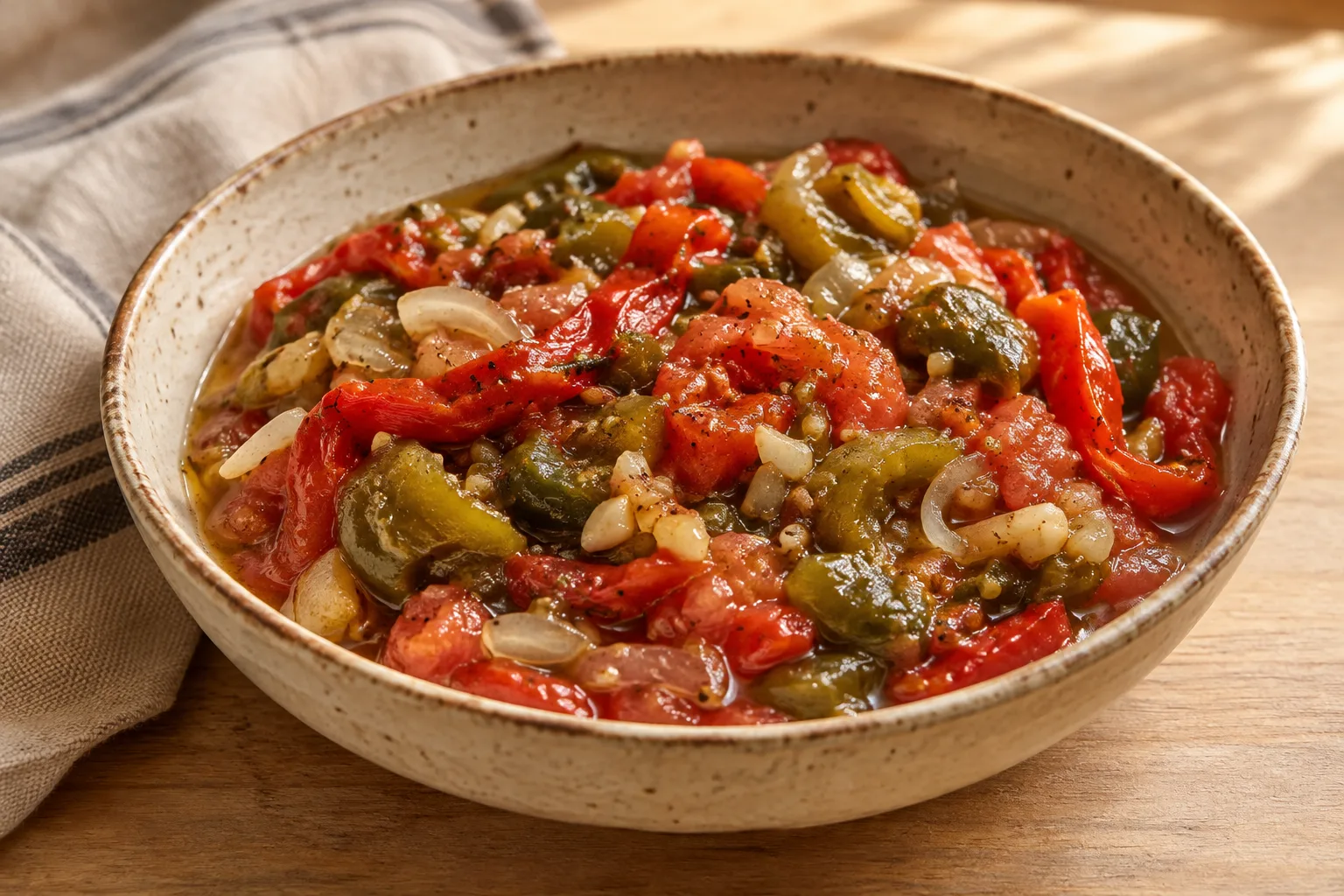
Use fresh jalapeño when you want chile flavor and noticeable heat in salsa, salad, soup, stew, or a stir-fry. Chopped raw, it contributes a fresh, crisp bite; roasted and peeled, it can be folded into salsa or cooked dishes. It also works well stuffed and baked when you want the pepper to play a more central role. Because heat varies, begin with a small amount and taste before adding more, especially when the batch or your guests’ tolerance is unfamiliar.
How to use it
Rinse the jalapeño under water and dry it before preparing. Remove the stem, then slice or dice the chile for salsa, salads, soups, stews, or stir-fries. To reduce its heat, remove the veins and seeds; removing the veins can lessen the heat but does not guarantee a mild result. For easier roasting and peeling, make a small slit in the skin so steam can escape, roast until the skin blisters, and let the pepper cool before peeling. You can also fry the slices or stuff whole peppers and bake them. Wear gloves when handling hot chiles, and wash your hands before touching your face or eyes.
Flavour and texture
Fresh jalapeño has a vegetal flavor and heat that can range from moderate to more intense; individual peppers are not equally hot. The flesh is juicy and meaty, while the skin is firm and the raw pepper can be crisp. Roasting blisters the skin so it can be removed and leaves the flesh more tender. Green or red color can reflect different stages of maturity, but color alone cannot reliably tell you how hot a particular pepper will be.
How to choose it
Choose jalapeños that feel firm and look fresh, smooth, and brightly colored. Avoid peppers that are soft, shriveled, bruised, cracked, or moldy. An even appearance and intact skin help you avoid obvious damage, but they cannot tell you exactly how hot a pepper will be. If heat control matters to your recipe, buy enough to taste a small piece before adding the rest.
Storage
Keep fresh jalapeños in the refrigerator, and keep dirty or unwashed peppers apart from ready-to-eat foods. Rinse them with water before cutting; do not use soap, detergent, or bleach on the pepper. Remove any deteriorated pieces and follow package storage directions if the peppers are packaged. This profile does not specify a household storage time or temperature for fresh jalapeños.
Substitutions
You can substitute another fresh hot chile, such as serrano, but its flavor and heat will not be identical; start with a small amount and adjust after tasting. Another variety of fresh hot chile can also work, with the quantity adjusted to taste. Pickled jalapeño can replace fresh when the recipe suits the added acidity and preserved texture, but it is not a neutral swap.
Common mistakes
Do not assume every jalapeño has the same heat or add a large amount before tasting. Avoid rubbing your eyes while preparing peppers: oils in some hot chiles can irritate skin and eyes. When roasting, remember to make a slit so steam can escape. Do not replace a tested preservation recipe with an improvised one; improperly preserved peppers can be hazardous.
Safety and allergens
Rinse the pepper with water before preparing it; do not use soap or bleach. Wear gloves when working with hot jalapeños, avoid touching your eyes, and wash your hands after handling them. If preserving peppers at home, follow a tested recipe and its directions exactly: peppers are low in acid, and improperly preserved peppers can cause botulism.
Culinary uses
- seasoning
- garnish
- fresh salad ingredient
- relish or salsa ingredient
Recommended techniques
- chop or slice and serve raw
- roast or blister, then peel
- sauté or fry in slices
- stuff and bake
Pairs well with
- salsa and sauces
- soups and stews
- rice and meat fillings
- salads and vegetable dips
Frequently asked questions
Are all jalapeños equally hot?
No. Heat can vary from pepper to pepper. Taste a small amount before adding more, then adjust the recipe to your preference.
How can I reduce the heat?
Remove the veins and seeds before cutting or cooking the pepper. Removing the veins can reduce the heat, but it does not guarantee a mild result.
Can I eat jalapeño raw?
Yes. Rinse it, slice it, and serve it in salads, salsa, or alongside other foods. Handle it carefully to avoid touching your eyes.
Estimated nutrition
- Fat
- 0.37 g
- Saturates
- 0.09 g
- Carbohydrate
- 6.5 g
- Sugars
- 4.12 g
- Fibre
- 2.8 g
- Protein
- 0.91 g
- Salt
- 0.01 g
Sources and review
Automatically researched, cross-checked and validated content. Sources consulted:
- Client Challenge doi.org
- Selecting, Storing, and Serving Ohio Peppers | Ohioline ohioline.osu.edu
- Processing Fresh Chile Peppers | New Mexico State University - BE BOLD. Shape the Future. pubs.nmsu.edu
- Preserving peppers | OSU Extension Service extension.oregonstate.edu
- How to Preserve Chiles | USU extension.usu.edu
- Chile ucanr.edu
- Chile jalapeño Km 0 de Lleida fresco, picante y cultivado en huerto propio - Km0 km0andanifruits.com
- Chile - USU Digital Commons digitalcommons.usu.edu
- Preferences in 'Jalapeño' Pepper Attributes upcommons.upc.edu
- El chile jalapeño, el picante saludable | The Gourmet Journal thegourmetjournal.com
- Chile jalapeño | www.cocinista.es cocinista.es
- - YouTube youtube.com
- ¿Que es el Jalapeño? - blog doctorsalsas doctorsalsas.com
- Chile jalapeño, el más versátil de los pimientos picantes: qué es, cómo se cocina y en qué recetas sacarle partido directoalpaladar.com