- Category
- Fruit
- State
- Fresh
- Usual unit
- unit
What it is
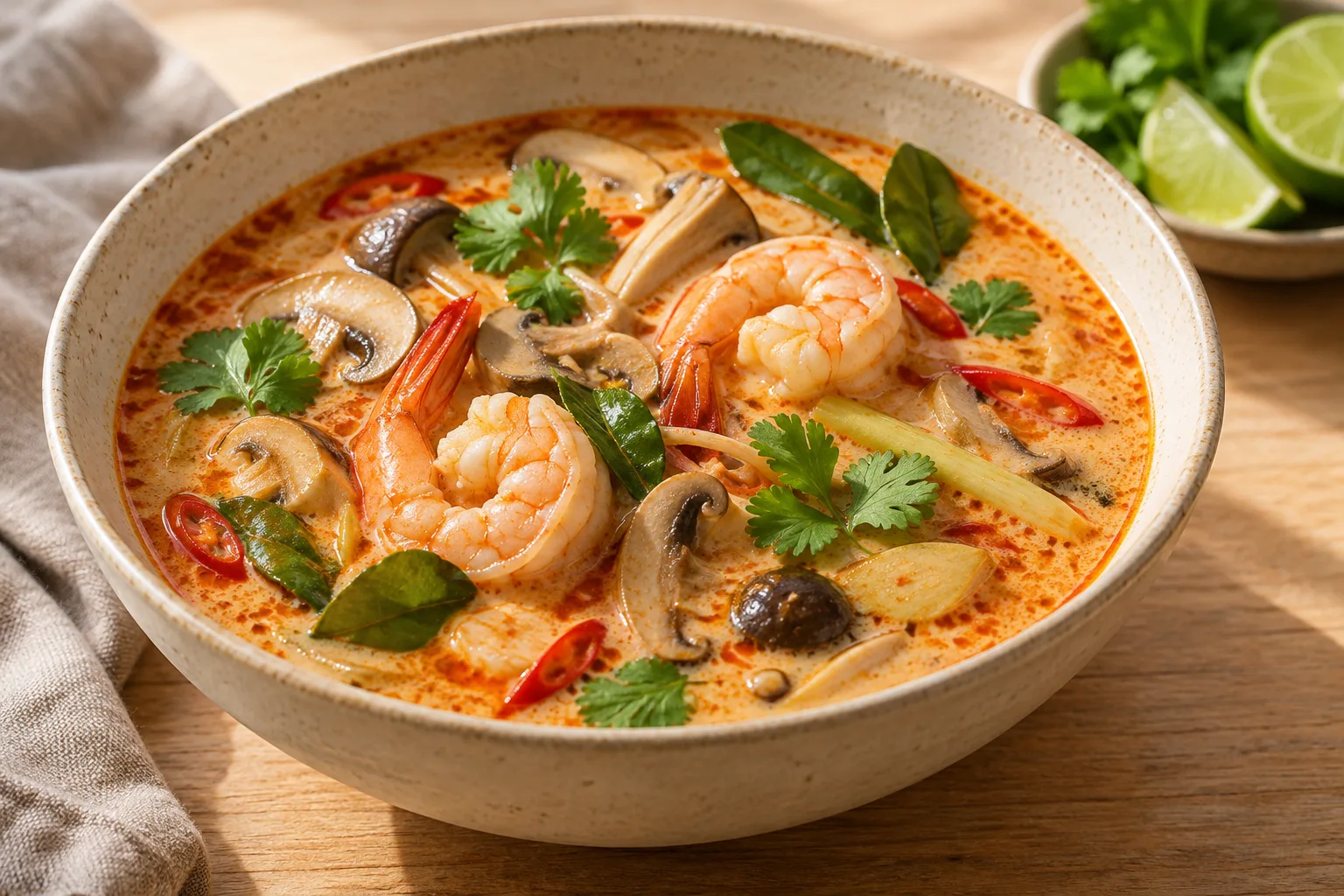
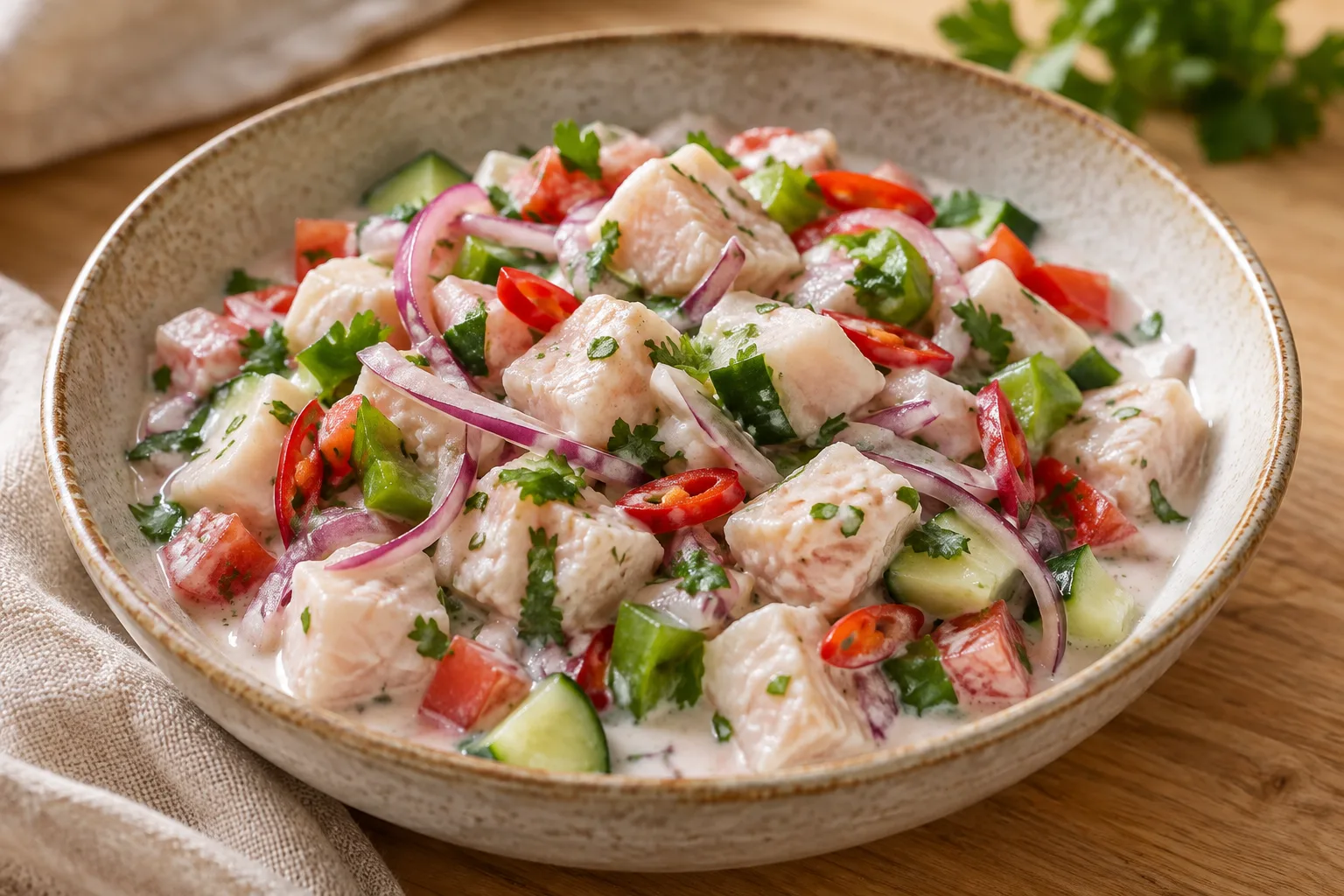
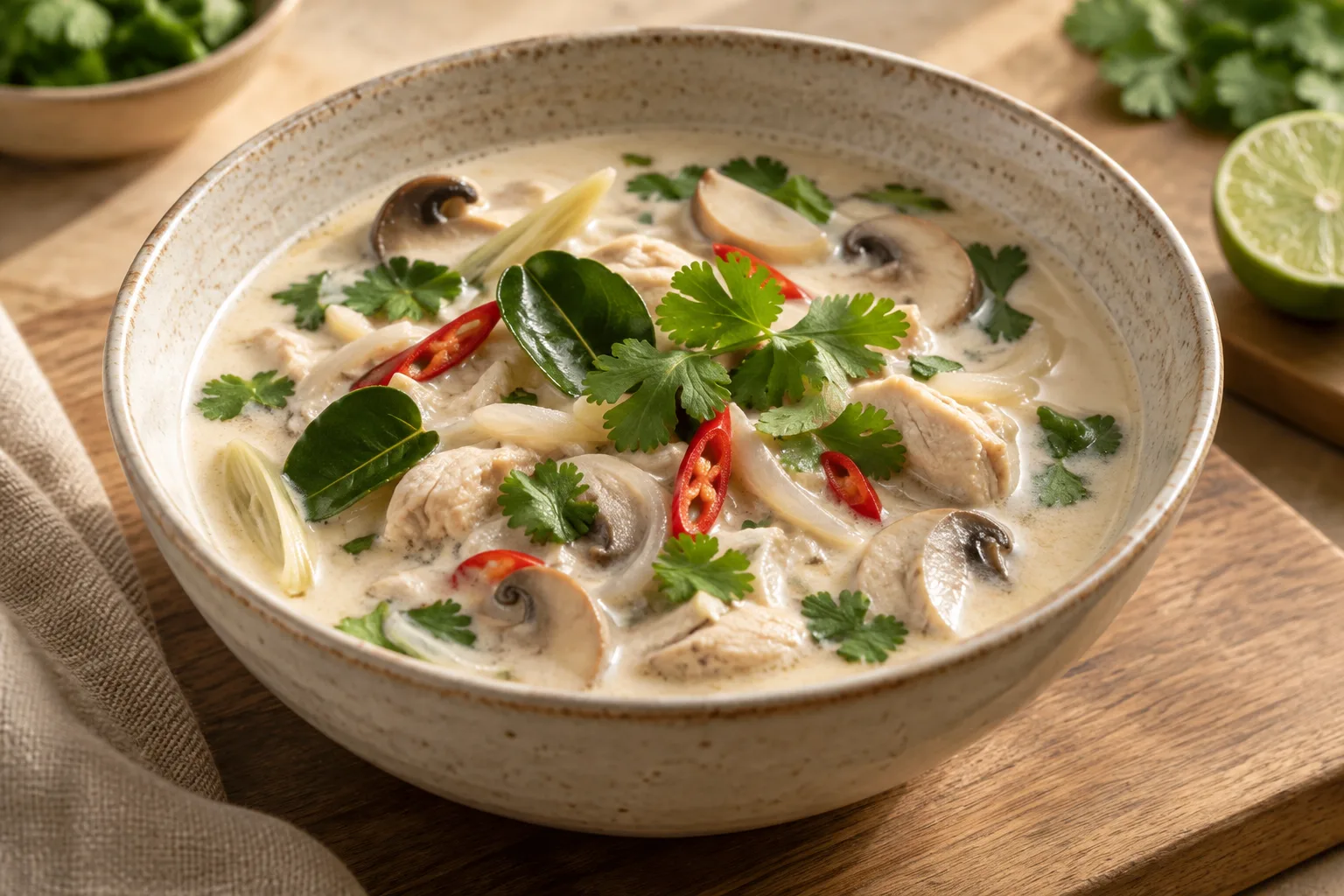
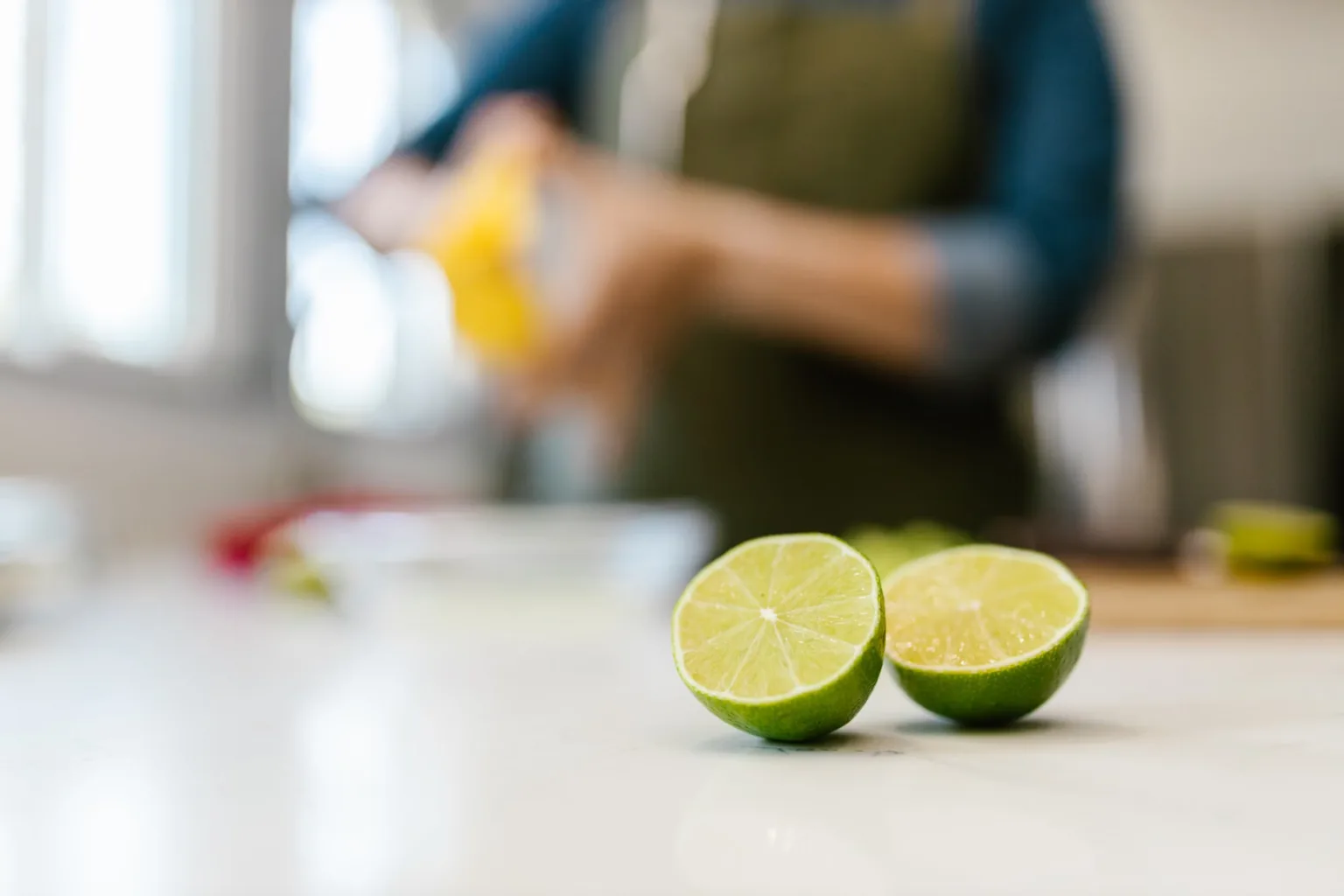
Lime is a fruit in the citrus family. In cooking, its juice and grated peel are used for different purposes: the juice adds acidity, while the zest is used for its aroma. The name “lime” can refer to different varieties, so it is best not to assume they all look or behave exactly alike. This profile covers fresh lime as a citrus fruit, not kaffir lime: kaffir lime is a different ingredient, described especially for culinary uses of its leaves and peel. The available evidence mentions lime in drinks, desserts, salads and meat dishes.
When to use it
Use lime when you want to add a tart citrus note to a drink or savory preparation, or when zest can bring aroma to a dessert. The available evidence mentions its use in cocktails and juices, ice cream and other sweet recipes, salads, and dishes with meat. Since intensity can vary among fruits and varieties, add it gradually and adjust to the result you want rather than assuming every lime will contribute the same level of acidity.
How to use it
Wash the fruit before handling it, and consider juice and peel separately. To add acidity, squeeze the lime and mix the juice into the preparation; it can be used in drinks, salads and savory dishes. To add citrus aroma to sweet recipes, grate the peel and start with a small amount, tasting before adding more. Juice or zest can also be used in ice cream and cocktails. Do not treat juice and zest as interchangeable: they contribute different qualities. Kaffir lime is not an automatic substitute for common lime; the culinary uses described for it focus on its leaves and peel.
Flavour and texture
The culinary evidence describes lime as an acidic citrus fruit and highlights the aromatic use of its grated peel. Juice contributes acidity, while zest adds aroma, so the two can play different roles in a recipe. A single texture is not documented for every variety, so appearance and juice yield may vary. The name “lime” can also cover different fruits: do not confuse this fresh-lime profile with kaffir lime.
How to choose it
The available evidence does not provide visual ripeness, firmness or size criteria for choosing a lime, and it does not support treating all varieties as identical. When shopping, check how the product is identified and distinguish common lime from kaffir lime, a different ingredient often discussed for its leaves and peel. Choose a fruit suited to your intended use, but do not rely on an unsupported rule about quality or ripeness.
Storage
The evidence consulted does not establish a specific temperature or storage duration for fresh lime. Keep hands, surfaces and containers that contact food clean, and do not present an exact time as a guarantee of quality or safety. Storage does not improve a food’s starting quality; quality depends, among other factors, on the condition of the product and how it is handled and stored. If the fruit shows signs of spoilage, do not rely on smell or appearance alone to guarantee the safety of any prepared food.
Substitutions
Lemon can be a practical alternative when a recipe needs acidic juice or citrus aroma from the peel: the sources describe both fruits as related citrus and mention these uses for lime. The result will not be identical, so add the substitute gradually and adjust to taste. The available sources do not validate exact ratios or other specific substitutes.
Common mistakes
Do not assume juice and zest are equivalent: juice brings acidity, while zest is used for aroma. Do not confuse common lime with kaffir lime or assume the word “lime” always refers to a single variety. Avoid applying universal quantities or storage rules that the available evidence does not establish.
Safety and allergens
Wash the fruit and keep hands, surfaces and utensils clean during preparation. The available evidence identifies no lime-specific safety warning; follow general hygienic handling and do not rely on appearance or taste alone to guarantee safety.
Culinary uses
- Aportar acidez y aroma cítrico
- Dar sabor a bebidas, postres y platos salados
Recommended techniques
- Exprimir para obtener zumo
- Rallar la piel para usarla como aromático
Pairs well with
- Cócteles y otras bebidas
- Postres y helados
- Ensaladas
- Carnes
Frequently asked questions
Which parts of a lime are used in cooking?
The sources mainly mention the juice and grated peel. Juice adds acidity, while zest is used for its aroma.
What can I use lime in?
Its uses include cocktails and other drinks, ice cream and desserts, salads, and meat dishes.
Is common lime the same as kaffir lime?
They should not be treated as the same ingredient. Kaffir lime is described separately, with cited culinary uses focused on its leaves and peel.
Estimated nutrition
- Fat
- 0.2 g
- Saturates
- 0.02 g
- Carbohydrate
- 10.5 g
- Sugars
- 1.69 g
- Fibre
- 2.8 g
- Protein
- 0.7 g
- Salt
- 0 g
Sources and review
Automatically researched, cross-checked and validated content. Sources consulted:
- Client Challenge doi.org
- Food Selection & Storage | Home & Garden Information Center hgic.clemson.edu
- Preparing an Emergency Food Supply, Long Term Food Storage | Food Preservation | Food | Extension | UGA FACS fcs.uga.edu
- Kitchen Companion: Your Safe Food Handbook ucanr.edu
- Comité Científico aesan.gob.es
- Qué es la lima kaffir, ingrediente imprescindible de la cocina tailandesa directoalpaladar.com
- A Taste of Lima | ReVista revista.drclas.harvard.edu
- Space Food, Grits with Butter, STS-27 | National Air and Space Museum airandspace.si.edu
- UCLA Teaching Kitchen | Recreation - FITWELL fitwell.recreation.ucla.edu
- Preserve Smart apps.chhs.colostate.edu
- La lima, la hermana pequeña del limón – Revista HortoGourmet hortogourmet.com
- ¿Qué son las hojas de lima y cómo utilizarlas en la cocina? - Mejor con Salud mejorconsalud.as.com