- Category
- Dairy and eggs
- State
- Fresh
- Usual unit
- g
What it is
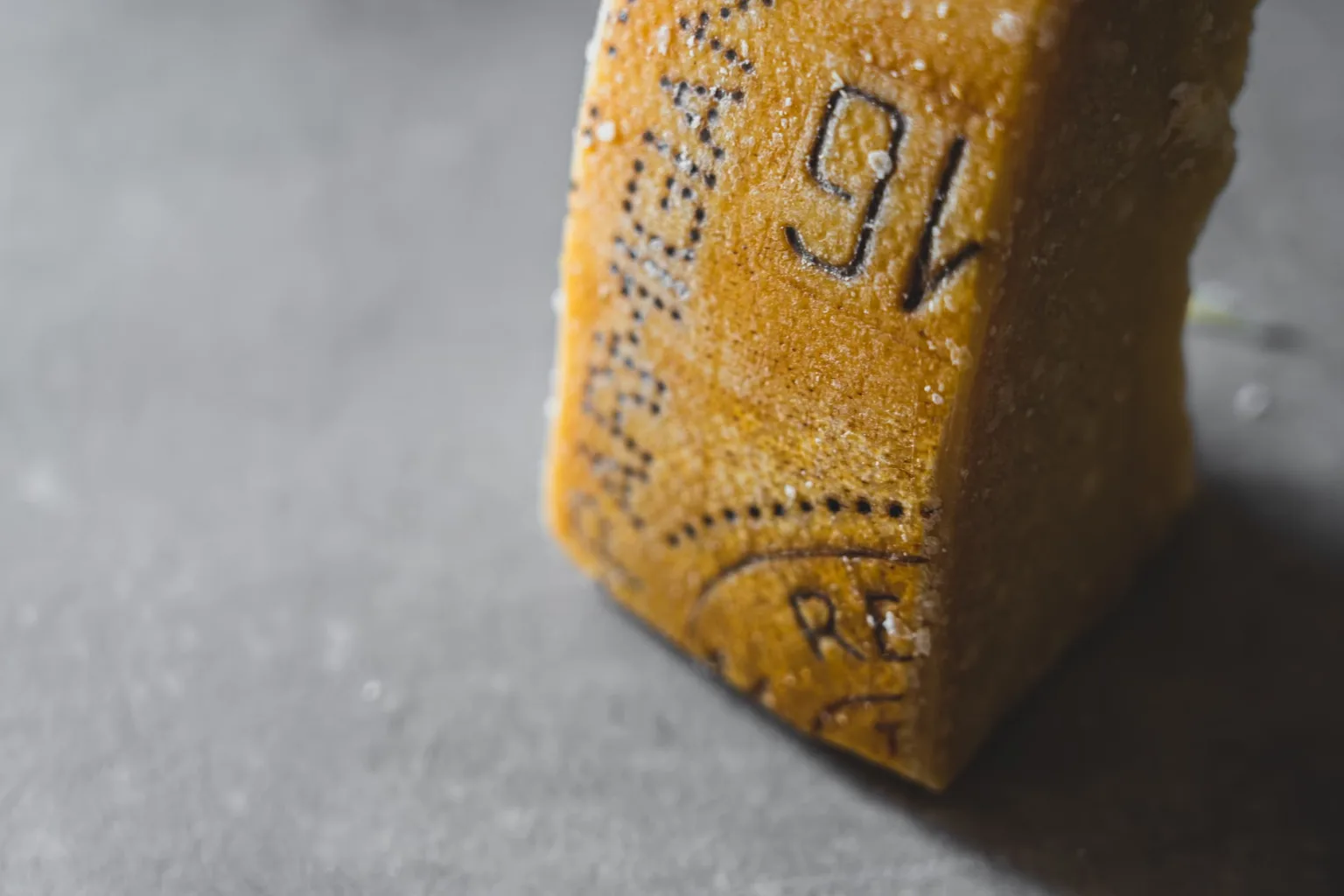
Parmesan is a hard cheese, generally made from cow’s milk, that is commonly grated, shaved, or served in pieces. Its firm, granular texture makes it easy to grate and allows it to break into irregular chunks. The flavor is usually pronounced and somewhat salty; more mature cheeses can taste more concentrated and complex. “Parmesan” is used broadly for cheeses of this style, while Parmigiano Reggiano is a protected name for a product made under specific requirements. Names, origins, and characteristics can therefore vary between products, and not every cheese labelled Parmesan is necessarily Parmigiano Reggiano.
When to use it
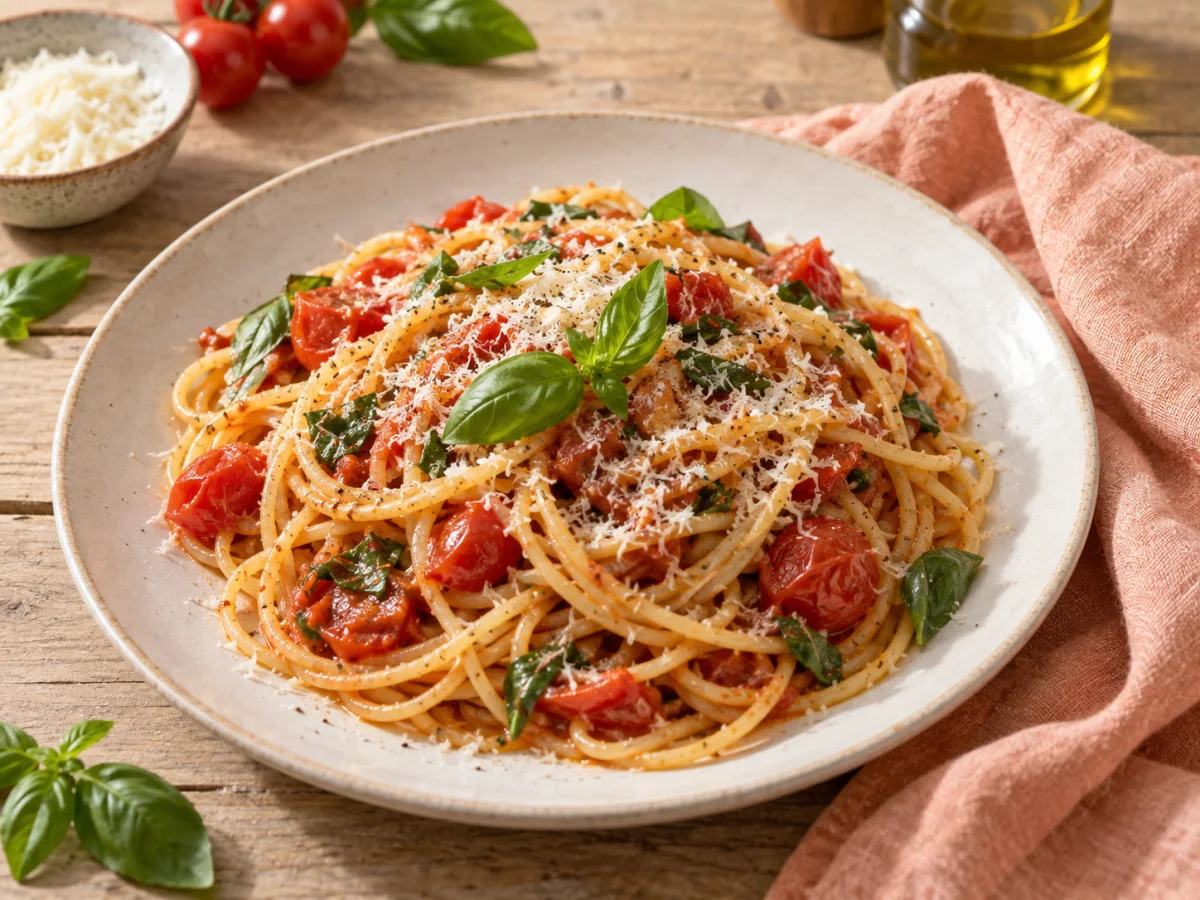
Use it when you want to add a savory accent without making cheese the main ingredient. Grated Parmesan works over pasta, soups, salads, and vegetables; stirred in near the end, it can add flavor and body to risotto. Shaved or broken into pieces, it adds texture to salads and makes a useful appetizer. Its savory character also contrasts with sweet fruit such as pears, figs, and grapes, or with honey and walnuts. If your cheese tastes especially salty or strong, start with a small amount and taste before adding more.
How to use it
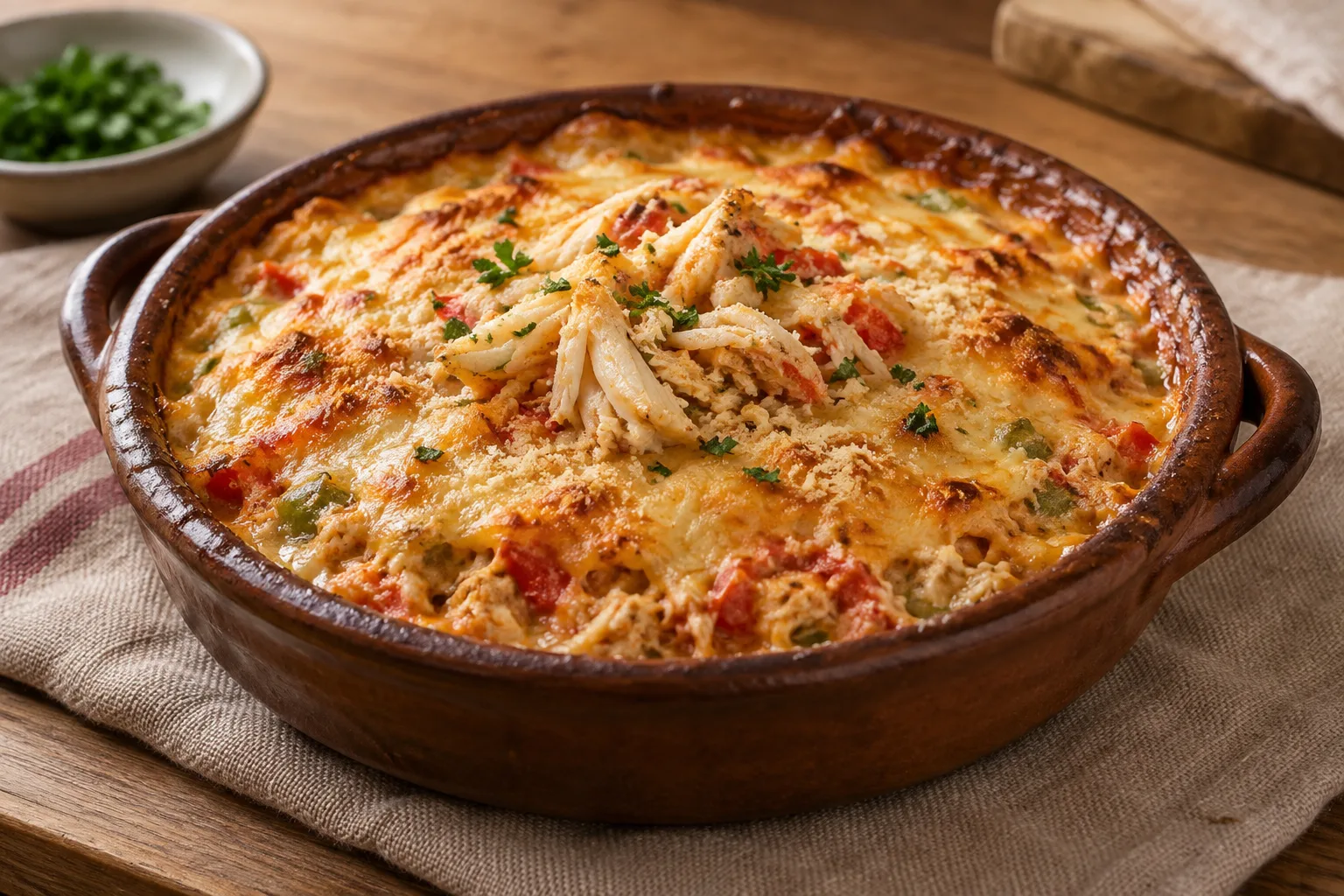
Grate it directly over pasta, soup, salad, or vegetables, or shave it into thin pieces to add a textural contrast to a cold dish. In risotto or another creamy preparation, stir it in near the end so it is distributed through the dish; add it gradually if you want to control the intensity. It can also go into sauces and gratins, either as an ingredient or as a finishing layer. To serve it without cooking, break or cut it into irregular pieces and pair it with fruit, walnuts, or honey. Parmesan varies in intensity and saltiness, so taste the dish before seasoning further.
Flavour and texture
Parmesan has a pronounced, savory flavor that is often slightly salty, with a hard, granular, or crumbly texture that can be grated or shaved. Flavor strength and texture vary with the cheese and its maturation: more mature examples tend to be more intense and brittle. Do not assume every product called Parmesan has an identical profile.
How to choose it
First decide whether you need a whole piece, wedge, grated cheese, or shavings; several formats are available. If you specifically want Parmigiano Reggiano, check that the name and product information identify it as such; “Parmesan” alone does not confirm that it is this protected product. For cheese sold loose or cut to order, ask for its name and check the allergen information available. Choose a format suited to your intended use and read the product directions.
Storage
Follow the storage instructions on the package or those provided by the retailer if you buy it cut to order. Also check any use-after-opening and date guidance provided for the specific product. A whole piece, grated cheese, and shavings may have different directions, so do not assume every format is stored in the same way. Keep the label available so you can refer to the product-specific instructions.
Substitutions
Grana Padano can replace Parmesan in dishes that call for a hard, granular cheese, although its profile is generally milder and creamier. Pecorino Romano can also be grated, but it brings a saltier, sharper flavor. Since neither substitute tastes exactly the same, start with less and adjust the recipe’s salt after tasting.
Common mistakes
Assuming that every cheese called Parmesan is Parmigiano Reggiano can lead to expectations about origin or characteristics that the product does not promise. Another mistake is adding a fixed amount without tasting: intensity and saltiness vary. If you use Pecorino Romano as a substitute, remember that it may be saltier and adjust the rest of the dish before seasoning.
Safety and allergens
Contains milk. If you have an allergy or intolerance, check the package allergen information or ask the retailer, especially when buying unpackaged cheese. Follow the storage and use instructions for the specific product.
Culinary uses
- Aporta sabor intenso a platos calientes y fríos
- Se usa rallado, en lascas o en trozos
Recommended techniques
- Rallar o cortar en lascas para añadir al plato
- Incorporar al final de una preparación o utilizar en platos gratinados
Pairs well with
- Pasta, risotto, sopas, ensaladas y verduras
- Peras, higos, uvas, nueces y miel
Frequently asked questions
Are Parmesan and Parmigiano Reggiano the same?
Not necessarily. Parmigiano Reggiano is a protected name for a specific product; Parmesan can also be used for other hard cheeses. Check the product name on the label.
How can I use Parmesan cheese?
Grate it over pasta, soups, and salads, stir it into risotto near the end, use it in a sauce, or add it to a gratin. It can also be served shaved or in pieces.
What can I substitute for Parmesan?
Grana Padano is a hard, granular alternative, while Pecorino Romano is saltier and sharper. Adjust the amount and the seasoning to suit the dish.
Estimated nutrition
- Fat
- 30 g
- Saturates
- 20 g
- Carbohydrate
- 0 g
- Sugars
- 0 g
- Fibre
- 0 g
- Protein
- 40 g
- Salt
- 3 g
Sources and review
Automatically researched, cross-checked and validated content. Sources consulted:
- En el etiquetado alimentario hay algunas menciones que son obligatorias eletiquetadocuentamucho.aesan.gob.es
- Client Challenge doi.org
- Los Secretos del Queso: Maridajes, Recetas y Tradiciones - Senderuelo senderuelo.es
- Aesan - Agencia Española de Seguridad Alimentaria y Nutrición aesan.gob.es
- Queso Parmesano Reggiano: historia, usos, maridaje y recetas elpaladar.es
- ▷ Queso parmesano: origen, sabor y cómo usarlo devasgourmet.es
- Queso parmesano - Wikipedia, la enciclopedia libre es.wikipedia.org
- Historia y origen del queso Parmesano y sus usos en la cocina italiana gourmetdemexico.com.mx
- ¿Qué es el queso parmesano? Elaboración y características lafamigliarestaurantes.com
- Aprende a cocinar con queso parmesano | Recetas Nestlé recetasnestle.com.mx
- Parmigiano Reggiano: qué lo hace único y cómo usarlo totale.es
- Queso Parmesano: Qué es, Valores nutricionales, Recetas | Ingredientes - Sistema Sacco ingredients.saccosystem.com
- Descubriendo el Sabor: Los Mejores Quesos Parecidos al Parmesano y su Comparativa donquesotori.es
- Maridajes perfectos con el Parmigiano Reggiano: guía completa - Traversetolese Shop Parma caseificiotraversetolese.it
- Quesos españoles parecidos al Parmesano catadequesosbarcelona.com
- Sustitutos de Queso Duro para Queso Parmesano es.hiloved.com