- Category
- Pulses
- State
- Paste
- Usual unit
- Variable
What it is
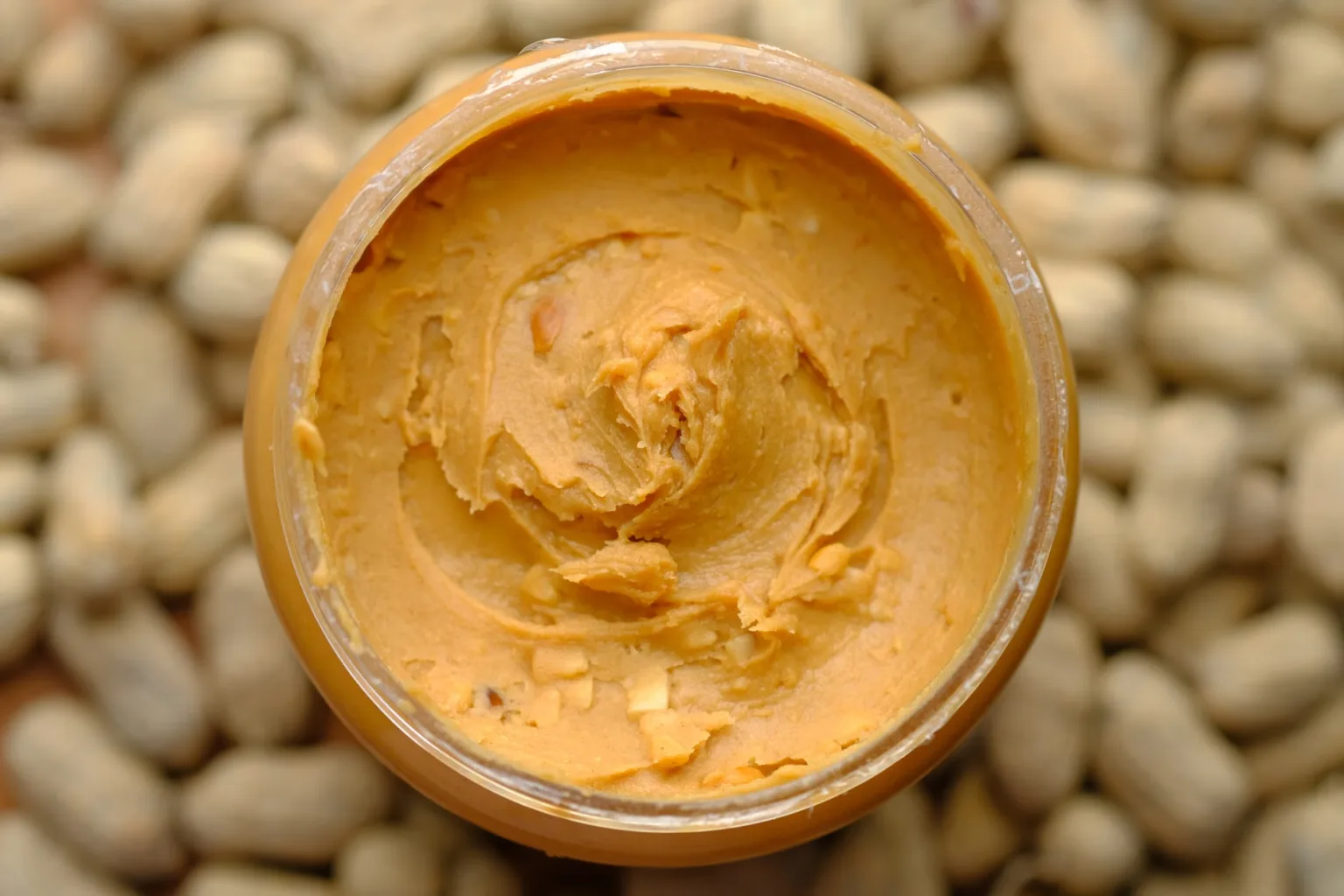
Peanut butter is a food paste made mainly from ground peanuts. Depending on the product, it may contain only peanuts or include added ingredients that change its flavor or texture, such as salt, sugar or oil. It comes in smooth and crunchy styles: smooth peanut butter is ground evenly, while crunchy peanut butter contains perceptible peanut pieces. Despite its name, it is not dairy butter. Botanically, peanuts are legumes, although they are often grouped with nuts in cooking. Check the product label to find out exactly what a particular jar contains.
When to use it
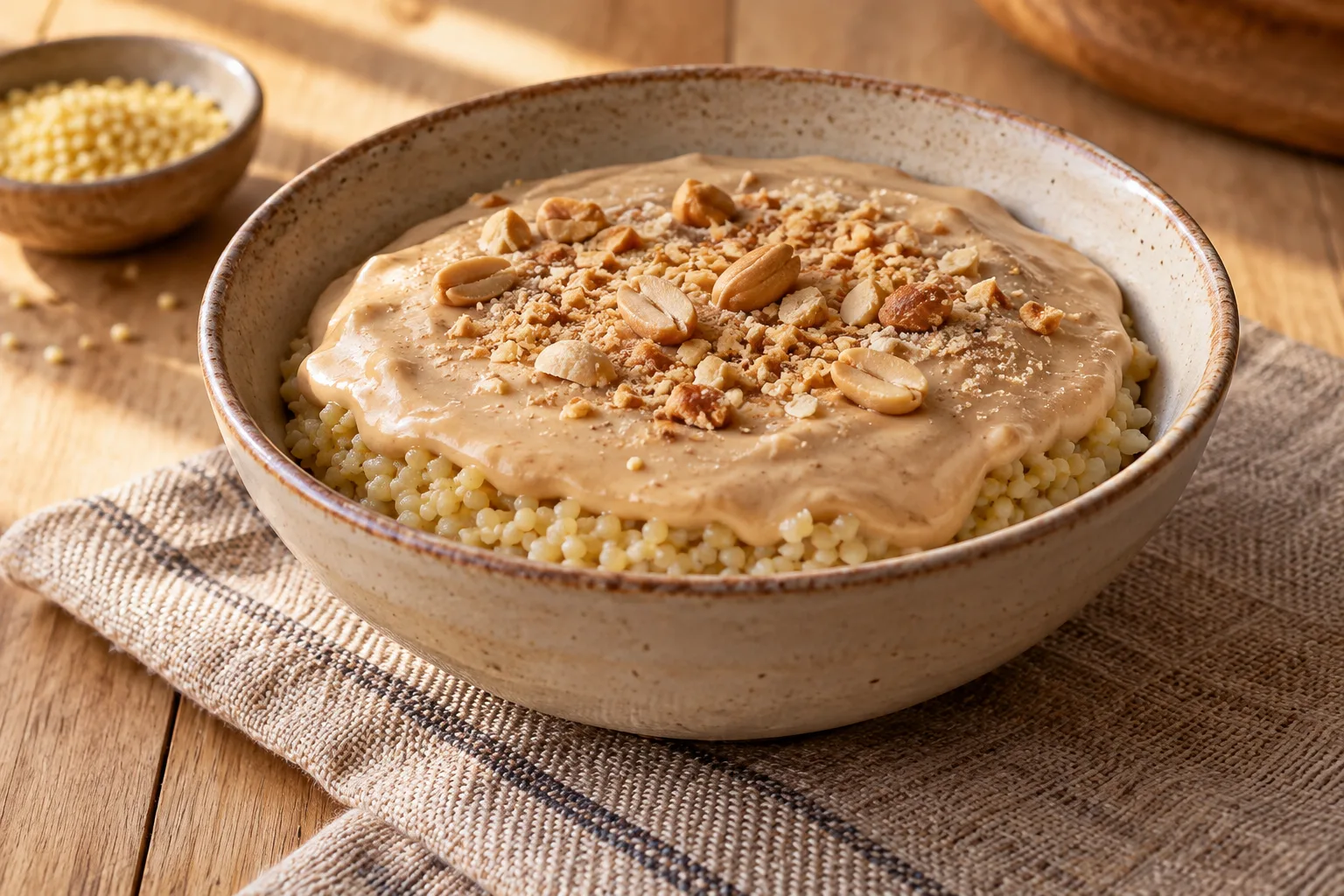
Use peanut butter when you want a distinctive peanut flavor and a rich, spreadable texture. It works directly on toast and in sandwiches, with or without jam, and can be mixed into a sauce for stir-fries or pasta. It is also used in smoothies, yogurt mixtures, cookies and other desserts. Smooth peanut butter blends readily into an even mixture; crunchy peanut butter adds small pieces and texture. If the product contains added salt or sugar, account for its flavor before seasoning or sweetening the rest of the recipe.
How to use it
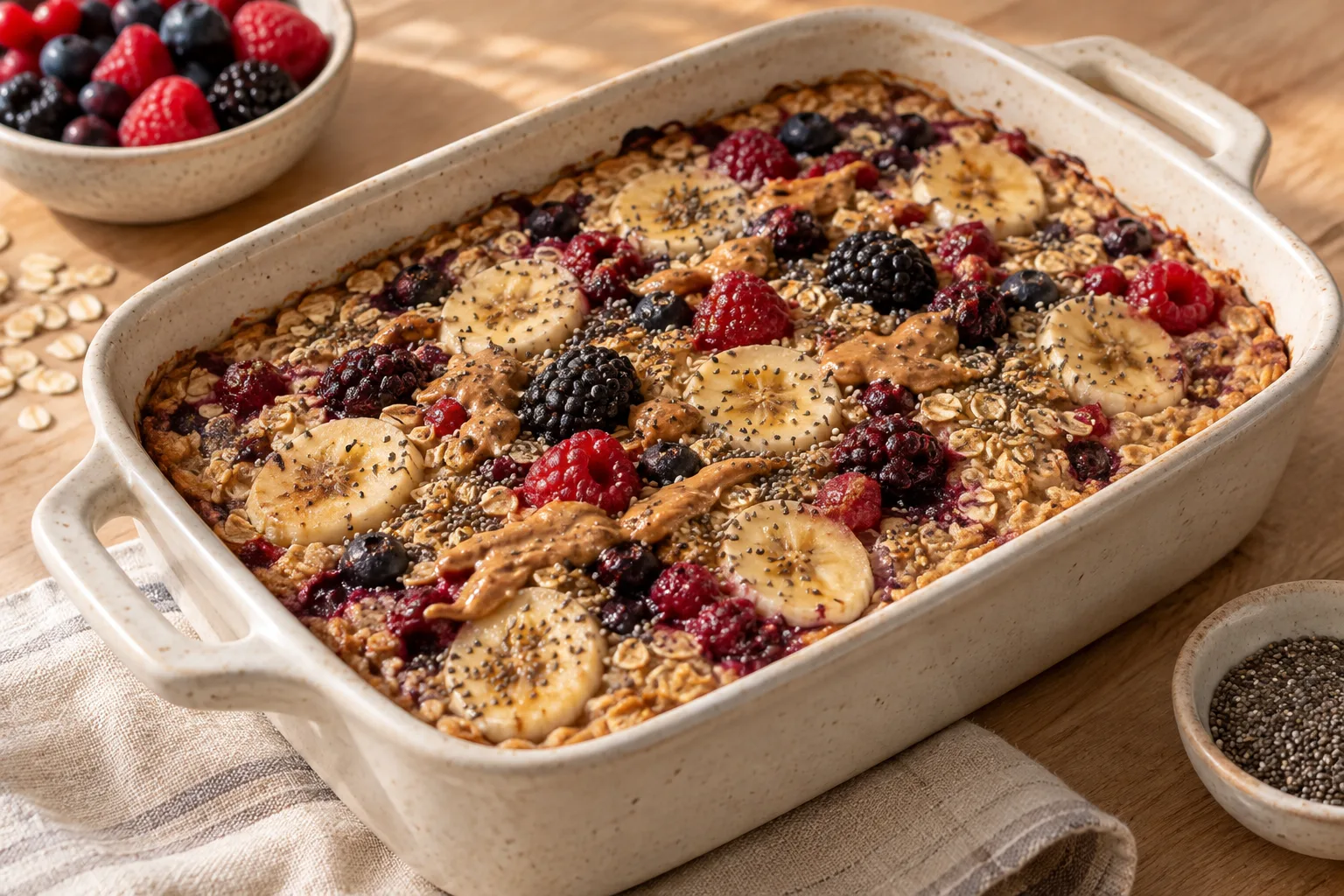
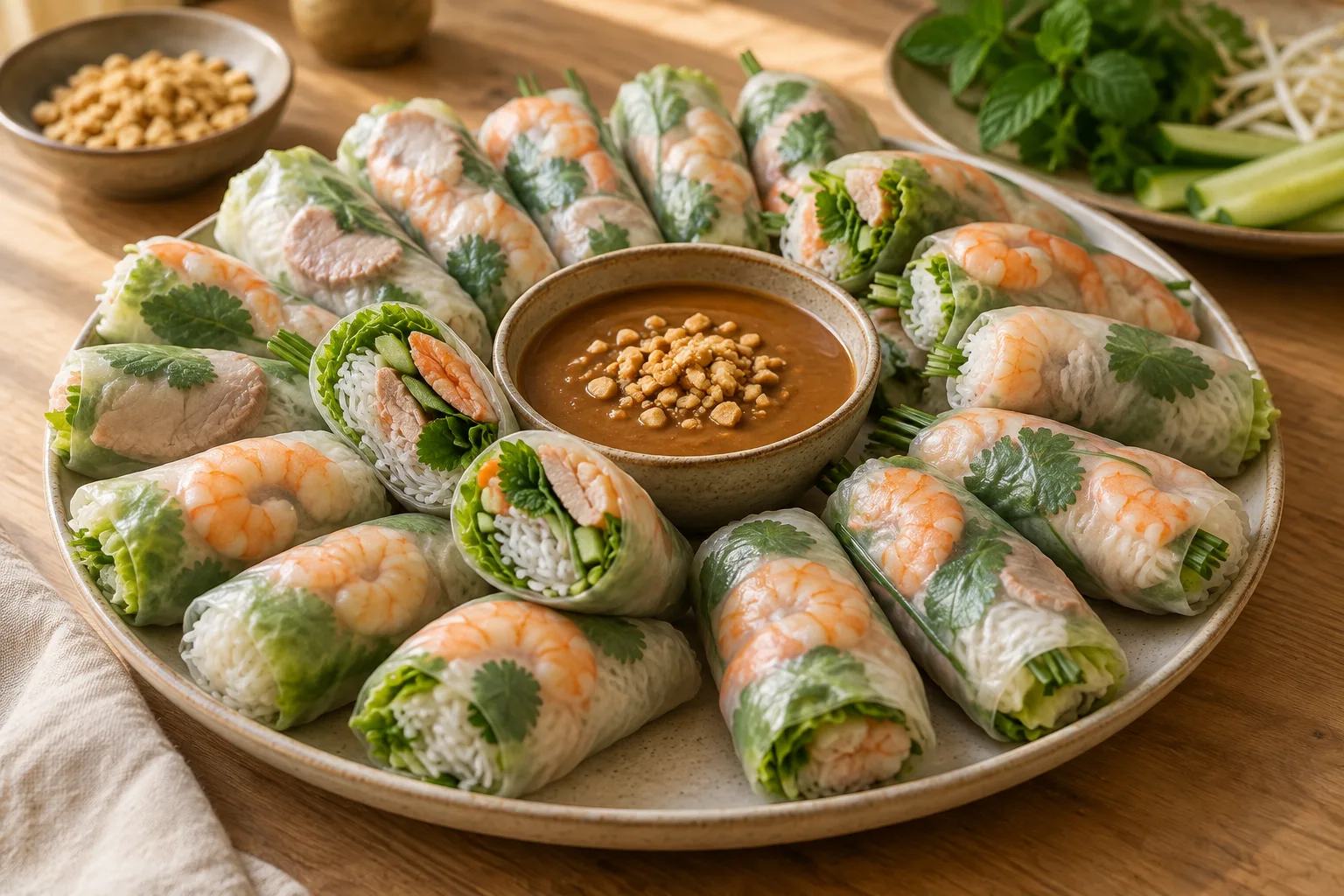
If you see oil on the surface, stir the peanut butter to recombine it; this can happen naturally in some varieties. Spread it on bread or a tortilla, or mix it with yogurt to make a dip for fruit. For a sauce, combine it with soy sauce and a spicy ingredient; add the recipe liquids gradually to adjust the consistency. Peanut butter can also be mixed into smoothies, cookie dough, oatmeal, and cereal or dried-fruit mixtures. Start with a modest amount and taste before adding salt or sweetener, since ingredients and flavor differ among products.
Flavour and texture
Peanut butter has a characteristic, often roasted peanut flavor, though its taste varies with the peanuts and any added ingredients. Its texture may be smooth, thick and spreadable, or crunchy with small peanut pieces. Some varieties have a layer of oil on top: in natural peanut butter, separation can be normal and does not by itself mean that the product has spoiled. Added salt and sugar also affect the flavor, so check the ingredient list when choosing a jar or adapting a recipe.
How to choose it
Read the ingredient list and product information before choosing: peanut butter may contain only peanuts or may include additions such as salt, sugar or oil. Choose smooth peanut butter for an even mixture, or crunchy for noticeable pieces. If you need to avoid a specific ingredient, do not rely on the product name or appearance alone; check the allergen information and ingredients. Products differ among manufacturers, so do not assume that every jar tastes or behaves the same way in a recipe.
Storage
Follow the storage directions on the jar, as they can differ by product. Oil separation is normal in natural peanut butter; stir the surface layer back in before use. A university extension source advises refrigerating natural peanut butter after opening to help prevent separation. Keep the container closed and use clean, dry utensils. Do not rely on a single general rule for shelf life: check the date and the manufacturer's directions.
Substitutions
Sunflower seed butter is suggested as a peanut butter substitute in a university extension recipe. Sunflower seeds are also suggested as a peanut-free option for that preparation, though they will not make the same smooth, spreadable paste. Flavor, texture and how the ingredient blends may differ, so adjust the consistency of the recipe gradually. If substituting because of an allergy, check the alternative product's ingredients and allergen information too.
Common mistakes
Do not assume every variety has the same ingredients: some contain added salt, sugar or oil and others do not. Also, do not automatically treat a layer of oil as a sign of spoilage; it can be normal in natural peanut butter and can be stirred back in. Taste before adding salt or sweetener to a recipe. If someone has a peanut allergy, do not serve peanut butter or treat another product as a safe substitute without checking its ingredients and allergen information.
Safety and allergens
Peanut butter contains peanuts, an allergen that must be identified in applicable food information. Anyone with a peanut allergy should not consume it; check the label and avoid exposure to the product. Follow the storage directions on the jar. Official alerts can concern specific products, so check whether a notice applies to the particular product you have.
Culinary uses
- Crema para untar
- Base para salsas y aliños
- Ingrediente para repostería y batidos
Recommended techniques
- Untar directamente
- Mezclar o batir en salsas y aliños
- Incorporar a masas y mezclas para postres
Pairs well with
- Pan y mermelada
- Avena, miel y canela
- Fruta, yogur y batidos
- Salsa de soja y picante
Frequently asked questions
Is peanut butter dairy butter?
No. It is a paste made mainly from ground peanuts; “butter” refers to its spreadable texture.
Why is there oil on top of some peanut butter?
Oil separation can be normal in natural varieties. Stir it back in and follow the storage directions on the jar.
What can I use instead of peanut butter?
Sunflower seed butter is suggested as an alternative by a university extension source. Check its ingredients if substituting because of an allergy.
Estimated nutrition
- Fat
- 46.9 g
- Saturates
- 7.81 g
- Carbohydrate
- 28.1 g
- Sugars
- 12.5 g
- Fibre
- 6.2 g
- Protein
- 21.9 g
- Salt
- 1.1 g
Sources and review
Automatically researched, cross-checked and validated content. Sources consulted:
- En el etiquetado alimentario hay algunas menciones que son obligatorias eletiquetadocuentamucho.aesan.gob.es
- ¿Por qué la muerte es origen de miedos y tabúes? doi.org
- NC conservas vegetales mapa.gob.es
- Aesan - Agencia Española de Seguridad Alimentaria y Nutrición aesan.gob.es
- Cómo utilizar la mantequilla de maní – Food Smart Colorado foodsmartcolorado.colostate.edu
- Barras de Crema de Cacahuate (maní) y Cereal | Servicio de Extensión de OSU extension.oregonstate.edu
- Peanut Butter Crunchers/Bocaditos Crujientes de Crema de Cacahuate (LCH) | CSU Northridge w2.csun.edu
- Crema o mantequilla de cacahuete. ¿Qué es y cómo se hace? Origen e historia abc.es
- Crema de cacahuete: una guía completa sobre este alimento saulnutri.com
- Todo sobre la crema de cacahuete: propiedades, beneficios y su uso en la cocina vitonica.com
- Mantequilla de cacahuete - Wikipedia, la enciclopedia libre es.wikipedia.org
- Crema de cacahuete: ¿merece la fama que tiene? | Gastronomía | Escaparate | EL PAÍS elpais.com
- La crema de cacahuete, un nuevo imprescindible en tu dieta - Nutriendo academianutricionydietetica.org
- Descubre los Secretos de la Crema de Cacahuete: Beneficios y Usos estethicaglobal.com
- Usos del cacahuete en la cocina y en la industria | Itac Professional itac-professional.com
- Delicias de coco con crema de cacahuete - Diario de Gastronomía: Cocina, vino, gastronomía y recetas gourmet diariodegastronomia.com