- Category
- Vegetables
- State
- Fresh
- Usual unit
- g
What it is
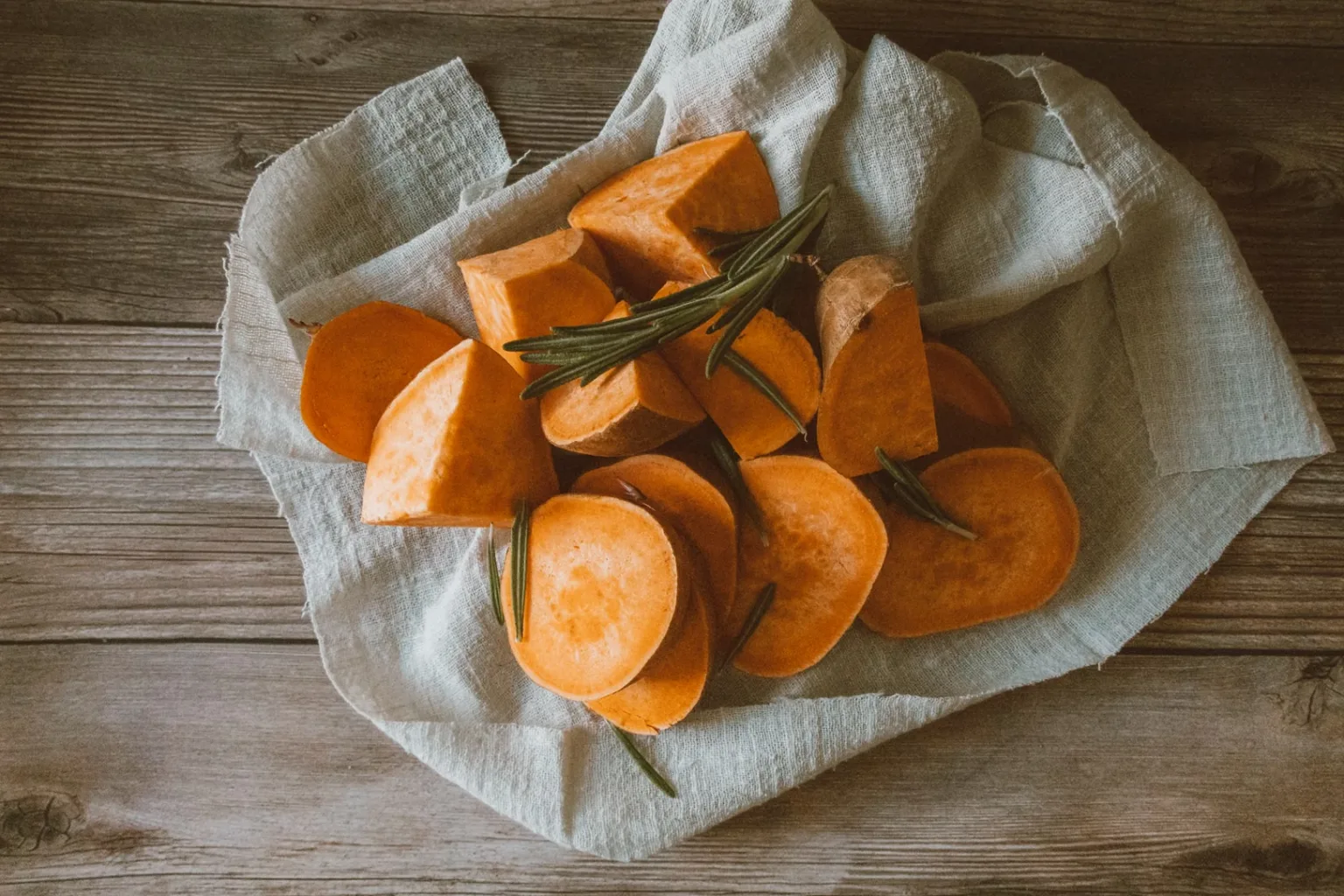
Sweet potato, also called batata or camote in some regions, is the edible tuberous root of Ipomoea batatas. It is classified as a vegetable and belongs to the morning-glory family, Convolvulaceae. The roots are often elongated, though shape varies; skin and flesh can be pale, orange or purple depending on the variety. Its flavor is generally sweet, and cooked flesh can range from firm to creamy. It is not the same as yam, despite occasional name confusion in markets. Sold fresh, sweet potato works in both savory and sweet cooking.
When to use it
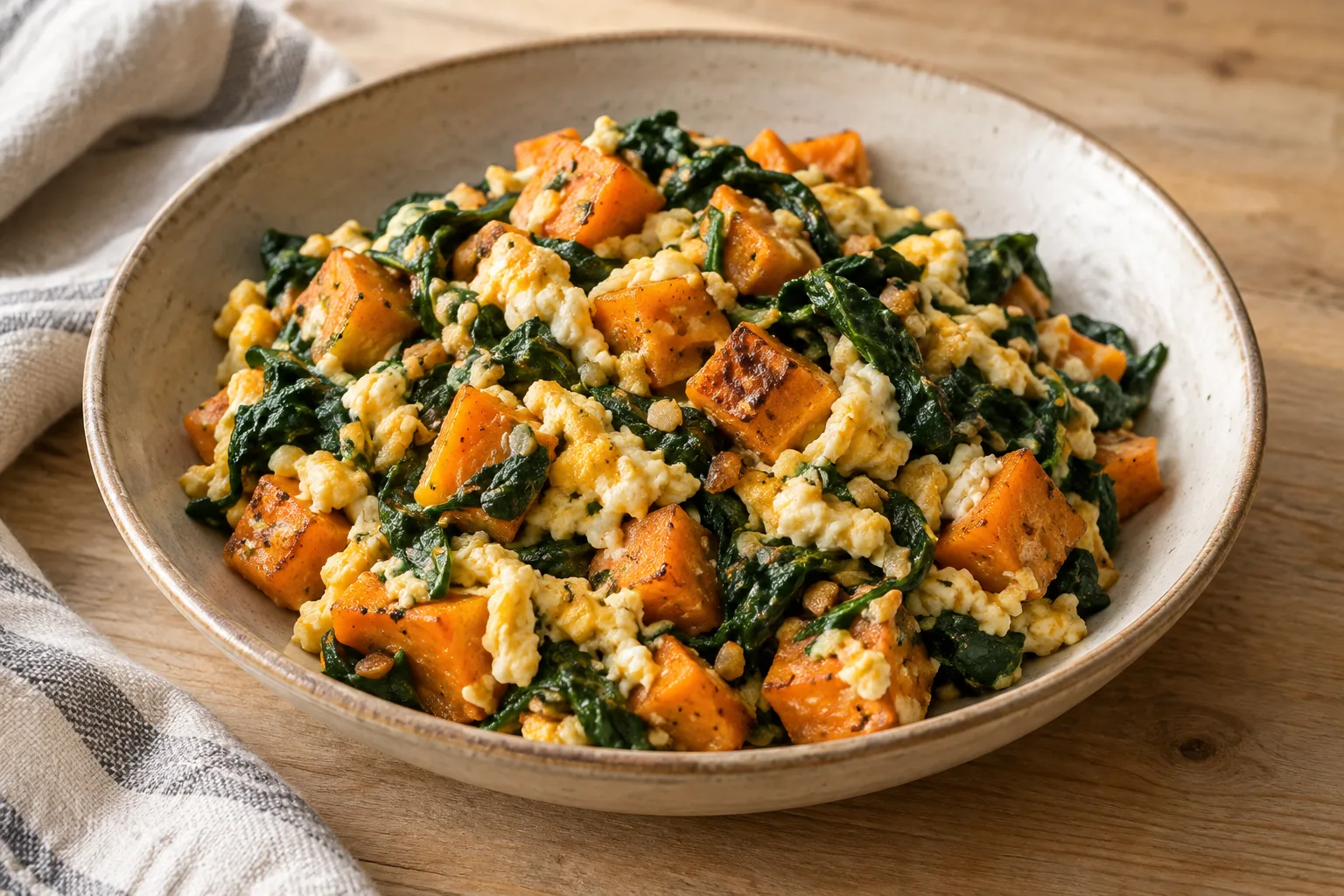
Use sweet potato when you want sweetness and body in a savory meal, such as a soup, stew, salad or side dish. Roast or boil it and serve it whole, sliced or mashed. It also works in sweet recipes: cooked, mashed flesh can be folded into cake, biscuit, muffin or pie mixtures and fillings. Varieties differ in color and texture, so consider those differences when the appearance of the dish or the ability of pieces to hold their shape matters.
How to use it
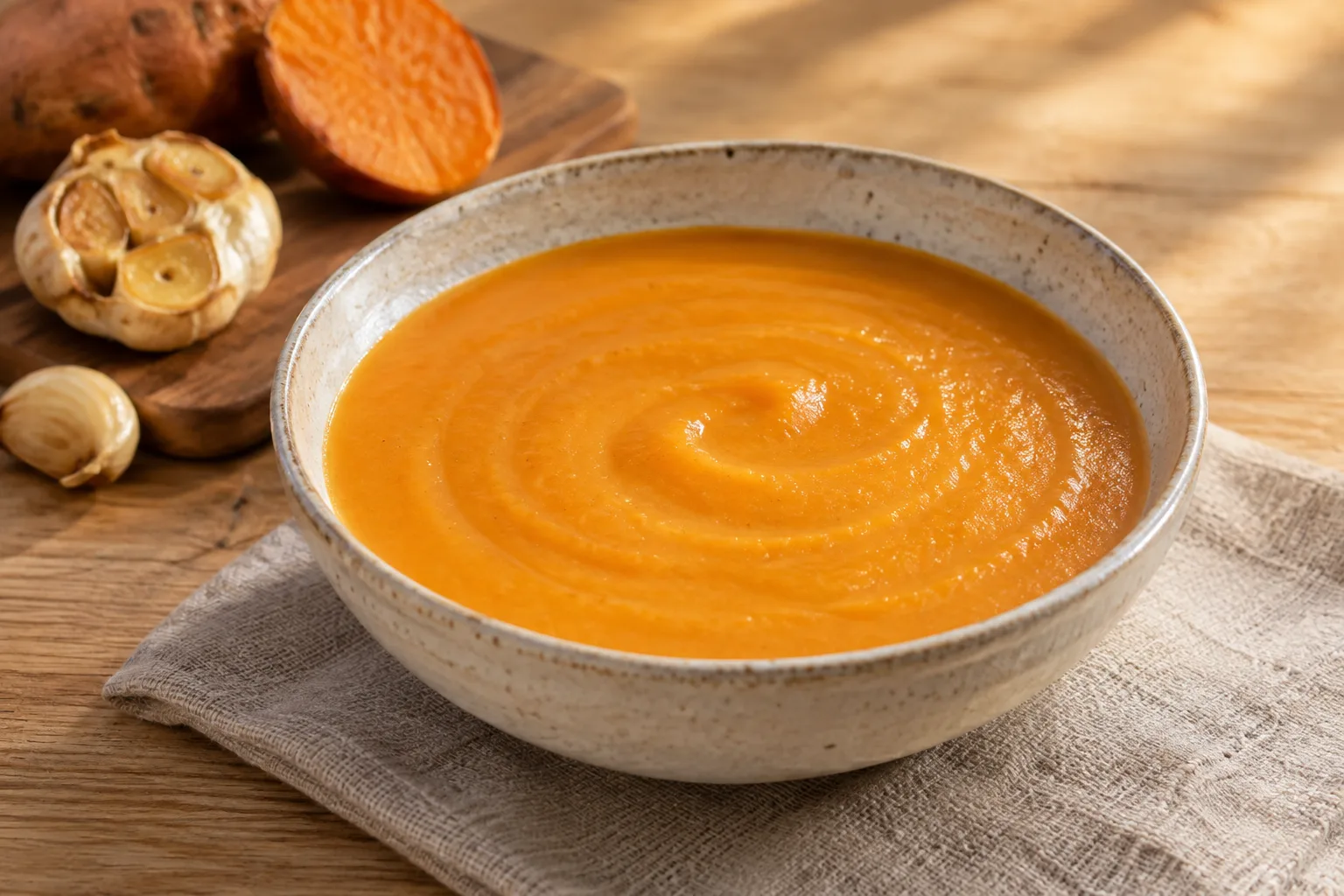
Wash the root before preparing it. Cook it whole, with the skin on or peeled, or peel and cut it into slices, cubes or sticks. Roast or boil the pieces to the texture you want; steaming, sautéing and pan-grilling are also options. Serve cooked pieces as a side, or mash them into a purée. For soups and creams, cook the flesh until tender and blend it with the other ingredients. In baking, use cooked, mashed flesh in a batter or filling. Choose the cut and cooking method for the result you want, since whole roots and small pieces behave differently.
Flavour and texture
Sweet potato has a mild, sweet flavor that can suggest pumpkin; the intensity varies by variety. Flesh may be pale, orange or purple, and after cooking can be firm, somewhat fibrous, tender or creamy. Roasted or boiled and mashed flesh suits purées and batters, while slices or cubes can retain more structure. Skin color also varies, so the outside does not always reveal the flesh color.
How to choose it
Choose firm roots and avoid pieces with soft spots, cuts, significant bruises, pronounced wrinkles or visible signs of deterioration. Sweet potatoes vary in size, shape and color, and orange flesh is not the only option. If you plan to serve slices or cubes, similarly sized and shaped roots can make preparation more even. Variety affects sweetness and texture; ask which kind is available if that difference matters to your recipe.
Storage
Keep fresh sweet potatoes in a dry, dark, cool and ventilated place; a basket or open paper bag allows air to circulate. Avoid treating them as produce that should be kept damp or sealed airtight. Exact advice can depend on the root and purchase conditions, so follow any guidance from the seller or package. For cooked sweet potato, follow the storage instructions for the container or recipe, and refrigerate it in a covered container if it will not be eaten soon.
Substitutions
In recipes calling for sweet-potato purée, pumpkin purée can work as a substitute, though sweetness and consistency may differ. In savory dishes where structure matters more than sweet flavor, potato can play a similar role; expect a less sweet result and a different texture. Adjust the recipe to the moisture and consistency of the substitute rather than assuming the ingredients are interchangeable in every proportion.
Common mistakes
Do not assume every sweet potato has the same color, sweetness or texture: varieties differ. Another common misstep is choosing a cooking method without considering the cut; a whole root and small cubes do not cook alike. If substituting potato or pumpkin, expect a change in flavor and consistency. For baking, use cooked, mashed flesh rather than raw pieces, and account for its moisture when balancing the mixture.
Safety and allergens
Clean the root before cutting or cooking it. For packaged or prepared products, follow the label instructions for use, storage and allergen information. No sweet-potato-specific safety warning for fresh, unprepared roots is provided here.
Culinary uses
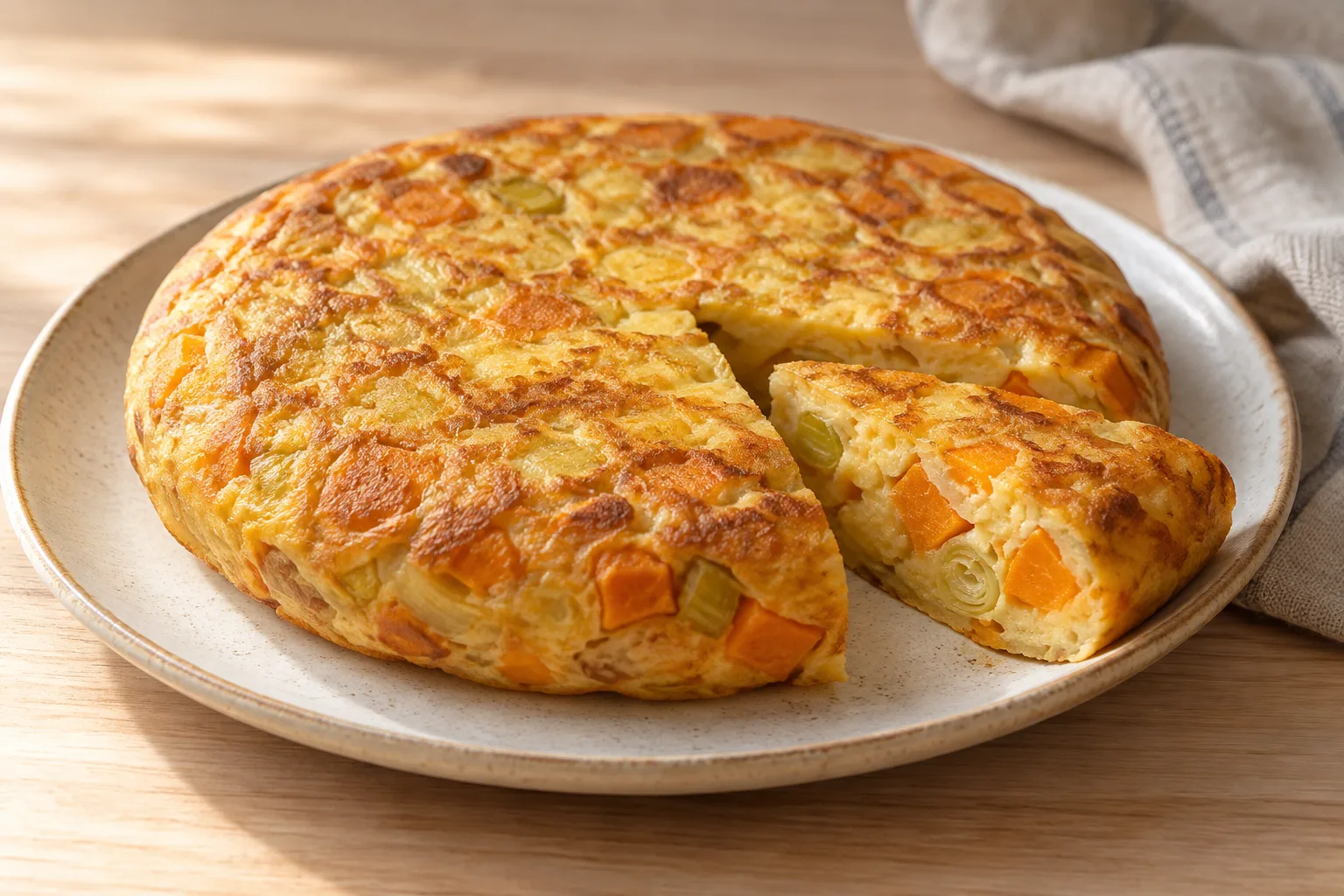
- As a cooked side dish or base for a meal
- As the main ingredient in soups, creams and purées
- As an ingredient in cakes, biscuits and other baked goods
Recommended techniques
- Roasting or baking whole or in pieces
- Boiling or steaming
- Mashing or puréeing
- Sautéing or pan-grilling in slices or cubes
Pairs well with
- Pumpkin and carrot
- Pork and poultry
Frequently asked questions
Are sweet potato and batata the same?
In many places, both names refer to Ipomoea batatas, though regional usage varies. Check the variety and appearance of the root you are buying.
Can sweet potato be used in both sweet and savory dishes?
Yes. Its sweetness works in soups, sides and stews, and cooked flesh can also be used in pies, cakes and biscuits.
What can I use instead of sweet potato?
Pumpkin purée can replace it in some purée or baking recipes. Potato can serve a similar function in certain savory dishes, but the result will be less sweet.
Estimated nutrition
- Fat
- 1.28 g
- Saturates
- 0.32 g
- Carbohydrate
- 16.4 g
- Sugars
- 4.17 g
- Fibre
- 1.9 g
- Protein
- 5.45 g
- Salt
- 0.43 g
Sources and review
Automatically researched, cross-checked and validated content. Sources consulted:
- En el etiquetado alimentario hay algunas menciones que son obligatorias eletiquetadocuentamucho.aesan.gob.es
- Client Challenge doi.org
- Revista del comité científico de la aecosan número 24 aesan.gob.es
- Boniato: ¿Cuáles son sus usos? | Recetas Nestlé recetasnestlecam.com
- El boniato: Historia y origen | Huercasa huercasa.com
- Análisis del origen del boniato: beneficios para tu huerta huertadelsello.es
- Cómo cocinar batata o boniato, qué es y qué recetas fáciles y rápidas hacer con ella directoalpaladar.com
- Boniato que es: Guía definitiva para entender, cocinar y disfrutar del boniato – Platanos.com.es platanos.com.es
- Boniato: usos en la cocina - Cocina y Come cocinaycome.com
- Todos los beneficios del boniato, el producto estrella del otoño y dos recetas fáciles y deliciosas elle.com
- Alimento de temporada: Boniato quironprevencion.com
- Boniato: qué es y recetas que puedes preparar abasto.com
- Ipomoea batatas - Wikipedia, la enciclopedia libre es.wikipedia.org
- Cómo cocinar el boniato de diferentes formas - ALDI aldi.es
- 5 recetas con boniato paso a paso que te harán olvidarte de la patata – Bigcrafters bigcrafters.com
- 14 formas deliciosas y muy saludables de cocinar boniato sabervivirtv.com
- 11 recetas con boniato (o batata): al horno, en tortilla, postres... elmueble.com