- Category
- Nuts and seeds
- State
- Dry
- Usual unit
- Variable
What it is
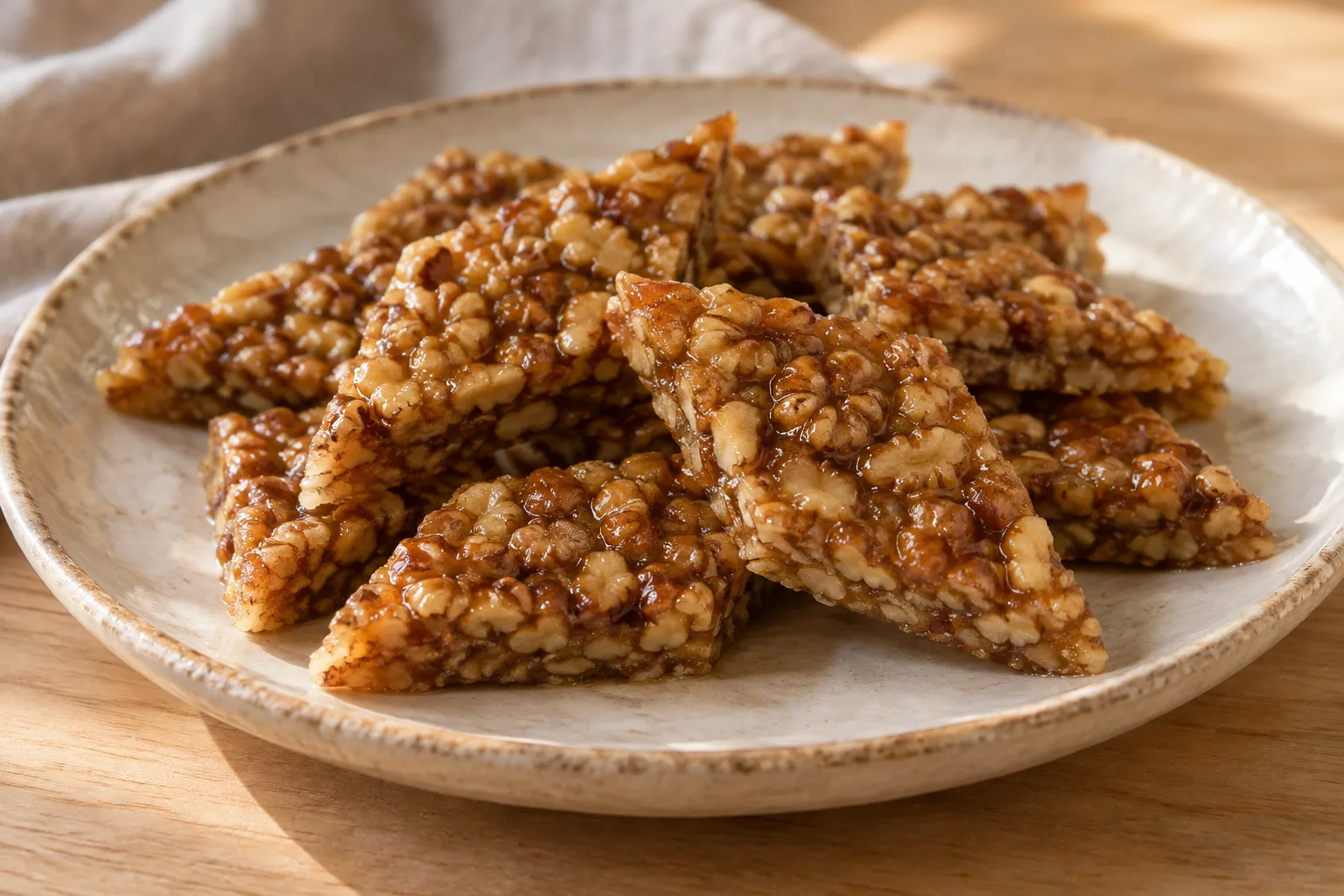
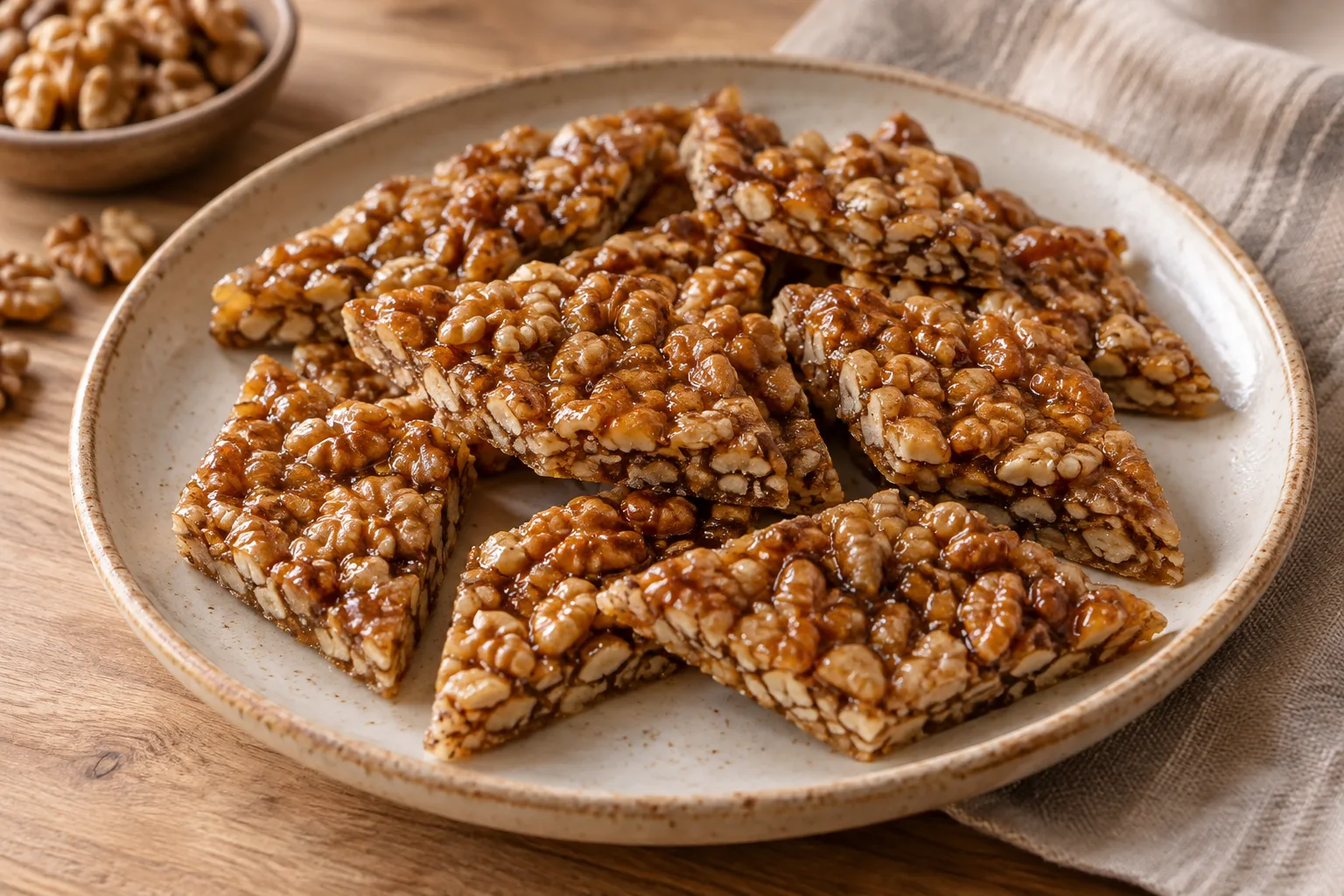
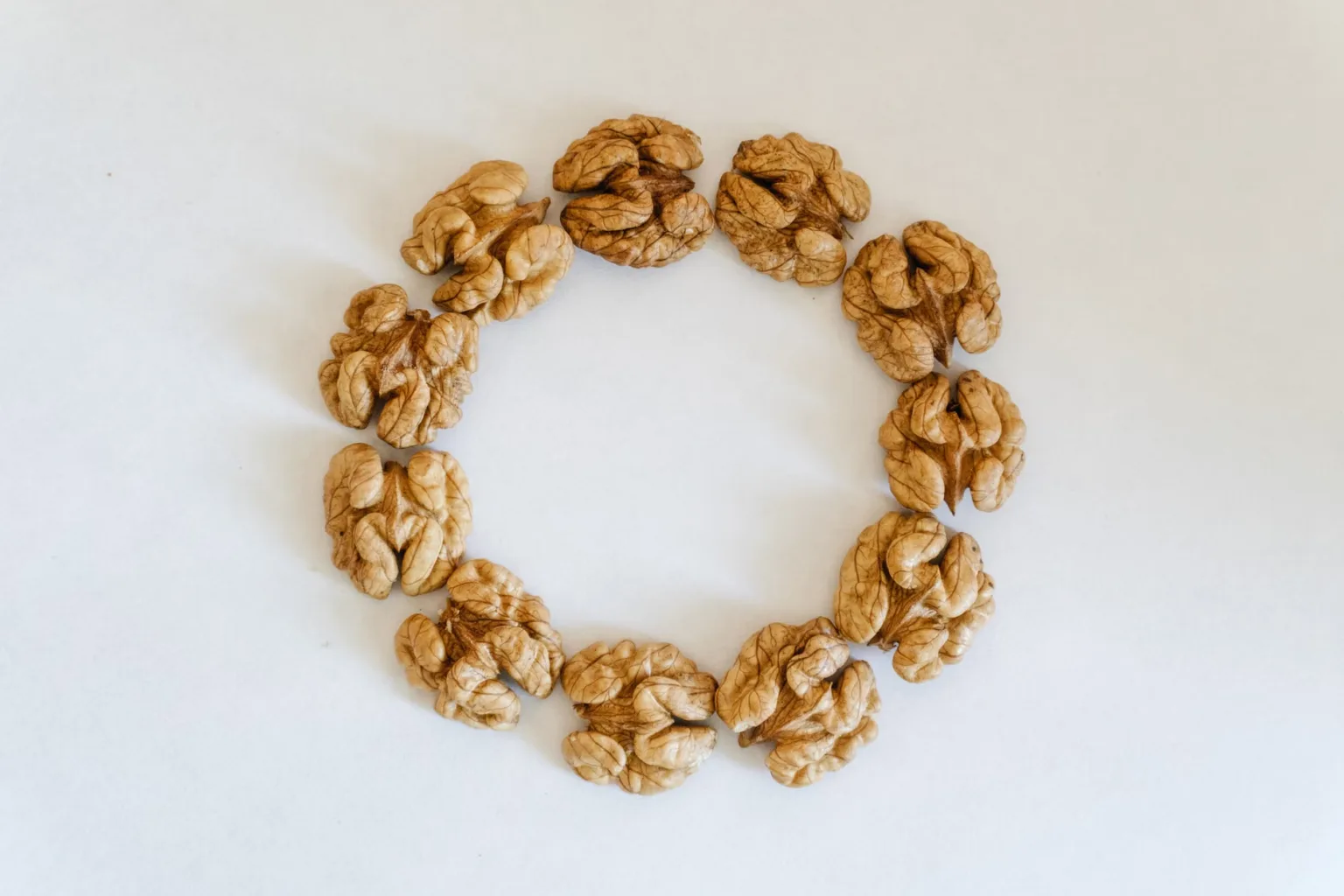
Walnuts are the edible kernels inside the hard shell of the walnut tree’s fruit. They are sold in the shell or shelled, whole, halved, chopped or ground. This profile refers to common walnuts, not other products that may also be called nuts, such as macadamias or pecans. Their flavour can range from mild and sweet to slightly bitter, depending on the variety and the product. Shape, colour and intensity can also vary, so assess the appearance and aroma of the particular batch rather than expecting every walnut to be identical.
When to use it
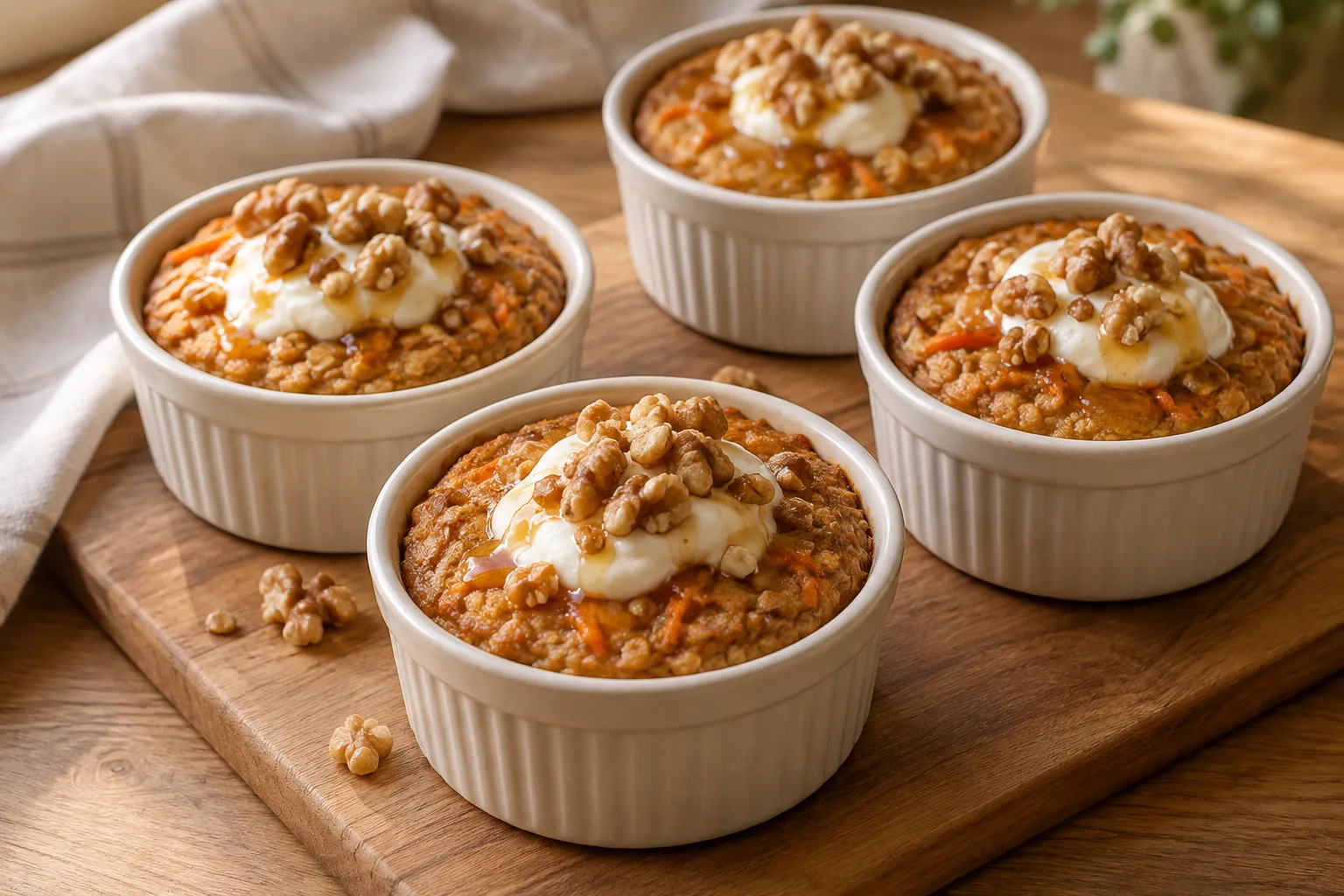
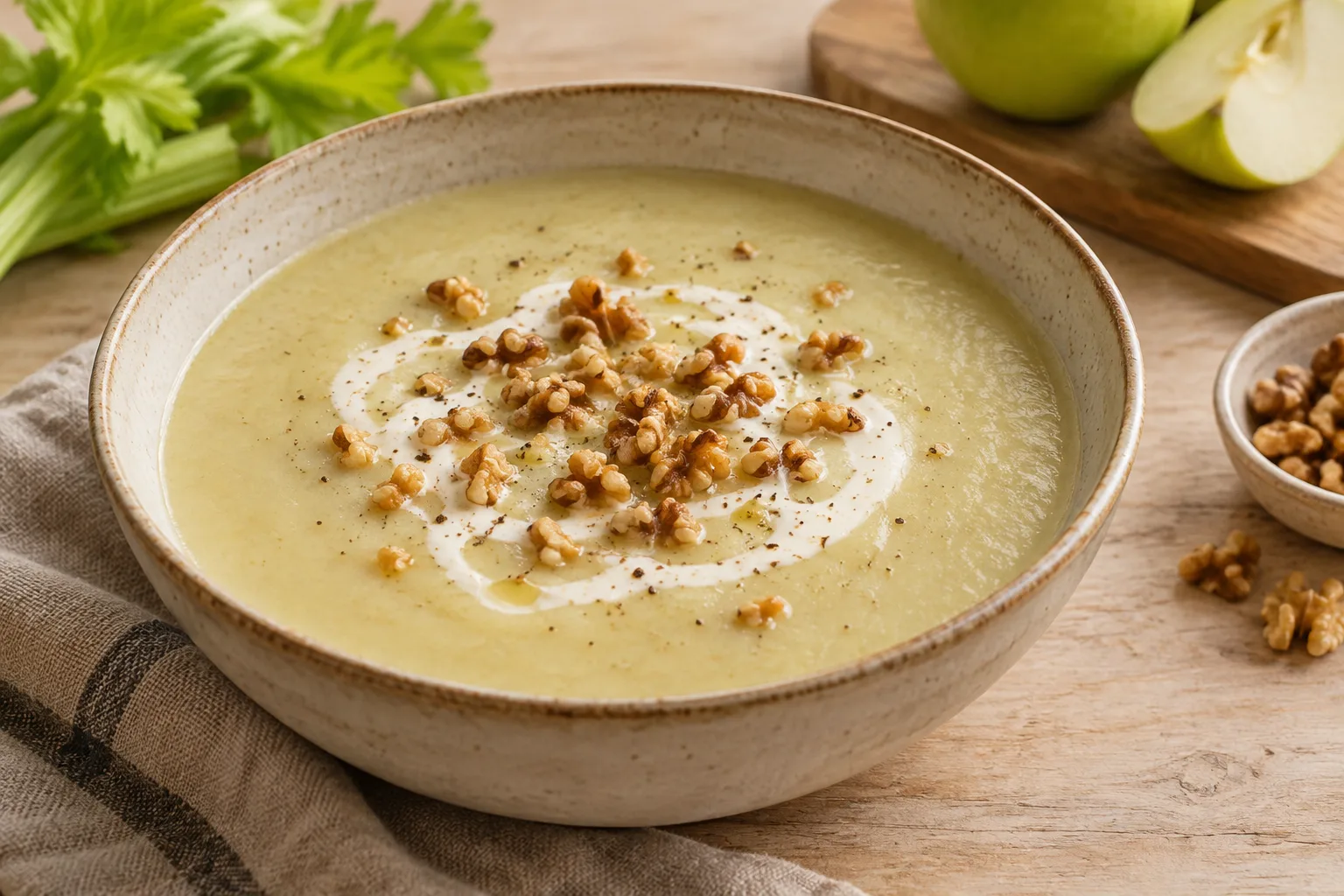
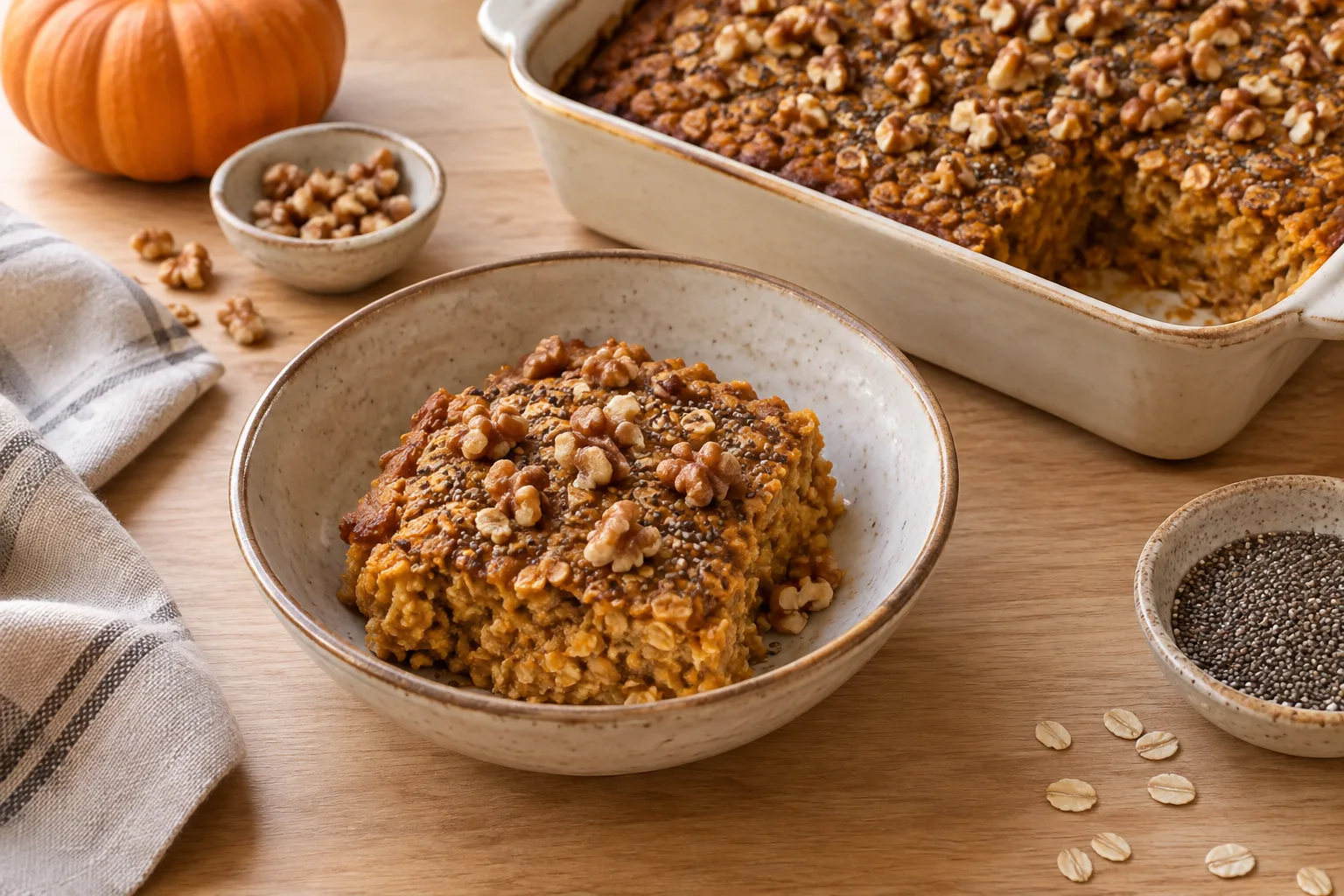
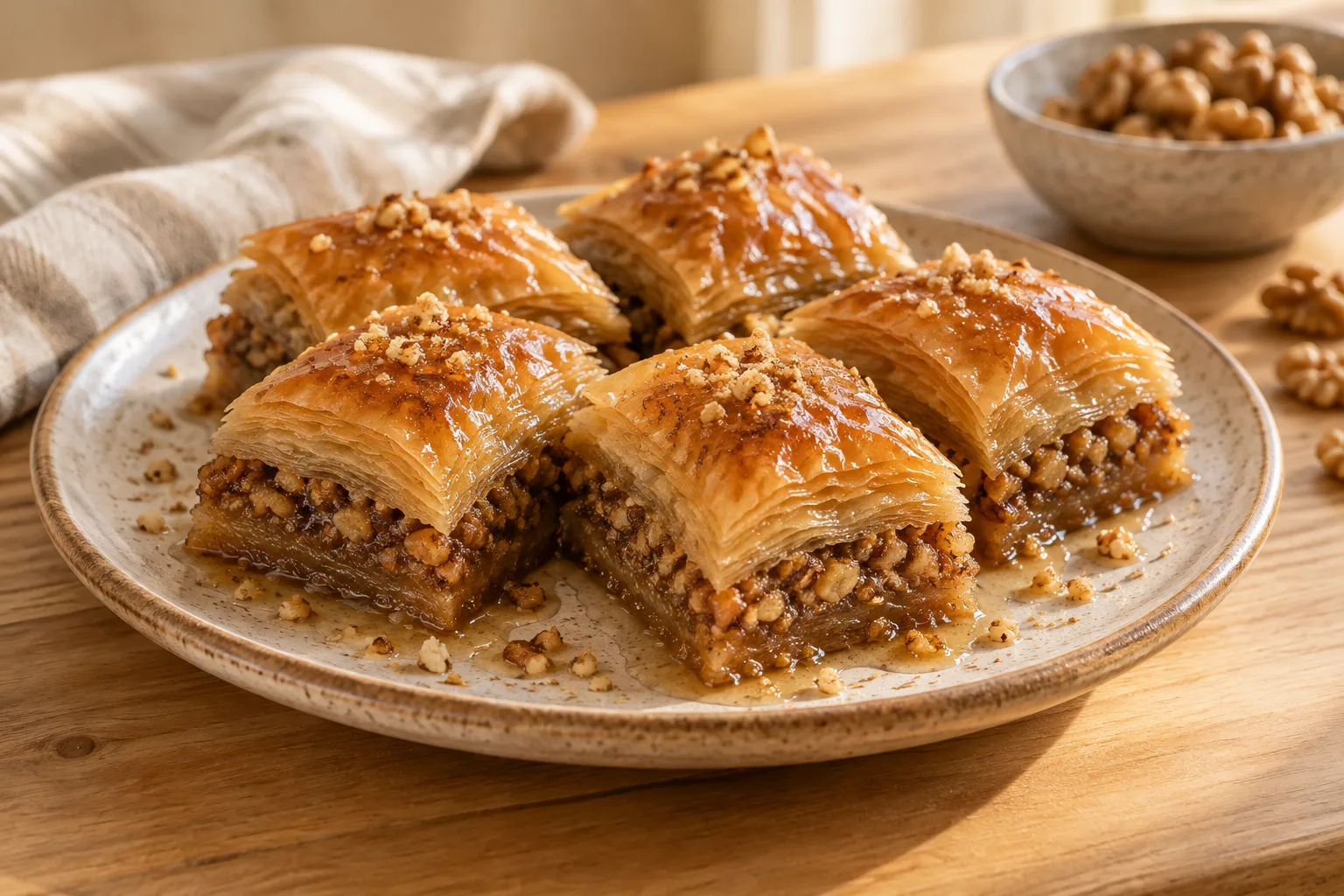
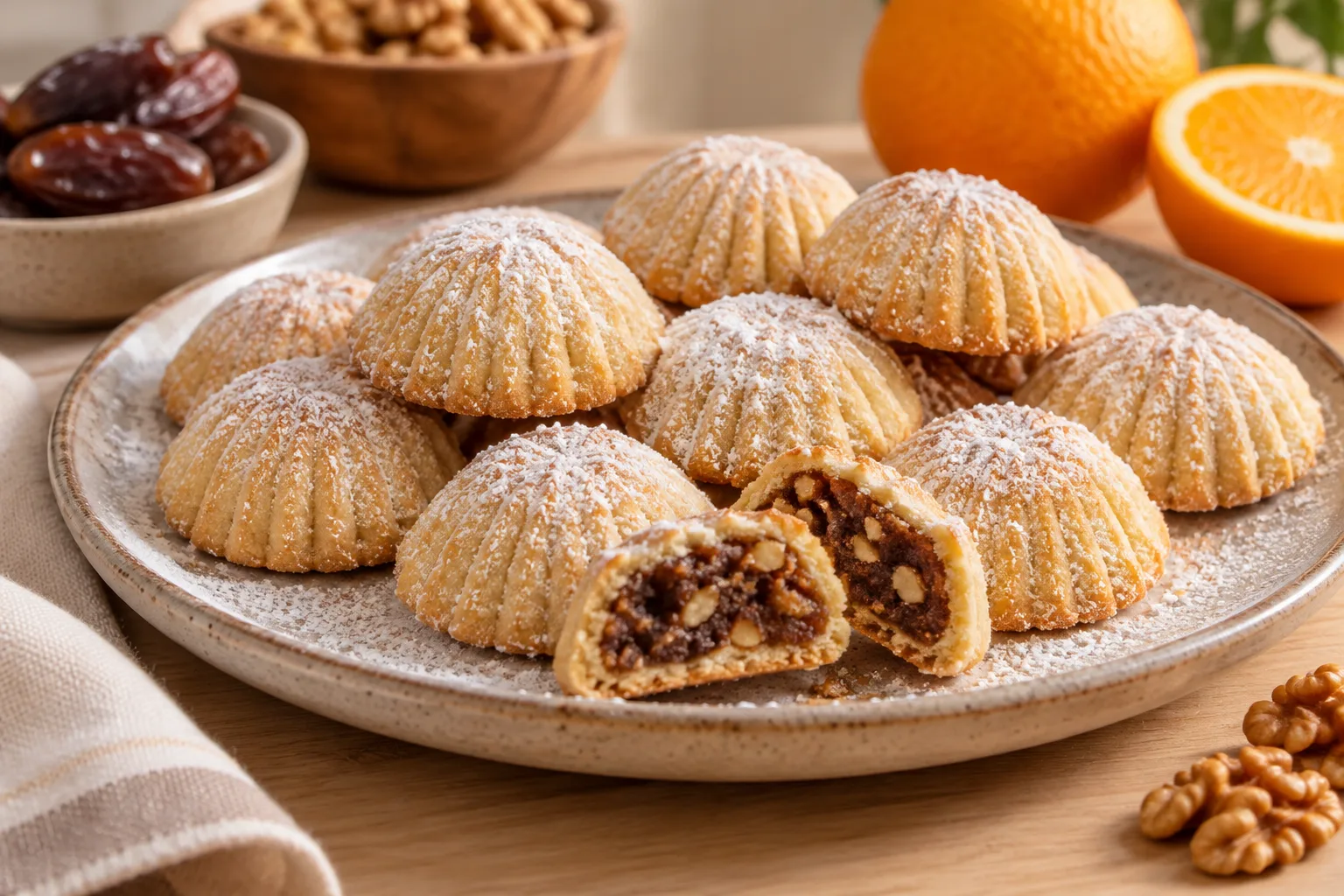
Use walnuts when you want to add crunch and a toasted, earthy or gently bitter note. In savoury cooking, they work in salads, fillings, pasta and sauces, and can accompany strongly flavoured cheeses. In sweet recipes, they suit breads, cakes, tarts, biscuits and other desserts. Add them near the end when you want their texture to stand out, or chop and mix them in when you want their flavour spread throughout a dish. If a recipe depends on a specific texture, remember that grinding the walnuts or substituting another ingredient will change the result.
How to use it
Crack in-shell walnuts and remove all shell fragments before serving. Add them whole or halved to a cheese board, salad or dessert; chop them into pasta, fillings, doughs or sauces; or grind them for a finer texture. Walnuts can be eaten raw or toasted, and toasting can bring out a more pronounced character. Add them close to serving time if you want to preserve a crisp contrast. In baking, fold them into the mixture or use them as a topping. For sauces and pesto, process them with the other ingredients, then adjust the texture to suit how you plan to use the sauce.
Flavour and texture
Walnuts generally taste mild, somewhat sweet and slightly bitter, with earthy notes; the intensity varies with the variety and condition of the product. The edible kernel is firm and crisp when fresh and properly stored, and becomes softer when ground or mixed into a moist preparation. Toasting gives it a more pronounced profile. Chopped and ground walnuts have more surface exposed to air, so their aroma and quality may decline sooner than those of in-shell walnuts.
How to choose it
For in-shell walnuts, choose nuts that feel full and heavy for their size, with intact shells and no visible cracks or holes. You can also buy shelled walnuts whole, chopped or ground; for these formats, check the packaging and seal, and choose a product with a normal appearance and aroma. Availability varies, and year-round retail supply does not mean that every batch has the same freshness. When practical, buy an amount you can use while it retains a good aroma and flavour.
Storage
Keep walnuts in a tightly sealed container in a cool, dry place and away from strongly scented foods. The shell helps protect the kernel; if you buy whole walnuts in their shells, you can crack them when needed. Shelled, chopped and ground walnuts are more exposed to air and may turn rancid more readily, so keep them well sealed and refrigerate them if you will not use them soon. Discard walnuts with an unpleasant smell or rancid taste. Do not rely on generic storage periods; follow package directions where provided.
Substitutions
Pecans can replace walnuts in many dishes when you want a similarly crisp, buttery-tasting nut, though the flavour will not be identical. To avoid tree nuts, sunflower or pumpkin seeds can add texture to some salads, mixes and recipes; both flavour and result will differ. Substitution is not always one-to-one in a dough or sauce: the alternative’s size, flavour intensity and texture can change the balance of the recipe.
Common mistakes
Do not assume every variety or format will have the same flavour and texture. Avoid leaving shelled, chopped or ground walnuts exposed to air for long periods, as they can lose quality and develop a rancid taste. Do not grind them if a recipe needs crisp pieces, and do not add them too early if you want them to stay crisp in a moist dish. If you substitute another nut or seeds, expect the result to differ.
Safety and allergens
Walnuts are tree nuts and can be unsafe for people with a walnut allergy. If an allergy is present, avoid the product and check the package allergen information or ask the food business; available information can vary with how the food is sold. Remove shell fragments before serving and discard walnuts with a rancid smell or taste.
Culinary uses
- Añadir textura crujiente y sabor a platos dulces y salados
- Ingrediente para salsas, pesto, rellenos y repostería
Recommended techniques
- Picar o trocear
- Moler
- Tostar ligeramente
Pairs well with
- Quesos fuertes o azules
- Ensaladas de hojas verdes y frutas
- Pasta y salsas
Frequently asked questions
Can walnuts be eaten raw?
Yes. Walnuts are eaten raw and can also be toasted. Toasting changes and intensifies their flavour profile.
How can I tell if walnuts have gone rancid?
An unpleasant smell or a rancid, more bitter taste than usual are reasons not to use them.
Can I substitute pecans for walnuts?
Often, especially when a recipe needs a crisp nut, but the flavour and final result will change.
Estimated nutrition
- Fat
- 65 g
- Saturates
- 6.25 g
- Carbohydrate
- 12.5 g
- Sugars
- 2.5 g
- Fibre
- 7.5 g
- Protein
- 15 g
- Salt
- 0 g
Sources and review
Automatically researched, cross-checked and validated content. Sources consulted:
- En el etiquetado alimentario hay algunas menciones que son obligatorias eletiquetadocuentamucho.aesan.gob.es
- Client Challenge doi.org
- Aesan - Agencia Española de Seguridad Alimentaria y Nutrición aesan.gob.es
- Nueces: qué son, beneficios y usos culinarios bonviveur.com
- Tipos de nueces y usos culinarios – Diario de una Mujer Rural diariodeunamujerrural.com
- Tipos de Nueces: Conoce sus variedades y caracteristicas frutossecoshernandez.es
- TIPOS DE NUECES Y USOS CULINARIOS - Diario Mujer Rural eldiariodeunamujerrural.com
- Nueces, tipos y uso en la cocina hogarmania.com
- Nueces: Variedades, Orígenes y Características Clave amantesdelasplantas.com
- Nueces: la clave para darle un toque gourmet a tus recetas hola.com
- Nueces: tipos, orígenes y diferentes presentaciones especiaspedroza.es
- Nueces: propiedades, beneficios y cómo comerlas teresamate.es
- Déjate cautivar por 5 variedades de nueces | Recetas Nestlé recetasnestle.com.co
- Nuez (tipo de fruto) - Wikipedia, la enciclopedia libre es.wikipedia.org
- Maridaje gourmet: cómo combinar nuestros frutos secos más vendidos nutnutshop.com
- ¿Se pueden sustituir las nueces en las recetas? - Blog es.mitufastener.com
- Recetas con Nueces - Gallina Blanca gallinablanca.es