- Category
- Herbs and spices
- State
- Fresh
- Usual unit
- unit
What it is
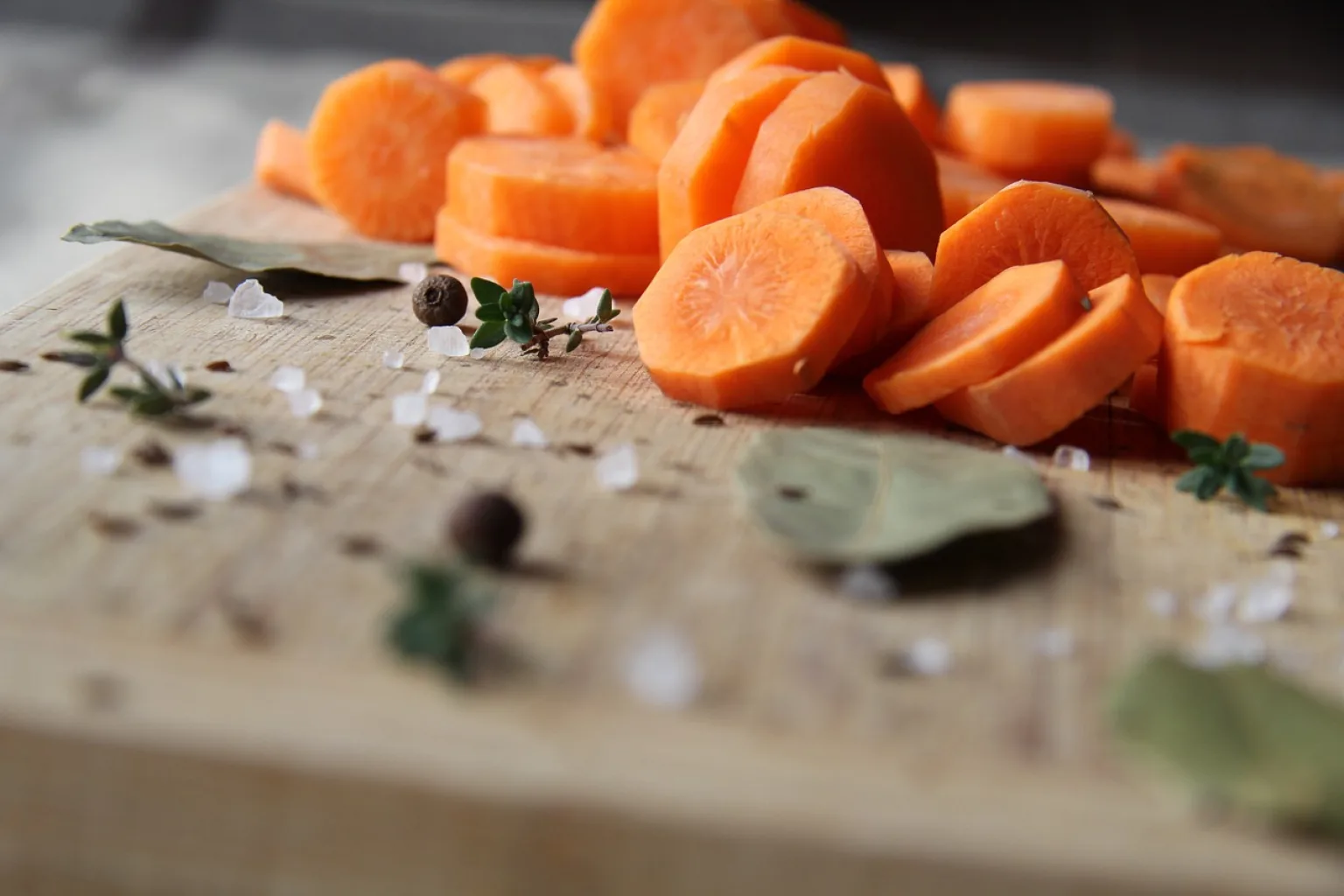
Culinary bay leaf usually comes from Laurus nobilis, a member of the Lauraceae family. Its aromatic leaves can be used fresh or dried; dried leaves are common and convenient to store, while fresh leaves can also season food. Bay is generally added to perfume and round out a dish rather than to become its main flavor. The whole leaf is leathery and is normally removed before serving. Because the common name “bay” can refer to different plants, choose leaves specifically sold for culinary use rather than relying on appearance alone.
When to use it
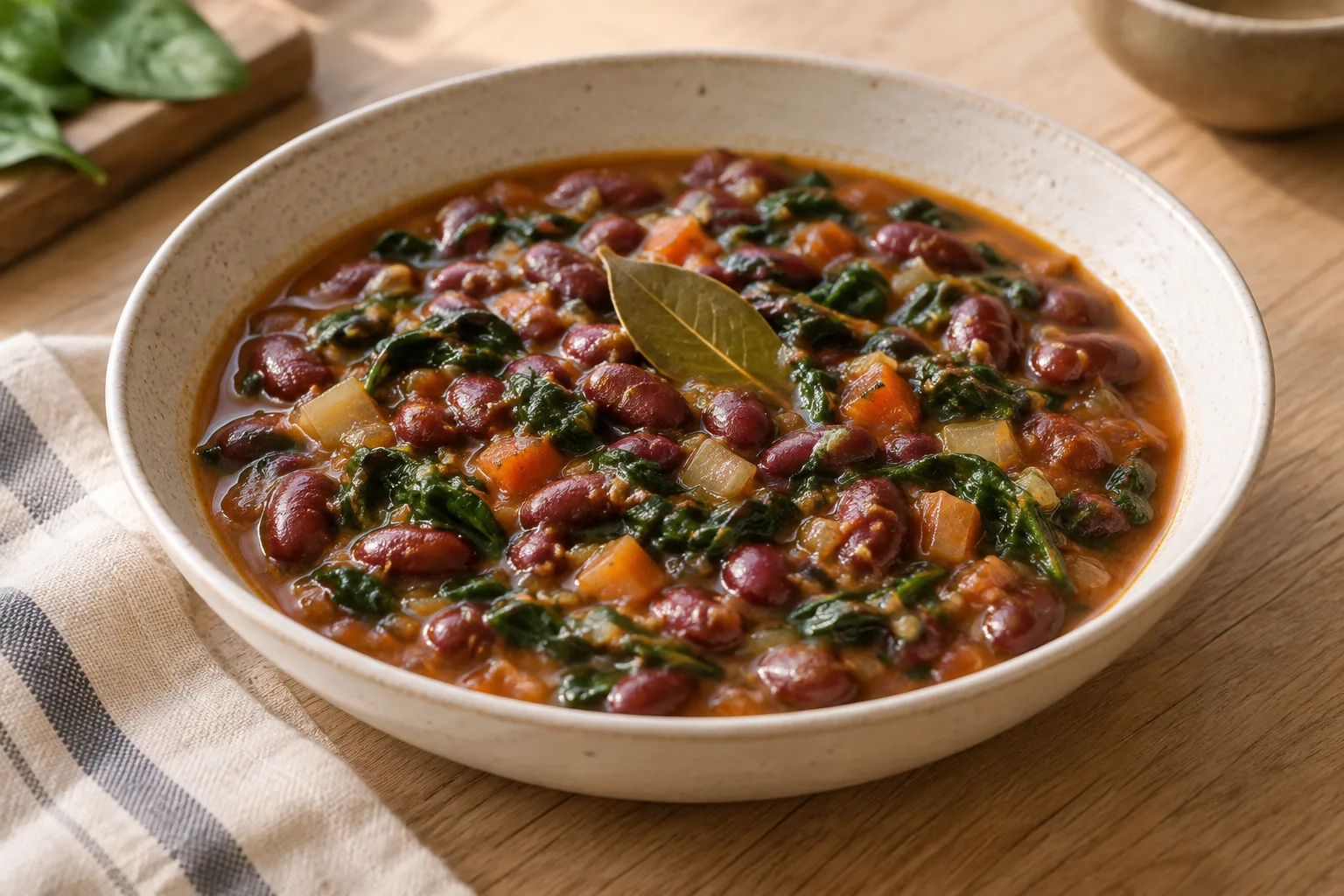
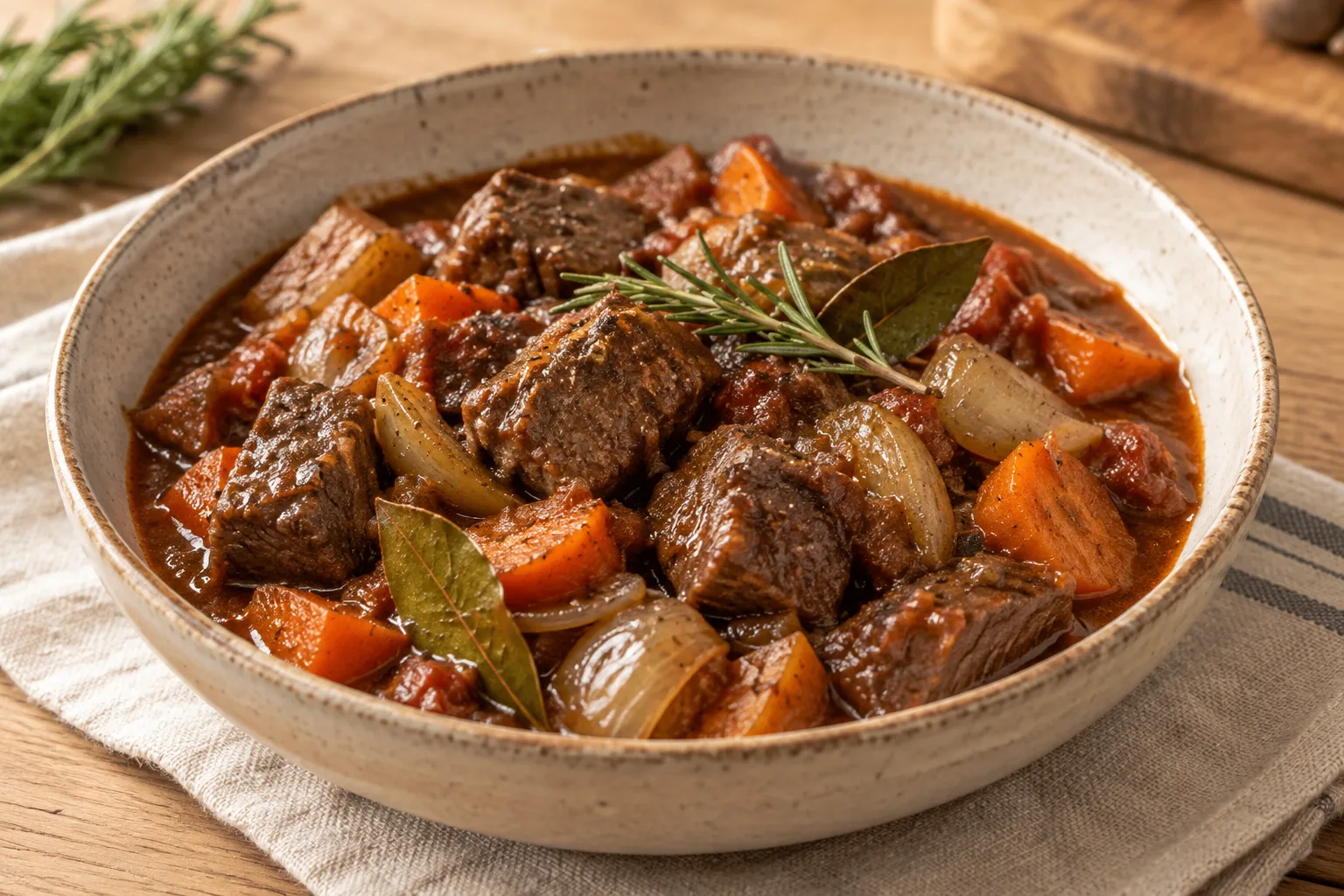
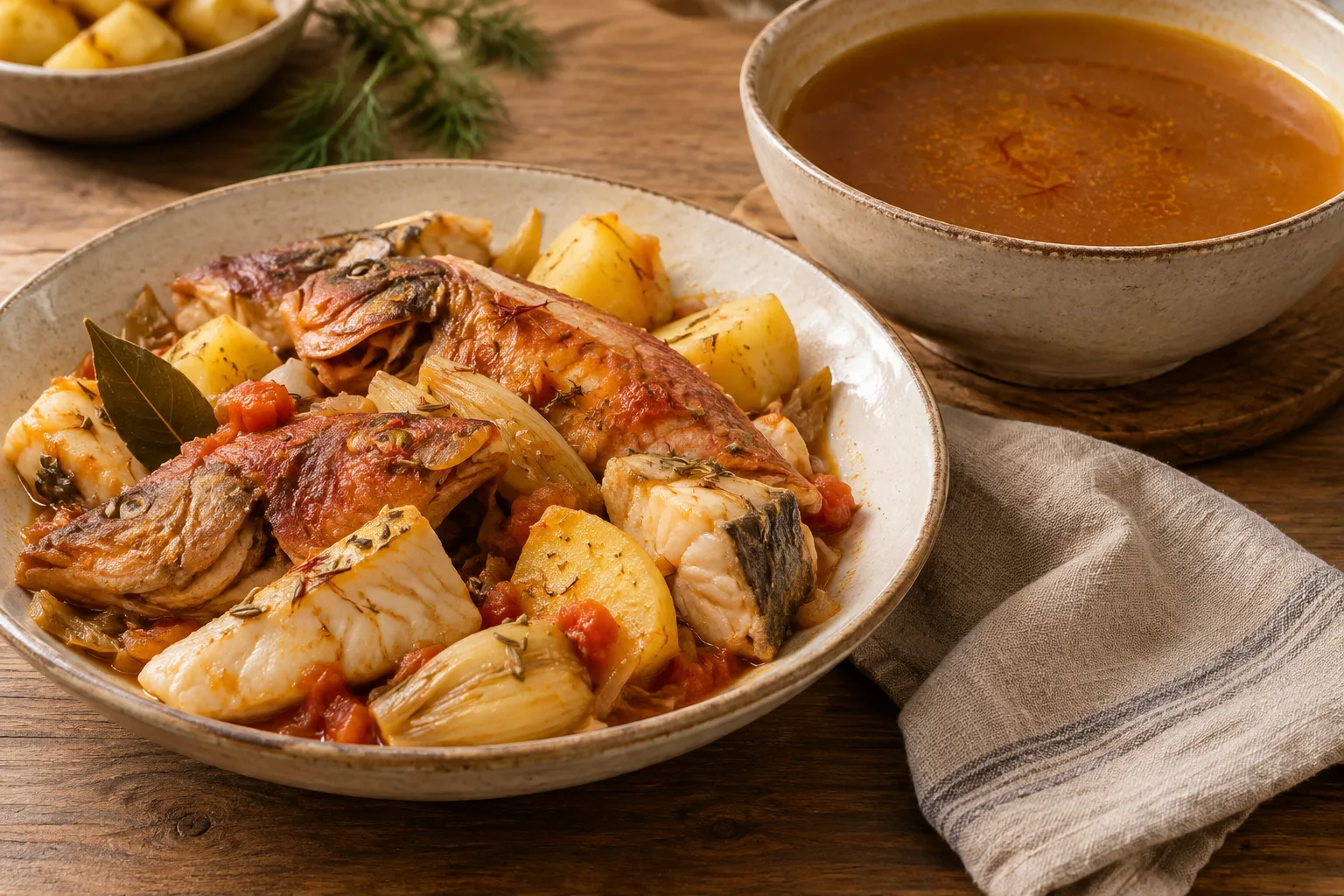
Use bay when you want a background aroma in food that simmers or infuses during cooking. It works in soups, stocks, stews, braises, legumes, sauces, marinades and pickling liquids. It is also used with meat and fish. Since its aroma is released gradually and can become more pronounced during prolonged cooking, use it with restraint and taste the dish as it cooks.
How to use it
Add a whole leaf to a stock, sauce, pot of legumes or stew while it cooks, so its aroma can infuse the liquid. You can also add it to a marinade, pickling liquid or bouquet garni. Keep the leaf whole so it is easy to find and remove before serving: it is tough and unpleasant to chew. Ground bay, if used, is harder to remove and can give a more intense flavor, so measure it cautiously. Taste the dish during cooking and take the leaf out once its aroma is sufficient.
Flavour and texture
Bay has a pronounced aroma and a herbal flavor that gradually melds into a dish. Fresh and dried leaves do not taste exactly the same: culinary sources describe differences in intensity and bitterness between forms. The leaf is leathery and tough, so it works better as a flavoring than as something to eat. Chewing it can be bitter and unpleasant.
How to choose it
Look for leaves identified as culinary bay or Laurus nobilis, rather than choosing a plant based only on its resemblance to bay. Fresh and dried leaves are both available; dried leaves are common and convenient to store, while fresh leaves can be used without drying. If the product is a blend or packaged item, check its name and ingredient list so you know what it contains.
Storage
Keep dried leaves in a dry, dark place, protected from moisture and light, to help preserve their aroma. Refrigerate fresh leaves and use them promptly, as they have a more limited storage life than dried leaves. Follow any storage directions on the package. If the bay is sold as part of a blend, keep the label available so you can check its ingredients.
Substitutions
Bay has a distinctive aromatic profile, so no substitute reproduces it exactly. If you are out, try a small amount of thyme or oregano, bearing in mind that the result will taste different. You can also leave the bay out: the dish will lose some background aroma, but it does not need a replacement if no suitable alternative is available.
Common mistakes
Do not add too many leaves or expect bay to be the main flavor: it can overpower a dish or become bitter. Avoid breaking up whole leaves if you intend to remove them; leave them intact during cooking and take them out before serving. Do not assume that every plant called bay is culinary bay, since the common name can refer to different species.
Safety and allergens
Use leaves identified for culinary use and follow the package directions. Remove whole leaves before serving, as they are tough and are not intended to be eaten. For a packaged blend or product, check the ingredient list and allergen information.
Culinary uses
- Aromatic seasoning for slow-cooked dishes
- Background flavoring for broths, sauces, legumes and marinades
Recommended techniques
- Infuse whole leaves during simmering or braising, then remove before serving
- Add to pickling liquids, marinades or a bouquet garni
Pairs well with
- Legumes, including beans and lentils
- Meat, fish, vegetables, soups and tomato-based sauces
Frequently asked questions
Can I use bay leaves fresh or dried?
Both forms can be used. Dried leaves are common and convenient to store; fresh leaves also work, though their flavor and aroma may differ.
Should I remove the leaf before serving?
Yes. It is usually added whole to flavor a dish and removed before serving because it is tough and unpleasant to chew.
What can I use if I do not have bay leaf?
Try a little thyme or oregano for a different flavor profile, or simply leave the bay out.
Estimated nutrition
- Fat
- 0 g
- Saturates
- 0 g
- Carbohydrate
- 0 g
- Sugars
- 0 g
- Protein
- 0 g
- Salt
- 0 g
Sources and review
Automatically researched, cross-checked and validated content. Sources consulted:
- En el etiquetado alimentario hay algunas menciones que son obligatorias eletiquetadocuentamucho.aesan.gob.es
- Client Challenge doi.org
- Uso de hojas de laurel | JUST SPICES ® justspices.es
- Laurel: historia, usos culinarios y curiosidades de la planta. spaghettiemandolino.it
- Laurel | www.cocinista.es cocinista.es
- Laurel. Qué es y usos en la cocina abc.es
- Etiquetado de sustancias que causan alergias e intolerancias alimentarias aesan.gob.es
- 1. Objetivos de la publicación y metodología seguida 1.1. Objetivos mapa.gob.es
- Sweet Bay, Laurus nobilis – Wisconsin Horticulture hort.extension.wisc.edu
- School of Culinary Arts | Laurel Institutes laurel.edu
- Bay Laurel – Gardening Solutions gardeningsolutions.ifas.ufl.edu
- Panhandle - Solutions for Your Life - University of Florida, Institute of Food and Agricultural Sciences - UF/IFAS nwdistrict.ifas.ufl.edu
- Spotlight on Bay Laurel, Laurus nobilis | Under the Solano Sun ucanr.edu
- (PDF) Effect of Bay Leaf Infusion on Microbiological, Chemical and Physical Quality of Chicken Meat academia.edu
- Bay Leaves: What Are They and How to Use Them in Cooking - Escoffier escoffier.edu
- Laurus nobilis (Bay Laurel, Bay Leaf Tree, Bay Tree, Grecian Laurel, Laurel, Laurel Tree, Sweet Bag, Sweet Bay, Tree Laurel, True Laurel) | North Carolina Extension Gardener Plant Toolbox plants.ces.ncsu.edu
- Laurel - Gastronomía Vasca: Escuela de Hostelería Leioa gastronomiavasca.net
- Usos y beneficios del laurel en la cocina y la salud plantaraices.com