- Category
- Sugar and sweeteners
- State
- Dry
- Usual unit
- cup
What it is
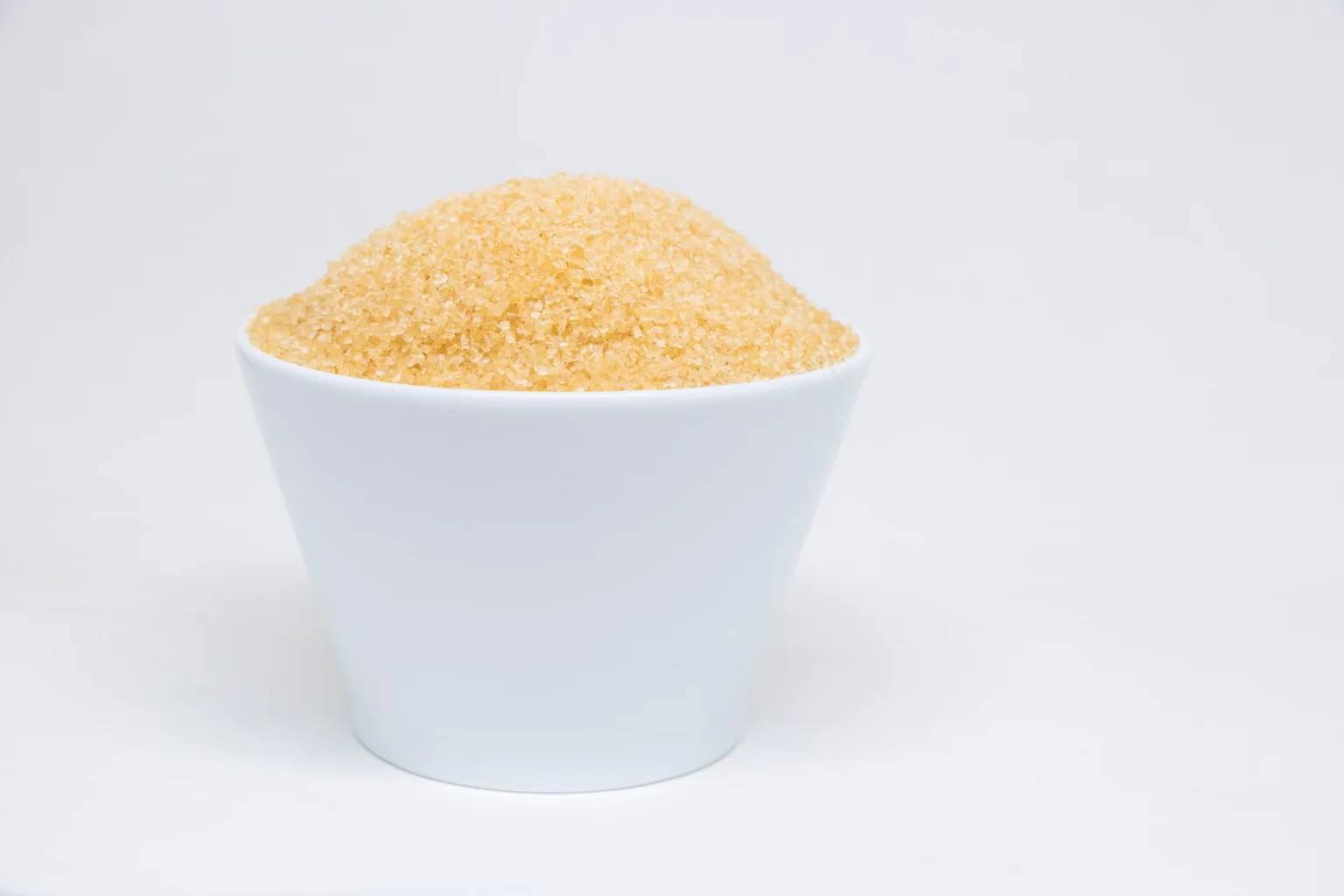
Brown sugar is crystallized sugar that retains some molasses or has molasses added after refining. This gives it a color ranging from golden to brown and a warmer, more pronounced flavor than white sugar. The name covers products that can differ in crystal size, moisture, color, and molasses intensity. Some are made with molasses remaining on the crystals; others are produced by blending refined sugar with molasses. These differences can affect how the sugar behaves in a recipe, so check the product description rather than assuming all brown sugars are interchangeable.
When to use it
Choose it when a recipe calls for sweetness along with molasses, caramel-like notes, or a deeper color, such as in cookies, cakes, sweet breads, and some drinks. It can also add a sweet, aromatic note to certain sauces and savory dishes. Lighter varieties tend to be less assertive, while darker ones have a stronger molasses character. If a recipe depends on a fine grain or a particular moisture balance, replacing its specified sugar may change the finished texture.
How to use it
Measure it as directed and distribute it evenly to avoid clumps in the mixture. It can be added to doughs, drinks, or sauces; in baking, follow the recipe’s instructions for when and how to incorporate it, since crystal size and moisture can affect mixing. For a homemade alternative, combine granulated white sugar with molasses, adjusting the molasses for a lighter or darker profile. White sugar alone can provide sweetness but less molasses flavor. Turbinado or demerara sugars may work in some recipes, though their larger, drier crystals may not blend as readily.
Flavour and texture
Brown sugar is sweet, with molasses and caramel notes that are usually more noticeable than in white sugar. The intensity depends on the variety and amount of molasses. It may have crystals of different sizes and feel relatively moist or dry, so products sold as brown sugar can behave differently in doughs and drinks.
How to choose it
Read the product name and description to distinguish ordinary brown sugar from varieties such as muscovado, turbinado, or demerara. Color alone does not identify how it was made or guarantee a particular flavor intensity. Choose a lighter style for a milder molasses note or a darker style for a more pronounced one. Check the ingredient list and any directions supplied by the manufacturer.
Storage
Follow the storage directions on the package, since products and packaging can differ. After opening, keep the sugar closed and avoid exposing it to moisture or contamination from other ingredients. If the label gives specific storage or handling instructions, follow those directions. Poor storage can affect quality and contribute to clumping.
Substitutions
For a closer match to brown sugar’s flavor, combine white granulated sugar with molasses; more molasses gives a darker, stronger profile. White sugar alone replaces sweetness but brings less molasses flavor and may change texture. Turbinado or demerara can work in some recipes, although their crystals are often larger and drier.
Common mistakes
Do not assume every variety has the same flavor, moisture, or crystal size. Replacing it with white sugar can remove molasses notes and change texture. A coarse raw sugar may not distribute or dissolve as readily in a delicate mixture. Choose a substitute according to the recipe’s desired flavor and texture.
Safety and allergens
Check the product label and follow its storage and use directions. Composition and allergen information may depend on the specific product and how it is sold, so do not assume every package is identical. When cooking for someone with an allergy or intolerance, verify the information for the exact product and contact the manufacturer if needed.
Culinary uses
- Endulzar masas, postres y bebidas
- Aportar sabor acaramelado y color a preparaciones dulces y saladas
- Contribuir a una textura más húmeda en algunos productos horneados
Recommended techniques
- Mezclar con los ingredientes secos o húmedos según la receta
- Disolver en líquidos o salsas
- Combinar con azúcar blanco y melaza para ajustar el tono y el sabor
Pairs well with
- Mantequilla, avena y chocolate en galletas y pasteles
- Café, té y otras bebidas calientes
- Especias cálidas y salsas o platos salados que admitan un matiz dulce
Frequently asked questions
Is brown sugar always made the same way?
No. It may retain molasses from processing or be made by adding molasses to refined sugar; the result varies in color, moisture, and flavor.
Can I replace it with white sugar?
Yes, but the result will have less molasses flavor and may differ in texture. For a closer flavor, mix white sugar with molasses.
What is the difference between light and dark brown sugar?
Dark brown sugar generally has a more pronounced molasses flavor. The exact characteristics vary by product, so check its description.
Estimated nutrition
- Fat
- 0 g
- Saturates
- 0 g
- Carbohydrate
- 98.1 g
- Sugars
- 97 g
- Fibre
- 0 g
- Protein
- 0.12 g
- Salt
- 0.07 g
Sources and review
Automatically researched, cross-checked and validated content. Sources consulted:
- En el etiquetado alimentario hay algunas menciones que son obligatorias eletiquetadocuentamucho.aesan.gob.es
- Client Challenge doi.org
- Del blanco a la panela: los 19 tipos de azúcar más comunes, en qué se diferencian y cómo usarlos en cocina directoalpaladar.com
- Aesan - Agencia Española de Seguridad Alimentaria y Nutrición aesan.gob.es
- Azúcar moreno | www.cocinista.es cocinista.es
- El azúcar: tipos y usos. Parte II - Blog de recetas de María Lunarillos marialunarillos.com
- Azúcar moreno - Wikipedia, la enciclopedia libre es.wikipedia.org
- De dónde sale el azúcar moreno: origen y proceso de producción rtelosleones.es
- ¿Cuántos años tiene el azúcar moreno? Análisis y comparativa de este dulce ingrediente en la pastelería pasteleriamarianohernandez.es
- Los Orígenes Y Variedades Del Azúcar Moreno - FasterCapital fastercapital.com
- Azucar Morena sucesoresdeignaciolopez.com
- Propiedades del azúcar moreno - Que Cocine Peter quecocinepeter.com
- Propiedades del azúcar moreno – Botanical-online botanical-online.com
- Sustitutos del Azúcar Moreno →【Mejores Alternativas 2026】 recetasis.com
- 15 mejores sustitutos del azúcar moreno - NewFoodHub nwfoodhub.com
- 7 sustitutos inteligentes del azúcar moreno feelgoodpal.com
- 7 mejores sustitutos del azúcar moreno ⋆ bienestarvalencia.com