- Category
- Grains, flour and pasta
- State
- Dry
- Usual unit
- g
What it is
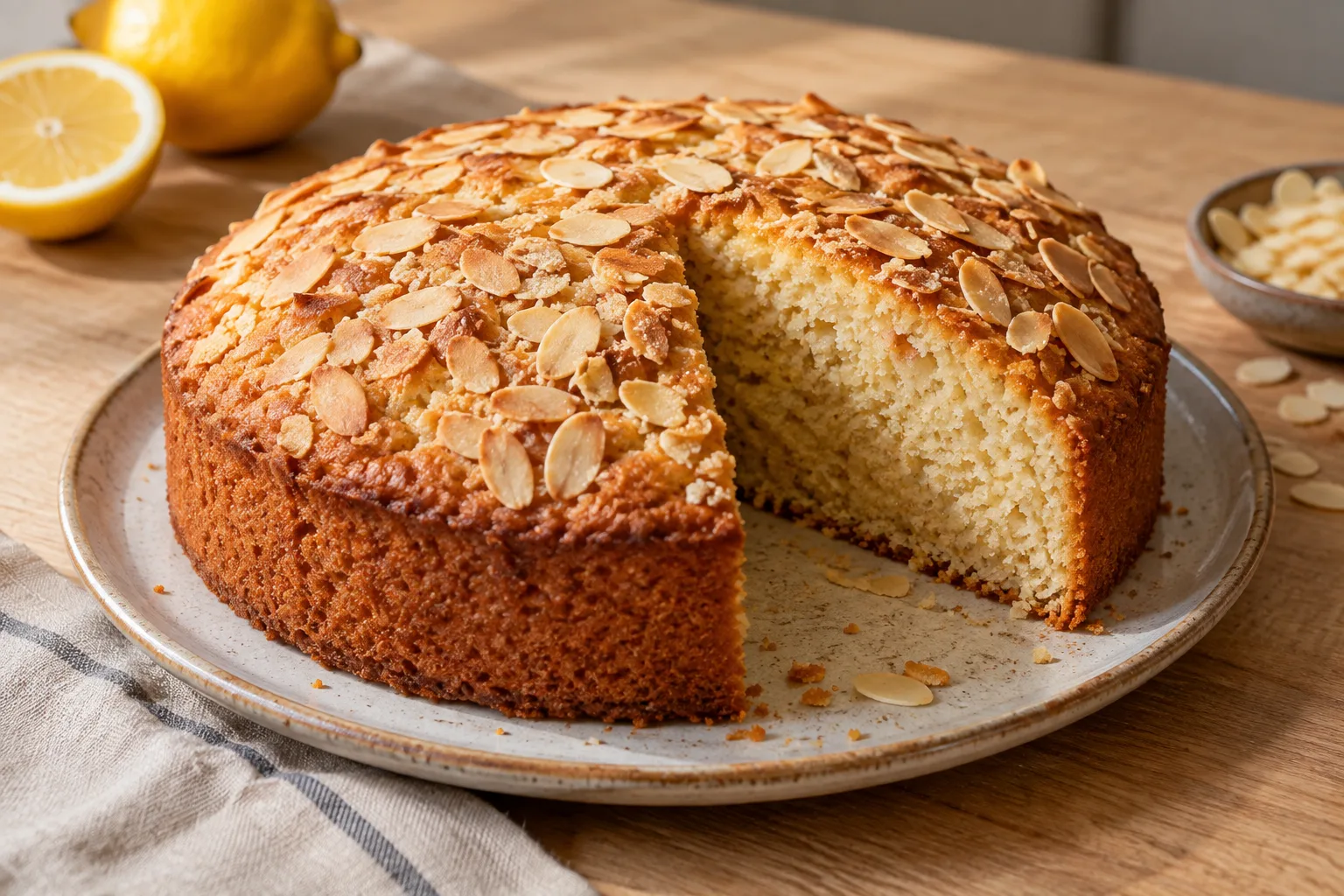
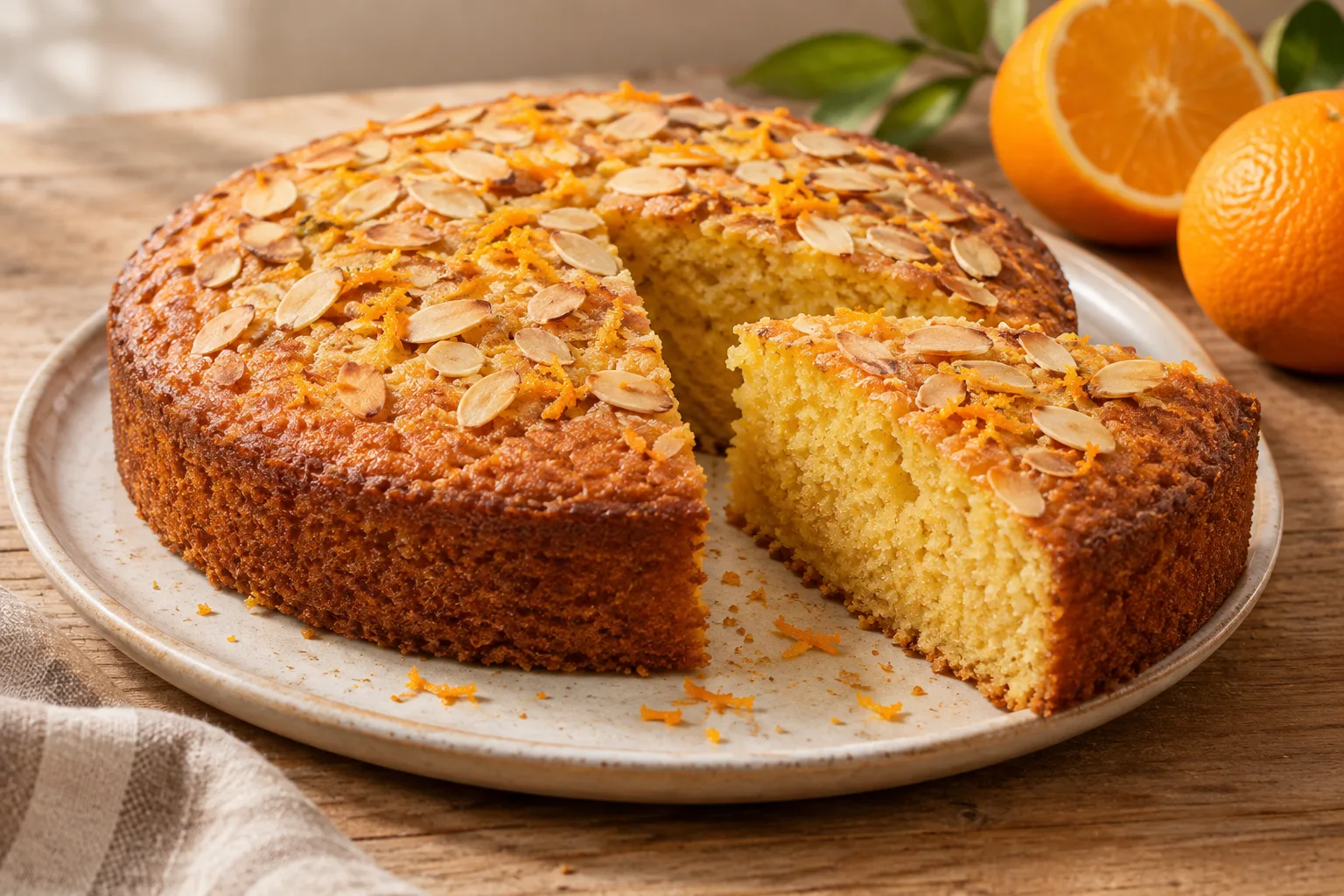
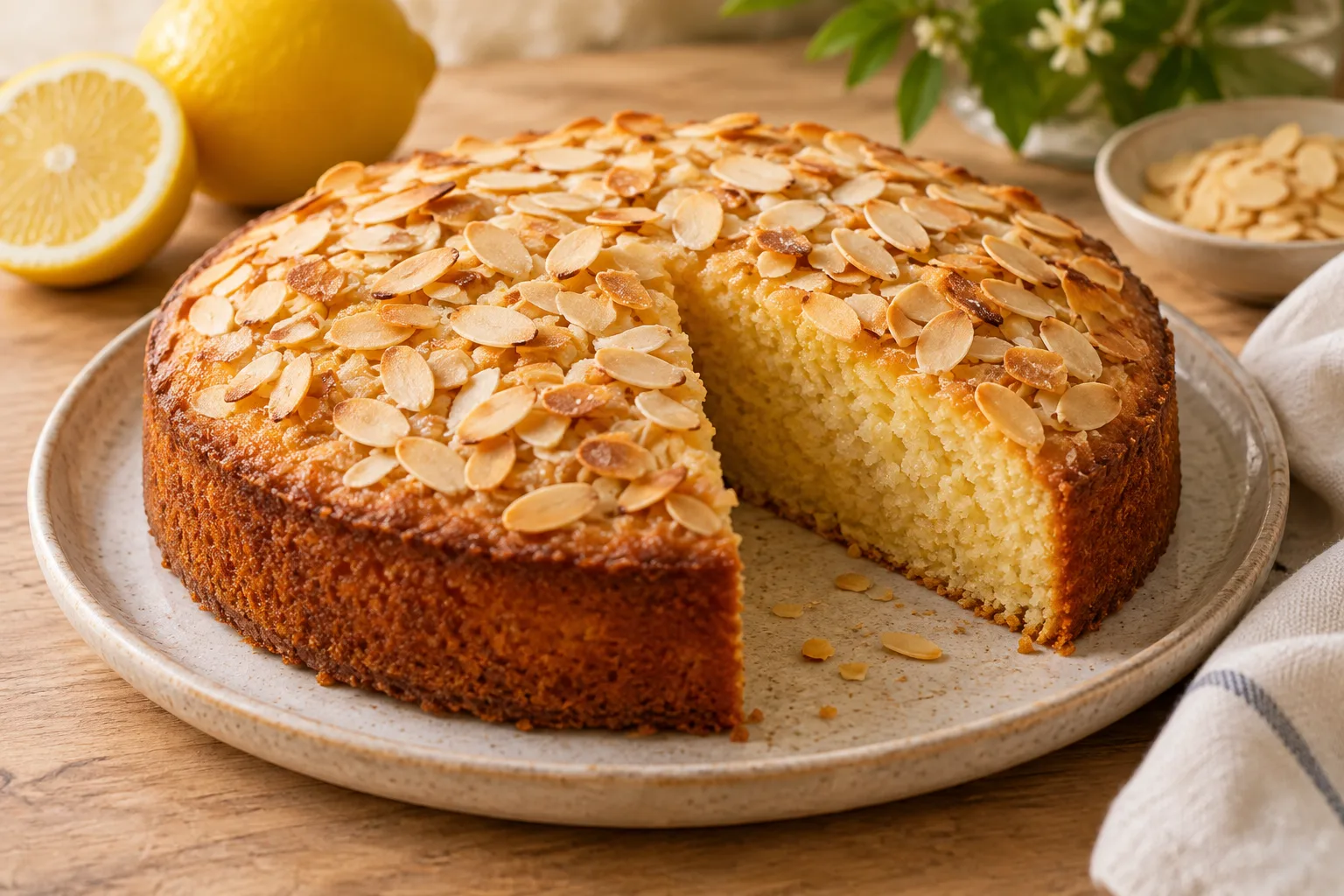
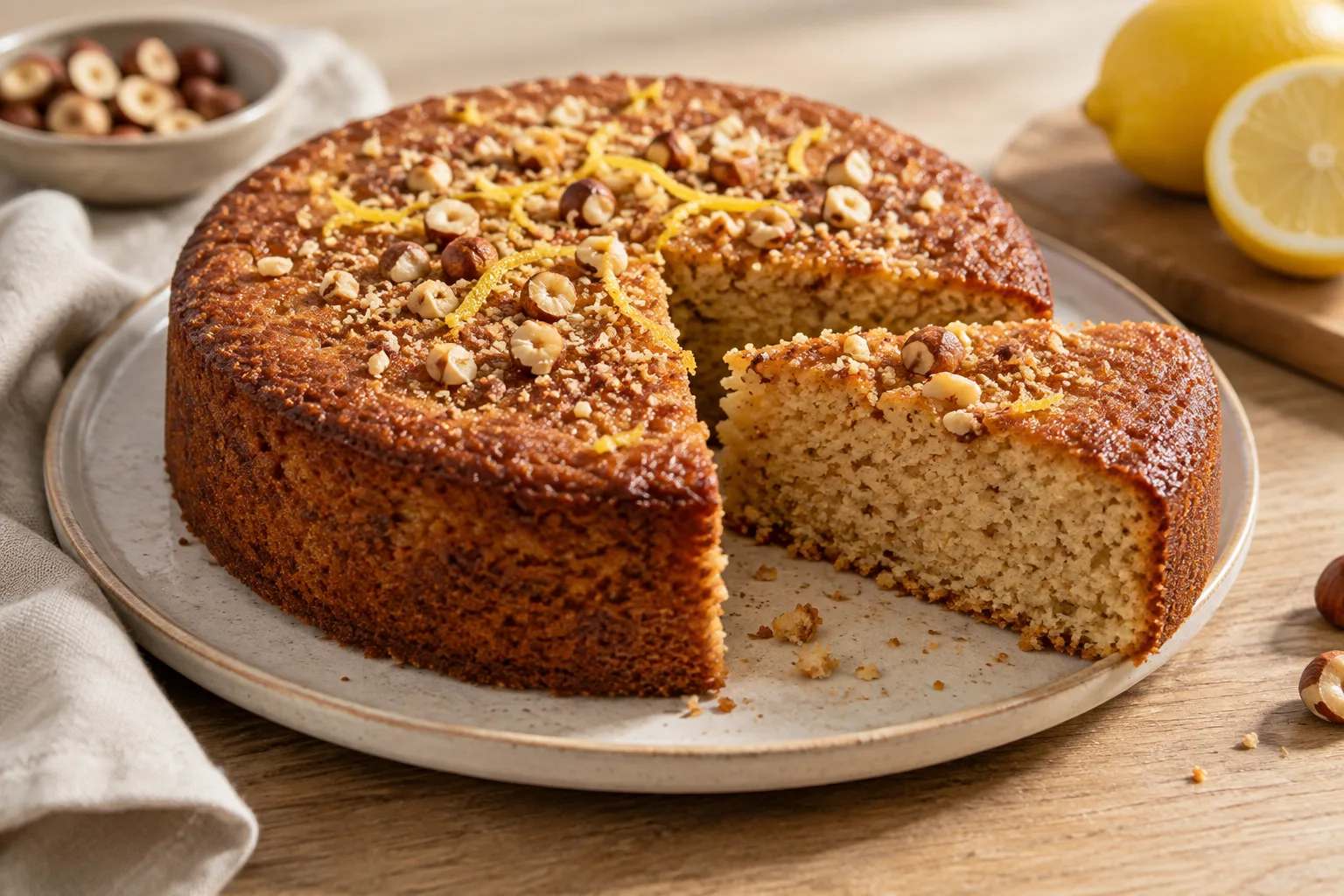
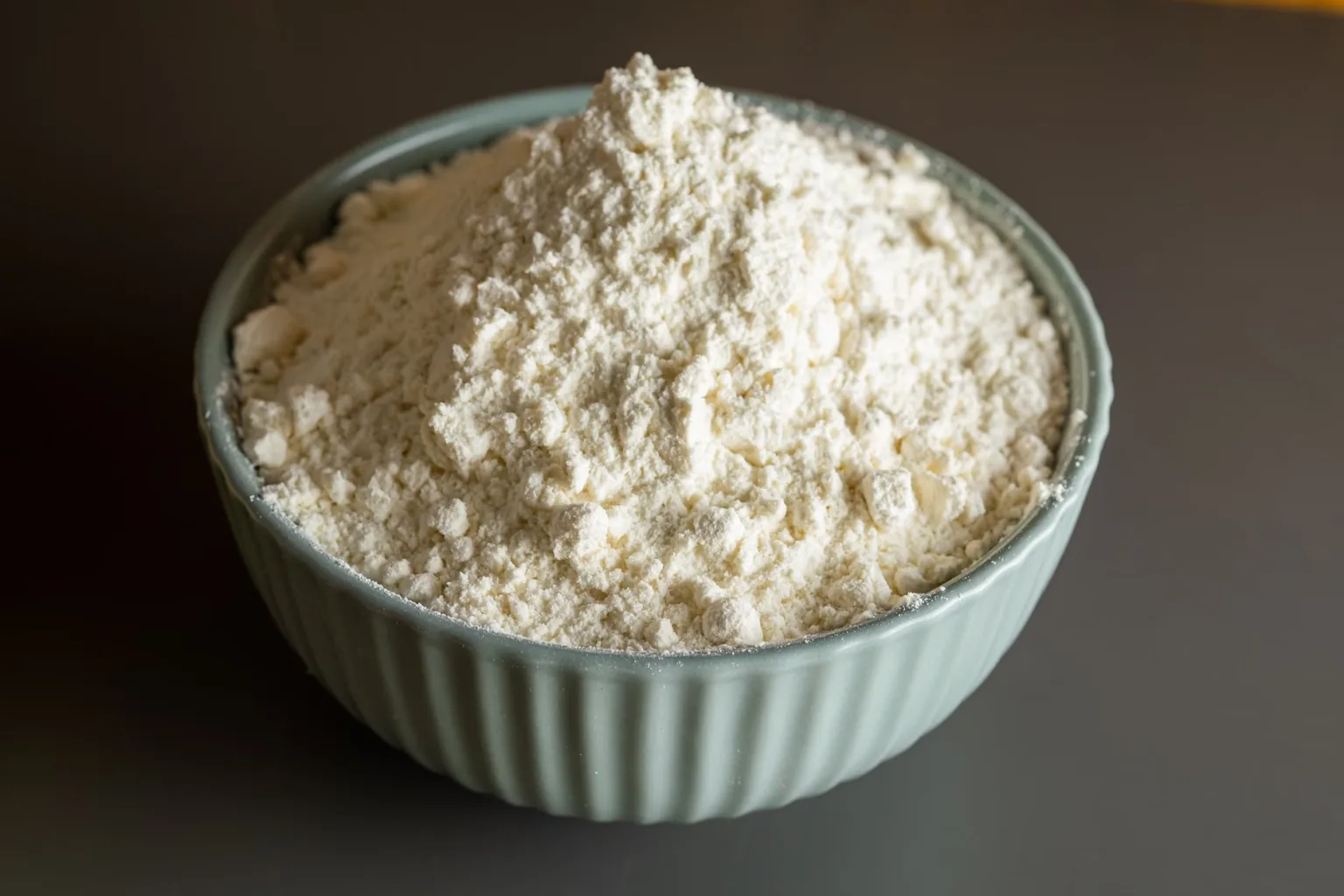
Cake flour is generally wheat flour with less protein than strong bread flour. It forms less gluten during mixing, which helps produce less elastic mixtures and tender results in cakes, cookies, muffins and other baked sweets. The name does not guarantee the same formulation everywhere: some labels distinguish plain cake flour from cake mix flour that may already contain a chemical raising agent. Read the package to understand what you are buying, and do not assume the flour already contains baking powder.
When to use it
Choose it when a recipe calls for cake flour or a delicate texture, as in cakes, cookies, muffins and pastries. It is useful when a highly elastic dough is not needed. For bread and fermented doughs that need structure, strong flour is generally a better fit. If a recipe specifies all-purpose flour or self-raising cake flour, do not automatically treat those products as interchangeable; check the product description and the recipe instructions.
How to use it
Weigh the flour as directed by the recipe and sift it if it is lumpy or if you want to distribute it evenly. Add it with the dry ingredients and mix only until the batter is combined, avoiding unnecessary mixing. Cake flour is used for cakes, cookies, muffins and pastries; the final result also depends on the full recipe and the particular product. Check whether the package contains plain flour or a chemical raising agent, since adding extra raising agent by habit can change a recipe. Follow the quantities and order given in the recipe.
Flavour and texture
Cake flour generally has a mild flavor and a fine texture. Compared with bread flour, its lower strength supports less elastic mixtures and a tender texture in some baked goods. The exact result depends on the flour and recipe: a product name alone cannot guarantee identical results across brands.
How to choose it
Check that the package identifies the product as cake flour, then read its ingredients and directions. Some cake flours may include a chemical raising agent, while others are wheat flour alone. If a recipe depends on a particular type, compare labels rather than relying only on similar product names.
Storage
No specific storage method for this flour is established here. Check the package and follow the manufacturer's instructions, especially if it gives particular storage conditions or a date marking. Keep the label available so you can check ingredients, allergens and safe-use information; do not assume every product or package has identical requirements.
Substitutions
All-purpose wheat flour may work in recipes that can tolerate a somewhat less tender texture, but results may change because flour strength varies. A mixture of all-purpose flour and cornstarch is also described as a way to approximate a lighter flour, but no universal ratio is established here. Base substitutions on a reliable recipe and do not treat them as exact equivalents.
Common mistakes
Do not confuse cake flour with cake mix flour that already contains a raising agent: names and formulations can vary. Do not automatically replace it with strong bread flour when a tender crumb is wanted. Another mistake is assuming that flour labelled cake flour is suitable for people with coeliac disease; always check its ingredients and allergen information.
Safety and allergens
This is generally a wheat flour and may contain gluten. Check the ingredient and allergen information, especially where wheat allergy or coeliac disease is a concern. Required food information can vary with the product and how it is sold; ask the seller if needed information is unavailable.
Culinary uses
- Aporta estructura a masas dulces
- Ayuda a obtener migas tiernas en repostería
Recommended techniques
- Tamizar para deshacer grumos y repartir la harina
- Incorporar a masas de bizcochos, galletas y pasteles
Pairs well with
- Bizcochos y pasteles
- Galletas y magdalenas
Frequently asked questions
Is cake flour the same as self-raising cake flour?
Not necessarily. Some cake flours include a chemical raising agent, while others are wheat flour without one. Check the package.
What is cake flour used for?
It is used for sweet baking such as cakes, cookies, muffins and pastries, especially when a less elastic batter and tender texture are desired.
Can I replace it with all-purpose flour?
It may work in some recipes, but the result can be less tender. Use a reliable substitution recipe and check whether the original flour contained a raising agent.
Estimated nutrition
- Fat
- 0.86 g
- Saturates
- 0.13 g
- Carbohydrate
- 78 g
- Sugars
- 0.31 g
- Fibre
- 1.7 g
- Protein
- 8.2 g
- Salt
- 0 g
Sources and review
Automatically researched, cross-checked and validated content. Sources consulted:
- En el etiquetado alimentario hay algunas menciones que son obligatorias eletiquetadocuentamucho.aesan.gob.es
- Harina - Wikipedia, la enciclopedia libre es.wikipedia.org
- Guía: tipos de harina, usos y características | Aprende Institute aprende.com
- Qué tipos de harina hay y cuáles usar - Pastas Gallo : Pastas Gallo pastasgallo.es
- Evaluación de harina de amaranto como ingrediente antioxidante para la preparación de matrices alimentarias funcionales doi.org
- 🥇 Tipos de HARINA en repostería ➤ Guía completa 2026 lolitalapastelera.com
- Harina de repostería - O Colmado da Vila ocolmadodavila.com
- Tipos de harina para usar en diferentes recetas | Cocinatis cocinatis.com
- Tipos de harina: en qué se diferencian hellofresh.es
- Harina de repostería: qué la diferencia del resto y cuándo debes utilizarla - Revista Mia miarevista.okdiario.com
- Harina normal, de repostería o de fuerza: ¿cuáles son las diferencias? | El Diario Vasco diariovasco.com
- La historia de la Harina de Repostería | Dolce Cuore dcdolcecuore.com
- Qué es harina: guía completa sobre la harina y sus usos – Reposteriaypasteleria.com.es reposteriaypasteleria.com.es
- Harina de Repostería: Análisis y Comparativa de las Mejores Opciones para tus Creaciones Dulces pasteleriamarianohernandez.es
- Harinas de Repostería ecológicas Despelta ▶ Compra Calidad y Sabor espeltaecologica.com
- Tipos de harinas para postres y sus cualidades - Your Spanish Shop, S.L. yourspanishshop.es