- Category
- Pulses
- State
- Canned
- Usual unit
- can
What it is
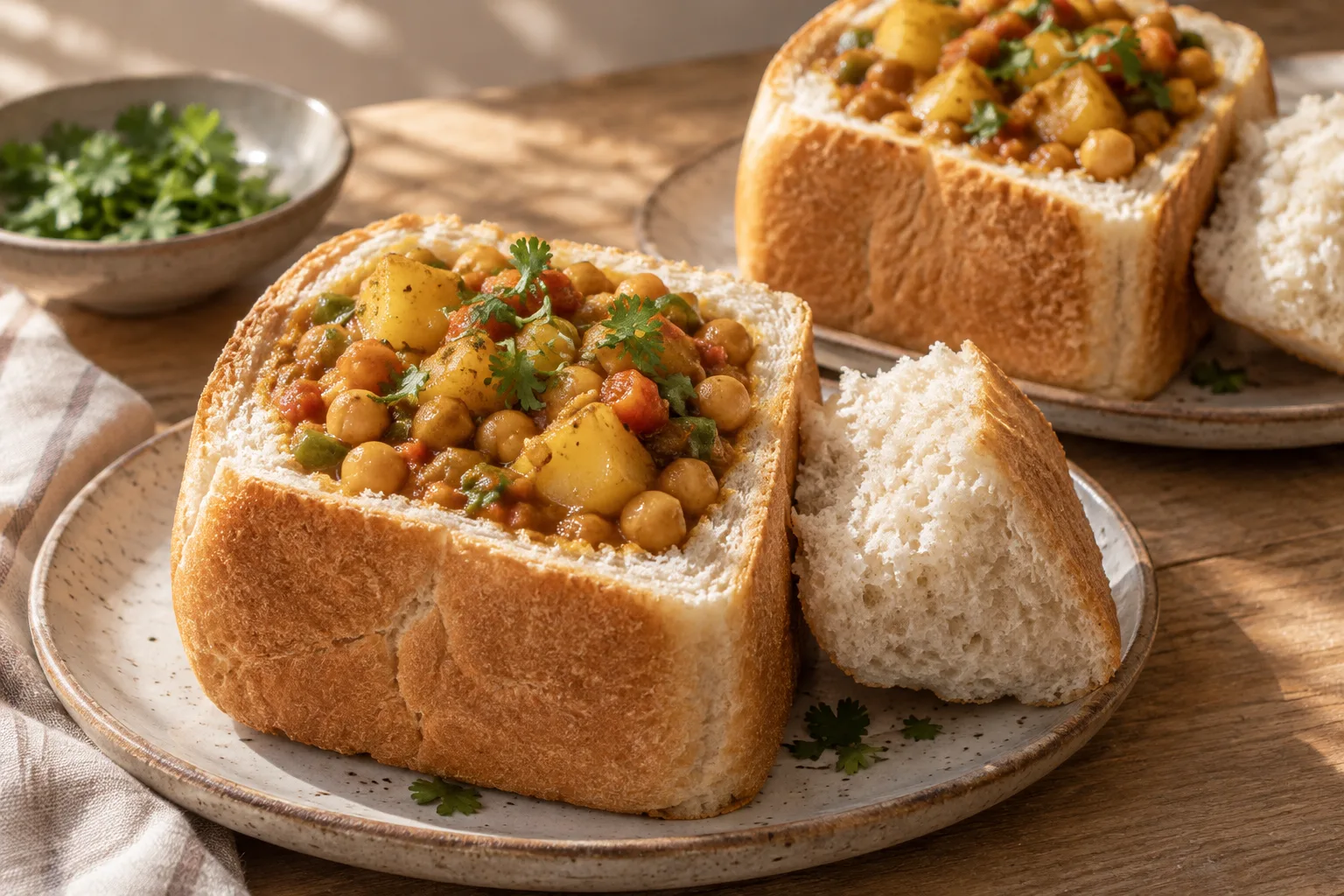
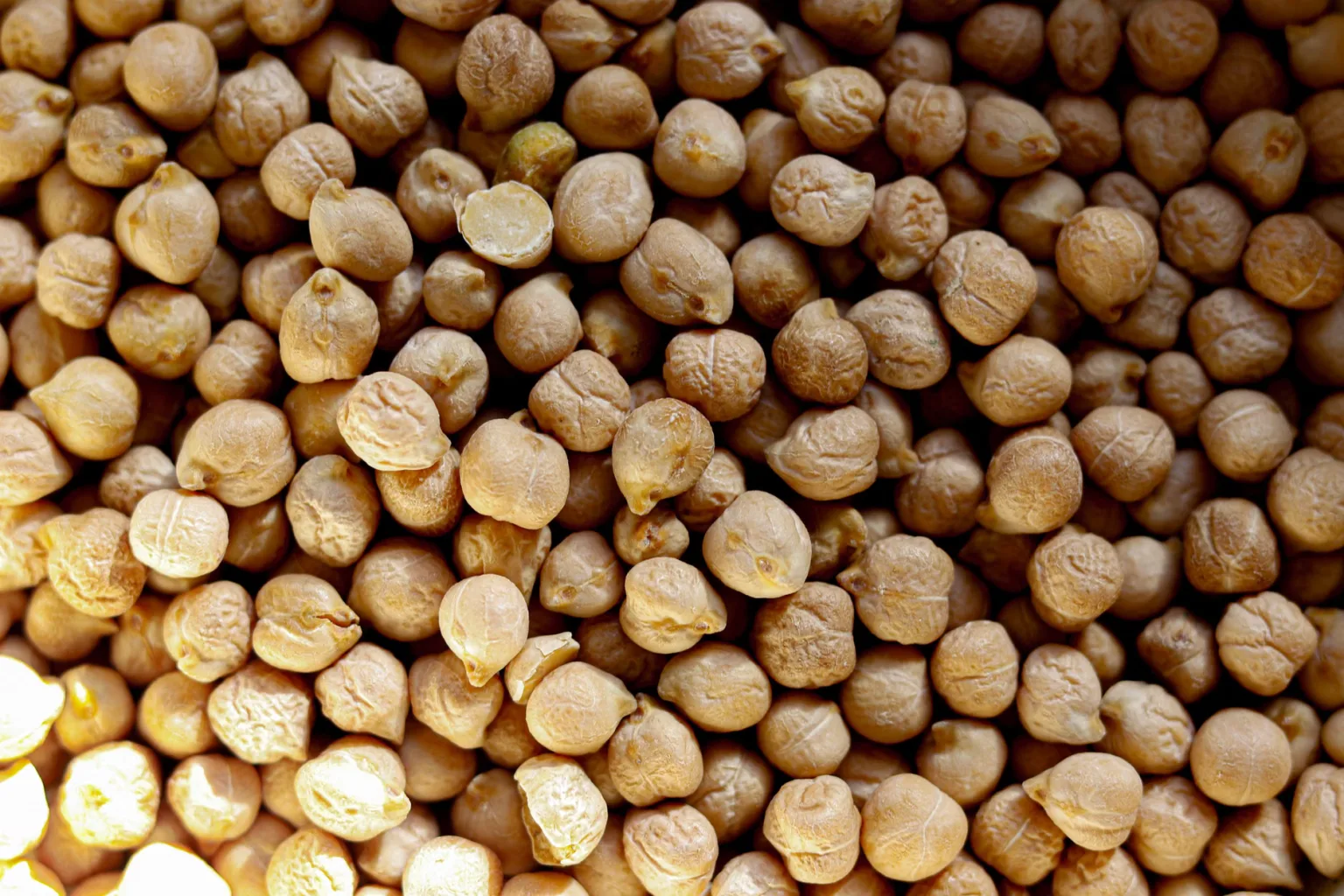
Canned chickpeas are cooked seeds of the chickpea legume, packed with liquid as a convenient alternative to dried chickpeas, which need preparation and cooking. Because they are already cooked, they can be added to cold dishes or hot recipes without cooking them from scratch, although they can be heated as part of a dish. Packaging and ingredient lists matter: ingredients and product styles vary by brand. The liquid left in the can or jar is commonly called aquafaba and can be used in certain culinary preparations. Canned chickpeas should not be confused with dried chickpeas, which need proper cooking before eating.
When to use it
Use them when you want cooked chickpeas without starting by soaking and cooking dried ones. They work in salads, soups and stews, can be blended into a spread, or added to a hot or baked dish. They are convenient for meals made with pantry ingredients. Drain and rinse them if you want to remove some of the packing liquid; if a recipe calls for aquafaba, save the liquid before discarding it. Follow the recipe to decide whether to heat the chickpeas or add them as they are.
How to use it
Open the package and check its label and the product’s condition before use. For everyday cooking, tip the chickpeas into a strainer and drain them; rinsing under running water is an option if you want to remove the packing liquid. Add them to salads, soups or stews, or mix them into a hot or baked dish, since they are already cooked. For hummus or another spread, blend them with ingredients such as tahini, garlic, olive oil and lemon. You can also mash them into plant-based patties. For a crisp texture, dry them before seasoning and roasting according to a reliable recipe. Save the drained liquid if you plan to try a recipe that uses aquafaba.
Flavour and texture
Chickpeas have a mild, slightly nutty flavor and a creamy texture with a gently starchy quality. Canned chickpeas are usually tender and can hold their shape when mixed with other ingredients, although the result depends on the product and how it is handled. Blended, they make a smooth base for spreads; roasted, they can develop a crisper exterior. The canning liquid is separate from the chickpeas themselves and may be viscous.
How to choose it
Choose an intact package and check its product name, ingredients and storage instructions. Brands may offer versions with different amounts of salt or no added salt, so compare the package information if that matters to your recipe. Check the date shown and choose a package size you are likely to use. The label is the best source for the actual ingredients and any allergen declarations for that particular product.
Storage
Store unopened packaging according to the manufacturer’s directions, and check the date and storage conditions on the label. Once opened, do not leave leftover chickpeas at room temperature for an extended period: refrigerate them promptly and follow the product’s storage advice. A clean, covered container helps protect leftovers. Do not assume that opened storage guidance is identical for every brand or package; follow any specific instructions on the label.
Substitutions
Prepared chickpeas cooked from dried chickpeas can replace canned ones; adjust the quantity to the recipe and allow for differences in firmness. Another cooked legume may work in some dishes, but its flavor, size and texture can change the result, especially in a spread or salad. Do not assume that liquid from another canned legume will behave just like chickpea aquafaba without checking how it works in the recipe.
Common mistakes
Do not mistake canned chickpeas, which are already cooked, for dried chickpeas, which need preparation and cooking. Do not discard the liquid automatically if you want to use aquafaba, and remember to drain or rinse the chickpeas when your recipe calls for it. Avoid assuming that every brand has the same ingredients, salt level or after-opening instructions: check the package and season accordingly.
Safety and allergens
Read the package label for ingredients, allergen information, and storage and use directions. Do not use a damaged package or a product that shows signs of spoilage. After opening, refrigerate leftovers promptly and follow the manufacturer’s advice; if you are unsure about the product, do not eat it.
Culinary uses
- Legume prête à incorporer dans des salades, soupes et ragoûts
- Base à écraser ou à réduire en purée pour des tartinades et des galettes végétales
Recommended techniques
- Égoutter et rincer avant emploi, si souhaité
- Réduire en purée ou écraser
- Ajouter directement à des plats cuits ou au four
- Assaisonner et rôtir pour obtenir une texture plus croustillante
Pairs well with
- Tahini, ail, huile d’olive et citron
- Épinards et tomates
- Herbes et épices, notamment cumin, curry ou harissa
Frequently asked questions
Do canned chickpeas need to be cooked before eating?
They are already cooked, so they can be added to cold dishes or put straight into hot recipes. Heating them may be useful depending on the dish.
Should I rinse canned chickpeas?
You can drain and rinse them if you want to remove the packing liquid. If your recipe needs aquafaba, save that liquid first.
What is aquafaba?
It is the cooking liquid from legumes, including the liquid in a can of chickpeas. Some recipes use it for its culinary properties.
Estimated nutrition
- Fat
- 2.77 g
- Saturates
- 0.21 g
- Carbohydrate
- 22.5 g
- Sugars
- 4.01 g
- Fibre
- 6.4 g
- Protein
- 7.05 g
- Salt
- 0.62 g
Sources and review
Automatically researched, cross-checked and validated content. Sources consulted:
- En el etiquetado alimentario hay algunas menciones que son obligatorias eletiquetadocuentamucho.aesan.gob.es
- Romanica Olomucensia : «¿Qué pinga es esto?». Usos disfemísticos en el español de Cuba doi.org
- Cooking Food Storage | USU extension.usu.edu
- El Garbanzo: Historia, Diseminación Y Usos Culinarios - Restaurante Romero restaurante-romero.es
- Origen y propiedades de los garbanzos ¡6 BENEFICIOS ÚNICOS! lacribadevalseca.com
- Agencia Española de Seguridad Alimentaria y Nutrición aesan.gob.es
- USDA FoodData Central libguides.marist.edu
- informe anual de indicadores - agricultura, pesca y alimentación servicio.mapa.gob.es
- Pinchin' Pennie$ in the Kitchen: What's in your Home Food Pantry? | NDSU Agriculture ndsu.edu
- Garbanzo Bean Recipes | Institute of Culinary Education ice.edu
- Dry-Roasted Garbanzo Beans | OSU Extension Service extension.oregonstate.edu
- Garbanzo bean production guide published for small but thriving industry | Food Blog ucanr.edu
- Chickpeas (Garbanzo Beans) • The Nutrition Source nutritionsource.hsph.harvard.edu
- Stretch Your Food Dollars Part 3: At Home | Home & Garden Information Center hgic.clemson.edu
- El sorprendente uso del agua de los garbanzos de bote que revolucionará tu cocina directoalpaladar.com