- Category
- Herbs and spices
- State
- Fresh
- Usual unit
- leaves
What it is
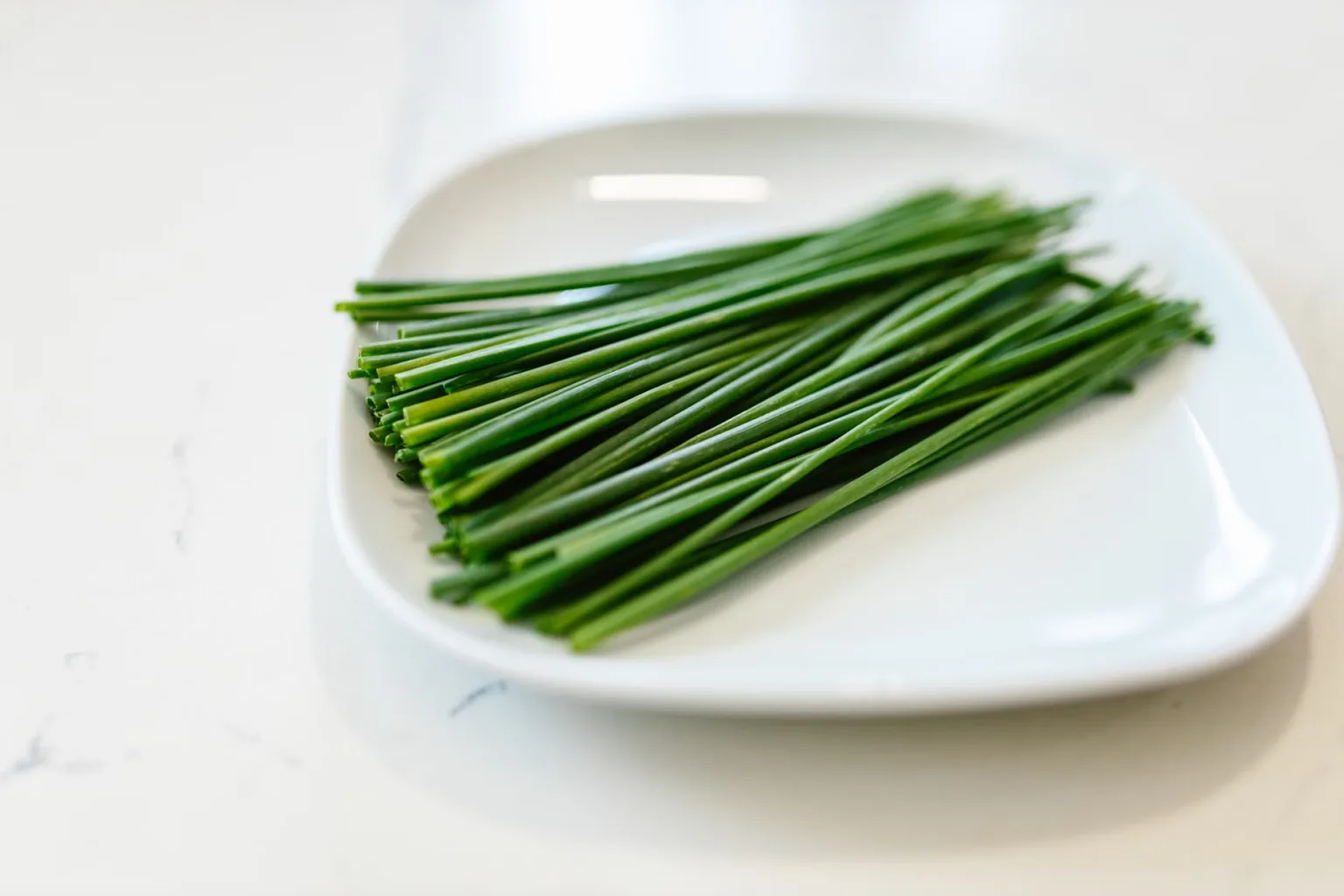
Chives, also known as ciboulette, are an aromatic herb in the Allium group, related to onion and garlic. In cooking, the thin, elongated, hollow green leaves are used most often, and they are commonly sold fresh in bunches. Chives are not the same ingredient as green onions or scallions, which have different culinary uses and a stronger flavor. Chives are used mainly as a seasoning, garnish or finishing touch: chopped leaves add green color and a delicate onion flavor with a mild hint of garlic. Some sources also describe edible flowers, but this profile focuses on the fresh leaves specified for this ingredient.
When to use it
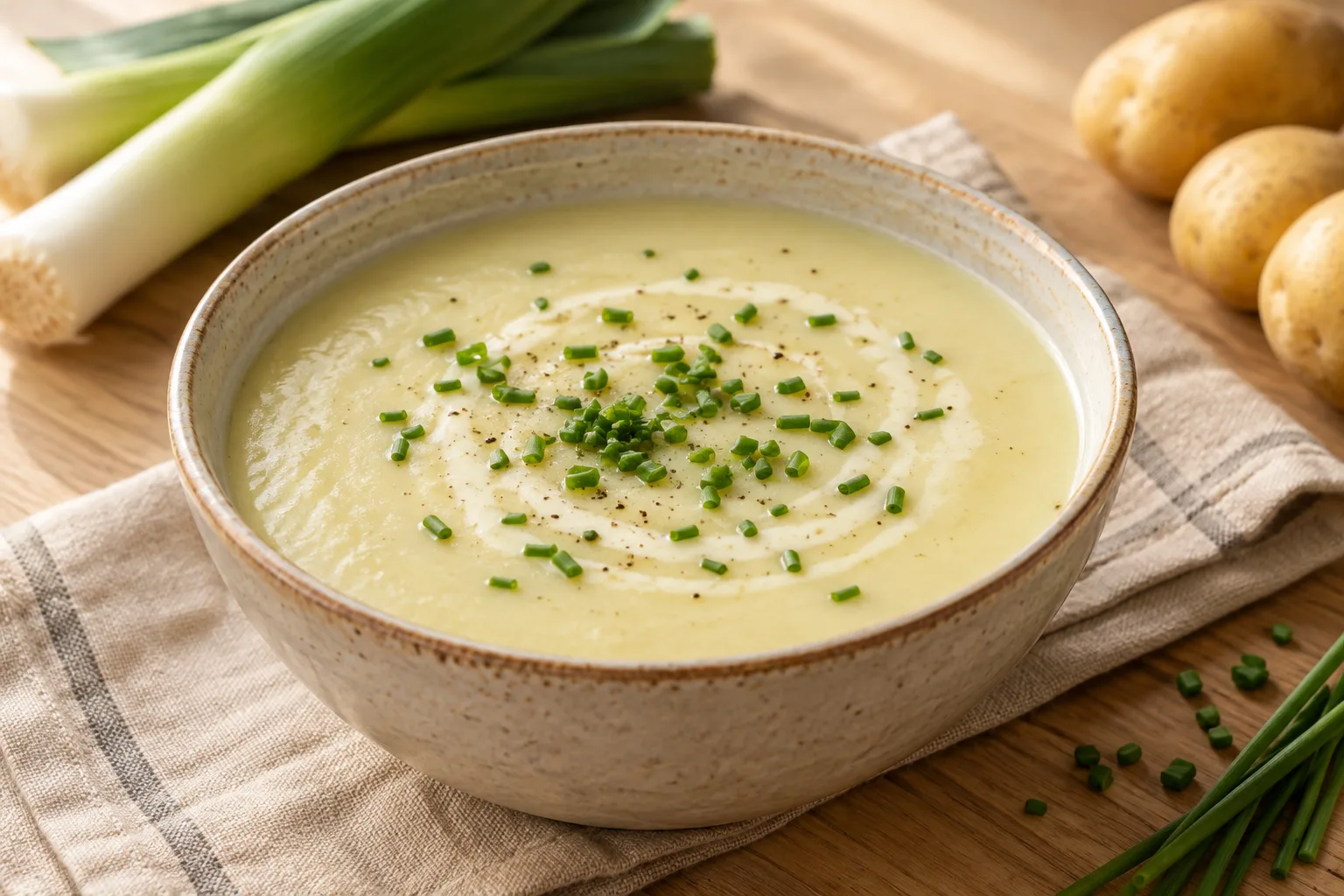
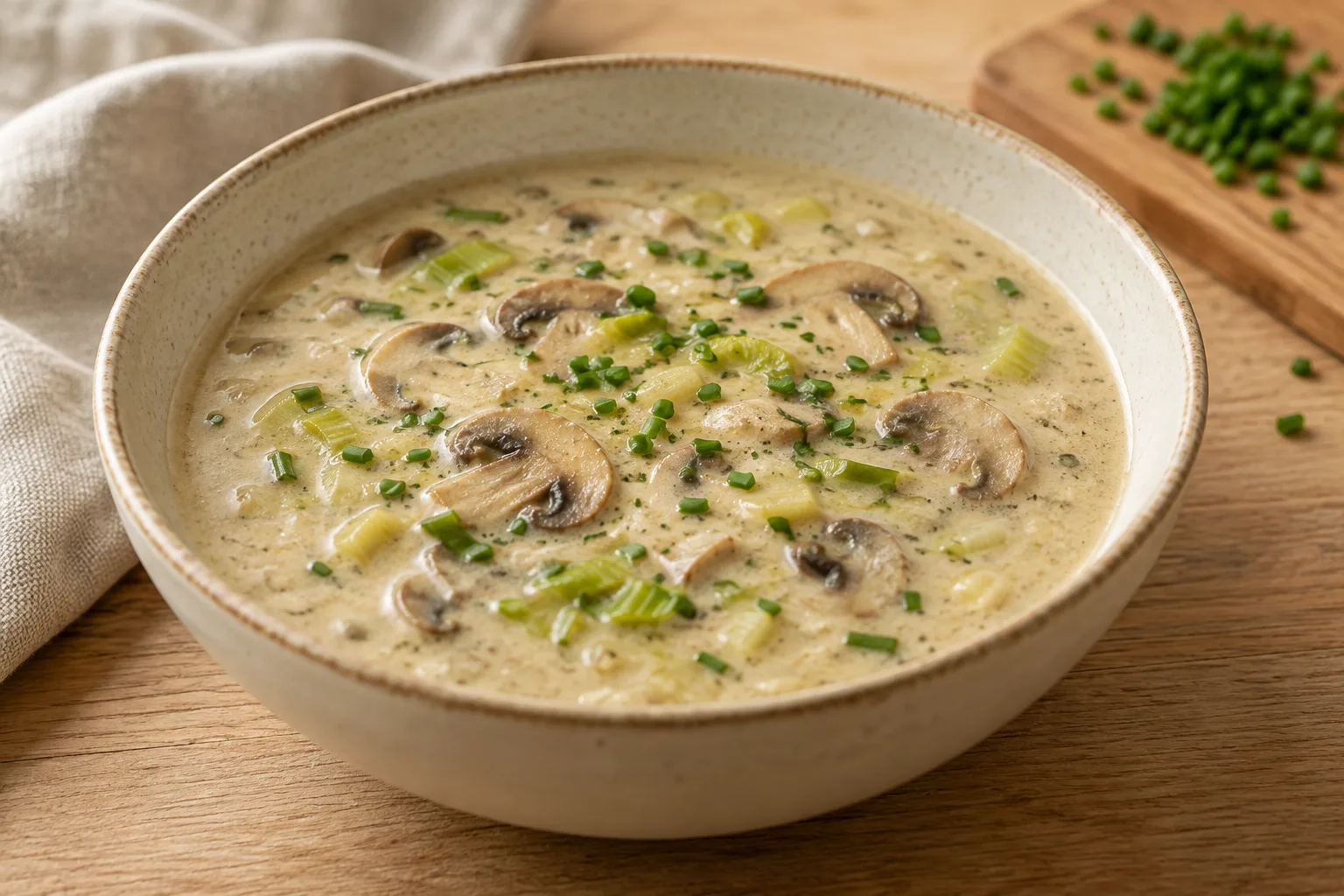
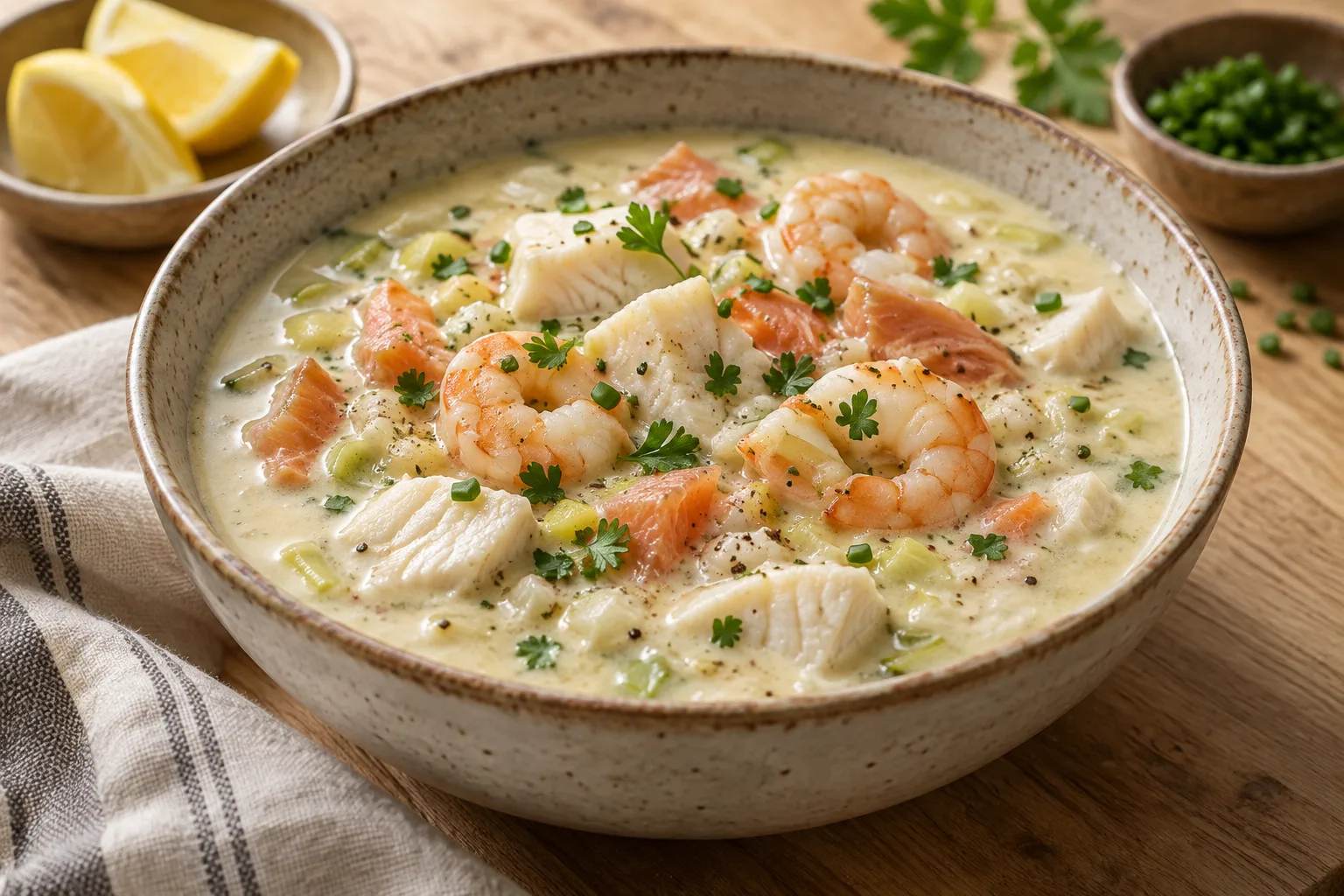
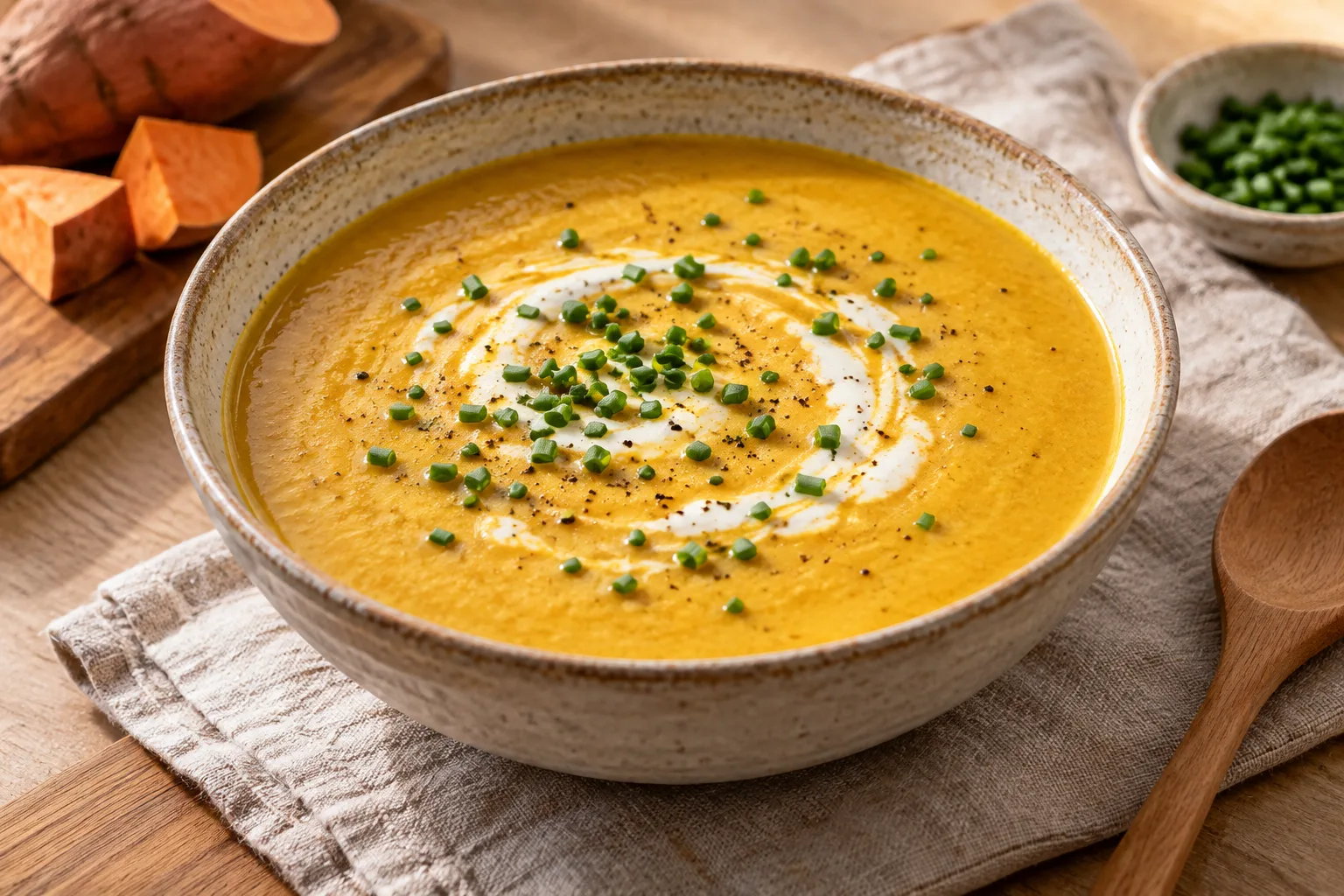
Choose chives when you want a mild onion aroma that will not overwhelm other ingredients, or a fresh green finish for a dish. They work particularly well with eggs, omelets, potatoes, soups, creamy soups, salads, fish, cheese and butter. Because their flavor and texture are delicate and can fade during prolonged cooking, they are generally best used raw or added at the end, just before serving. They are also useful in dressings and vinaigrettes when you want their flavor distributed throughout a dish.
How to use it
Rinse the chives and dry them carefully; cut them shortly before use to retain their appearance and aroma. Slice or finely chop the leaves and scatter them over eggs, omelets, potatoes, soups, creamy soups, salads or fish just before serving. For a more evenly spread flavor, mix them into butter, cheese, mayonnaise, oil, vinegar or a vinaigrette. If a recipe involves heat, add the chives near the end rather than letting them boil or cook for a long time. They can also be used as a garnish, but their main role is to add an aromatic accent rather than replace a cooked onion base.
Flavour and texture
Chives taste like fresh onion, but milder and more delicate, with a slight hint of garlic. The leaves are thin, green, tender and hollow; chopped, they add a fresh note, a little texture and color. Dried chives are also available, but they lose some of the flavor and texture of the fresh herb.
How to choose it
Look for uniformly green leaves that appear fresh; avoid bunches that are yellowing, dry or wilted. Fresh chives are commonly sold in bunches at markets and supermarkets. The fine, firm leaves are easy to chop and use as a seasoning or garnish. Do not confuse chives with green onions or scallions, which are different ingredients with different flavor and culinary uses.
Storage
Keep fresh chives in the refrigerator and avoid washing them until you are ready to use them, as excess moisture can speed deterioration. You can wrap them in slightly damp paper towel or keep them in a sealed bag. For longer storage, some sources recommend chopping and freezing them; once thawed, their texture will not be exactly the same as fresh chives. Follow any storage and use directions on the package.
Substitutions
Dried chives can stand in for fresh when needed, but they provide less freshness and do not retain the same texture. Chopped green onion or scallion can work in some dishes, although the flavor is stronger and the texture different. Adjust to taste, keeping in mind that neither option exactly reproduces the delicate profile of fresh chives.
Common mistakes
Avoid cooking chives for a long time: prolonged heat can diminish their aroma and texture. Do not confuse them with green onions or scallions, since they are different ingredients and do not always serve the same delicate role. If you want a fresh finish, avoid chopping them far in advance; cut them close to serving time.
Safety and allergens
Rinse the leaves before eating and follow any storage and use directions on the package. This profile does not identify a specific safety warning for fresh chives.
Culinary uses
- hierba aromática
- guarnición
- condimento final
Recommended techniques
- picar finamente y añadir justo antes de servir
- mezclar en mantequilla, queso o aderezos
- usar crudo en ensaladas y platos terminados
Pairs well with
- huevos y tortillas
- patatas
- sopas y cremas
- pescados
- quesos y mantequilla
- ensaladas
Frequently asked questions
Which part of chives is usually used?
The thin, hollow green leaves are used most often, either chopped or whole as a garnish.
Can chives be cooked?
Yes, but to preserve more of their aroma and texture, they are usually used raw or added at the end of cooking.
Are chives the same as green onions or scallions?
No. They are different ingredients; green onions or scallions generally have a stronger flavor and do not always play the same delicate role as chives.
Estimated nutrition
- Fat
- 0.73 g
- Saturates
- 0.15 g
- Carbohydrate
- 4.35 g
- Sugars
- 1.85 g
- Fibre
- 2.5 g
- Protein
- 3.27 g
- Salt
- 0.01 g
Sources and review
Automatically researched, cross-checked and validated content. Sources consulted:
- En el etiquetado alimentario hay algunas menciones que son obligatorias eletiquetadocuentamucho.aesan.gob.es
- Client Challenge doi.org
- 10 Sustitutos Increíbles para Cebolla: Cómo Reemplazarla Fácilmente en Casa | Chef Experto chefexperto.com
- Cebollino o cebollín, la elegante hierba aromática con un suave sabor entre el ajo y la cebolla: qué es y cómo usarlo en la cocina directoalpaladar.com
- Usos y recetas con cebollino, primo hermano de la cebolla hola.com
- Glosario de especias: cebollino | JUST SPICES ® justspices.es
- Los beneficios del cebollino y qué tipos hay abc.es
- Allium schoenoprasum - Wikipedia, la enciclopedia libre es.wikipedia.org
- Cebollín - Qué es, Propiedades, Origen, Características, Cultivo, Contraindicaciones tuberculos.org
- Cebollino propiedades y contraindicaciones: una joya culinaria con secretos saludables esdiario.com
- Aesan - Agencia Española de Seguridad Alimentaria y Nutrición aesan.gob.es
- Cebollino: Cómo usarlo en la cocina - Cocina y Come cocinaycome.com
- Cebollín: qué es, recetas con cebolla china y beneficios finedininglovers.es
- "¡Descubre los 11 sorprendentes sustitutos de cebollino y ajo que transformarán tus recetas!" nuevoplasencia.es
- CEBOLLINO - suave y fino sabor a cebolla - Manufacturas Salomón SL. salomonspices.com
- Cebollino - Comer y Beber comerbeber.com