- Category
- Herbs and spices
- State
- Fresh
- Usual unit
- unit
What it is
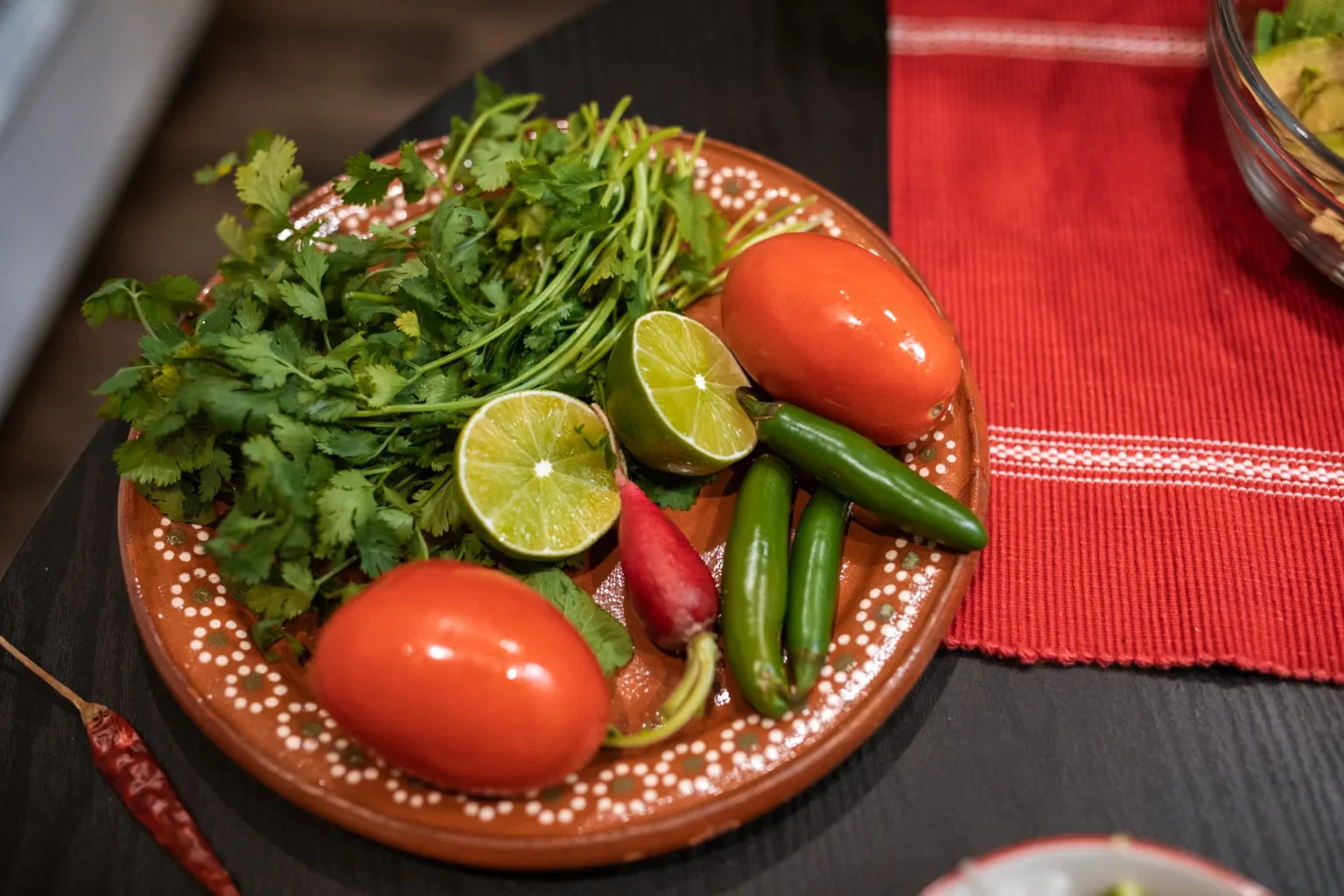
Fresh cilantro refers to the leaves and often the tender stems of Coriandrum sativum, an herb in the Apiaceae family. In some usage, “cilantro” means the leaves and “coriander” means the dried seeds, though the names vary by region. This profile is about fresh leaves, not the seed spice: the plant’s two parts have different culinary uses and flavors. Cilantro is used fresh or dried, either as an ingredient or as a finish. Its leaves and tender stems add aroma and color, while cooking or drying diminishes the fresh flavor. People also experience its flavor differently: it may seem citrusy and green or taste soapy. That difference in perception is a normal variation, not evidence that the herb has spoiled.
When to use it
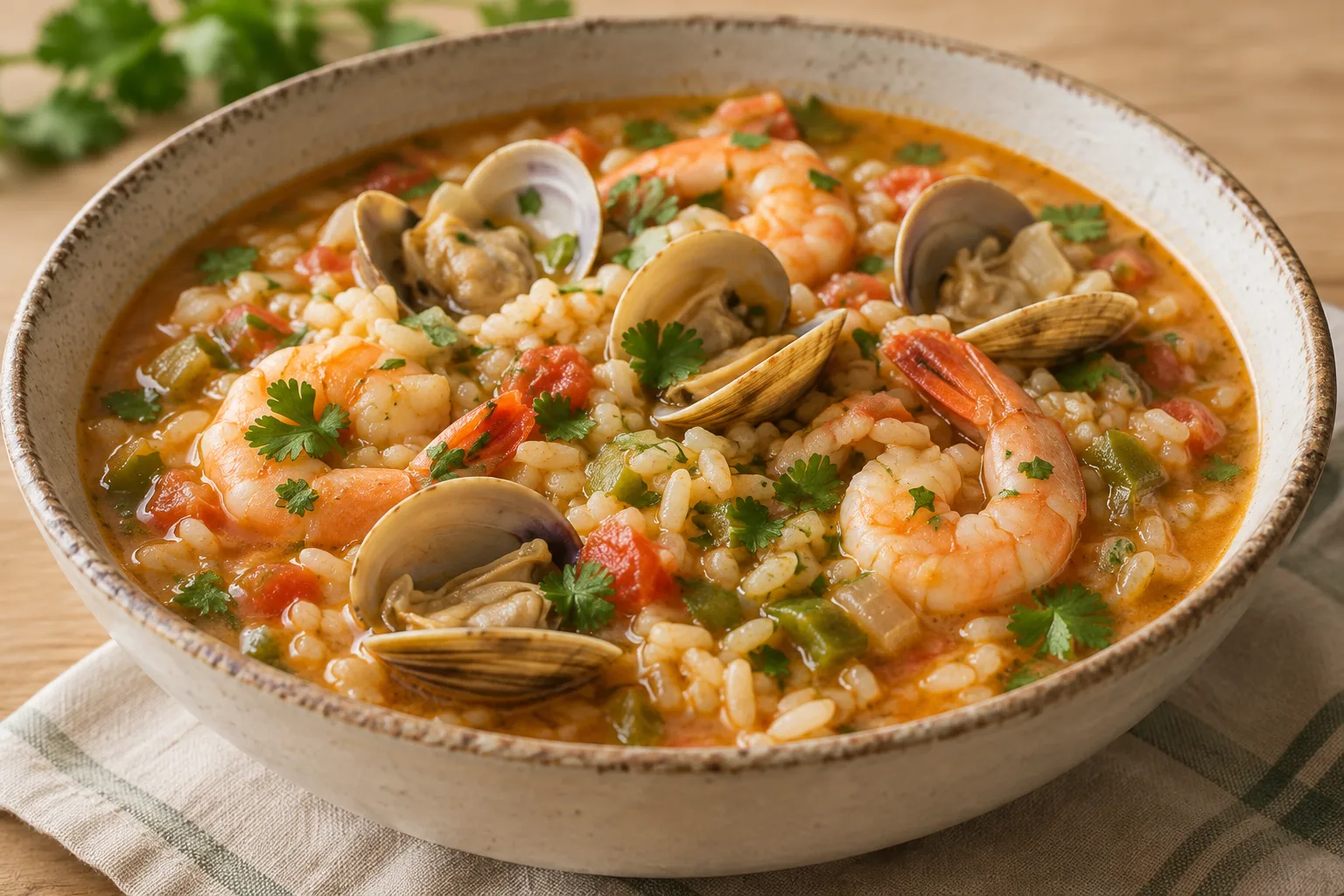
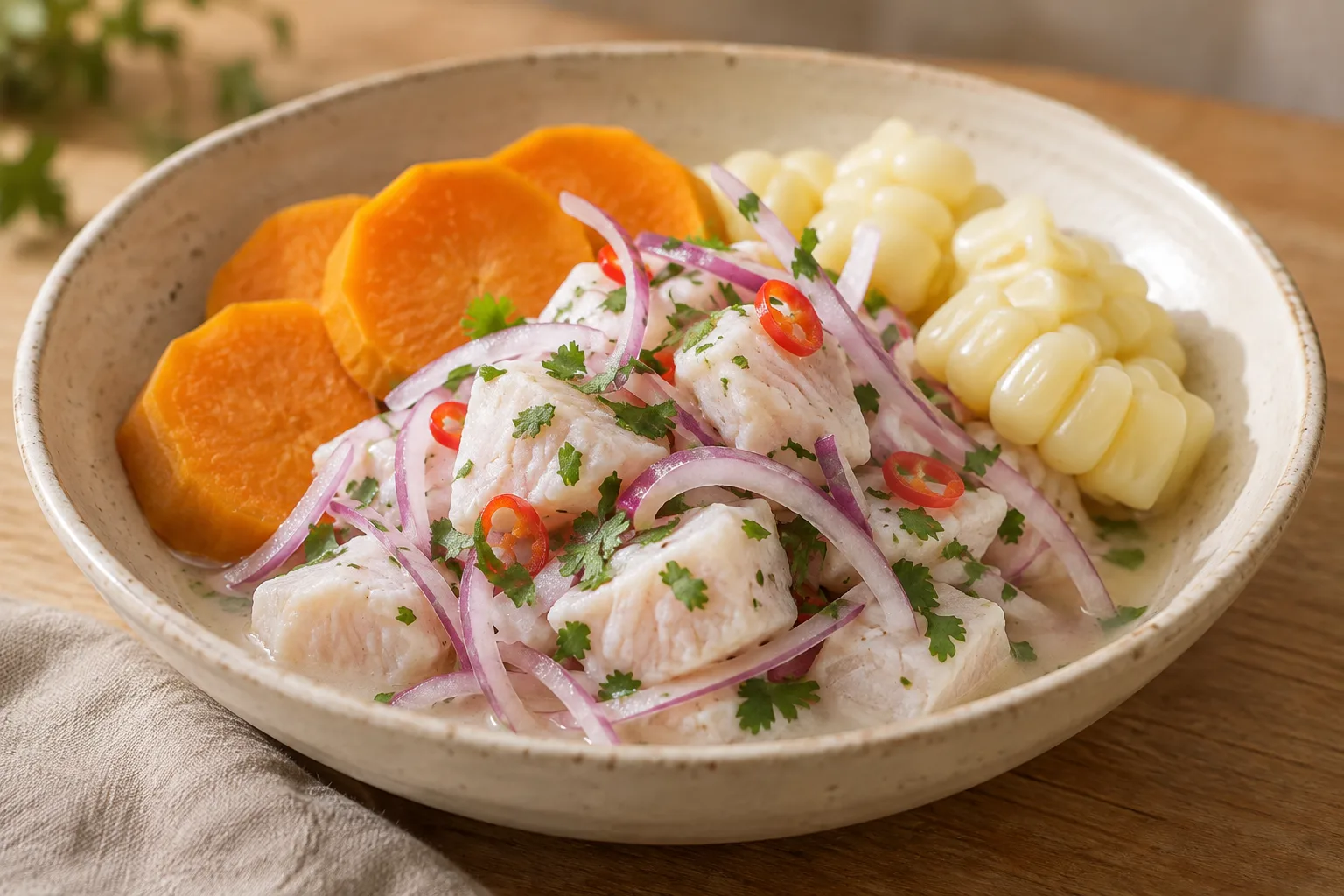
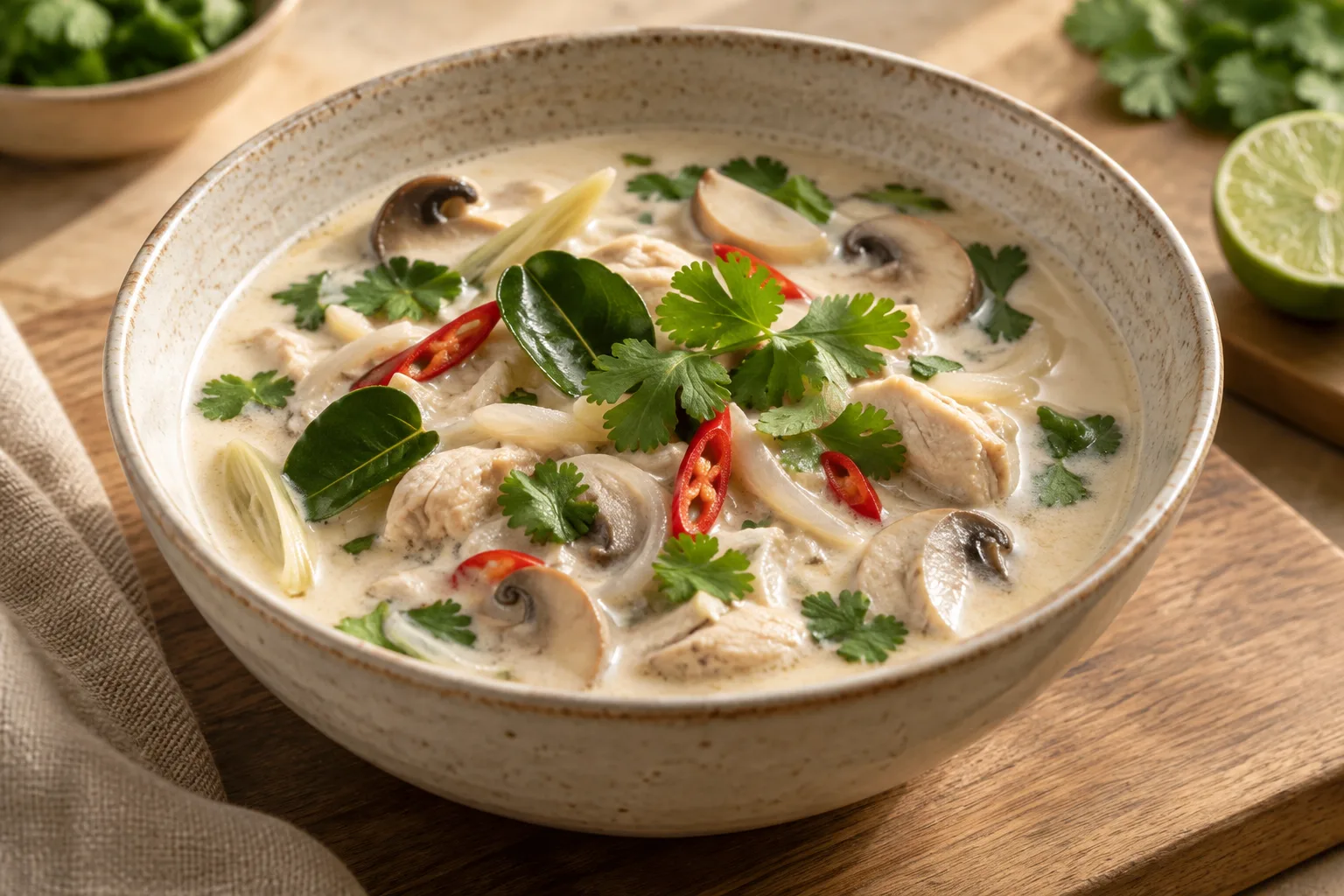
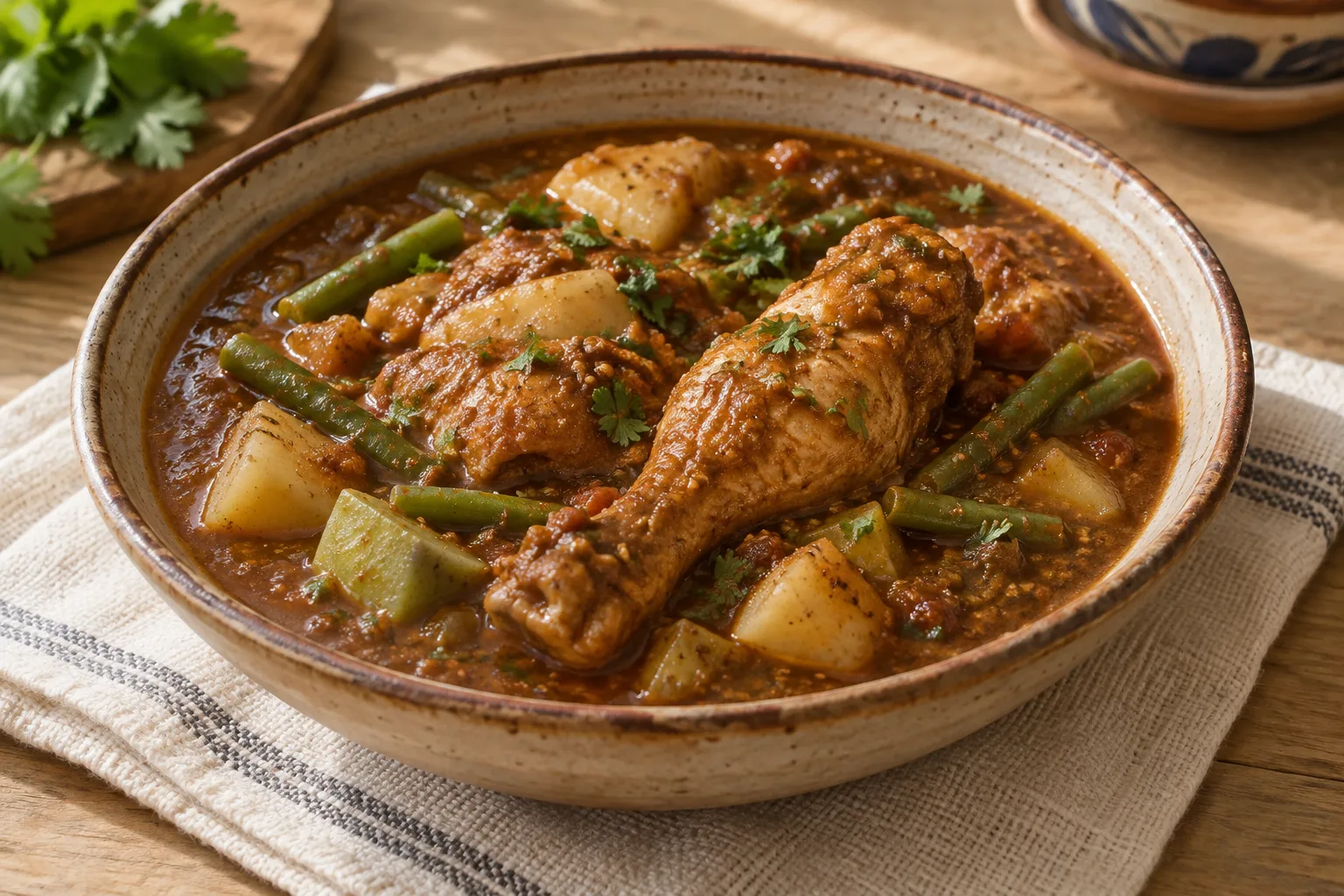
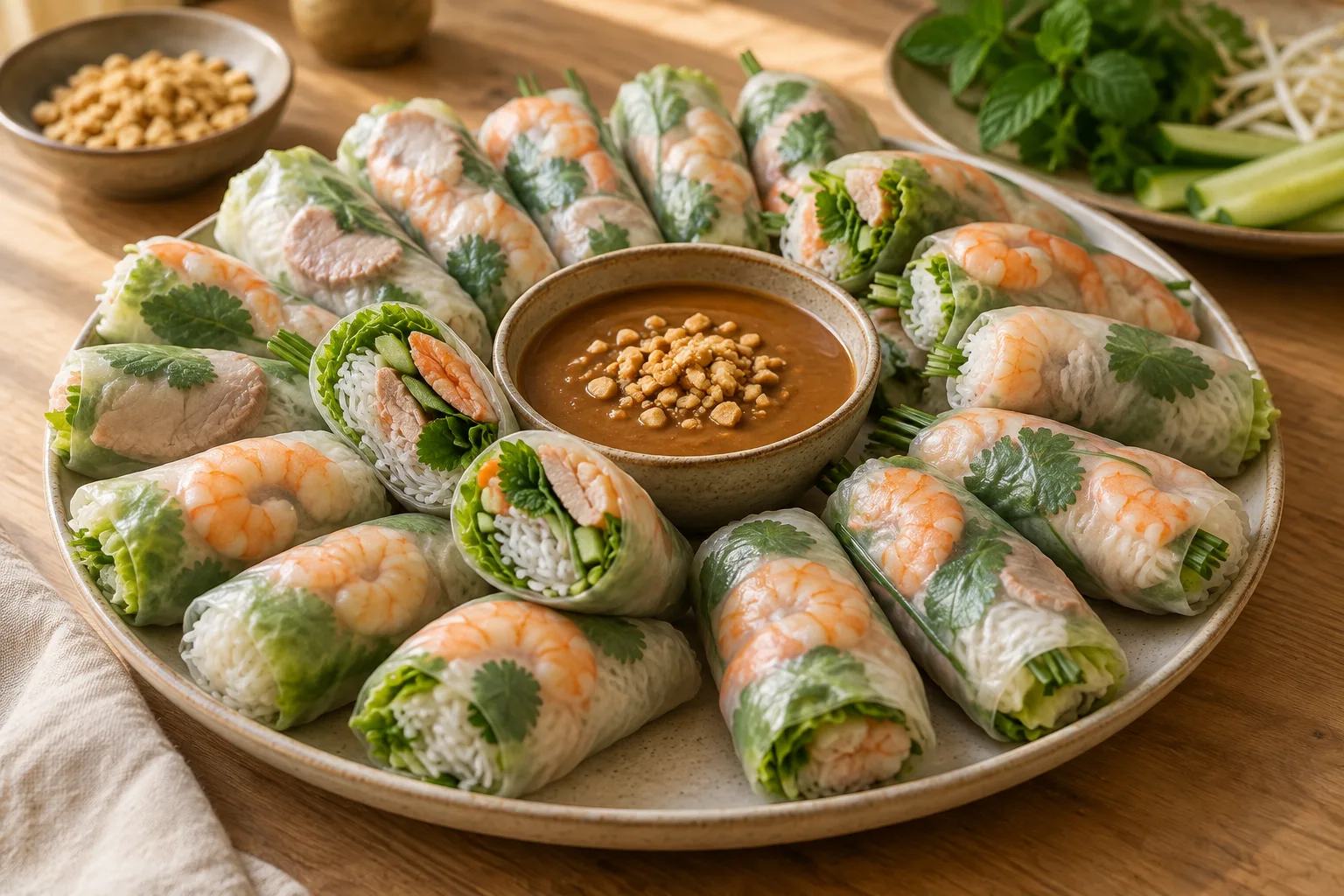
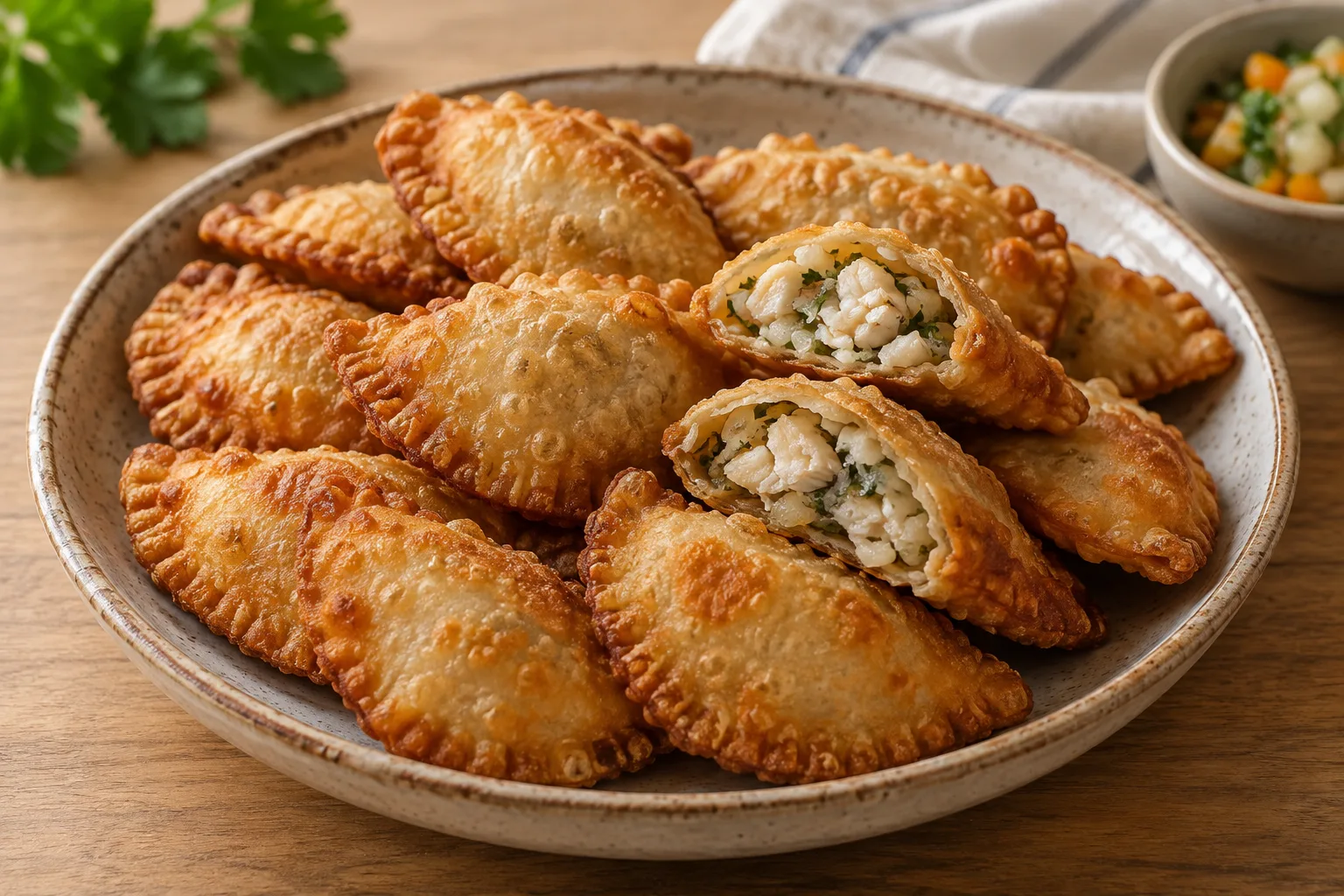
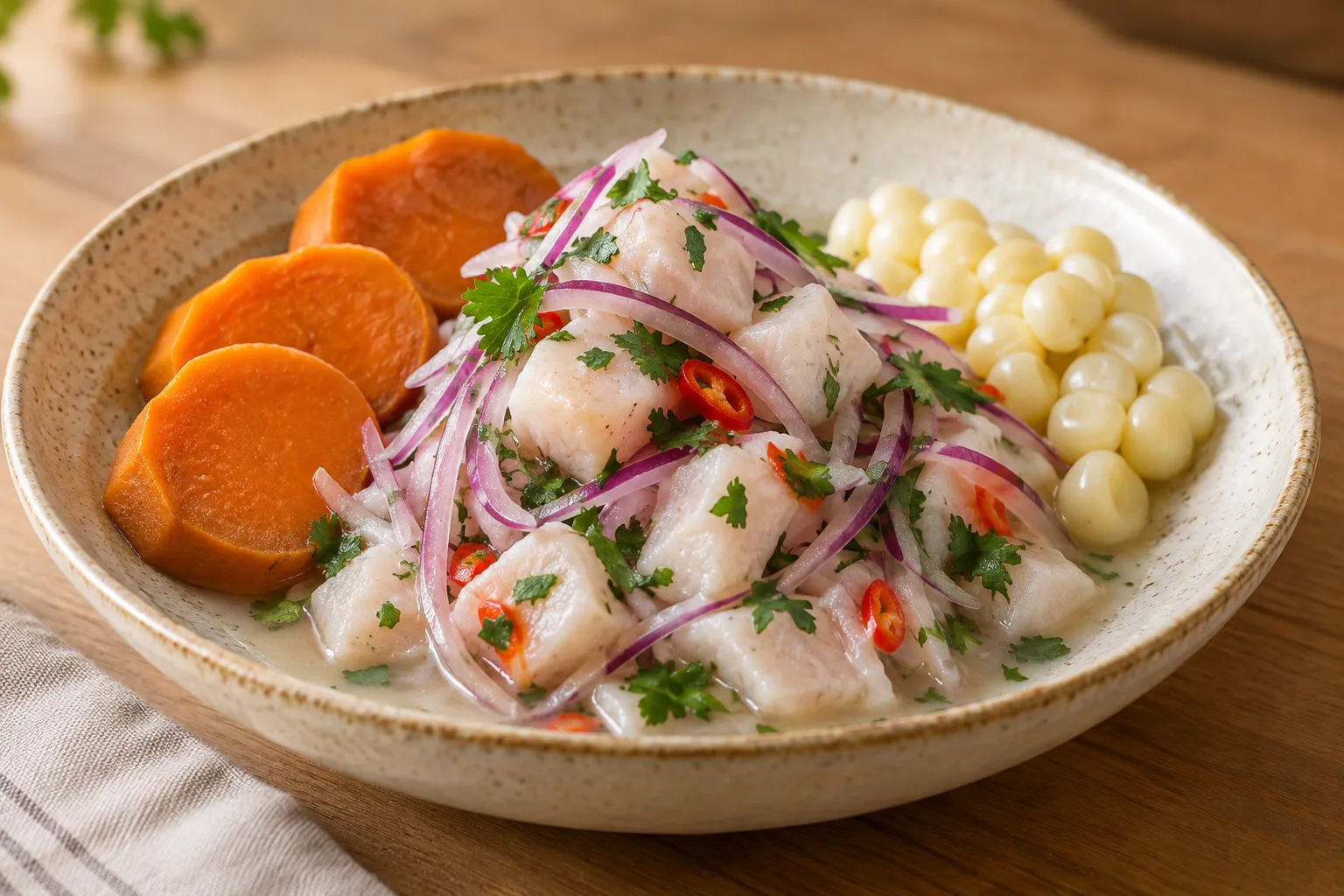
Choose fresh cilantro when you want a green, aromatic accent in a sauce, salad or finished dish. It is common in Latin American and Asian cooking and is used with curries, soups and fish tacos. Because cooking diminishes its fresh flavor, it is especially useful stirred in toward the end or scattered over food just before serving. You can also add it earlier if you want its presence to be more integrated and subdued. Remember that people do not all experience cilantro in the same way. If you are cooking for a group, serving it on the side lets each person choose how much to use.
How to use it
Rinse the leaves just before using them. To remove dirt, move them gently through a bowl of water and lift them out; repeat with fresh water until no dirt remains visible. Drain and pat them gently dry if you are chopping them or adding them to a preparation you do not want to dilute. Use whole leaves as a finish, or chop them with the tender stems to distribute their aroma. Add cilantro near the end of cooking or just before serving, since heat and drying reduce its fresh flavor. Taste a small amount before adding more: its profile may seem citrusy and fragrant or soapy, depending on the person eating it. Clean, dry leaves can also be frozen for later use in cooked dishes.
Flavour and texture
The leaves have a green, penetrating aroma that many people describe as fresh and citrusy; others perceive soapy notes. Their flavor fades with cooking or drying. The leaves are tender, and young stems can also be used. This difference in perception is normal and does not mean the cilantro is defective.
How to choose it
Choose a bunch with green, fresh-looking leaves and no visibly wilted or damaged portions. Delicate herbs bruise easily, so handle cilantro gently and avoid crushing it on the way home. The available evidence does not establish a particular variety, size or buying season; select according to visible freshness and the amount you expect to use.
Storage
For short-term storage, refrigerate cilantro upright in a glass of water and cover it loosely with a bag. Rinse it just before use, not before storing. Another option is to wrap it loosely in paper towels and keep it in a bag that is not sealed tightly. For later use in cooked dishes, freeze clean, thoroughly dry leaves in a freezer-safe container. These methods may help preserve the herb, but do not guarantee a fixed storage life.
Substitutions
Parsley can take the place of a fresh green herb in a recipe, but it does not reproduce cilantro’s aroma or flavor. Dried cilantro is another option in cooked dishes; it will taste less fresh and less pronounced than the leaves. Coriander seeds come from the same plant, but have different flavor and uses, so they are not a direct replacement for the leaves.
Common mistakes
Cooking cilantro for a long time can diminish its fresh aroma; add it near the end if you want to preserve that character. Do not assume fresh leaves and coriander seeds have the same flavor or role. Also, do not expect everyone to taste cilantro alike: some people perceive a soapy note.
Safety and allergens
Rinse the leaves carefully just before eating or cooking them, and use clean utensils and surfaces. Cilantro may be eaten raw, so handle it with the same care as other fresh herbs; washing should not be treated as a guarantee that all risks have been removed.
Culinary uses
- Fresh finishing herb and garnish
- Aromatic ingredient in sauces, salads, soups and cooked dishes
Recommended techniques
- Rinse just before use and lift the leaves from the water; repeat with fresh water if dirt remains
- Chop or use leaves and tender stems fresh; add near serving time to preserve their aroma
- Freeze clean, dry leaves for later use in cooked dishes
Pairs well with
- Salsas and guacamole
- Curries, soups, salads and fish tacos
- Latin American and Asian dishes
Frequently asked questions
Are cilantro and coriander the same thing?
They are parts of the same plant. In many contexts, cilantro means the leaves and coriander means the seeds, but naming varies by region.
When should I add cilantro to a dish?
Add it near the end of cooking or just before serving, because heat diminishes its fresh aroma.
Why does cilantro taste soapy to some people?
People perceive cilantro differently: some find it fresh and citrusy, while others experience a soapy flavor.
Estimated nutrition
- Fat
- 0 g
- Saturates
- 0 g
- Carbohydrate
- 0 g
- Sugars
- 0 g
- Protein
- 0 g
- Salt
- 0 g
Sources and review
Automatically researched, cross-checked and validated content. Sources consulted:
- Client Challenge doi.org
- How to Make Fresh Herbs Last Longer: Basil, Cilantro, Parsley, and More - Escoffier escoffier.edu
- Cilantro - Food Source Information chhs.colostate.edu
- Cilantro - Coriander - Extension Fond du Lac County fonddulac.extension.wisc.edu
- El cilantro. ¿Qué es? Beneficios, propiedades y usos en la cocina abc.es
- Revista del Comité Científico de la ... aesan.gob.es
- Cilantro, a Unique Culinary Herb extension.psu.edu
- Cilantro - USU Digital Commons - Utah State University digitalcommons.usu.edu
- Cilantro | Servicio de Extensión de OSU extension.oregonstate.edu
- Cilantro PDF wifss.ucdavis.edu
- Cilantro: propiedades, orígen y usos en la cocina - Oriental Market orientalmarket.es
- ¿A qué sabe el cilantro? ¿delicia o asquerosidad? | El arte de comer bien | mentta mentta.com
- Cilantro, cómo conservarlo y usos en la cocina | Gastronosfera gastronosfera.com
- Cilantro: qué es, propiedades y usos en la cocina bonviveur.com