- Category
- Nuts and seeds
- State
- Dry
- Usual unit
- g
What it is
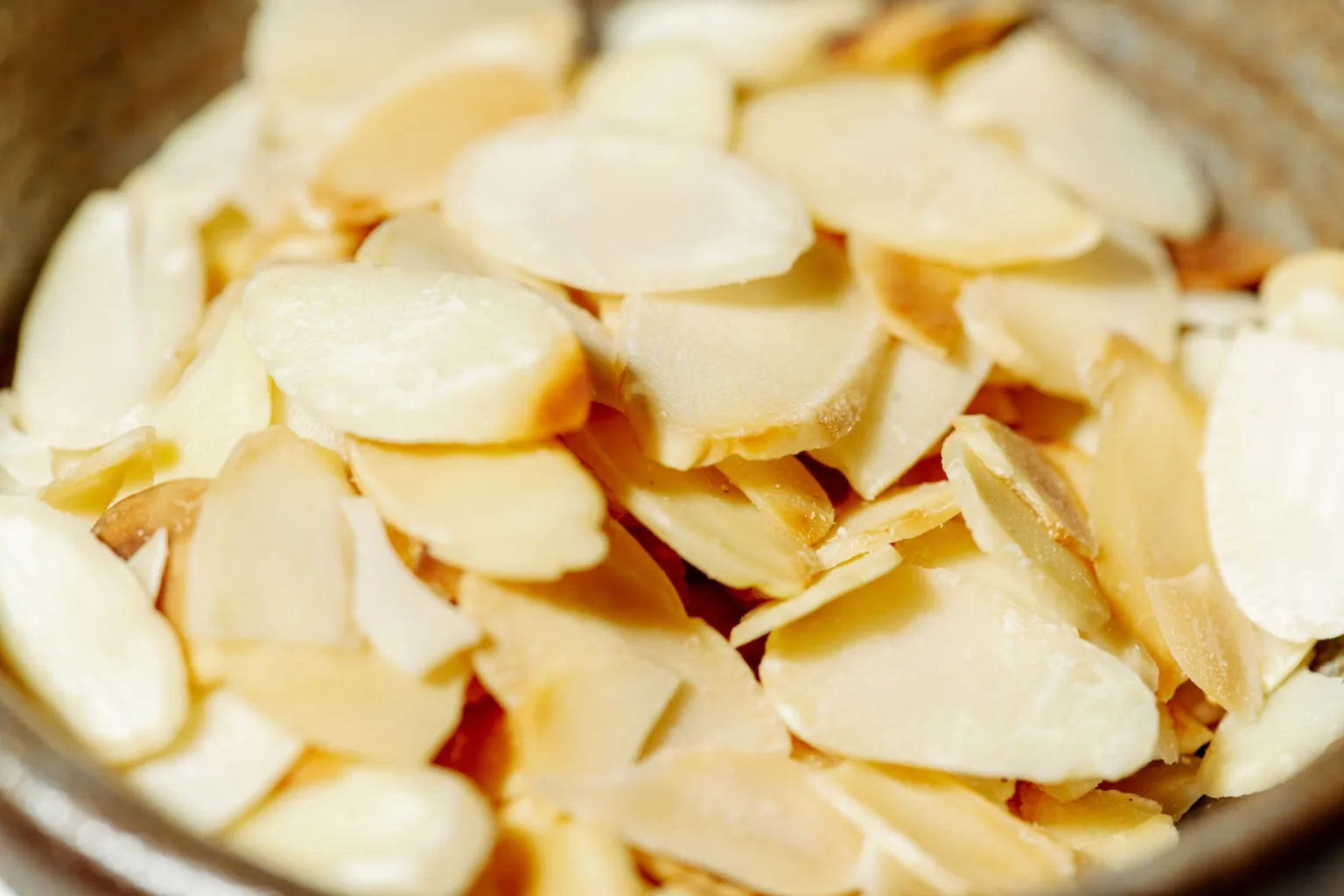
Flaked almonds are almonds with their shells removed and cut into thin slices, a convenient form that adds flavor and texture without chopping nuts at home. They are typically pale ivory in appearance and have the characteristic smell and taste of almonds. Sold raw, they can be added directly to many dishes or toasted to give them a more pronounced aroma and crispness. They are not almond flour or whole almonds: their thin shape makes them easy to scatter over a surface and gives a distinct, delicate crunch. Because they are almonds, they are a tree nut and may trigger an allergic reaction.
When to use it
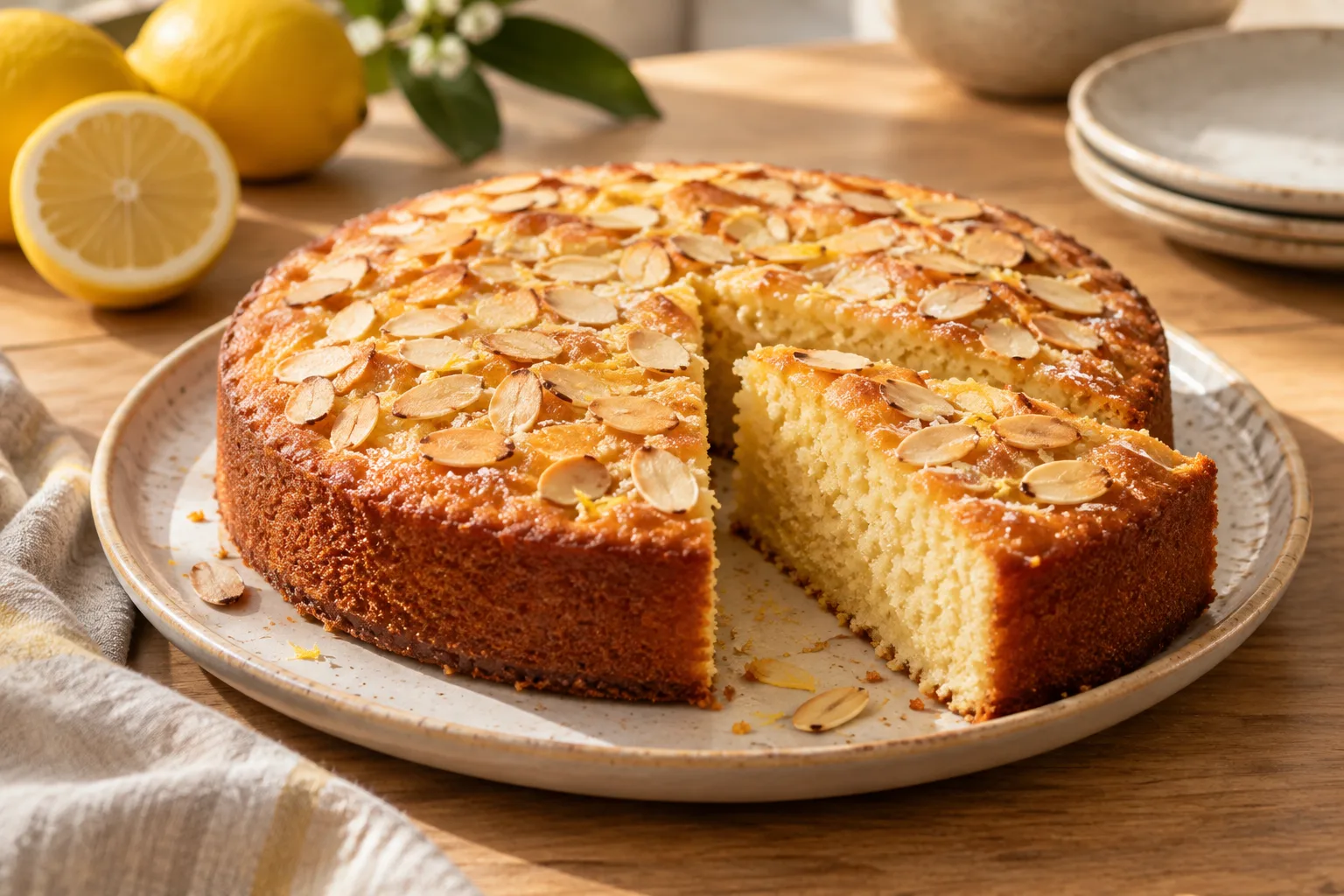
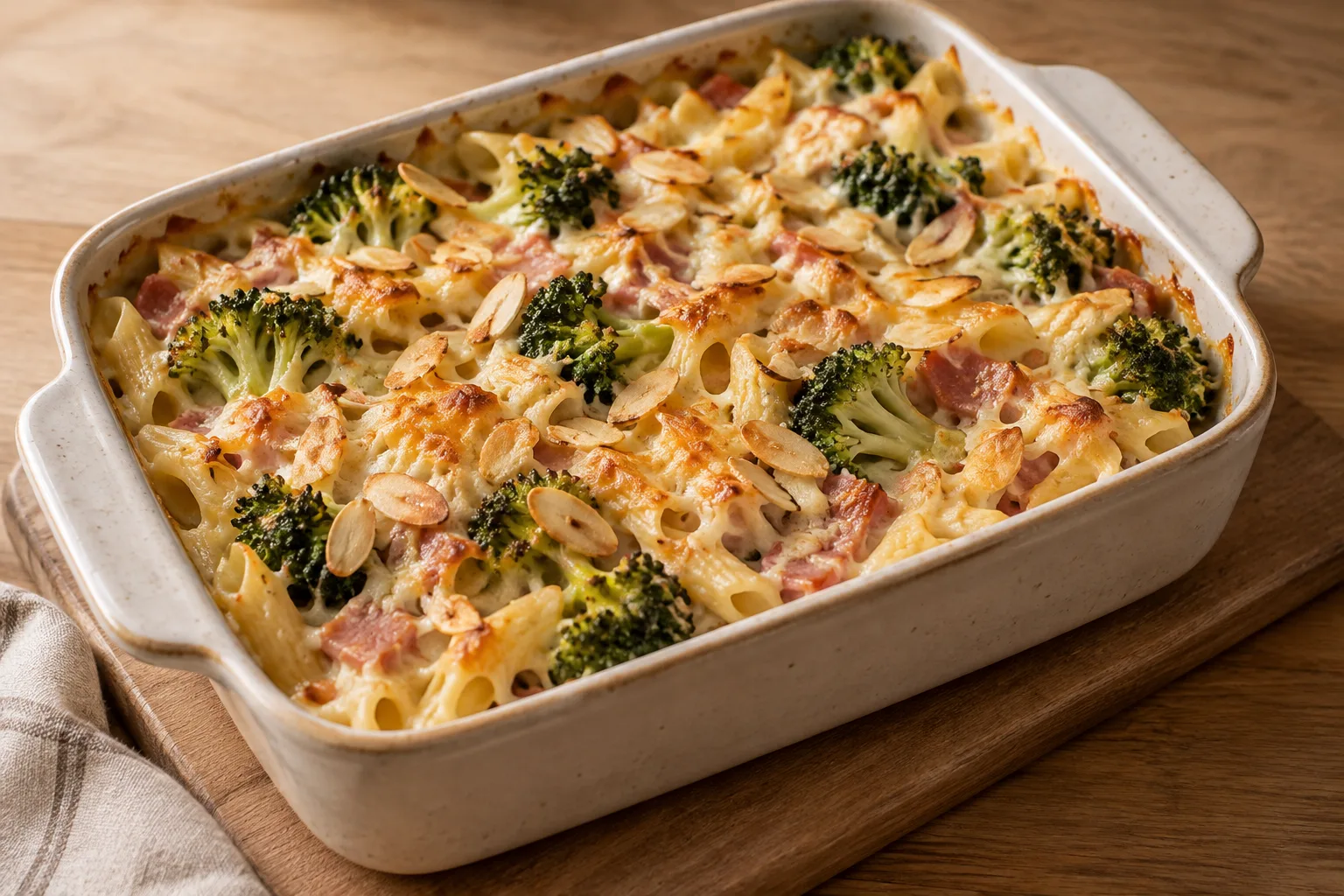
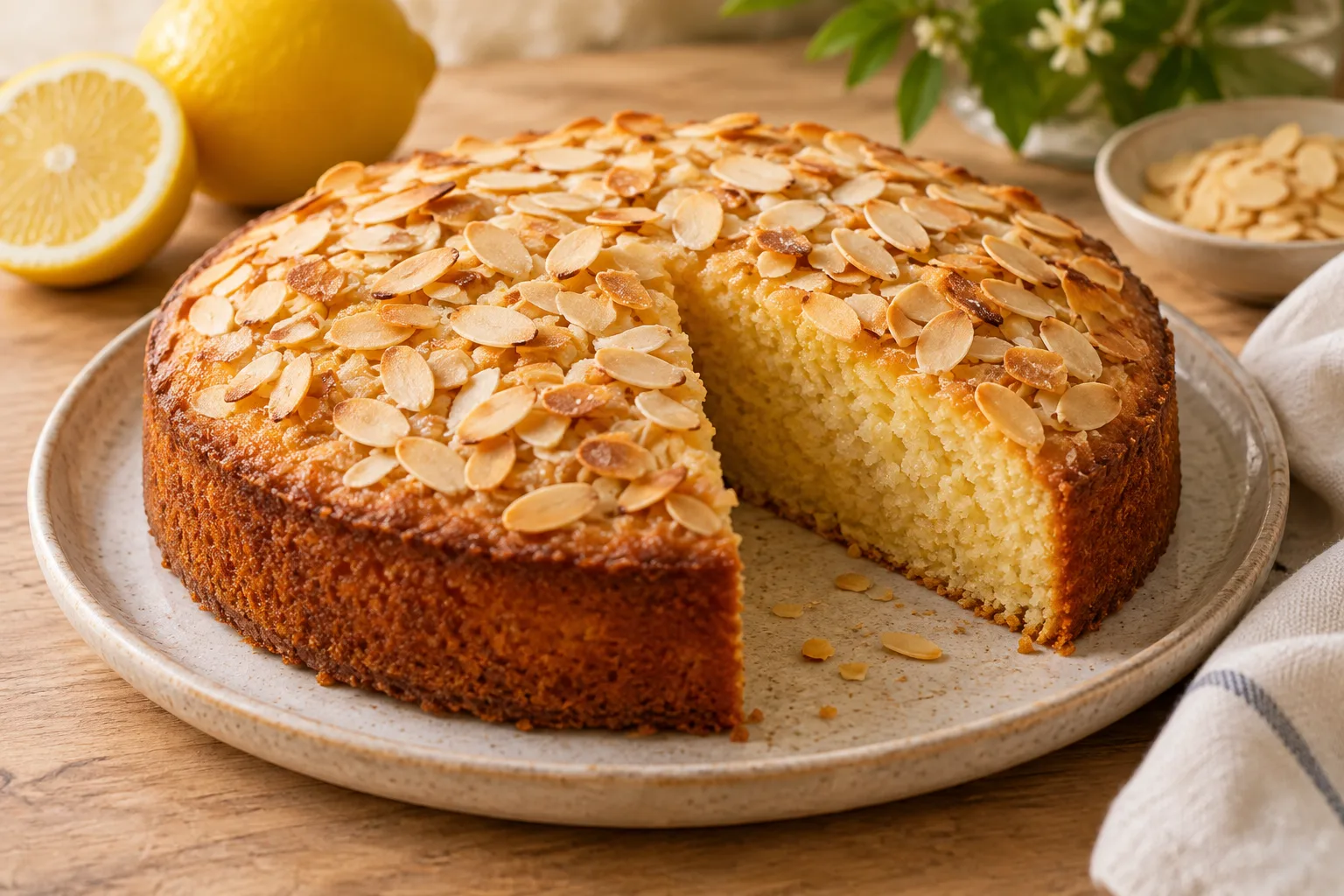
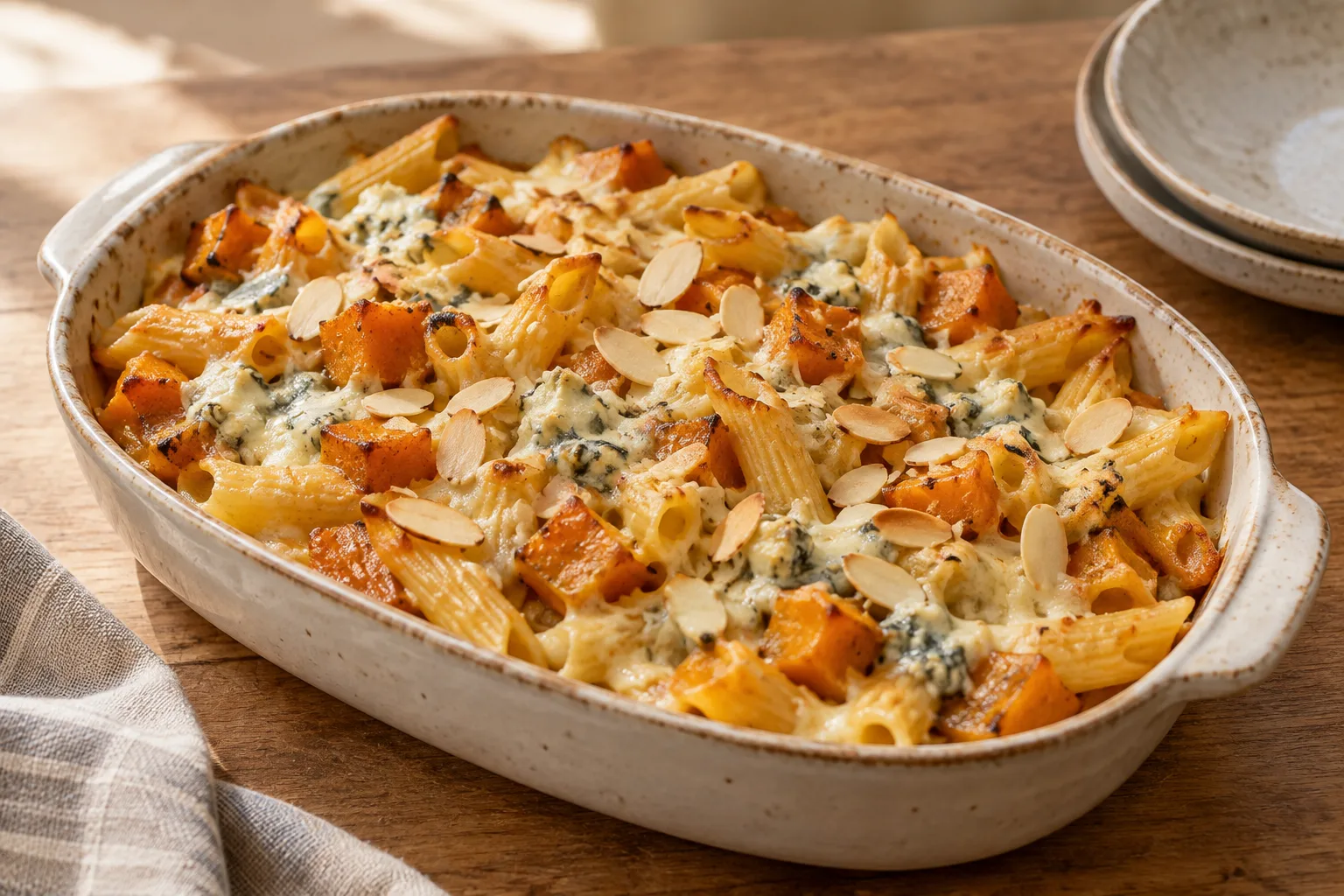
Use flaked almonds when you want a light, crunchy finish and a mild almond flavor without large pieces. They work well on salads, vegetables, soups and fish, as well as on cakes, biscuits and other desserts. Add them shortly before serving to keep their texture, or toast them carefully for a more pronounced flavor. In recipes where almonds need to be blended or ground, a different form of almond may be more suitable.
How to use it
Scatter the flakes over salads, vegetables, soups or fish as a crunchy finishing touch. For baking, use them to decorate cakes, sponges and biscuits, or fold them into a mixture when you want fine pieces of almond to remain noticeable. Toast them carefully to intensify their aroma: the slices are thin and can burn quickly, so keep an eye on them and remove them when they reach the color and crispness you want. You can also combine them with other ingredients, use them in a topping, or add them near the end so they retain more crunch. If a recipe needs a uniform texture, use ground almonds instead.
Flavour and texture
They have the mild, familiar flavor of almonds and a fine, light texture. Toasting brings out a fuller aroma and a delicate crunch that contrasts with soups, vegetables, fish and creamy dishes. Their thin cut also makes them easy to spread evenly over food.
How to choose it
Choose flakes that look clean and pale, with an ivory color and the characteristic smell and taste of almonds. Check the ingredient list and allergen information on the package, especially if anyone at home has an allergy; some products may also carry warnings about possible traces. Choose a pack size that suits how much you expect to use, since peeled, cut almonds can lose quality if kept for too long.
Storage
Keep them in a cool, dry place away from light, and follow any storage instructions on the package. Because they are peeled and sliced, avoid keeping them for a long time: they can lose quality and turn rancid. Close the package between uses and check any product-specific guidance from the manufacturer.
Substitutions
If you do not have flakes, chopped almonds can work when an even, thin-sliced appearance is not important; the texture will be less uniform. Whole or ground almonds also provide almond flavor, but change the texture and appearance substantially. Choose the form that suits the recipe rather than expecting all almond forms to work identically as a topping.
Common mistakes
Do not leave them unattended while toasting: their thin slices can burn quickly. Avoid storing them for a long time after opening, and do not use them as a direct replacement for ground almonds when a smooth, even mixture is needed. Always check the product’s allergen information.
Safety and allergens
Almonds are an allergen for some people. If you have an almond allergy, do not eat this product; check the ingredient and allergen information on the package, since warnings can vary by product and presentation.
Culinary uses
- crunchy garnish or topping
- nut ingredient in sweet and savory dishes
Recommended techniques
- scatter over a dish just before serving
- toast briefly and watch closely to avoid burning
Pairs well with
- salads and vegetables
- soups and fish
- fruit desserts and baked goods
Frequently asked questions
Can I eat flaked almonds without toasting them?
Yes. Raw flakes can be added directly to salads, vegetables, soups, fish dishes and desserts.
How can I make them crispier and more aromatic?
Toast them carefully before using. Watch them closely because thin slices can burn quickly.
What can I use if I do not have flaked almonds?
Chopped almonds are an option when uniform slices are not essential. Whole or ground almonds also add almond flavor, but change the dish’s texture more.
Sources and review
Automatically researched, cross-checked and validated content. Sources consulted:
- En el etiquetado alimentario hay algunas menciones que son obligatorias eletiquetadocuentamucho.aesan.gob.es
- Client Challenge doi.org
- Aesan - Agencia Española de Seguridad Alimentaria y Nutrición aesan.gob.es
- Almendra: usos, variedades y combinaciones en pastelería pastrypedia.net
- Redescubre la almendra, el fruto seco más popular: sus propiedades, usos en la cocina y cinco recetas para disfrutarla directoalpaladar.com
- Almendras: propiedades, beneficios y cómo usarlas en la cocina abc.es
- ¿Qué es la Almendra? Origen, beneficios y posología | Dieti Natura dieti-natura.es
- Almendra, la bomba de salud que es la base de la cocina dulce mediterránea lavanguardia.com
- Almendra procesada, lo que debes saber para conocer este fantástico producto | Almendras de la mancha almendrasdelamancha.com
- Almendras. Origen e Historia de este delicioso fruto seco ladespensadelospostres.com
- Almendras: qué son, propiedades y usos en cocina bonviveur.com
- Almendras: qué son, propiedades y usos en cocina bonviveur.es
- Almendra laminada - La Salmantina lasalmantina.com
- Doce recetas con almendra laminada | Gastronomía & Cía gastronomiaycia.com
- Almendra Laminada Naciónal Secofrut - Frutos secos online - secofrut.com
- Entomofagia - Wikipedia, la enciclopedia libre es.wikipedia.org
- 100% Natural Sliced Almonds: Product of Spain nulthyshop.com
- Gourmet pairing: how to combine our best-selling nuts nutnutshop.com