- Category
- Oils and fats
- State
- Fresh
- Usual unit
- ml
What it is
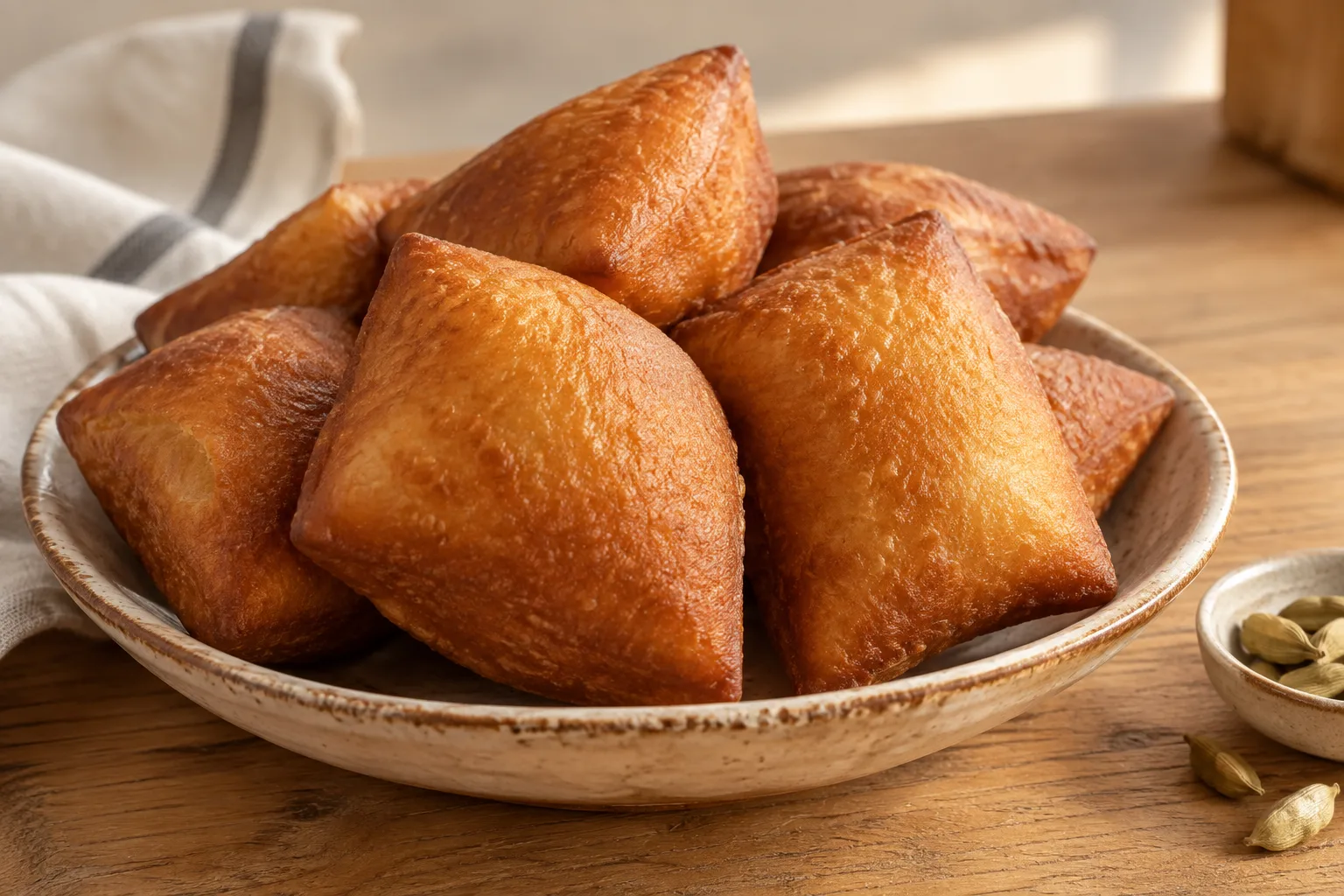
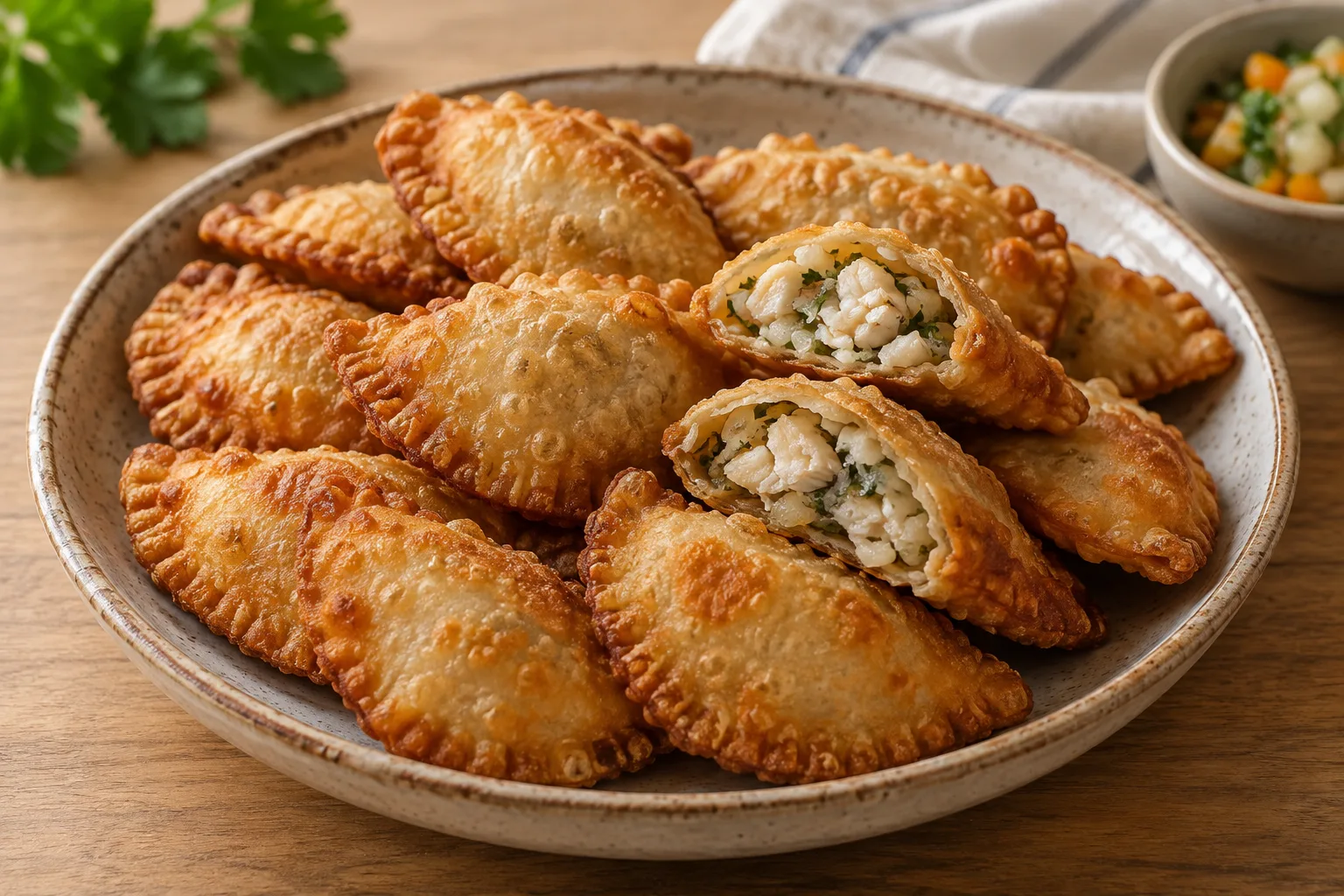
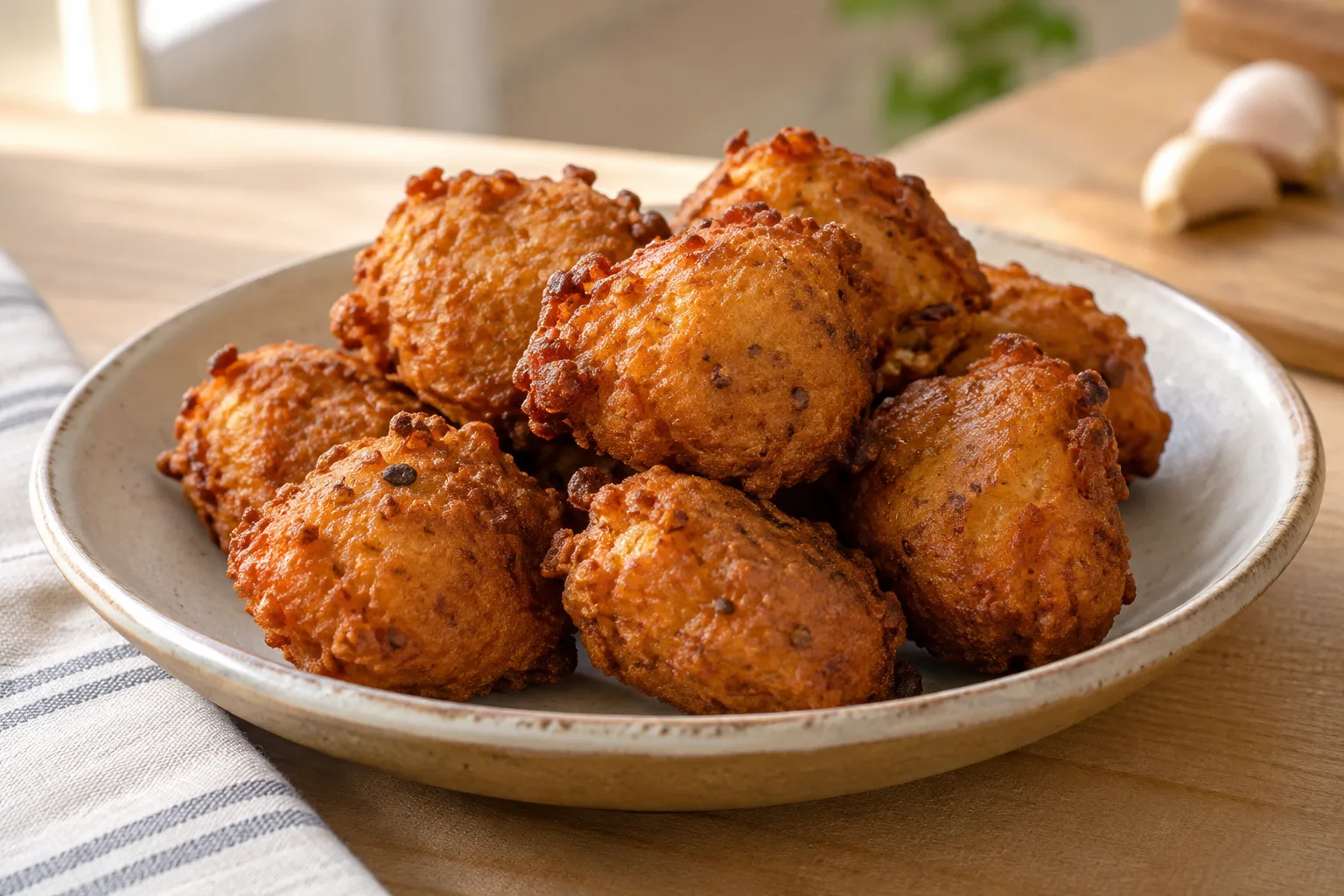
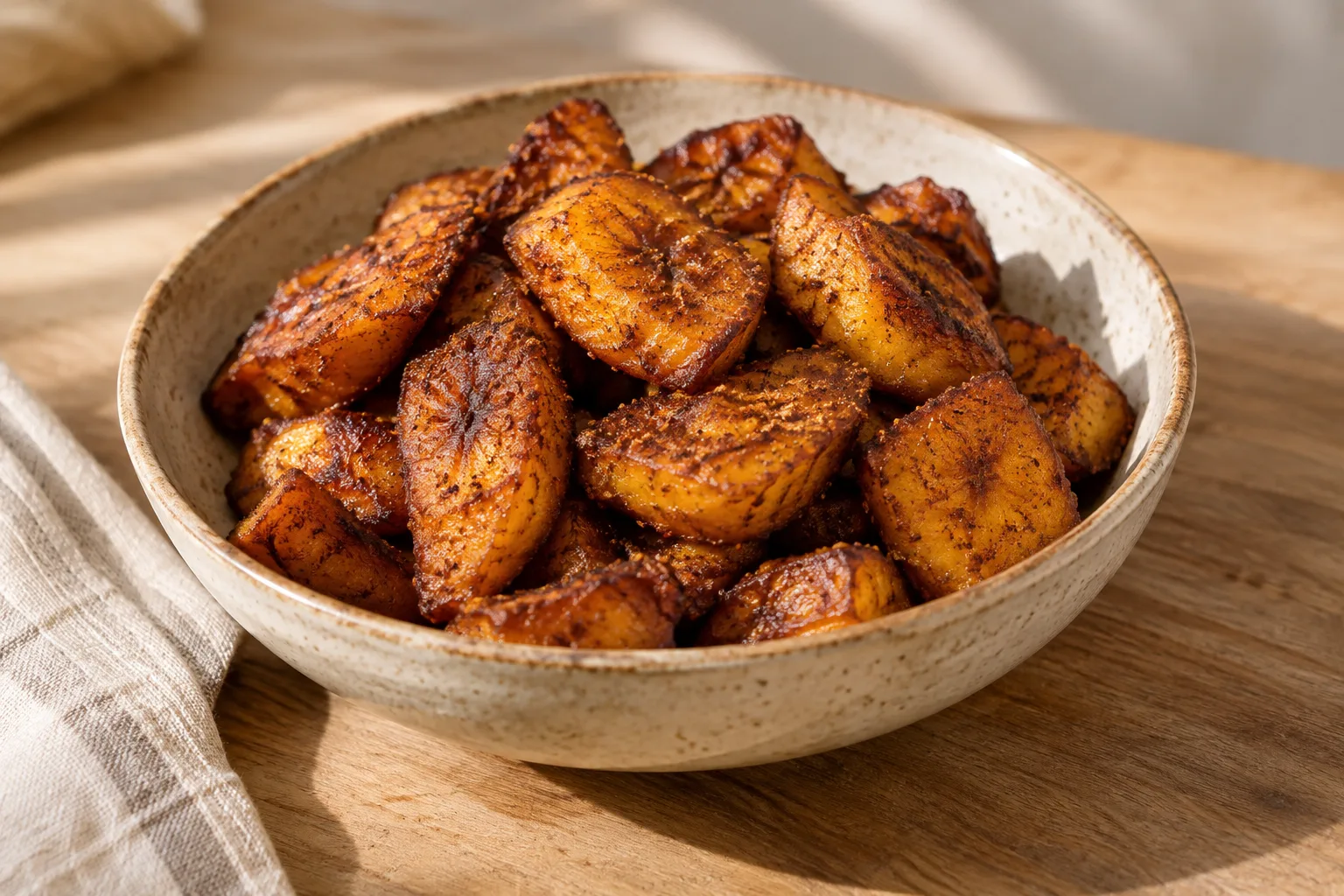
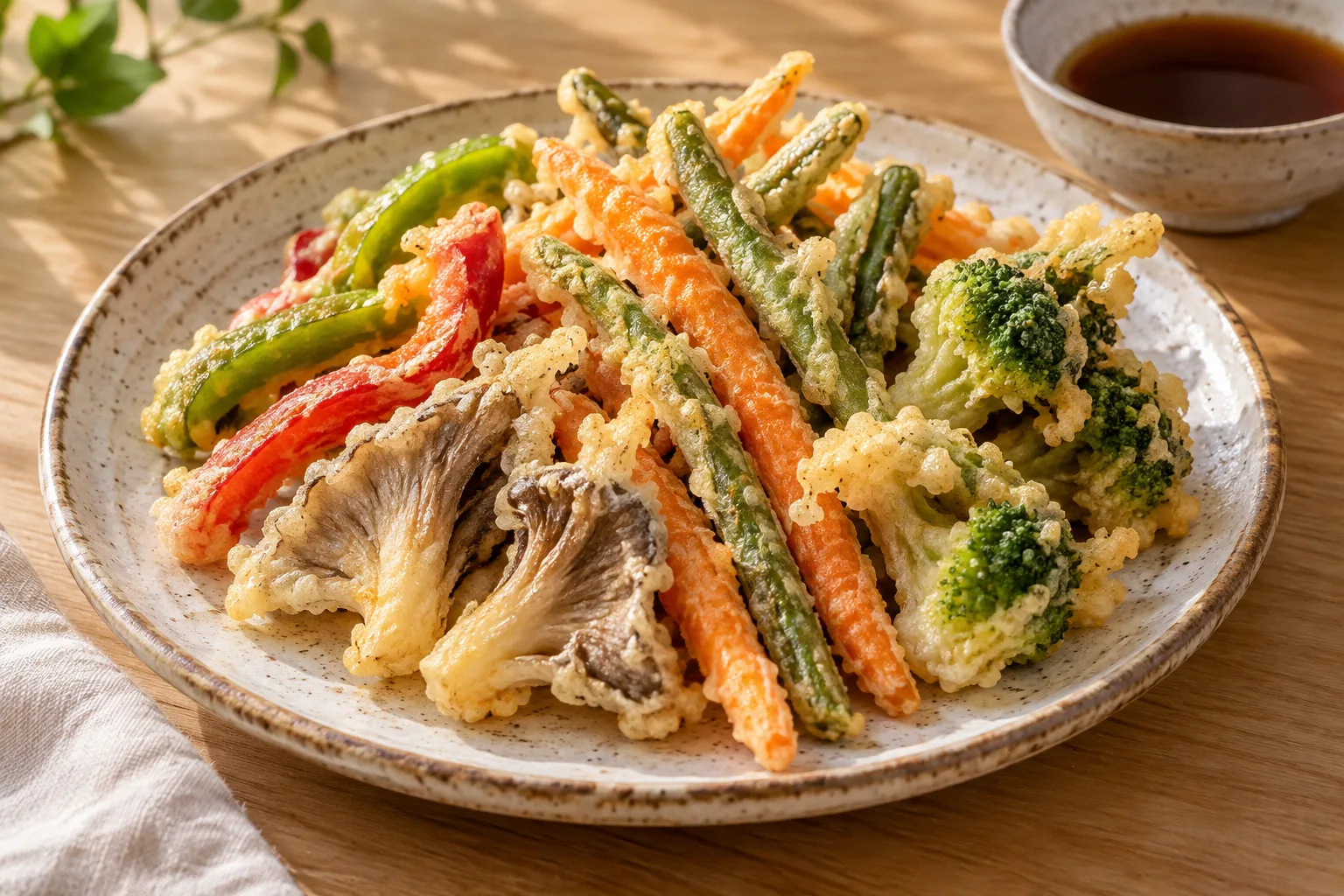
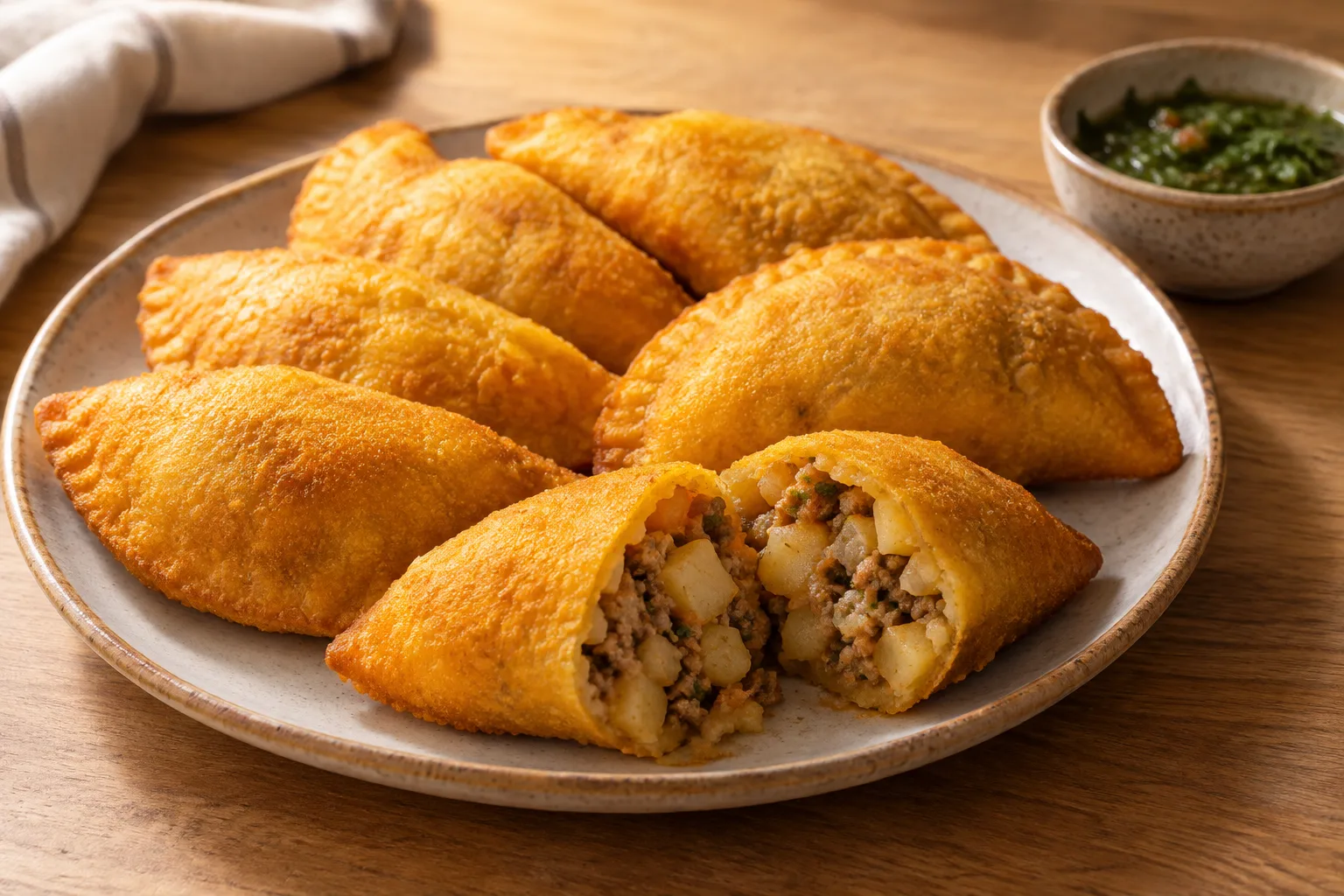
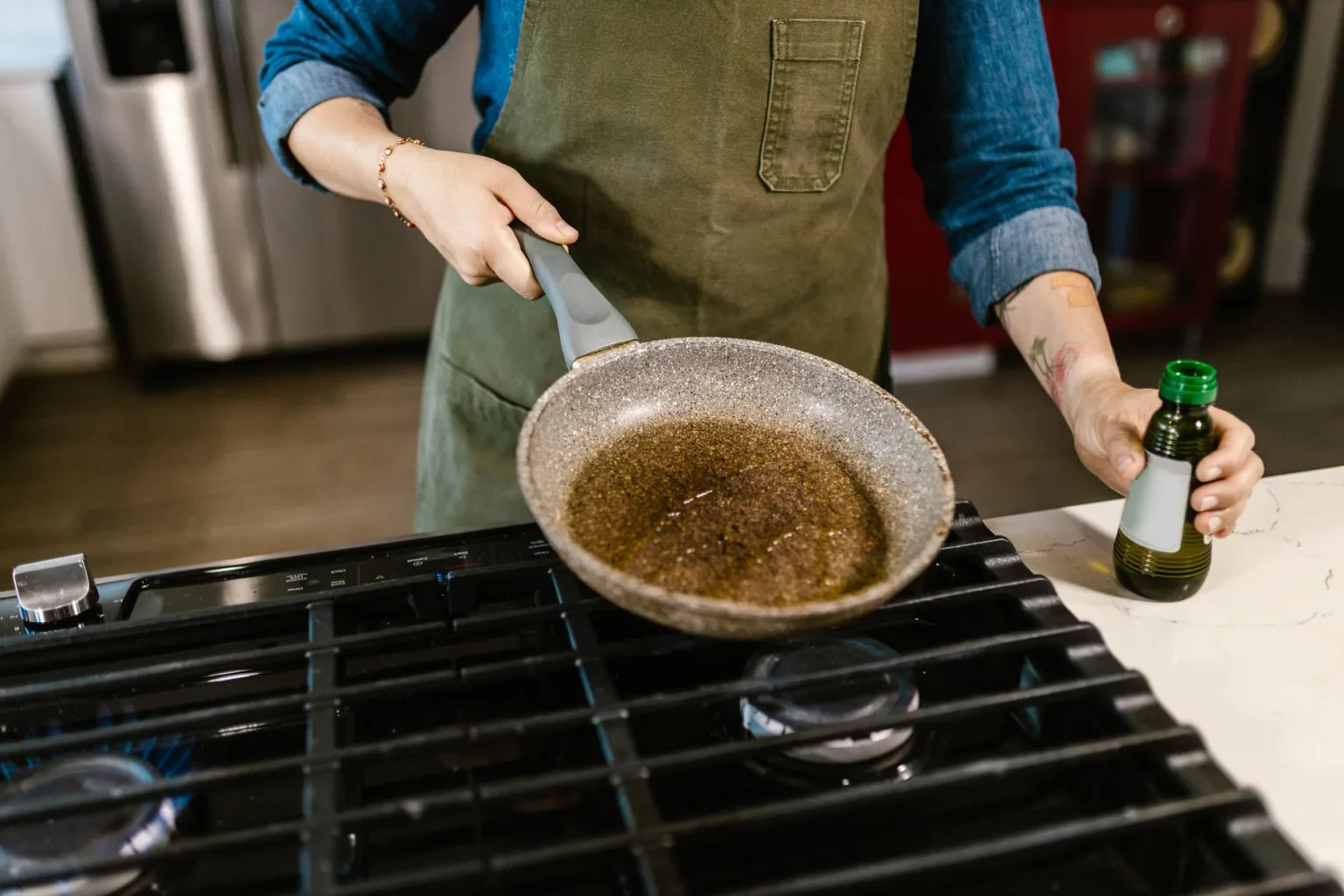
Oil for frying is a culinary term for oils used as the cooking medium in frying; it does not name a single botanical variety or a single composition. Oils differ in flavor and in how well they tolerate heat. The right choice depends on the method: for frying or roasting at high heat, the source recommends options with a high smoke point, including avocado oil, high-oleic sunflower oil, and olive pomace oil. Check which oil you are buying rather than assuming that every oil works equally well for every preparation.
When to use it
Use it when a recipe calls for frying, and choose a variety suited to the heat level involved. For high-heat frying or roasting, the source advises oils with a high smoke point; for medium-heat sautéing, it lists other options, such as virgin olive, sesame, or corn oil. If you want a distinctive flavor in a cold preparation, extra-virgin olive oil is suggested for salads and dressings. There is no single oil for every method: match your choice to the heat and flavor you want.
How to use it
Choose the method first, then the oil: for frying, the source recommends varieties with a high smoke point, including avocado, high-oleic sunflower, and olive pomace oils. Follow the recipe and product directions and avoid overheating the oil; beyond its heat limit it may smoke and deteriorate. Virgin olive, sesame, and corn oils are listed for medium-heat sautéing. Save oils with a flavor you want to notice, such as extra-virgin olive oil, for dressings or uncooked preparations. Do not assume that all oils have the same flavor or heat tolerance.
Flavour and texture
Oil for frying has no single flavor or texture because the term covers several oils. Refined oil generally has less of its original aroma and taste than virgin oil, while toasted sesame oil is described as suitable for Asian-style cooking. The flavor of the finished dish depends on the oil chosen and the preparation.
How to choose it
Read the oil name and product description instead of relying only on the words “for frying.” For high heat, choose an oil indicated as suitable for that method; the source mentions avocado, high-oleic sunflower, and olive pomace oils. Also consider whether you want a neutral or more noticeable flavor: refined oil generally has less aroma than virgin oil.
Storage
The available evidence does not specify storage conditions, containers, or keeping times for oil. Follow the storage directions on the package and keep it closed when not in use. Do not assume that all oils store in the same way; check the label for the particular product and avoid using oil if its condition or packaging raises concerns.
Substitutions
The source lists avocado, high-oleic sunflower, and olive pomace oils as alternatives for frying or high-heat cooking. Refined olive oil is also described as more suitable for high temperatures than extra-virgin olive oil. These are not identical substitutes: flavor, heat tolerance, and results can vary.
Common mistakes
A common mistake is treating all oils as interchangeable or assuming that the most flavorful oil is always best for frying. If an oil exceeds its heat limit, it may smoke and deteriorate. Choose according to the method, check the product, and do not assume that extra-virgin and refined oils have the same flavor or cooking behavior.
Safety and allergens
Heat oil carefully and avoid overheating it. The available evidence does not provide specific official instructions for handling hot oil; follow the product and recipe directions.
Culinary uses
- Medio de cocción para freír
- Grasa para cocinar a temperatura alta o media, según el tipo de aceite
Recommended techniques
- Fritura
- Asado
- Salteado a fuego medio
Pairs well with
- Aceites de sabor neutro y resistentes al calor para freír
- Aceite de oliva virgen extra con ensaladas y aliños
Frequently asked questions
Which oils are suggested for frying?
The source mentions avocado, high-oleic sunflower, and olive pomace oils as high-smoke-point options for frying or roasting at high heat.
Can extra-virgin olive oil be used for everything?
Not necessarily. The source especially suggests it for salads, toast, and dressings, and describes refined olive oil as more suitable for high temperatures.
What happens if oil gets too hot?
It can exceed its heat limit, smoke, and deteriorate. The source advises choosing oil for the cooking method and avoiding that limit.
Estimated nutrition
- Fat
- 100 g
- Saturates
- 10.1 g
- Carbohydrate
- 0 g
- Sugars
- 0 g
- Fibre
- 0 g
- Protein
- 0 g
- Salt
- 0 g
Sources and review
Automatically researched, cross-checked and validated content. Sources consulted:
- Client Challenge doi.org
- educational content to support healthful lifestyle practices sjsu.edu
- Diferencias entre diferentes aceites que se usan en cocina | masymas supermercados supermasymas.com
- Safe & Healthy Food Pantries Project - Health & Well-Being health.extension.wisc.edu
- protocolo de criterios mínimos para la evaluación de aesan.gob.es
- Alimentos para combatir los incendios forestales | Servicio de Extensión de OSU extension.oregonstate.edu