- Category
- Fruit
- State
- Dry
- Usual unit
- g
What it is
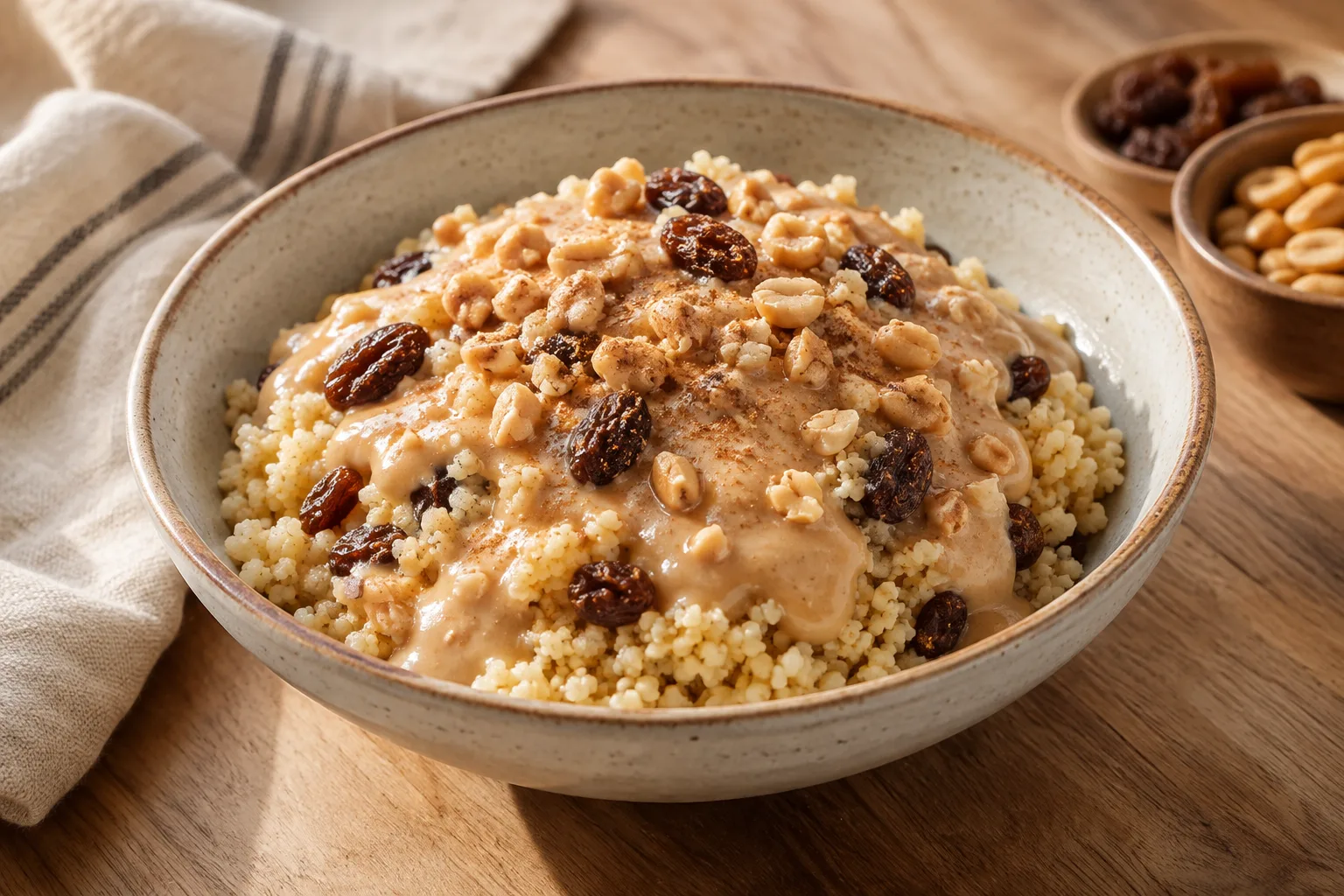
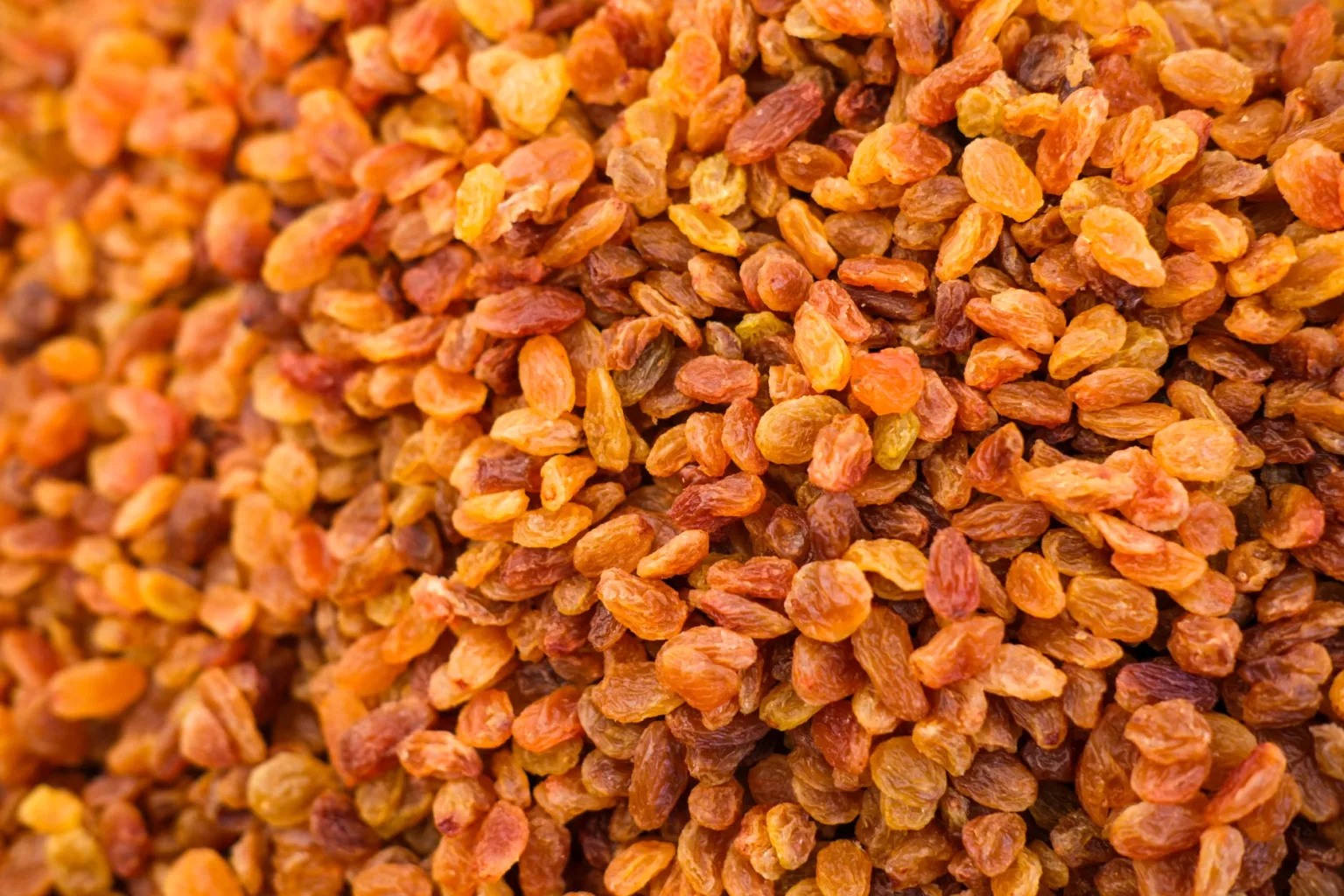
Raisins are grapes that have been dried, producing a small fruit with a concentrated sweetness and a texture unlike that of fresh grapes. The name covers grapes from different varieties, so raisins do not all have the same size, color, seed content, or flavor. They may be light or dark, and common types include sultanas and currants. Raisins may be sold loose or in clusters. In cooking, they are eaten as a snack and used in both baking and savory dishes; they are not fresh fruit, and different varieties should not be assumed to be identical.
When to use it
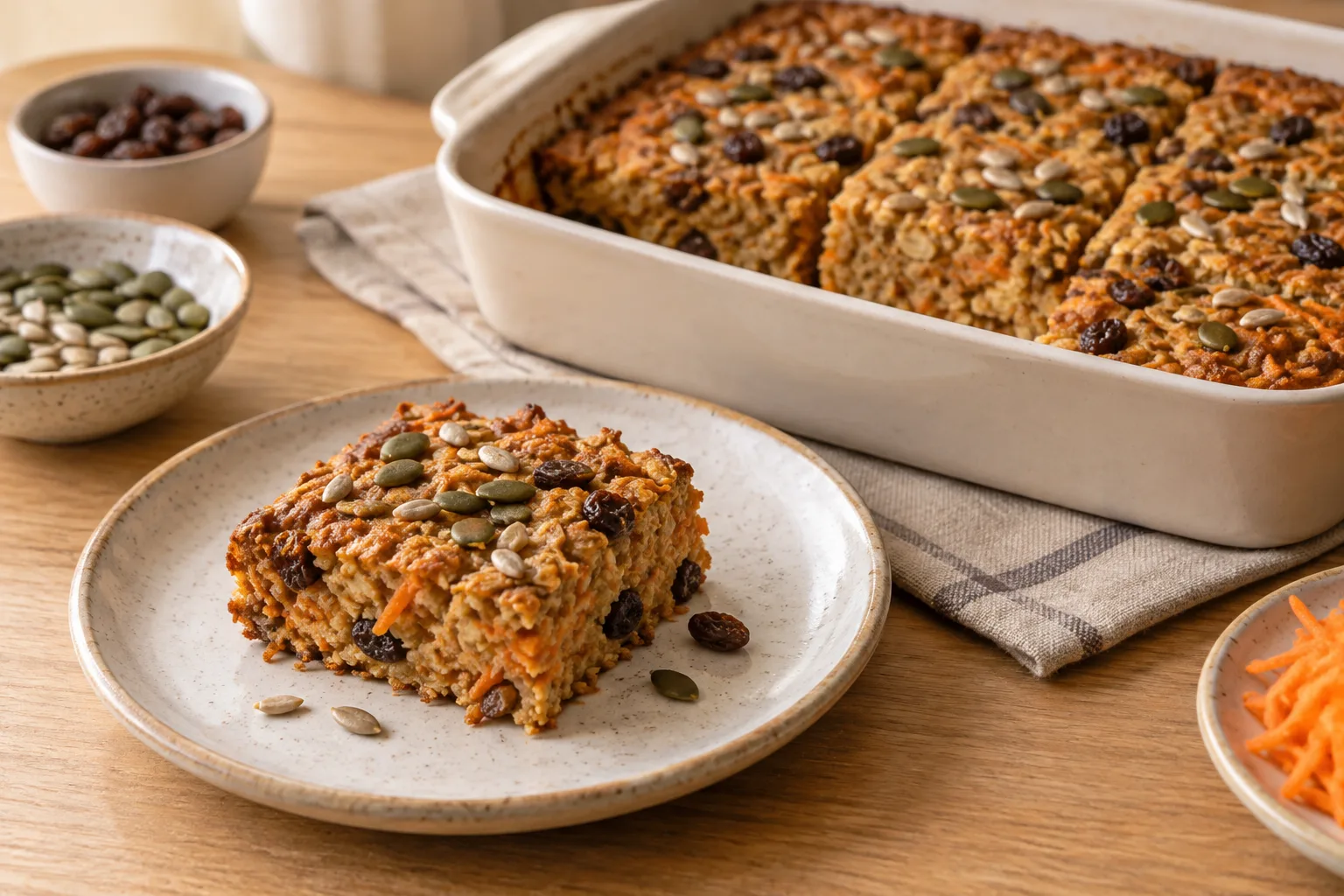
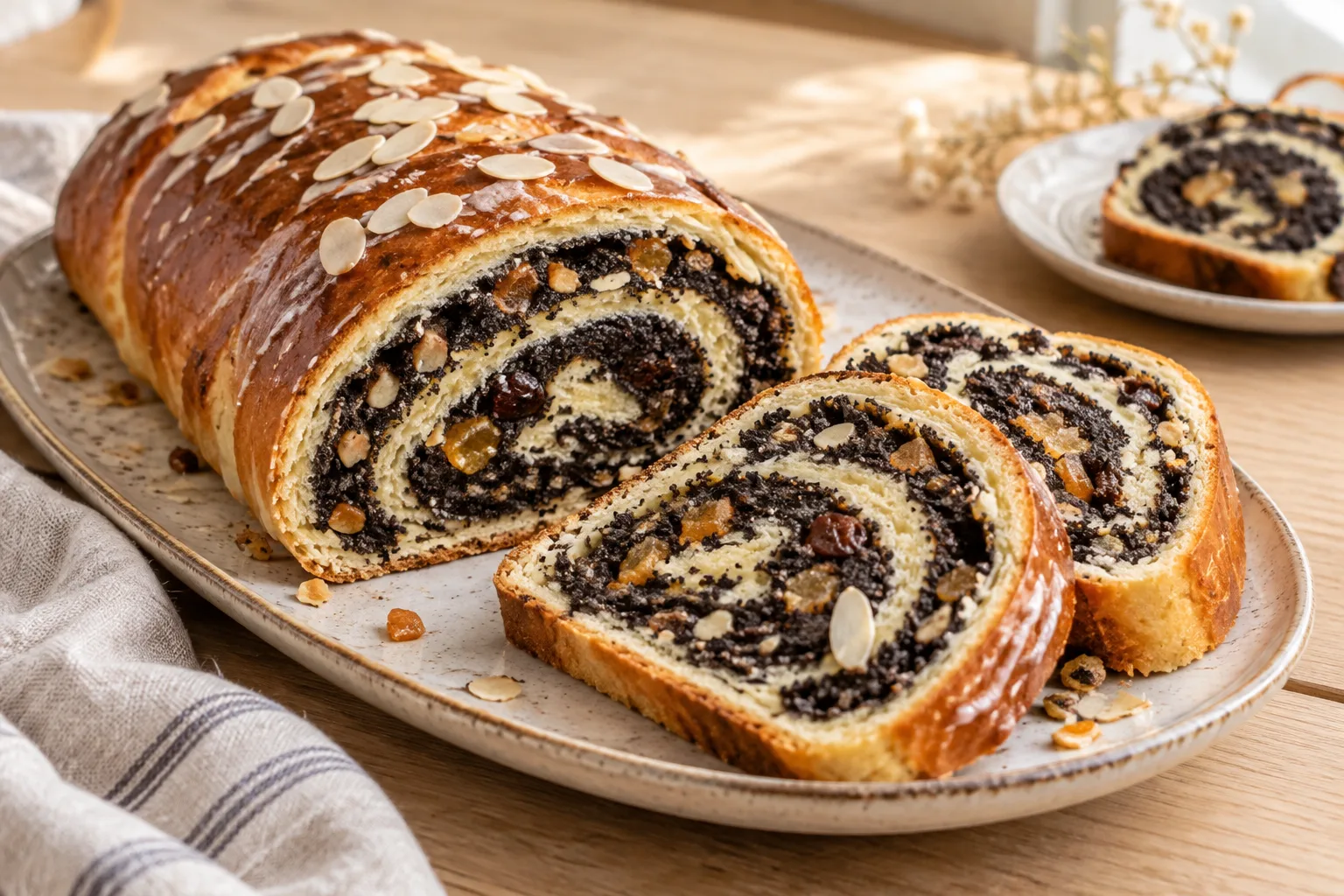
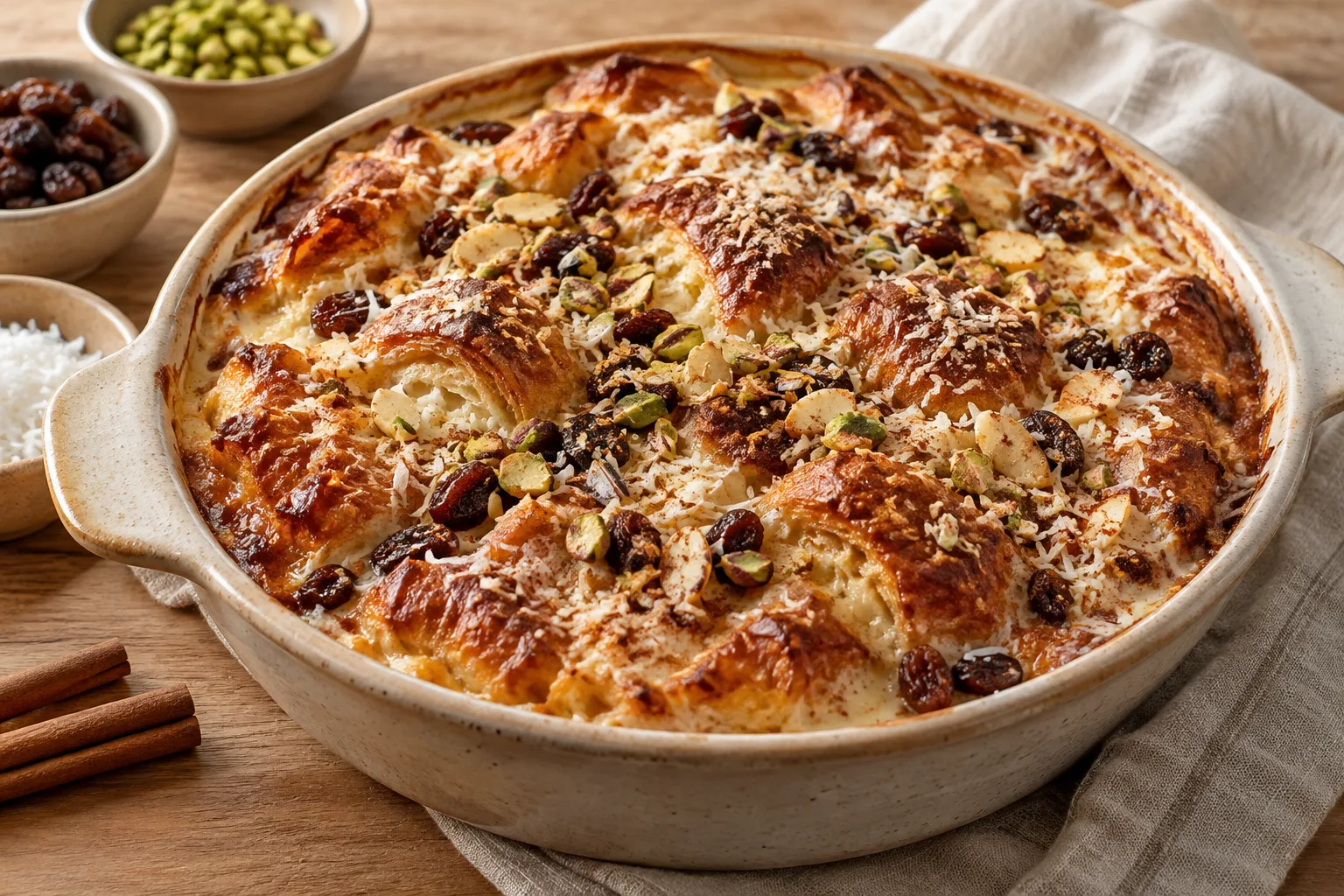
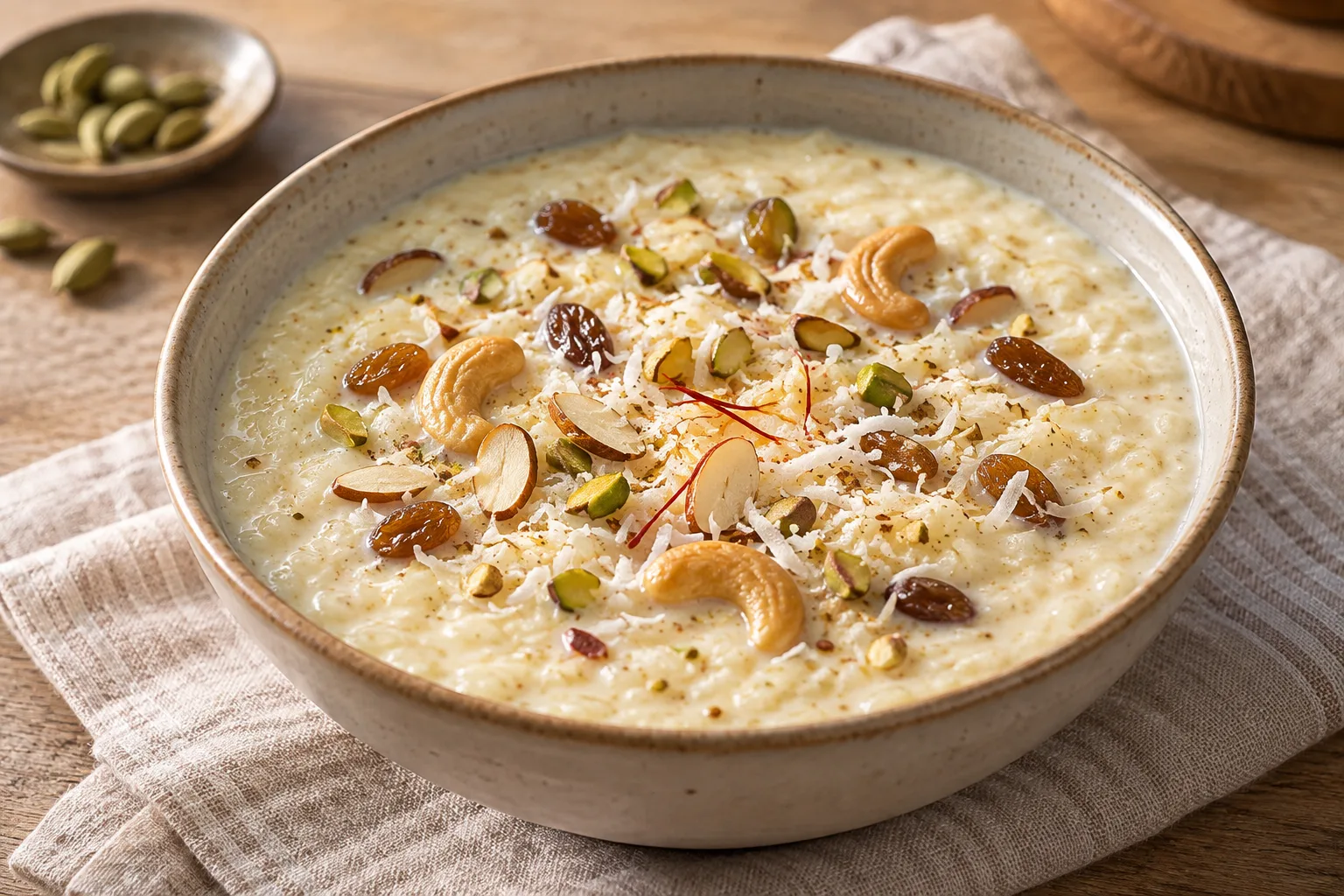
Use raisins when you want sweet, chewy pieces in breads, buns, cakes, puddings, tarts, or rice and semolina desserts. They can also add a sweet contrast to savory fillings, minced-meat preparations, meat dishes, rice, and traditional recipes. Size and color vary by variety, so choose small raisins when you want them spread through many bites, or a larger type if you want each piece to stand out. If their texture seems too firm for a recipe, soak them before adding them.
How to use it
Eat raisins as they are, or mix them into bread, bun, and cake dough so they are distributed throughout the mixture. They can also be added to puddings and rice or semolina desserts, or combined with other dried fruits. For a softer texture, soak them in warm water, wine, or rum, then drain before using; the soaking liquid can affect the result. In savory recipes, add them to fillings, minced-meat dishes, rice, or stews for small sweet contrasts. Adjust the amount to taste so the sweetness does not overwhelm the dish.
Flavour and texture
Raisins bring concentrated sweetness and a wrinkled, tender-to-chewy texture that contrasts with doughs, rice, and other ingredients. Flavor and intensity are not identical across varieties: color, size, and taste can vary with the grape used. In savory dishes, their sweetness creates a noticeable contrast, so balance it with the other ingredients rather than letting it dominate.
How to choose it
Choose a type according to its size, color, and intended use: some raisins are small and dark, while others are larger or lighter. Check the label and package condition, and review ingredient and allergen information, especially for prepared products or mixes. For loose raisins, look for a clean presentation and ask the seller what allergen information is available.
Storage
Keep raisins in a clean, tightly closed container in a dry place to limit exposure to moisture. Moisture can affect the quality of dry foods; avoid leaving the package open or using wet utensils. Follow the product’s storage and date instructions, since specific conditions can vary by product and presentation.
Substitutions
Sultanas and currants can stand in for one another when a recipe allows a different type of raisin. The size, color, and appearance of the pieces will change, so adjust the amount or cut to suit the result you want. Other dried fruits can also be mixed with raisins, but they will not reproduce their exact flavor.
Common mistakes
Do not assume that all raisins have the same size, flavor, or seed content: variety matters. Avoid adding so many that their sweetness masks the other flavors. If you soak them, drain them before adding them so you do not unintentionally add extra liquid, and check the label on mixed products.
Safety and allergens
Read the product label for ingredients, allergen information, and any applicable storage or use instructions. For loose or unpackaged products, ask for the available allergen information; requirements can depend on how the food is sold. Do not assume that instructions for one brand or presentation apply to another.
Culinary uses
- aperitivo para comer solo
- ingrediente dulce en repostería y postres
- contraste dulce en preparaciones saladas
Recommended techniques
- incorporar en masas y hornear
- macerar en agua, vino o ron antes de añadir a una receta
- añadir a guisos, rellenos o platos de arroz
Pairs well with
- canela y masas dulces
- arroz y sémola
- rellenos salados y platos de carne
- otras frutas secas
Frequently asked questions
What are raisins?
They are dried grapes. Their size, color, and other characteristics depend on the variety used.
Do I need to soak raisins before cooking?
Not always. You can add them as they are, or soak them in warm water, wine, or rum if you want a softer texture.
Can raisins be used in savory dishes?
Yes. They can be added to fillings, minced-meat dishes, rice, and other savory preparations for a sweet contrast.
Estimated nutrition
- Fat
- 0 g
- Saturates
- 0 g
- Carbohydrate
- 79.1 g
- Sugars
- 58.1 g
- Fibre
- 4.7 g
- Protein
- 2.33 g
- Salt
- 0 g
Sources and review
Automatically researched, cross-checked and validated content. Sources consulted:
- En el etiquetado alimentario hay algunas menciones que son obligatorias eletiquetadocuentamucho.aesan.gob.es
- Client Challenge doi.org
- Preguntas y respuestas frecuentes aesan.gob.es
- Food Selection & Storage | Home & Garden Information Center hgic.clemson.edu
- Culinary Arts Course Descriptions | Wake Tech waketech.edu
- Food Storage for Safety and Quality - El Paso County Extension elpaso.extension.colostate.edu
- · 190 · NOMBRES VULGARES mapa.gob.es
- HOSPITALITY | Pasadena City College Academic Catalog curriculum.pasadena.edu
- Food Storage Packaging Methods | USU extension.usu.edu
- Culinary Arts (AAS) | Colorado Mesa University Catalog catalog.coloradomesa.edu
- Las Pasas: Un Viaje Dulce a Través del Tiempo | Aperimax tienda.aperimax.com
- Pasa - Wikipedia, la enciclopedia libre es.wikipedia.org
- Pasa para Niños ninos.kiddle.co
- Todo lo que debes saber sobre las pasas de Corinto - Aperitivos LA REAL aperitivoslareal.com
- Si a ‘nadie’ le gustan, ¿por qué la comida navideña tiene pasas? – El Financiero elfinanciero.com.mx
- Qué son las uvas pasas directoalpaladar.com
- Pasa - Wikiwand wikiwand.com