- Category
- Dairy and eggs
- State
- Fresh
- Usual unit
- g
What it is
Ricotta is a fresh dairy product traditionally made from the whey left after other cheeses are produced. The whey is heated again so that the proteins remaining in it gather into soft curds; these are collected and drained to make a tender, moist product. Although it is often called a cheese, traditional ricotta is made from whey rather than the main curd used to make many other cheeses. Commercial ricotta can differ according to the milk used, how thoroughly it is drained, and other production details. As a result, one product may be creamier, wetter, denser, or more granular than another.
When to use it
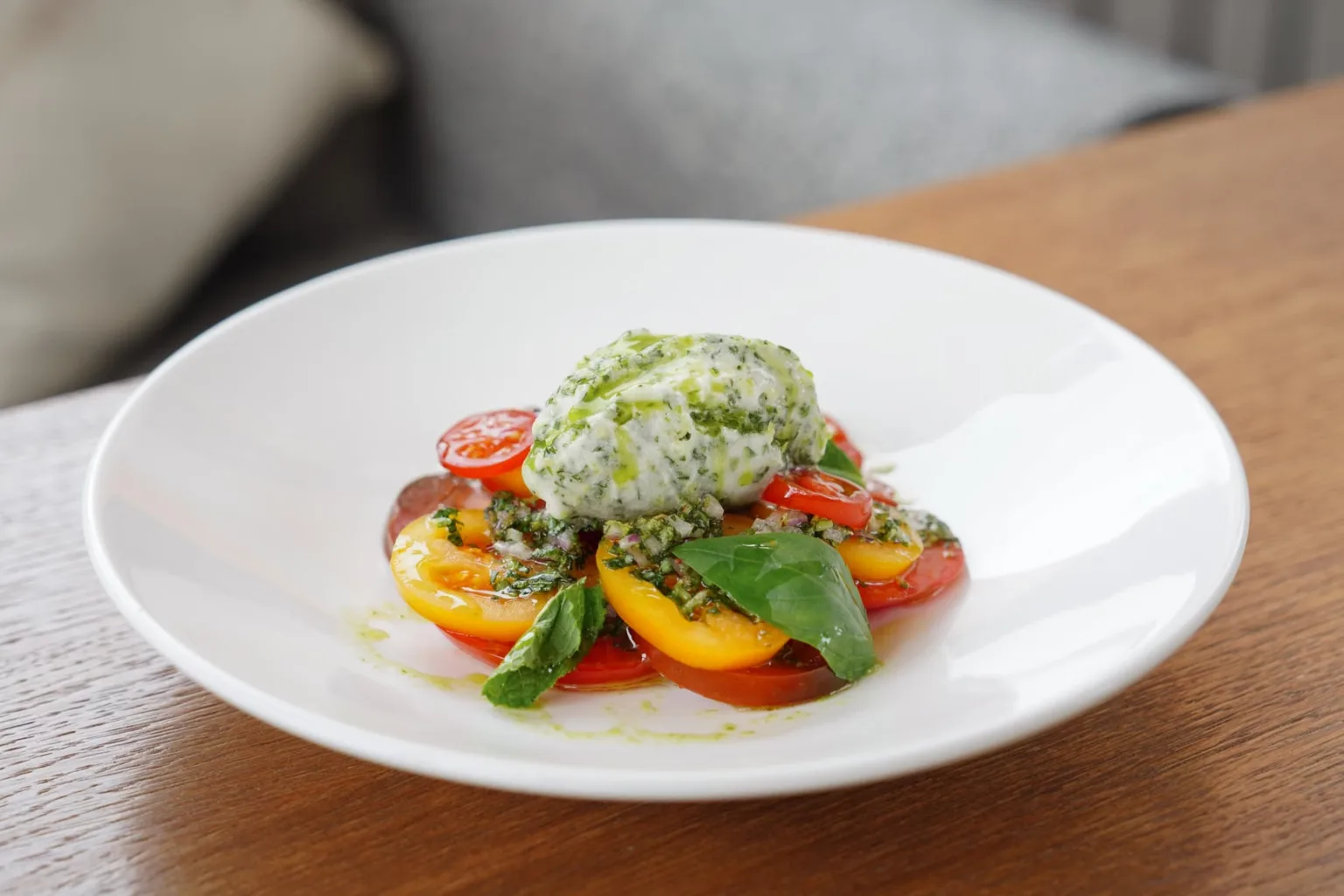
Use ricotta when you want a creamy texture and gentle dairy flavor that will not overpower the other ingredients. In savory cooking, it works in pasta fillings, lasagna, savory tarts, sauces, and spreads; it can also be served on toast, pizza, or salads. In sweet dishes, it can be used in cake and pastry fillings or served with honey, fruit, chocolate, or citrus. A wetter ricotta may be convenient for spreading, while a more thoroughly drained one can be easier to handle in fillings that need to hold their shape.
How to use it
Ricotta can be used as it is in cold dishes or mixed with other ingredients to make a filling, cream, or spread. For savory recipes, combine it with vegetables such as spinach, herbs, or pepper, then use it in filled pasta, lasagna, savory tarts, or sauces. It can also be spooned onto toast, salads, or pizza. For sweet recipes, work it into cake or pastry fillings, or serve it with honey, chocolate, fruit, or citrus. Match the recipe to the ricotta’s moisture: if a mixture seems too soft, a more thoroughly drained product may be easier to use.
Flavour and texture
Ricotta is usually mild, milky, and slightly sweet, sometimes with a subtle savory note. It is generally white, and its fresh texture can be moist and creamy with small, soft grains. The balance of moisture, density, and creaminess varies with the milk and draining, so different products may behave differently in the same recipe. Its delicate flavor lets it work with both sweet and savory ingredients without dominating them.
How to choose it
Read the product name and ingredient list to identify what you are buying and check which ingredients it contains. Ricotta is not completely uniform: the type of milk, moisture, texture, and flavor intensity can vary. A creamier version may suit spreading or serving as it is, while a drier one may be easier to use in fillings that need structure. Check the package date and storage directions, and review the allergen information.
Storage
Follow the storage directions on the package and keep the product refrigerated when instructed. After opening, reseal it securely or transfer it to a clean, covered container, and avoid leaving it out of the cold longer than necessary. Shelf life depends on the specific product and its label, so there is no single time limit that applies to every ricotta. Any product-specific storage or handling instructions take precedence over general advice.
Substitutions
Requesón can replace ricotta in some dishes, but its moisture and texture vary, so the result may not be identical. A fresh cheese with a suitable texture can also work in some savory fillings. Mascarpone may add creaminess in certain recipes, but it is richer and will change the character of the dish. Choose a substitute according to the job ricotta does—spreading, thickening a sauce, or holding a filling—and adjust the mixture if the substitute is wetter or firmer.
Common mistakes
Do not assume all ricotta has the same moisture, texture, or flavor; check how your product behaves before using it in a delicate filling. Avoid substituting without considering the texture the recipe needs: requesón, fresh cheese, and mascarpone can produce different results. Fresh ricotta should also not be confused with pressed, salted, baked, or smoked varieties, which have different culinary characteristics.
Safety and allergens
Ricotta is a dairy product and may contain milk, an allergen to check on the product information. Read the label, especially if you have an allergy or intolerance, and follow the manufacturer’s storage and handling directions. Required information may vary according to the product and how it is sold.
Culinary uses
- Fresh pasta and vegetable filling
- Creamy addition to sauces and spreads
- Ingredient for baked goods and desserts
- Fresh topping for toast, pizza, and salads
Recommended techniques
- Mix or fold into a filling with vegetables or herbs
- Stir into pasta or sauces to add creaminess
- Spread or spoon onto bread, pizza, or salads
- Blend into dessert fillings or cake mixtures
Pairs well with
- Spinach and other vegetables
- Tomato and black pepper
- Fresh herbs
- Honey, citrus, chocolate, and fruit
Frequently asked questions
Is ricotta a cheese?
It is often called a cheese, but traditional ricotta is a dairy product made by reheating and collecting proteins from the whey left after other cheeses are produced.
Can I use ricotta in both sweet and savory dishes?
Yes. Its mild flavor suits pasta fillings, sauces, and vegetables, as well as honey, fruit, chocolate, citrus, cakes, and pastries.
Can requesón replace ricotta?
It can in some recipes, but requesón varies in moisture and texture. Choose according to the recipe and the consistency the finished dish needs.
Estimated nutrition
- Fat
- 10.2 g
- Saturates
- 6.42 g
- Carbohydrate
- 7.27 g
- Sugars
- 0.27 g
- Fibre
- 0 g
- Protein
- 7.54 g
- Salt
- 0.28 g
Sources and review
Automatically researched, cross-checked and validated content. Sources consulted:
- En el etiquetado alimentario hay algunas menciones que son obligatorias eletiquetadocuentamucho.aesan.gob.es
- Gastronomía mediterránea - Wikipedia, la enciclopedia libre es.wikipedia.org
- Client Challenge doi.org
- Queso Ricotta: qué es, propiedades y cómo se come lafamigliarestaurantes.com
- Restaurante italiano en Madrid con platos con ricotta bresca.es
- Ricota, ¿qué es y cómo sacarle partido en la cocina? mundolacteo.es
- Qué es ricotta: guía completa para entender este queso suave y versátil – Manzana.com.es manzana.com.es
- Queso ricotta: Características y usos en gastronomía ditaly.es
- Historia de un clásico italiano: El queso Ricotta | BLOG TGT grupotgt.com
- La ricotta: un lácteo versátil en la cocina - Lacteos Franz lacteosfranz.org
- Ricotta: que es y como se utiliza - La Bottega Clandestina labottegaclandestina.com
- 🥇 RICOTTA | Porta Vía Pizza | 2026 portavia.es
- Ricotta - Panepanna panepanna.es
- 15 Ricota Sustitutos Para Cada Ocasión | Madame Lelica madamelilica.com
- Recetas con ricotta: delicias cremosas y fáciles de preparar okdiario.com