- Category
- Fruit
- State
- Fresh
- Usual unit
- unit
What it is
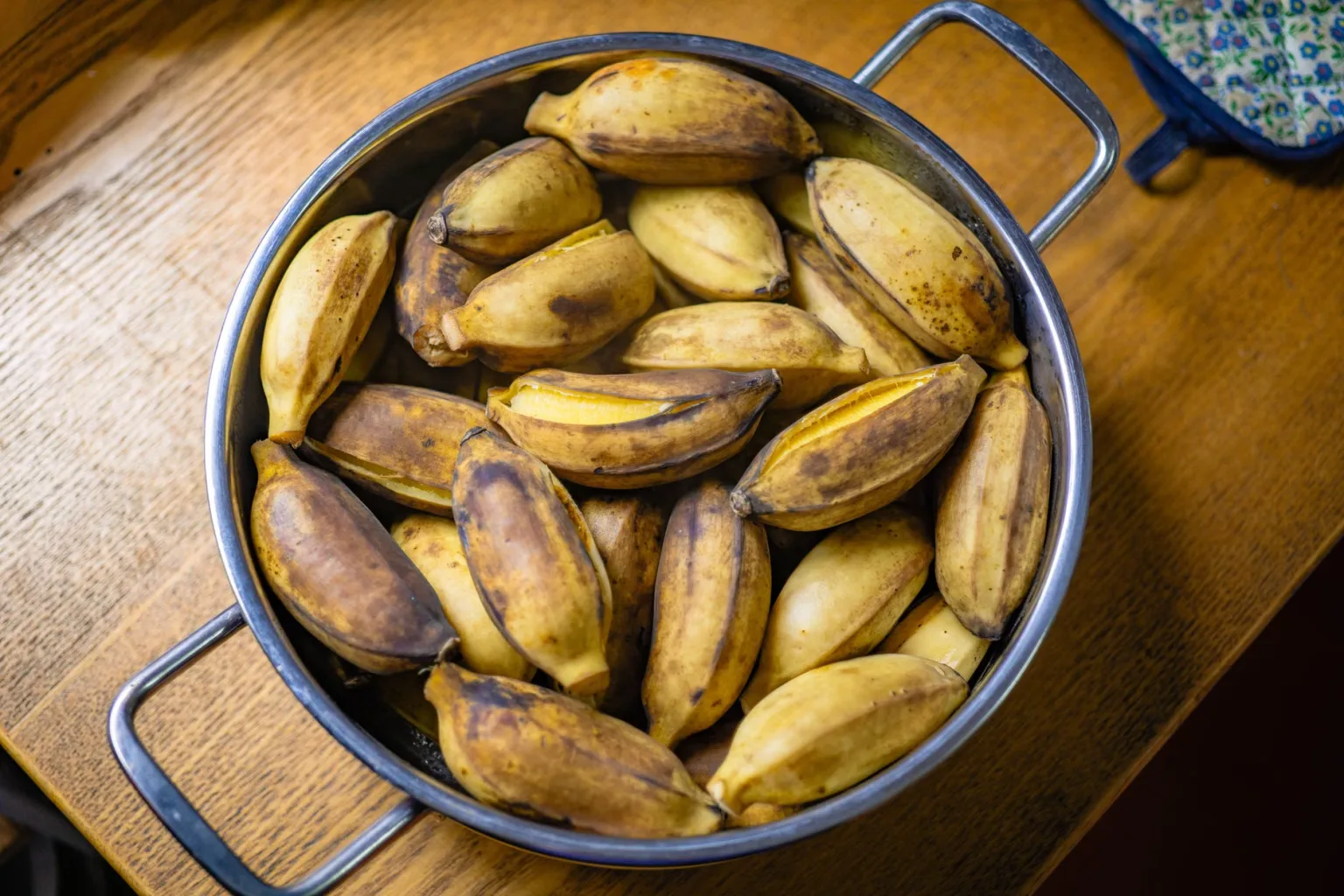
A ripe banana is a fruit that has moved on from its green stage: the flesh softens and becomes sweeter, while the peel often shifts from yellow to develop dark spots. The word “banana” does not identify the same kind of fruit everywhere; in some places it means a dessert banana, while elsewhere it can mean a cooking banana or plantain. This profile focuses on ripe cooking bananas commonly used in cooked dishes. Type, size, and firmness can vary. Some ripe varieties can be eaten raw, although cooking is a common way to make use of their sweetness and texture.
When to use it
Choose ripe bananas when you want a sweet flavor and tender flesh, such as for fried slices, roasted sides, purées, cakes, or banana bread. A mostly yellow peel with dark spots often indicates advanced ripeness, and softer flesh is consistent with that stage. If you need firm slices or a more neutral flavor, a green or less-ripe banana may work better. Peel color alone does not determine every quality: consider the variety and the intended use as well.
How to use it
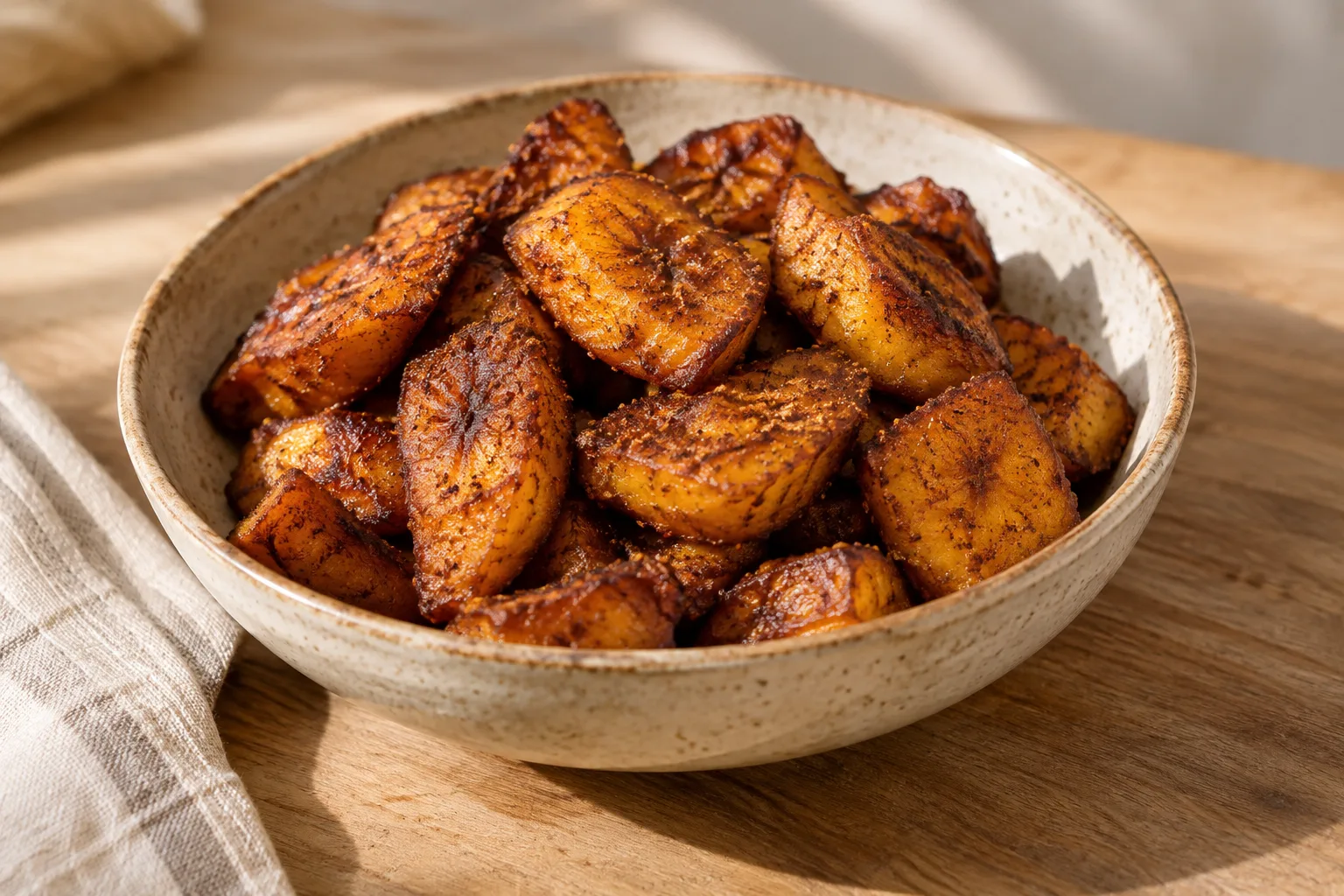
Peel the banana and slice it for frying, or roast it and serve it as a sweet side. You can also boil or bake it, then mash the flesh for purées, cakes, or breads. As the fruit ripens, it becomes sweeter and softer, so it can add sweetness and moisture to some baked mixtures. Pair it with cinnamon, serve it with white cheese, or use it alongside rice and beans. Match the cut and cooking method to the fruit’s firmness and the recipe; the supplied evidence does not establish a universal cooking time.
Flavour and texture
As it ripens, the flesh generally becomes sweeter, softer, and less firm than green banana flesh. The peel may be yellow with dark spots or become very dark. Frying or roasting can intensify the sweetness and brown the surface; the result depends on the variety, degree of ripeness, and cooking method.
How to choose it
Choose a ripeness level that suits the recipe. For sweet, soft flesh, look for fruit with a mostly yellow peel and some dark areas; for more firmness, choose less-ripe fruit. Size, color, and shape vary between banana types, so no single feature guarantees a particular texture. If a label or seller identifies the variety, use that information to guide your choice.
Storage
The supplied evidence does not give one consistent answer about refrigerating bananas: some sources recommend keeping them at room temperature, while others say ripe bananas can be refrigerated even though the peel may darken. Let firm fruit ripen at room temperature and check its condition before using it. No reliable storage duration or single temperature for every type is established here.
Substitutions
In some baking recipes, mashed ripe banana can replace part of the butter and add moisture, but it changes the result and requires adapting the recipe. Some preparations also use banana instead of egg, but an amount suggested by one source is not a universal rule. Do not assume that every dessert banana or cooking variety will provide the same sweetness or firmness.
Common mistakes
Do not discard fruit solely because its peel has dark spots; these can occur as it ripens. Also, do not assume that every fruit called a banana behaves alike: variety and ripeness affect firmness and use. Avoid relying on a fixed cooking time without considering the size, cut, and recipe.
Safety and allergens
The supplied evidence identifies no specific safety warning for fresh ripe bananas. For a packaged or prepared product, check its ingredients and follow the storage and use directions on its label.
Culinary uses
- Sweet side dish
- Ingredient for baking and desserts
- Fruit for mashing into purées
Recommended techniques
- Frying
- Baking or roasting
- Boiling
- Mashing
Pairs well with
- Cinnamon
- White cheese
- Rice and beans
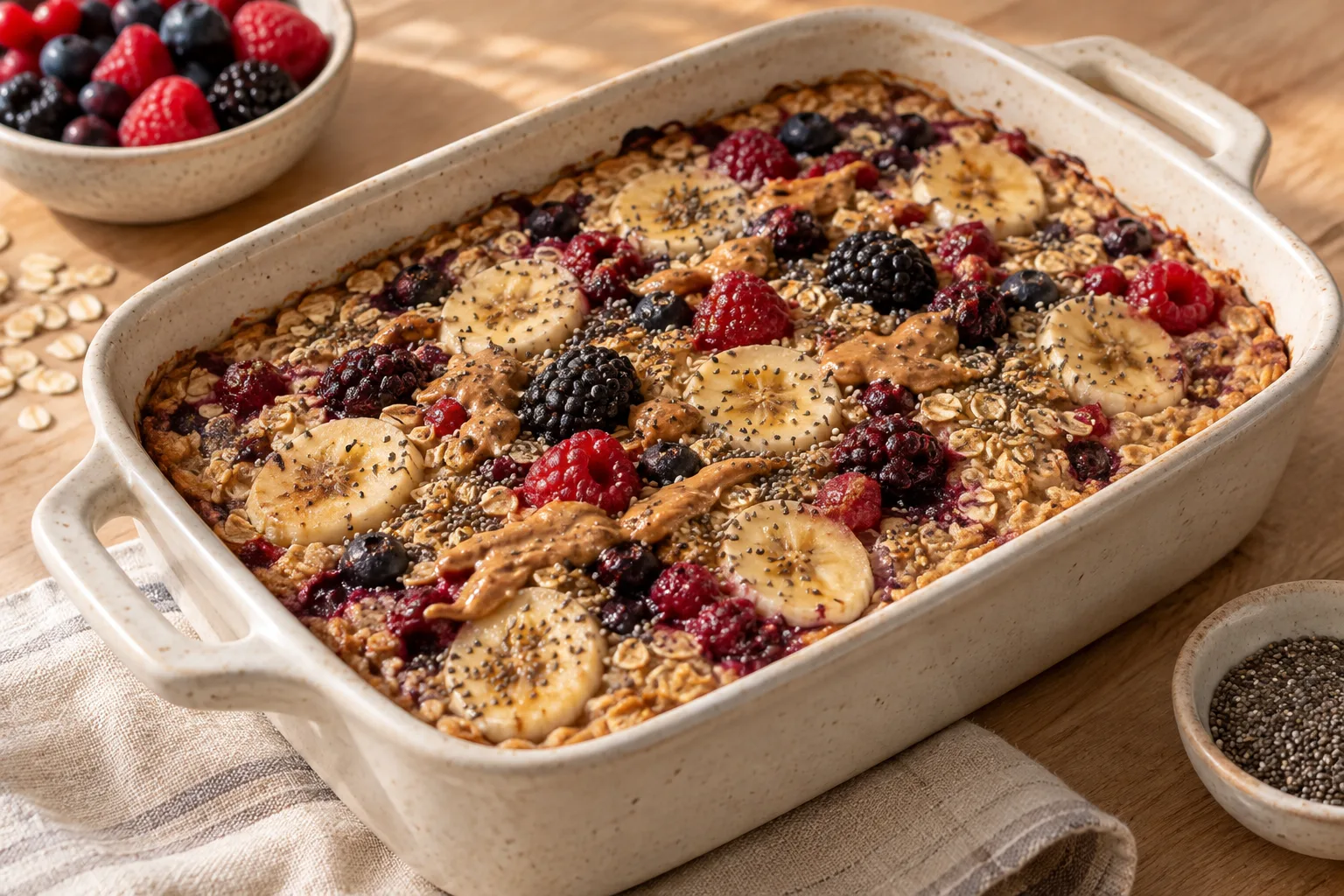
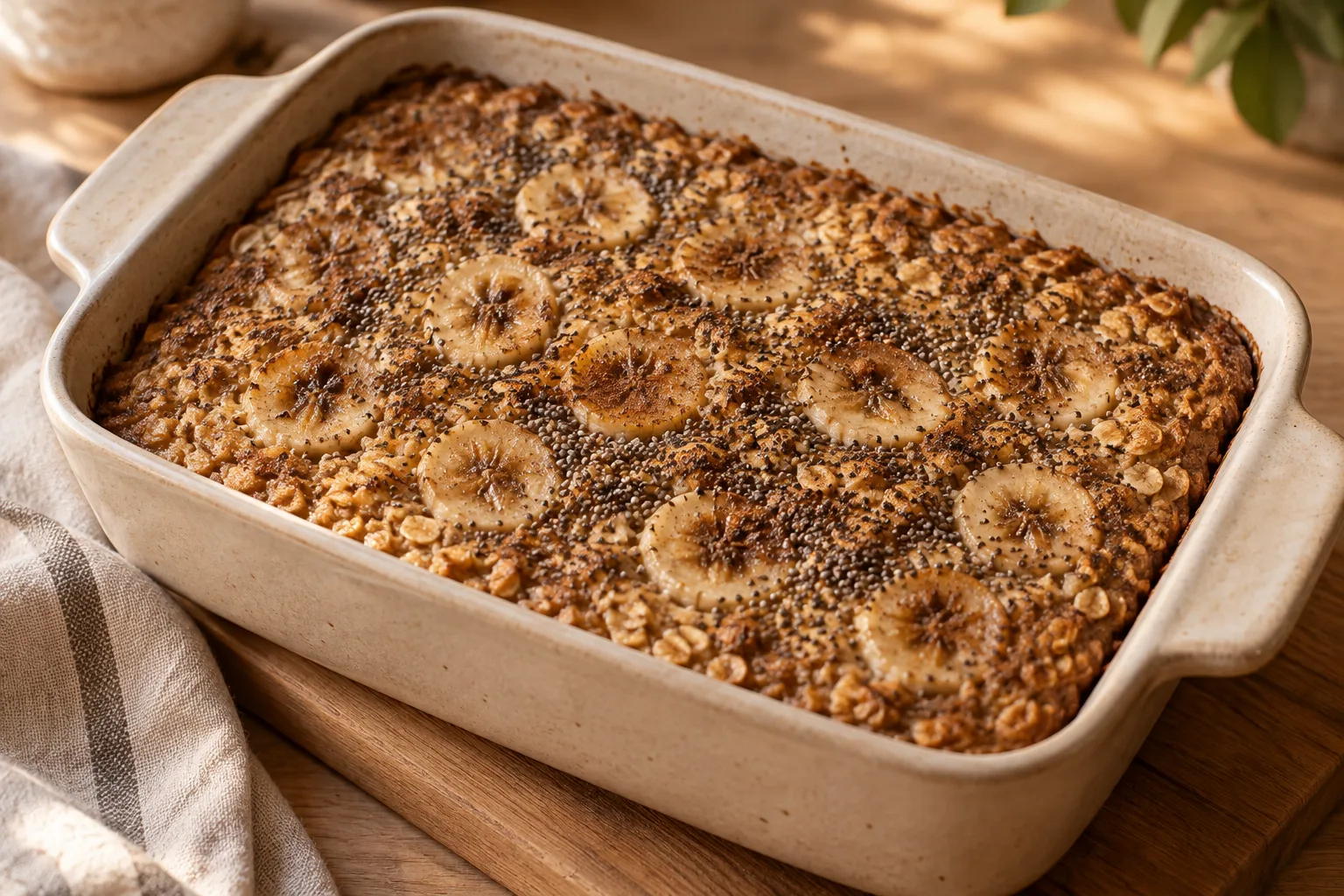
- Oats
Frequently asked questions
How can I tell when a banana is ripe?
The peel is often mostly yellow and may have dark spots; the flesh also becomes softer and sweeter. Appearance varies by variety.
Can ripe bananas be eaten raw?
Some ripe yellow varieties can be eaten raw, but cooking bananas are commonly cooked. Names and customary uses vary by region.
What can I make with ripe bananas?
Fry them in slices, roast or boil them, or mash them for purées and baking mixtures. The fruit’s firmness can help you choose a method.
Do dark spots mean a banana has spoiled?
Not necessarily: dark spots can appear as the fruit ripens. Peel color alone is not enough to determine the condition of the whole fruit.
Sources and review
Automatically researched, cross-checked and validated content. Sources consulted:
- En el etiquetado alimentario hay algunas menciones que son obligatorias eletiquetadocuentamucho.aesan.gob.es
- Aesan - Agencia Española de Seguridad Alimentaria y Nutrición aesan.gob.es
- Plátano maduro - Wikipedia, la enciclopedia libre es.wikipedia.org
- Guía de tipos de plátano y sus aplicaciones | Recetas Nestlé recetasnestle.com.mx
- Historia y versatilidad del plátano maduro: origen, recetas y su impacto en la gastronomía latinoamericana pulzo.com
- 🍌 Plátanos Maduros 🍌 - Las recetas de mi abuela lasrecetasdemiabuela.recipesown.com
- Plátanos Maduros - Stop and Compare (Español) stopandcompare.net
- Guía de tipos de plátano y sus aplicaciones | Recetas Nestlé recetasnestle.cl
- El plátano como ingrediente según el punto de maduración - Plátanos Ruiz platanosruiz.com
- 11 ideas para aprovechar los plátanos maduros que quedan en el frutero (y 41 recetas para sacarles todo el partido) directoalpaladar.com
- Diez recetas deliciosas con plátanos muy maduros eldiario.es
- ¿Plátanos muy maduros? Aprovéchalos con estas recetas golosas hola.com
- Qué hacer con plátanos maduros: 15 ideas de recetas para aprovecharlos 20minutos.es
- 5 Maneras de preparar plátanos maduros - Centro de Estudios en Nutrición nutritionstudies.org
- 13 Recetas Saludables para Aprovechar Plátanos Maduros deliciaskitchen.com