- Category
- Herbs and spices
- State
- Fresh
- Usual unit
- unit
What it is
Rosemary is an aromatic herb in the mint family, Lamiaceae. Its narrow, pointed leaves are the part most often used in cooking, fresh or dried. This profile covers the fresh form: leaves attached to firm, woody sprigs. Rosemary has a pronounced aroma, so even a small amount can shape a dish. Its leaves are tougher than those of tender herbs and may remain chewy if served whole. Depending on the preparation, remove the sprig before serving, chop the leaves finely, or grind them for a more even texture.
When to use it
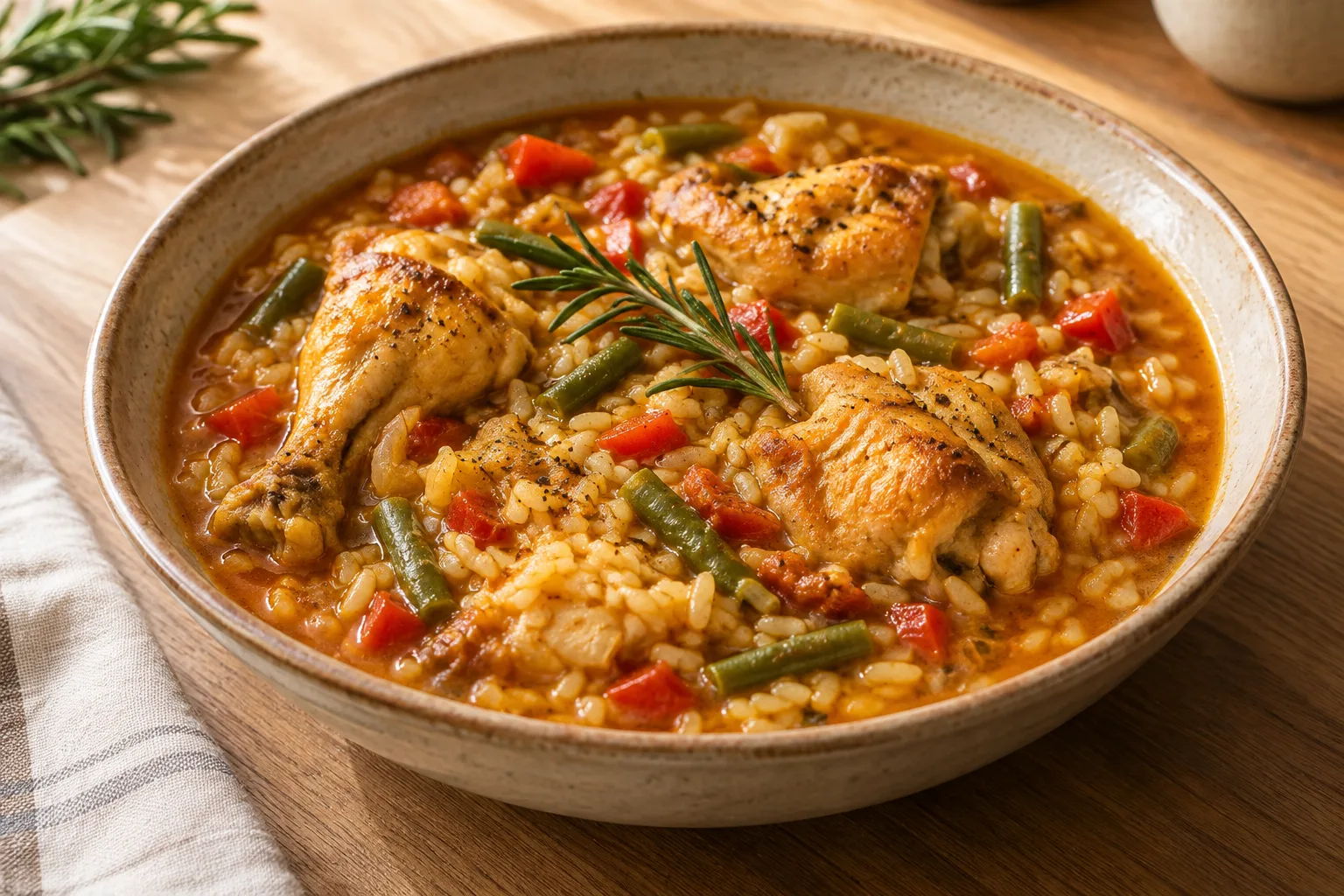
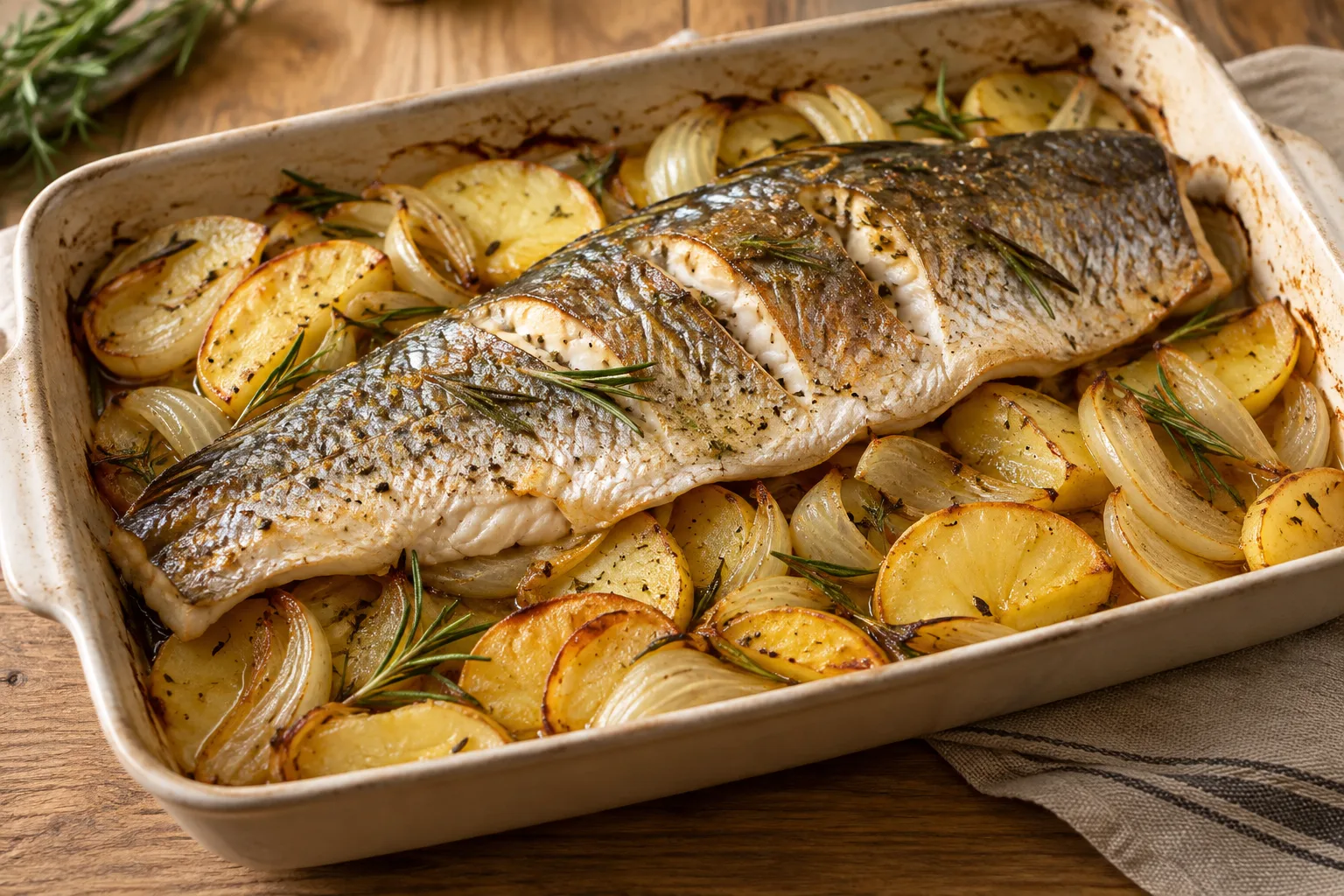
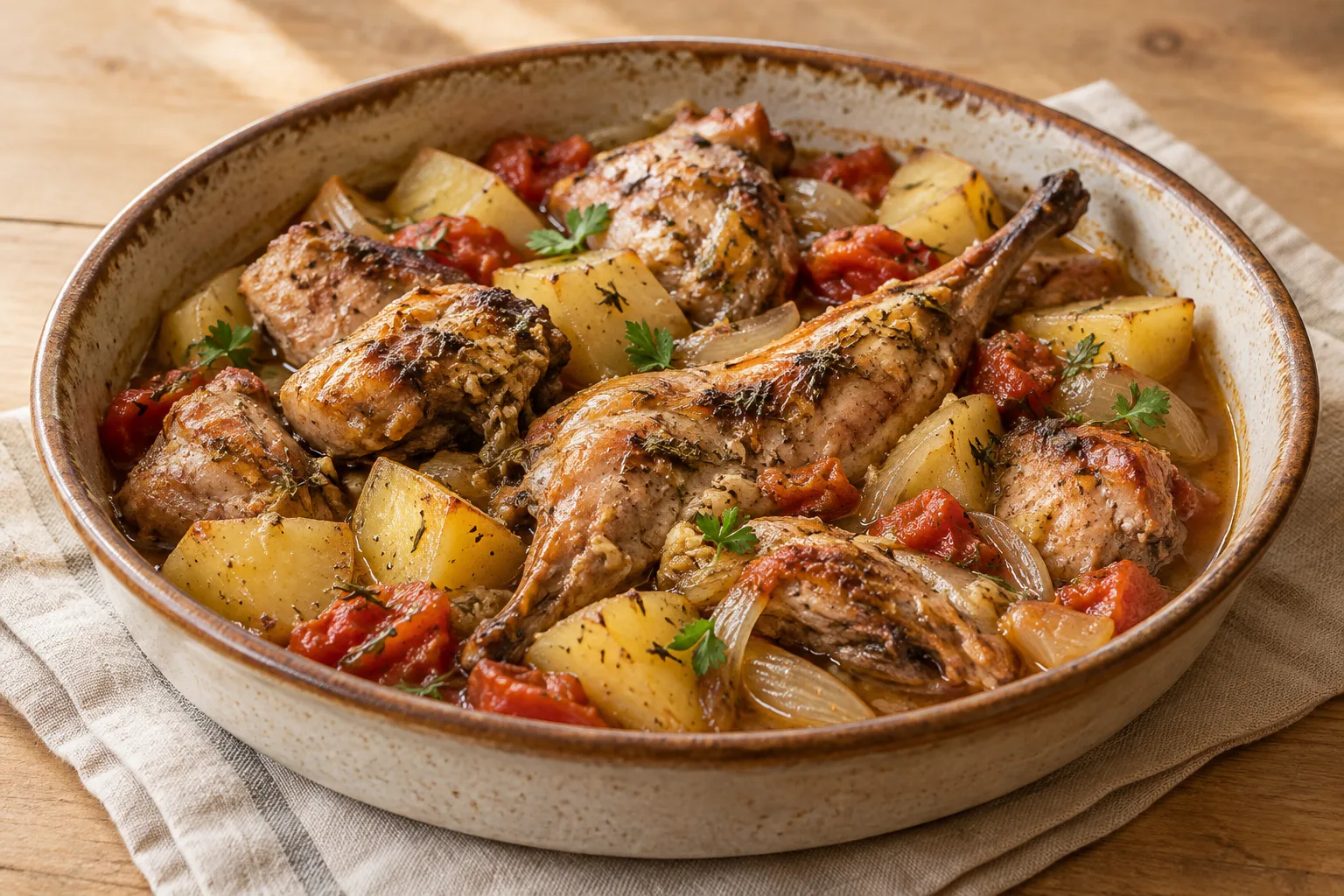
Use rosemary when you want a clear herbal aroma in roasts, grilled dishes, stews and other long-cooked preparations. It also works with potatoes and other vegetables, breads and focaccia, marinades and rubs. Its assertive flavor pairs particularly well with meats such as chicken, lamb and pork, though it can also be used with fish when a pronounced herbal note is welcome. Use it sparingly and consider the other ingredients: rosemary is not a neutral herb and can overwhelm more delicate flavors.
How to use it
Rinse the sprigs and dry them before preparation. To scent a stew or roast, add a whole sprig and remove it before serving if the leaves remain firm. For a more evenly distributed flavor, strip the leaves from the stem and chop them finely; grind them if you want to avoid firm pieces. Start with a small amount, especially in marinades and long-cooked dishes, and taste before adding more. Rosemary can also season roasted vegetables, potatoes, breads and focaccia, or be used to infuse oil and vinegar. If a recipe calls for dried rosemary, remember that this profile covers fresh rosemary and adjust the amount to suit the form and desired intensity.
Flavour and texture
Rosemary has a strong, lasting aroma, with herbal, resinous character and notes reminiscent of pine and wood. Its flavor can be warm and slightly bitter. The leaves are narrow and firm, and the stems are woody. Chopped or ground leaves blend more readily into food; a whole sprig scents a dish but may leave tough leaves behind.
How to choose it
Look for sprigs with green leaves and a noticeable aroma rather than judging only by the size of the bunch. The available evidence describes fresh rosemary as narrow leaves attached to woody stems, but does not establish an official grading standard or guaranteed shelf life. Choose a fresh, intact product suited to your intended use. If buying dried rosemary, check that the package clearly identifies it as dried.
Storage
For fresh rosemary, one culinary source recommends refrigerating the sprigs wrapped in paper towel; it also suggests keeping them in water like cut flowers. No dependable storage period is established here, so check the herb’s appearance and aroma before use. Dried rosemary is best kept in a dry place protected from light. Do not assume storage advice for dried herb also applies to fresh rosemary; follow the package directions when provided.
Substitutions
If rosemary is unavailable, try thyme, sage, savory, tarragon or marjoram. These are aromatic alternatives, not exact copies: they change the dish’s flavor profile and may differ in strength. Start with a small amount, taste and adjust. Caraway is also listed as an alternative, but its character is different and may suit recipes that welcome its distinctive flavor.
Common mistakes
The most common mistake is using too much: rosemary’s strong aroma can dominate a dish. Start with a little and taste before adding more. Another is serving whole leaves without considering their firm texture; remove the sprig, chop the leaves finely or grind them. Do not measure fresh and dried rosemary as though they were interchangeable forms, since the form affects the flavor it contributes.
Safety and allergens
Use rosemary sold for culinary use and follow any storage and use instructions on its package. The available evidence does not identify a specific safety warning for culinary rosemary; for packaged products, check the label, including any declared allergens.
Culinary uses
- Aromatic seasoning for roasts, grilled dishes, stews and marinades
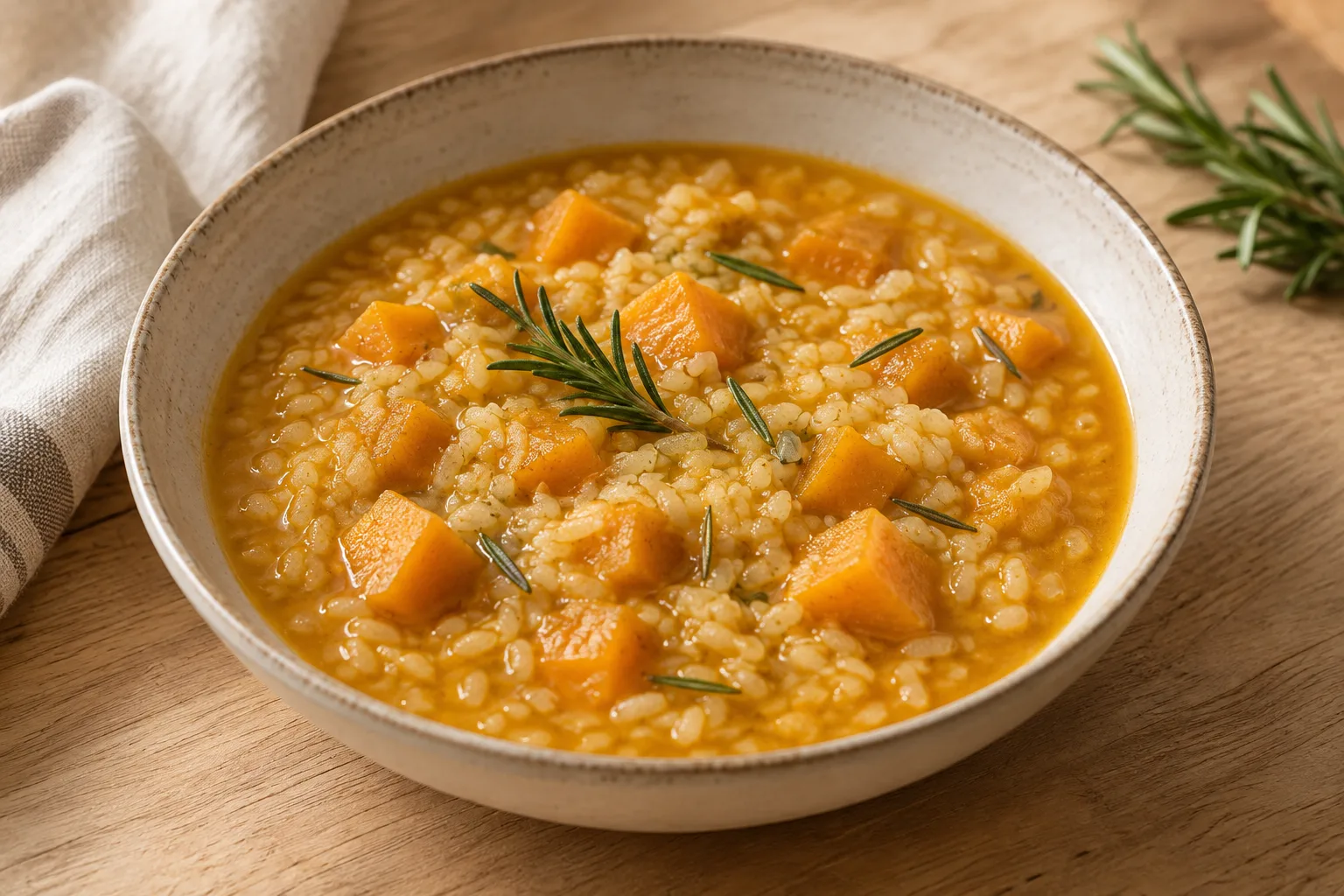
- Herbal flavoring for vegetables, potatoes, bread, oils and vinegars
Recommended techniques
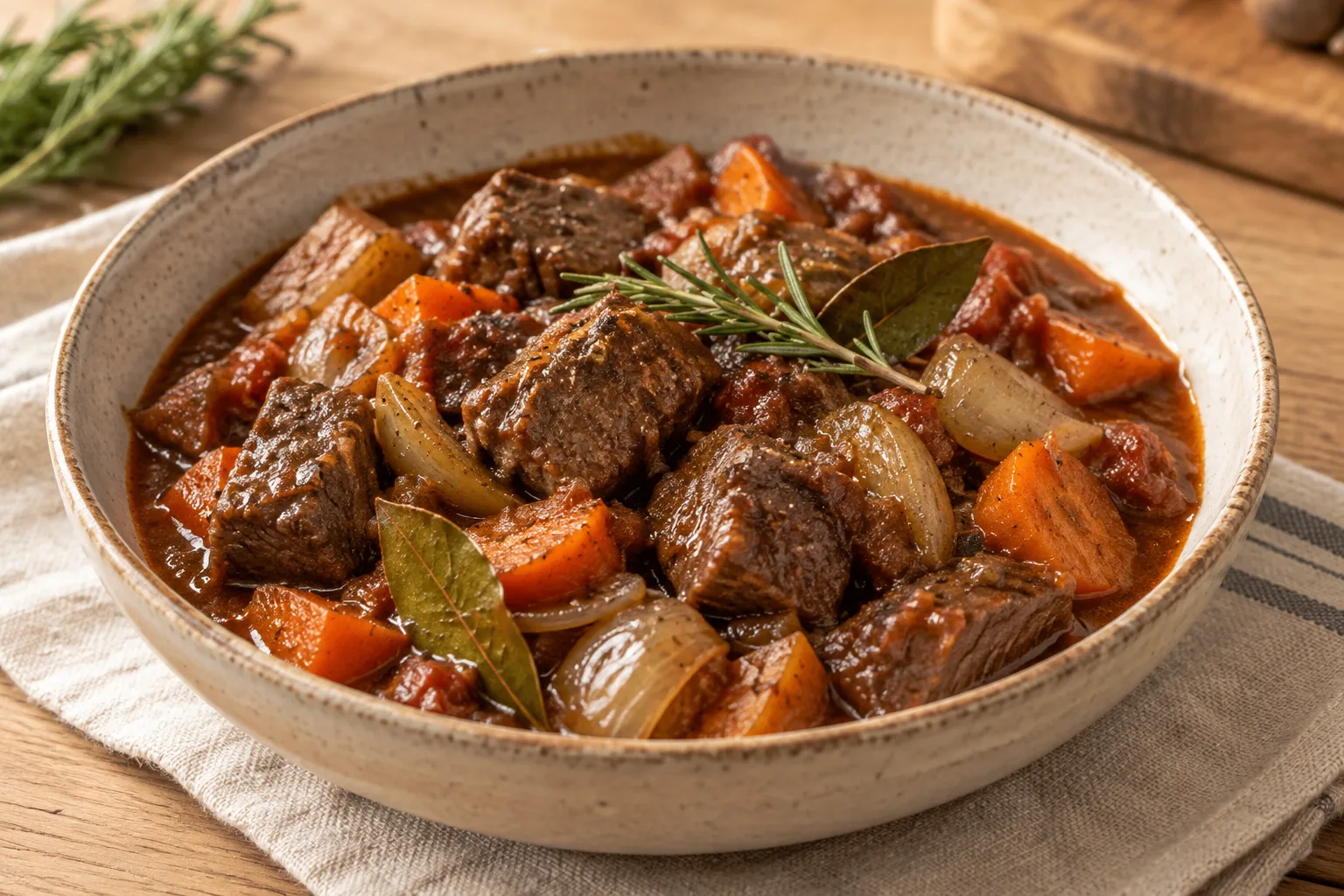
- Add a whole sprig to a roast, stew or other long-cooking dish, then remove it before serving if the leaves remain tough.
- Strip the leaves from the woody stem and chop them finely, or grind dried rosemary when a finer texture is wanted.
Pairs well with
- Poultry, lamb, pork and other roasted or grilled meats
- Potatoes, vegetables, olive oil, bread and focaccia
- Lemon and other citrus, and herbs such as thyme, oregano, sage and bay
Frequently asked questions
Can fresh rosemary be used in long-cooked dishes?
Yes. Culinary sources describe rosemary as suitable for stews and long cooking. Add a sprig for aroma and remove it before serving if the leaves remain tough.
Should I remove the leaves from the stem?
It depends on the dish. Add a whole sprig to scent food and remove it later, or strip and finely chop or grind the leaves if you want them incorporated. Whole leaves can be firm.
What can I use instead of rosemary?
Thyme, sage, savory, tarragon or marjoram are possible alternatives. They will not taste identical, so start with a small amount and adjust to taste.
Sources and review
Automatically researched, cross-checked and validated content. Sources consulted:
- En el etiquetado alimentario hay algunas menciones que son obligatorias eletiquetadocuentamucho.aesan.gob.es
- GUÍA DE ANÁLISIS DE PELIGROS Y PUNTOS DE CONTROL CRÍTICO (APPCC) LECHES UHT Y aesan.gob.es
- Client Challenge doi.org
- Qué es y cómo usar el romero | JUST SPICES ® justspices.es
- Muy Locos Por La Cocina: Recetas con Romero Fresco muylocosporlacocina.com
- Romero | www.cocinista.es cocinista.es
- Romero ecológico – Finca La mesa fincalamesa.com
- El romero: sabor y aroma de la cocina Mediterránea heraldodiariodesoria.es
- Ingredientes que maridan con romero ✓ basmatic.com
- Romero. ¿Qué es? Propiedades, beneficios y para qué sirve abc.es
- Usos del romero (rosmarinus officinalis) - Espècies Teixidor teixidor.com
- Romero: propiedades, beneficios y para qué sirve bonviveur.es
- Romero | HerbaZest herbazest.com
- Romero, la hierba aromática de puro sabor mediterráneo: propiedades, beneficios y 15 recetas para sacarle partido directoalpaladar.com
- Salvia rosmarinus - Wikipedia, la enciclopedia libre es.wikipedia.org
- 13 mejores sustitutos del romero - NewFoodHub nwfoodhub.com
- Romero: propiedades, beneficios y para qué sirve bonviveur.com