- Category
- Vegetables
- State
- Fresh
- Usual unit
- unit
What it is
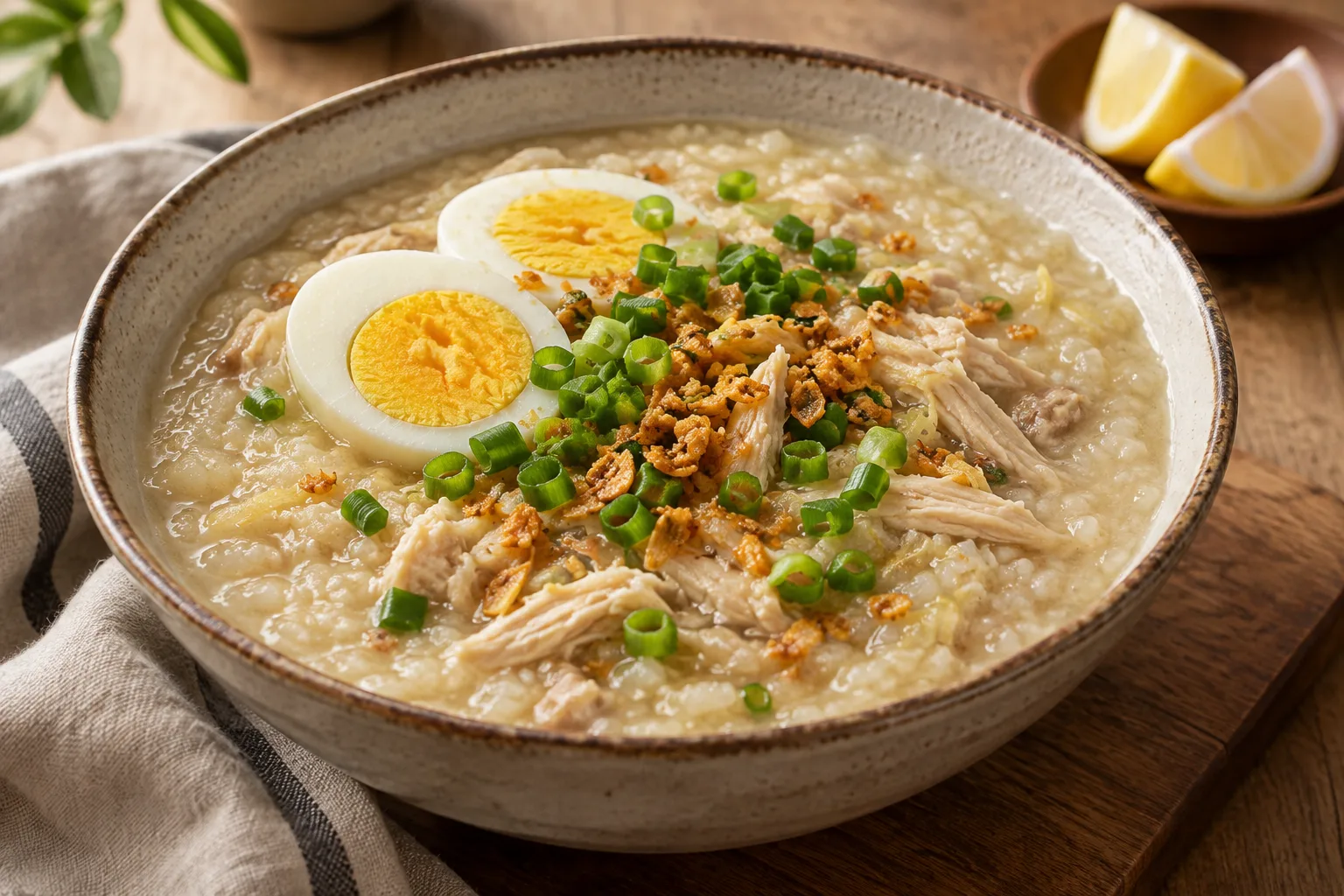
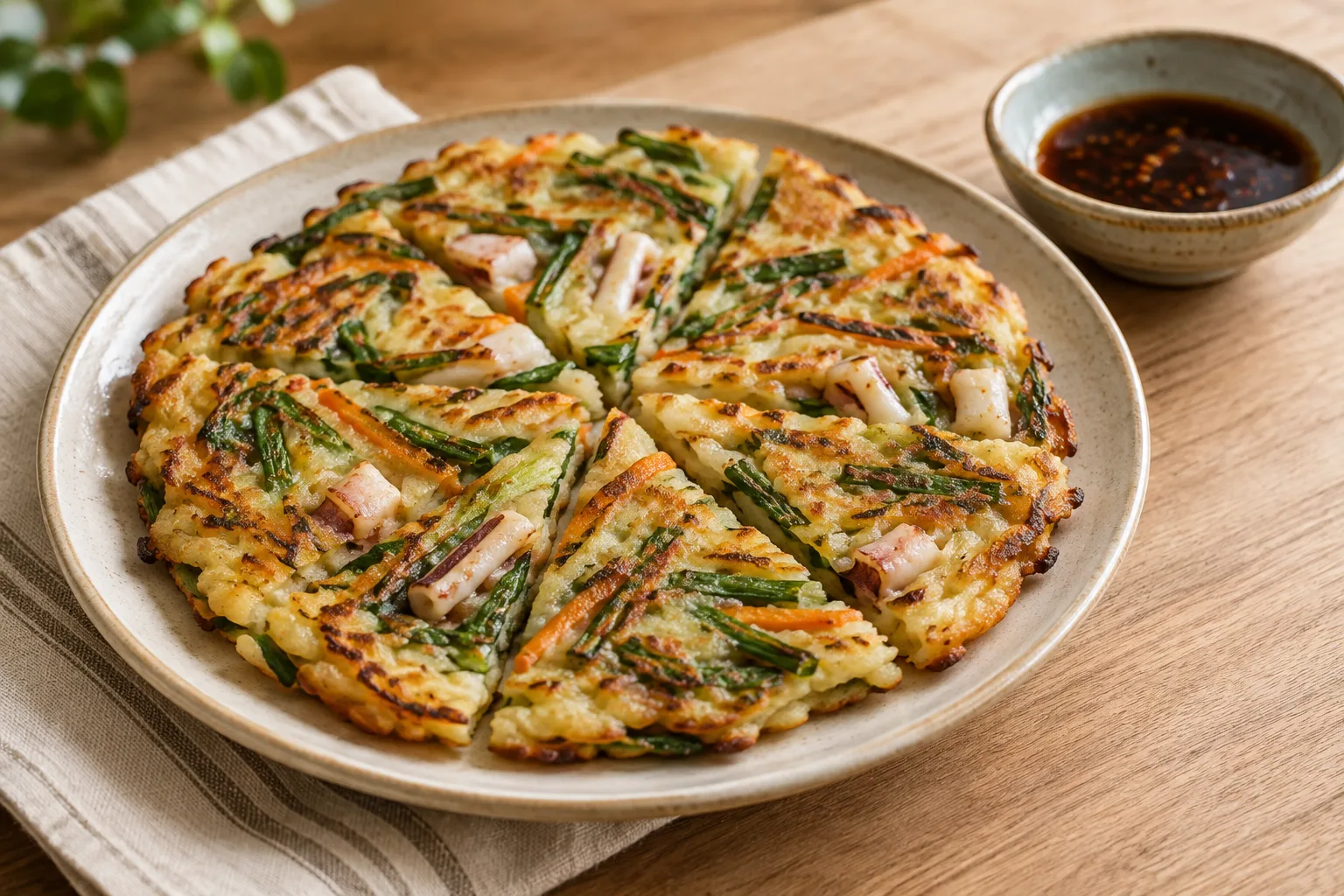
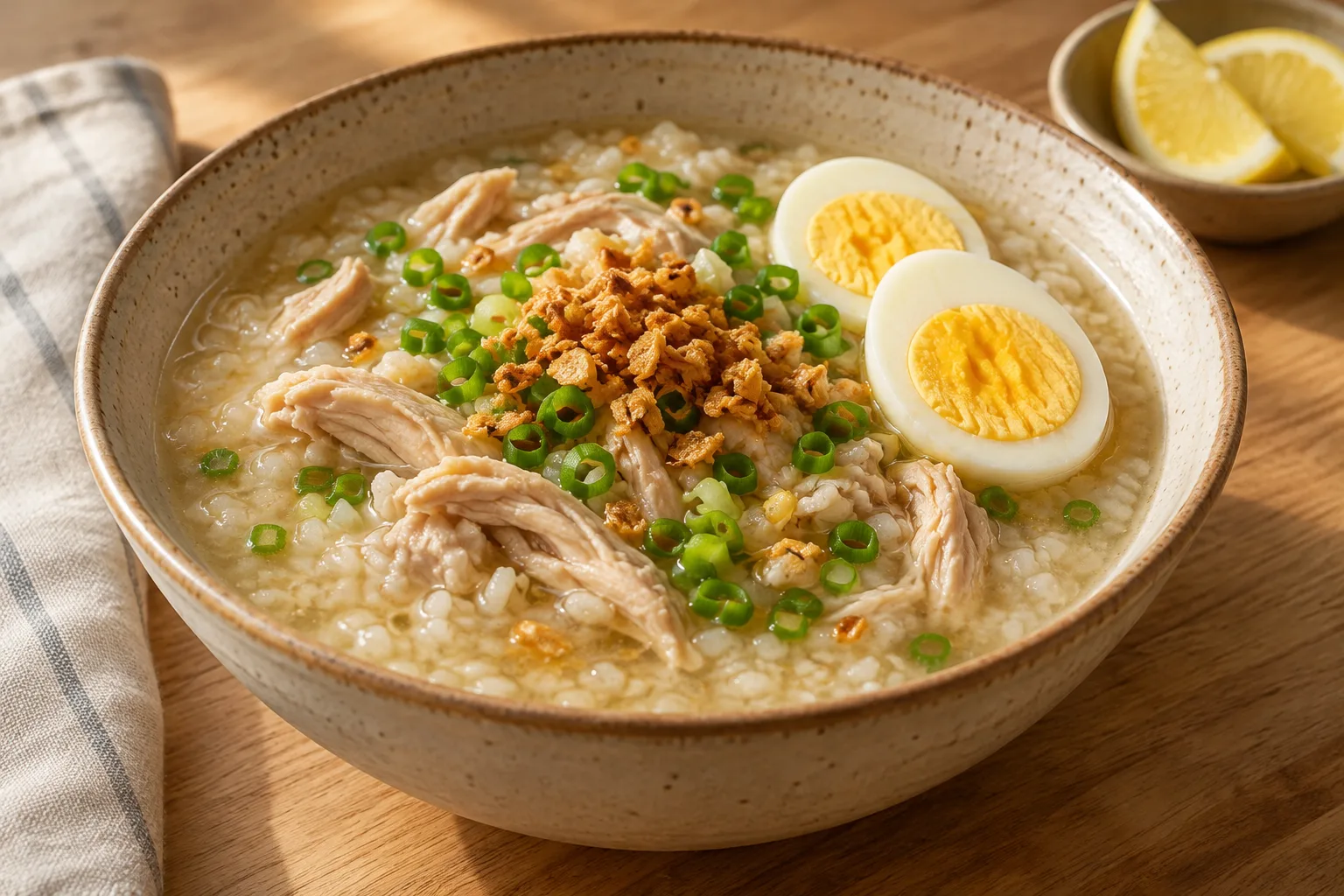
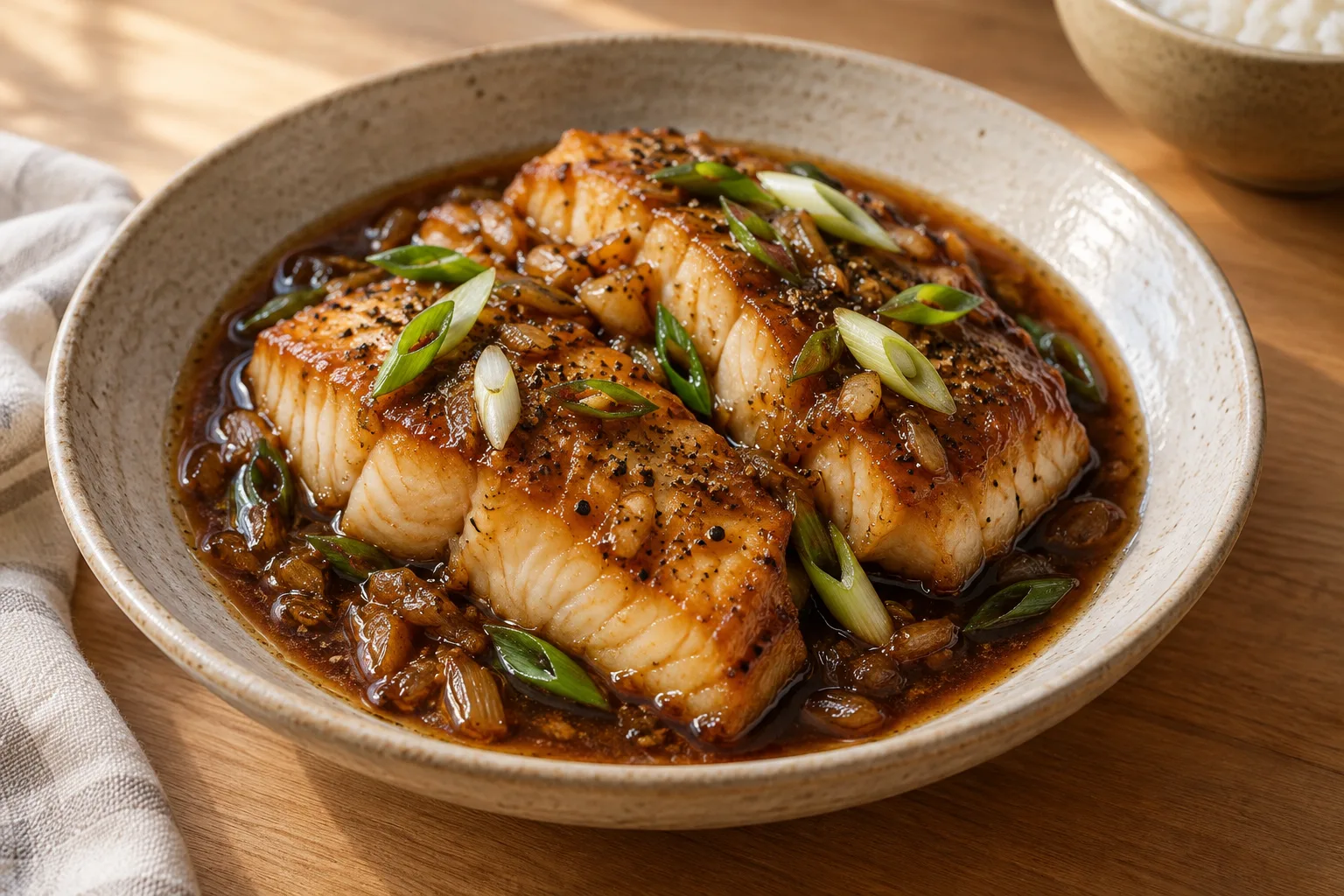
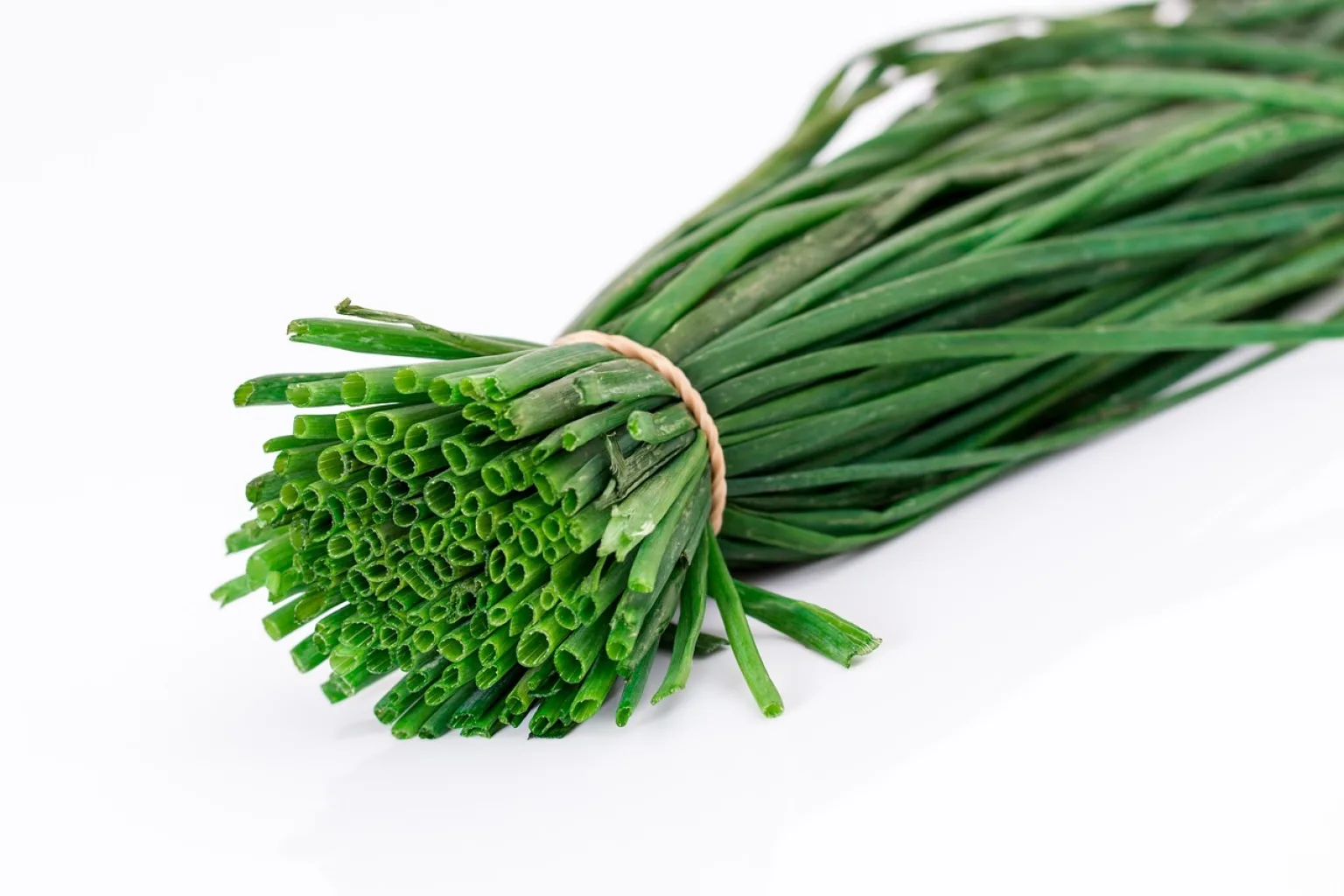
A spring onion is a green onion with elongated stems, a green portion and a white base, usually sold in a bunch. It can be chopped or sliced for cooking. The name can cover green onions with somewhat different forms: some have a narrow white base, while others may develop an elongated one. They should not be confused with chives, which have very thin, tubular leaves. Both the green and white parts of a spring onion can be used, and their proportions and appearance depend on the type of green onion available.
When to use it
Use spring onions when you want a fresh onion flavor without necessarily reaching for a bulb onion. Chopped raw, they work as a seasoning or finish for soups, salads and other dishes; briefly cooked, they can be added to a stir-fry just before serving. For a simple side, the stems can also be grilled whole. Both the green and white parts are usable, while their shape and proportions vary between types.
How to use it
Trim away any parts you do not plan to use, then slice or chop the spring onion to suit the dish. To serve it raw, scatter it over soup or another cooked food, or mix it into a salad. For a stir-fry, add it toward the end and cook it briefly before serving. You can also grill the stems whole and serve them as a side. Both the green and white parts can be used; the base may be larger or smaller depending on the type of green onion. When substituting it for another ingredient, adjust the amount to suit the flavor strength you want.
Flavour and texture
Spring onions provide a fresh onion flavor and can be used either raw or briefly cooked. The white and green parts look different, and their proportions can vary from bunch to bunch; the base may be narrow or elongated depending on the type. Spring onions are not the same as chives: chives have very fine, tubular leaves, while spring onions are sold as more substantial stems.
How to choose it
Look for bunches of green stems with a visible white portion. The base does not look the same in every green onion: some do not form a bulb, while others may have an elongated white base. Do not rely on bulb size alone to identify them. The available evidence does not name a preferred variety or set an ideal size or maturity level for buying spring onions.
Storage
The available information does not establish a specific storage time or temperature for fresh spring onions. Follow any storage instructions supplied with the product; guidance can depend on the food and how it is presented. Do not apply storage times for other ingredients to spring onions. If there are no package instructions, the evidence provided does not support a specific storage duration.
Substitutions
Chives or onion can provide alternative allium flavors, but neither is identical to a spring onion. Choose chives for a gentler note or onion for a more pronounced result, adjusting the amount gradually. The substitution will not be exact, and the spring onion's green or white part can also affect the dish. If appearance or texture matters, use the spring onion specified in the recipe.
Common mistakes
Do not confuse spring onions with chives: they have different forms and are not the same ingredient. Also, do not assume every green onion must have a pronounced bulb; some types are described as having green and white stems without forming one. In a stir-fry, avoid cooking spring onions for the entire process: the available guidance is to add them near the end and cook briefly.
Safety and allergens
The supplied evidence identifies no spring-onion-specific safety warning. Check any package instructions for use and storage, and do not assign this ingredient an undocumented storage life. For a prepared dish, check the allergen information provided for that product or food service establishment.
Culinary uses
- Seasoning and garnish, chopped and served raw
- Vegetable ingredient in salads and briefly cooked dishes
Recommended techniques
- Chop or slice and use raw
- Add near the end of a stir-fry and cook briefly
- Grill whole as a side dish
Pairs well with
- Soups and other cooked dishes
- Salads
- Asian-style stir-fries
Frequently asked questions
Which parts of a spring onion can I use?
Both the green and white parts can be used, chopped or sliced. Their proportions and the shape of the base can vary between types of green onion.
Are spring onions the same as chives?
No. Chives have very fine, tubular leaves; spring onions are sold as more substantial green and white stems.
When should I add spring onions to a stir-fry?
The available guidance is to add them toward the end and cook them briefly before serving.
Estimated nutrition
- Fat
- 0.19 g
- Saturates
- 0.03 g
- Carbohydrate
- 7.34 g
- Sugars
- 2.33 g
- Fibre
- 2.6 g
- Protein
- 1.83 g
- Salt
- 0.04 g
Sources and review
Automatically researched, cross-checked and validated content. Sources consulted:
- En el etiquetado alimentario hay algunas menciones que son obligatorias eletiquetadocuentamucho.aesan.gob.es
- Client Challenge doi.org
- Cooking Food Storage | USU extension.usu.edu
- The Essential Glossary of Cooking Terms for the Culinary Arts - Escoffier escoffier.edu
- Cebollino o cebollín, la elegante hierba aromática con un suave sabor entre el ajo y la cebolla: qué es y cómo usarlo en la cocina directoalpaladar.com
- Culinary Program - Cabrillo College cabrillo.edu
- Culinary MakerSpace | Auxiliary Services | Binghamton University binghamton.edu
- The Mango - A Tropical Treat - National Center for Home Food Preservation nchfp.uga.edu
- Carrots 101: Selection, Storage, and Cooking Tips for Maximum Flavor - Cooperative Extension: Food & Health - University of Maine Cooperative Extension extension.umaine.edu
- Principales variedades de cebolla de primavera verano mapa.gob.es
- Cultivo de cebolletas en huertos familiares | Extensión de la UMN es.extension.umn.edu
- Cebolleta - Qué es, Propiedades, Beneficios, Usos, Cultivo y Más tuberculos.org
- Cebolleta: Variedades, nombres y origen (INFOAGRO) amantesdelasplantas.com
- Qué es la cebolleta en España: La joya verde de nuestra gastronomía - Agrícola Campolor agricolacampolor.com
- Preserving peppers | OSU Extension Service extension.oregonstate.edu