- Category
- Dairy and eggs
- State
- Fresh
- Usual unit
- ml
What it is
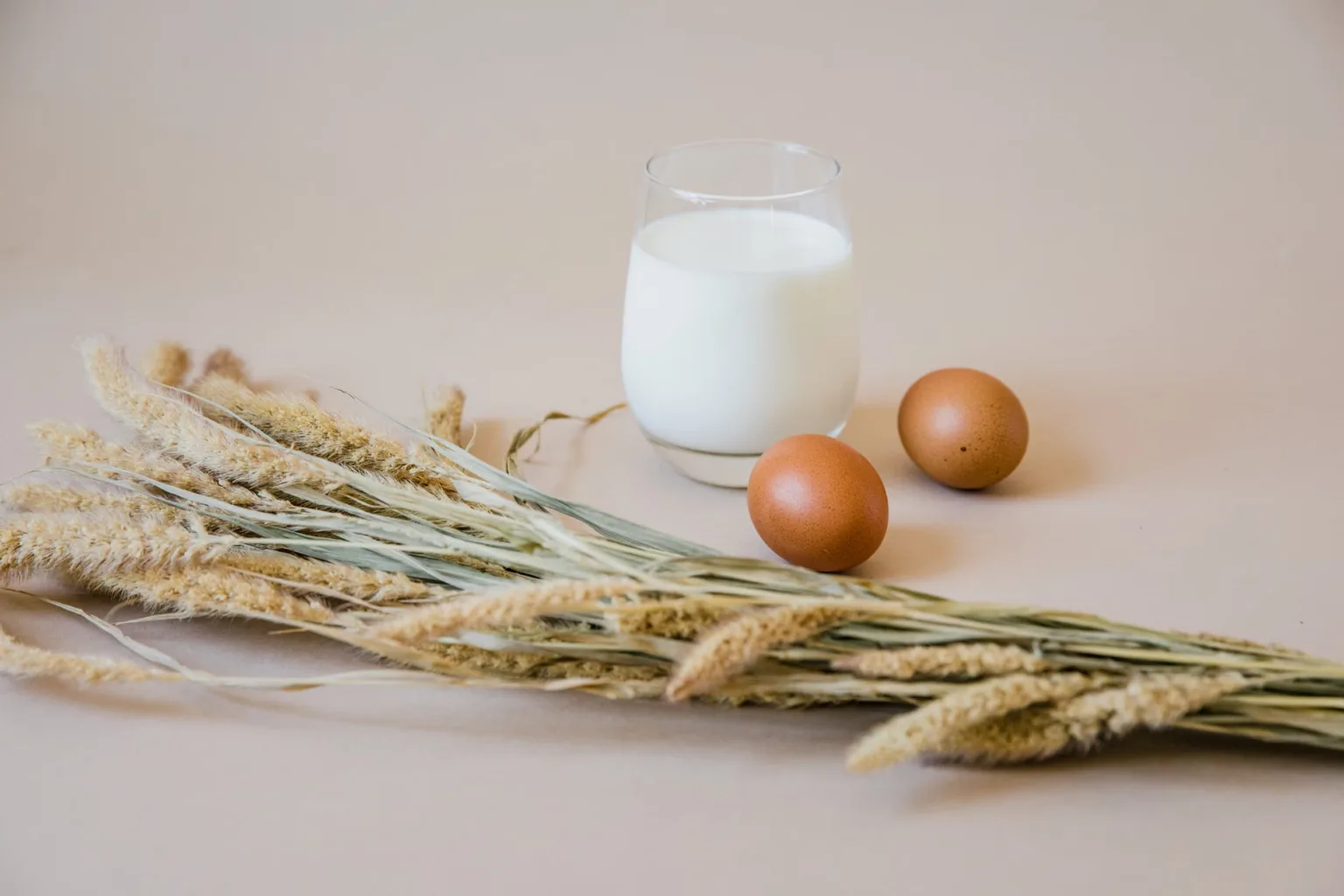
Whole milk is liquid cow’s milk distinguished from semi-skimmed and skimmed varieties by its fat content. It is used as a drink and as an ingredient in both sweet and savory cooking. It can go into batters, sauces, creams and desserts, and can also be served with coffee, tea or cereal. “Whole” describes a variety of milk; it does not mean a plant-based drink or a concentrated product such as condensed milk. Processing and storage directions may differ between products, so check the product name and package information to confirm what you have and how to handle it.
When to use it
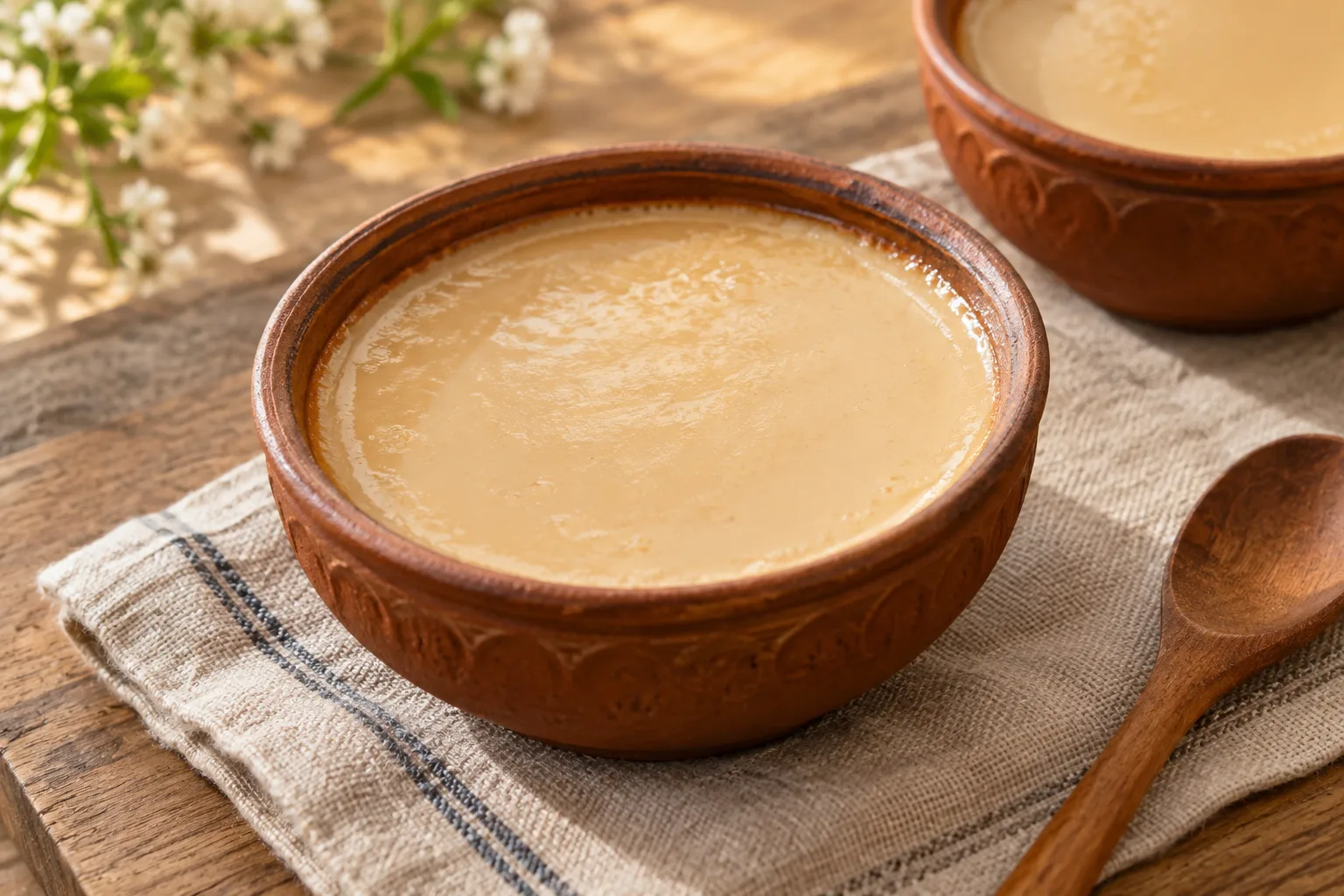
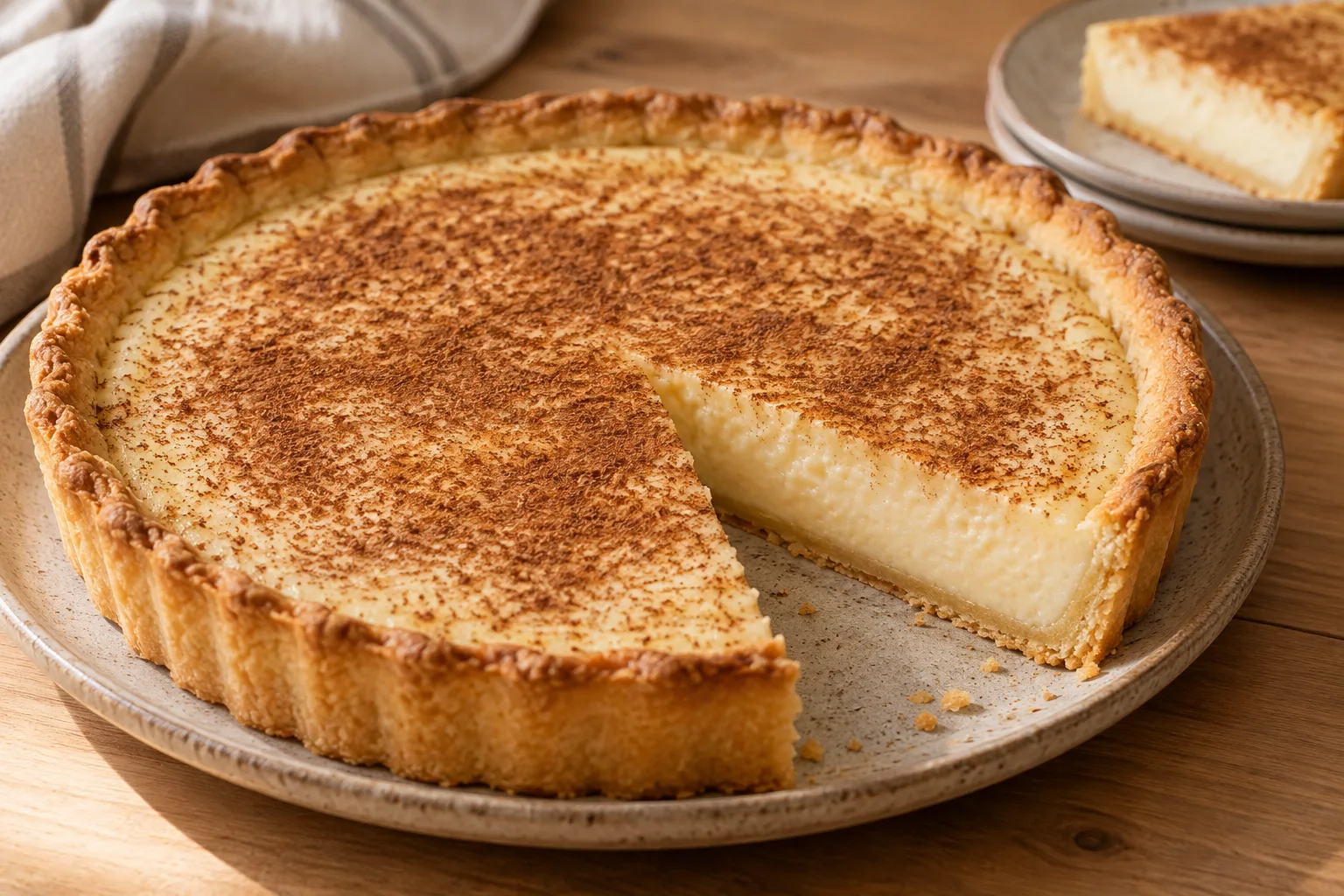
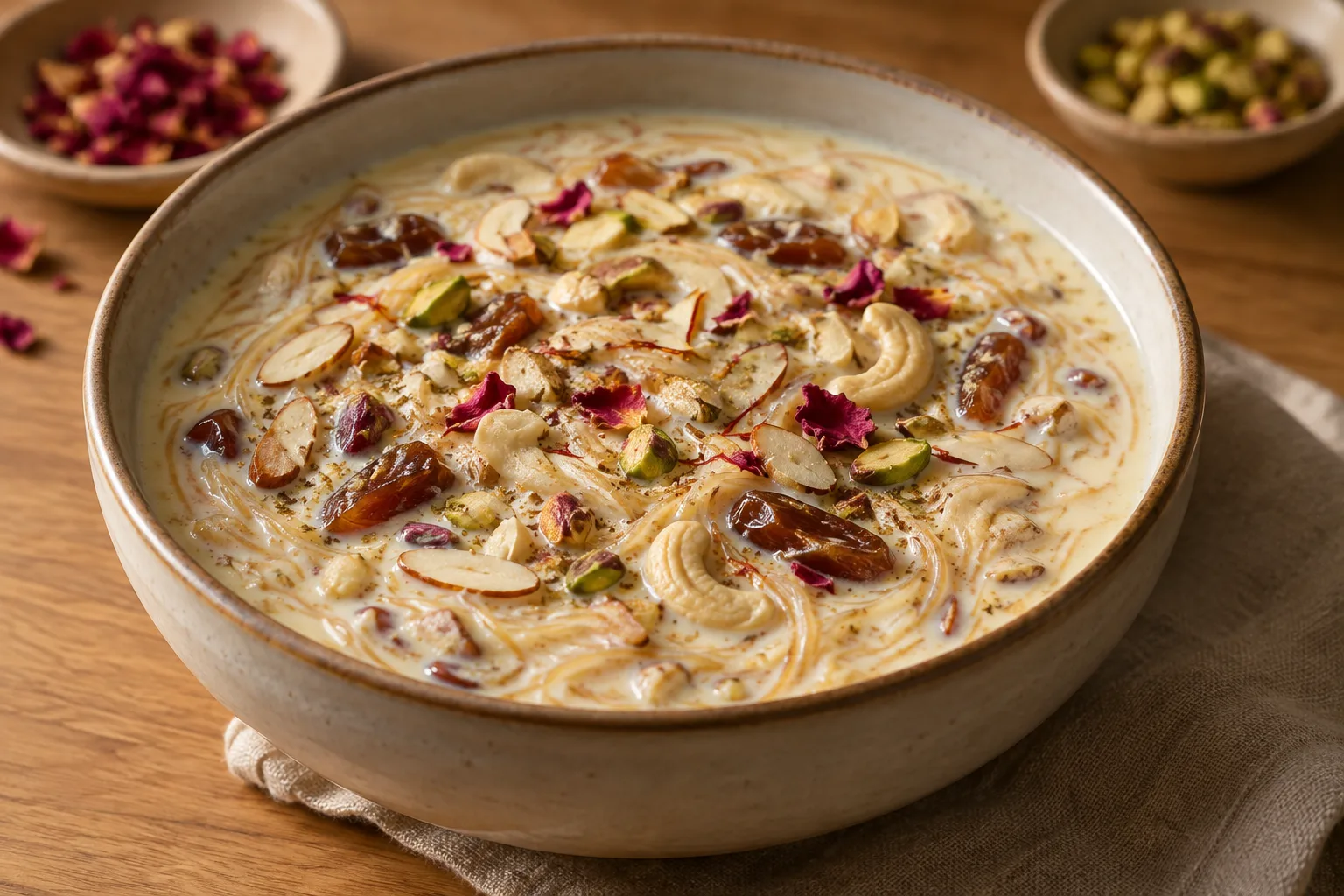
Choose whole milk when a recipe calls for milk and you want the fuller, creamier character associated with this variety. It is useful in sauces such as béchamel, batters, creams and desserts such as rice pudding, custard or flan. It can also be served in drinks or with cereal. If a recipe relies on a particularly creamy result, switching to a lower-fat milk may change the outcome; choose a substitute with the recipe’s purpose in mind, not just the ingredient name.
How to use it
Measure the amount called for and add it at the stage specified in the recipe. It can be mixed into batter, combined with other ingredients for a sauce, or stirred into a cream or dessert. In béchamel, milk is combined with flour and butter; in rice pudding, it is cooked with rice and the other ingredients in the recipe. You can also add it to vegetable soups or purées for a softer texture. In savory cooking, remember that milk and cream are different ingredients: if you use milk in a recipe written for cream, the result may need another ingredient to provide richness. Follow a reliable recipe when making that adjustment.
Flavour and texture
Whole milk has a mild dairy flavor and a creamy mouthfeel, with a fuller character than lower-fat varieties. Its pourable texture makes it easy to mix into drinks, batters, sauces and desserts. The precise flavor and texture can vary with the product and its processing, so use the package description rather than assuming every product is identical.
How to choose it
Check that the package identifies the product as whole milk, and review the manufacturer’s information and ingredient list where applicable. Milk products can differ in composition, processing and format; do not confuse liquid whole milk with condensed milk, milk powder or plant-based drinks. If your recipe needs a particular feature, such as lactose-free milk, look for that specific statement on the label.
Storage
Follow the storage directions printed on the package, since they can vary by product and presentation. Also observe the stated date and any instructions for use after opening. Check the label rather than assuming that all kinds of milk have identical storage requirements.
Substitutions
Semi-skimmed or skimmed milk can replace whole milk if you accept a less rich result. A plant-based drink may also work if its flavor and characteristics suit the recipe. Neither option is identical to whole milk, and each may change the body, flavor or texture. If replacing cream with milk in a dish, the result may need more richness; adjust the recipe thoughtfully.
Common mistakes
Do not treat whole milk, cream, condensed milk and plant-based drinks as interchangeable: they are different products and may produce different results. Do not assume that every milk product has the same processing or storage directions. If you switch to a lower-fat variety or a plant-based drink, consider how that change may affect the recipe’s flavor and texture.
Safety and allergens
Check the package for product identity, allergen information and storage and use directions. If you have an allergy or intolerance, verify the package information before consuming the product.
Culinary uses
- Aporta líquido y cremosidad a preparaciones dulces y saladas
- Sirve de base para salsas, cremas, masas y postres
Recommended techniques
- Incorporar a salsas y bechamel
- Añadir a masas, cremas y postres
- Mezclar en sopas o purés para darles una textura más suave
Pairs well with
- Café, té y cereales
- Arroz y canela en preparaciones dulces
- Harina y mantequilla en bechamel
Frequently asked questions
What does “whole” mean in whole milk?
It identifies a milk variety distinguished from semi-skimmed and skimmed milk by its fat content. Check the package for the product’s stated description.
What can I cook with whole milk?
It can be used in drinks, batters, sauces, creams and desserts. It can also be added to soups or purées to make their texture softer.
Can I use semi-skimmed milk instead?
Yes, but the result may be less rich or creamy. The effect depends on the recipe and the texture you want.
How should I store whole milk?
Follow the storage and use directions on the package, including any instructions for after opening.
Estimated nutrition
- Fat
- 6.67 g
- Saturates
- 4.17 g
- Carbohydrate
- 10.8 g
- Sugars
- 10 g
- Fibre
- 0 g
- Protein
- 6.67 g
- Salt
- 0.27 g
Sources and review
Automatically researched, cross-checked and validated content. Sources consulted:
- En el etiquetado alimentario hay algunas menciones que son obligatorias eletiquetadocuentamucho.aesan.gob.es
- La leche: Un ingrediente con gran versatilidad en la cocina • Leche Pascual lechepascual.es
- La leche y usos en la cocina | El Diario Vasco diariovasco.com
- educational content to support healthful lifestyle practices sjsu.edu
- Nutrition After Your Transplant - Health Online healthonline.washington.edu
- revista del - Comité Científico aesan.gob.es
- Food & Fun Afterschool hsph.harvard.edu
- Nutritional-quality-of-foods-and-beverages-on-child-care- ... sites.globalhealth.duke.edu
- Arroz con Leche 2010 (Rice Pudding) - lacocina.utsa.edu
- Boletín Nº 64 | Instituto de Matemática Interdisciplinar (IMI) doi.org
- Introducción a la producción de leche fluida y leche saborizada extension.psu.edu
- Is raw milk a safe choice for my family? | ¿Es la leche cruda una opción segura para mi familia? | University of Nevada, Reno unr.edu
- FSHN20-54s/FS430: Leches a base de plantas: soya ask.ifas.ufl.edu
- Tipos de leche: características y recetas | Recetas Nestlé recetasnestle.com.ec
- Descubre cuál es tu leche de vaca ideal, conociendo todas las diferencias entre tipos y clases de leches – L'esquella lacticslesquella.com