- Category
- Nuts and seeds
- State
- Dry
- Usual unit
- tablespoon
What it is
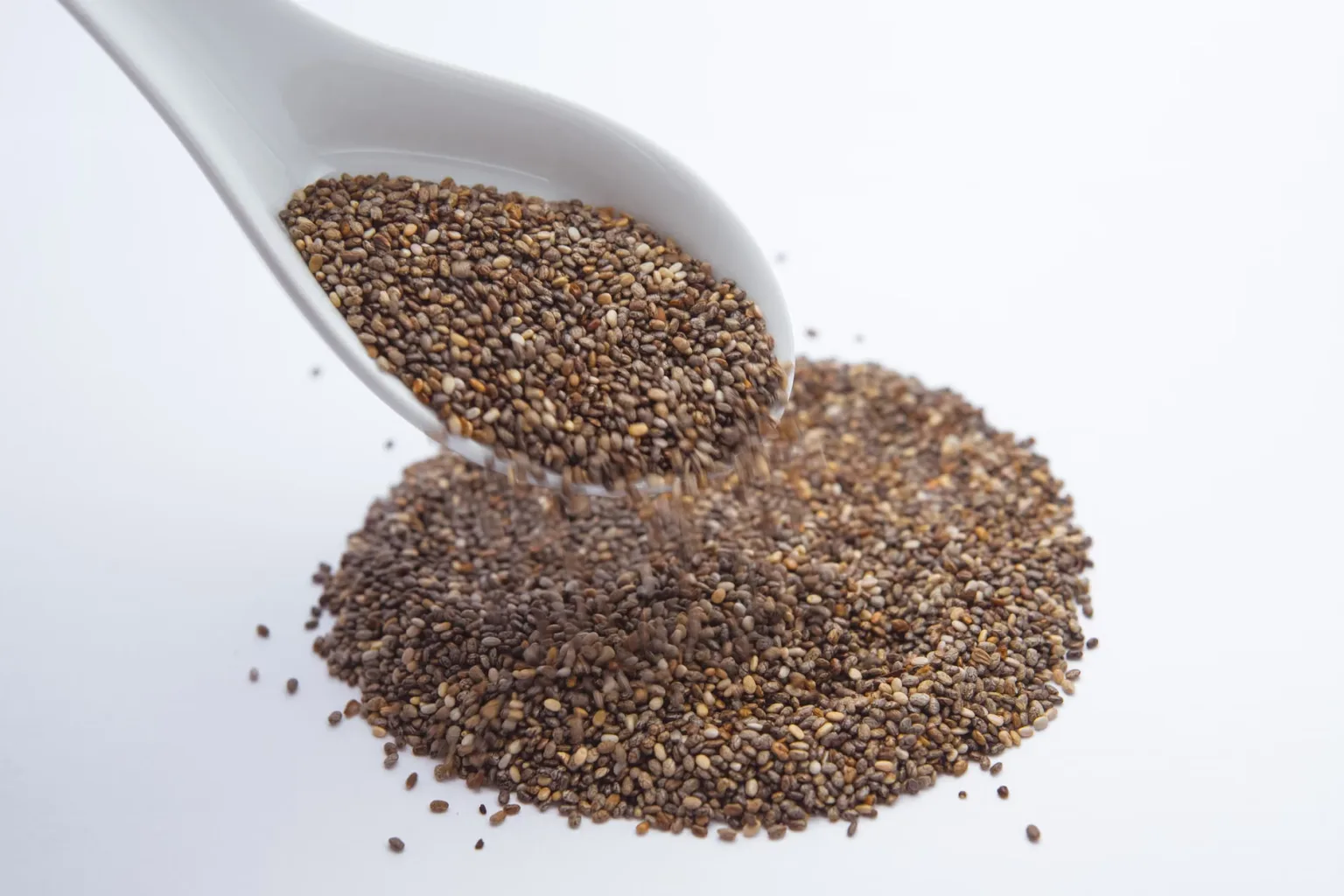
Chia seeds are the edible seeds of Salvia hispanica. They are generally sold dry, either whole or ground. The small, oval seeds can range from gray and brown to black and white, sometimes with irregular markings. Their mild flavor lets them fit into recipes without overpowering other ingredients. When they meet water or another liquid, they absorb some of it and develop a gelatinous outer coating, or mucilage. This property makes them useful for thickening certain preparations and creating puddings. Chia seeds are not a cereal, and they should not be confused with the plant’s leaves or sprouts.
When to use it
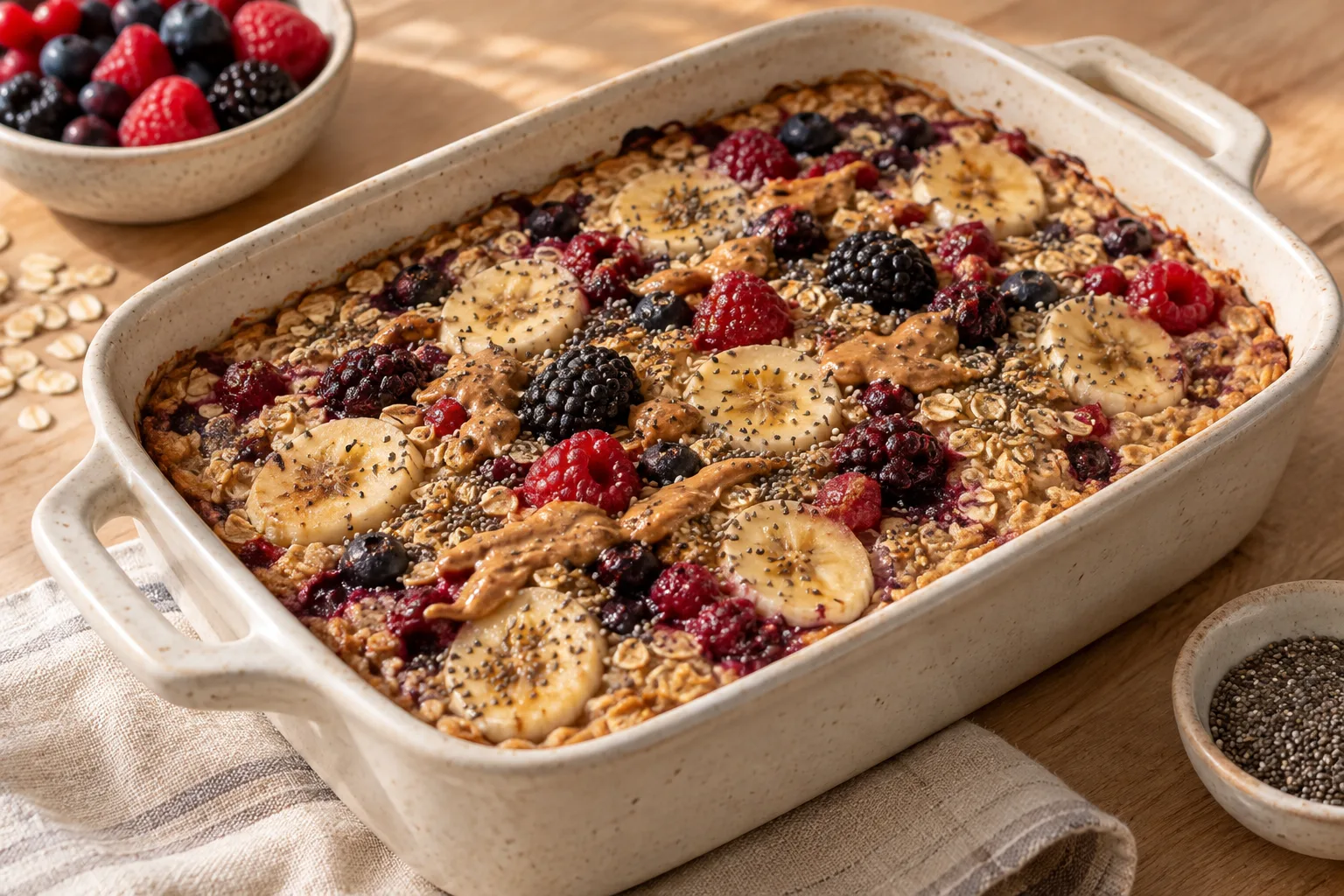
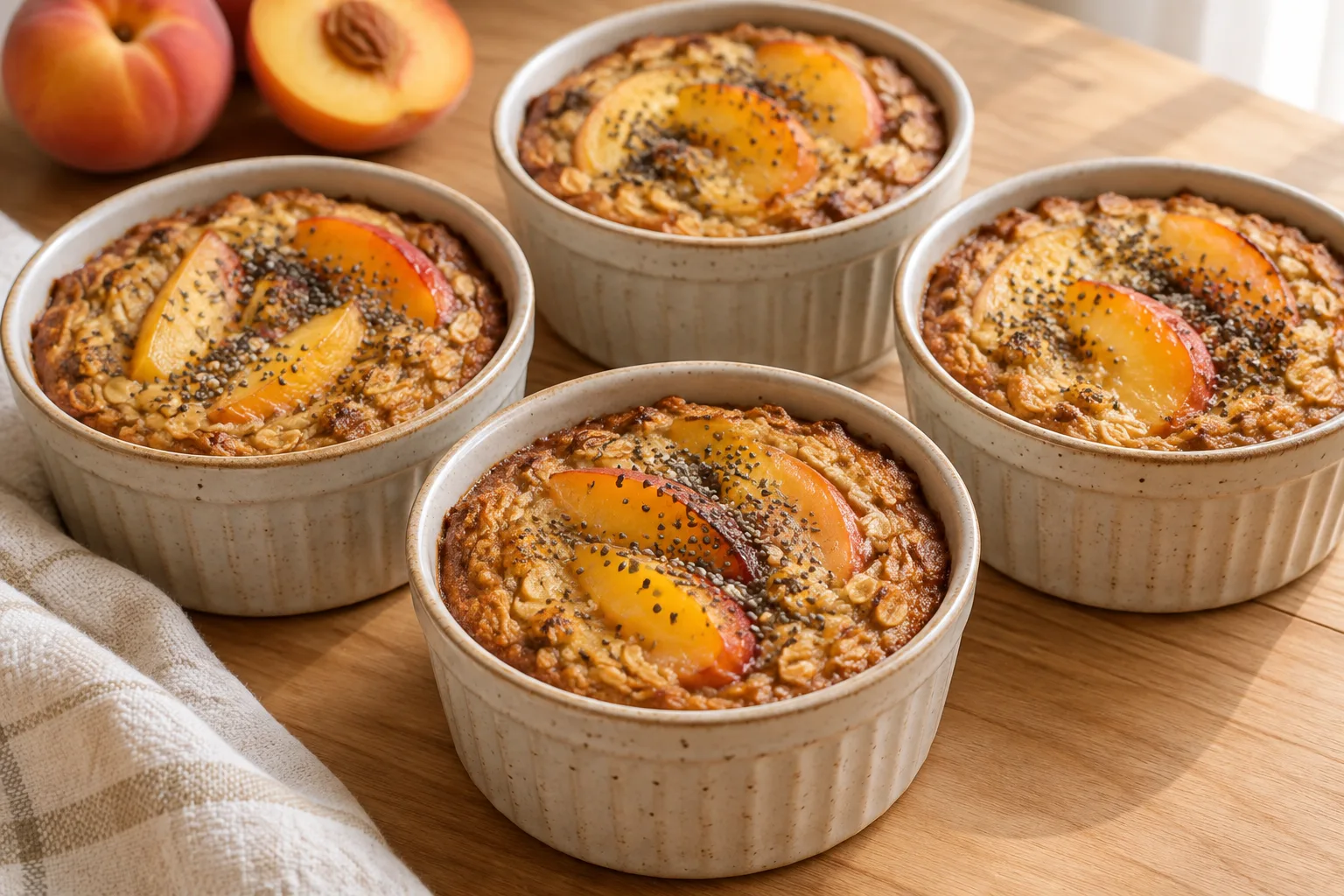
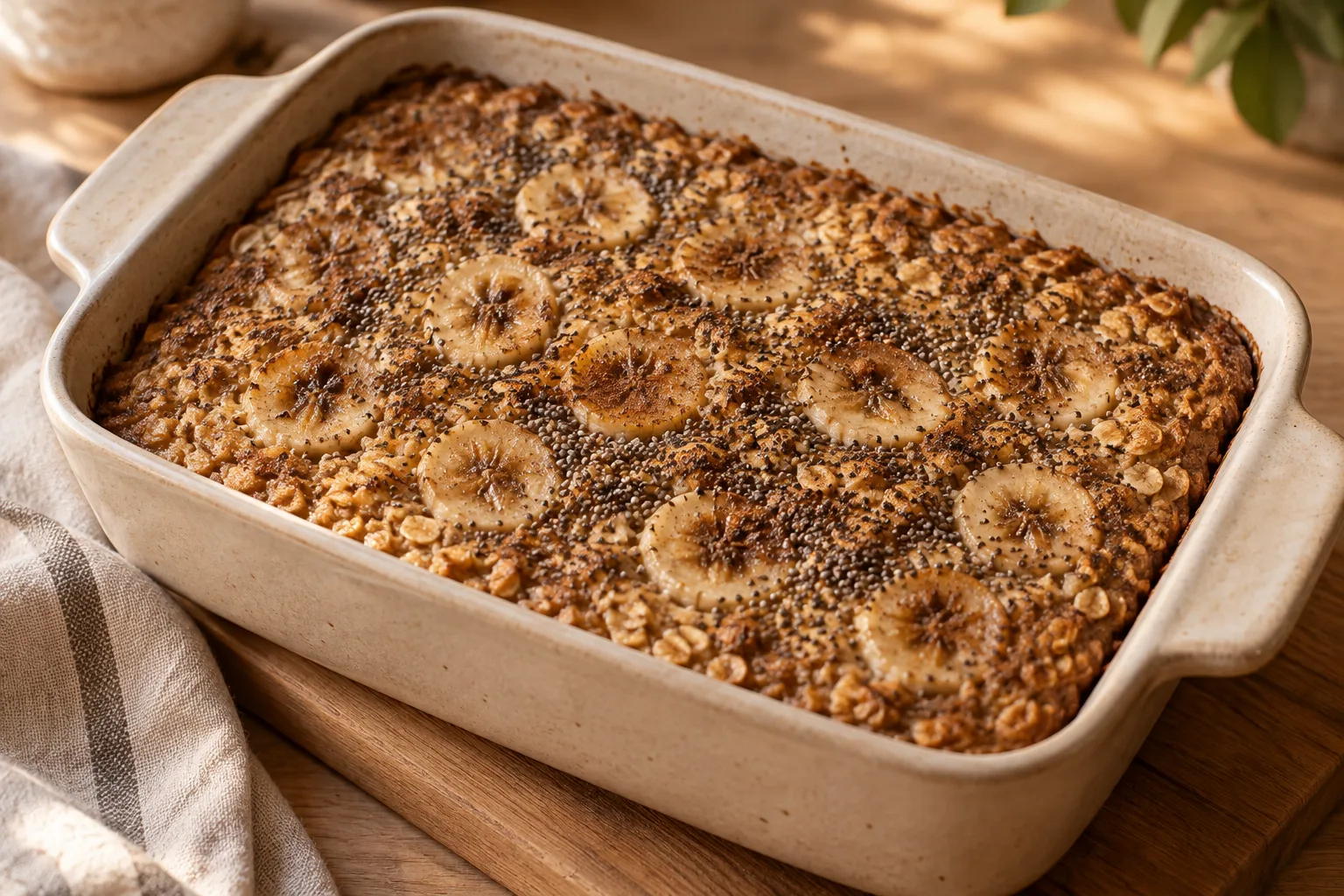
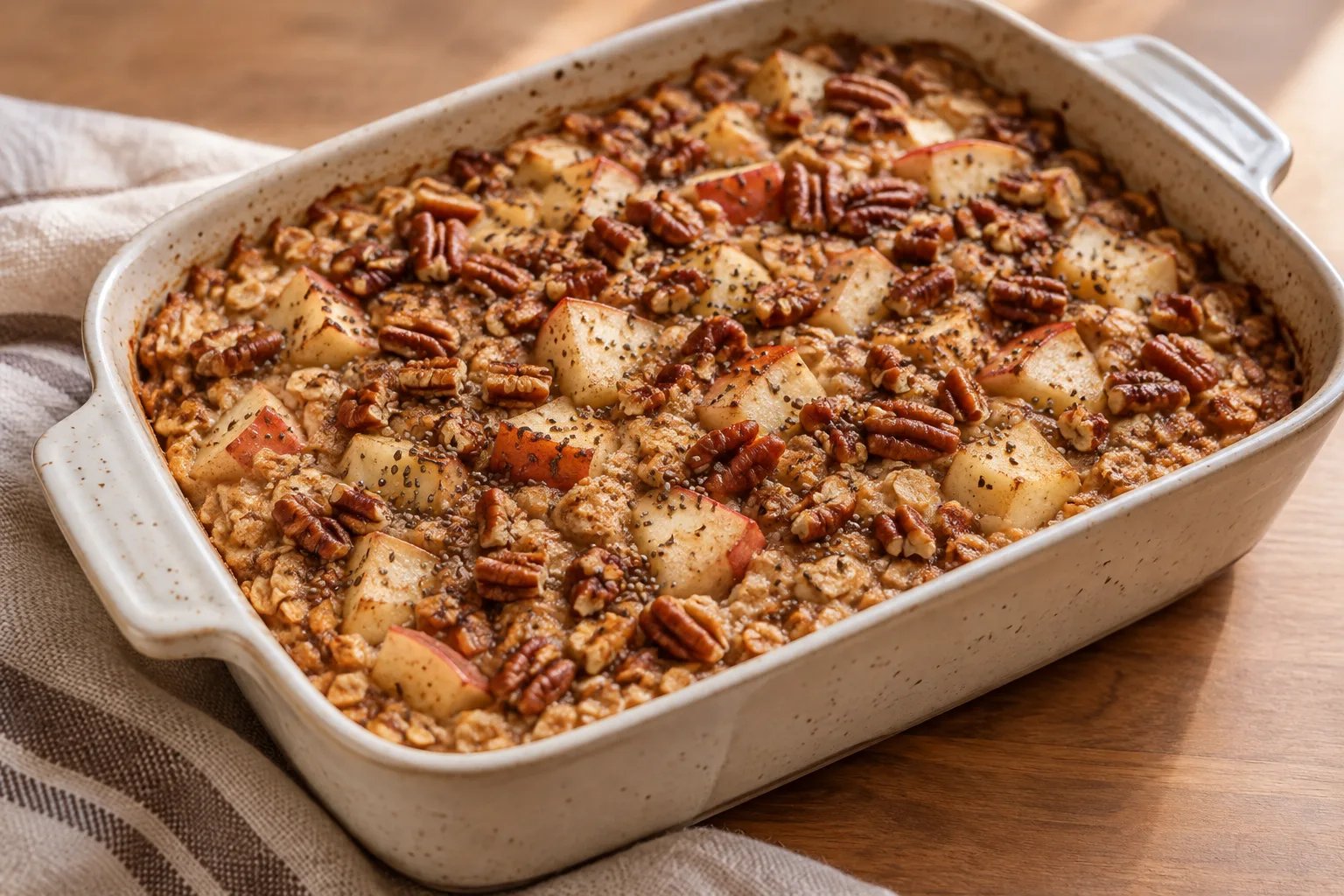
Use chia when you want a crisp addition to a cold dish or a seed-based gel to thicken a preparation. Dry, whole seeds can be sprinkled over yogurt, fruit, cereal or salads. For a thicker consistency, mix them with liquid and allow them to hydrate before using them. They can also be added to bread, cakes and other batters, or ground for certain preparations. Keep in mind that the resulting gel is viscous and does not have exactly the same texture as egg, flour or starch. Choose the form and method according to the texture your recipe needs.
How to use it
To make a pudding or thicken a drink, stir the seeds into your chosen liquid and mix to distribute them. Leave them until a gel forms; the time and thickness vary with the seed-to-liquid ratio, the liquid and the resting period, so follow your recipe and adjust gradually. Add fruit, cinnamon, vanilla or cocoa for flavor. For a crisp note, sprinkle whole seeds over salads, yogurt, fruit or cereal shortly before serving. You can also mix whole or ground seeds into bread and baked goods. In some batters, chia gel can work as a functional egg substitute, but it does not set or behave like egg in every recipe. Try it first in preparations that can accommodate a moister, denser texture.
Flavour and texture
Chia seeds have a mild, unobtrusive flavor, so they take on the character of the ingredients served with them. Dry seeds are small and crunchy; when hydrated, they soften and develop a gelatinous outer layer. The resulting mixture can be thick and viscous rather than creamy like a conventional sauce. Ground seeds incorporate differently into batters and mixtures. The final texture depends on the seed-to-liquid ratio and the hydration time.
How to choose it
Choose a clearly labeled package of chia seeds that is sealed and intact. Check that the package is not torn or damp, and read the ingredient and allergen information, especially if you have a food allergy. Seeds may vary in color from light to dark shades; color variation alone does not mean they are different products. If you want control over the texture, buy whole seeds and grind them when a recipe calls for it.
Storage
Keep dry seeds in their closed package or in an airtight container in a dry pantry, protected from moisture. Avoid getting the product wet while handling it, and follow any specific directions on the package. The available evidence does not establish a universal storage life, so check the date and the manufacturer’s instructions. For prepared, hydrated dishes, follow the recipe and the storage directions relevant to their other ingredients.
Substitutions
Chia gel can function as an egg substitute in some batters, but it does not behave like egg in every recipe and is not a universal replacement. For thickening, it can stand in for another thickener only when a gelatinous texture suits the dish. Ground chia can replace whole chia when the recipe allows a less visible incorporation; changing the form may change the finished texture.
Common mistakes
Do not expect dry seeds to thicken a mixture immediately: they need contact with liquid and time to develop their gel. Stir as you add them to distribute the seeds and reduce clumps. Do not assume chia gel will replace egg with the same result in every recipe, or that it provides the same body as flour or starch. Avoid storing the seeds somewhere damp.
Safety and allergens
Check the label for ingredients and allergens, especially if you have a soy allergy: an official alert reported soy in a specific chia-seed product, which does not mean that all chia seeds contain soy. Keep the product dry and follow the package directions. The available information provides no further specific official preparation warning for chia.
Culinary uses
- Semilla para aportar un toque crujiente
- Espesante y gelificante al hidratarse
- Ingrediente para preparaciones dulces y saladas
Recommended techniques
- Hidratar en líquido hasta formar un gel
- Espolvorear entera sobre platos
- Moler e incorporar a masas y productos horneados
Pairs well with
- Yogur y fruta
- Bebidas vegetales y fruta
- Ensaladas y panes
Frequently asked questions
Do chia seeds need to be ground?
Not necessarily. They can be used whole for sprinkling or hydration; grinding is an option when a recipe calls for that form.
What happens when chia seeds are mixed with liquid?
They absorb liquid and form a gelatinous coating. This texture can be used for puddings and to thicken some preparations.
Can chia replace egg in every recipe?
No. Chia gel can work as a substitute in some batters, but it does not reproduce every property of egg or give the same result in every preparation.
Estimated nutrition
- Fat
- 32.1 g
- Saturates
- 3.57 g
- Carbohydrate
- 42.9 g
- Sugars
- 0 g
- Fibre
- 39.3 g
- Protein
- 14.3 g
- Salt
- 0.04 g
Sources and review
Automatically researched, cross-checked and validated content. Sources consulted:
- En el etiquetado alimentario hay algunas menciones que son obligatorias eletiquetadocuentamucho.aesan.gob.es
- Presencia de soja en semillas de chía procedentes de ... aesan.gob.es
- Semillas de chía - Wikipedia, la enciclopedia libre es.wikipedia.org
- Semillas de chía para tus recetas | Naturarla | Arla naturarla.es
- Semillas de chía: beneficios, propiedades y consejos de uso nutrimea.com
- Semilla de chía: Propiedades, usos y recetas | Excelencias Gourmet excelenciasgourmet.com
- Semillas de Chía | www.cocinista.es cocinista.es
- Descubriendo la semilla de chía. Origen y propiedades directoalpaladar.com
- Semillas de chía - Infoalimenta infoalimenta.com
- Descubre todas las propiedades de las semillas de chía | Recetas Nestlé recetasnestlecam.com
- Semillas de chía cono-group.com
- Empleo de semillas como ingrediente saciante: chía y sésamo | Anales de Veterinaria de Murcia doi.org
- 10 recetas con SEMILLAS DE CHÍA (fáciles y muy saludables) - PequeRecetas pequerecetas.com
- ¿Qué hago con semillas de chía? | CocinaSinReceta.com cocinasinreceta.com
- Las 5 formas de preparar y comer las semillas de chía para aprovechar todos sus beneficios cronista.com