- Category
- Meat
- State
- Fresh
- Usual unit
- g
What it is
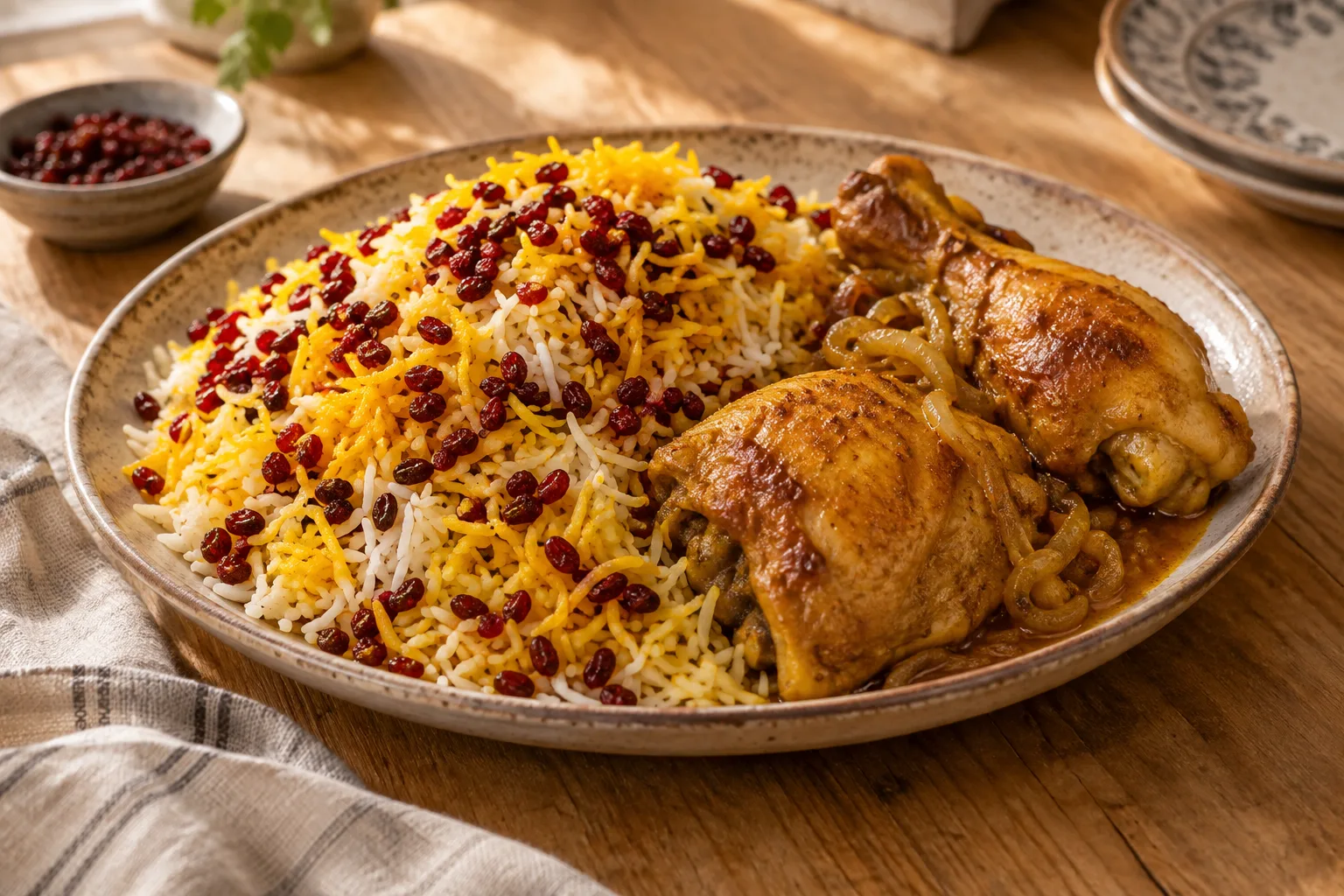
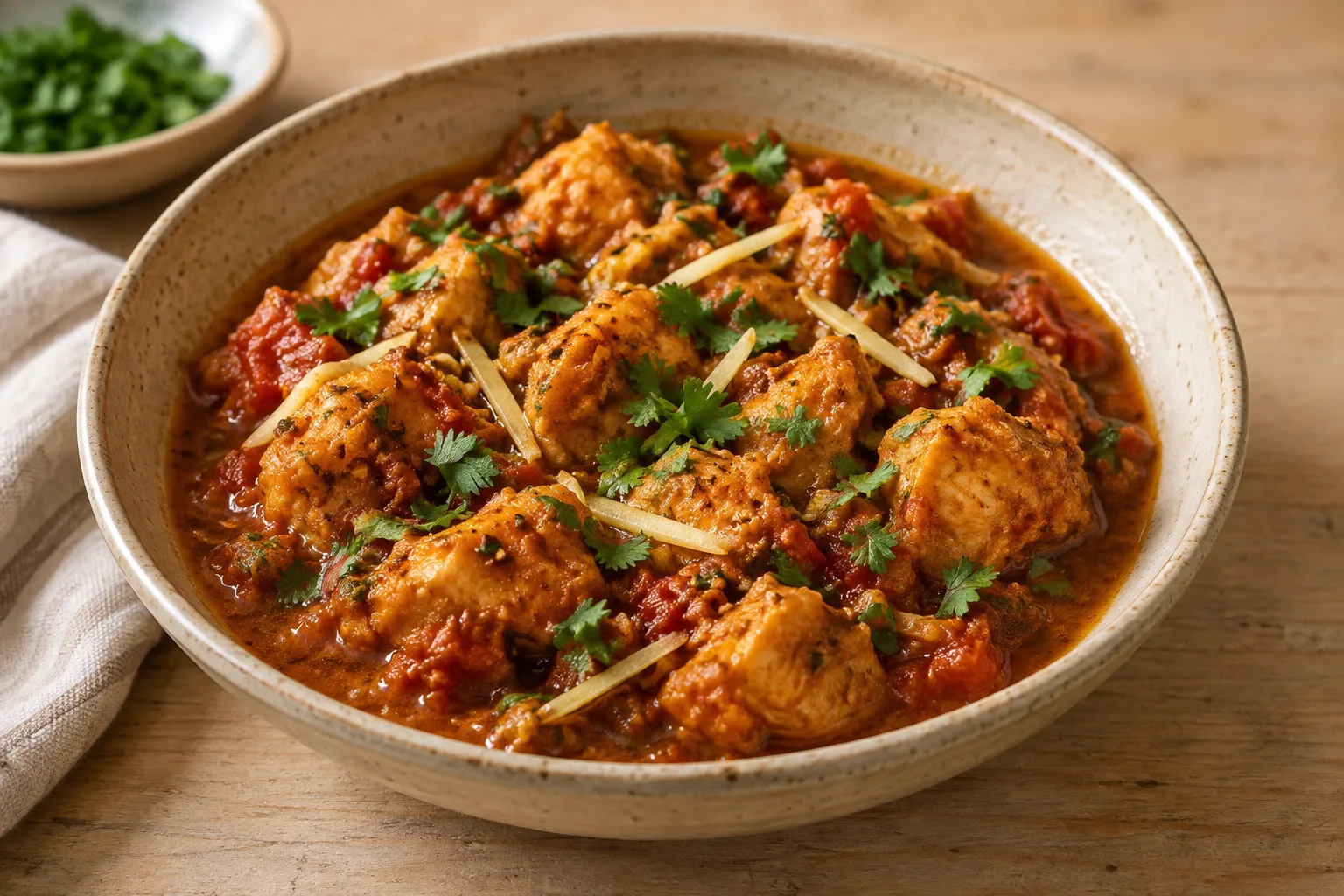
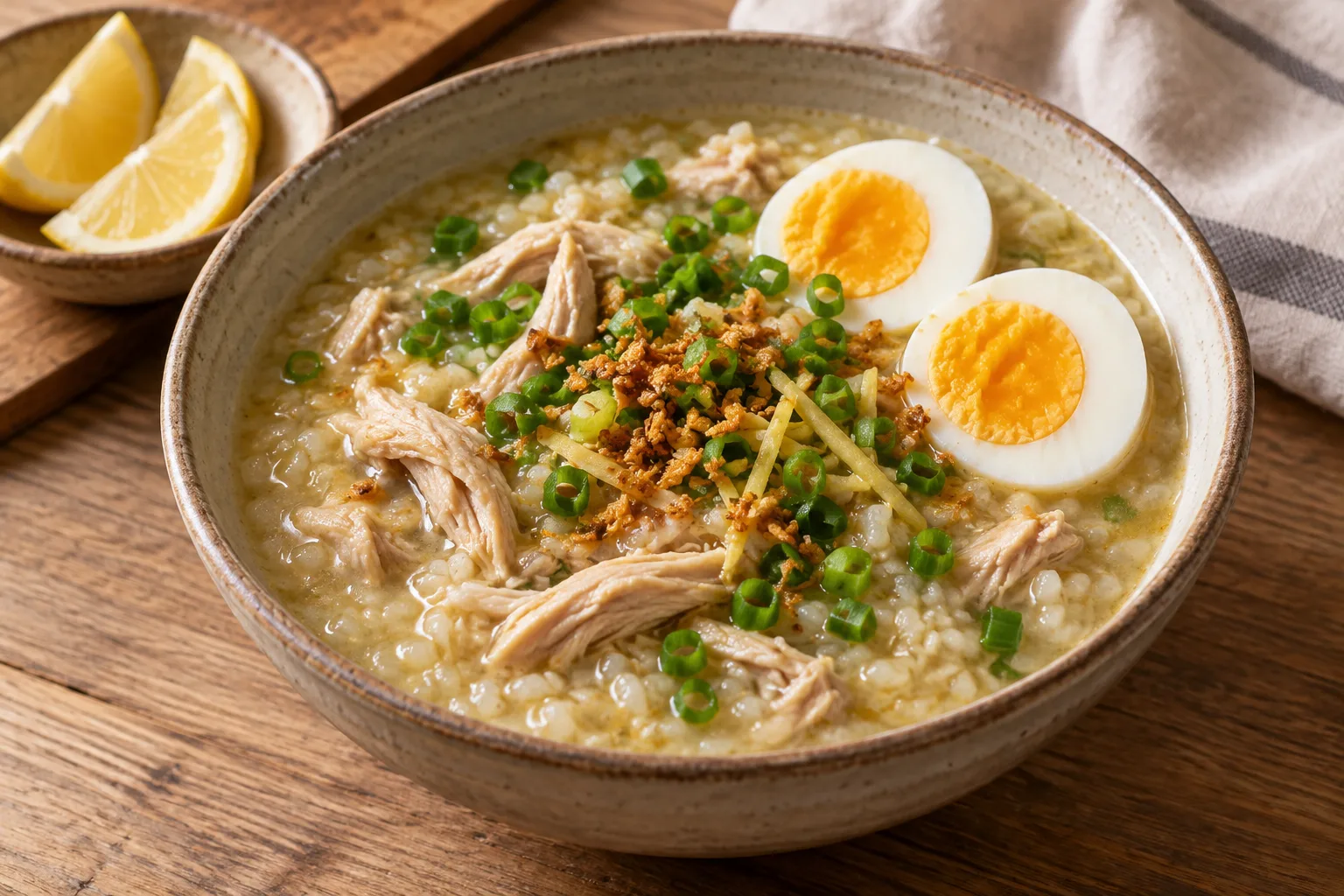
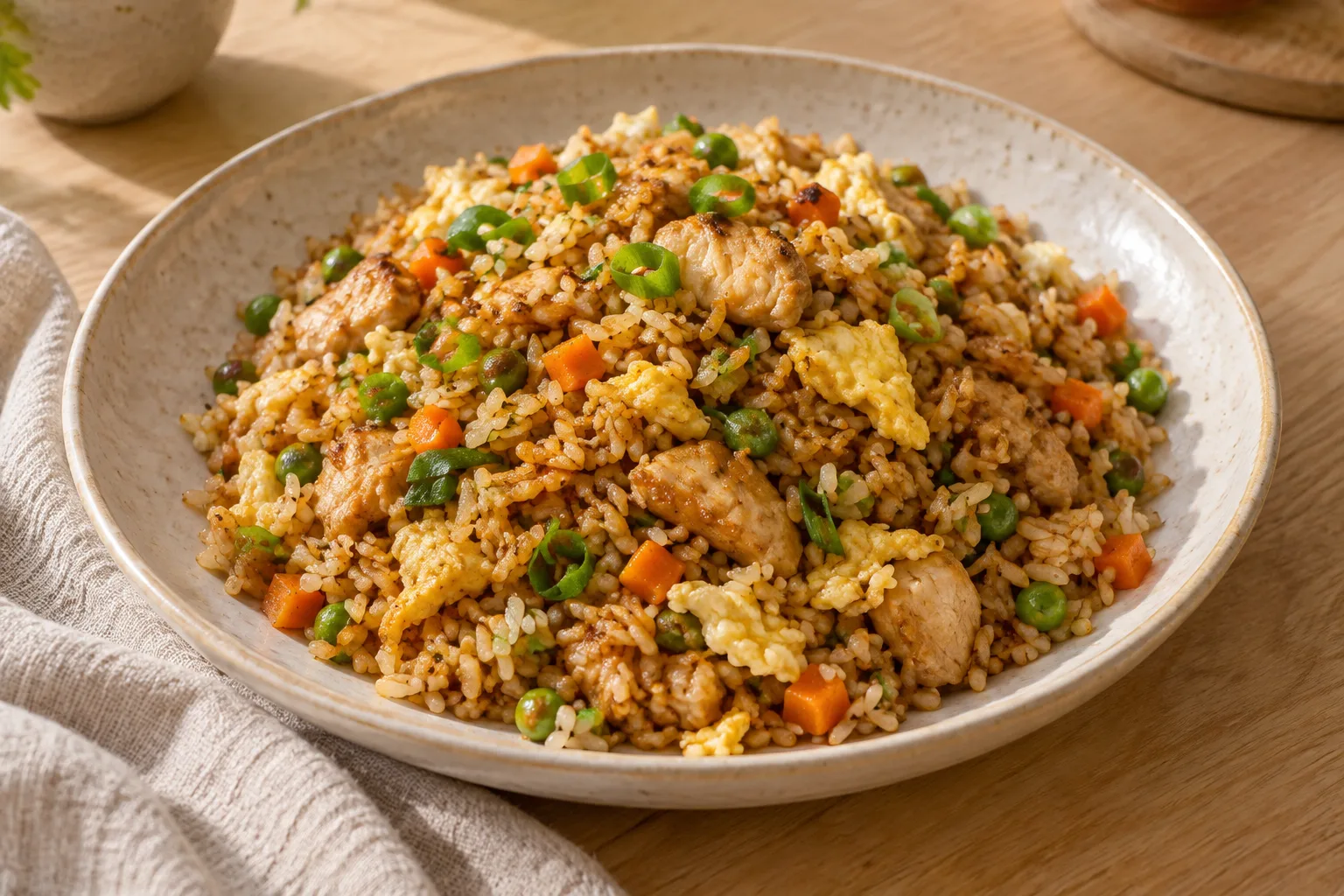
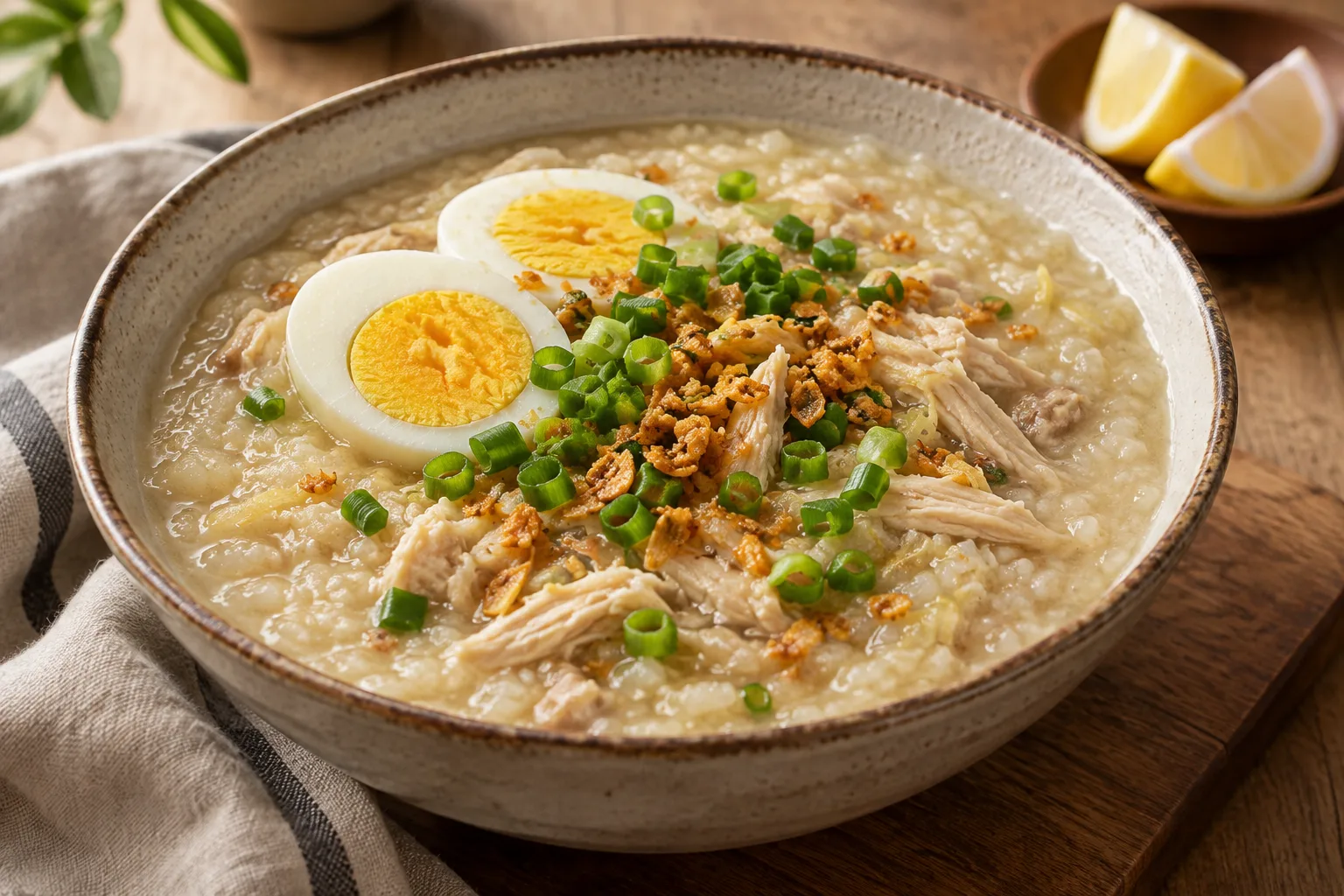
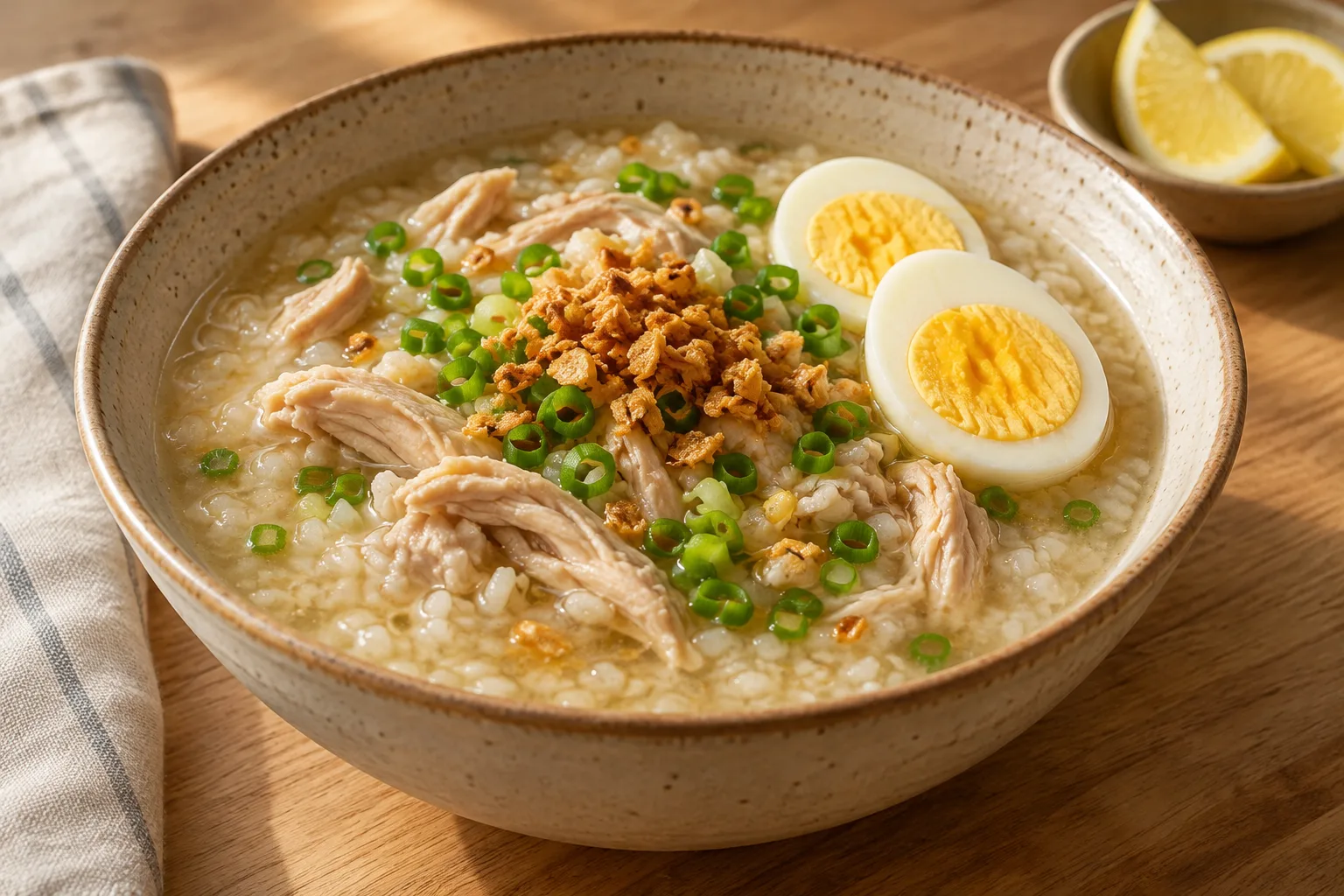
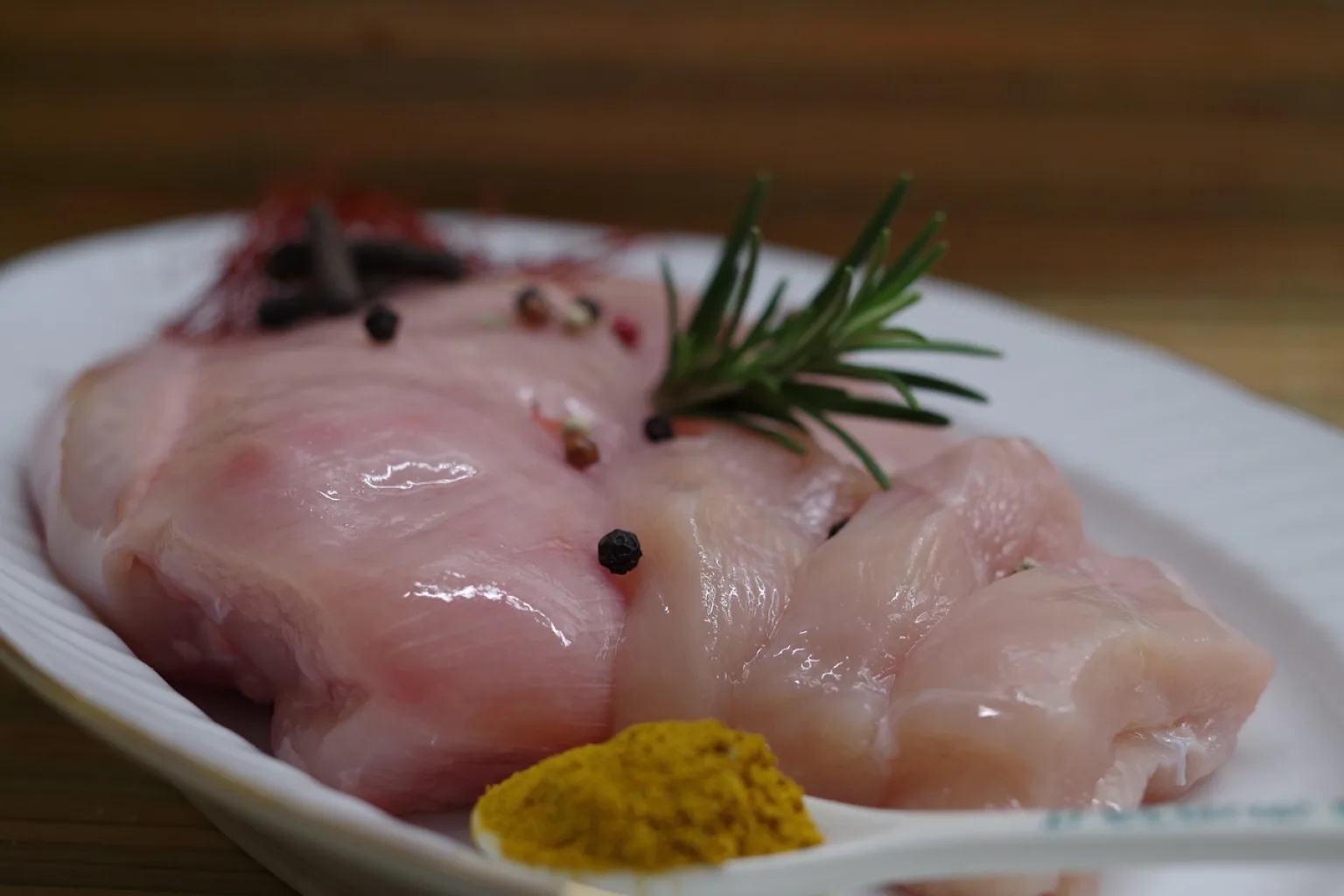
Chicken is the meat of the bird and may be sold whole, in portions or as cuts such as breast, wings and thighs. Other parts, including bones and giblets, are also used in some culinary preparations. The meat’s mild flavor makes it easy to pair with a range of aromatics and seasonings. The cut affects texture and the cooking approach that makes sense; different pieces do not behave identically during cooking. This profile refers to fresh chicken. The exact presentation and instructions for storage or use can vary from one product and label to another.
When to use it
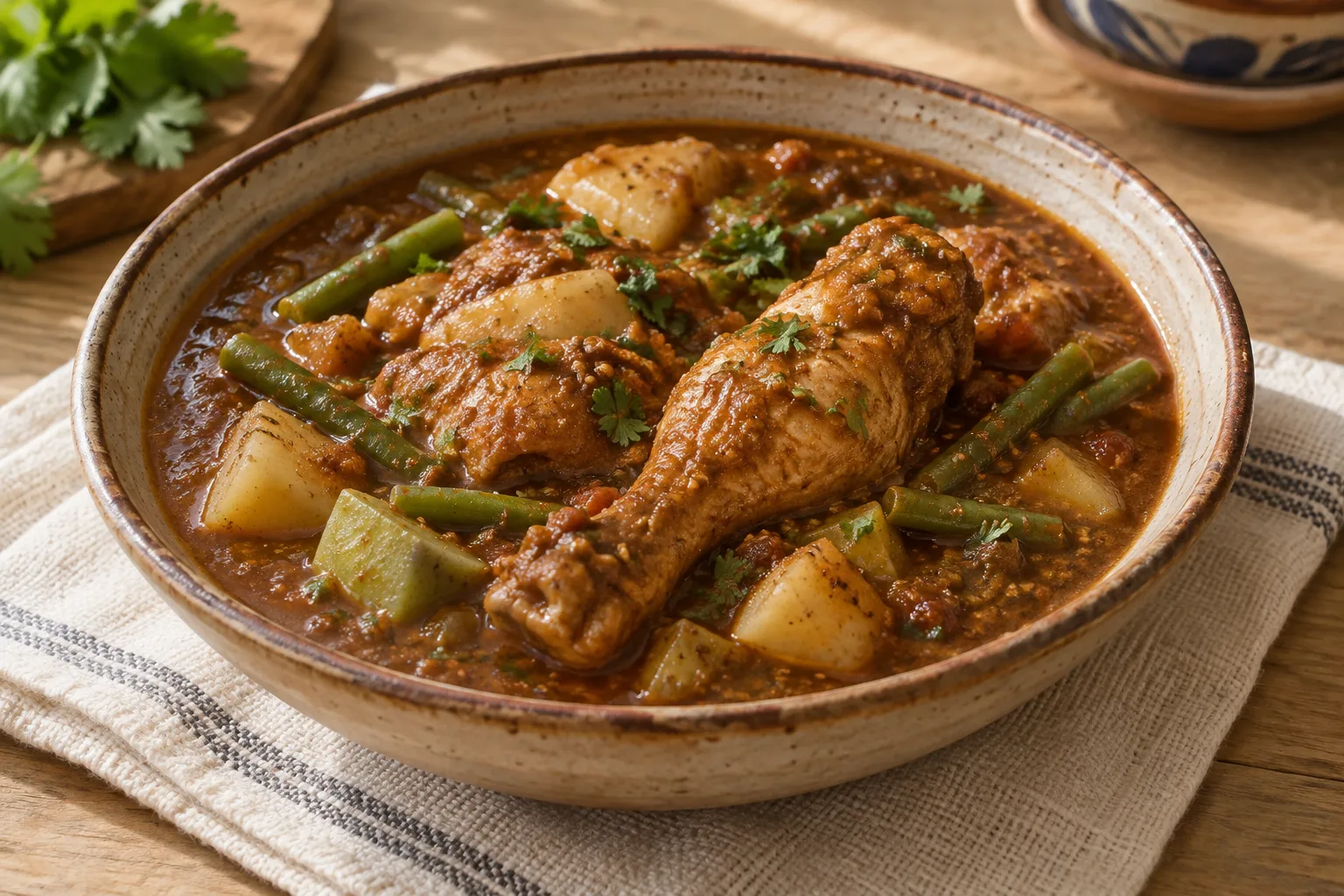
Use chicken as the main ingredient when you want a meat that takes well to different flavors and cooking approaches. Choose a cut for the dish: wings can be served as a portion or accompaniment, thighs work in stews and braises, and bones or giblets can be used in soups and stocks. Portions or a whole bird can be roasted or grilled. If you want to change the flavor without changing the meat, a marinade with ingredients such as lemon, garlic, oil or spices offers a flexible option.
How to use it
Start by identifying the cut and the result you want, since breast, wings and thighs have different uses. Roast or bake portions or a whole bird, cook pieces on a griddle or in a pan, or braise chicken with liquid and other ingredients. Chicken can also be used in soups and stocks, including preparations made with bones or giblets. To add flavor, combine it with aromatics or seasonings such as lemon, olive oil, garlic, curry, mustard or soy sauce before cooking. Follow the product label’s storage and use directions, which can depend on how the chicken is presented.
Flavour and texture
Chicken is generally described as mild in flavor, so it works well with aromatics and seasonings. The result varies by cut and preparation: wings are described as juicier than breast, while thighs suit longer cooking. Marinades can shift the character of a dish, from citrus or spice notes to combinations featuring mustard or honey.
How to choose it
Choose a cut with the recipe in mind: breast, wings, thighs, bone-in portions and a whole bird offer different options. Check the product name and any use directions on the package, as well as applicable storage information and dates. In Spain, origin or provenance information is required for certain packaged poultry meats; the specific requirements depend on the product presentation and applicable rules.
Storage
Follow the storage and use directions on the product label. Instructions can differ according to the product, packaging and sales format, so one rule does not cover every chicken product. Respect any special conditions stated on the label and check the date before use. If the information is unclear, ask the seller or consult an official food-safety source.
Substitutions
Turkey can play a similar role in poultry-based preparations, although the cut and recipe may call for a different technique. You can also replace one chicken cut with another if the dish allows it: texture and results may change, so adapt the preparation rather than assuming every piece cooks alike.
Common mistakes
Treating every cut as if it had the same texture or responded identically to each cooking method can lead to an unexpected result. Choose a preparation that suits the piece, and do not assume a marinade preserves the food; its culinary role here is to add flavor. Do not overlook the package’s storage and use instructions.
Safety and allergens
Use chicken according to the storage and preparation directions on its label. If you are unsure how to store or use a particular presentation, consult an official food-safety source or ask the seller.
Culinary uses
- Main ingredient in roasted, grilled, pan-cooked and braised dishes
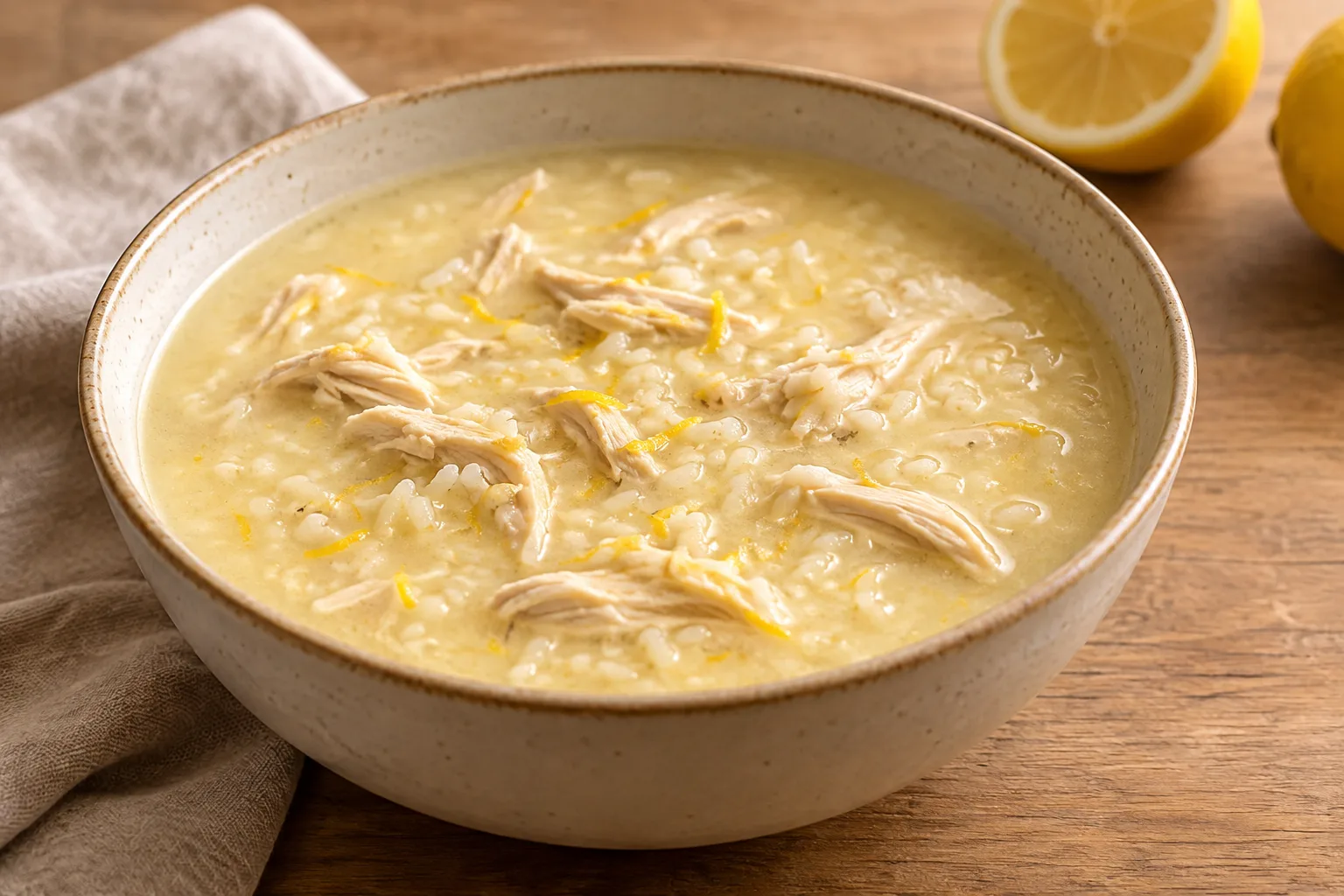
- Ingredient for soups, stocks and broths
Recommended techniques
- Roasting or baking
- Grilling or pan-frying
- Braising or stewing
- Marinating before cooking
Pairs well with
- Lemon, garlic and olive oil
- Mustard, honey and herbs
- Curry spices or soy sauce
Frequently asked questions
Which chicken cuts are commonly available?
Common cuts include breast, wings and thighs, and chicken may also be sold whole. Bones and giblets are used in some preparations.
Which cooking techniques work for chicken?
Chicken can be roasted, baked, grilled or pan-cooked, braised, and added to soups or stocks. The cut helps determine the best approach.
How can I vary the flavor of chicken?
Try marinades or seasonings with lemon, garlic, oil, curry, mustard, honey or soy sauce. Choose combinations that suit the dish.
Estimated nutrition
- Fat
- 15.6 g
- Saturates
- 4.69 g
- Carbohydrate
- 9.38 g
- Sugars
- 3.12 g
- Fibre
- 0 g
- Protein
- 15.6 g
- Salt
- 2.9 g
Sources and review
Automatically researched, cross-checked and validated content. Sources consulted:
- En el etiquetado alimentario hay algunas menciones que son obligatorias eletiquetadocuentamucho.aesan.gob.es
- Client Challenge doi.org
- 5 marinados de pollo para asar y sacar todo el jugo a la pechuga. aldelis.com
- 8 usos del pollo en la cocina que no conocías cashfresh.es
- Carne de pollo - Wikipedia, la enciclopedia libre es.wikipedia.org
- Agencia Española de Seguridad Alimentaria y Nutrición aesan.gob.es
- Todo lo que debes saber sobre la carne de pollo - Estudia Hostelería estudiahosteleria.com
- Distintas formas de hacer pollo ¡No al aburrimiento! bofrost.es
- El pollo en la gastronomía y su historia nutriguia.com
- De cómo el pollo llegó a ser una estrella mundial de la gastronomía - Diario de Gastronomía: Cocina, vino, gastronomía y recetas gourmet diariodegastronomia.com
- Pollo Asado con Sabor a Tradición: Técnicas, Cortes y Todo lo que Debes Saber - Mesón Galicia mesongaliciafuenlabrada.com
- Cómo cocinar las distintas partes del pollo | Recetas Nestlé recetasnestle.com.co
- venta a distancia aesan.gob.es