- Category
- Dairy and eggs
- State
- Fresh
- Usual unit
- ml
What it is
Cream is a dairy product made by separating the fatty portion of milk. It is sold in different varieties and may be liquid, whipped or fermented, so the word cream alone does not tell you exactly how a particular product will behave in a recipe. Fat content, processing and added ingredients can vary by product and market. In some places, cream is also known by a local name such as nata. Check the product description and label when you need a cream that will whip or when a recipe depends on a particular texture.
When to use it
Use cream when you want to add a smooth, creamy quality to sauces, soups or stews, or when a dessert, filling or topping recipe calls for it. For whipping, choose a product labelled as suitable for whipping; not every variety will work for that purpose. Cream can also be added to coffee or served with fruit. If you are unsure which type you have, check its label and stated use before substituting it for another cream.
How to use it
Choose the variety for the result you want: some creams can be stirred into sauces and soups for a smoother texture, while products intended for whipping can be beaten to make an airy preparation. Cream is also used in desserts, fillings and drinks such as coffee, or served with fruit. Follow the recipe when adding it, and season the dish to suit its role; unflavoured cream can be used in both sweet and savoury preparations. Remember that a substitute may change the final flavour or texture, especially when the recipe relies on cream’s ability to whip or add body.
Flavour and texture
Cream generally has a mild, dairy flavour. Depending on its variety and processing, it can be fluid, thick or airy once whipped. It adds a smooth, rich mouthfeel and can soften the texture of a sauce or dessert. Fermented varieties have a tangier profile than unfermented cream. Products differ in fat content and formulation, so check the label when a recipe requires a particular consistency.
How to choose it
Choose cream for its intended use rather than relying on the name alone. Look for a product labelled as suitable for whipping if you plan to beat it, and choose a cooking variety for sauces or soups. Product names and formulations vary by region, so check the description, ingredient list and directions. If you have a milk allergy or intolerance, review allergen information; when cream is sold unpackaged, ask the retailer for the relevant information.
Storage
Follow the storage and use instructions on the product label, particularly after opening. Cream is perishable, and the appropriate storage conditions depend on the product and its processing. Avoid applying a generic storage period that may not match your cream. For homemade preparations, one culinary source recommends refrigeration in a closed container; for other mixtures, follow suitable storage directions for their ingredients and handle them cautiously.
Substitutions
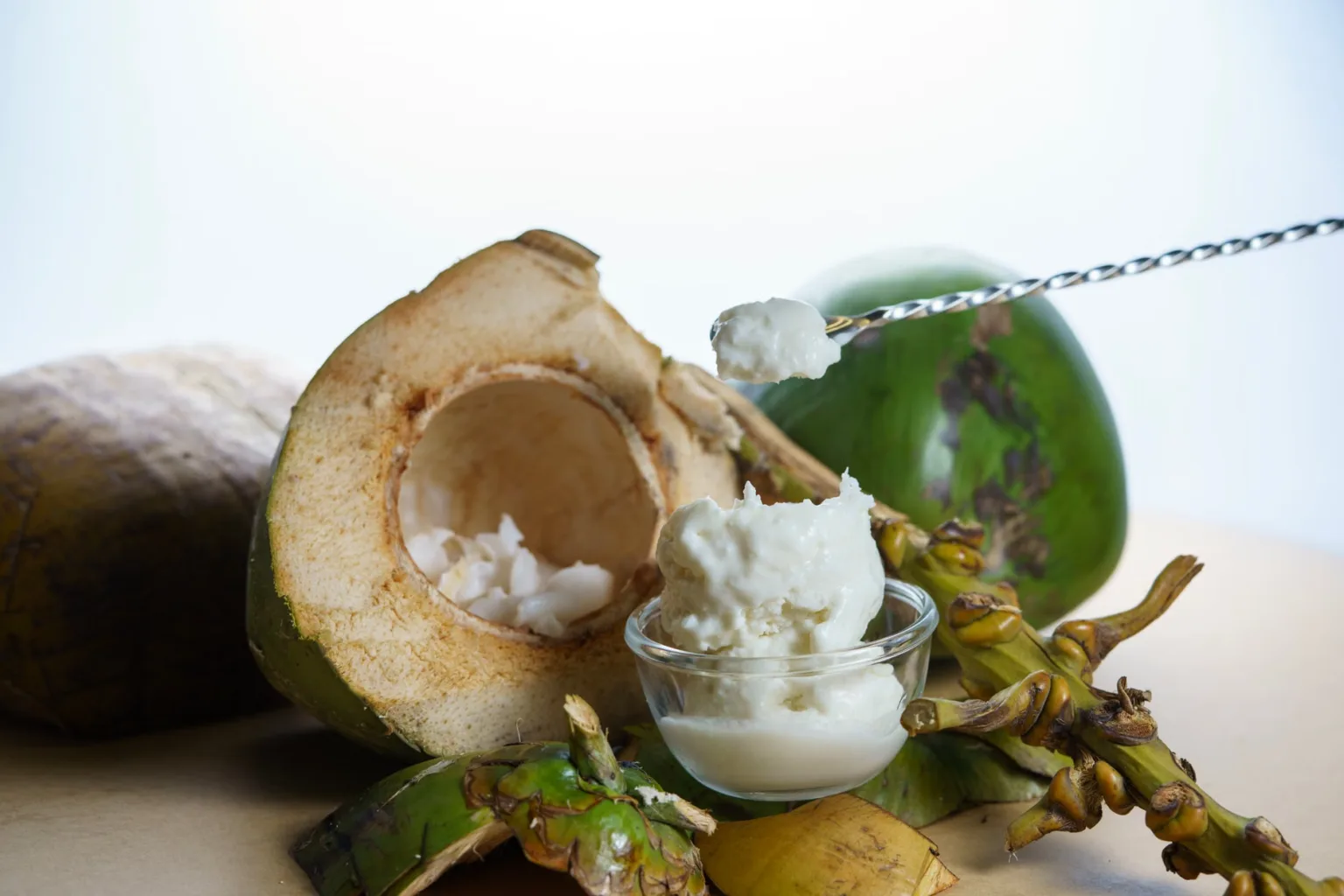
A substitute that works for one purpose may not work for another. Greek yogurt mixed with milk, or ricotta mixed with milk, can add body to sauces, but should not automatically be treated as whipping cream. Coconut cream can replace cream in compatible recipes, though it brings its own flavour. Soy milk combined with olive oil can be used for cooking or baking, but not in recipes that require whipping.
Common mistakes
A common mistake is assuming every type of cream can be whipped or has the same consistency. Check the product’s intended use and composition. A direct swap with milk, yogurt or another alternative can also disappoint when the recipe relies on cream’s richness, thickness or ability to whip. Match the ingredient to the job it performs in the dish.
Safety and allergens
Cream contains milk and is not suitable for people with an allergy to milk proteins. Read the label, ask about allergen information when it is sold unpackaged, and follow the manufacturer’s storage and use directions. If the product label or condition raises concerns, do not consume it.
Culinary uses
- Aporta cremosidad y suavidad a salsas, sopas y guisos
- Ingrediente para postres, rellenos y preparaciones batidas
Recommended techniques
- Incorporar a salsas o sopas para darles una textura más cremosa
- Batir para obtener una preparación aireada, si el tipo de crema es apto para montar
- Mezclar en preparaciones dulces y saladas
Pairs well with
- Café
- Frutos rojos y otras frutas servidas con crema
- Pasta y salsas saladas
- Chocolate y postres
Frequently asked questions
Is cream the same as nata?
Nata is a local name used for cream in some places, including Spain. Names and varieties differ between markets, so check the product description and intended use.
Can all cream be whipped?
No. Whether cream can be whipped depends on the product and its composition. Choose one labelled as suitable for whipping.
How should I store cream?
Follow the storage directions on the package, especially after opening. Products can differ, so do not assume there is one storage period for every cream.
Estimated nutrition
- Fat
- 19.5 g
- Saturates
- 2.63 g
- Carbohydrate
- 64.9 g
- Sugars
- 10.4 g
- Fibre
- 2.4 g
- Protein
- 7.19 g
- Salt
- 1.88 g
Sources and review
Automatically researched, cross-checked and validated content. Sources consulted:
- En el etiquetado alimentario hay algunas menciones que son obligatorias eletiquetadocuentamucho.aesan.gob.es
- ¿Por qué la muerte es origen de miedos y tabúes? doi.org
- Aesan - Agencia Española de Seguridad Alimentaria y Nutrición aesan.gob.es
- Crema de leche _ AcademiaLab academia-lab.com
- Todo lo que Debes Saber sobre la Crema de Leche en España: Análisis y Comparativa de Ingredientes Clave para la Pastelería pasteleriamarianohernandez.es
- Todo lo que tenés que saber sobre la crema de leche - Gastronomía - ABC Color abc.com.py
- Qué es la crema de leche: ¿deberías incluirla al menú? alqueria.com.co
- Descubre Todo Sobre la Crema de Leche: Variedades, Usos y Secretos Revelados - RoomLab roomlab.cl
- Crema de leche - Wikipedia, la enciclopedia libre es.wikipedia.org
- 🥛 Qué Es Crema de Leche y Cómo Se Utiliza 🥛 cocina.es
- ¿Qué es la crema de leche y cuáles son sus usos? cocinafacil.com.mx
- Crema de leche - EcuRed ecured.cu
- 5 sustitutos clave para la crema de leche | Skillshare Blog skillshare.com
- 6 formas de sustituir la crema de leche - La Tercera latercera.com
- Crema de leche casera, textura perfecta siempre cocinatis.com
- Equivalencias entre leche y crema: cómo reemplazar | Guiadecocinafacil guiadecocinafacil.com
- Maridajes gourmet con dulce de leche: vino, café y más - MrTango mrtango.es