- Category
- Vegetables
- State
- Other
- Usual unit
- g
What it is
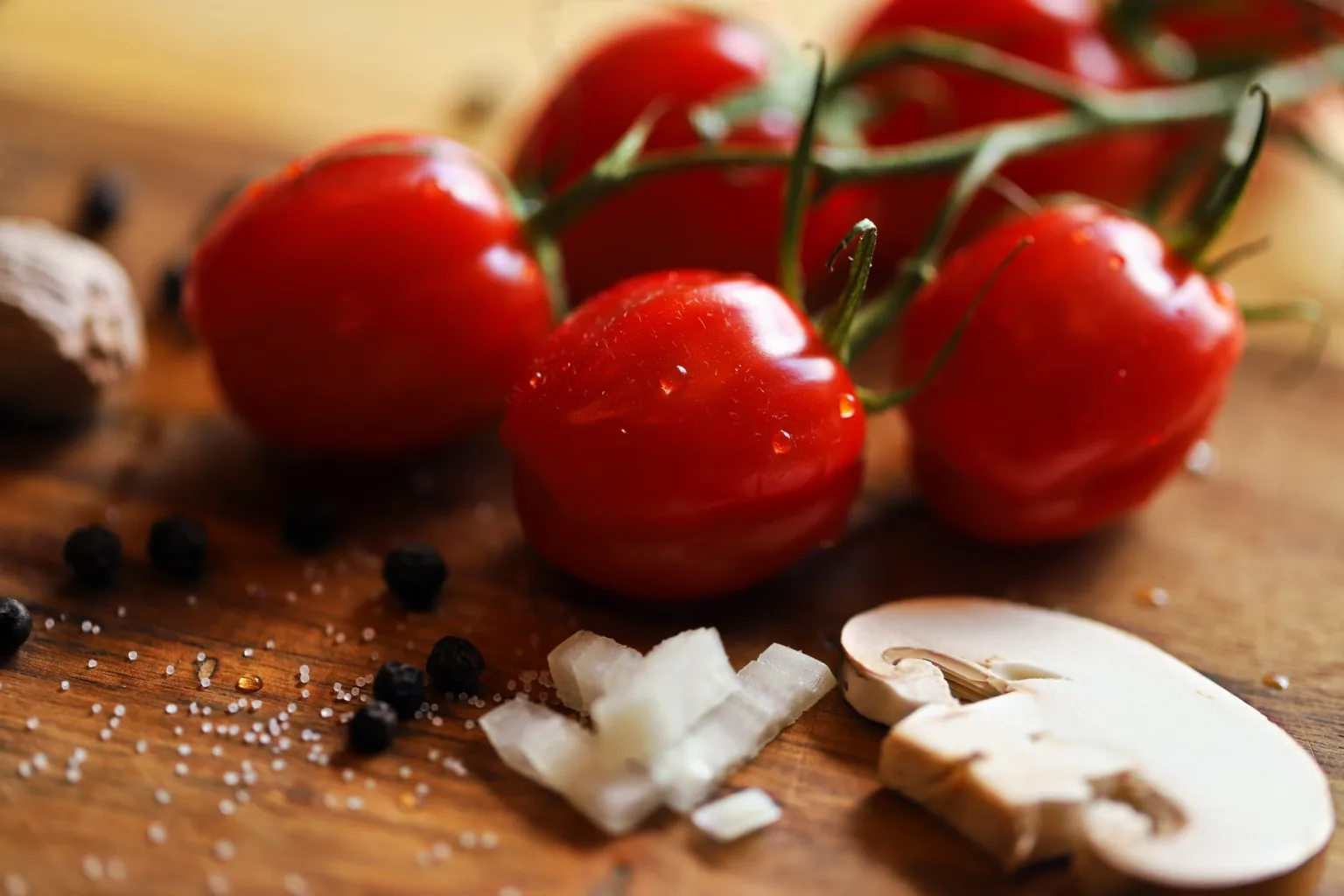
Crushed tomatoes are tomatoes processed into a crushed preparation, generally used as an ingredient rather than as whole tomatoes. The name mainly describes their form; it does not guarantee that every brand has the same texture, added ingredients or packaging. The package is the reference for the specific product’s composition and instructions for use and storage. Crushed tomatoes can be used as a base or component in cooked dishes such as sauces, soups and stews. Do not automatically assume they are the same as fried or cooked tomato sauce: check the ingredient list rather than guessing what is included.
When to use it
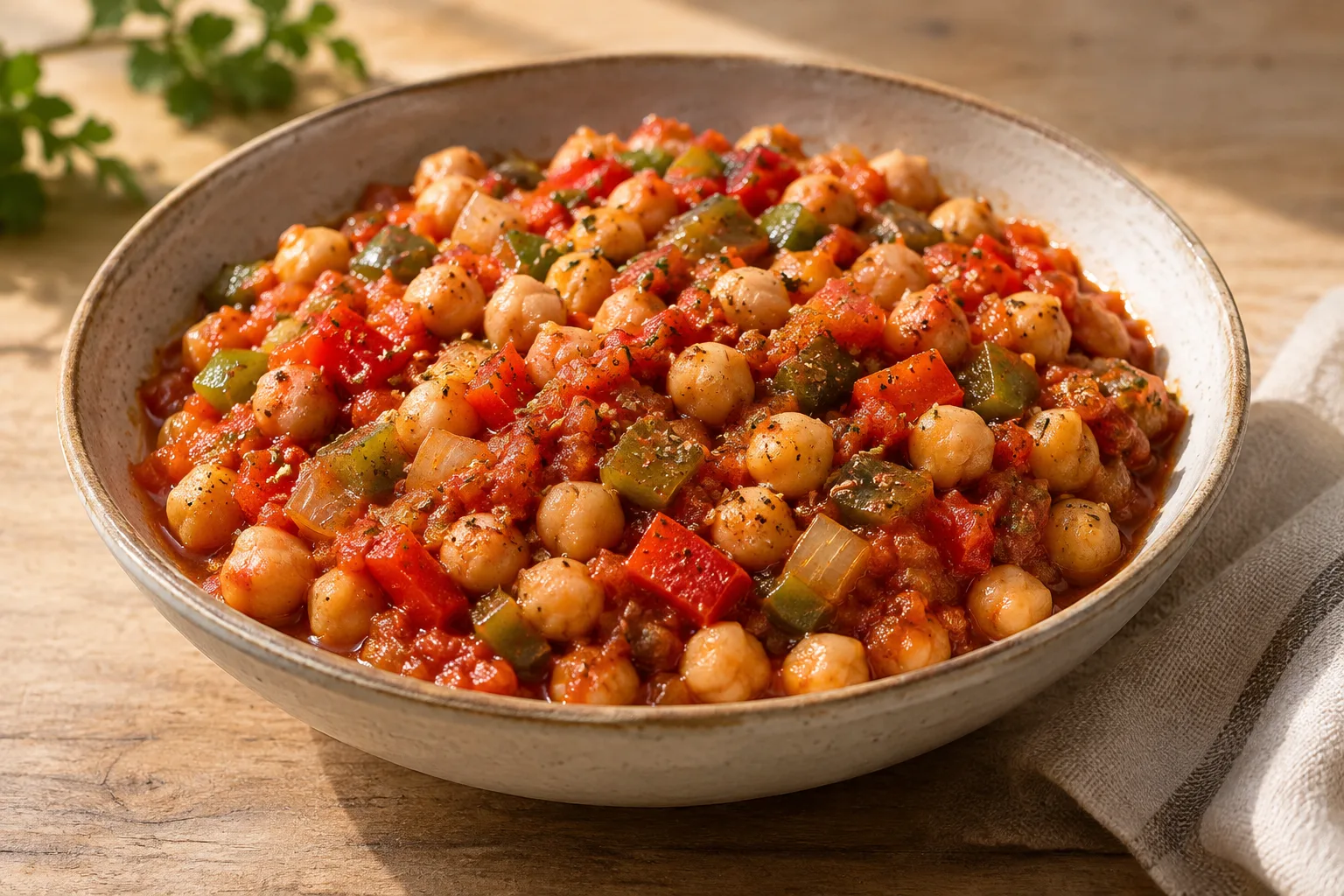
Use crushed tomatoes when a recipe calls for crushed tomato to add moisture and tomato flavor, for example in a sauce, soup or stew. They can also be added to rice dishes or used as a starting point for a pizza base, depending on the recipe. If a dish needs distinct pieces or fresh raw tomato, this prepared texture may not be the best fit. Check the label if you need a product with specific ingredients or without additions.
How to use it
Read the package before cooking to check the ingredients and any product-specific instructions. Add crushed tomatoes to a preparation as the base or a component of a sauce, soup or stew, and cook them with the other ingredients as directed by the recipe. For a smoother texture, blend the cooked preparation; to keep more body, use it without blending. In rice, pasta or pizza dishes, adjust the amount to the recipe and the consistency you want. Do not assume all products have the same concentration or seasoning.
Flavour and texture
Crushed tomatoes have tomato flavor and a moist, crushed texture, but acidity, sweetness, seasoning and the amount of remaining pieces can vary by product. Check the ingredient list and adjust the recipe’s seasoning after tasting.
How to choose it
Choose a package with a readable product name and ingredient list, and check whether it contains only tomatoes or other ingredients as well. Check the date and any storage instructions. The label helps you compare products without assuming that every brand has the same composition.
Storage
Follow the storage instructions printed on the package; they can depend on the product and its packaging. If the package gives special instructions after opening, follow them. Do not assume an opened or unopened product keeps in the same way as fresh tomatoes; use the label as your practical reference.
Substitutions
You can substitute chopped fresh tomatoes and cook them until softened; their texture and liquid content may differ. Tomato purée can also work, but may be smoother or more concentrated, so adjust the amount and consistency to suit the recipe.
Common mistakes
Do not confuse crushed tomatoes with cooked tomato sauce or assume the product contains only tomatoes: check the label. Avoid substituting without adjusting the recipe when it depends on a particular texture, and do not overlook the package’s storage instructions.
Safety and allergens
Check and follow the package’s use and storage instructions, especially after opening. If you prepare fresh tomatoes as a substitute, wash them properly before eating or cooking.
Culinary uses
- tomato base for sauces and stews
- ingredient for soups and other cooked dishes
- tomato component in rice dishes
Recommended techniques
- stir into a simmering dish
- cook gently to develop a sauce
- blend or puree for a smoother consistency
Pairs well with
- rice
- Parmesan and herbs
- pasta and pizza bases
Frequently asked questions
Are crushed tomatoes the same as cooked tomato sauce?
Not necessarily. The name does not guarantee the same preparation or ingredients; check the package description and ingredient list.
What dishes can I make with crushed tomatoes?
Depending on the recipe, use them as a base or ingredient in sauces, soups and stews, or in rice dishes and pizza bases.
How should I store the product after opening?
Follow the package’s storage instructions. They may differ depending on the product and its packaging.
Estimated nutrition
- Fat
- 0 g
- Saturates
- 0 g
- Carbohydrate
- 8.2 g
- Sugars
- 3.28 g
- Fibre
- 1.6 g
- Protein
- 1.64 g
- Salt
- 0.37 g
Sources and review
Automatically researched, cross-checked and validated content. Sources consulted:
- En el etiquetado alimentario hay algunas menciones que son obligatorias eletiquetadocuentamucho.aesan.gob.es
- Vamos a Conservar Alimentos: Tomates extension.psu.edu
- Client Challenge doi.org
- Tomate - Wikipedia, la enciclopedia libre es.wikipedia.org
- Tipos De Tomates: Variedades Y Usos Culinarios | La Fallera lafallera.es
- Tomate: Variedades Españolas, Tipos, Propiedades y Cultivo frutamerca.com
- Tomate triturado: Origen, diferencias con tomate frito y sus… codezero.es
- Pág. 1 MINISTERIO DE AGRICULTURA, PESCA Y ALIMENTACIÓN DIRECCIÓN GENERAL DE mapa.gob.es
- Tomatoes | Cooperative Extension Service uaf.edu
- Tomate | Postharvest Research and Extension Center postharvest.ucdavis.edu
- How to Preserve Tomatoes | USU extension.usu.edu
- Conservas caseras de tomates | Extensión UMN es.extension.umn.edu
- Tomato Facts and Recipes | Cooperative Extension | University of Delaware udel.edu
- Tomate natural triturado es.openfoodfacts.org
- Bon tomate natural triturado bonarea (lata 390 grs) sacooperativadelcamp.com