- Category
- Herbs and spices
- State
- Powdered
- Usual unit
- teaspoon
What it is
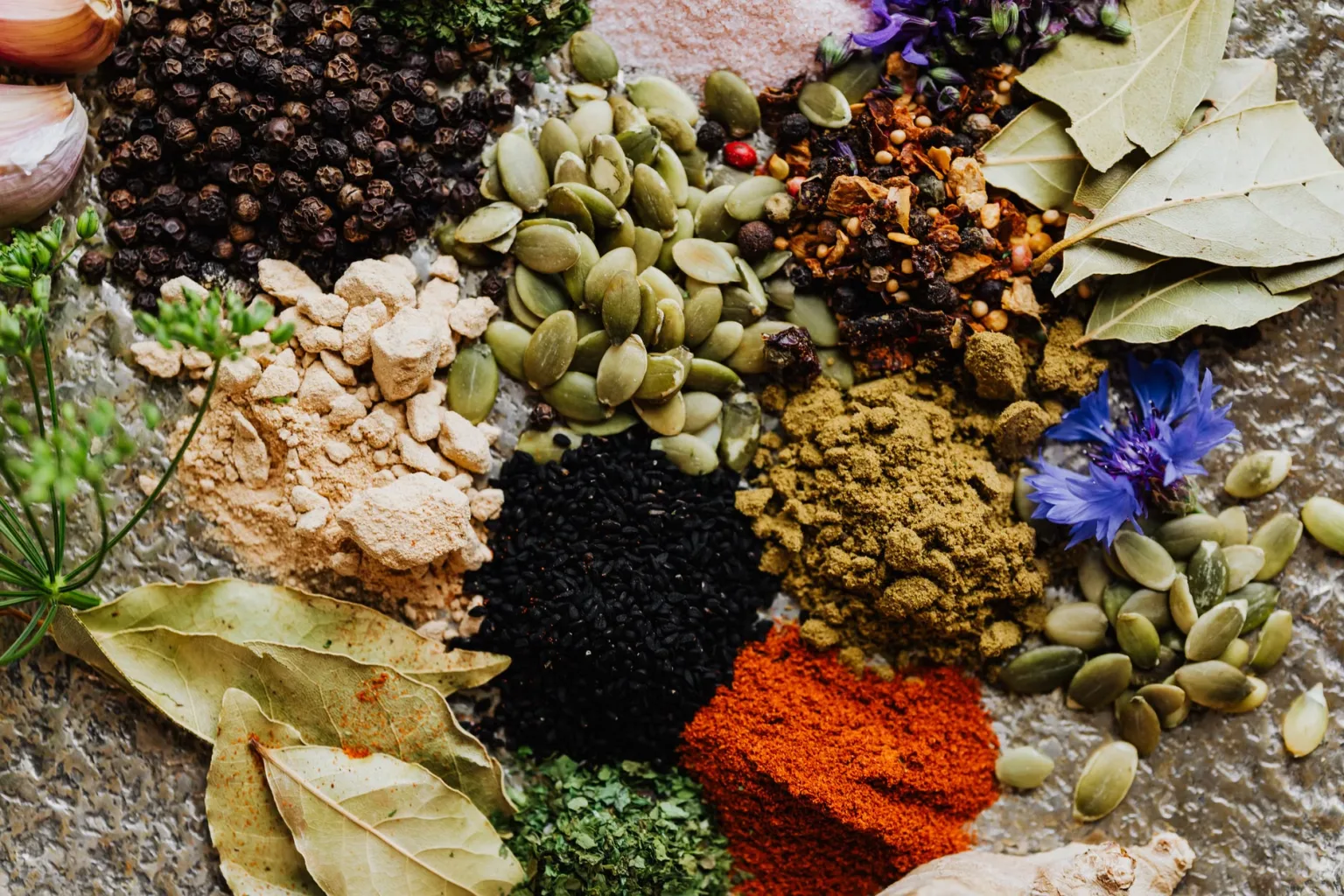
Ground coriander is a powdered spice made from the mature, dried seeds of the coriander plant, Coriandrum sativum. It is different from fresh coriander leaves: the seeds have their own distinct aromatic profile, described as warm, mildly citrusy and sweet. Because it is ground, it mixes readily into dry blends and liquids, making it useful in curries, spice mixes, sauces, stews, marinades and some baked goods. You can buy it already ground or make it by grinding whole seeds. If you have whole seeds, grinding them just before cooking is one way to prepare the powder as needed.
When to use it
Use ground coriander when you want the flavor of coriander seeds distributed evenly through a dish rather than encountering whole seeds. It suits spice blends, curries, marinades, sauces, soups and stews, and is also used in meat preparations and baked goods. It works particularly well in blends with cumin, chile or garlic, and can complement vegetables and legumes such as potatoes, carrots, lentils and cauliflower. Its profile is not the same as fresh coriander leaves, so ground coriander will not provide the same green, fresh character when used as a finishing herb.
How to use it
Measure ground coriander according to your recipe and mix it with the other dry ingredients when making a spice blend, coating or dough. For a sauce, marinade, soup or stew, add it directly and stir so it is distributed evenly. You can also grind whole coriander seeds just before cooking to prepare the spice as needed. Whole seeds may be lightly toasted before grinding, depending on the intended use. Ground coriander disperses readily in quick-cooking dishes and uniform mixtures; follow the recipe’s amounts and adjust the seasoning to taste, while keeping in mind that it is not the same ingredient as fresh coriander leaves.
Flavour and texture
Its flavor is described as warm, mildly citrusy and sweet, with an aroma released when the seeds are ground. The powder has a fine texture that is easy to distribute through dry blends, doughs and liquids. Its profile differs from fresh coriander leaves, so it will not give a dish the same green, fresh taste.
How to choose it
Choose a product labeled ground coriander or ground coriander seeds, and check that the package is intact and the form matches your recipe. If you would rather grind it just before cooking, buy whole seeds and grind them at home. Coriander seeds are sold whole, crushed and ground; the powder is convenient when you want an even distribution.
Storage
Keep ground coriander in its closed package and follow the storage directions on the label. Avoid leaving it open while cooking, and use a clean, dry utensil to scoop it. If you buy whole seeds to grind at home, store them in an airtight container and grind only what you plan to use. No specific storage duration or temperature for ground coriander is established by the available evidence.
Substitutions
The closest option is to grind whole coriander seeds to make the same spice in powdered form. You can also start with crushed coriander and grind it as you add it. These options change the form, not the ingredient; the available sources do not establish another spice as an equivalent substitute.
Common mistakes
Do not confuse ground coriander, which is made from seeds, with fresh coriander leaves: they have different flavor profiles. Another common mismatch is using whole seeds when a recipe calls for a powder that blends evenly. For that texture, use ground coriander or grind the seeds before adding them.
Safety and allergens
Use ground coriander intended for food and follow the package directions. The available evidence provides no ingredient-specific safety warning and does not identify allergens for this ingredient.
Culinary uses
- Condimento aromático para dar sabor a mezclas de especias, curris y guisos
- Ingrediente para integrar de manera uniforme en salsas, marinadas y masas
Recommended techniques
- Añadirlo a mezclas secas o incorporarlo directamente a preparaciones líquidas
- Moler semillas de cilantro justo antes de usarlas para obtener cilantro molido
Pairs well with
- Comino, chile y ajo en mezclas de especias
- Verduras y legumbres, como patatas, zanahorias, lentejas y coliflor
- Pollo, cerdo o pescado en recubrimientos y condimentos
Frequently asked questions
What is ground coriander made from?
It is made by grinding the mature, dried seeds of the coriander plant; it is not made from the fresh leaves.
Does it taste like fresh coriander leaves?
No. Ground seeds have a warm, mildly citrusy and sweet profile that differs from fresh leaves.
Can I grind whole coriander seeds at home?
Yes. You can grind whole seeds just before using them; they may also be lightly toasted before grinding, depending on the preparation.
Estimated nutrition
- Fat
- 0 g
- Saturates
- 0 g
- Carbohydrate
- 0 g
- Sugars
- 0 g
- Protein
- 0 g
- Salt
- 0 g
Sources and review
Automatically researched, cross-checked and validated content. Sources consulted:
- Client Challenge doi.org
- The Essential Glossary of Cooking Terms for the Culinary Arts - Escoffier escoffier.edu
- Food & Fun Afterschool hsph.harvard.edu
- CR tested for heavy metals in 15 herbs and spices, from .. ... ucanr.edu
- Critical Perspectives On Women and Food scholarworks.umass.edu
- FIRST LINE OF TITLE - University of Delaware udspace.udel.edu
- Galenic Medicine and Women's Recipes in the Early etd.ohiolink.edu
- Cilantro: propiedades, orígen y usos en la cocina - Oriental Market orientalmarket.es
- ¿A qué sabe el cilantro? ¿delicia o asquerosidad? | El arte de comer bien | mentta mentta.com
- Glosario de especias: semillas de cilantro | JUST SPICES ® justspices.es
- El cilantro. ¿Qué es? Beneficios, propiedades y usos en la cocina abc.es
- Cilantro | PAPRIMUR paprimur.es
- Para qué sirve el cilantro - Slofoodgroup slofoodgroup.com