- Category
- Vegetables
- State
- Fresh
- Usual unit
- taza
What it is
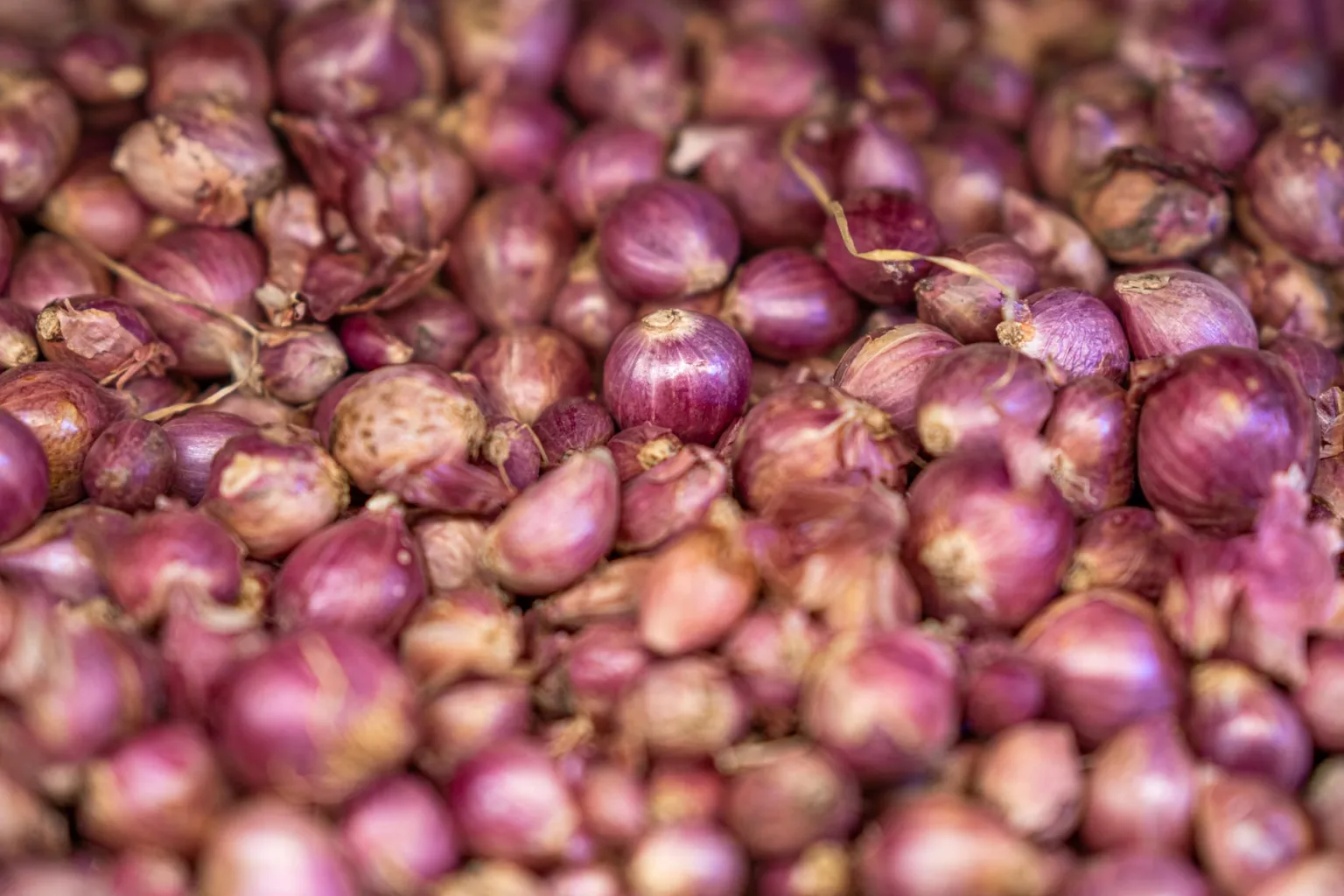
Red onion, also called purple onion, is a type of onion recognized by its purple or reddish outer skin and pale inner layers, which may show violet tones. It is a layered bulb used as a vegetable. It should not be confused with shallot: culinary sources distinguish the two even though both can have purple hues. Sweetness, pungency and overall intensity are not identical in every red onion; variety and individual bulb matter. Its color is particularly noticeable when the onion is cut and served raw, although it can change during cooking.
When to use it
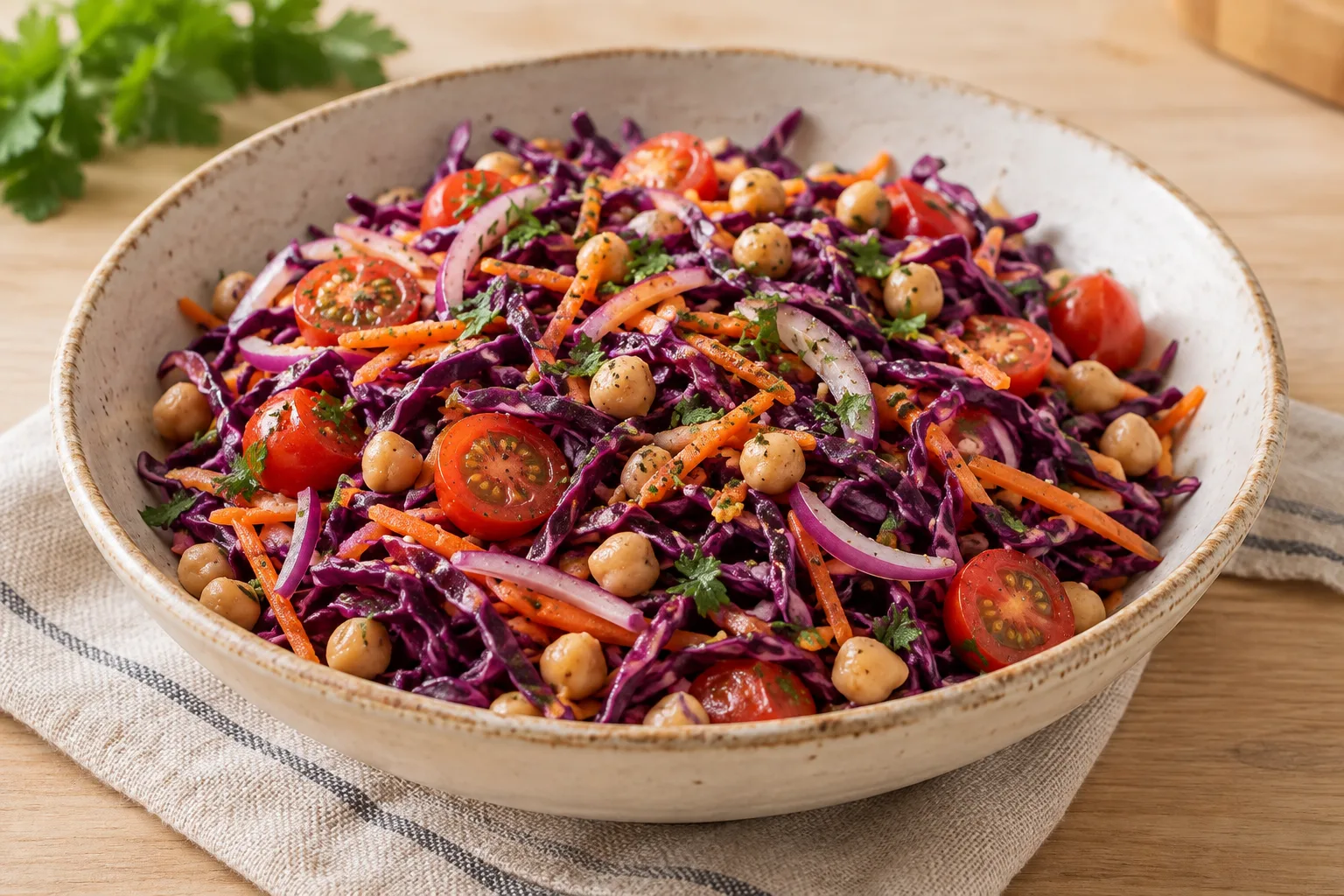
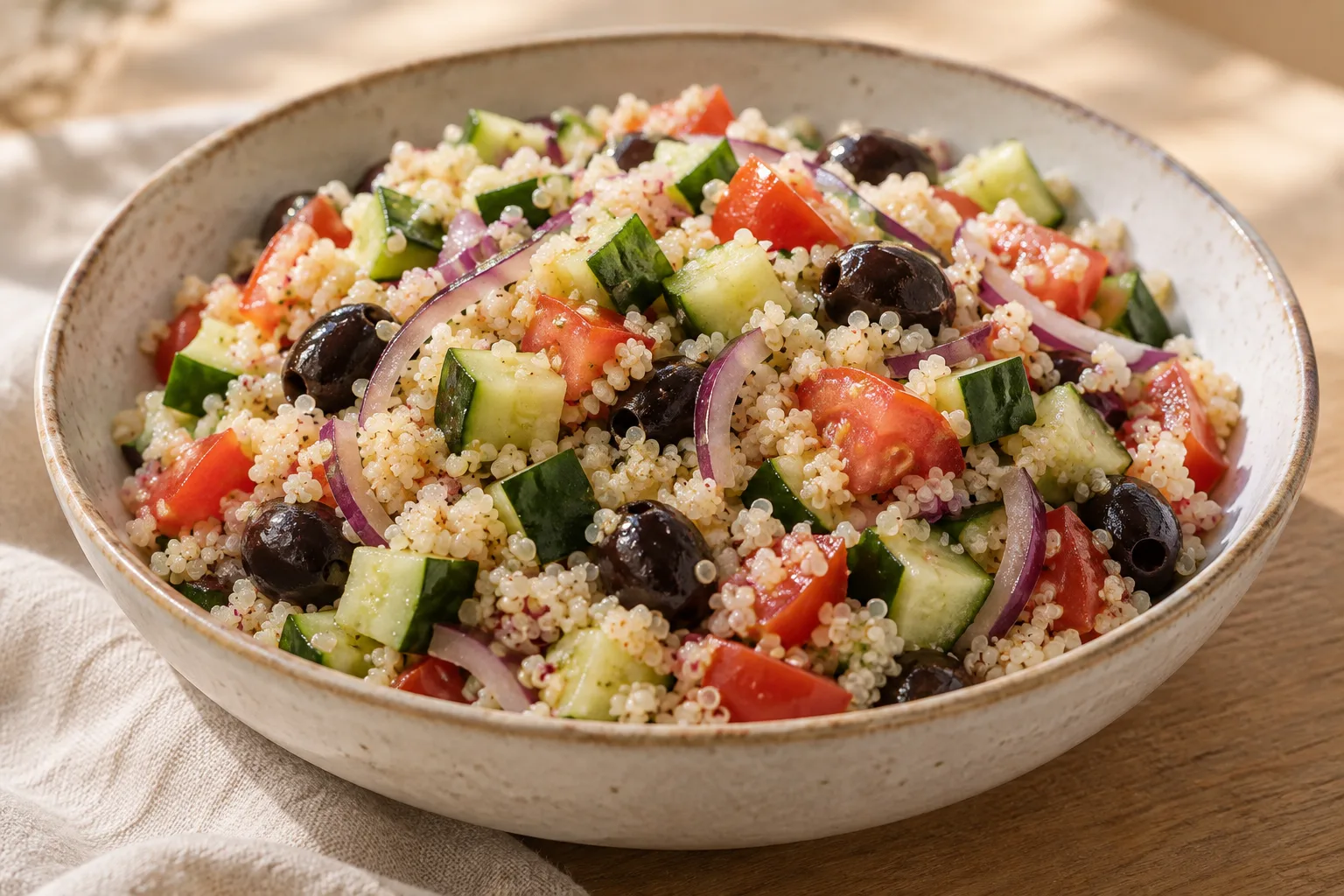
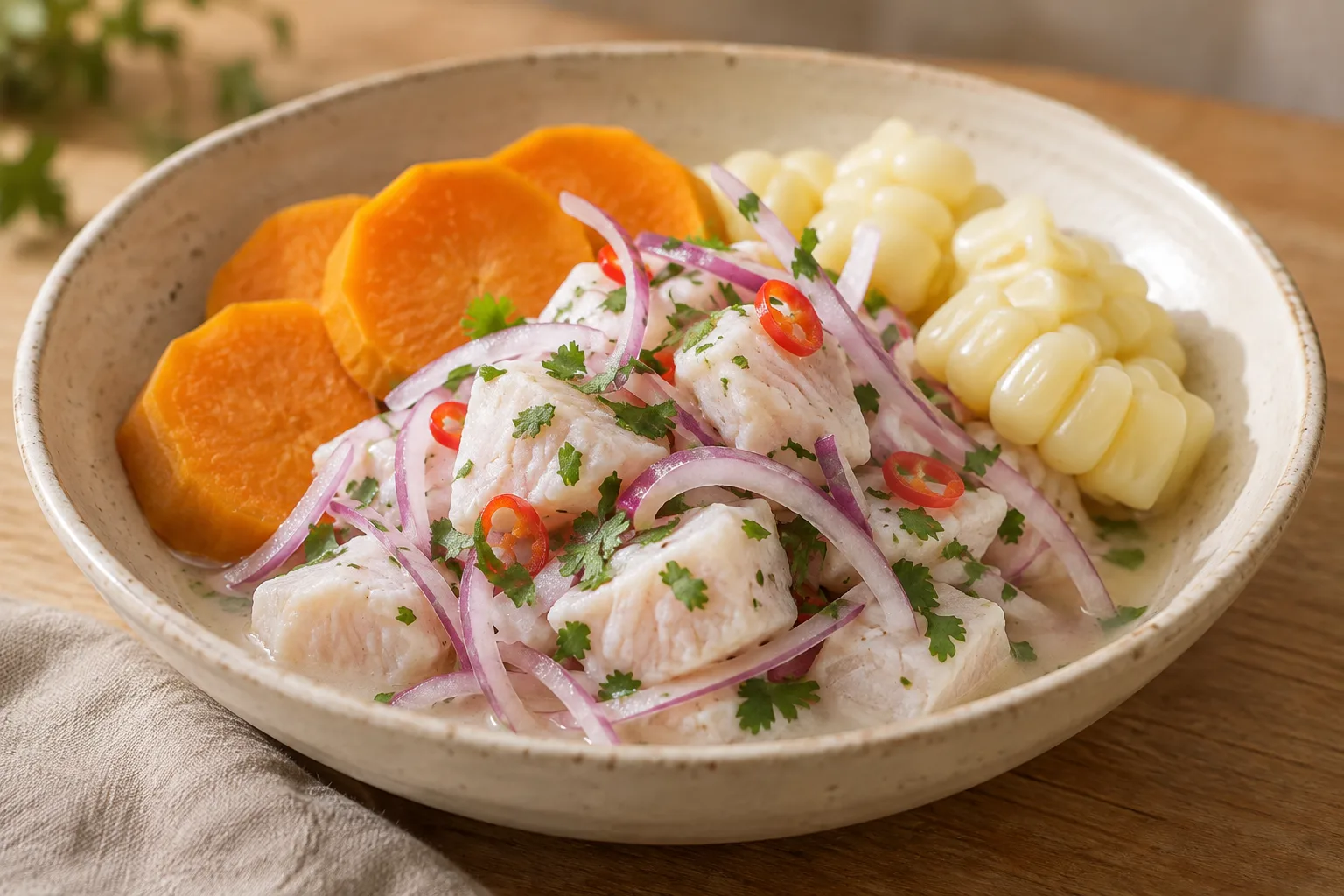
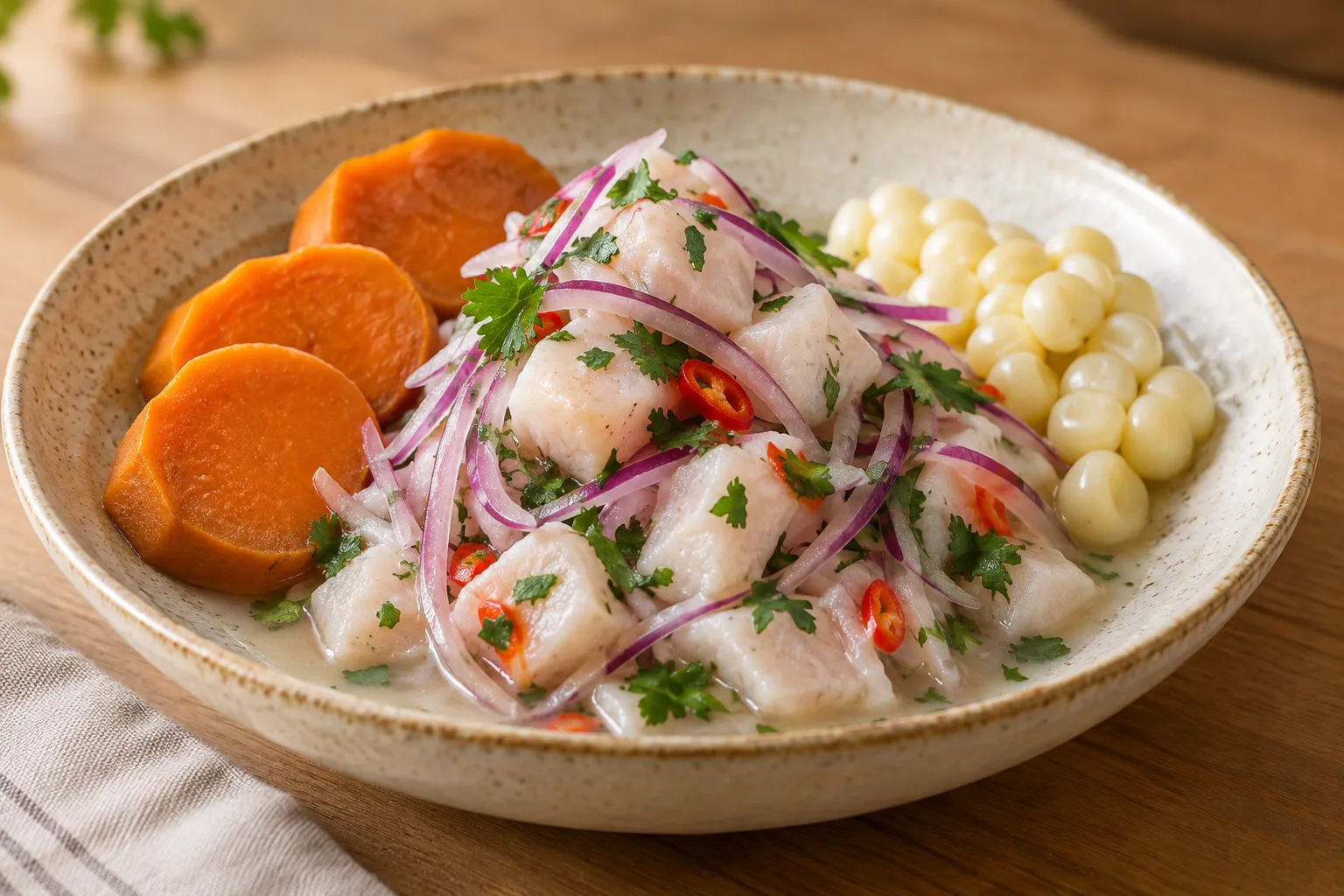
Choose red onion raw when you want to add color, freshness and crunch to salads, ceviche, guacamole, sandwiches or burgers. It is also a good choice for pickles that bring acidity and contrast to tacos and other dishes. If you prefer it cooked, sauté or grill it; bear in mind that heat can alter its color and that its flavor will differ from the raw version. Intensity varies, so start with a modest amount and adjust after tasting.
How to use it
Remove any outer layers you do not plan to use, then cut the onion into thin slices, rings or dice to suit the dish. For a raw finish, add it to salads, ceviche, guacamole, sandwiches or burgers, adjusting the amount to its intensity. For an acidic contrast, slice it thinly and pickle or marinate it with the ingredients in your preparation; then use it as a garnish for tacos, salads or sandwiches. You can also sauté or grill it. When heated, its purple hue may shift or fade, so do not rely on cooking to preserve its original color exactly.
Flavour and texture
Red onion often combines some sweetness with mild pungency and may have a slightly bitter finish; intensity depends on the variety and bulb. Raw, it has a firm, crunchy texture that contrasts with softer ingredients. Pickling or marinating gives it a more acidic profile and makes it useful as a garnish. Cooking changes its flavor and texture, and its color may fade or shift.
How to choose it
Choose bulbs identified as red onion and without visible signs of deterioration. Available sources describe bulbs of varying sizes and colors ranging from purple to reddish; this color variation is normal and is not, by itself, a reliable quality test. If buying a packaged product, check its label, especially any use, storage or allergen information. For a raw dish, also consider the color and intensity you want.
Storage
For a whole bulb, one retail source recommends a cool, dry place and keeping it separate from other vegetables. The available information does not establish a universal storage time or specific conditions for cut onion, so do not assume that whole-bulb advice also applies after cutting. For packaged products, follow any storage directions on the label. If you do not have reliable guidance for cut onion, consult an official food-safety resource before storing it.
Substitutions
White or yellow onion can replace red onion in many preparations, but the dish may differ in color, intensity and appearance. The swap is easiest when onion is one of several ingredients and its color is not essential. In a salad or pickle chosen specifically for its purple hue, the replacement will be visible and will change the presentation; adjust the amount to suit the flavor of the alternative.
Common mistakes
Do not assume every red onion has the same sweetness or pungency: taste the bulb and adjust the amount. Another common mistake is expecting the violet color to remain unchanged after cooking; heat can alter it. If color and crunch matter, use the onion raw or choose a cut and cooking method suited to the result you want.
Safety and allergens
The supplied official sources note a possible presence of sulfites in onions packaged in mesh and stress that allergen information should relate to the specific product. If you are sensitive to sulfites, check the information available from the seller or on the package; do not assume every onion has the same concentration. Follow the storage and safe-use directions supplied with the food.
Culinary uses
- Aporta frescura, textura crujiente y color en preparaciones crudas.
- Funciona como guarnición y como contrapunto de sabor en platos fríos o calientes.
Recommended techniques
- Cortar en láminas o dados y servir cruda.
- Encurtir o marinar.
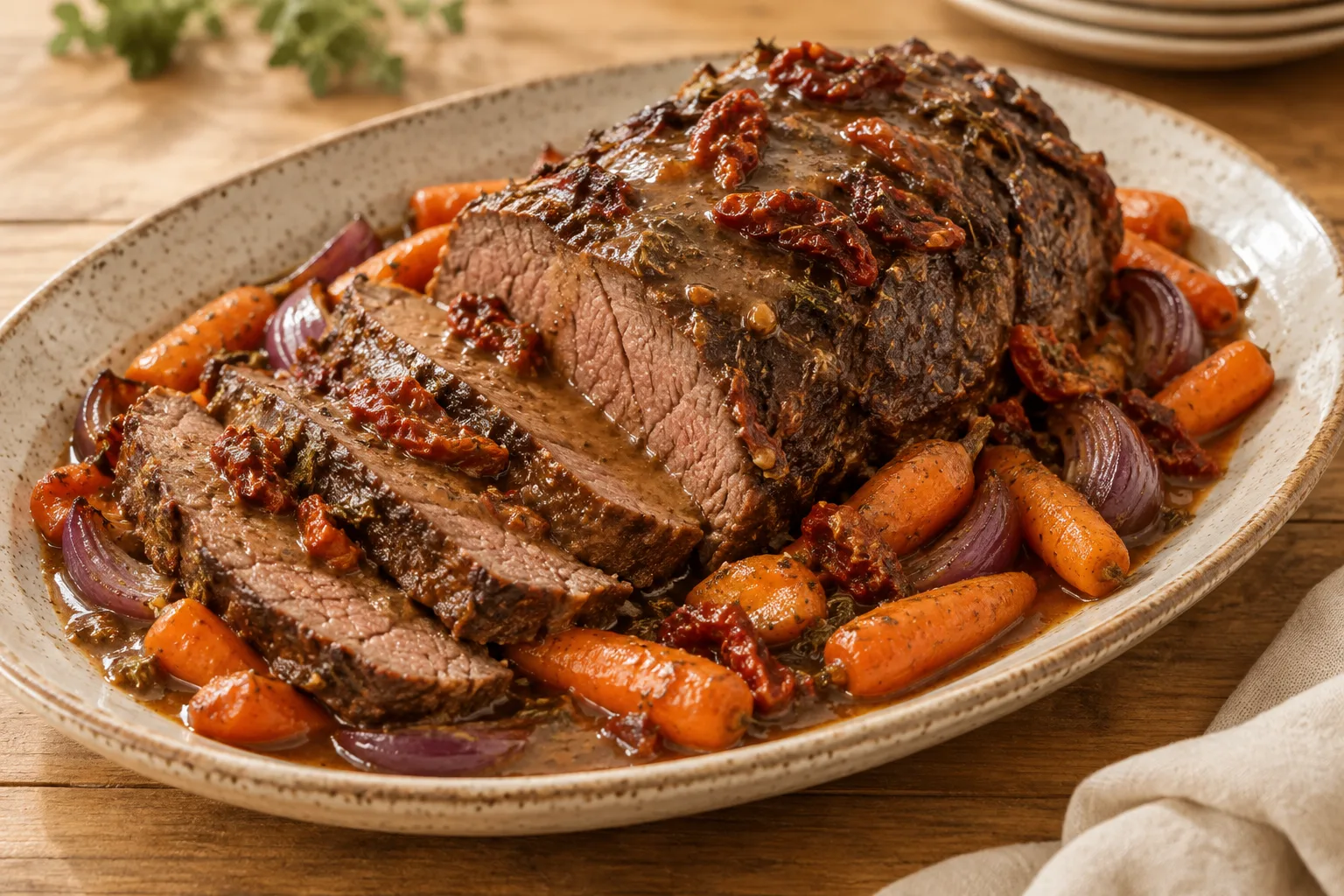
- Saltear o cocinar a la parrilla.
Pairs well with
- Ensaladas, ceviches y guacamole.
- Tacos, sándwiches y hamburguesas.
- Pescado y carnes a la parrilla.
Frequently asked questions
Can red onion be eaten raw?
Yes. It is used raw in salads, ceviche, guacamole, sandwiches and burgers. Its color and crisp texture are especially noticeable this way; taste the bulb first to adjust the amount.
Can red onion be cooked?
Yes. It can be sautéed or grilled. Keep in mind that heat may change its color, and its flavor and texture will differ from those of raw onion.
What can I use instead of red onion?
White or yellow onion can replace it in many preparations. The color and flavor profile may change, so adjust the amount and do not expect the same appearance.
How should I store a whole bulb?
The available information recommends a cool, dry place, separate from other vegetables. For packaged products, follow the specific directions on the label.
Estimated nutrition
- Fat
- 0 g
- Saturates
- 0 g
- Carbohydrate
- 6.76 g
- Sugars
- 3.38 g
- Fibre
- 1.4 g
- Protein
- 0.68 g
- Salt
- 0 g
Sources and review
Automatically researched, cross-checked and validated content. Sources consulted:
- En el etiquetado alimentario hay algunas menciones que son obligatorias eletiquetadocuentamucho.aesan.gob.es
- Client Challenge doi.org
- ::AESAN:: Agencia Española de Seguridad Alimentaria y Nutrición aesan.gob.es
- Conoce 15 tipos de cebolla y sus usos en la cocina - Mejor con Salud mejorconsalud.as.com
- Para qué sirve cada tipo de cebolla (y un truco para no llorar al picarla) | El Comidista | Gastronomía | EL PAÍS elpais.com
- Guía completa de tipos de cebolla: variedades, propiedades y usos culinarios jardineriaon.com
- Allium ascalonicum - Wikipedia, la enciclopedia libre es.wikipedia.org
- Cebolla morada | Gastronomía & Cía gastronomiaycia.com
- Cebolla morada (kg) - Delahuertacasa delahuertacasa.com
- Cebolla morada | sus propiedades y usos culinarios patataslazaro.com
- Cebolla Morada unidad juangomezseleccion.com
- Has buscado Cebolla morada ⋆ Larousse Cocina laroussecocina.mx
- Usos y propiedades de la cebolla morada y por qué deberías consumirla gourmetdemexico.com.mx
- Receta fácil de cebolla morada marinada (10 min) | Recetas PEKIS pekis.eu
- Cuáles son las diferencias entre la cebolla morada y la blanca y para qué es mejor usar cada una directoalpaladar.com
- Cebolla morada marinada ¡queda bien en cualquier plato! - Antojo en tu cocina antojoentucocina.com