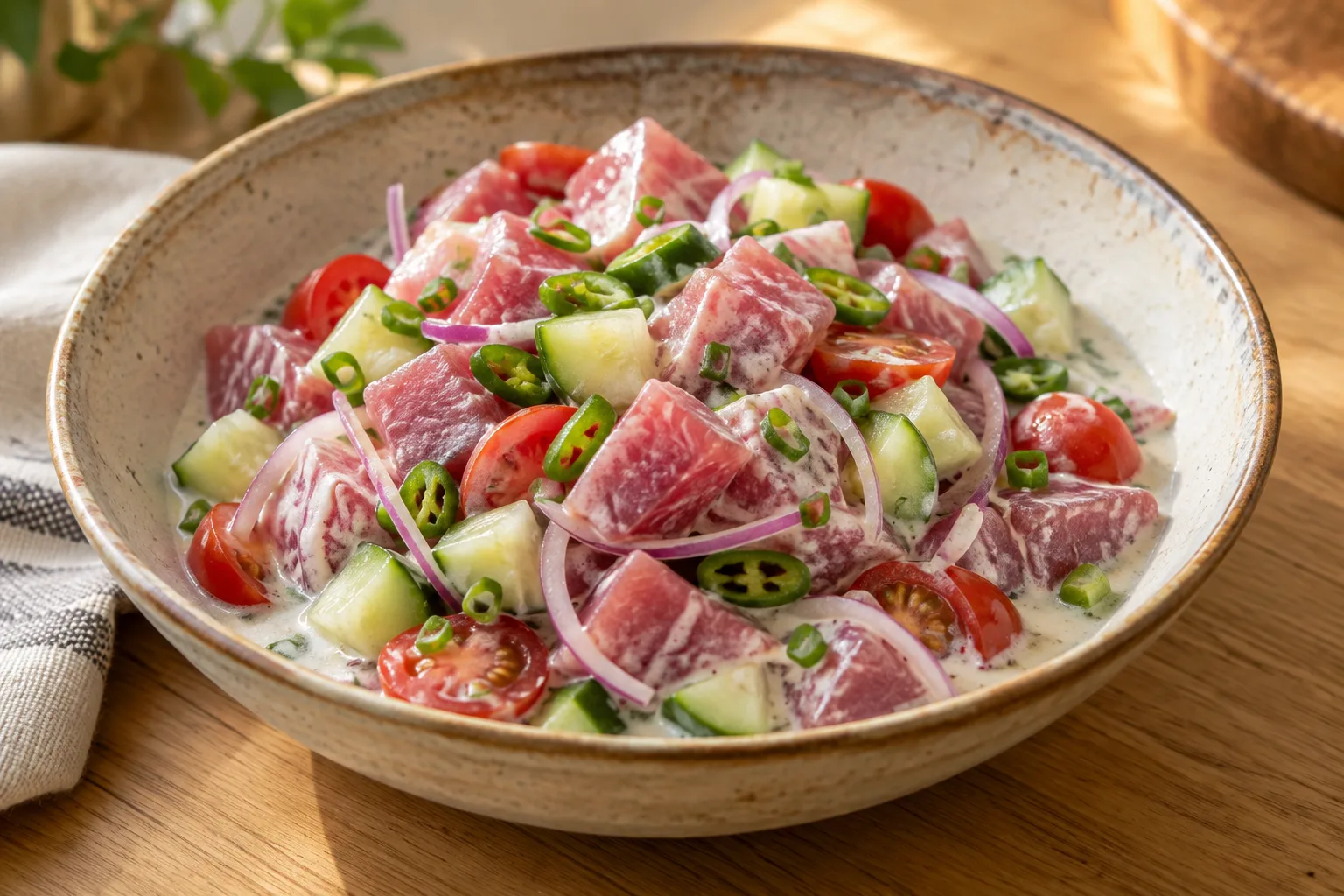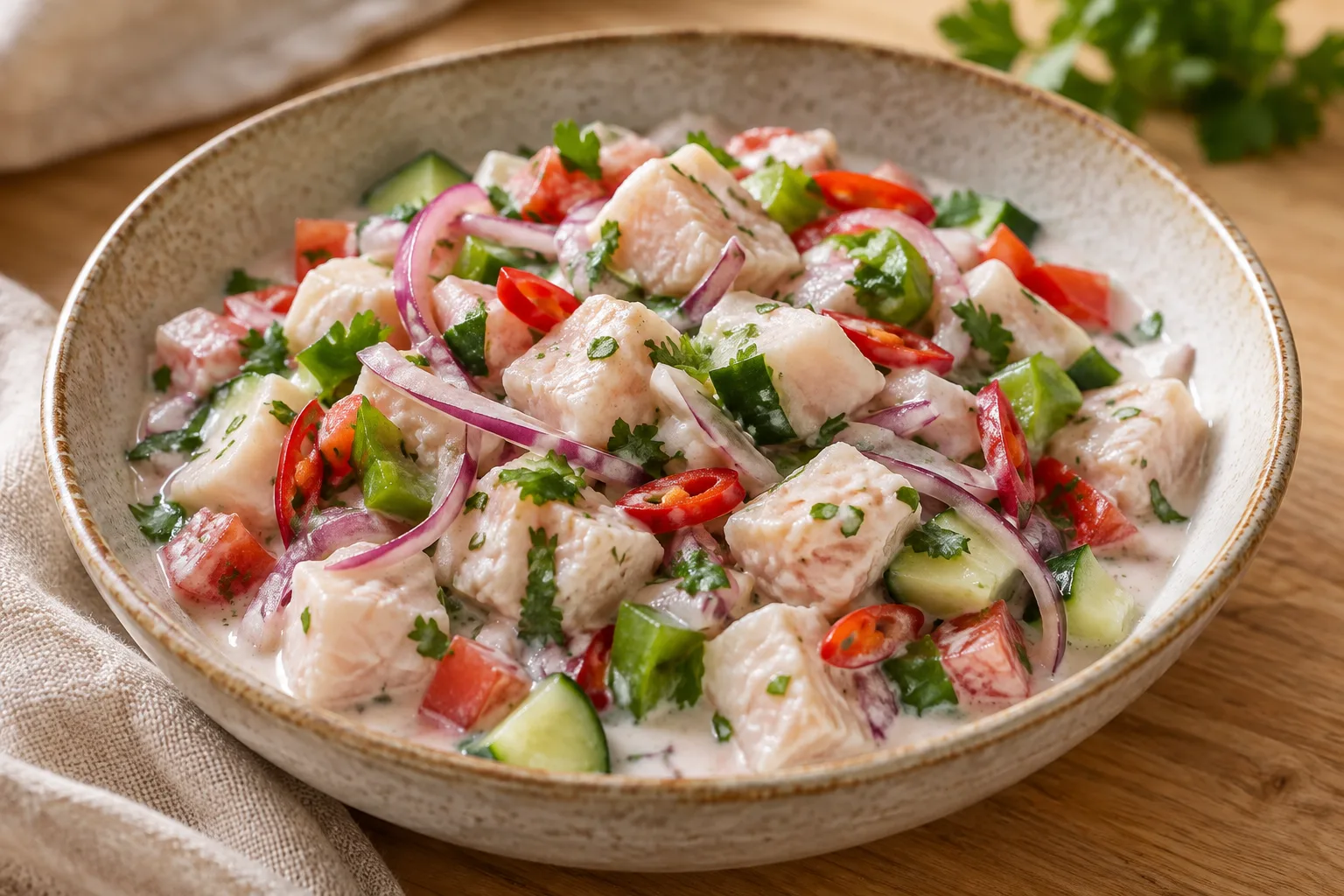
- Category
- Vegetables
- State
- Fresh
- Usual unit
- unit
What it is
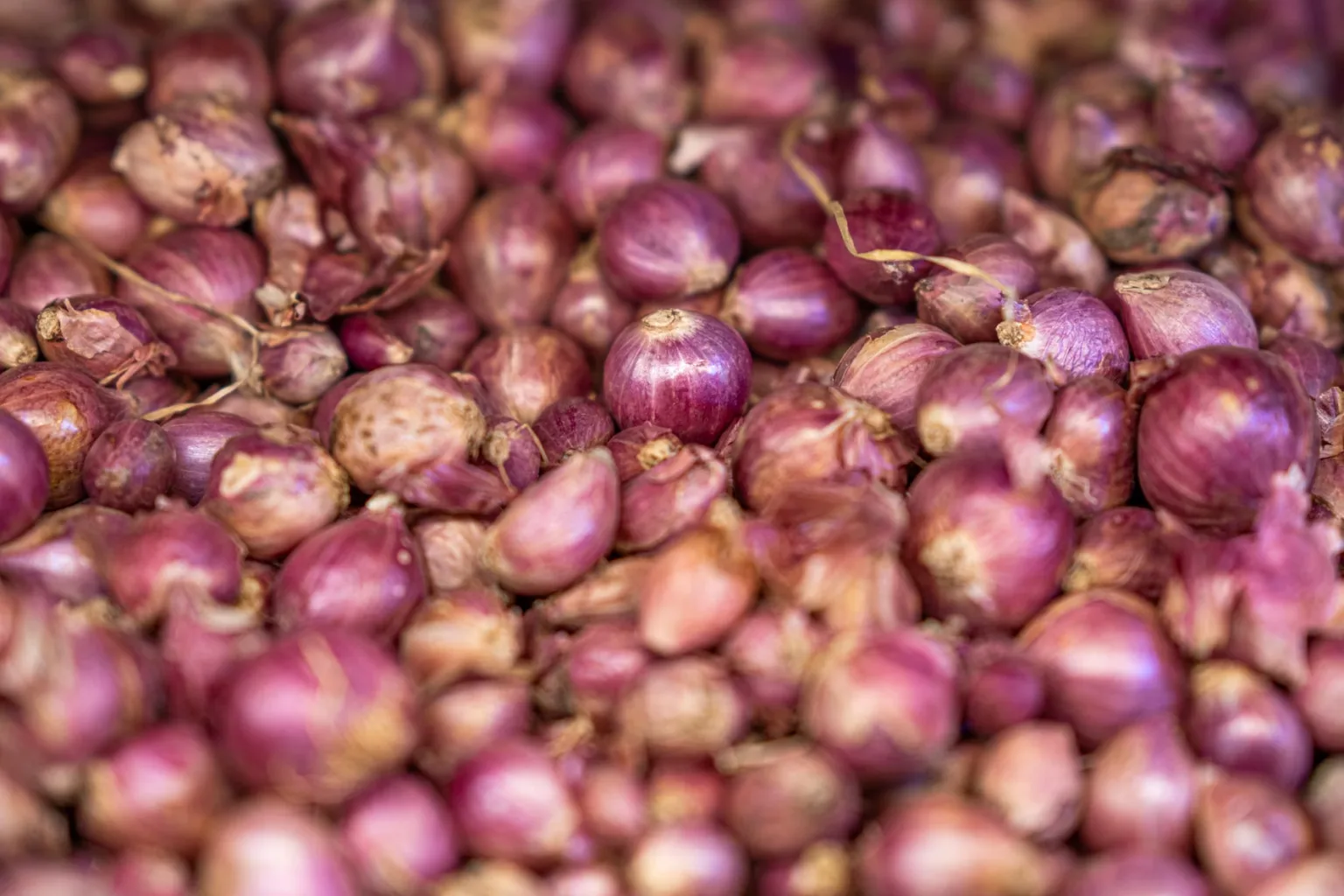
Red onion is a bulb onion variety recognized by its reddish or purple outer skin and inner layers, which may also show purple tones. Color and flavor intensity vary with the variety and growing conditions. It can taste mildly pungent with a hint of sweetness, but red onions are not all alike. In cooking, it is used both raw and cooked; raw, it keeps a firm texture and adds visual contrast to a dish. When cooked, its color may fade or change. In some regions, the name purple onion is also used for this type of onion.
When to use it
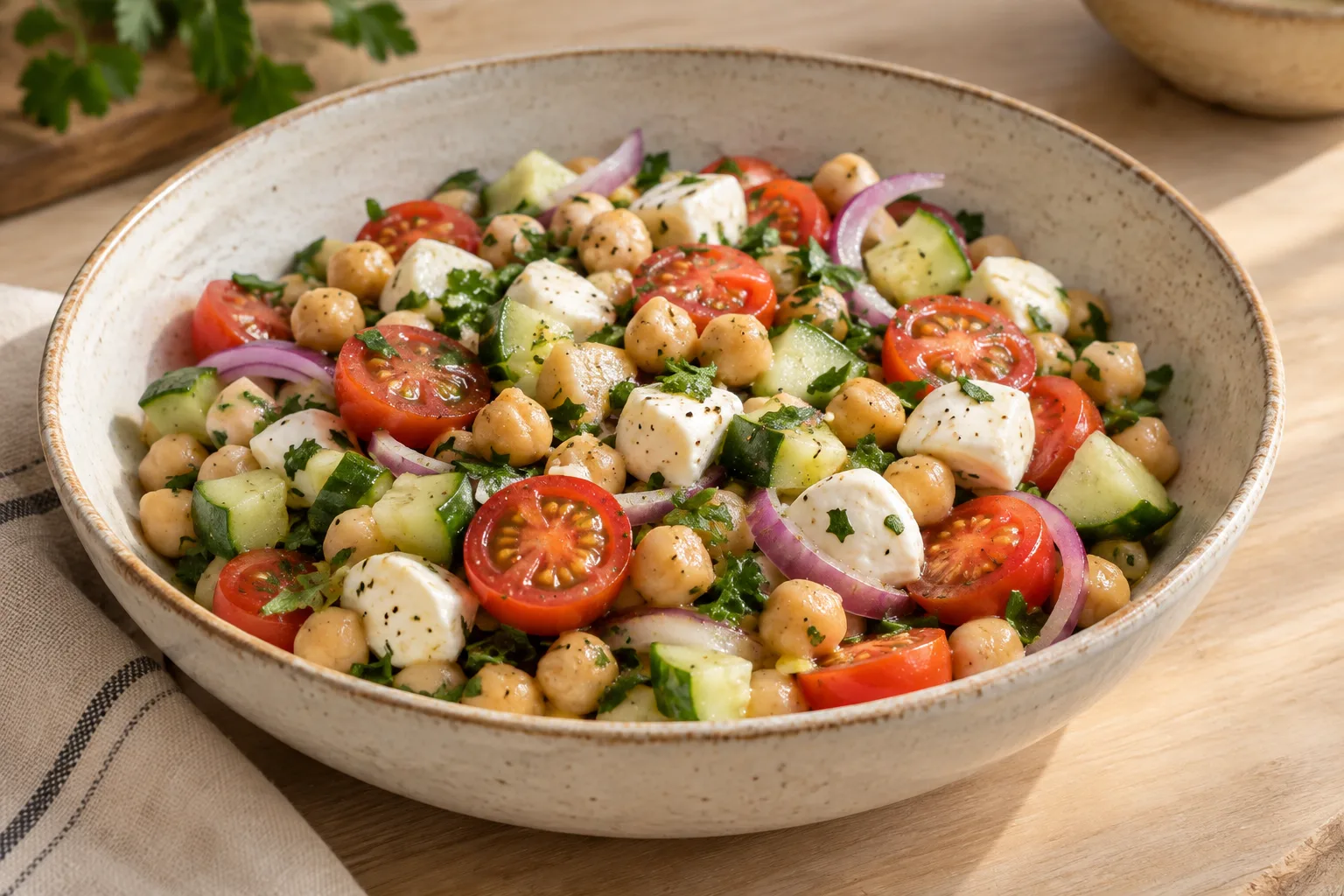
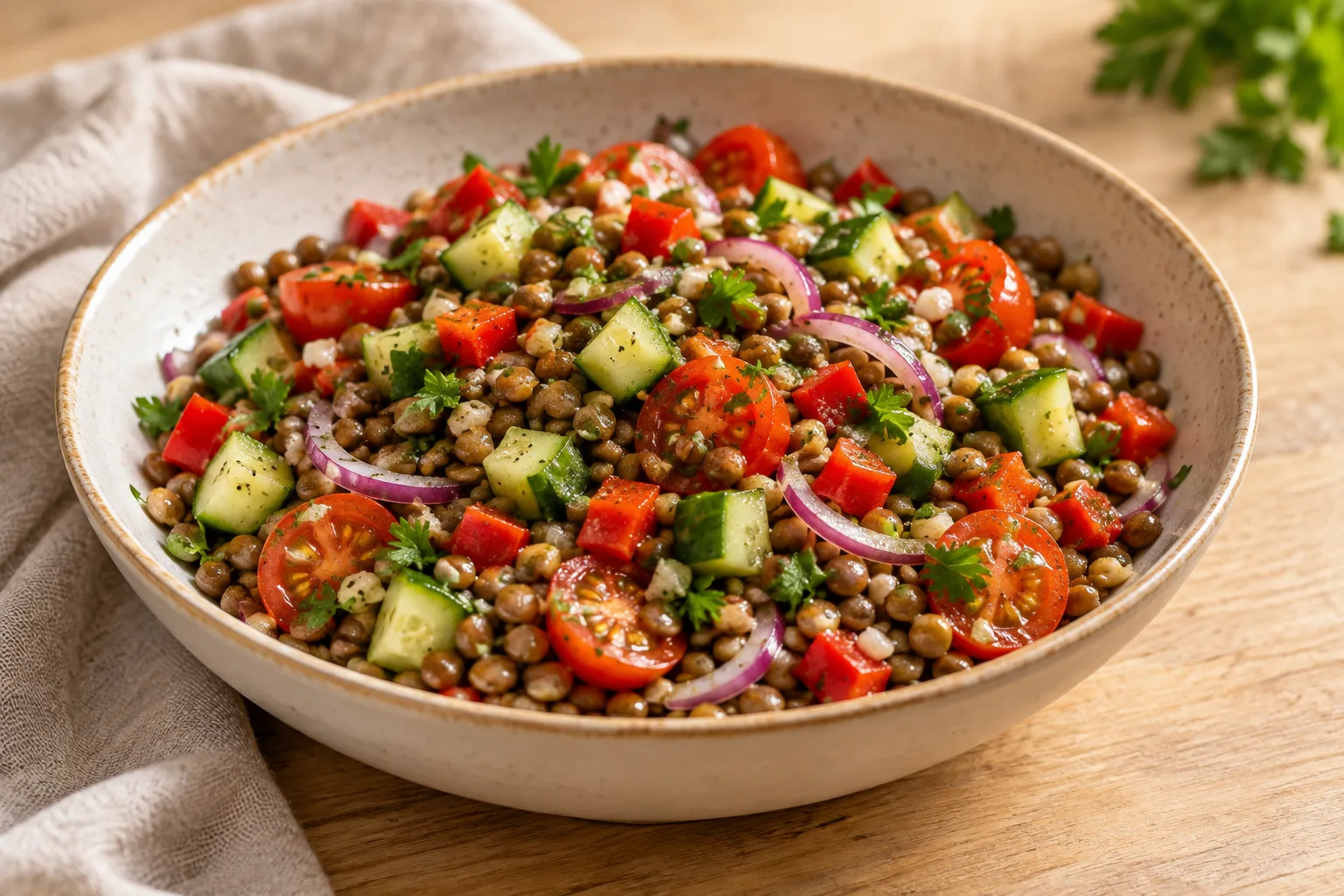
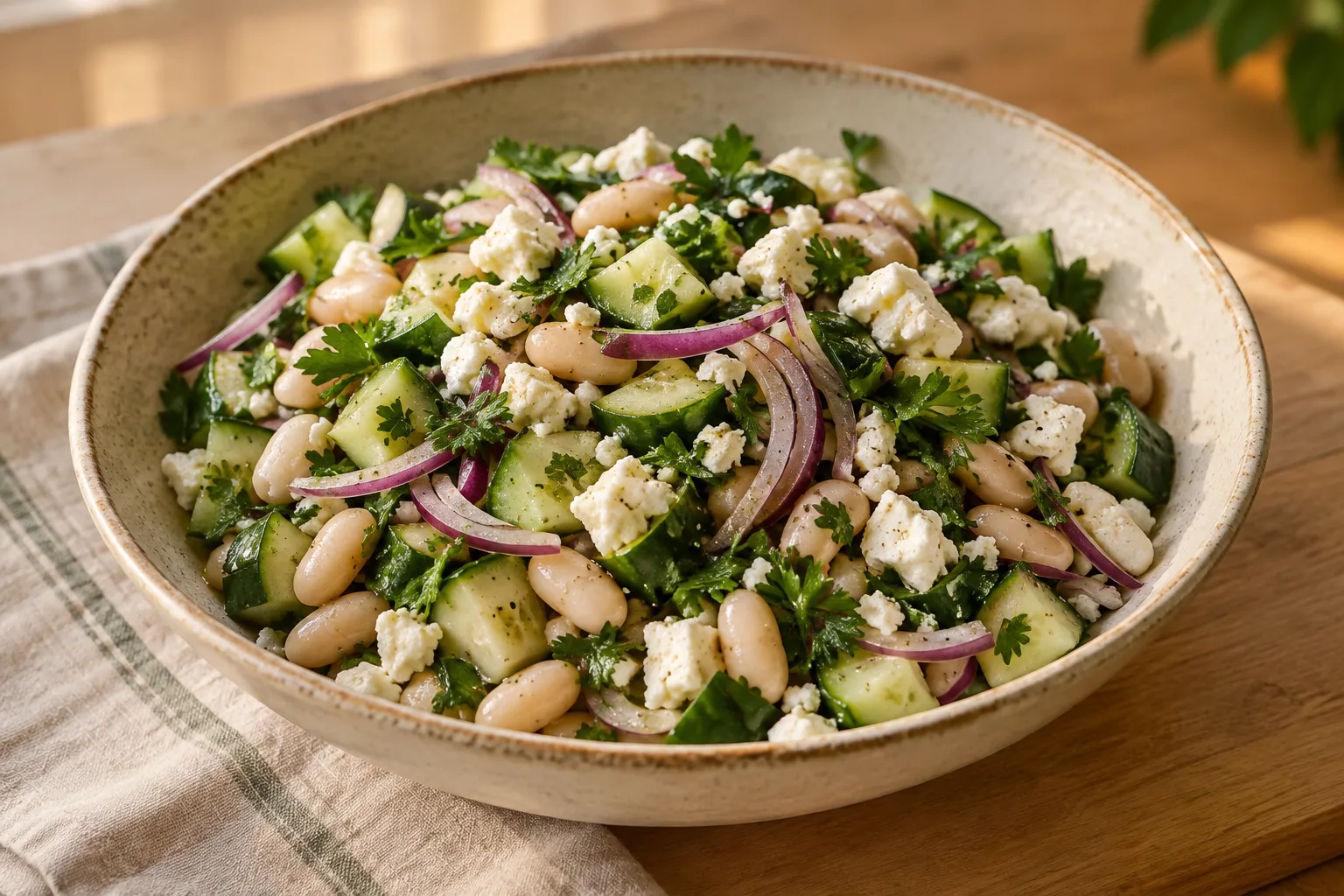
Choose it raw when you want to add color and crunch to salads, sandwiches, tacos, ceviche or fresh sauces. It also works well pickled or marinated as a side, especially when you want an acidic contrast. You can cook it when a recipe calls for it, for example by roasting it or adding it to other ingredients, while bearing in mind that its vivid color may fade with heat. Its flavor can be mild or more pronounced depending on the bulb, so taste it before adding a large amount to a delicate dish.
How to use it
Remove the outer skin and slice the onion into rings, thin strips or dice, depending on the dish. For salads, ceviche, sandwiches and tacos, add it raw near the end or just before serving to keep its bite and color. You can also pickle or marinate it and serve it as a garnish; the sources describe this use with vinegar. To cook it, add it to the preparation or roast it lightly, knowing that its purple hue may fade. If its flavor threatens to dominate, start with a small amount and adjust after tasting. Do not assume every red onion has the same sweetness or pungency.
Flavour and texture
When served raw, it is usually firm and crisp, with a flavor that may combine mild sweetness, pungency and a slightly bitter note. Intensity varies between bulbs and varieties. Cooking softens the onion and may dull its color, making it especially appealing when you want the ingredient to remain visible and retain some bite.
How to choose it
Choose firm bulbs with healthy, attached outer skin and no obvious soft spots. Color can range from red to purple and violet, so do not judge quality by color alone. If you plan to serve it raw, look for a firm bulb without visible damage. If buying packaged onions, check the product information if you need to monitor sulfites.
Storage
Keep a whole onion in a cool, dry place. Once cut, place it in an airtight container and refrigerate it; the cited source recommends trying to use it within seven days. Do not leave cut pieces exposed, as they can dry out and pass their odor to other foods. Follow package directions where provided and discard the onion if it shows signs of spoilage.
Substitutions
White or yellow onion can replace red onion in many recipes, but the color, texture or flavor intensity will change. You can also use another available onion variety and adjust the amount after tasting. If a dish depends on the purple appearance or crisp raw texture, the substitute will be less similar; in a cooked preparation, the differences may be easier to accommodate.
Common mistakes
A common mistake is expecting the purple color to stay vivid after cooking: it may fade. Avoid adding a large amount without tasting, because intensity varies between bulbs. If the recipe relies on color and crunch, do not cook the onion for a long time or cut it too far in advance.
Safety and allergens
Clean work surfaces and utensils after cutting food, and follow any storage directions on the package. AESAN notes that some mesh-packed onions may exceed 10 mg/kg of sulfur dioxide; if you need to avoid sulfites, check the product information. Do not eat an onion that appears spoiled.
Culinary uses
- Aportar frescor, textura crujiente y color cuando se sirve cruda.
- Añadir sabor y aroma a ensaladas, salsas, guisos y acompañamientos.
Recommended techniques
- Cortar en rodajas o pluma y servir cruda.
- Encurtir o macerar para un acompañamiento ácido.
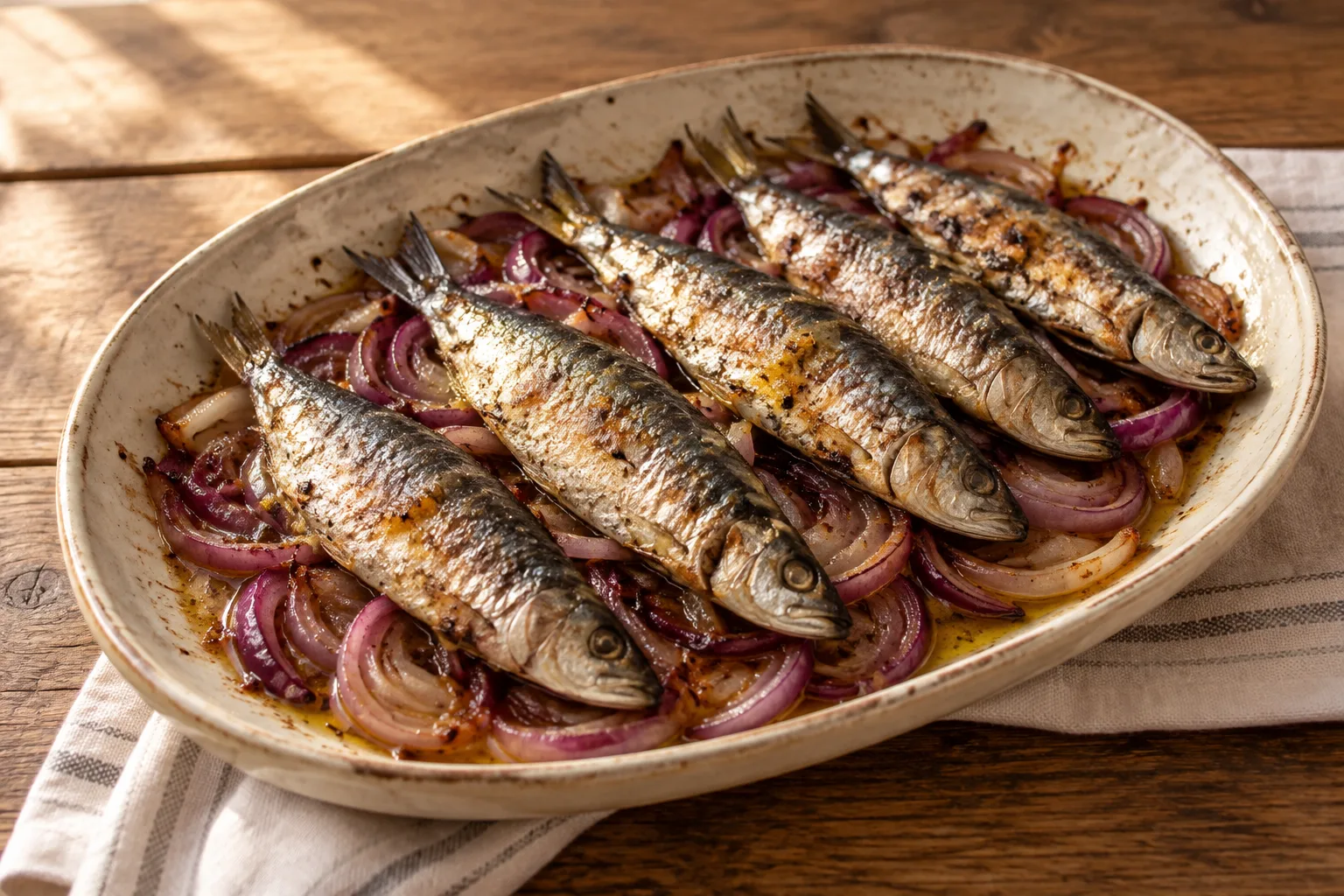
- Asar ligeramente o cocinar junto con otros ingredientes.
Pairs well with
- Ensaladas, ceviches y sándwiches.
- Pescado en conserva y preparaciones de inspiración mexicana, como tacos o cochinita pibil.
Frequently asked questions
Are red onion and purple onion the same thing?
They are often names for onions with reddish or purple tones; the wording can vary by region.
Can red onion be cooked?
Yes. It can be cooked or roasted, although heat may dull its purple color.
What can I use instead?
White or yellow onion works in many preparations, though the appearance and flavor profile will differ.
Estimated nutrition
- Fat
- 0 g
- Saturates
- 0 g
- Carbohydrate
- 6.76 g
- Sugars
- 3.38 g
- Fibre
- 1.4 g
- Protein
- 0.68 g
- Salt
- 0 g
Sources and review
Automatically researched, cross-checked and validated content. Sources consulted:
- En el etiquetado alimentario hay algunas menciones que son obligatorias eletiquetadocuentamucho.aesan.gob.es
- Client Challenge doi.org
- ::AESAN:: Agencia Española de Seguridad Alimentaria y Nutrición aesan.gob.es
- Conoce 15 tipos de cebolla y sus usos en la cocina - Mejor con Salud mejorconsalud.as.com
- Para qué sirve cada tipo de cebolla (y un truco para no llorar al picarla) | El Comidista | Gastronomía | EL PAÍS elpais.com
- Guía completa de tipos de cebolla: variedades, propiedades y usos culinarios jardineriaon.com
- La cebolla, ese humilde ingrediente tan fundamental | Gastronosfera gastronosfera.com
- ¿Cómo elegir la mejor cebolla para cocinar? Guía de sabores patataslazaro.com
- Cebolla roja - Wikipedia, la enciclopedia libre es.wikipedia.org
- Cebolla roja - Gastronomía Vasca: Escuela de Hostelería Leioa gastronomiavasca.net
- Amarilla, blanca, roja, chalota... ¿para qué se utiliza cada tipo de cebolla? 20minutos.es
- ¿Amarilla, blanca, roja o Vidalia? Para qué sirve cada tipo de cebolla directoalpaladar.com
- Cebolla roja: beneficios, variedades y su uso en recetas tradicionales - cocinajesussanchez.com cocinajesussanchez.com
- Los 5 tipos de cebolla que más se utilizan en la cocina: sus diferencias, su sabor y sus propiedades elle.com
- Tipos de cebolla y su utilización en la cocina | Blog Bernad Refrigeración josebernad.com
- La guía definitiva para saber para qué sirve cada cebolla lavanguardia.com