- Category
- Grains, flour and pasta
- State
- Powdered
- Usual unit
- g
What it is
Rice flour is milled rice, available in varieties made from white or brown rice and in different particle sizes. It is not the same as whole rice grains: milling changes how it behaves when incorporated into a dish. White rice flour is commonly described as fine and mild or neutral in flavor, while brown rice flour retains the grain’s outer parts and has a more rustic character. Glutinous rice flour is also available; it behaves more stickily and is used for particular preparations. Rice flour does not contain the gluten found in wheat, but check the label and product information if avoiding gluten is essential, since products and handling practices can differ.
When to use it
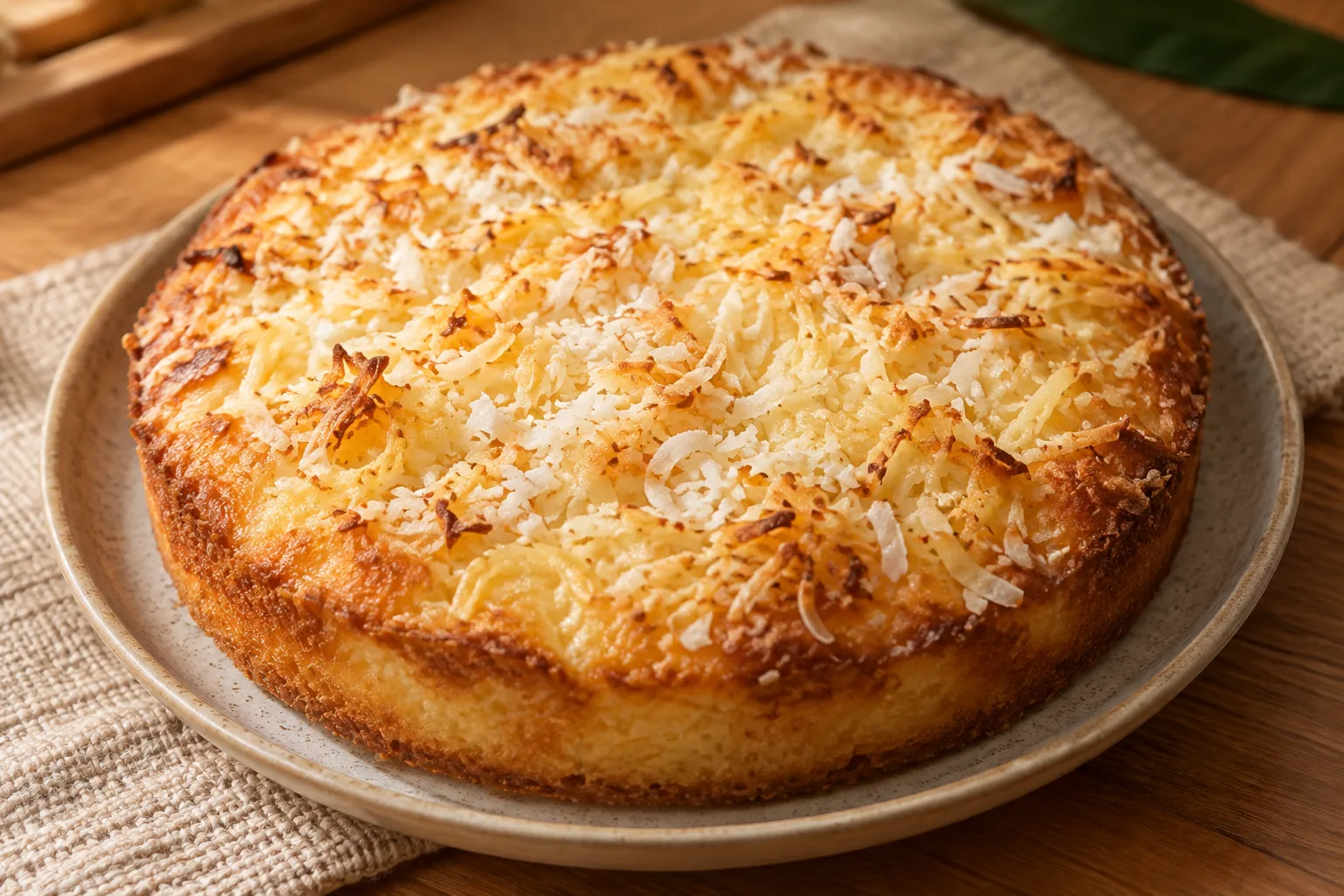
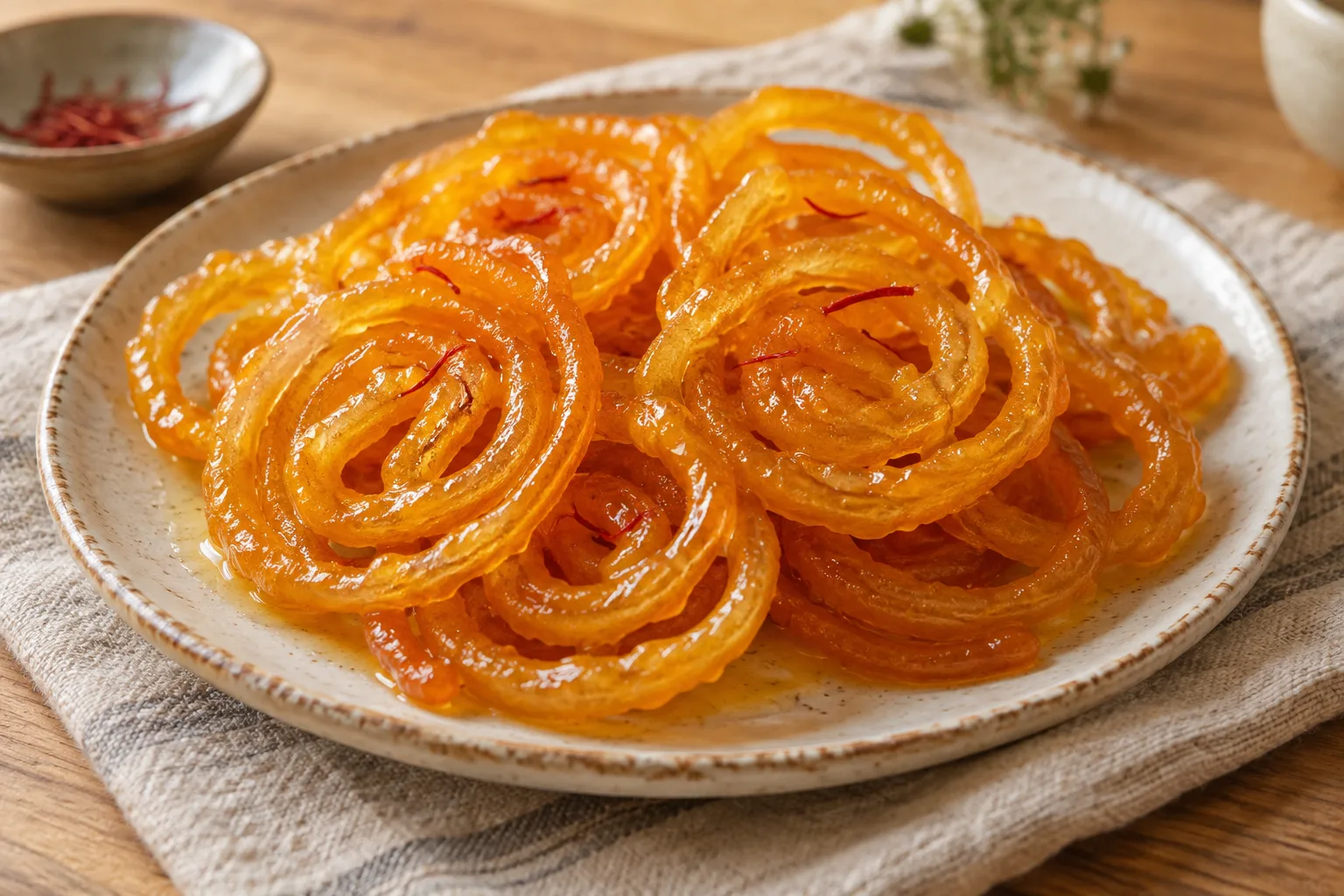
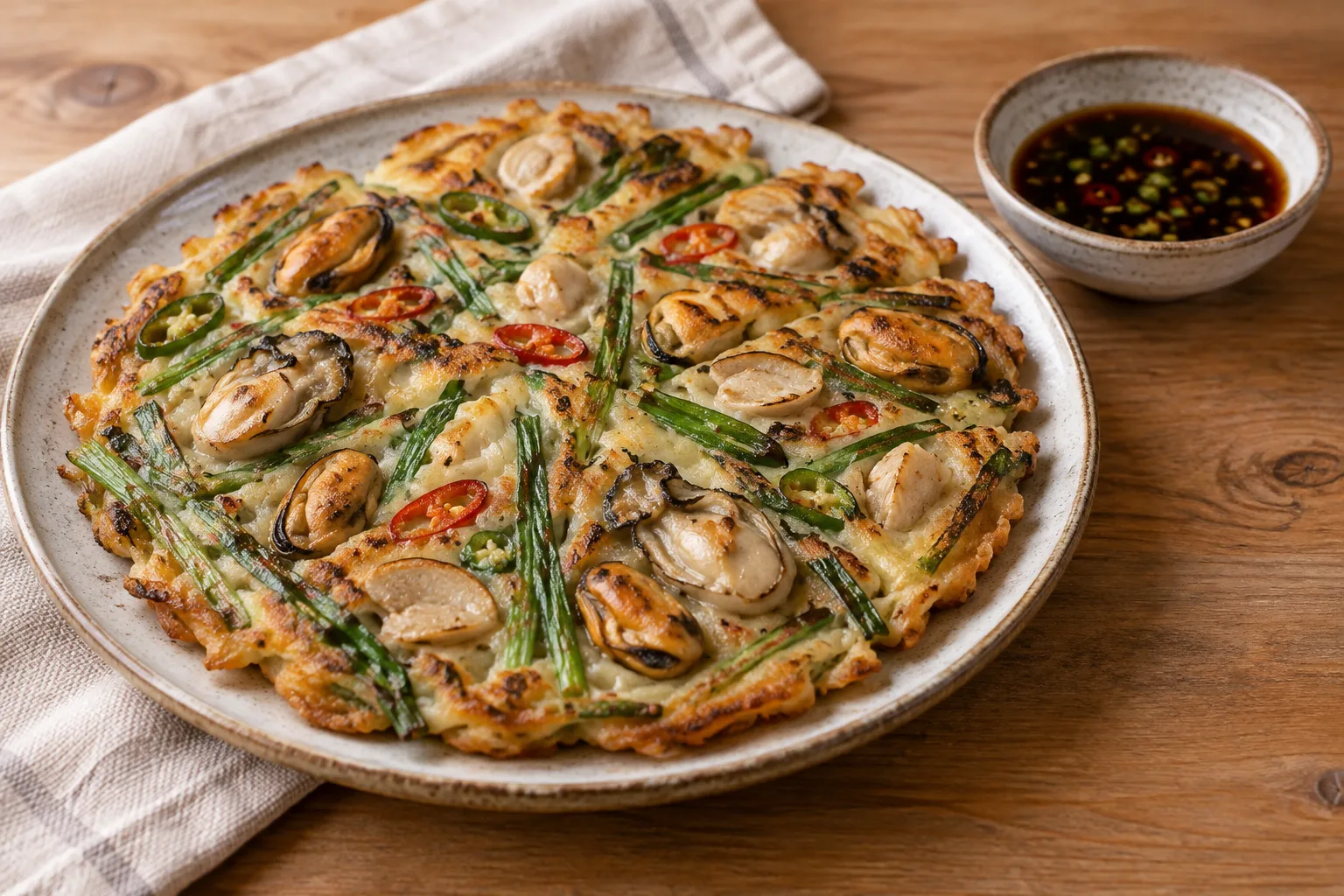
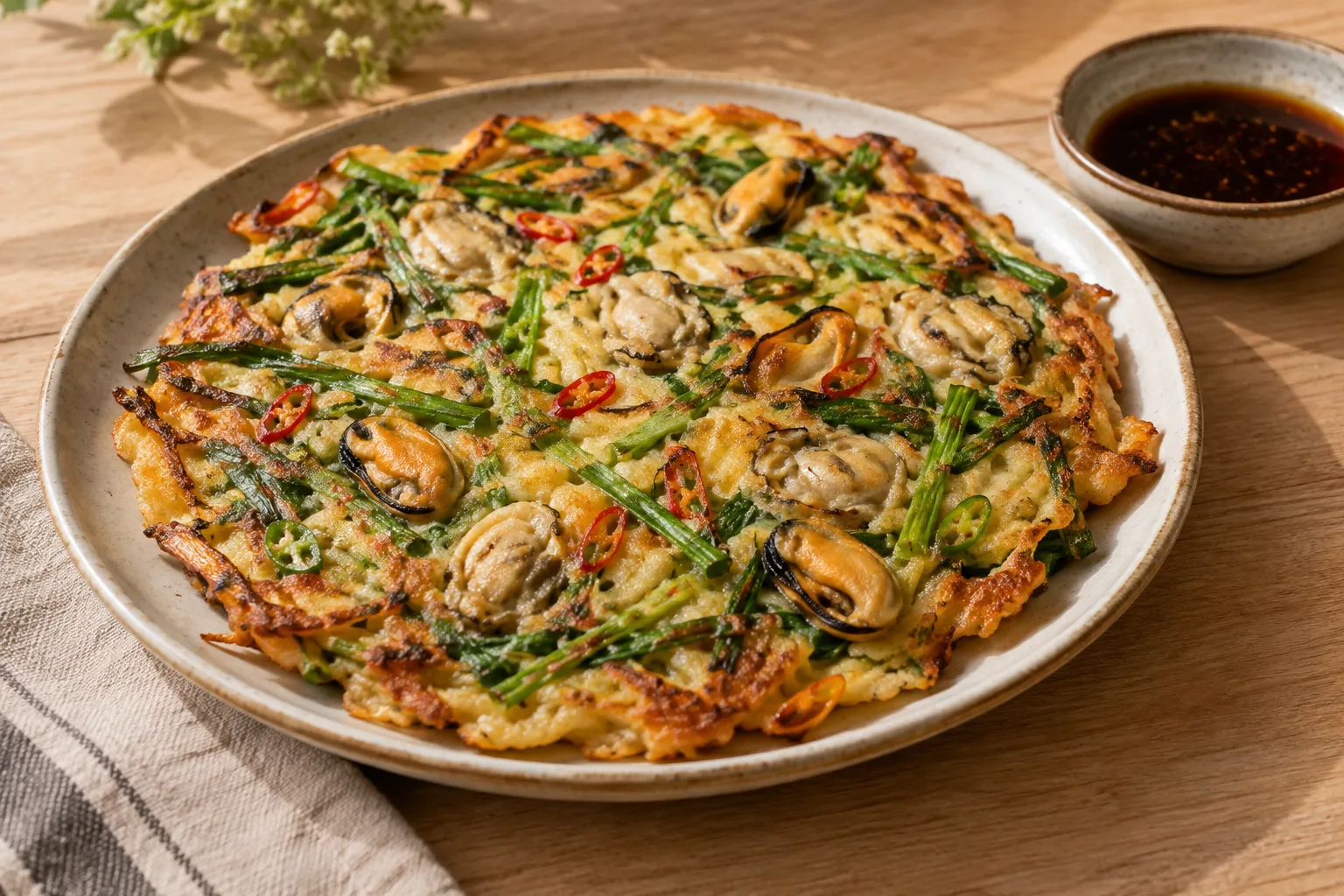
Use rice flour to thicken a sauce or soup, make a coating, or add flour to cookies, cakes, pancakes, and other batters. It can be useful in gluten-free recipes when the chosen product and the other ingredients are suitable for that purpose. Do not expect dough made with it to behave like wheat dough: rice flour does not develop the same elastic structure, and some baked goods may need a blend of flours or ingredients that help hold them together. White, brown, and glutinous varieties also behave differently, so choose according to the texture you want.
How to use it
To thicken a dish, first whisk the flour with a small amount of cold liquid until smooth, then add it to the hot sauce while stirring. You can also cook it with fat as part of a roux before adding liquid. For a coating, use it on its own or make a light batter with liquid and dip the food before cooking. For baking, follow a recipe developed for rice flour, or combine it with other flours and binders when the recipe calls for them; replacing all the wheat flour without adjusting the formula can produce a fragile or crumbly texture. White, brown, and glutinous rice flours are not interchangeable in every application.
Flavour and texture
Rice flour is generally described as mild and unobtrusive, though the rice variety and milling size can affect the result. White rice flour is typically fine and neutral; brown rice flour has a more rustic, aromatic profile, while glutinous rice flour gives preparations a stickier consistency. In doughs, rice flour does not provide the elasticity associated with wheat gluten, so a bake may be more crumbly if the recipe lacks other ingredients to give it structure.
How to choose it
Check which kind you need: white, brown, or glutinous rice flour, since they behave differently and suit different uses. Look at the fineness or particle size as well, because products vary and this can affect the final texture. If you are buying flour for a medically necessary gluten-free diet, check the package and manufacturer’s information rather than assuming every product is free from traces or cross-contact. Choose a product in good condition and follow its package directions.
Storage
Check and follow the package’s storage directions, since there is no single storage period that applies to all rice flours. As a guide when choosing how much to buy and when to use it, brown rice flour can become rancid more readily than white rice flour, so use it sooner rather than leaving it forgotten in the pantry. Do not use a product that has an unusual change in appearance or smell.
Substitutions
Rice flour can replace other flours in some coatings or thickening applications, but the result may differ. Corn flour or cornstarch is a possible alternative for thickening; in baking, corn or almond flour can be part of a blend. Wheat flour is not a direct replacement in doughs that rely on its elasticity. Adapt the recipe rather than swapping equal amounts without checking how the mixture behaves.
Common mistakes
A common mistake is replacing all the wheat flour in a recipe with rice flour without adjusting anything else: because it does not form the same elastic structure, the dough may crumble. It can also turn lumpy if added straight to a hot sauce; first dissolve it in cold liquid and stir as you add it. Do not assume white, brown, and glutinous rice flours will give the same result.
Safety and allergens
If you must avoid gluten because of coeliac disease, check the package information and any cross-contact warnings; do not rely on the ingredient name alone. AESAN publishes food alerts, including alerts about undeclared gluten, which can be checked when relevant. Follow the manufacturer’s storage directions.
Culinary uses
- Thickener for soups, sauces and gravies
- Flour for batters, coatings and baking
Recommended techniques
- Whisk into cold liquid before adding to a hot sauce to help prevent lumps
- Mix into batter for coating foods before frying
- Combine with other flours or binding ingredients for some baked goods
Pairs well with
- Water or other recipe liquids for batters and thickening slurries
- Corn flour or almond flour in baking blends
- Sauces and soups that need thickening
Frequently asked questions
Does rice flour contain gluten?
Rice does not provide the gluten found in wheat, and sources describe rice flour as lacking gluten. If you must avoid gluten because of coeliac disease, check the product label and any information about cross-contact.
Can I replace wheat flour with rice flour in every recipe?
No. Rice flour does not form the same elastic structure as wheat flour, so some doughs may be more fragile. Use a recipe designed for rice flour or adjust the blend for the preparation.
How can I prevent lumps when using rice flour as a thickener?
Whisk it with a little cold liquid until smooth, then stir that mixture into the hot sauce.
What is the difference between white and brown rice flour?
White rice flour is usually finer and more neutral. Brown rice flour retains more of the grain and is described as more rustic and aromatic; it can also become rancid more readily.
Estimated nutrition
- Fat
- 0 g
- Saturates
- 0 g
- Carbohydrate
- 80.8 g
- Sugars
- 3.85 g
- Fibre
- 0 g
- Protein
- 7.69 g
- Salt
- 0 g
Sources and review
Automatically researched, cross-checked and validated content. Sources consulted:
- The Essential Glossary of Cooking Terms for the Culinary Arts - Escoffier escoffier.edu
- Evaluación de harina de amaranto como ingrediente antioxidante para la preparación de matrices alimentarias funcionales doi.org
- Washington State Food Access English-Spanish Glossary wpcdn.web.wsu.edu
- Agencia Española de Seguridad Alimentaria y Nutrición aesan.gob.es
- MF3659S Spanish: Cooking for One or Two, Fact Sheet bookstore.ksre.ksu.edu
- Desarrollo de harina a base de arroz (Oryza sativa), ... bdigital.zamorano.edu
- GAPS 2 Spanish General Food Resource Guide 2019 sph.umn.edu
- A Recipe for Memory: Hispanic Heritage as Told Through Cultural Dishes news.sunyempire.edu
- Aplicaciones de la harina de arroz harinadearrozcliment.com
- La harina de arroz, ingrediente clave de la pinsa: todo lo que debes saber - Di Marco dimarco.it
- Harinas de Arroz | Ingrediente Ecológico Para Alimentos Sin Gluten beneo.com
- Harina de arroz: cómo hacerla en casa fácilmente, beneficios e ideas de uso bonviveur.com