- Category
- Vegetables
- State
- Fresh
- Usual unit
- unit
What it is
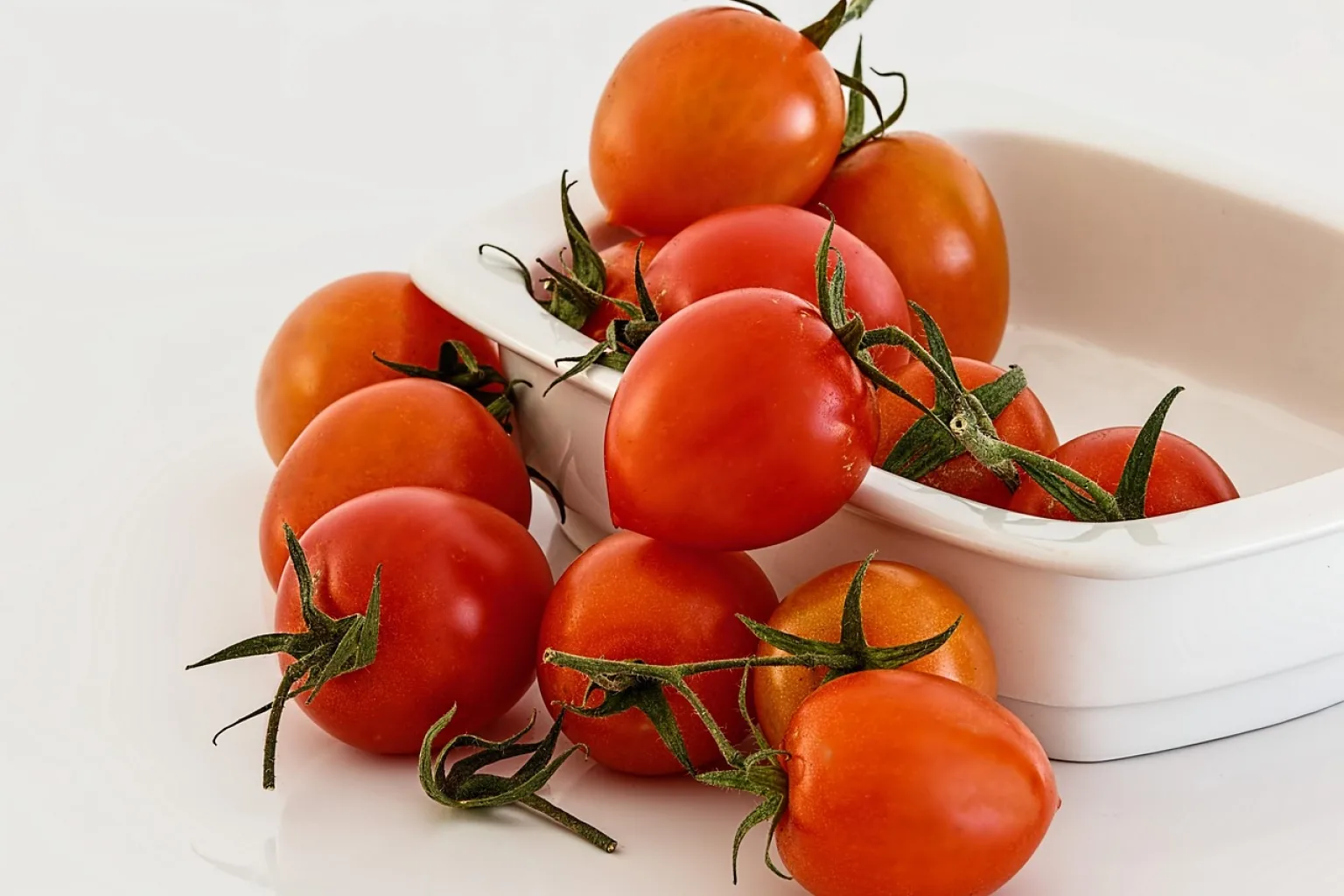
A ripe tomato is the fresh fruit of the tomato plant, used in cooking as a vegetable. Botanically it is a fruit, but in the kitchen it works as both a vegetable ingredient and a garnish. As it ripens, it develops juicy flesh and a balance of sweetness and acidity that varies with the variety. Tomatoes differ in size, shape, colour, fleshiness and juiciness, so no single type is best for every recipe. Fleshier tomatoes are useful when the pulp matters, while juicier ones bring freshness to slices, salads and cold dishes. This profile is about fresh ripe tomatoes, not processed products such as canned tomatoes, purée or prepared sauce.
When to use it
Choose a ripe tomato when you want fresh, juicy flavour in a salad, sandwich or tomato-topped bread. It also works in cold soups and blended creams, where its flesh and juice combine with other ingredients. For sauces, sofrito and stews, it can be cooked; a fleshier variety is often convenient when you want a more substantial pulp. Ripeness, variety and water content affect the finished texture, so choose according to the dish rather than assuming all tomatoes behave alike.
How to use it
Wash the tomato and slice or dice it for salads, sandwiches and garnishes. To serve it on bread, grate it or rub the cut flesh over the slice, then add olive oil. For cold soup, blend it with the ingredients specified by the recipe; strain the mixture if you want a smoother texture without skins or seeds. For sauce, sofrito or a stew, chop and cook it with the other ingredients, bearing in mind that juiciness and fleshiness differ among varieties. It can also be baked or roasted as part of a dish. Match the cut and technique to the result you want: distinct pieces for salads, a blended mixture for creams, or cooked pulp for sauces.
Flavour and texture
Ripe tomatoes typically combine sweetness with fresh acidity, though intensity varies by variety. Their flesh may be firm and meaty or more watery and juicy; size, shape and colour vary too. Raw tomato brings freshness and moisture, while blending makes it part of a smooth mixture and cooking turns it into a base for sauces or stews. Texture depends on the variety as well as the cut and preparation.
How to choose it
Choose tomatoes with the intended use in mind: a meaty variety can be convenient for slicing or cooking, while a juicy one suits fresh preparations. Differences in size, shape, colour and texture are normal and do not by themselves indicate a defect. If you buy packaged tomatoes or a prepared tomato product, check the label to identify the product and its use instructions. Do not rely on every tomato having exactly the same shape or colour.
Storage
The available evidence does not establish a universal storage time or temperature for fresh ripe tomatoes. Varieties differ in texture and keeping quality, so do not assume they all store in the same way. For packaged tomatoes or tomato-based preparations, follow the storage and use directions on the label. For fresh produce, ask the seller for specific guidance if needed.
Substitutions
For a sauce or sofrito where abundant flesh is useful, a ripe pear tomato can stand in for another fresh tomato. In a salad or sliced preparation, a meaty salad tomato is a practical alternative. The swap may change the amount of juice and the texture, so adapt the cut or preparation to the type available.
Common mistakes
Do not assume every variety has the same fleshiness, juiciness or texture. A very juicy tomato may produce a different result from the one expected in a thick sauce, and the variety name alone does not guarantee that every fruit will behave identically. Do not confuse fresh tomatoes with canned products or prepared sauces, which are different forms.
Safety and allergens
The supplied evidence establishes no specific safety warning for fresh ripe tomatoes. For packaged or prepared products, follow the label’s storage and use directions and check the allergen information for that specific product.
Culinary uses
- Fresh ingredient for salads, sandwiches and bread toppings
- Juicy base for cold soups, purées, sauces and cooked dishes
Recommended techniques
- Slice, dice or grate for raw preparations
- Blend for cold soups and smooth sauces
- Cook in sauces, sofritos and stews
- Roast or bake whole or cut
Pairs well with
- Basil, oregano and other herbs
- Olive oil, garlic and bread
- Mozzarella and other cheeses
- Cucumber, pepper and onion
Frequently asked questions
Is a tomato a fruit or a vegetable?
Botanically, it is a fruit; in cooking, it is commonly used as a vegetable.
Which tomato works well for sauce?
A fleshy type such as a pear tomato can be convenient when you want plenty of pulp. Juiciness varies among varieties.
How can I use a ripe tomato without cooking it?
Slice it for salads or sandwiches, grate it onto bread, or blend it for a cold preparation.
Estimated nutrition
- Fat
- 0.25 g
- Saturates
- 0.03 g
- Carbohydrate
- 3.47 g
- Sugars
- 2.55 g
- Fibre
- 1.9 g
- Protein
- 0.79 g
- Salt
- 0.29 g
Sources and review
Automatically researched, cross-checked and validated content. Sources consulted:
- En el etiquetado alimentario hay algunas menciones que son obligatorias eletiquetadocuentamucho.aesan.gob.es
- 17 recetas para aprovechar tomates de temporada cuando no están tan guapos directoalpaladar.com
- Client Challenge doi.org
- Tomate - Wikipedia, la enciclopedia libre es.wikipedia.org
- Variedades de tomates: guía completa con tipos, características y usos jardineriaon.com
- La historia del tomate en la cocina | Hida hida.es
- El tomate: orígenes, variedades y propiedades de este alimento | Excelencias Gourmet excelenciasgourmet.com
- ¿Qué otros usos le dan al tomate? restauranteelpilonrascafria.es
- Tipos De Tomates: Variedades Y Usos Culinarios | La Fallera lafallera.es
- Maridajes – Agrogust agrogust.com
- Los 6 mejores tipos de tomate y cómo usarlos en cocina mercadosantamariadelacabeza.es
- 40 recetas con tomate: maduros, secos, de la huerta, frito diezminutos.es
- El tomate: historia, variedades y recetas rápidas - CocinoPedia.com cocinopedia.com
- TOMATE MADURO - concadelatordera.com concadelatordera.com
- Tomate maduro extra | Ametller Origen ametllerorigen.com