- Category
- Grains, flour and pasta
- State
- Dry
- Usual unit
- g
What it is
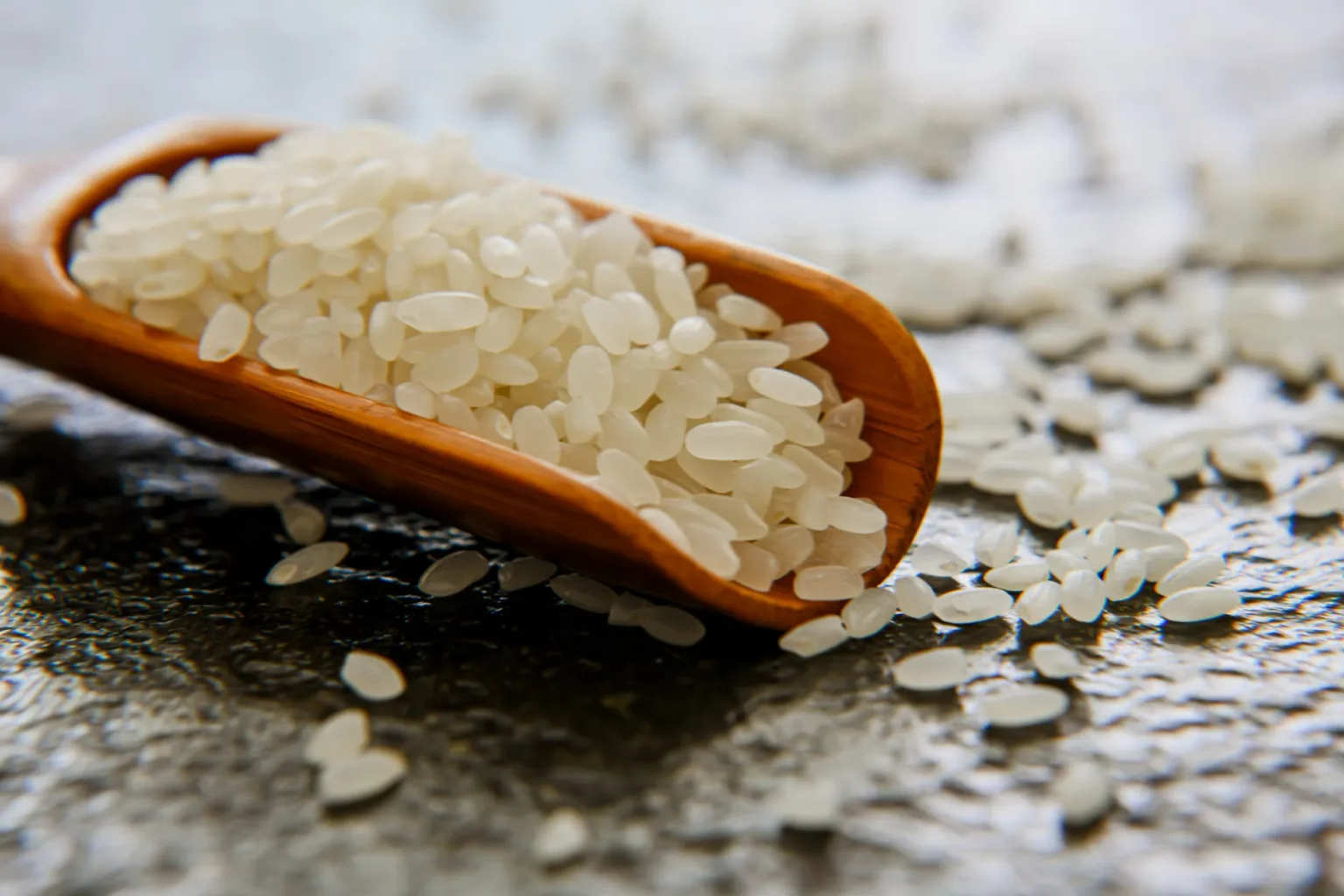
Short-grain rice is a commercial category of rice with grains that are short and broad, often appearing nearly round. The name does not necessarily refer to one single variety: products sold under it can differ in variety, processing, and cooking behavior. It is generally chosen when the grains should absorb the cooking liquid and the finished dish can be somewhat cohesive or creamy. How much starch is released and how firm the grains remain depend on the particular rice and the cooking method. Short-grain rice should not automatically be treated as the same product as bomba rice, which is a distinct round-grain variety, or as rice specifically sold for risotto or sushi. It is commonly sold dry. Check the package for the precise product description and any instructions provided for that rice.
When to use it
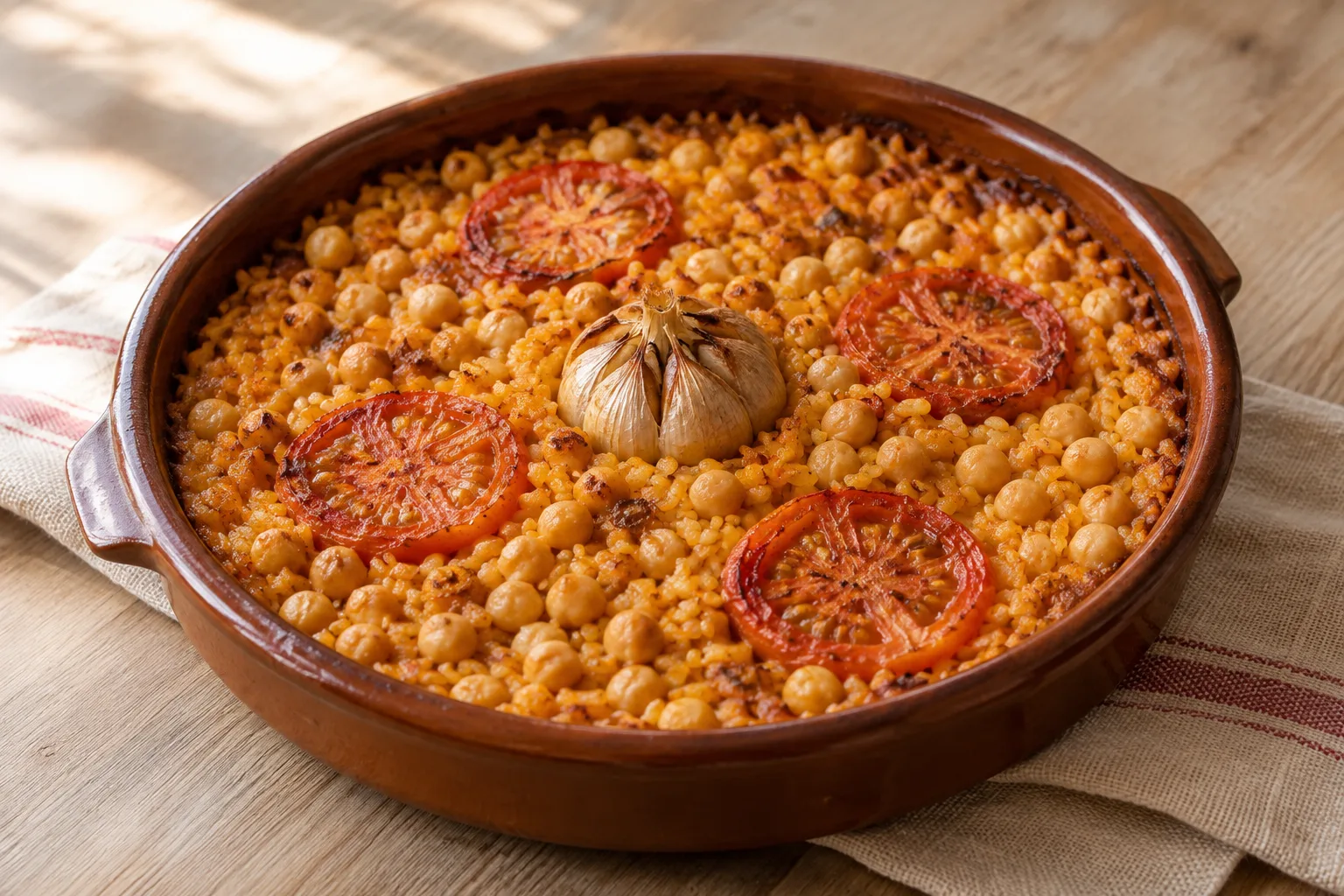
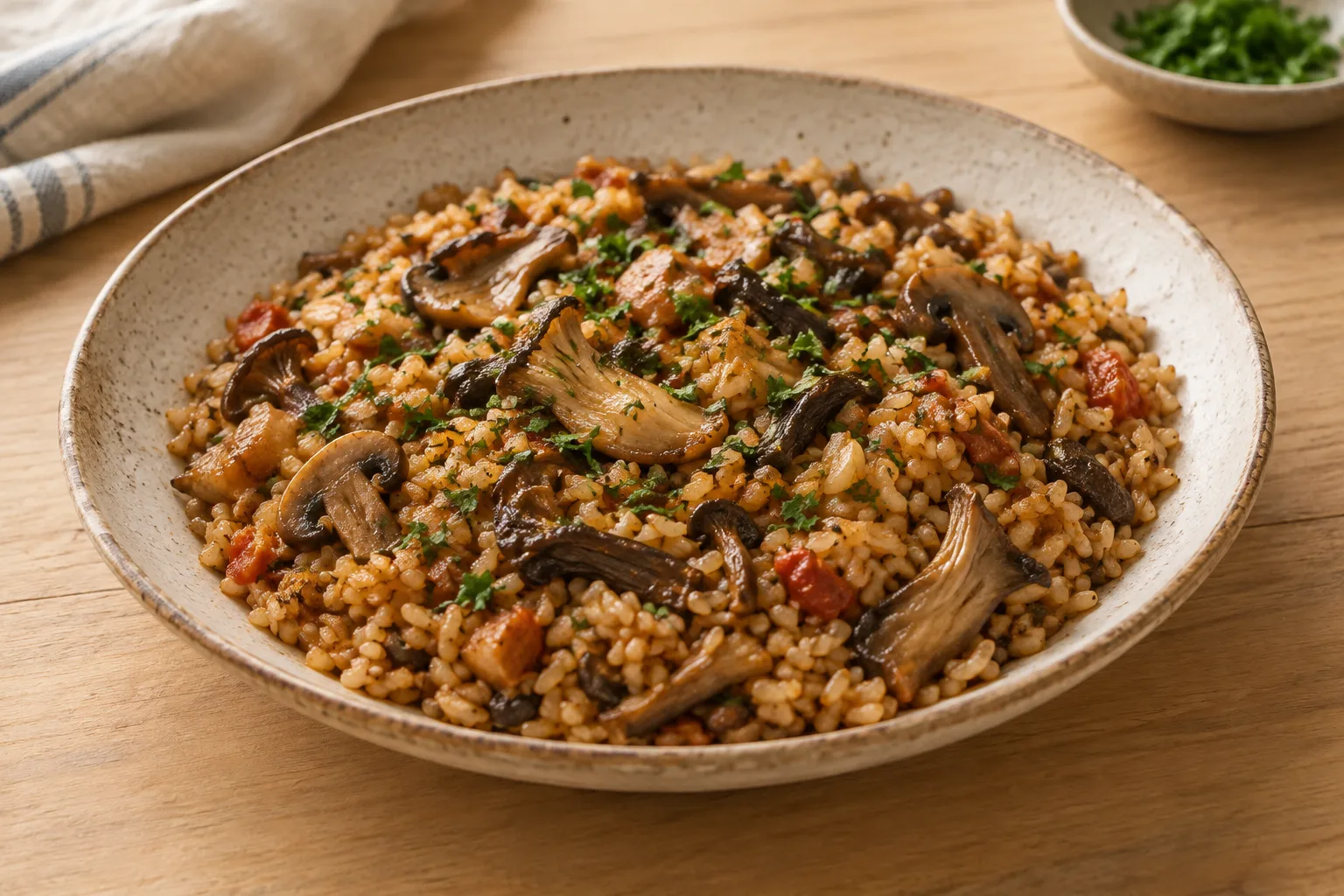
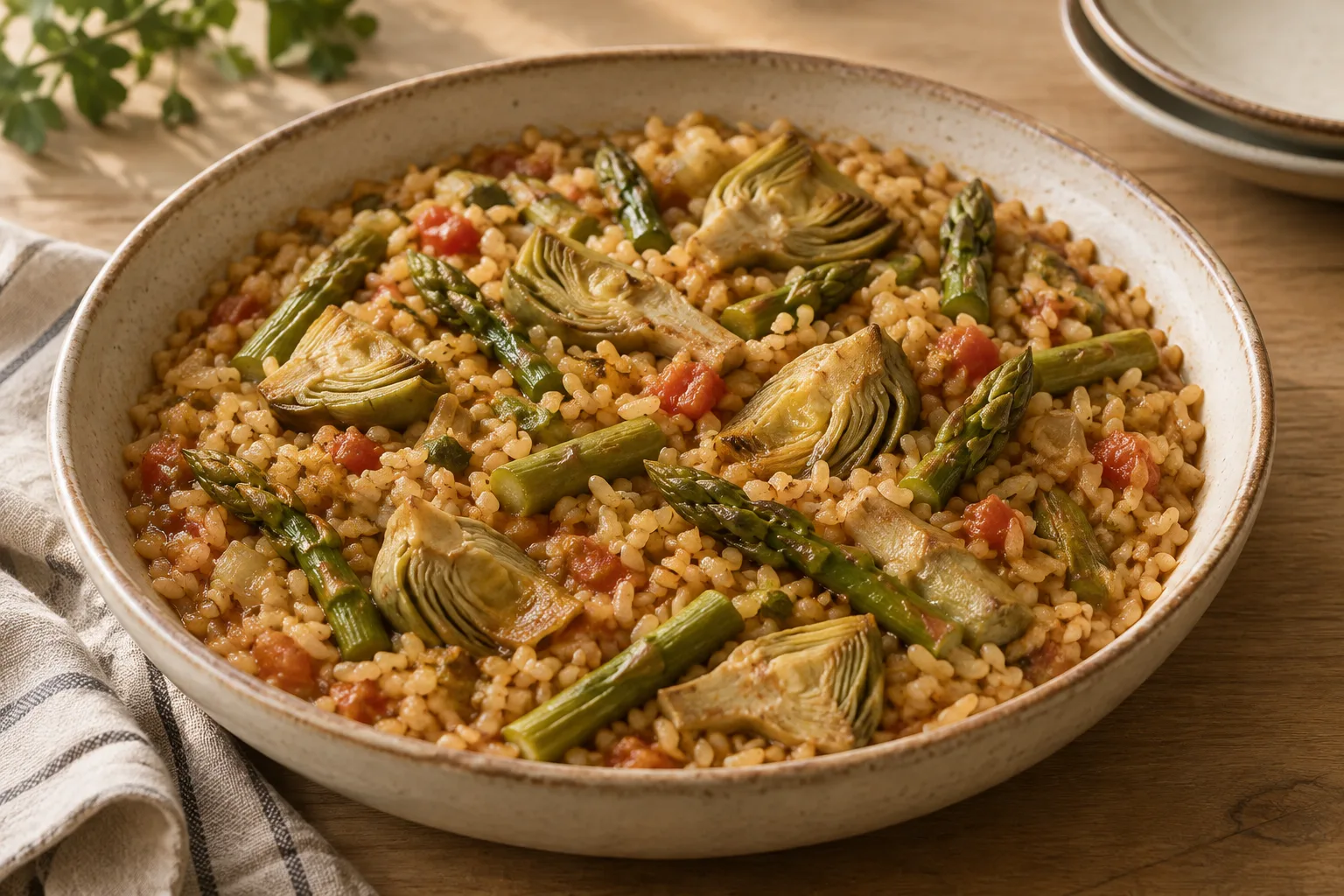
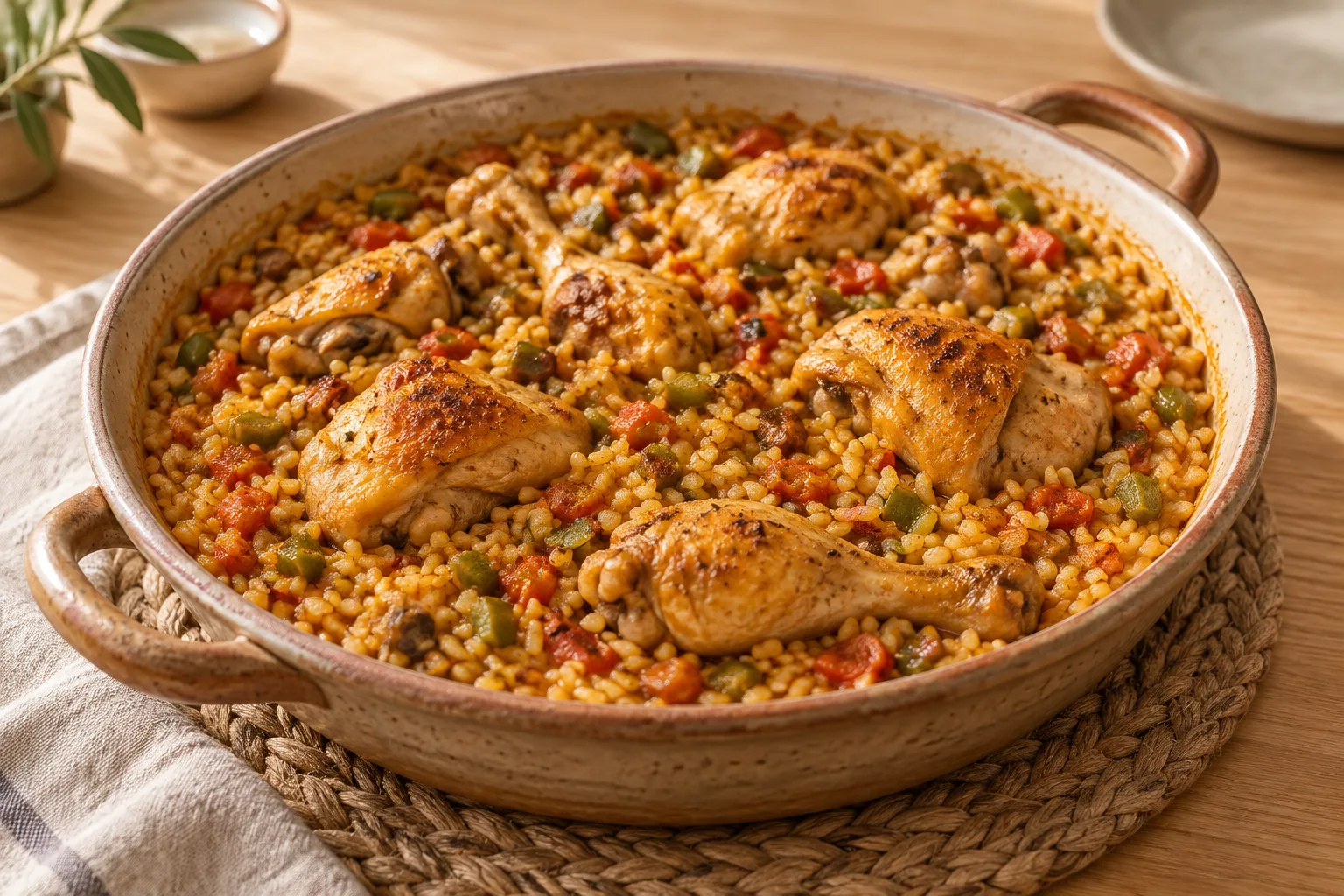
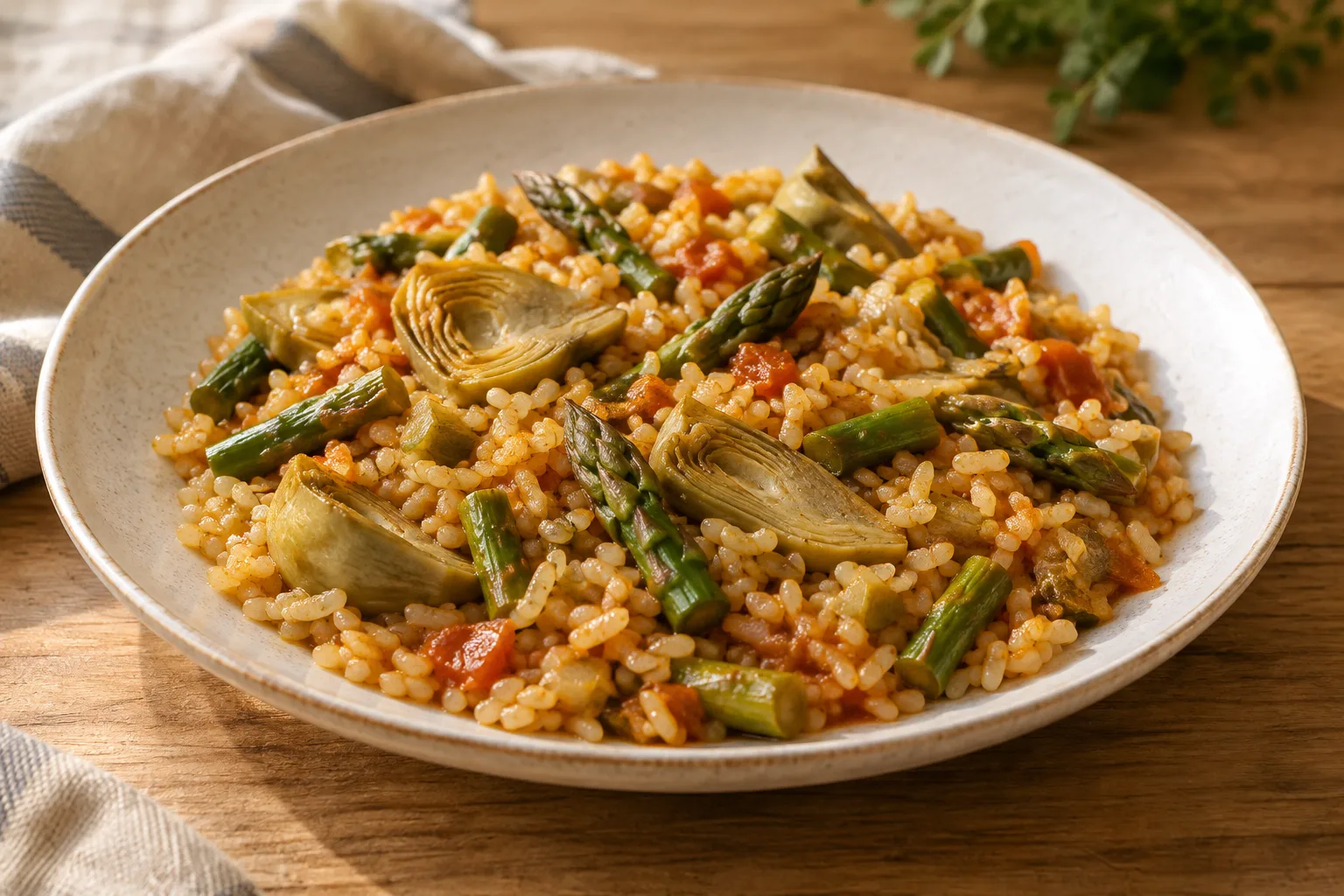
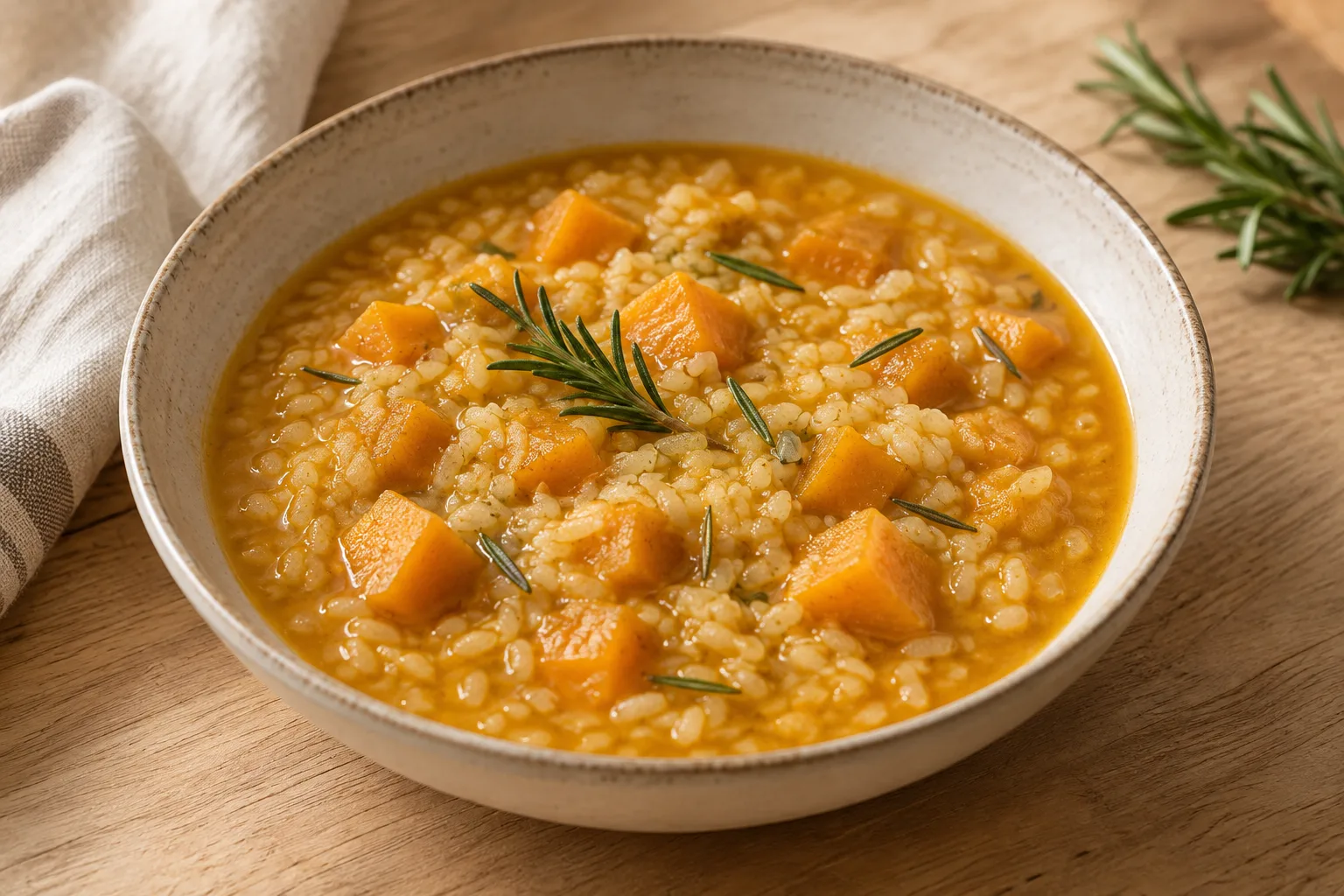
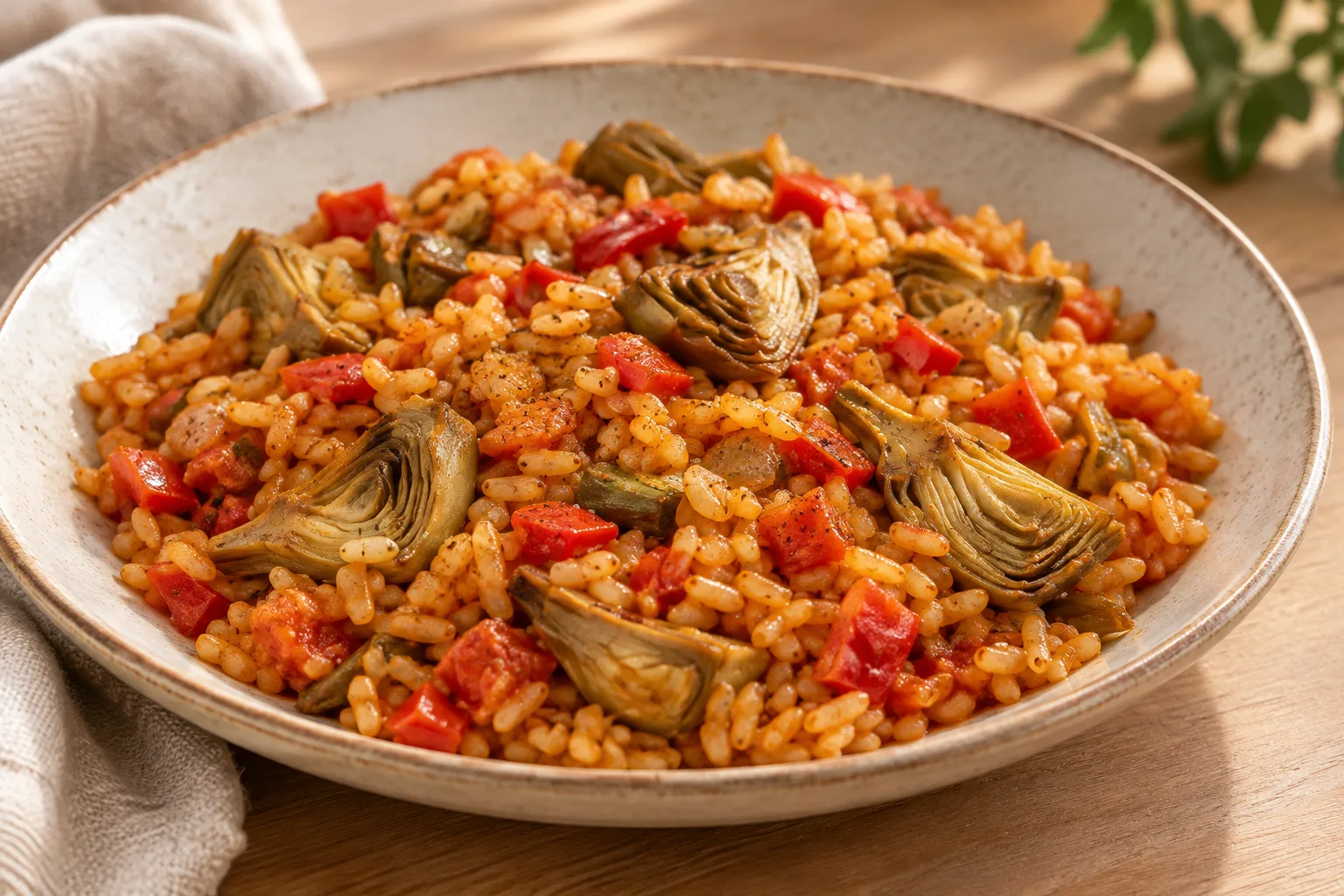
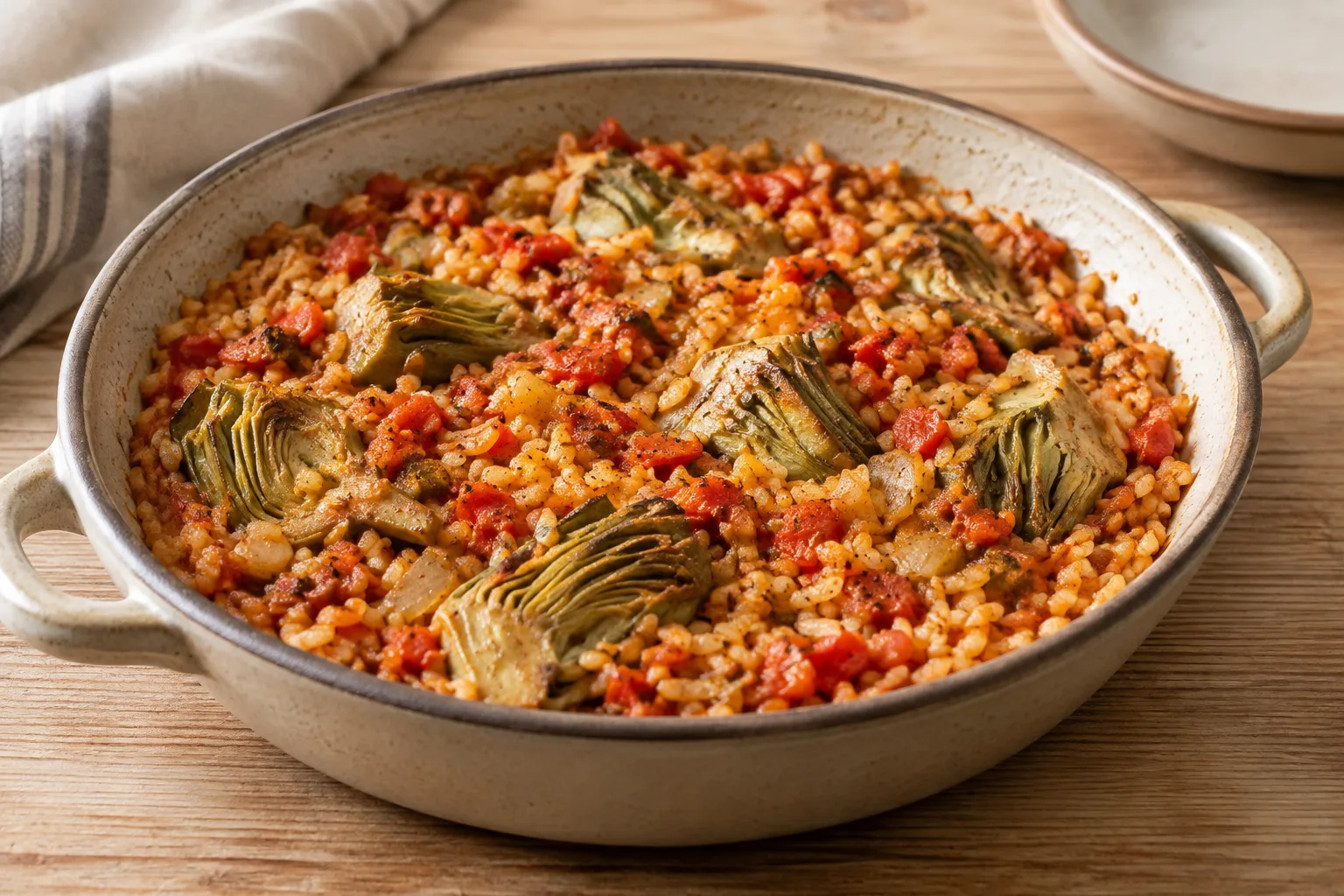
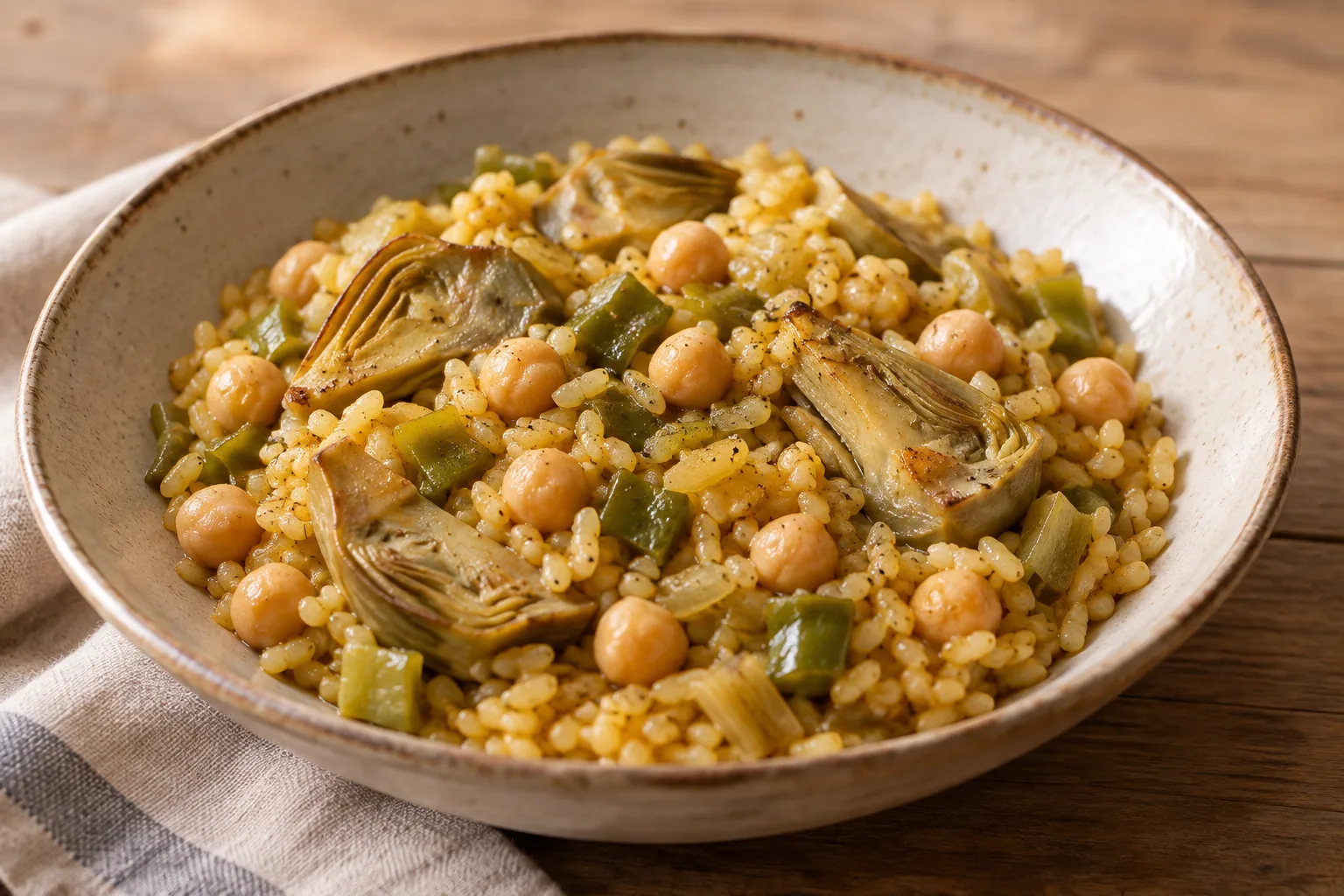
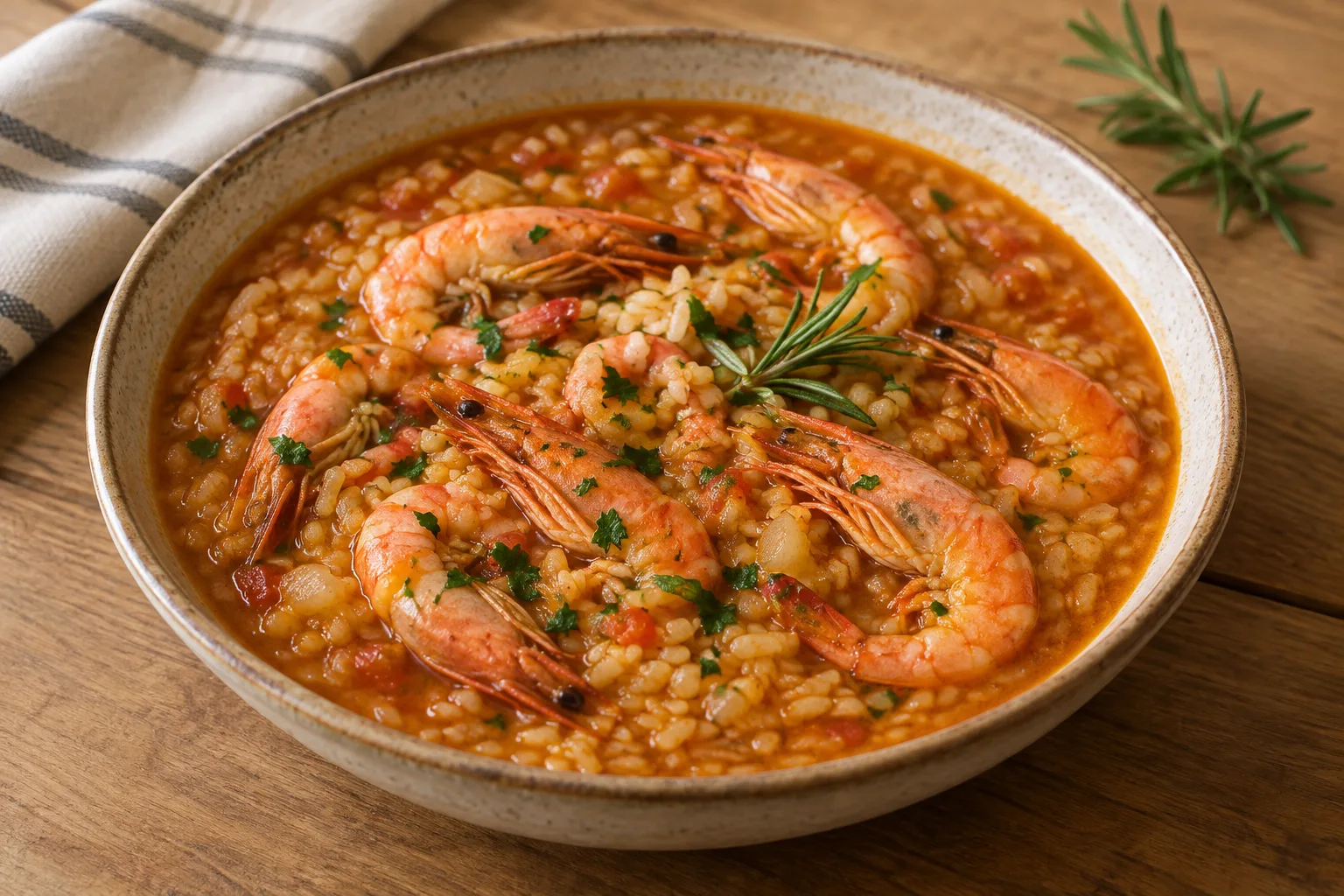
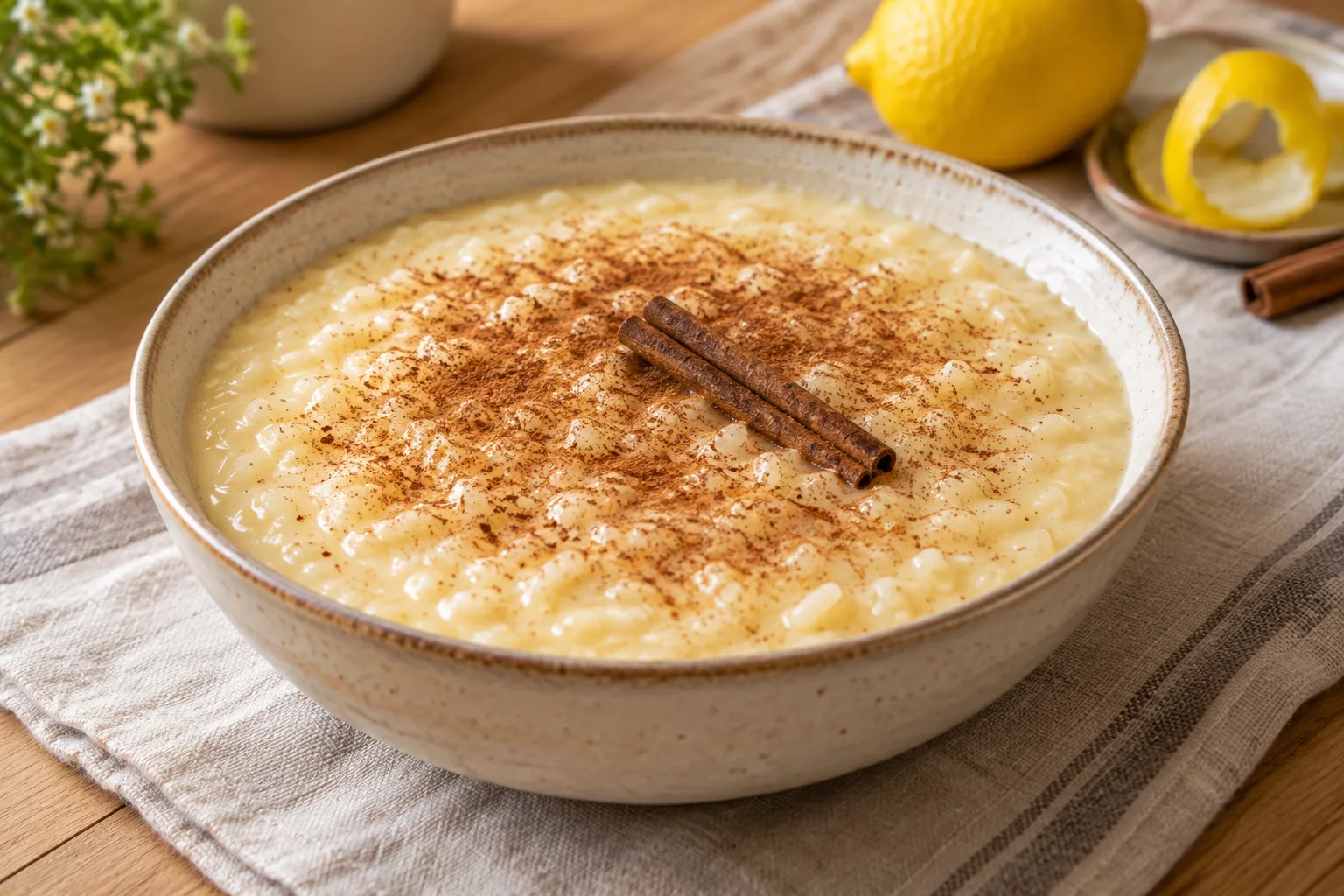
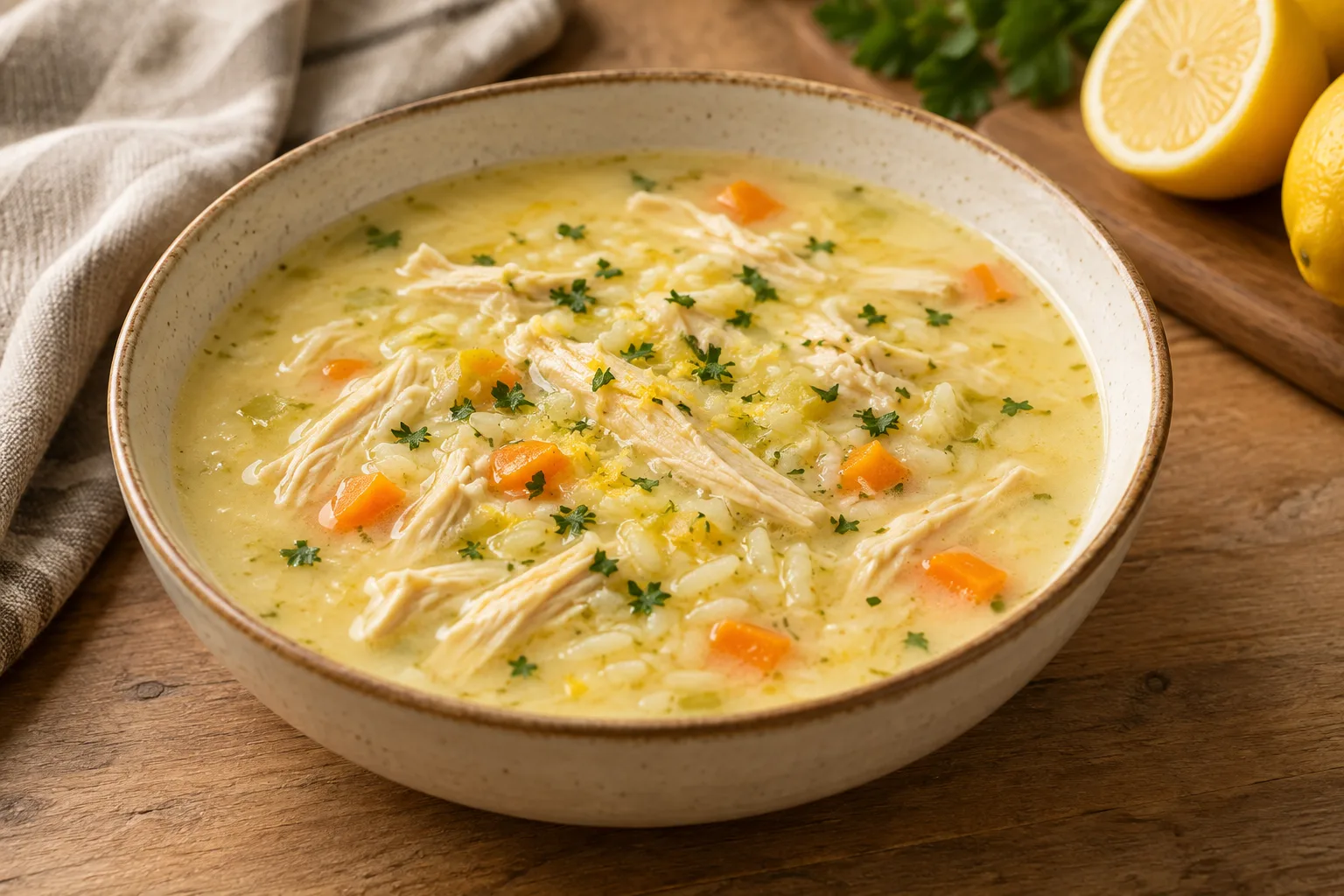
Choose short-grain rice when you want the grains to take on the flavor of the cooking liquid and the finished dish to be juicy or somewhat creamy. It is useful for paella-style and other dry rice dishes, as well as soupy or creamy rice and stews in which rice is part of the dish. It can also be used for rice pudding and other rice desserts. For dishes where separate, loose grains are the goal, such as some rice salads or side dishes, long-grain rice is often a better fit. Short-grain rice does not cook identically across all packages, so check the product directions and adapt the method to the texture you want.
How to use it
Measure the rice and liquid according to your recipe, using package directions as a starting point when available: rice type and cooking method affect absorption. For a dry rice dish, add the rice to the cooking liquid or broth as directed and distribute it evenly. For soupy rice, use a preparation with more liquid and serve when it reaches the consistency you want. If you want a creamier texture, stirring during cooking can encourage starch release; if you want more separate grains, avoid excessive stirring and do not overcook. Short-grain rice can be used as an alternative in risotto, although varieties specifically sold for risotto are the usual choice. For rice pudding, cook it in the liquid specified by the recipe and check the texture as it develops. Do not assume one cooking time or liquid ratio works for every product and dish.
Flavour and texture
Short-grain rice has a mild flavor that readily takes on the aromas of broth, vegetables, meat, or seafood cooked with it. Its short grains tend to produce a softer, more cohesive texture than many long-grain rices. Depending on the product and method, the result can be juicy, creamy, or more compact; liquid quantity, cooking, and stirring all matter. Not every short-grain rice absorbs liquid or retains firmness in the same way.
How to choose it
Read the package description and check that you are buying dry short-grain rice rather than a prepared mix or a different product such as bomba, brown, or rice specifically intended for risotto. Round-grain products are not automatically interchangeable: their characteristics and cooking directions can vary. If you are choosing rice for a particular recipe, select a product whose directions suit it and follow the manufacturer’s guidance. For rice sold in bulk, confirm how the product is identified and keep any available usage information.
Storage
Keep dry rice in a cool, dry place, protected from light and moisture. After opening, a well-sealed container helps protect it from moisture and surrounding odors. Follow any product-specific storage directions on the package and check its date information before use. Keep the rice away from wet ingredients, and do not return rice to the package if it has come into contact with water or other foods.
Substitutions
Bomba rice may substitute in a recipe that suits a firmer round grain, but adapt the method to the product directions because liquid absorption can differ. Arborio or carnaroli are common alternatives for creamy risotto, though they are distinct rice varieties. Long-grain rice can replace short-grain rice when a looser result is wanted, but the texture and absorption will change. Check the rice as it cooks rather than assuming identical quantities or cooking times.
Common mistakes
A frequent mistake is treating every short-grain rice as the same variety and using identical liquid quantities and cooking methods. Stirring constantly can also work against a dish where more separate grains are wanted, while overcooking can make the texture too soft. Stirring may help when a creamy result is intended; for looser grains, limit it. Follow the package and adapt the method to the recipe.
Safety and allergens
Check the product label, especially for seasoned, mixed, or prepared rice, and follow the storage and use directions on the package. Allergen warnings can depend on the product and how it was made; if you have an allergy or intolerance, check the specific product information before eating it.
Culinary uses
- Base for dry and broth-based rice dishes
- Ingredient for creamy dishes and rice desserts
- Side dish or component in composed meals
Recommended techniques
- Simmering or absorption cooking
- Cooking in broth for paella-style, soupy, or creamy rice
- Frequent stirring when a creamier texture is desired
Pairs well with
- Broths and cooking liquids
- Vegetables and mushrooms
- Meat and seafood
- Milk and sweet seasonings for desserts
Frequently asked questions
What dishes can I make with short-grain rice?
It can be used for paella-style and other dry rice dishes, soupy or creamy rice, and desserts such as rice pudding. The specific product and recipe affect the final texture.
Is short-grain rice the same as bomba rice?
Not necessarily. They are distinct product names, and bomba is a round-grain variety with its own characteristics. Check the package and adapt the recipe to the rice you have.
Can I use short-grain rice for risotto?
It can work as an alternative, but arborio and carnaroli are varieties commonly used for risotto. Short-grain rice may produce a different result, so check the texture as it cooks.
Estimated nutrition
- Fat
- 0 g
- Saturates
- 0 g
- Carbohydrate
- 80 g
- Sugars
- 0 g
- Fibre
- 0 g
- Protein
- 6.67 g
- Salt
- 0 g
Sources and review
Automatically researched, cross-checked and validated content. Sources consulted:
- En el etiquetado alimentario hay algunas menciones que son obligatorias eletiquetadocuentamucho.aesan.gob.es
- Client Challenge doi.org
- Pimentón - Wikipedia, la enciclopedia libre es.wikipedia.org
- Aesan - Agencia Española de Seguridad Alimentaria y Nutrición aesan.gob.es
- Tipos de arroz y para qué sirve cada uno en la cocina hogarmania.com
- Arroz Redondo - AllNatural Granel allnaturalgranel.com
- Usos y variedades del arroz - Divina Cocina divinacocina.es
- ▷ ¿Cómo se llama el arroz redondo? | Como Cocinar y Comer comococinarocomer.com
- Arroz redondo Bayo | Para cocinar platos llenos de sabor arrozbayo.es
- Arroz redondo de primera calidad | Productos a Granel | Bon Granel bongranel.es
- Descubre los alimentos - Arroz redondo | mentta.com mentta.com
- Tipos de Arroz: Descubre las Variedades y Sus Usos en la Cocina | Arroz Brillante brillante.es
- 12 tipos de arroz: descubre sus usos en la cocina uncomo.com
- Arroz largo o redondo: ¿Cuál elegir? Comparativa y consejos | Arroz SOS arrozsos.es
- Cuatro arroces, cuatro técnicas para cocinar directoalpaladar.com
- Cómo hacer arroz blanco perfecto, suelto y en su punto abc.es