- Category
- Grains, flour and pasta
- State
- Other
- Usual unit
- g
What it is
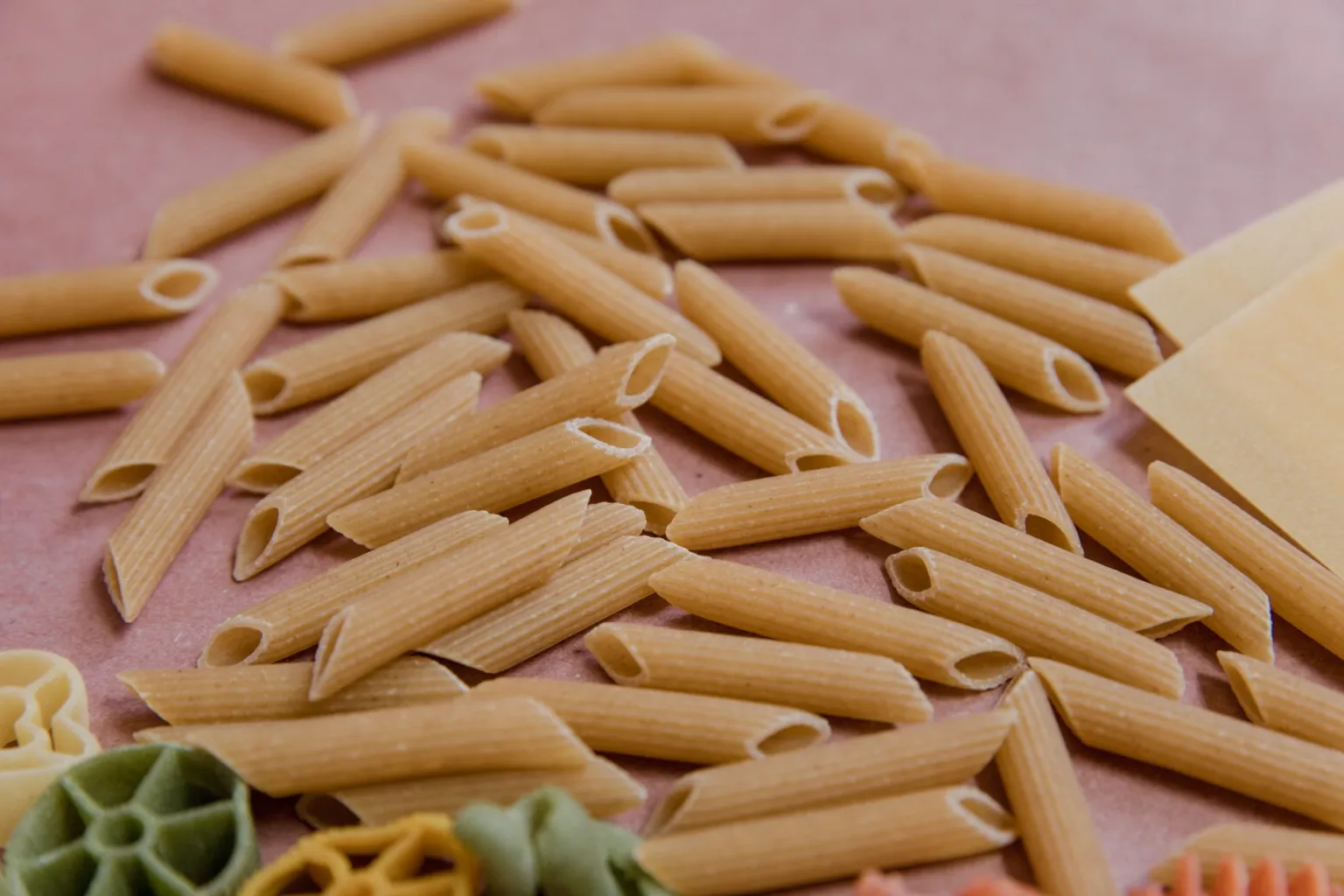
Short pasta is a pasta category defined mainly by its compact shape, not by a single recipe. It includes tubes such as penne and rigatoni, spirals such as fusilli, bow ties such as farfalle, and shells such as conchiglie. It is made from a dough based on cereal or flour and water, and depending on the product, may include egg or other ingredients. Short pasta is sold both dried and fresh, and its ingredients and texture vary by shape and maker. The name therefore describes a family of forms; it does not promise that every package has the same composition.
When to use it
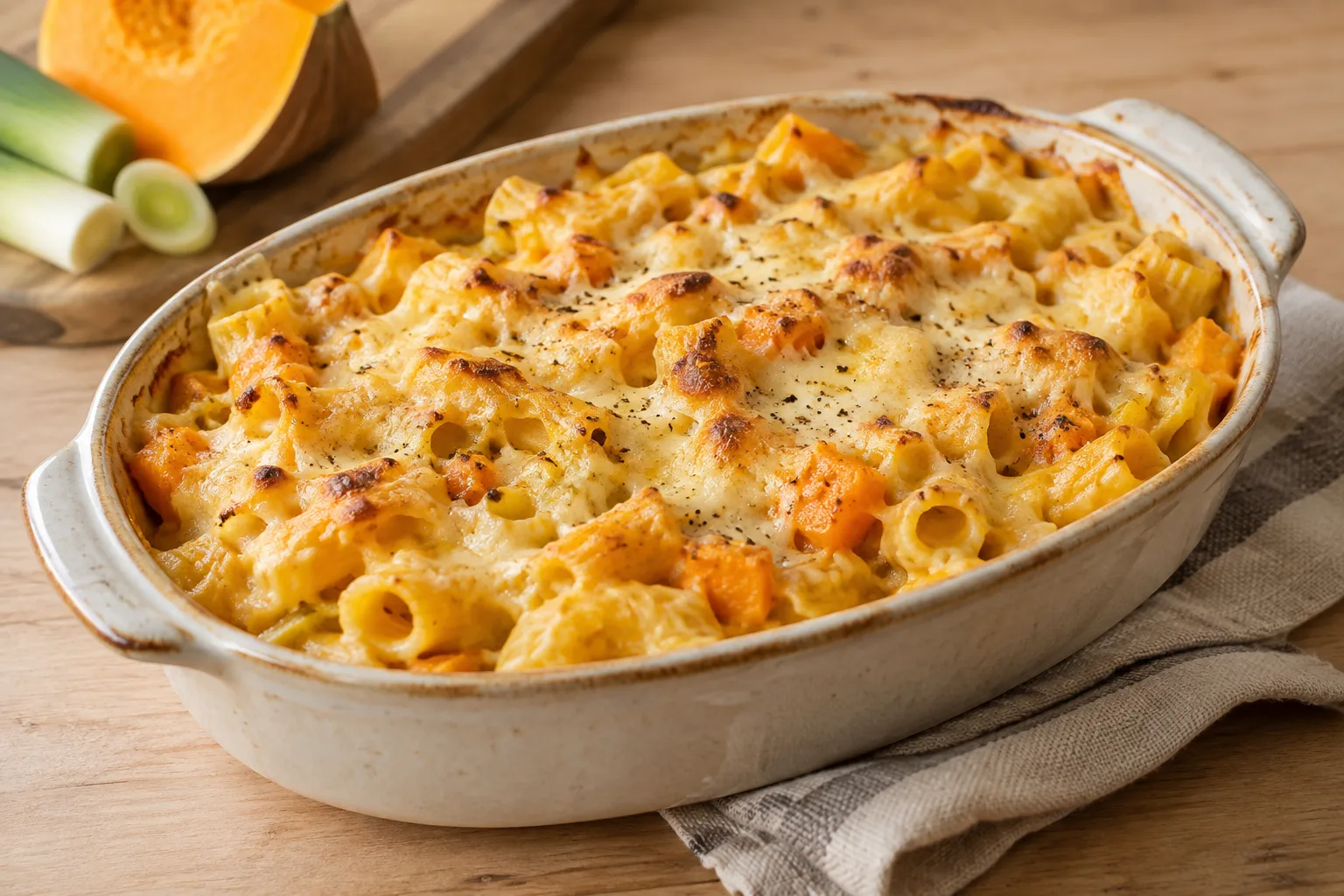
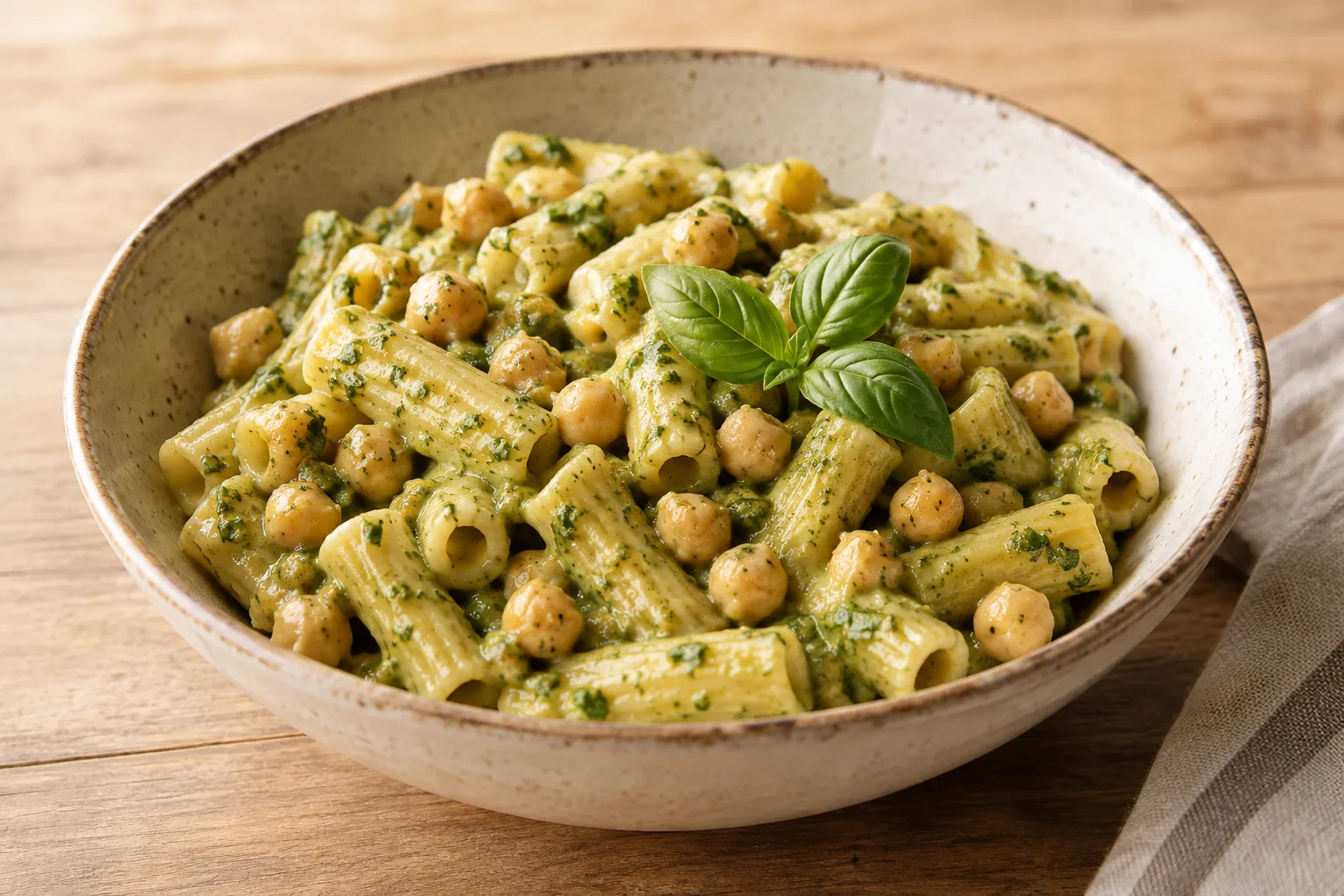
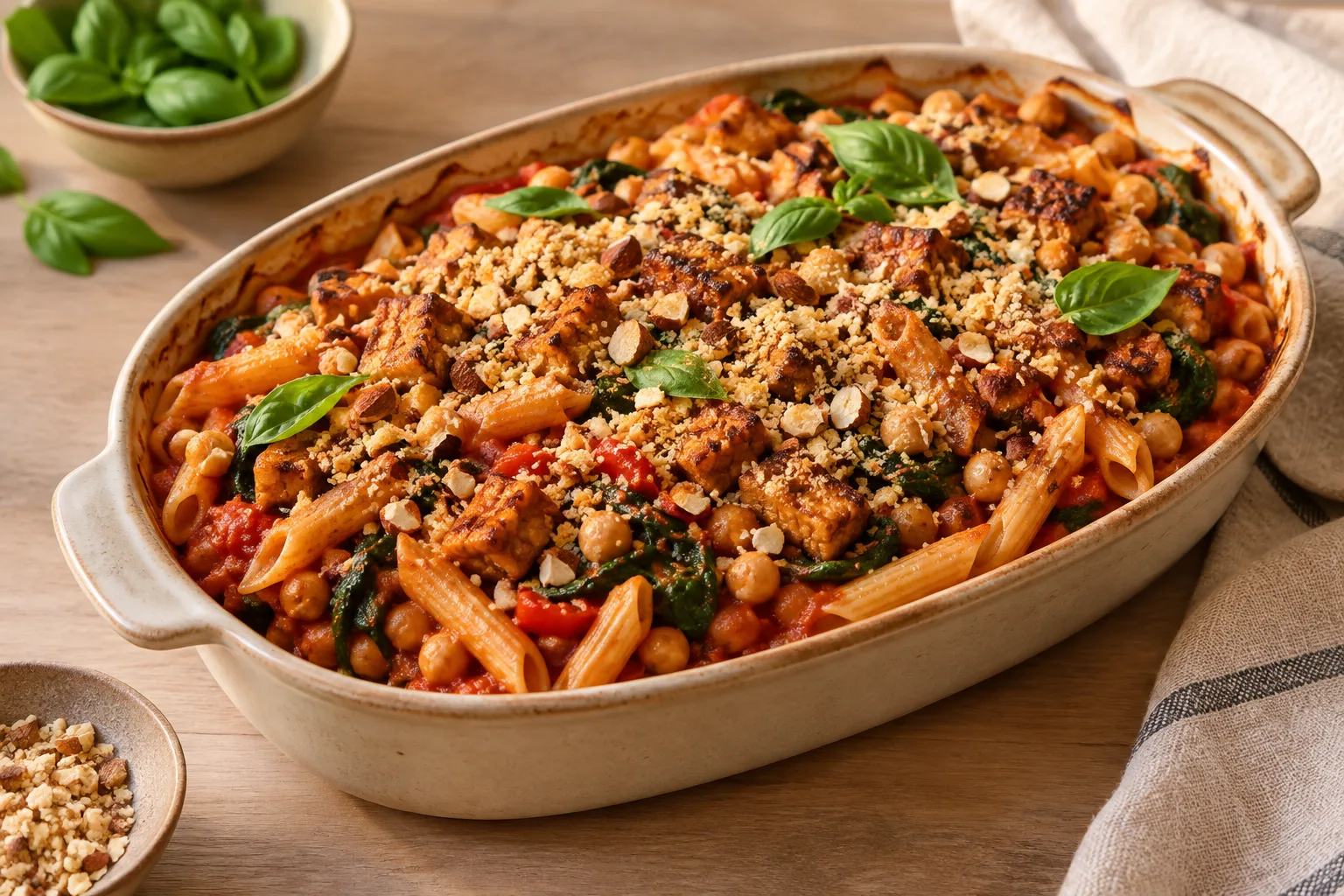
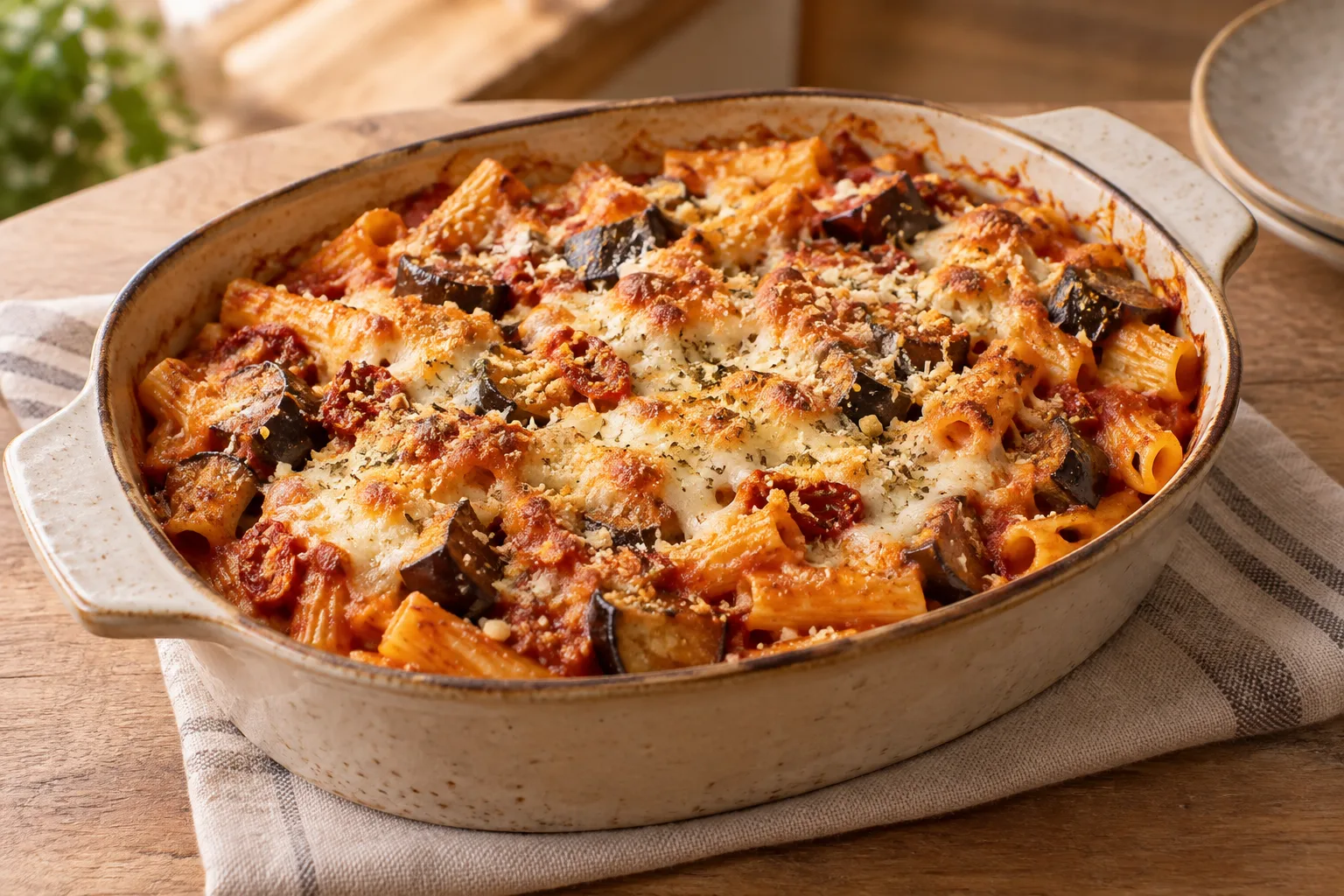
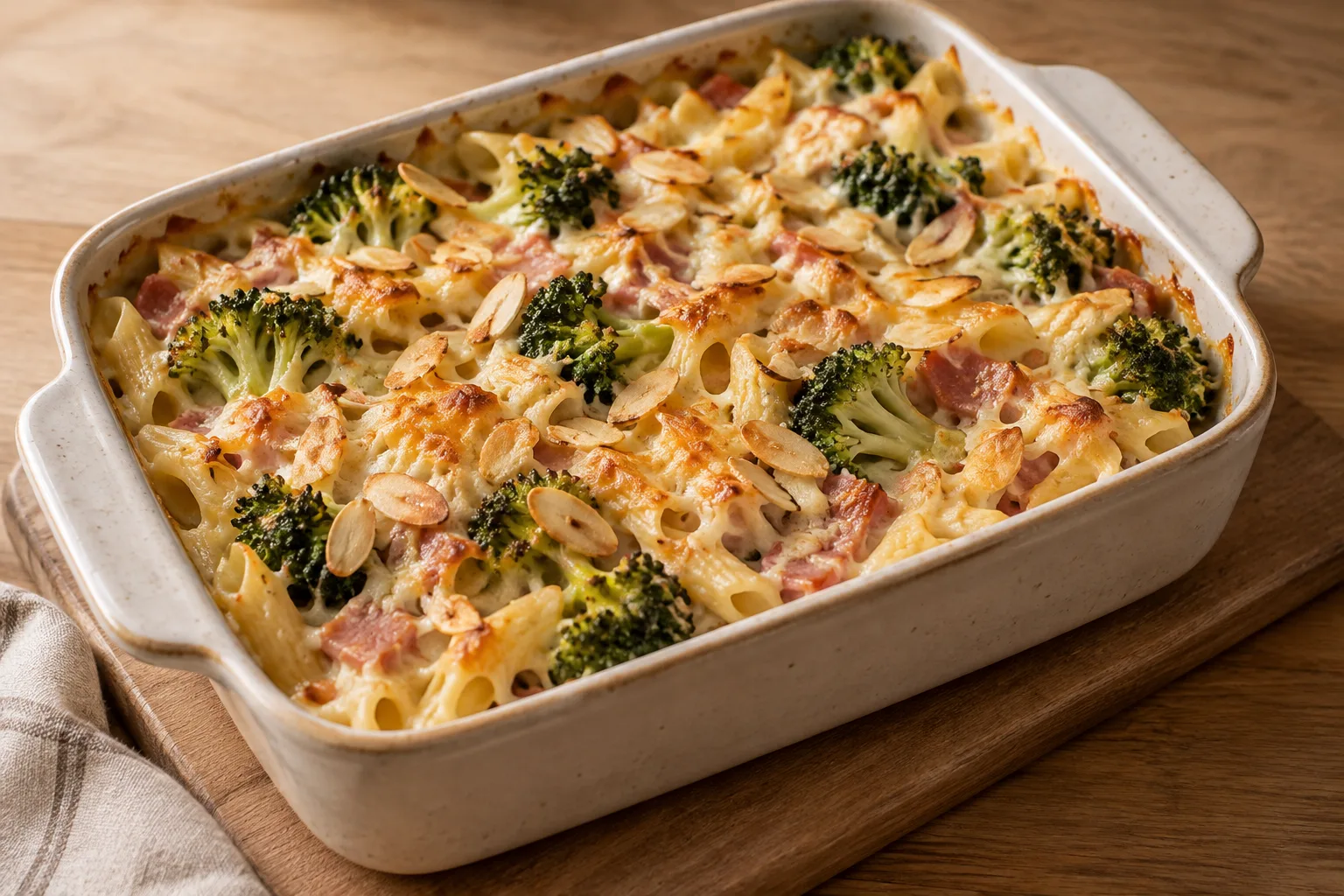
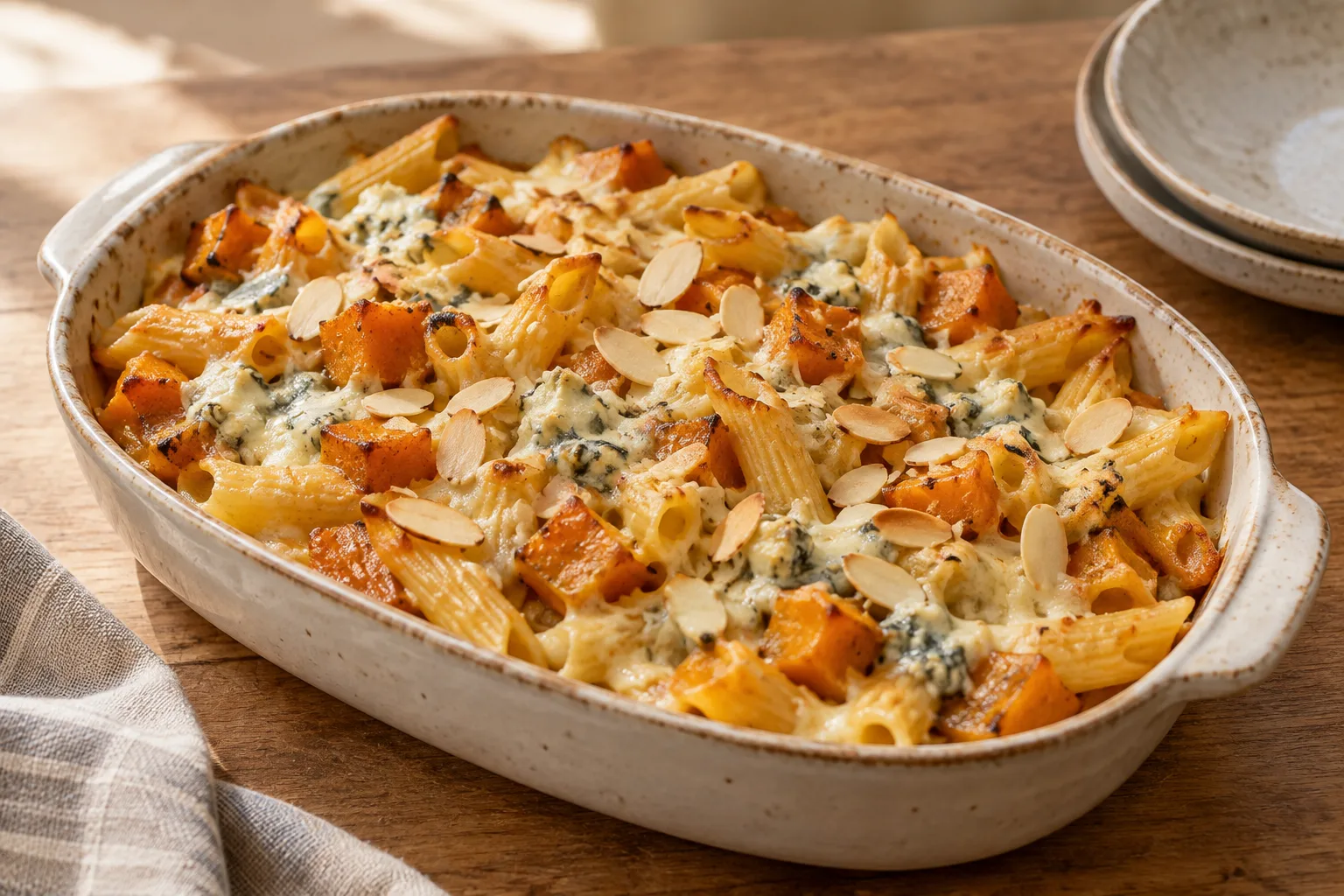
Choose short pasta when you want a shape that mixes readily with other ingredients rather than being twirled around a fork. Tubes, ridges and spirals work well with substantial sauces, pieces of vegetables or meat, and baked preparations; compact shapes are also convenient in salads and soups. The best choice depends on the particular shape and dish: a shell can hold sauce, while a small pasta shape can suit soup. Always check the product instructions, especially when using fresh pasta.
How to use it
Read the package before cooking: directions can vary by shape, brand, and whether the pasta is fresh or dried. Cook it in water according to the product’s stated method and doneness guidance, then drain it when ready for your dish. Combine it with the sauce and other ingredients so they are distributed throughout; tubes, ridges and spirals can accompany sauces with pieces or vegetables. You can also use short pasta in a salad or combine it with sauce, vegetables and cheese in a baked dish. If the recipe includes a further cooking step, such as baking, take that into account when deciding how cooked the pasta should be before mixing.
Flavour and texture
Flavor depends on the dough and ingredients in the particular product; on its own, pasta generally has a mild taste that works with a range of sauces and accompaniments. Texture varies with shape, ingredients and cooking: tubes are hollow, spirals have twists and shells have a cavity. These differences affect how each shape combines with other components. Check the package for the specific variety and its recommended preparation.
How to choose it
Choose a shape with the dish in mind: tubes and spirals work with substantial sauces, while smaller shapes can suit soups and salads. Check whether the package contains dried or fresh pasta and read the ingredient list. Products do not all have the same composition: some include egg or other ingredients in addition to flour or semolina and water. If you need to avoid an ingredient because of an allergy or intolerance, confirm the package information before buying.
Storage
Short pasta may be sold dried or fresh, and the two forms do not necessarily have the same storage requirements. Follow the storage directions on the package and observe any special conditions stated for that product. Refer to the label for its durability and use information; do not assume a universal storage period based on pasta shape. After opening, also follow the manufacturer’s instructions for the specific product.
Substitutions
You can replace one short pasta shape with another when the named variety is unavailable. Consider size and structure: a shell, tube and spiral do not hold or combine with ingredients in exactly the same way. If you switch to a different-sized pasta, check its package and pay attention to doneness during preparation. Fresh and dried pasta are not automatically interchangeable without considering their instructions.
Common mistakes
A common mistake is assuming all short pasta has the same ingredients, texture or cooking directions: products can be fresh or dried, and some contain egg or other ingredients. It is also easy to choose a shape without considering the dish, even though size and structure affect how it combines with sauce. Follow the package guidance instead of relying on one universal cooking time.
Safety and allergens
Check the ingredient list and allergen information on the package, especially if you need to avoid wheat, egg or other ingredients. Composition varies between products. Follow the manufacturer’s storage and use instructions; if you have an allergy or intolerance, do not assume a variety is suitable without checking its product information.
Culinary uses
- Base para platos principales y guarniciones
- Ingrediente para ensaladas de pasta, sopas y platos al horno
Recommended techniques
- Cocer en agua y escurrir según las instrucciones del envase
- Mezclar con salsa o incorporar a preparaciones al horno
Pairs well with
- Salsas densas de tomate o carne
- Verduras, queso y salsas que puedan quedar atrapadas en tubos, pliegues o espirales
Frequently asked questions
Is short pasta always dried?
No. The category includes both dried and fresh products. Check the package, as the form affects its storage and preparation instructions.
Which shapes count as short pasta?
Common forms include tubes such as penne and rigatoni, spirals such as fusilli, bow ties such as farfalle, and shells such as conchiglie.
Does all short pasta contain the same allergens?
No. Recipes vary: some products contain wheat, egg or other ingredients. Read the ingredient and allergen information on the package.
Sources and review
Automatically researched, cross-checked and validated content. Sources consulted:
- En el etiquetado alimentario hay algunas menciones que son obligatorias eletiquetadocuentamucho.aesan.gob.es
- Client Challenge doi.org
- Aesan - Agencia Española de Seguridad Alimentaria y Nutrición aesan.gob.es
- Tipos de pasta corta: ¿cuántas variedades conoces? hola.com
- Pasta - Wikipedia, la enciclopedia libre es.wikipedia.org
- Tipos de pasta: cuáles son los más conocidos bonviveur.com
- Pasta: variedades, características y usos nuevoestilo.es
- Y tú, ¿sabes distinguir entre los diferentes tipos de pasta corta? - Yahoo Vida y Estilo es-us.vida-estilo.yahoo.com
- La pasta | Consumer consumer.es
- Tipos de pasta: 18 variedades fundamentales | Bartalent Lab bartalentlab.com
- La pasta italiana, el ingrediente que revolucionó el mundo | CBG cbg.es
- Pasta Corta vs Pasta Larga - il principale ilprincipale.com
- Pesto pasta y maridaje vino: la combinación perfecta para tu mesa | Gastrona gastrona.app
- Cómo cocer pasta: La guía definitiva. Errores comunes y trucos italianos ~ La ragazza col mattarello laragazzacolmattarello.com
- ¿Corta, larga o rellena? Qué tipo de pasta usar para cada salsa y por qué directoalpaladar.com
- Puja ahora por el dominio somosjalos.es | nicsell somosjalos.es