- Category
- Fruit
- State
- Dry
- Usual unit
- cup
What it is
Shredded coconut is coconut flesh cut into small strands or pieces. Dry varieties are made from dehydrated coconut flesh and are available in different cuts; products may also differ in fat content and formulation, so check the label. Appearance and moisture can vary by product, and not every package should be treated as identical. Shredded coconut can be mixed into a recipe or used to decorate and finish a dish. Although coconut comes from a fruit, shredded coconut is commonly sold among dry pantry or baking ingredients.
When to use it
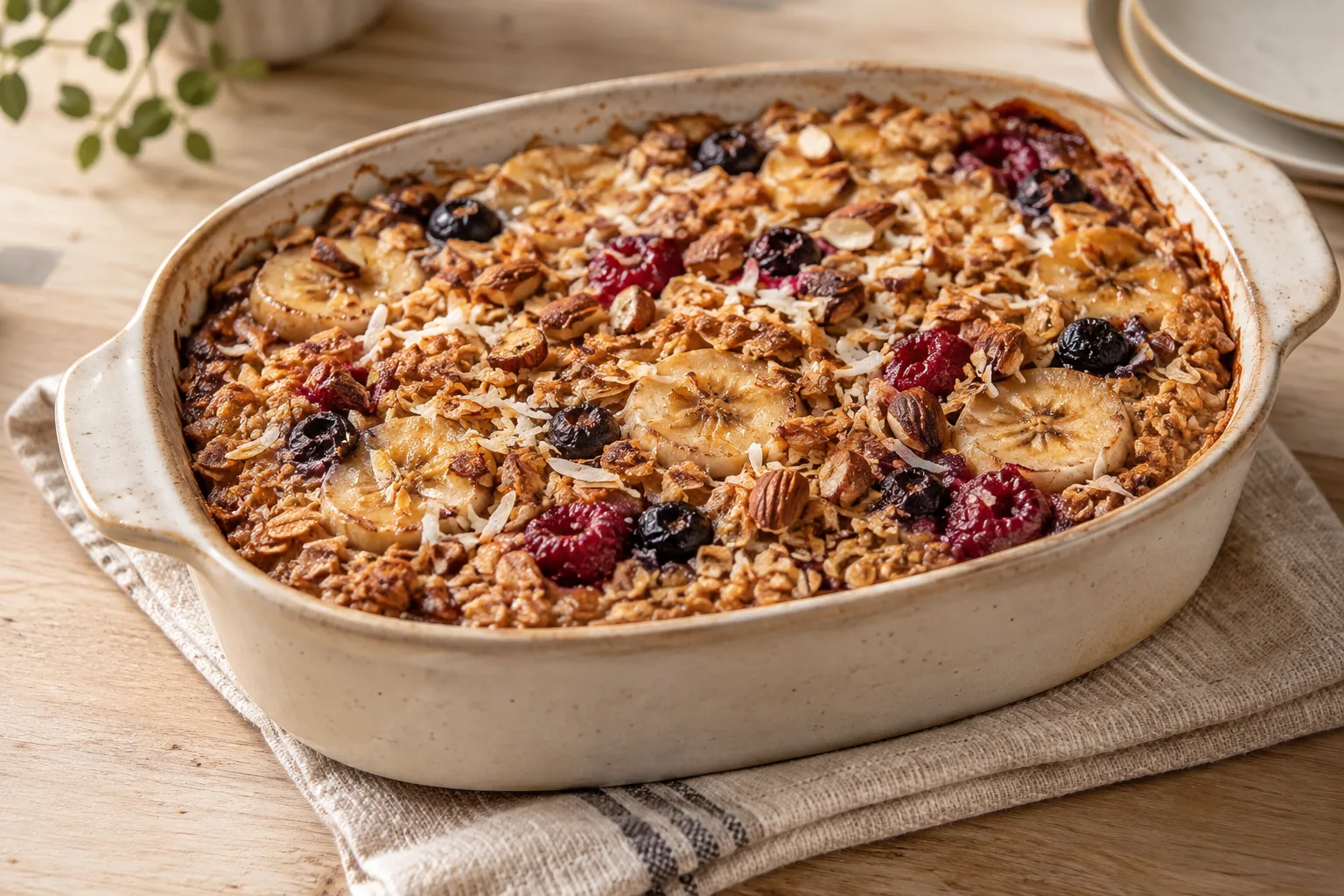
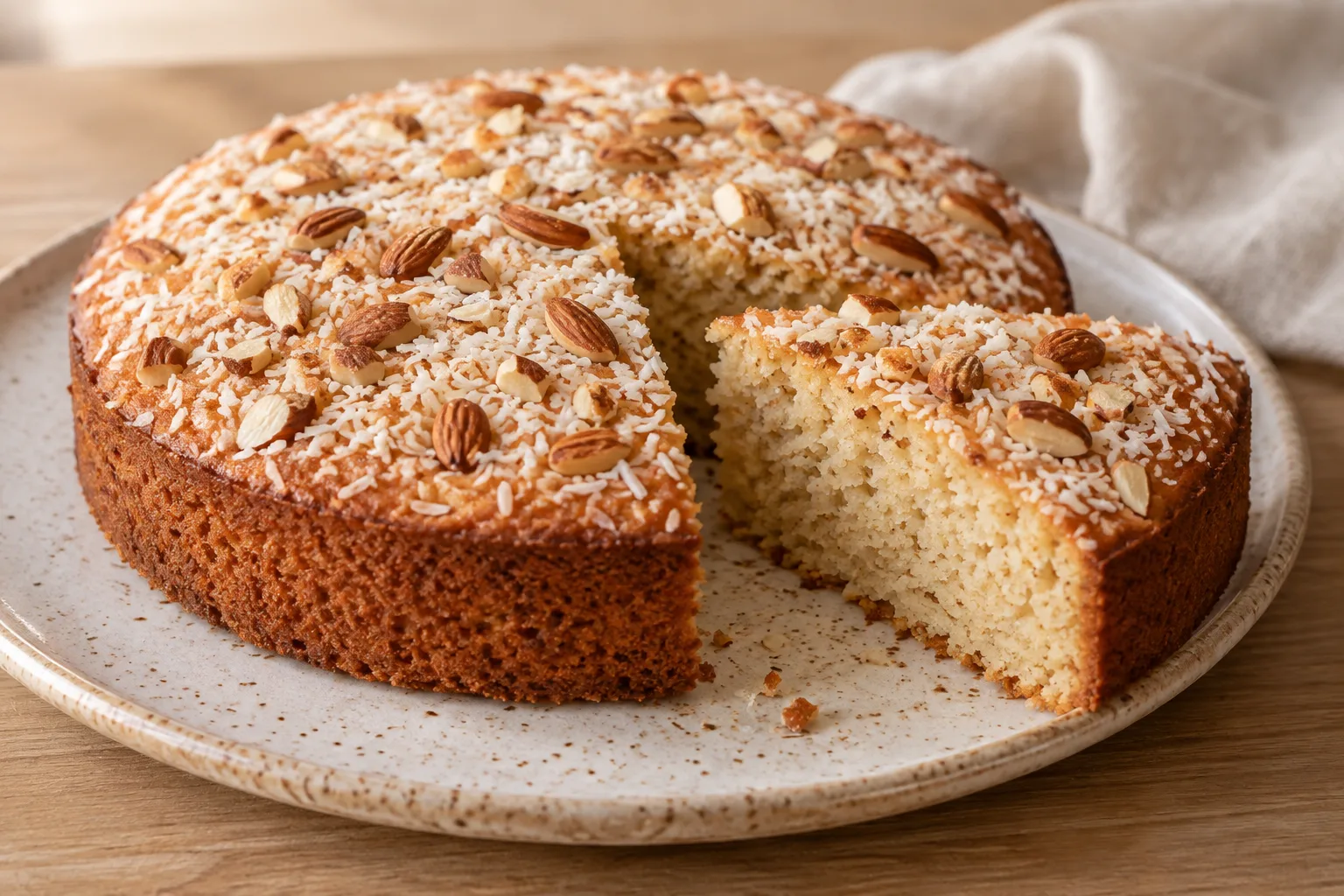
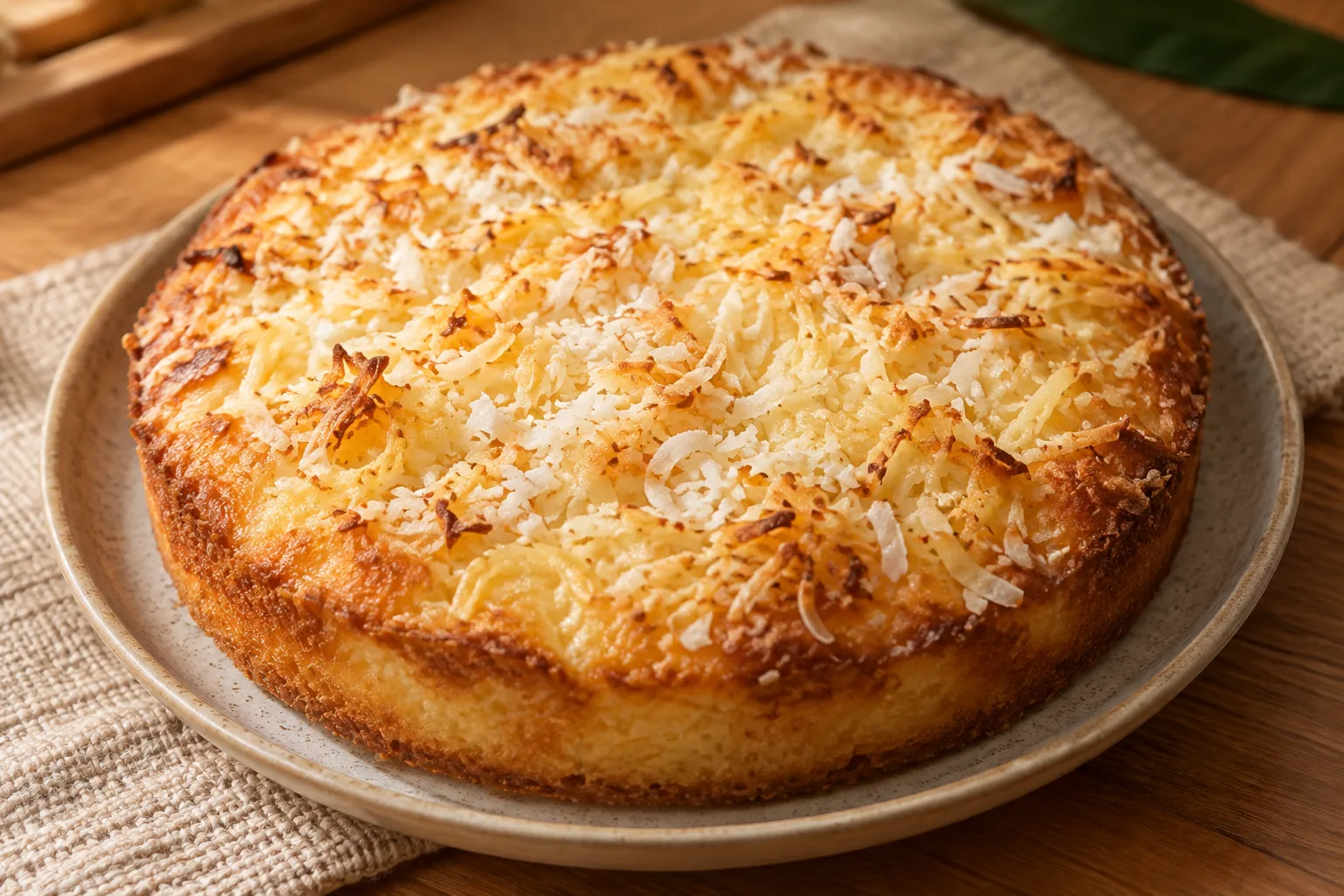
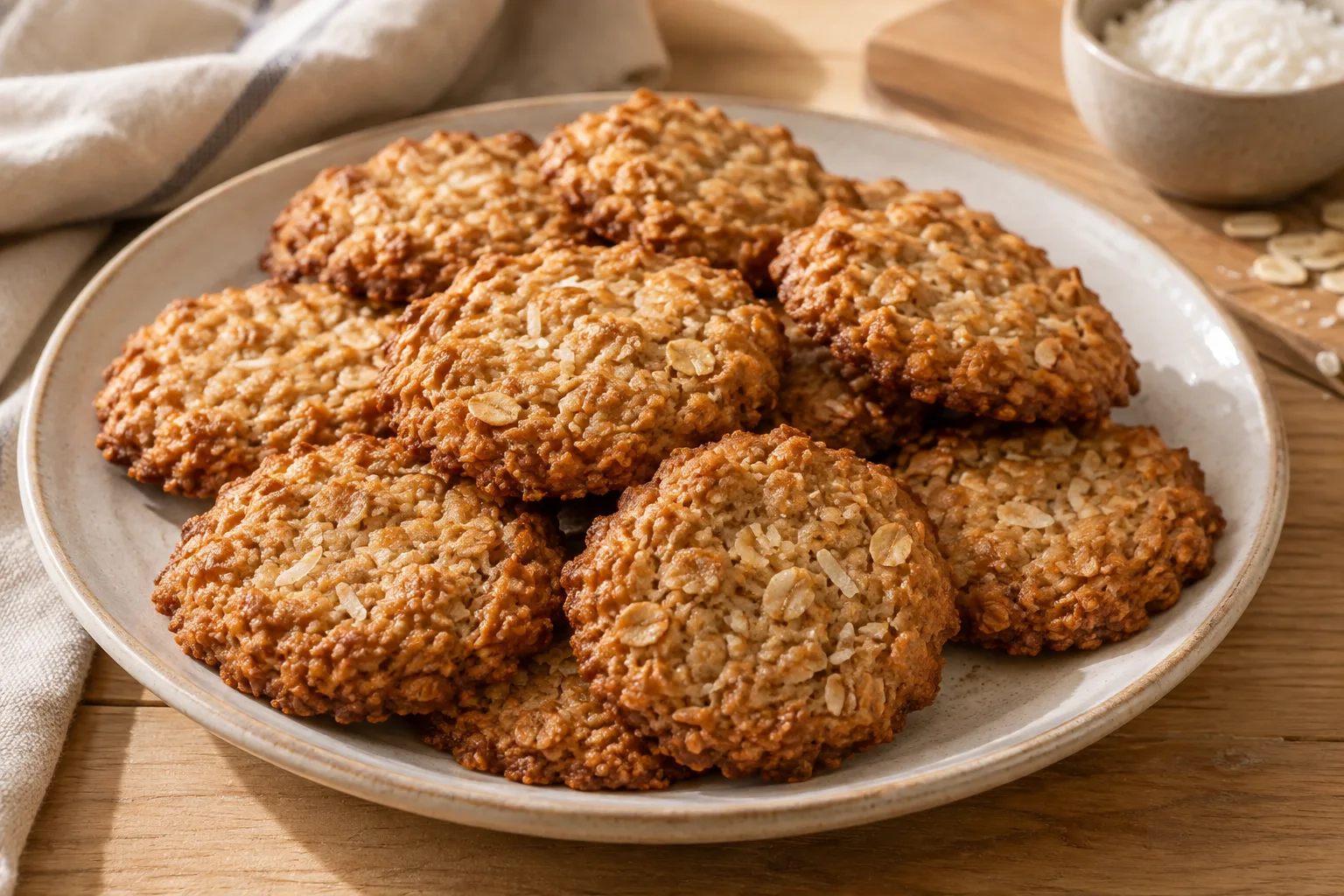
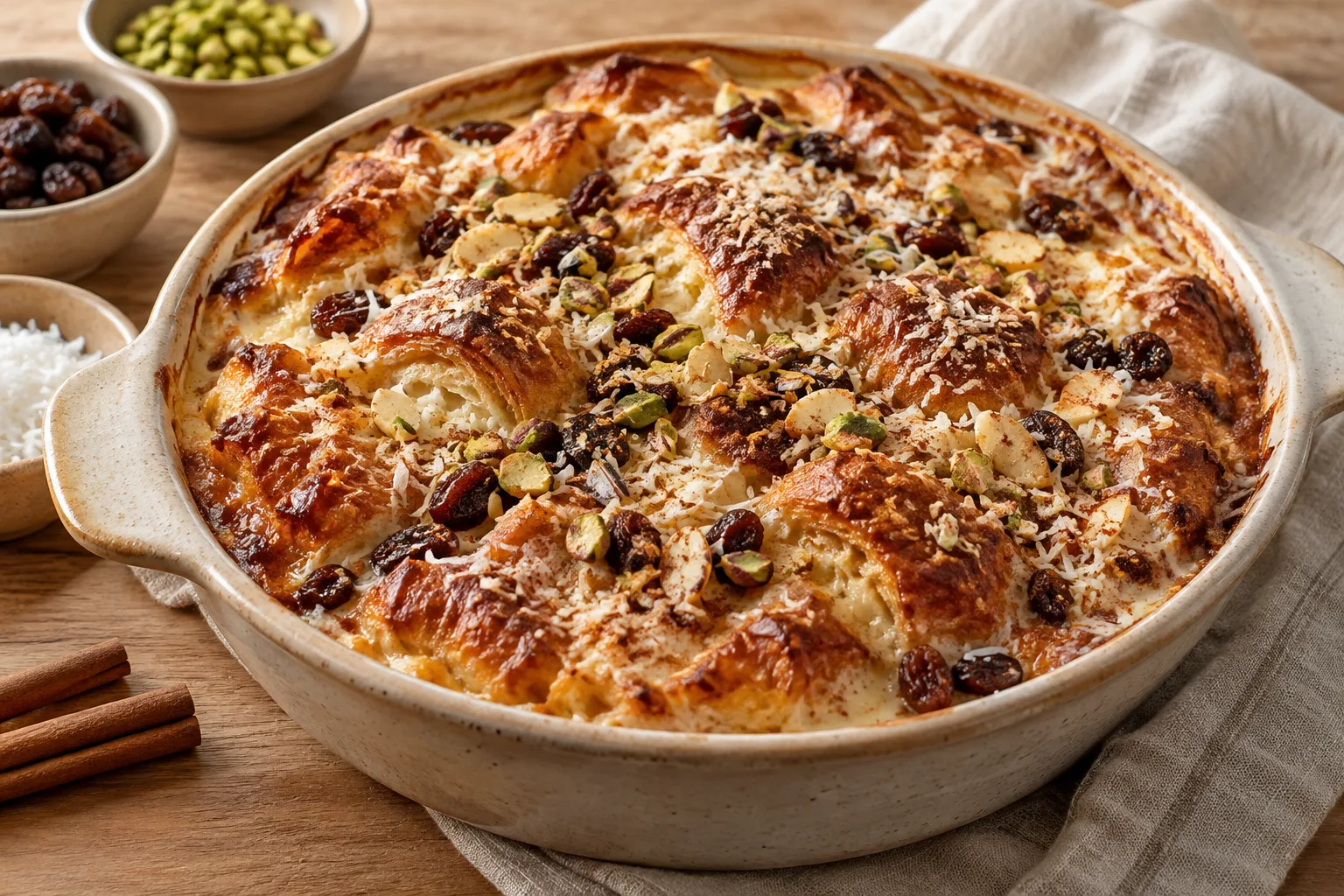
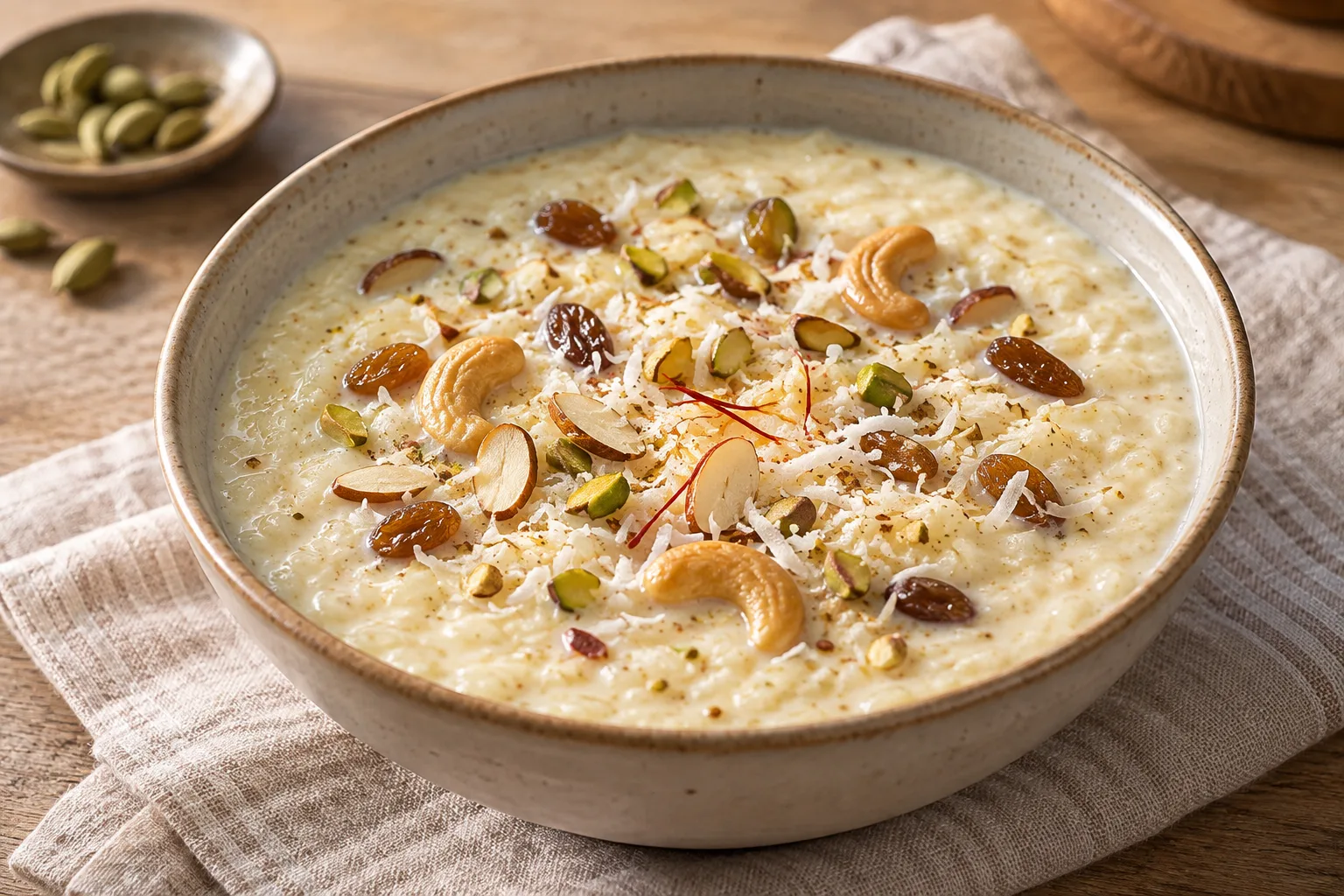
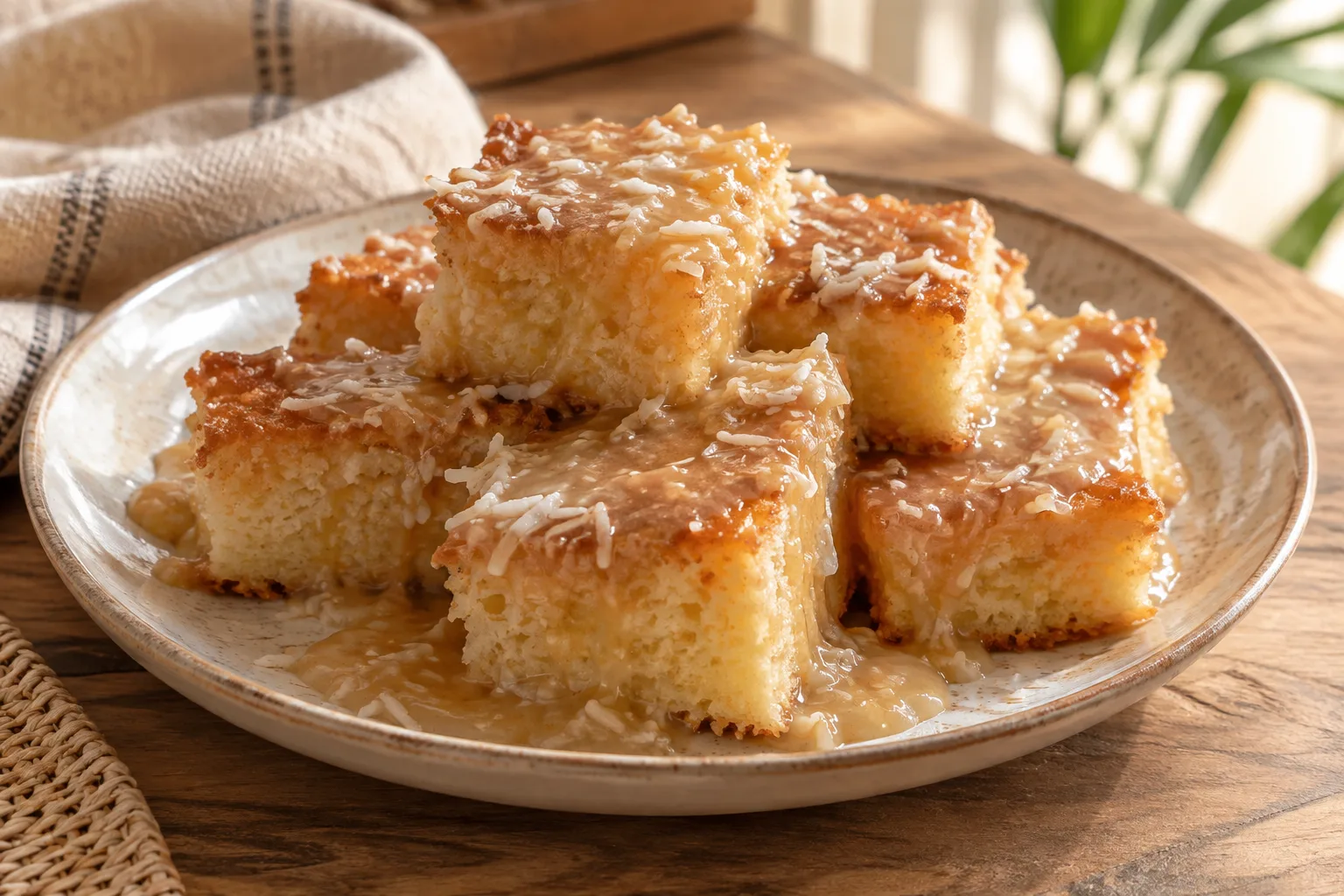
Use it when you want coconut flavor and noticeable texture in a recipe, especially in cakes, cookies, tarts and other baked goods. It can also be mixed into rice or sprinkled over yogurt and cereal. Choose a finer cut when you want it distributed through a mixture, or a larger cut when you want more chew or a visible topping. Check both the recipe and the product: added sugar and strand size can affect the result.
How to use it
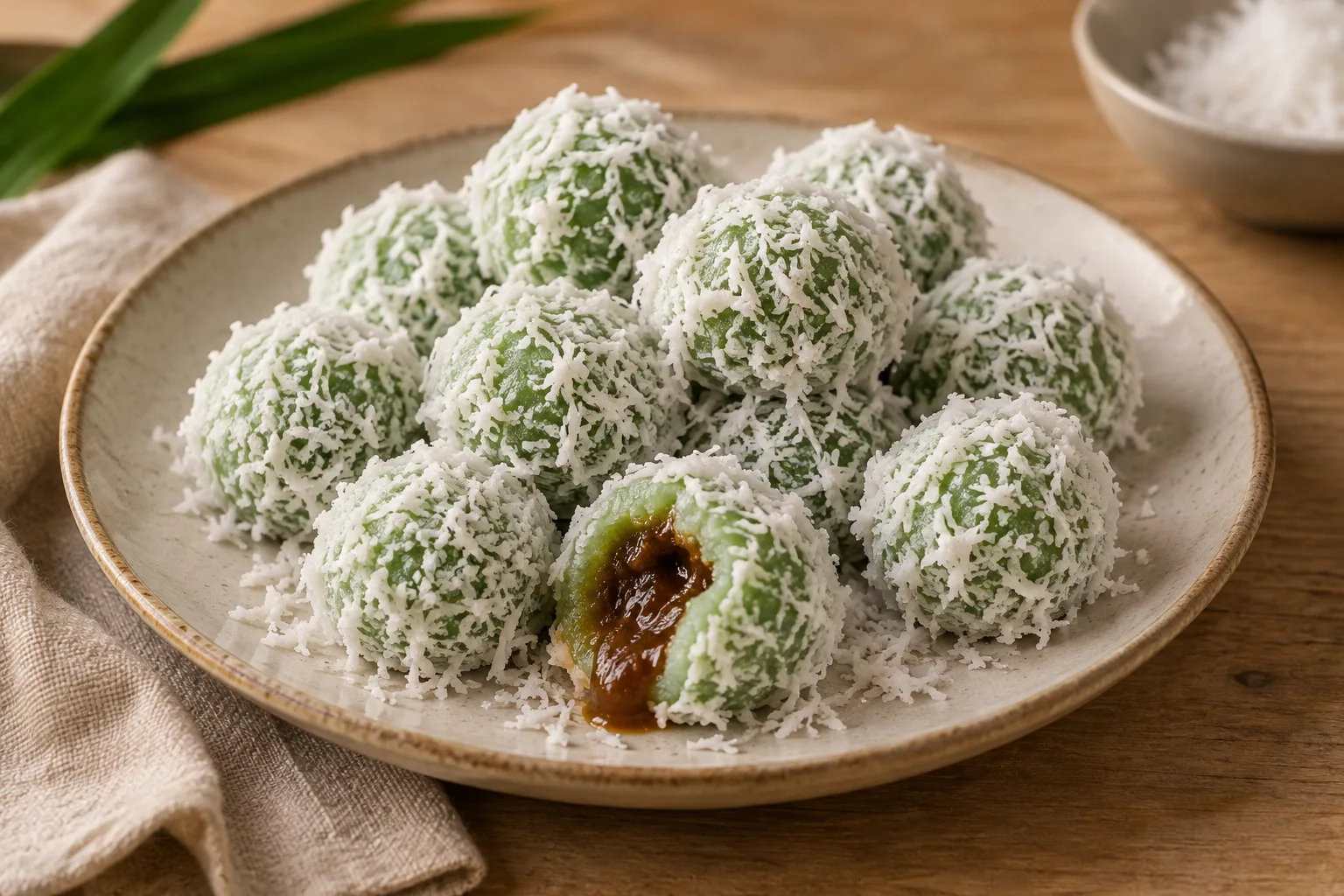
Stir shredded coconut into a batter or mixture to distribute its flavor and texture, or sprinkle it over a dessert, yogurt or cereal as a topping. It can also be added to rice dishes and savory preparations where coconut is intended to contribute to the flavor. Match the cut to the result you want: fine strands blend in more, while larger pieces stand out as a finish. If you replace a sweetened product with an unsweetened one, the sweetness will change; check the ingredient list before adjusting the recipe.
Flavour and texture
Shredded coconut is commonly described as sweet-tasting, with a characteristic coconut flavor and a mild note. Texture depends on the cut: fine strands mix in readily, while larger pieces are more noticeable when chewed. Dry product may feel light and crisp; moisture and sweetness can vary with the presentation and any added ingredients.
How to choose it
Check whether the package says sweetened or unsweetened and read the ingredient list, especially when the recipe depends on sweetness. Shredded coconut comes in different cuts, and some products are described as having different fat contents. Choose a fine cut for mixing into batters or a larger one for decoration. When buying loose or unpackaged, ask about the ingredients if you need that information.
Storage
Follow the storage directions on the package, since any special conditions may depend on the specific presentation. Keep the label available so you can check the date and instructions for use. Do not assume all shredded coconut stores in the same way: dry products and other presentations can differ. If the package gives no clear directions, ask the manufacturer or retailer before deciding how to store it.
Substitutions
Coconut flakes can replace shredded coconut when a coarser texture is acceptable; the larger pieces mean the result will not be identical. Finely chopped almonds provide some crunch but do not reproduce coconut flavor. In either case, match the amount and cut to the ingredient's role: a visible topping and an ingredient mixed into batter may call for different textures.
Common mistakes
Do not assume every variety has the same sweetness, cut or composition: check the label before using it. Large flakes may change the texture when a uniform mixture is wanted, and replacing coconut with almonds changes the flavor. Also avoid applying storage directions from a different product automatically to the package you have.
Safety and allergens
Check the label for the ingredients and the storage and use directions for the specific product. If you need to avoid an ingredient because of an allergy or intolerance, verify the package information or ask the seller; the available evidence does not establish a specific warning for shredded coconut.
Culinary uses
- Ingrediente y cobertura para repostería y postres
- Aporte de sabor y textura en platos salados
Recommended techniques
- Mezclar en masas, arroces o preparaciones húmedas
- Espolvorear sobre platos justo antes de servir
Pairs well with
- Bizcochos, tartas y otras masas
- Arroz, yogur y cereales
Frequently asked questions
Is shredded coconut always dry?
Do not assume that it is. Presentations can differ, so check the package and the directions for the product you have.
Can I use coconut flakes instead?
Yes, if you are happy with a larger cut and a more noticeable texture. The result will not be exactly the same.
How can I tell whether shredded coconut contains added sugar?
Read the package ingredient list. The product name alone does not establish its composition.
Estimated nutrition
- Fat
- 65 g
- Saturates
- 57.5 g
- Carbohydrate
- 22.5 g
- Sugars
- 7.5 g
- Fibre
- 17.5 g
- Protein
- 7.5 g
- Salt
- 0.1 g
Sources and review
Automatically researched, cross-checked and validated content. Sources consulted:
- En el etiquetado alimentario hay algunas menciones que son obligatorias eletiquetadocuentamucho.aesan.gob.es
- Client Challenge doi.org
- Aesan - Agencia Española de Seguridad Alimentaria y Nutrición aesan.gob.es
- El coco rallado: Historia, Curiosidades y Usos ruca.es
- Coco rallado - Wikipedia, la enciclopedia libre es.wikipedia.org
- coco rallado, comprar coco rallado online, venta de coco rallado aromasdelmundo.gal
- Propiedades del Coco Rallado | Beneficios y Contradicciones frutossecoshernandez.es
- Coco Rallado | Beneficios, Usos, Cosecha, Recetas davidvanille.es
- COCO RALLADO, de tu Huerta de proximidad | deHigosaPeras dehigosaperas.com
- SECOEX secoex.com
- Coco rallado sucesoresdeignaciolopez.com
- Coco rallado: El secreto detrás de su versatilidad culinaria solococinar.com
- Recetas con coco rallado | Recetas.com recetas.com
- Coco rallado Sustituto_Productos frescos y despensa drinkfood.biz
- Coco Rallado Sustituto consejosytrucos.net
- Los 10 mejores sustitutos del coco rallado - NewFoodHub nwfoodhub.com
- Los 7 mejores sustitutos del coco rallado - Lebrija Plaza lebrijaplaza.es