- Category
- Herbs and spices
- State
- Fresh
- Usual unit
- g
What it is
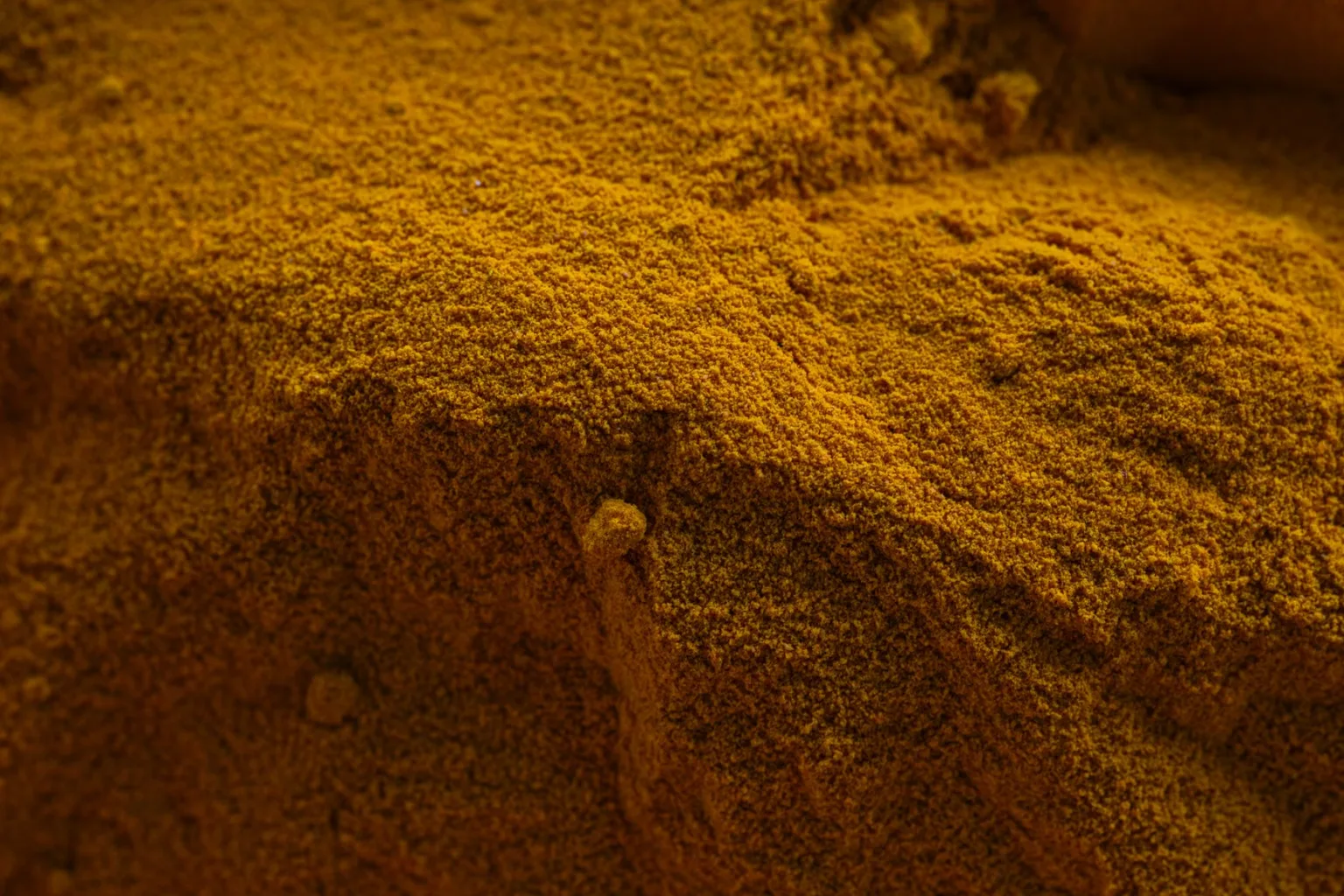
Culinary turmeric comes from the underground rhizome of Curcuma longa, a member of the ginger family. In its fresh form, the rhizome has an outer skin and a vivid yellow-orange interior; it is also sold dried and ground as a spice. It is not saffron: turmeric is used mainly to add color and aromatic flavor to food. It features in curry dishes and other preparations, and can be used fresh or ground. Its strong pigment can stain hands, clothing and surfaces during preparation, so handle it with care.
When to use it
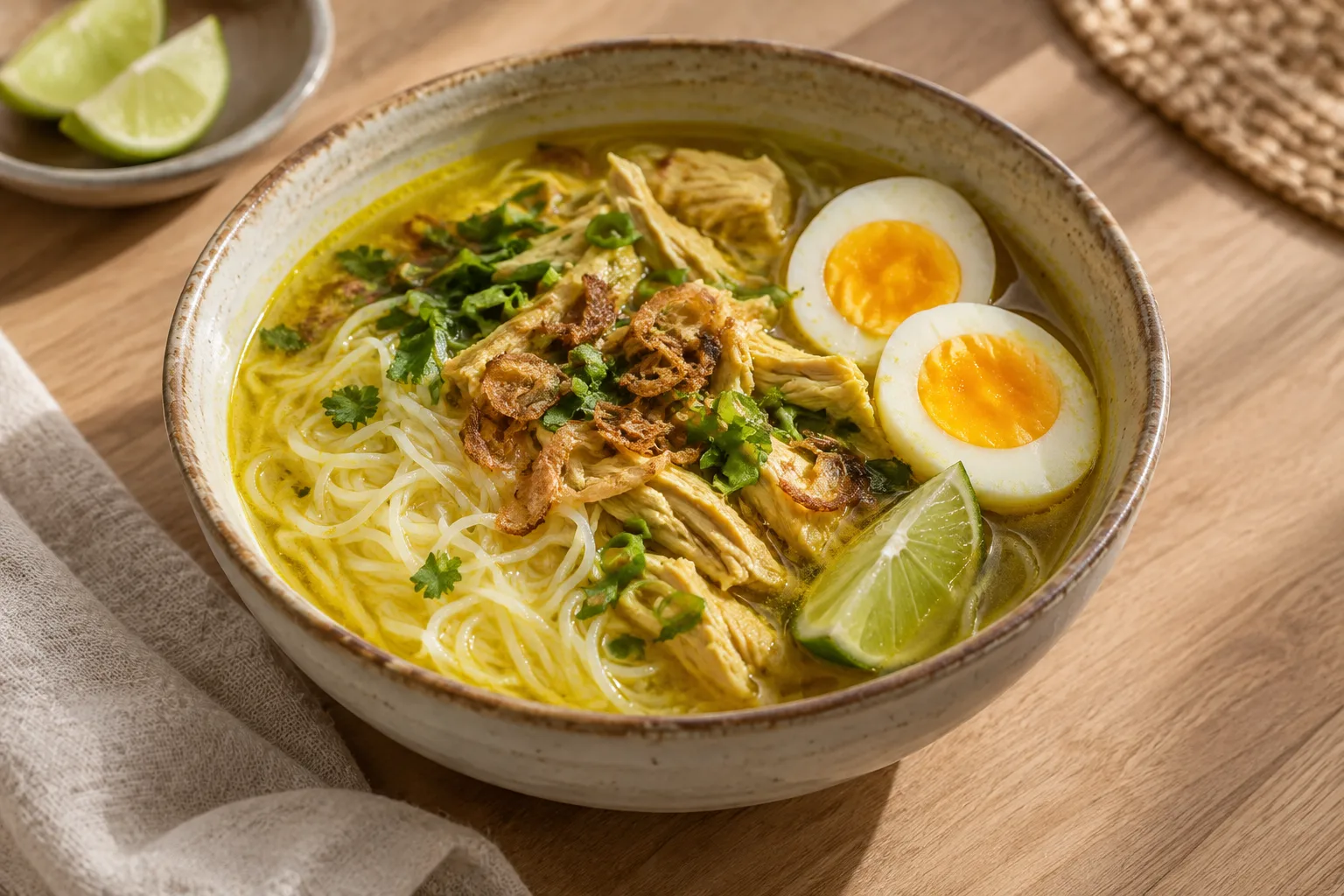
Use fresh turmeric when you want aromatic flavor and yellow-orange color in rice, soups, purées, stews, sauces or vegetables. It can also be grated into some drinks, salads or sweet preparations, depending on the flavor you want. It is versatile, but its strong color and flavor make it sensible to add gradually and taste as you go. Choose fresh turmeric when grating or chopping it is convenient; ground turmeric is a handy alternative in recipes that already use dried spices.
How to use it
Wash the rhizome and peel it if you like, then grate or finely chop it so it disperses through the dish. Add it to rice, soups, stews, sauces, sautéed or roasted vegetables, and taste before adding more: it colors food readily, and too much can dominate the flavor. You can also grate it into some drinks, salads or sweet preparations. As a guide for substituting ground turmeric for fresh, about 2.5 cm of grated rhizome is equivalent to 1 teaspoon of ground turmeric; intensity can vary between products. The pigment may stain hands, clothing and surfaces.
Flavour and texture
Fresh turmeric has an aromatic, earthy and slightly bitter flavor, with a warm character that works well in spiced dishes. Its rhizome is firm and fibrous, and grating it releases vivid yellow-orange color. Ground turmeric serves the same general purpose as a spice, though its aroma and intensity may differ from the fresh form and from one product to another. Its coloring effect does not mean its flavor is neutral: start with a small amount and adjust to taste.
How to choose it
Choose a firm, fresh rhizome without visibly damaged areas and one that is convenient to cut or grate. Fresh turmeric may not be consistently available; it can sometimes be found at grocery stores or in the fresh produce section. Check the product’s appearance and follow any information supplied by the seller or package. Ground turmeric is another culinary form, but it does not have the texture of a fresh rhizome and may have a different aroma.
Storage
The available evidence describes several ways to preserve turmeric but does not establish a universal storage duration for fresh rhizomes. One documented option for later use is to wash, peel and freeze it; it can be grated straight from frozen without thawing first. Pickling is also mentioned, though it changes how the turmeric is used in recipes. For packaged products, follow the storage and use directions on the label, which can vary by form.
Substitutions
Fresh and ground turmeric can replace one another in many recipes, but they differ in texture and aroma. As a guide, about 2.5 cm of grated fresh rhizome is equivalent to 1 teaspoon of ground turmeric. This does not guarantee the same intensity across products, so add gradually and adjust for the flavor and color you want.
Common mistakes
Adding too much turmeric at once can overwhelm a dish and give it a strong color. Start with a small amount and taste before adjusting. Another common mistake is treating fresh and ground turmeric as though they have the same texture: grate or chop the rhizome to distribute it, and remember that its pigment can stain hands, clothing and surfaces.
Safety and allergens
The rhizome’s pigment can stain hands, clothing and surfaces; handle it with care. For packaged products, follow the label’s storage and use directions, since guidance can vary by form.
Culinary uses
- Especia aromática para aportar color y sabor
- Colorante culinario amarillo anaranjado
Recommended techniques
- Rallar el rizoma fresco
- Cocer en arroces, sopas, salsas o guisos
- Añadir a verduras salteadas o asadas
Pairs well with
- Arroz y pasta
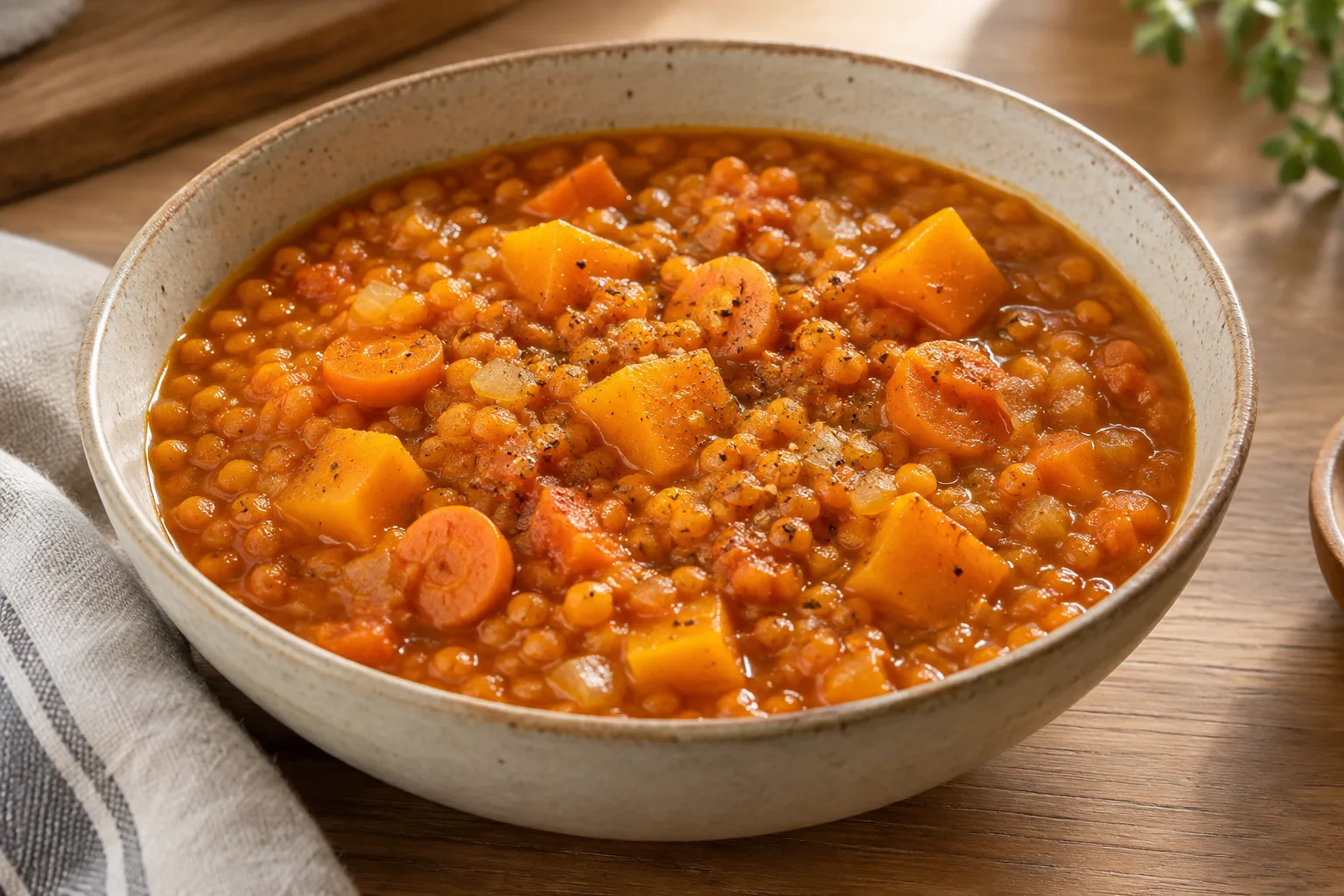
- Lentejas, alubias y otros guisos de legumbres
- Verduras y sopas
- Jengibre y otras especias de curry
Frequently asked questions
Which part of the plant is eaten?
The spice comes from the underground rhizome of Curcuma longa. It can be used fresh, dried or ground.
How do I use fresh turmeric?
Wash it, peel it if you prefer, then grate or chop it into rice, soups, vegetables, sauces and stews.
Can I substitute ground turmeric for fresh?
Yes. As a guide, about 2.5 cm of grated fresh rhizome is equivalent to 1 teaspoon of ground turmeric. Adjust to taste.
Does turmeric stain?
Yes. Its yellow-orange pigment can stain hands, clothing and surfaces during preparation.
Estimated nutrition
- Fat
- 3.25 g
- Saturates
- 1.84 g
- Carbohydrate
- 67.1 g
- Sugars
- 3.21 g
- Fibre
- 22.7 g
- Protein
- 9.68 g
- Salt
- 0.07 g
Sources and review
Automatically researched, cross-checked and validated content. Sources consulted:
- En el etiquetado alimentario hay algunas menciones que son obligatorias eletiquetadocuentamucho.aesan.gob.es
- Client Challenge doi.org
- Cooking Food Storage | USU extension.usu.edu
- Curcuma longa (Common Turmeric, Turmeric) | North Carolina Extension Gardener Plant Toolbox plants.ces.ncsu.edu
- Tropical tulips – curcuma anybody? - UF/IFAS Extension Charlotte County blogs.ifas.ufl.edu
- CÚRCUMA | Duke Gardens gardens.duke.edu
- Turmeric – Gardening Solutions gardeningsolutions.ifas.ufl.edu
- Turmeric benefits: A look at the evidence - Harvard Health health.harvard.edu
- (PDF) Chemistry of Spices academia.edu
- What is Turmeric? Spiritual Meaning, History, and Culinary Use insights.ehl.edu
- Descubre los secretos de la cúrcuma en la cocina: desde... cocinista.es
- Cúrcuma: de especie culinaria a especie medicinal - Farmaceuticonline farmaceuticonline.com
- La cúrcuma | Quirónsalud quironsalud.com
- ¿Qué sabor tiene la cúrcuma? - La Española laespanolaaceites.com
- Cúrcuma. ¿Qué es y para qué sirve? Propiedades y usos en la cocina abc.es