- Category
- Fruit
- State
- Fresh
- Usual unit
- unit
What it is
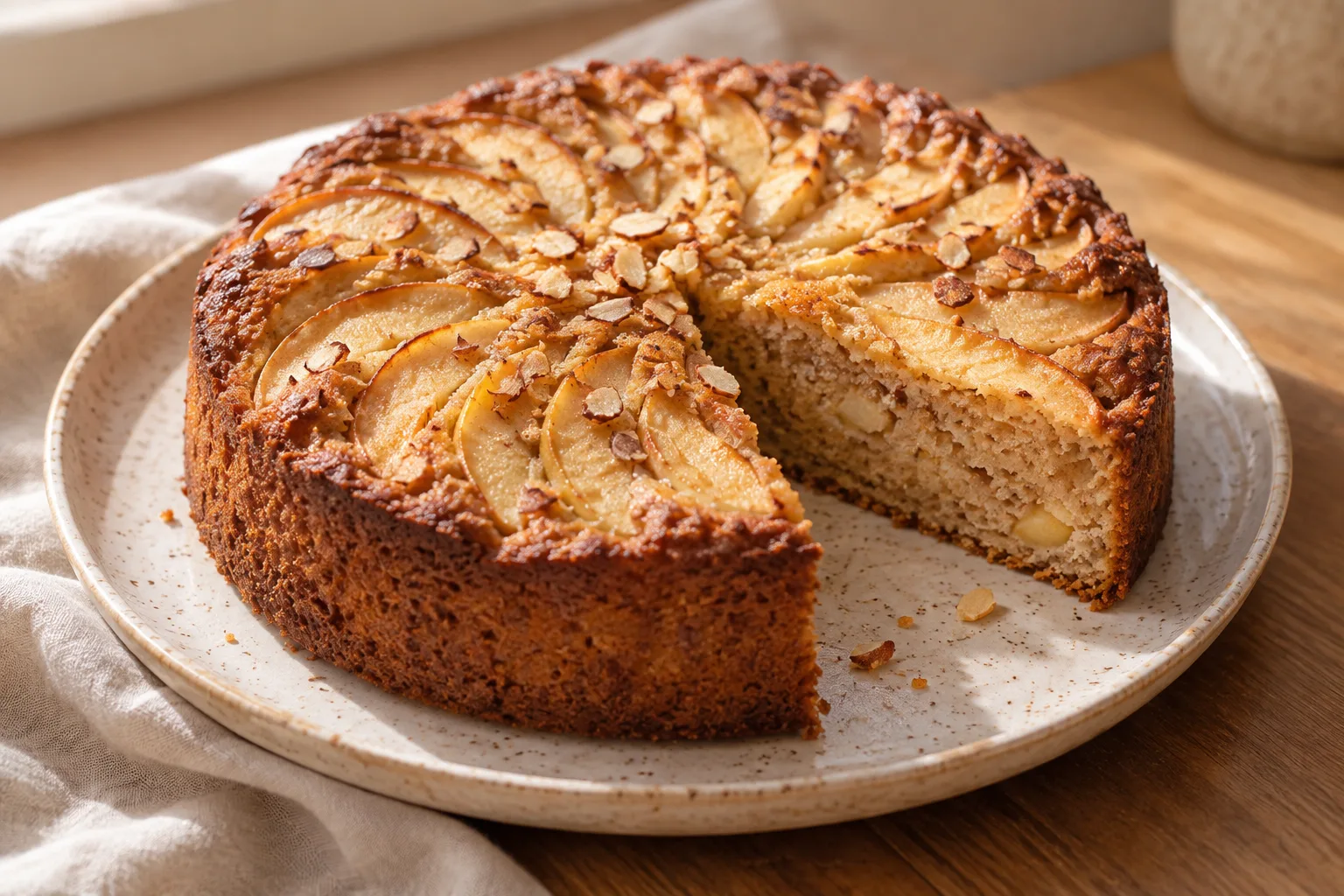
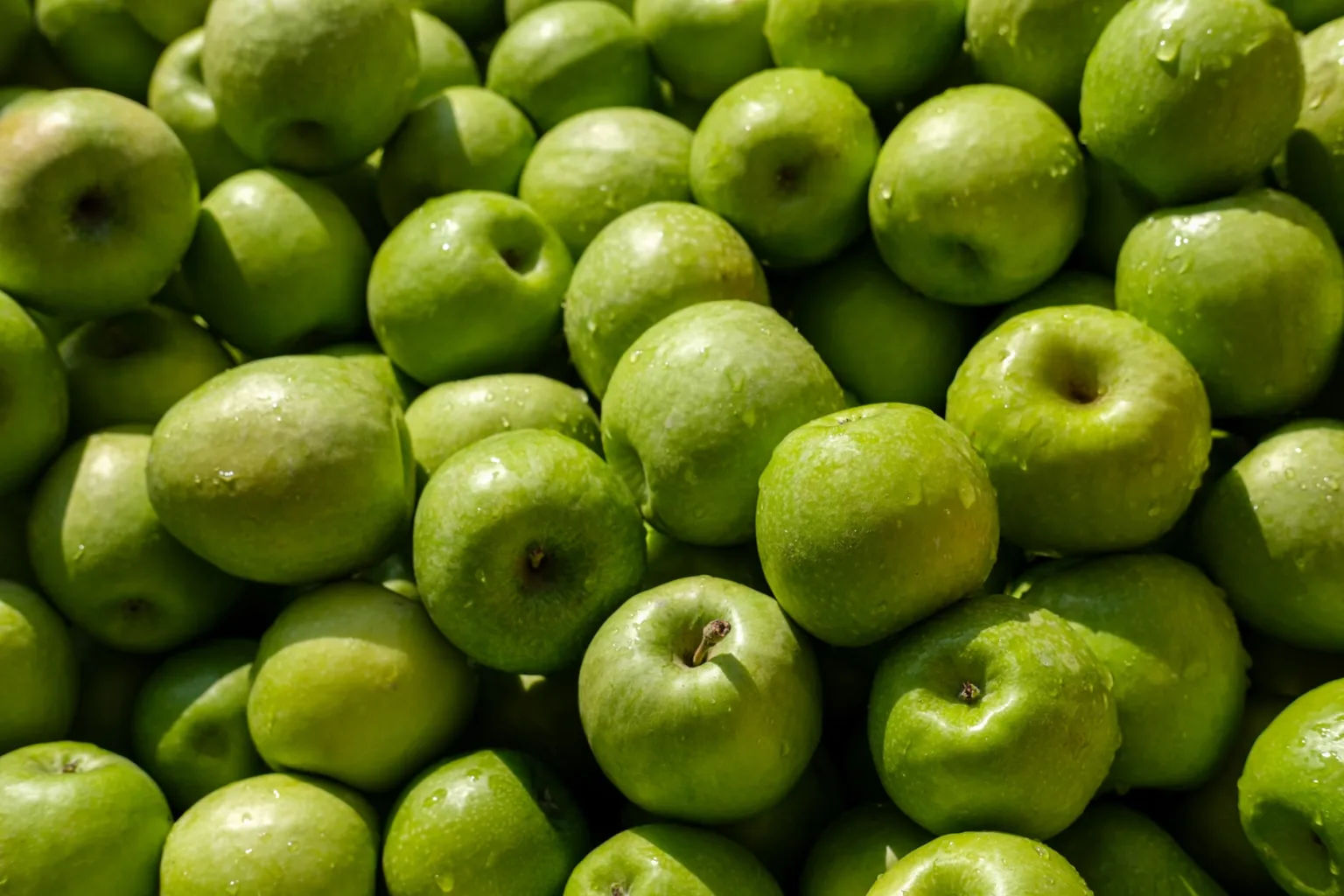
An apple is the edible fruit of the common apple tree, Malus domestica. Apples are sold in many varieties, which differ in colour, shape, sweetness, acidity, juiciness and firmness. Some are especially crisp when eaten fresh; others may suit pies, compotes, purées or baked apples because of their aroma, acidity or behaviour when heated. The skin can be red, yellow, green or a combination of colours, while the flesh is usually pale. “Apple” therefore does not describe one fixed flavour or texture: the variety you choose affects the result in a recipe.
When to use it
Choose a firm, crisp apple when you want distinct texture in a salad, snack or raw dish. For pies, baked fruit, compotes, purées or sauces, decide what result you want: a sweeter variety gives a different profile from a more acidic or juicy one, and varieties do not all behave alike when heated. Apples can also accompany meat or add a fresh contrast to savoury dishes. They are available in markets for much of the year, although availability and harvest periods vary by variety and location.
How to use it
Wash the fruit before preparing it, then cut it into wedges, dice or slices for salads, sides and meat dishes; you can also grate or purée it for sweet preparations. To cook apples, try baking them whole or in pieces, roasting, simmering, steaming or sautéing. Their texture changes with heat, so variety matters: a firm apple may hold more shape, while another may soften and work well in a compote or sauce. Cut flesh can darken; use it soon after cutting or add a few drops of lemon or orange juice to slow the colour change. Avoid adding so much that it noticeably changes the flavour.
Flavour and texture
Flavour ranges from sweet to tart, and aroma and juiciness also differ between varieties. Some apples have firm, very crisp flesh; others may be softer or become mealy over time. Cooking softens the fruit, which may keep some pieces intact or break down, depending on variety and preparation. Choose for the flavour contrast and texture you want in the dish.
How to choose it
Choose an apple suited to its intended use: a firm, crisp fruit is often handy for fresh eating or salads, while the balance of sweetness and acidity can guide your choice for a recipe. Colour alone does not determine flavour; red, yellow and green varieties can all have different profiles. If the seller identifies the variety, use that as a guide and ask about texture when the recipe depends on the apple holding its shape.
Storage
The available evidence does not establish one household storage method or a reliable storage period for every variety, so no specific temperature or duration can be recommended here. Follow the seller’s or package’s directions when provided, and do not assume all apples keep in the same way. Once cut, the flesh may darken; prepare it shortly before serving or add a few drops of lemon or orange juice to slow the colour change.
Substitutions
One apple variety can stand in for another, but the result may differ because sweetness, acidity, juiciness and firmness vary. For a salad, choose an apple that stays crisp; for compote, purée or sauce, a softer texture may be suitable. Swapping a sweet variety for a tart one will change the finished flavour.
Common mistakes
Treating every apple as if it had the same flavour and texture can change a recipe. A very juicy variety may add more moisture, while a firm one may hold its shape better during cooking. Cut surfaces can also darken if left prepared for too long. Choose for the intended use and cut the fruit close to serving time.
Safety and allergens
No specific safety warning for fresh, unprocessed apples is provided in the available evidence. For packaged or prepared apple products, check the label for ingredients, declared allergens, and any storage or use directions relevant to that product.
Culinary uses
- Fruta fresca para comer sola o añadir a ensaladas
- Ingrediente dulce o agridulce para repostería, compotas y salsas
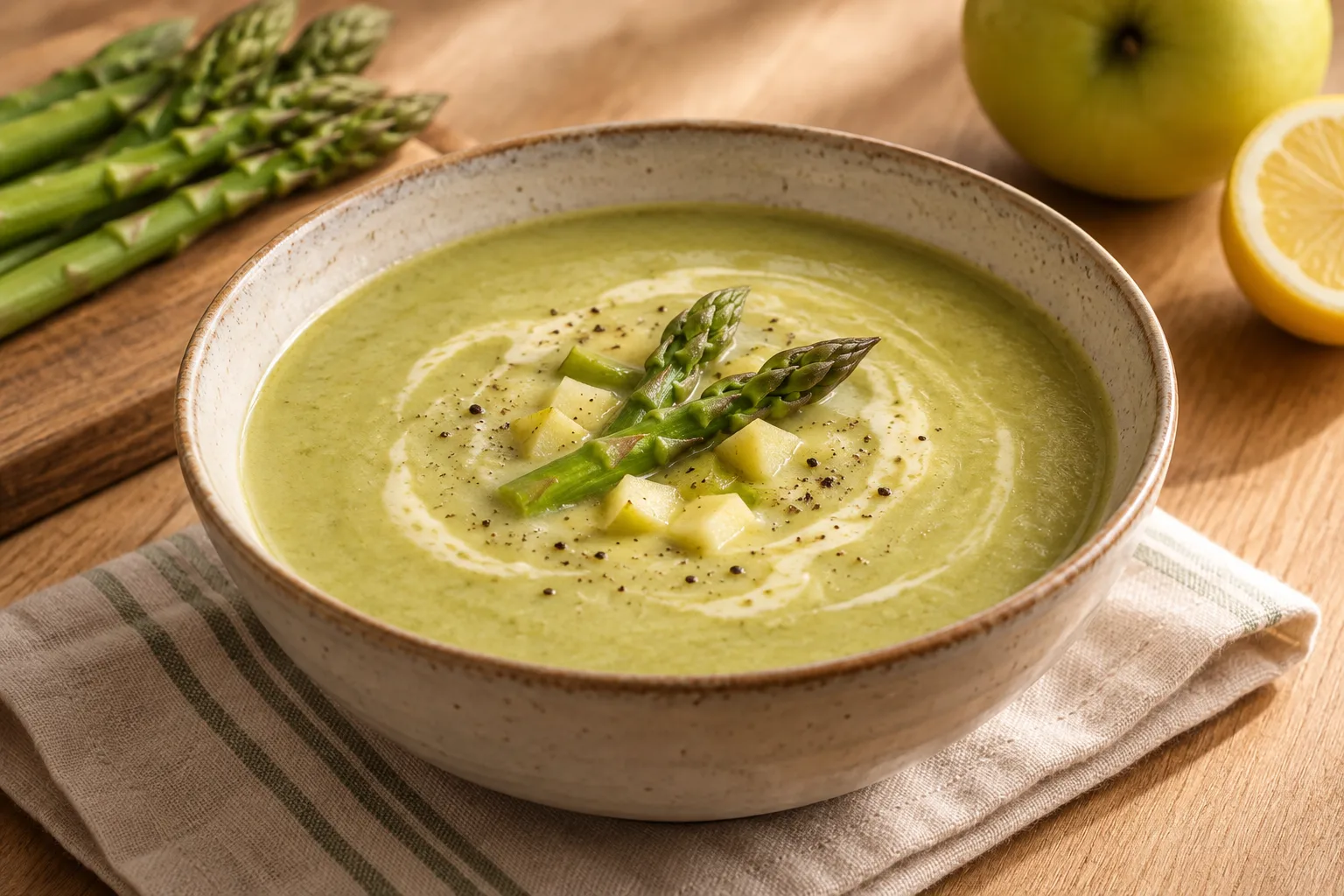
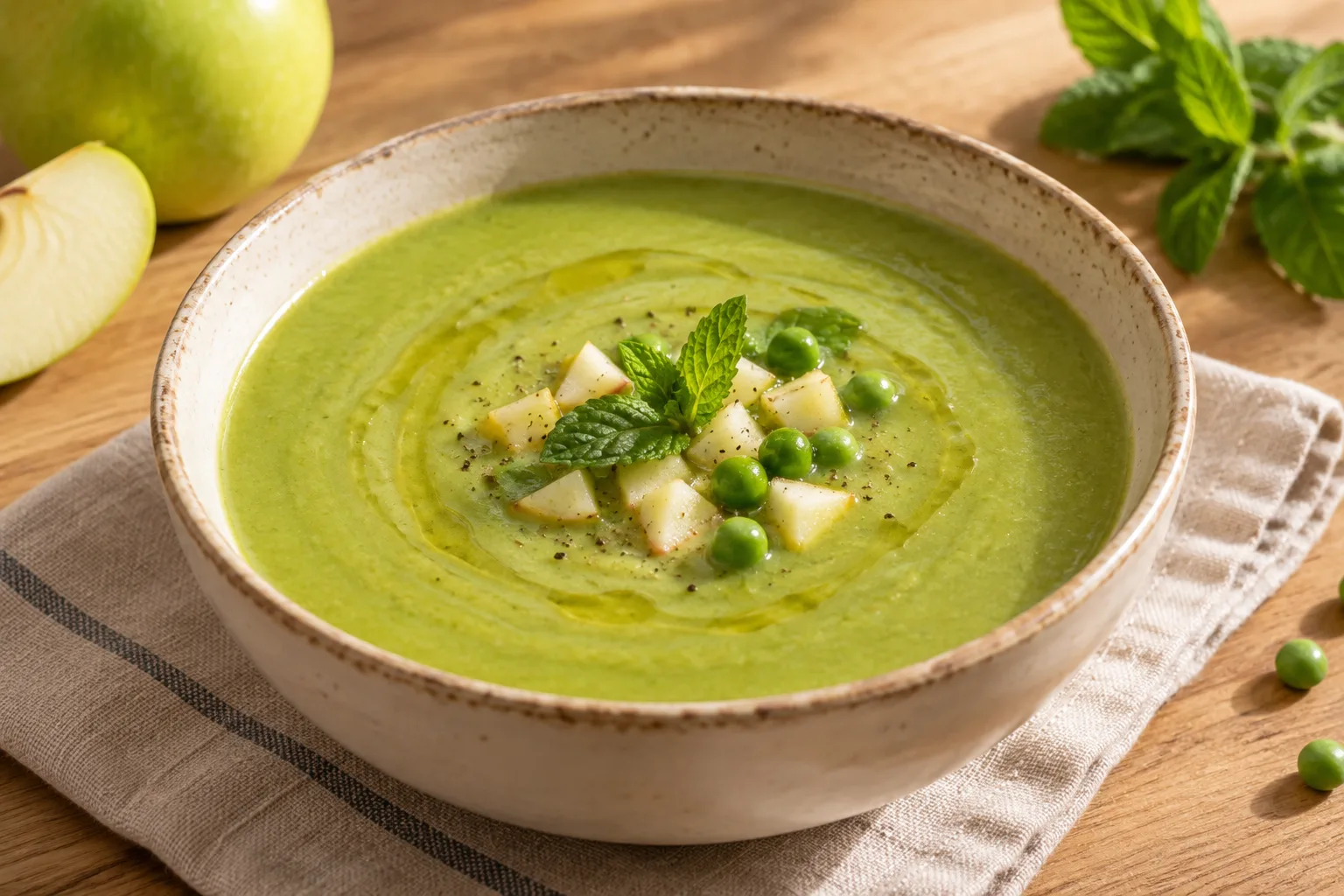
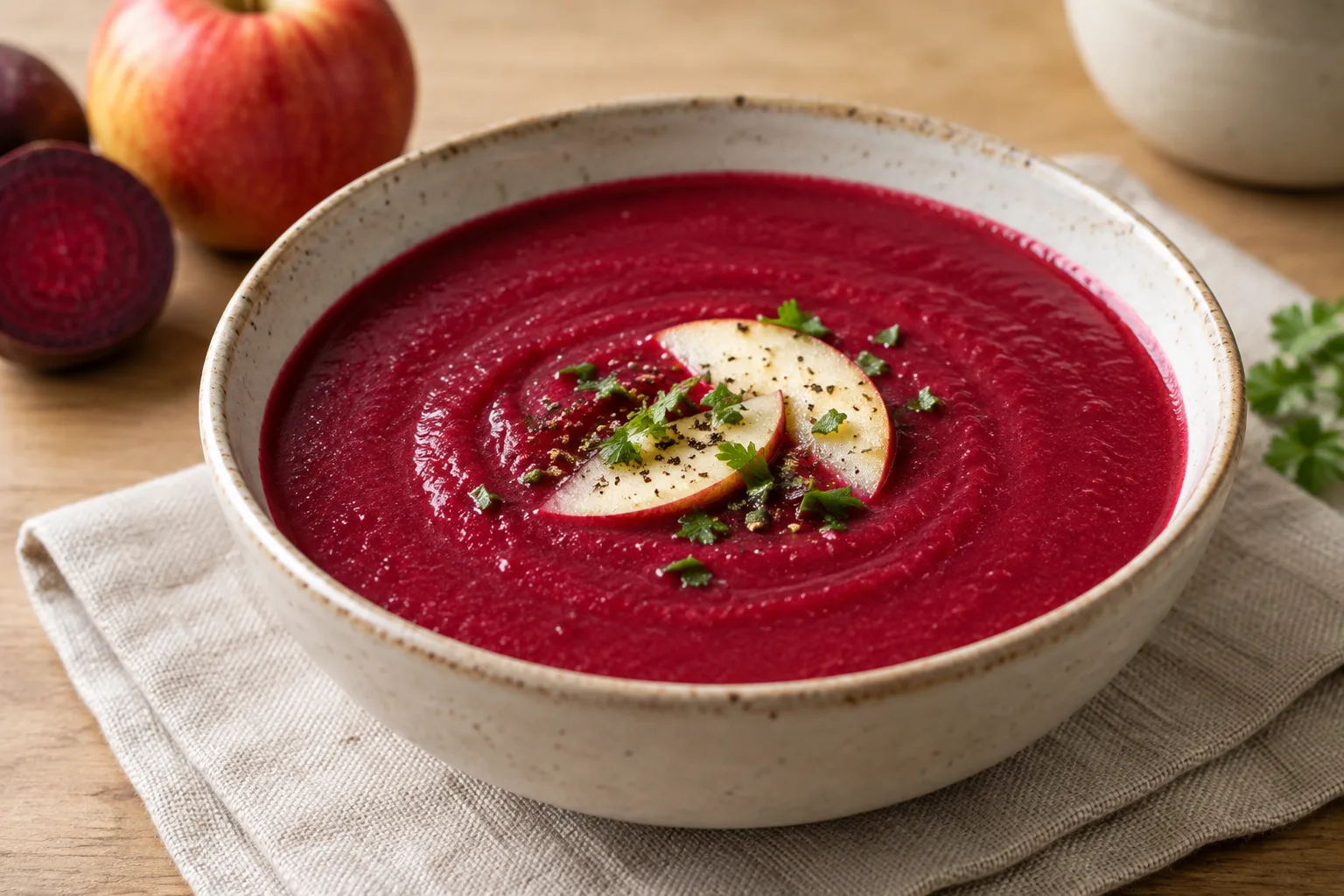
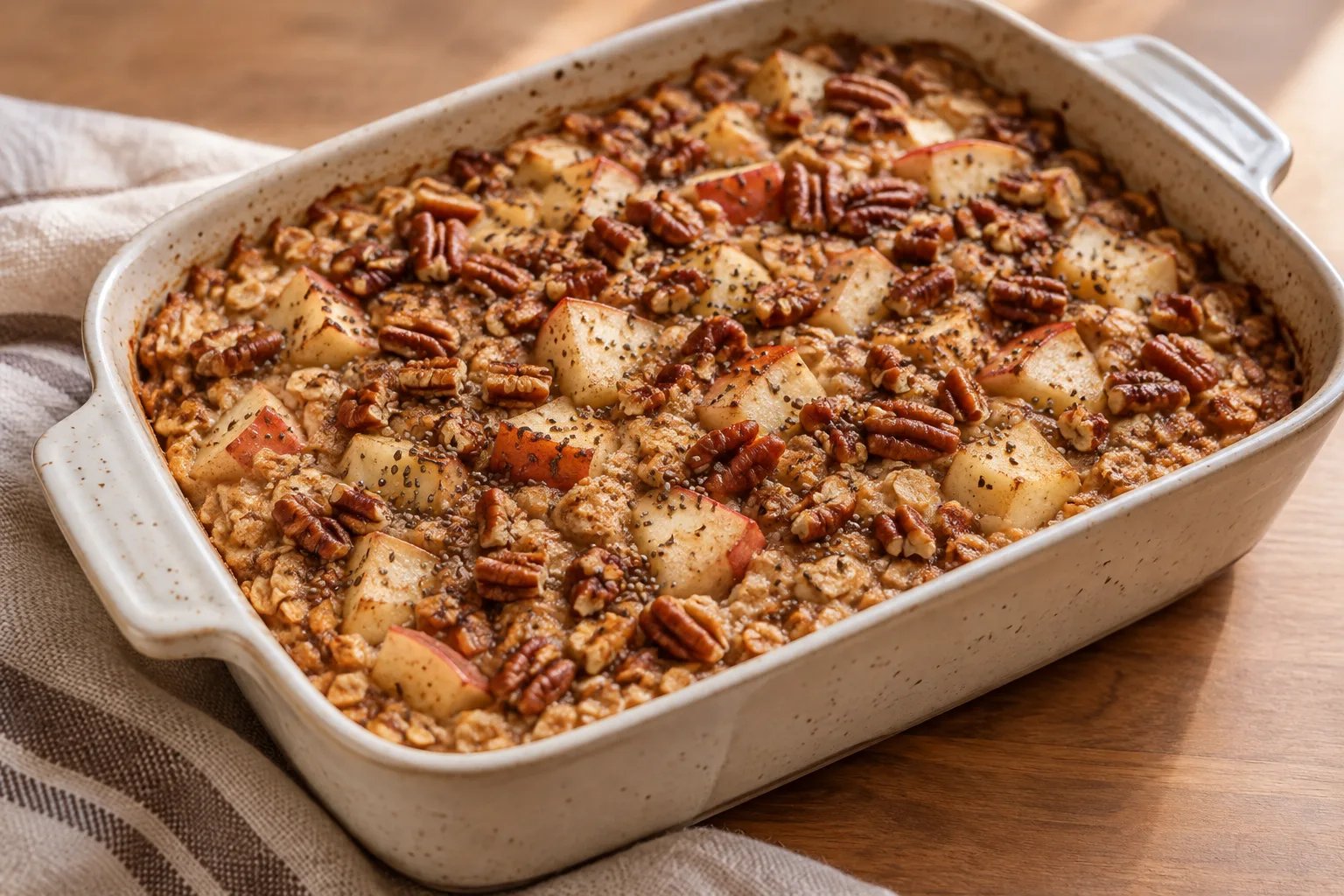
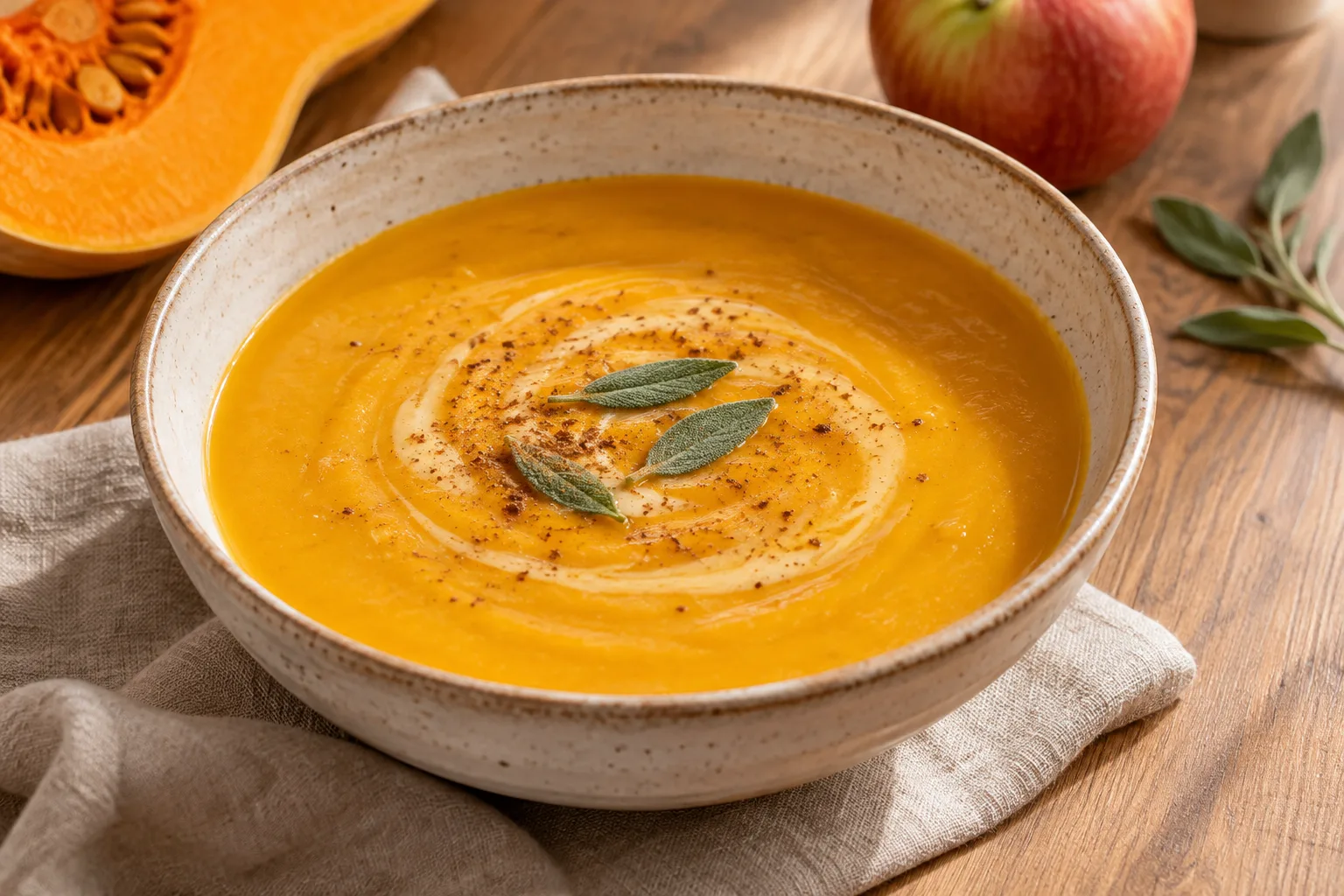
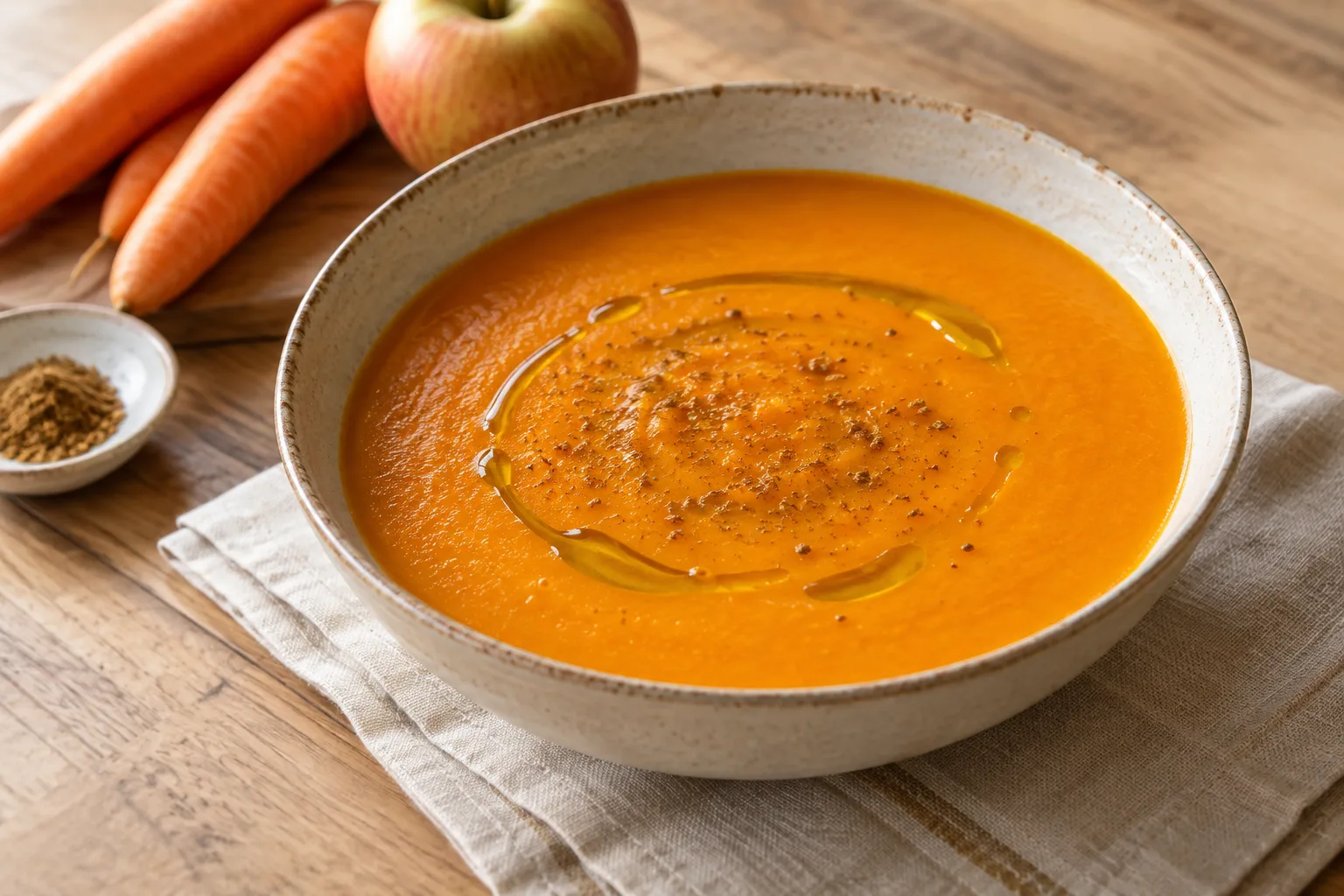
- Acompañamiento o contrapunto fresco en platos salados
Recommended techniques
- Comer cruda, en gajos, dados, láminas o rallada
- Hornear, asar, cocer, cocinar al vapor, saltear o triturar
Pairs well with
- Carnes, especialmente en guarniciones, compotas y salsas
- Ensaladas, coles, quesos y frutos secos
- Canela y otras especias en preparaciones dulces
Frequently asked questions
Can every apple variety be cooked?
Different varieties can be cooked, but the flavour and texture will vary. Choose according to whether you want the fruit to hold its shape or become soft, as in a compote or purée.
Why does cut apple turn brown?
Cut apple can darken after exposure to air. Preparing it shortly before serving or adding a few drops of lemon or orange juice can slow the colour change.
Which apple should I use in a salad?
Choose a firm, crisp variety if you want the pieces to keep their texture. The degree of sweetness or tartness depends on the variety available and the contrast you prefer.
Estimated nutrition
- Fat
- 0.65 g
- Saturates
- 0 g
- Carbohydrate
- 14.3 g
- Sugars
- 10.4 g
- Fibre
- 3.2 g
- Protein
- 0 g
- Salt
- 0 g
Sources and review
Automatically researched, cross-checked and validated content. Sources consulted:
- En el etiquetado alimentario hay algunas menciones que son obligatorias eletiquetadocuentamucho.aesan.gob.es
- Aesan - Agencia Española de Seguridad Alimentaria y Nutrición aesan.gob.es
- Manzana: propiedades, variedades y 62 recetas para utilizar la fruta más económica y versátil directoalpaladar.com
- Artes culinarias/Ingredientes/Manzana - Wikilibros es.wikibooks.org
- Manzana: Tipos, Variedades, Temporada y Propiedades frutamerca.com
- Tipos de manzana, qué aporta cada una y cómo incorporarlas de forma natural en tu cocina hogarmania.com
- Manzana - Wikipedia, la enciclopedia libre es.wikipedia.org
- Si vas a cocinar con manzanas, esto te interesa | Consumer consumer.es
- La manzana en la cocina: técnicas para diferentes platos livinda.com
- Manzana | Origen y variedades | Frutas | EROSKI CONSUMER frutas.consumer.es
- Manzana | HerbaZest herbazest.com
- La manzana: origen, variedades y propiedades hospital-macarena.com
- Tipos de manzanas: variedades y usos en la cocina | Cocinatis cocinatis.com
- Una manzana es el fruto del árbol pero ¿qué son las algas que comemos? doi.org
- Mil y una formas de cocinar una manzana | Scoolinary Blog blog.scoolinary.com
- Manzana y granada: las aliadas perfectas para los platos de cuchara | Cuidateplus cuidateplus.marca.com
- Maridaje con manzana petitceller.com