- Category
- Vegetables
- State
- Fresh
- Usual unit
- unit
What it is
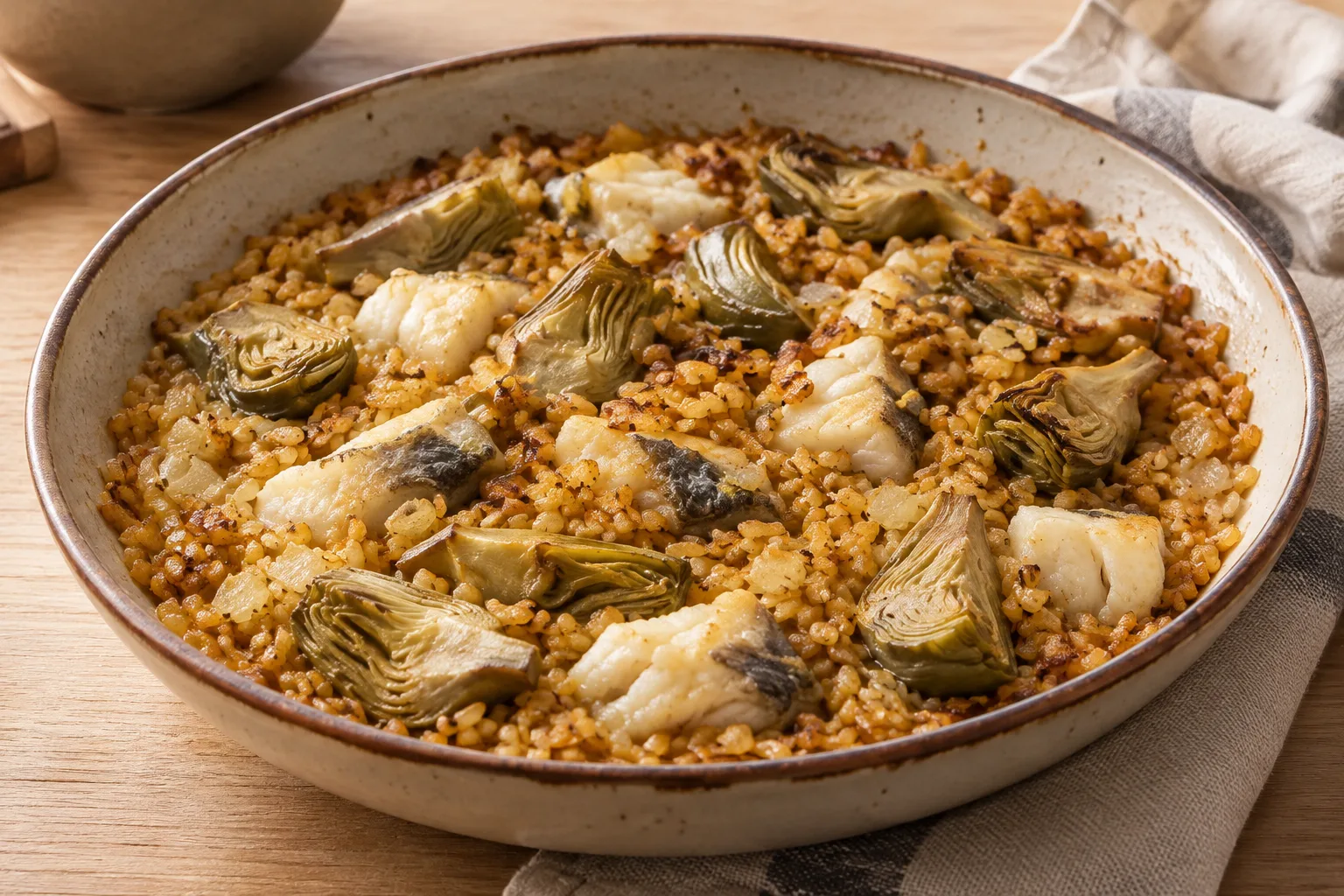
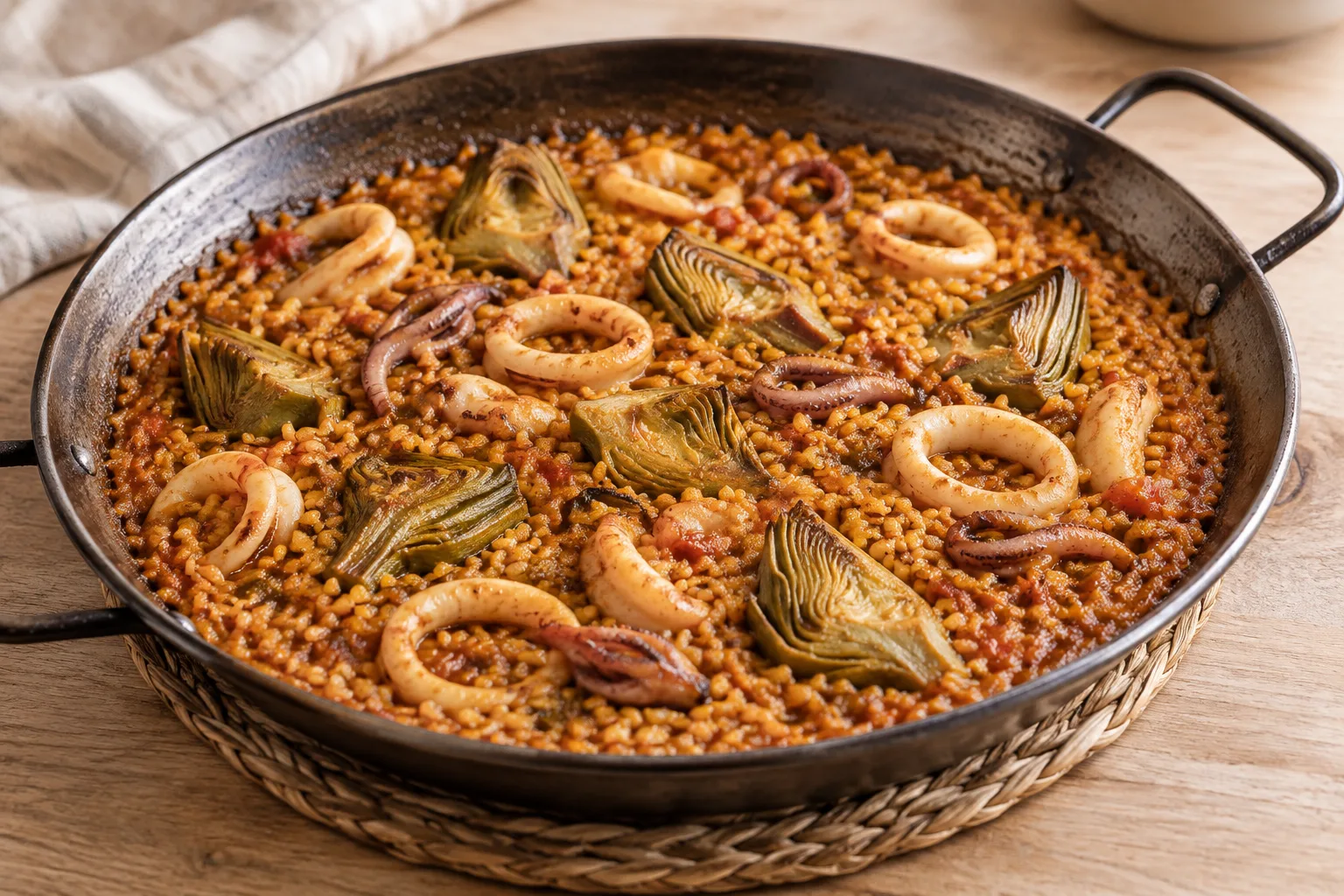
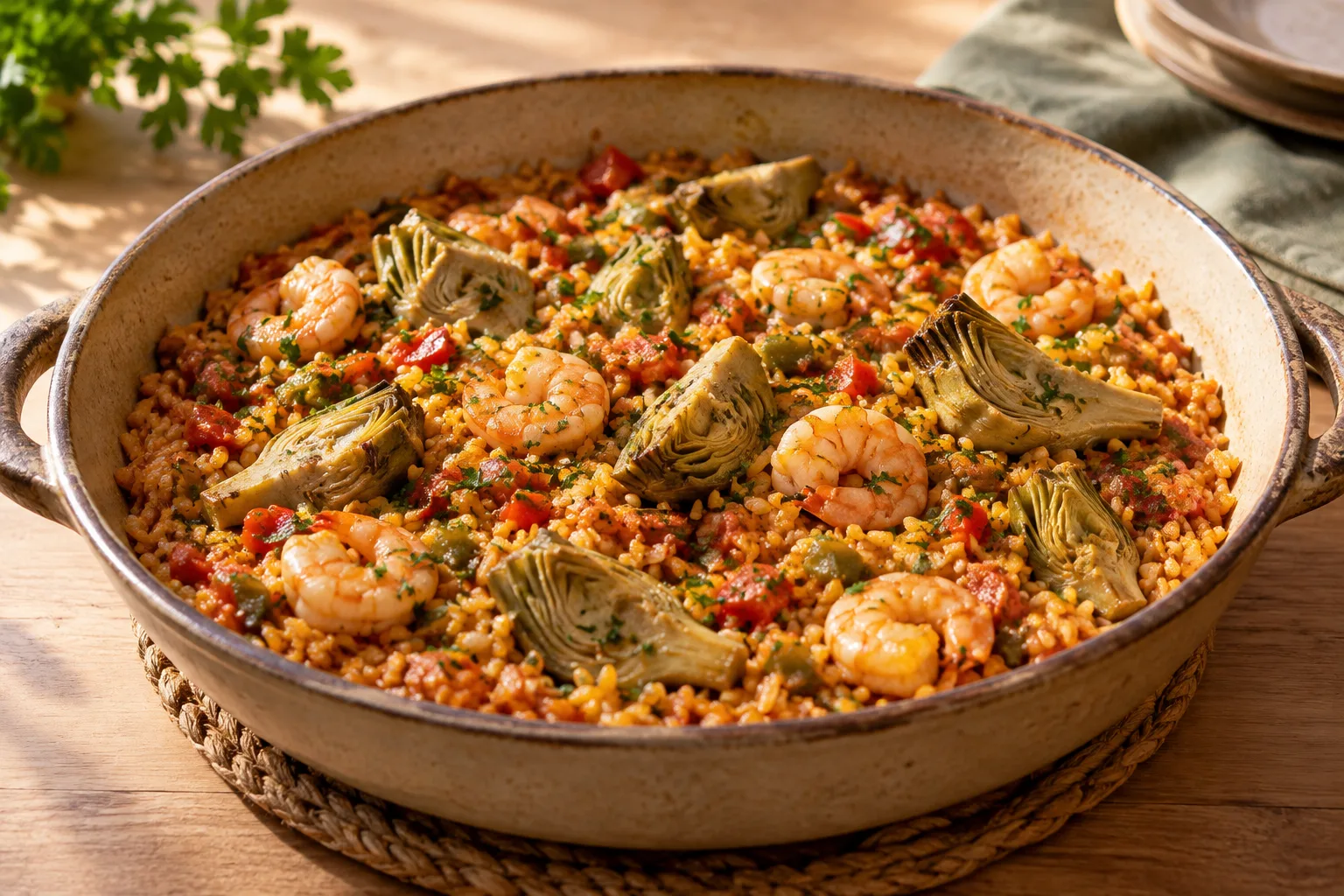
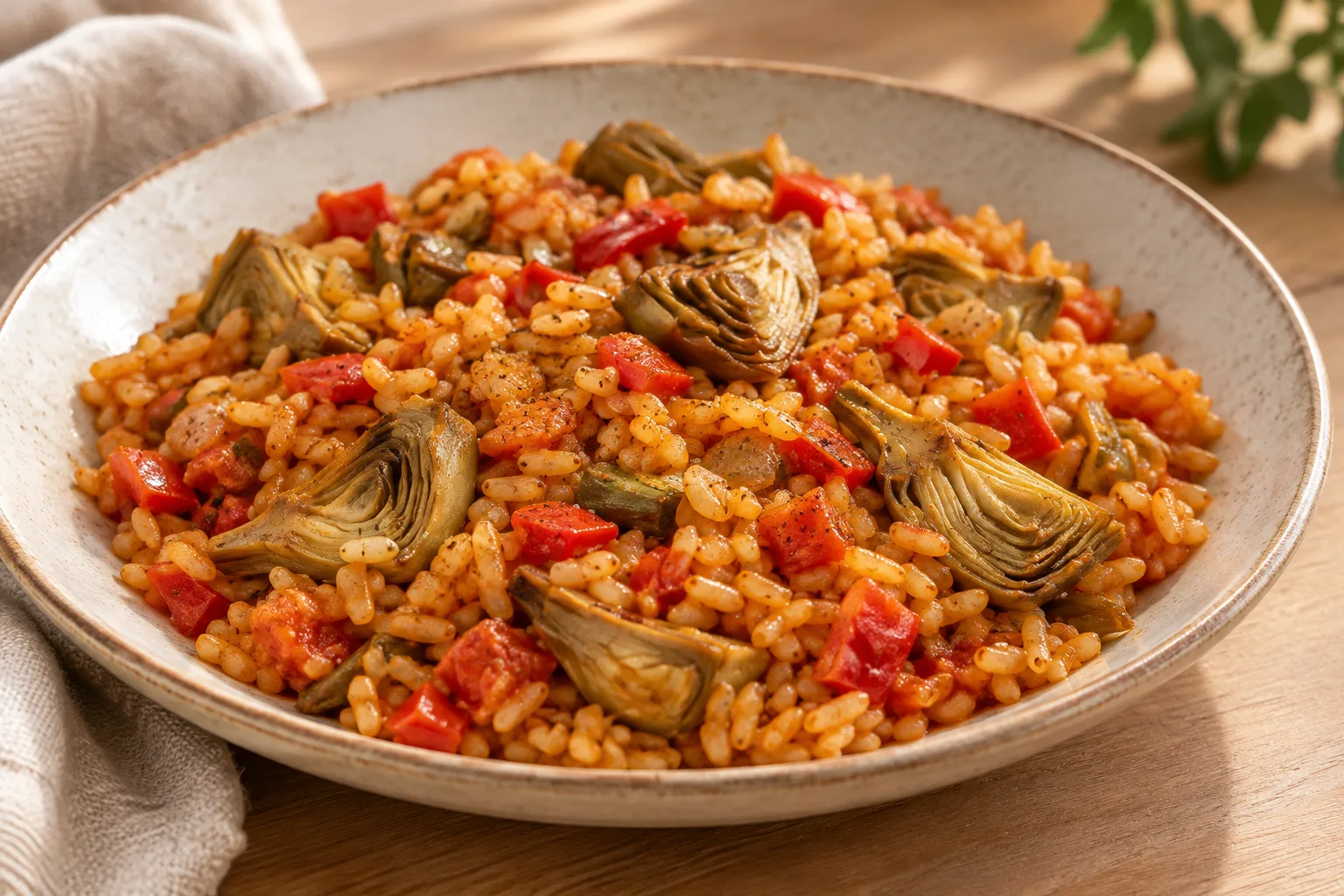
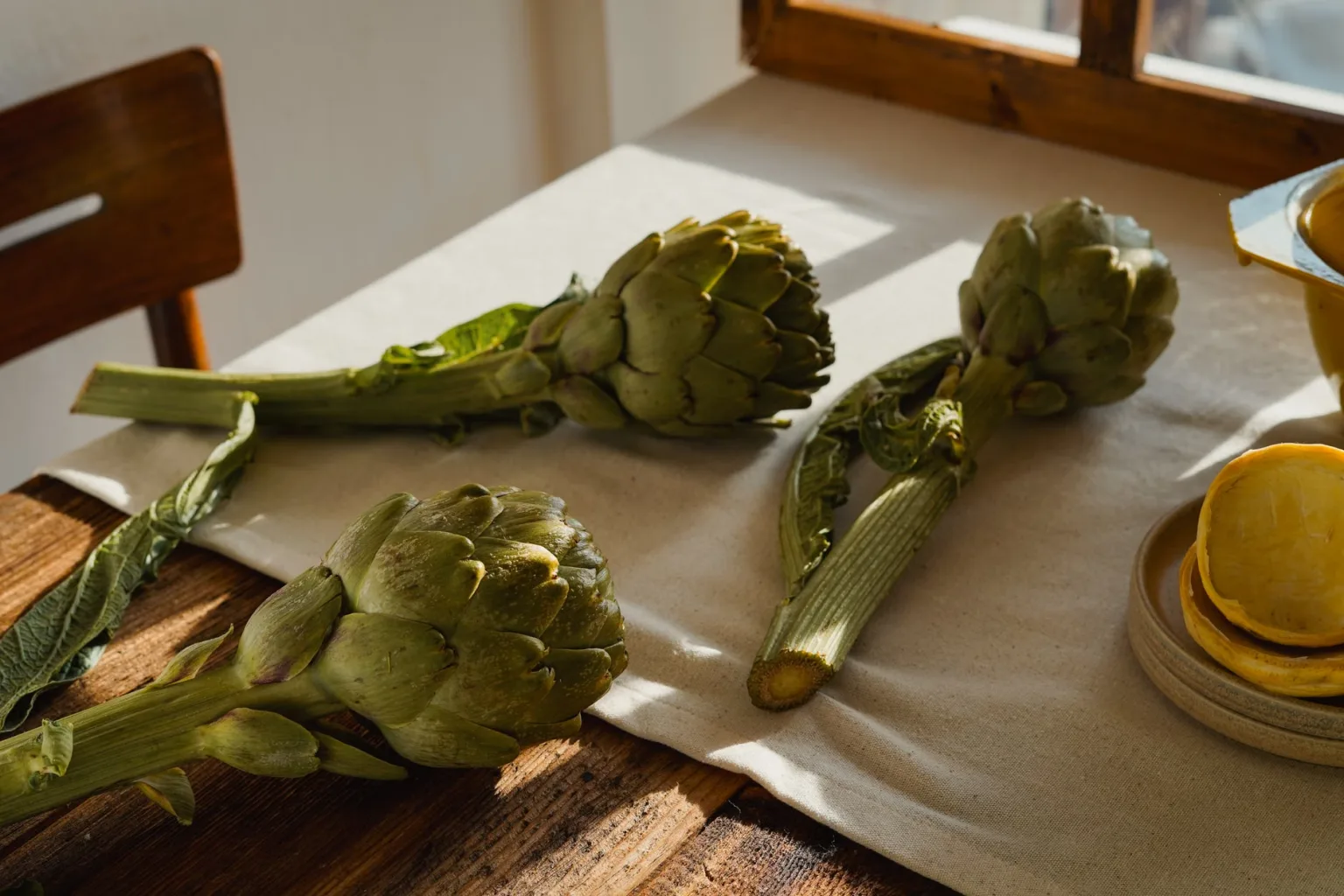
An artichoke is a vegetable harvested as an unopened flower head, made up of overlapping leaves and a central heart. The outer leaves are usually tougher, while the inner portions and heart are more tender. Its shape and color vary by variety: heads may be rounded or elongated, and green or tinged with violet. Artichokes belong to the Asteraceae family, which also includes cardoon. They are sold fresh and are also available in processed or preserved forms. In the kitchen, different parts can be used, but trimming and cutting should suit the recipe and the firmness of the particular artichoke.
When to use it
Use artichokes when you want a vegetable with a slight bitterness and a sweet finish, either simply prepared or as part of a larger dish. Tender hearts and inner portions work in rice dishes, vegetable stews, soups and salads; cooked leaves can also be eaten as you work toward the center. Fresh artichokes are generally harvested from autumn, with a prime period described from autumn through spring, though timing varies by variety and location. Heads with opened or less-firm leaves may be less tender.
How to use it
Remove the tougher outer leaves and prepare the heart according to the recipe. For a salad or raw accompaniment, trim away the fibrous parts, slice the artichoke very thinly and, if you want to limit darkening while preparing it, transfer the slices promptly to water with lemon or parsley stems. Drain and dress as desired. Artichokes can also be steamed, boiled, stewed, pan-cooked, grilled, fried or roasted. Garlic and olive oil are suitable companions, while parsley and lemon can add a fresh contrast. For roasting, one culinary source advises leaving the leaf tips untrimmed to help retain internal moisture.
Flavour and texture
Artichokes have a mild bitterness followed by a sweet note. The inner parts and heart are more tender than the outer leaves; the flesh can be juicy and delicate, and roasting can make it crisp while keeping the inside succulent. Variety, maturity and cooking method all influence the result, so flavor and texture are not identical in every artichoke.
How to choose it
Choose artichokes that feel heavy for their size, with tightly packed, well-formed leaves. Color can vary with the variety, so assess firmness as well as appearance. Open leaves or softness at the base can indicate reduced freshness. Some surface marks may occur; appearance alone does not explain every difference between varieties.
Storage
At home, keep artichokes in a cool place and aim to use them while their leaves remain firm and closed. The available evidence recommends a cool place but does not specify a universal temperature or storage period. Follow the storage directions on the label when packaged and the seller’s guidance for fresh produce. Do not assume that one storage duration applies to every variety or condition.
Substitutions
For recipes calling for artichoke hearts, prepare the hearts from whole artichokes by removing the tougher leaves. Cardoon, another vegetable in the Asteraceae family, may be an approximate option in some vegetable dishes, but its stalk-like form and texture are different. Neither substitution should be expected to reproduce artichoke’s precise bittersweet flavor.
Common mistakes
Do not judge freshness by color alone, since varieties differ. To limit darkening, avoid leaving cut artichokes exposed during preparation; water with lemon or parsley stems is one culinary suggestion. Also, do not expect the tougher outer leaves to have the same texture as the tender heart.
Safety and allergens
The consulted sources provide no specific safety warning for fresh artichokes. Handle them hygienically and follow seller or package instructions for use and storage when they are packaged.
Culinary uses
- Vegetable centerpiece
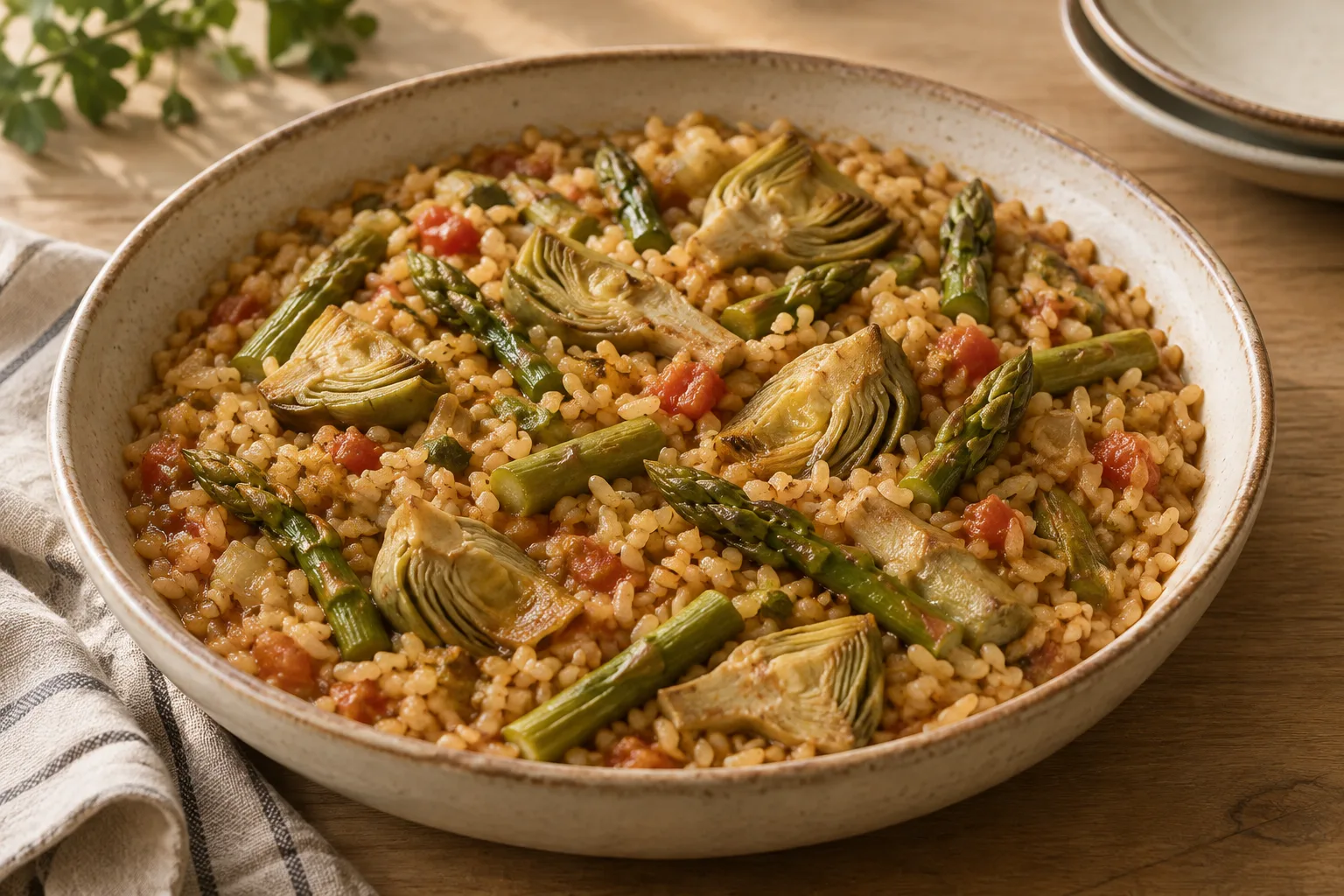
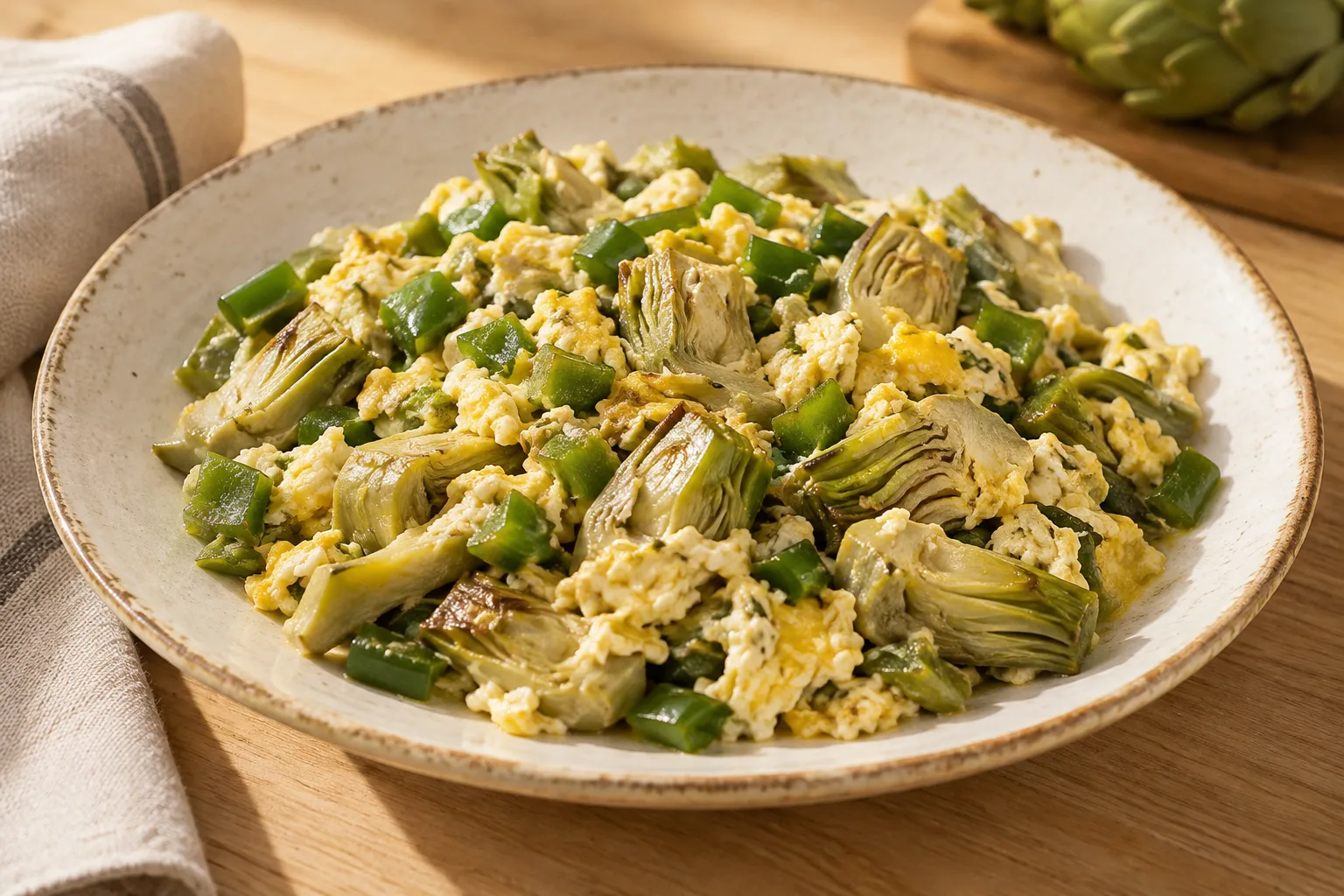
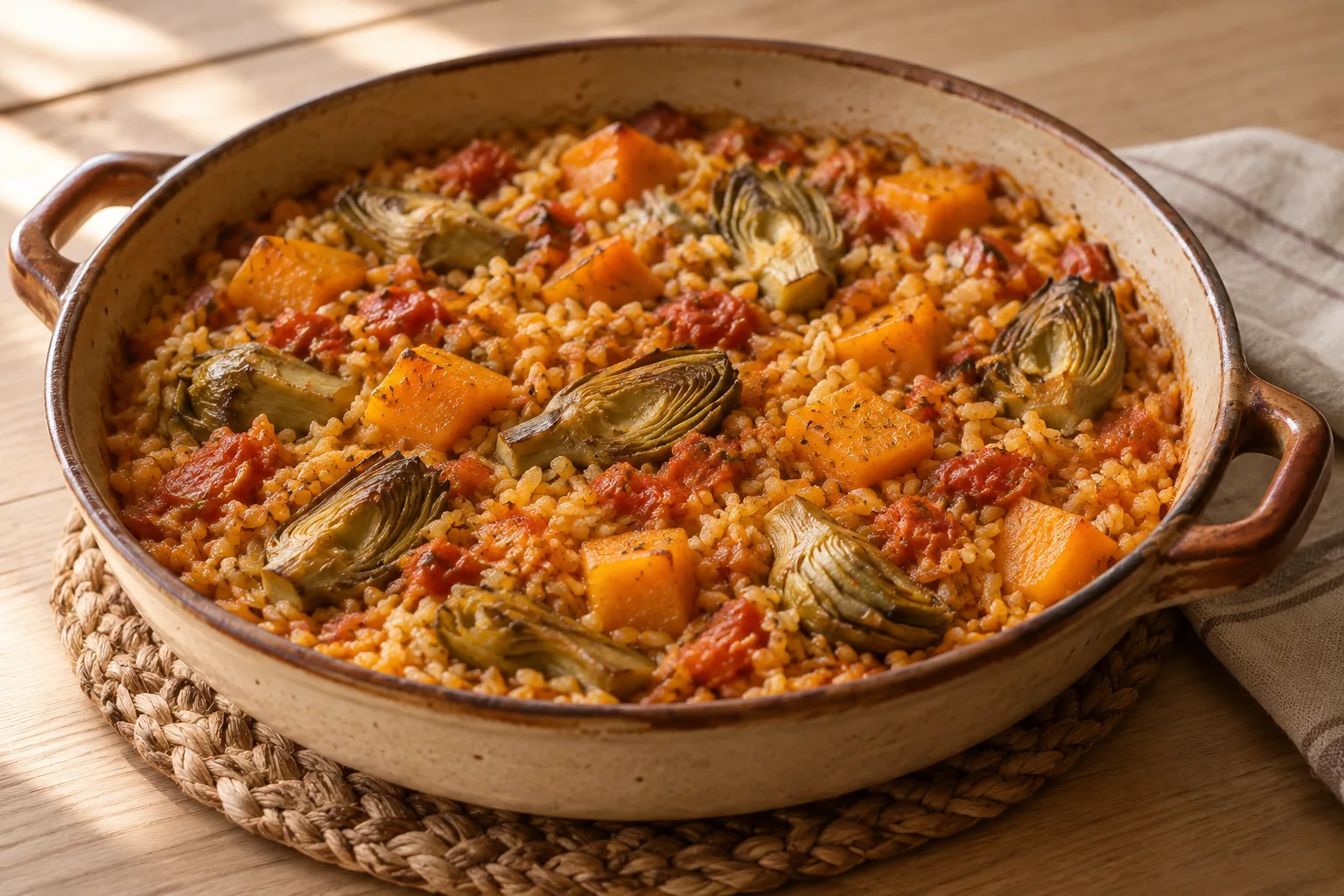
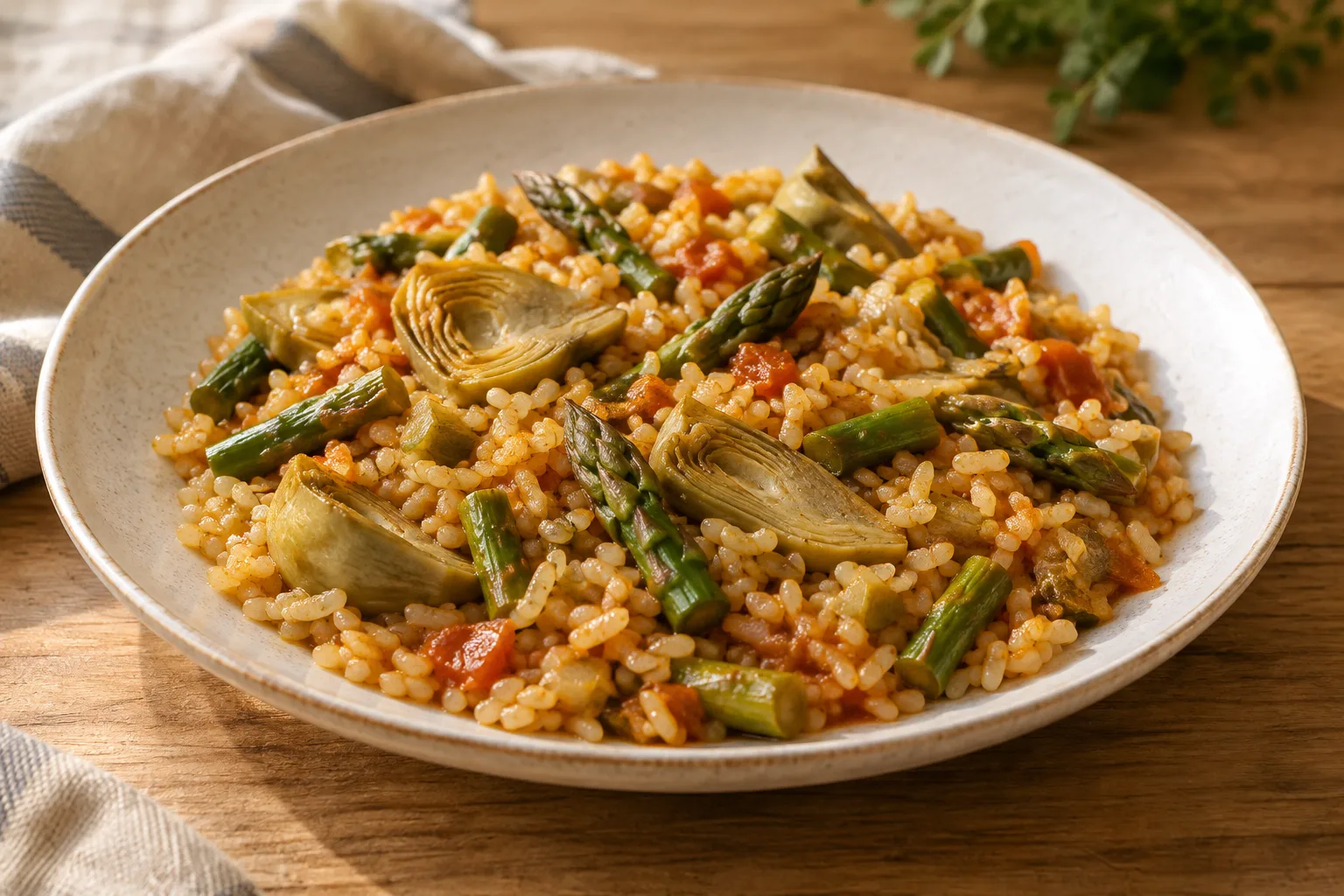
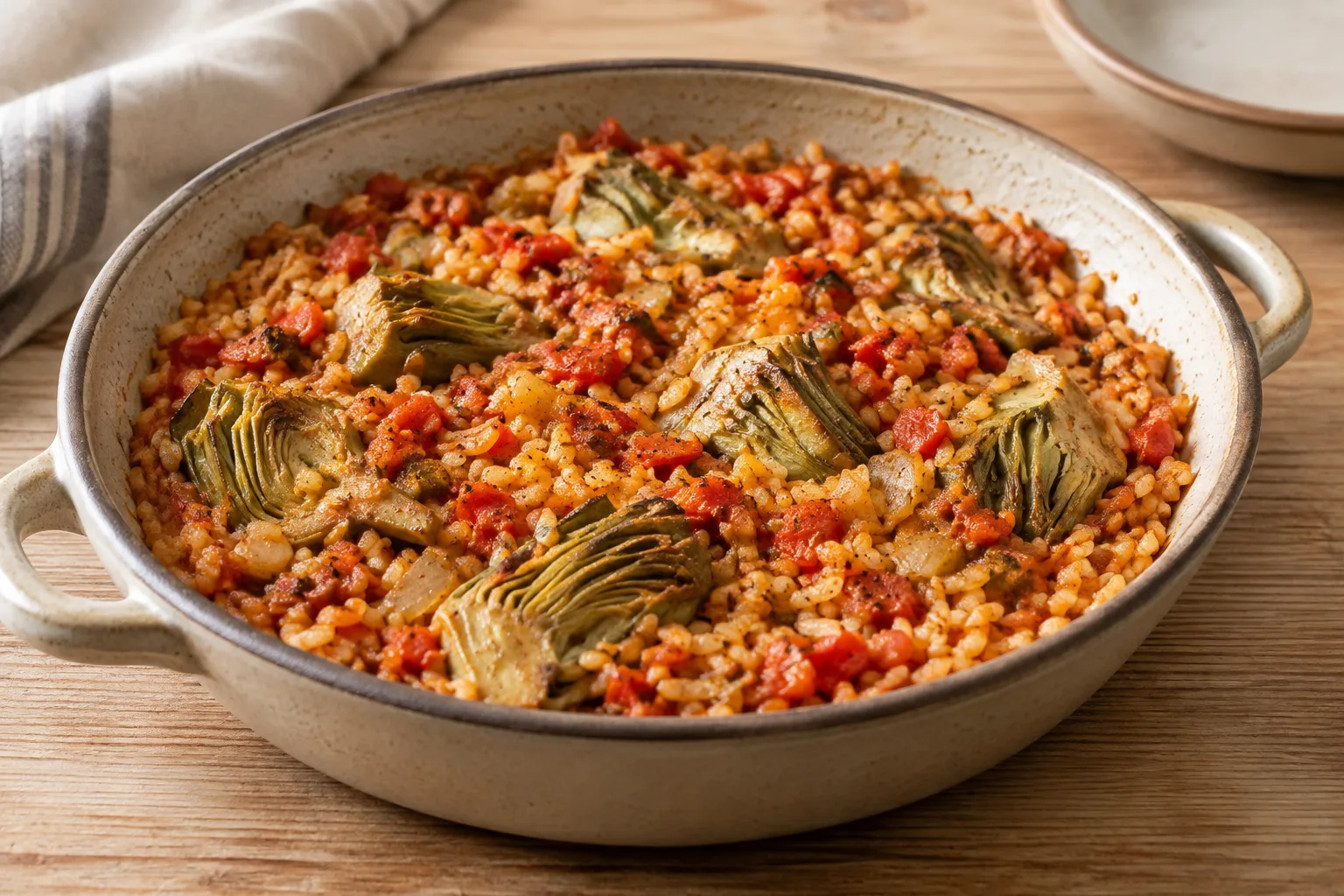
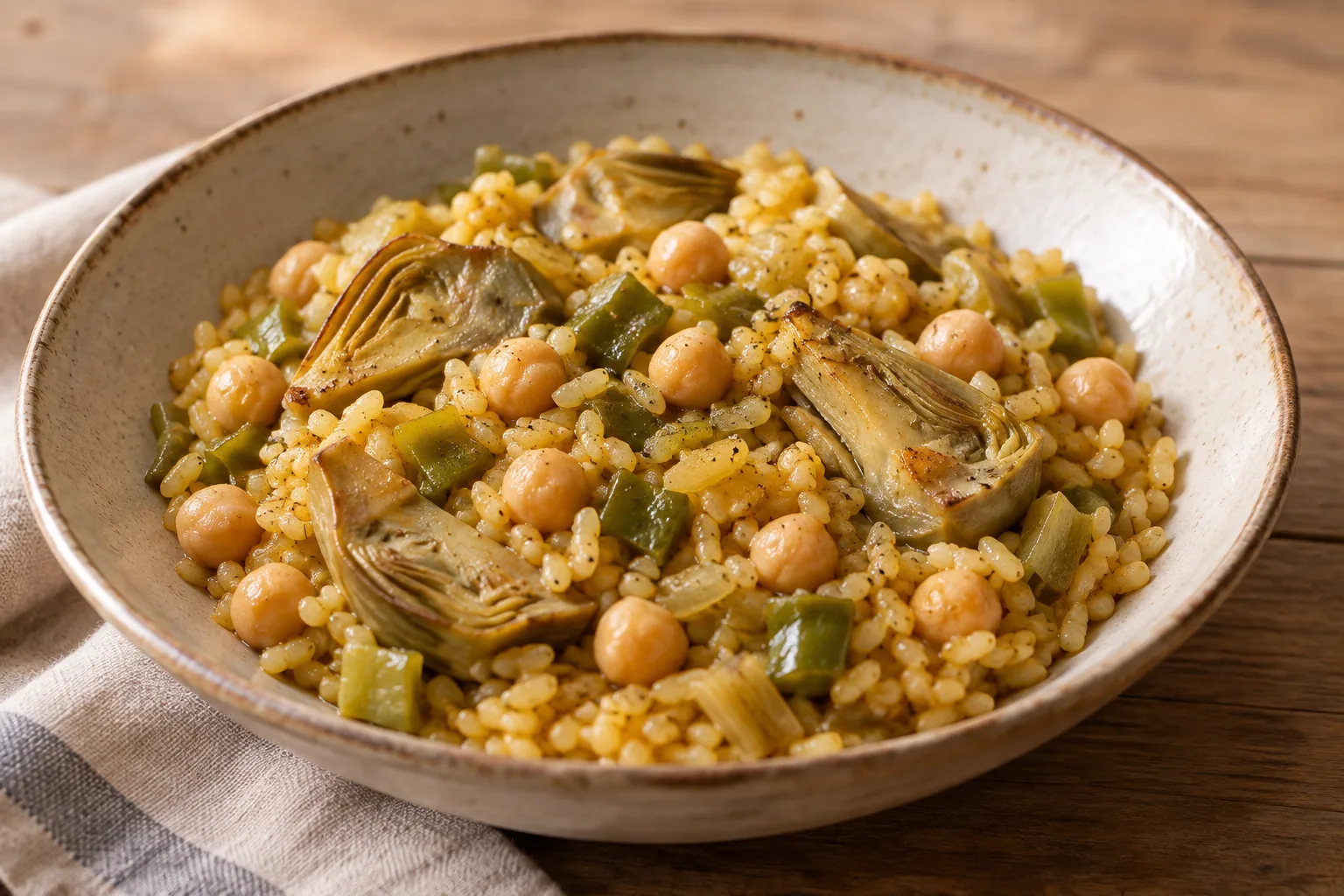
- Ingredient for rice dishes, vegetable stews, salads and soups
Recommended techniques
- Steam or boil
- Roast, grill or braise
- Fry or serve raw in thin slices
Pairs well with
- Olive oil, garlic, lemon and parsley
- Anchovies, ham or aged cheese
- Rice and other vegetables
Frequently asked questions
Which part of an artichoke is most tender?
The inner leaf portions and the heart are more tender than the outer leaves, which can be tough.
How can I limit browning after cutting an artichoke?
One culinary suggestion is to transfer the slices promptly to water with lemon or parsley stems while you finish preparing them.
When are artichokes in season?
The sources describe harvesting that may begin in autumn and continue into spring. The calendar varies with variety and location.
Estimated nutrition
- Fat
- 0.34 g
- Saturates
- 0.08 g
- Carbohydrate
- 12 g
- Sugars
- 0.99 g
- Fibre
- 5.7 g
- Protein
- 2.89 g
- Salt
- 0.15 g
Sources and review
Automatically researched, cross-checked and validated content. Sources consulted:
- En el etiquetado alimentario hay algunas menciones que son obligatorias eletiquetadocuentamucho.aesan.gob.es
- Client Challenge doi.org
- Informe Nacional sobre resultados de plaguicidas 2020 ... aesan.gob.es
- ▷ Alcachofa: La Guía Definitiva sobre nuestro Vegetal Favorito cynara.net
- Alcachofas. Qué son, propiedades, beneficios y tipos abc.es
- Alcachofa | Introducción | Verduras y hortalizas | EROSKI CONSUMER verduras.consumer.es
- ¿Qué es la Alcachofa? Origen, beneficios y posología | Dieti Natura dieti-natura.es
- La verdadera esencia de la alcachofa solococinar.com
- Alcachofa: origen y propiedades nutricionales | ChefCaprabo chefcaprabo.com
- La alcachofa, historia, leyendas y variedades. Apuntes. - Cocina y Aficiones cocinayaficiones.com
- La alcachofa | EROSKI eroski.es
- Alcachofa: beneficios, propiedades y consejos de uso nutrimea.com
- Paella - Wikipedia, la enciclopedia libre es.wikipedia.org
- Cómo cocinar alcachofas: ocho técnicas y un truco para aprovecharlas enteras | El Comidista | Gastronomía | EL PAÍS elpais.com
- Alcachofas a la parrilla y jerez - Bodegas Lustau lustau.es
- Gambas y alcachofas en tres texturas | Mariscos Verduras Cremas, sopas, purés y potajes afuegolento.com