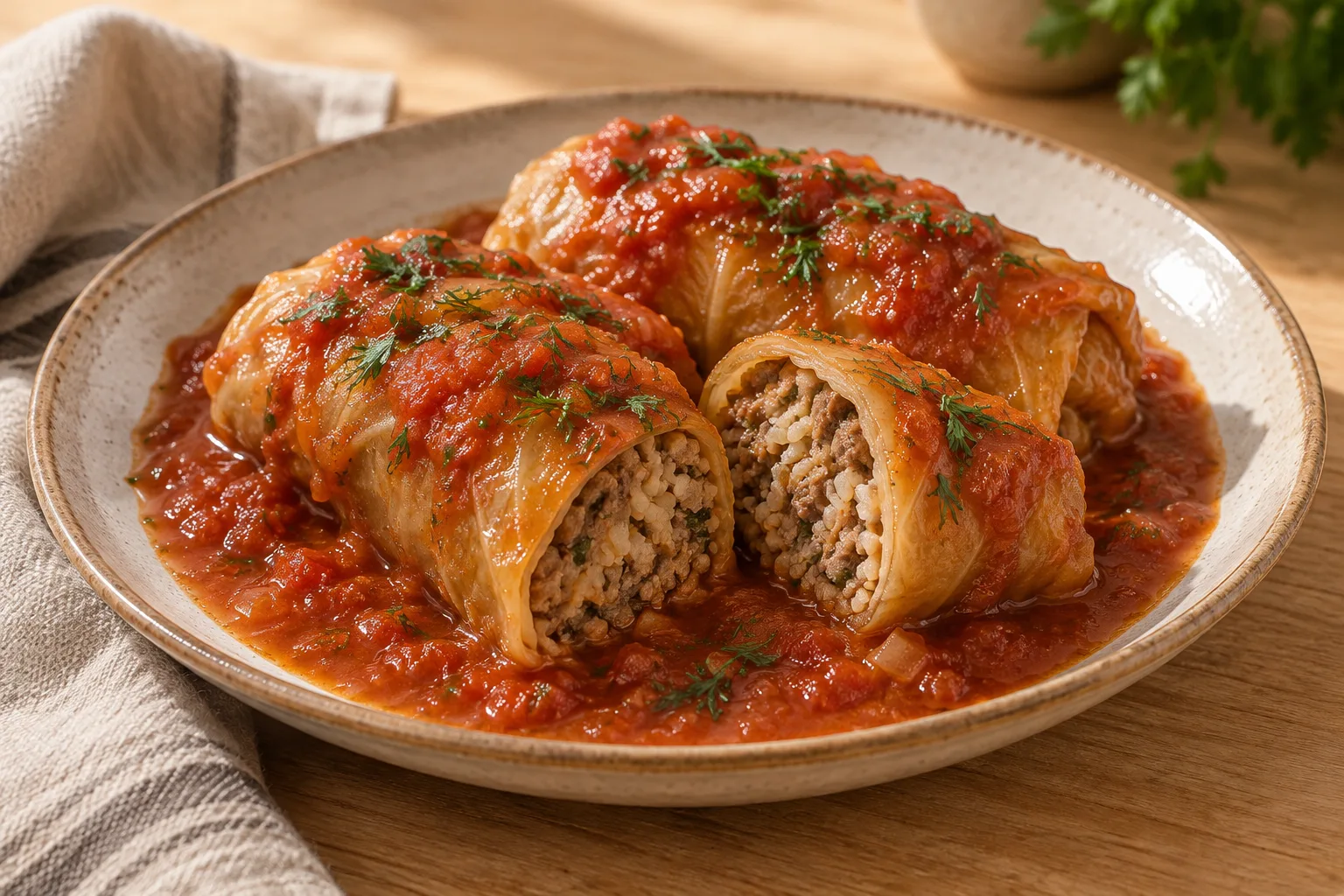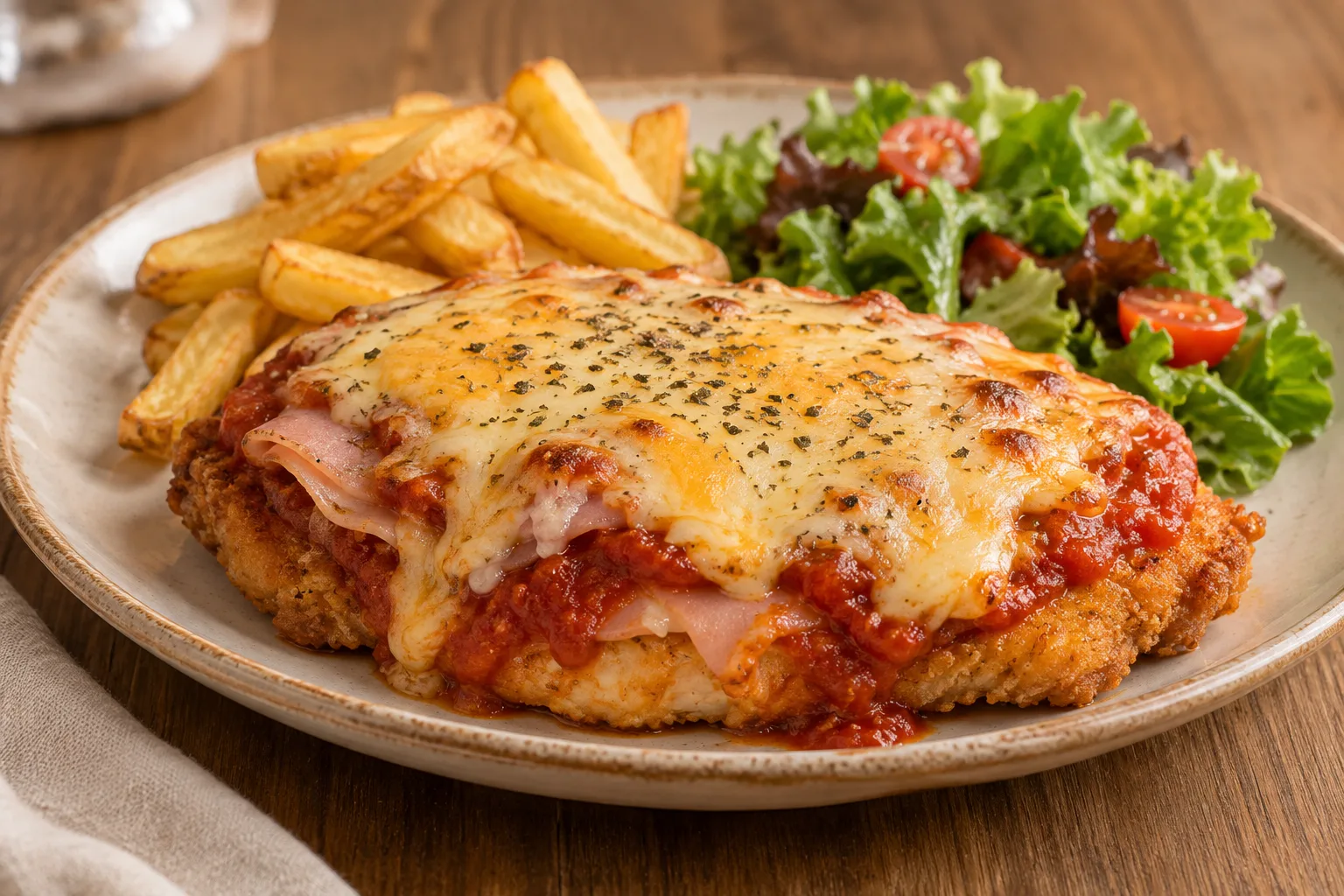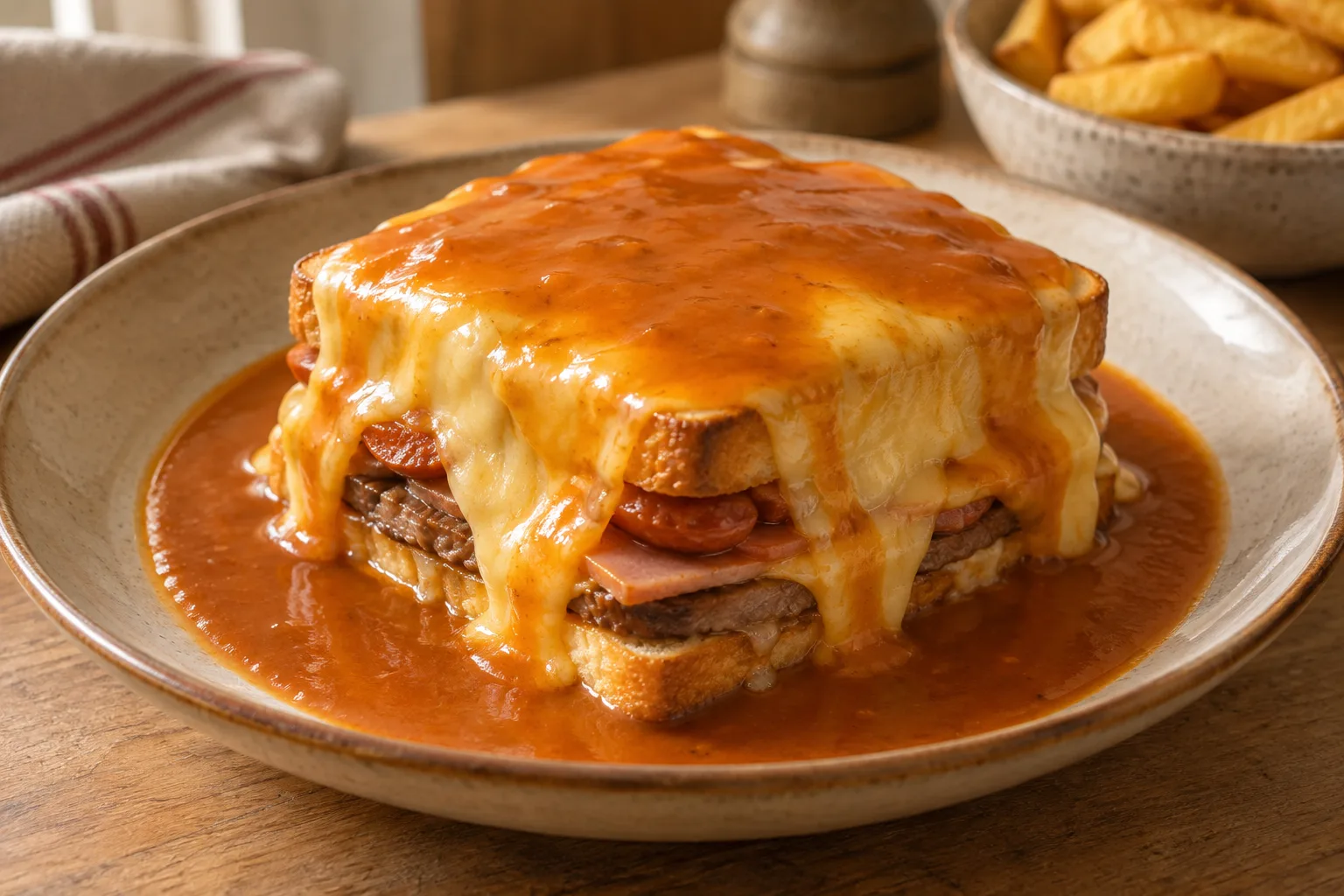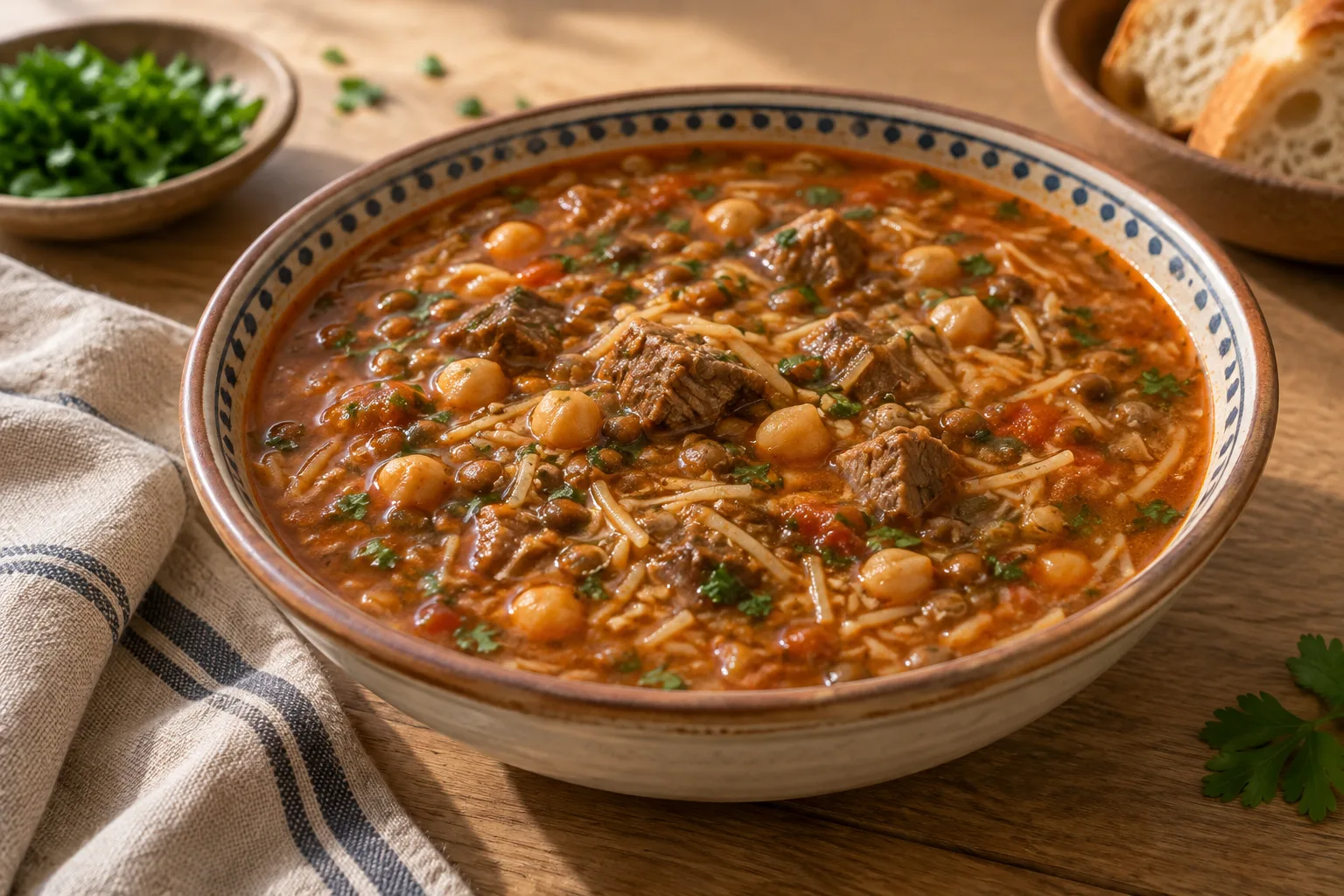
- Category
- Vegetables
- State
- Canned
- Usual unit
- g
What it is
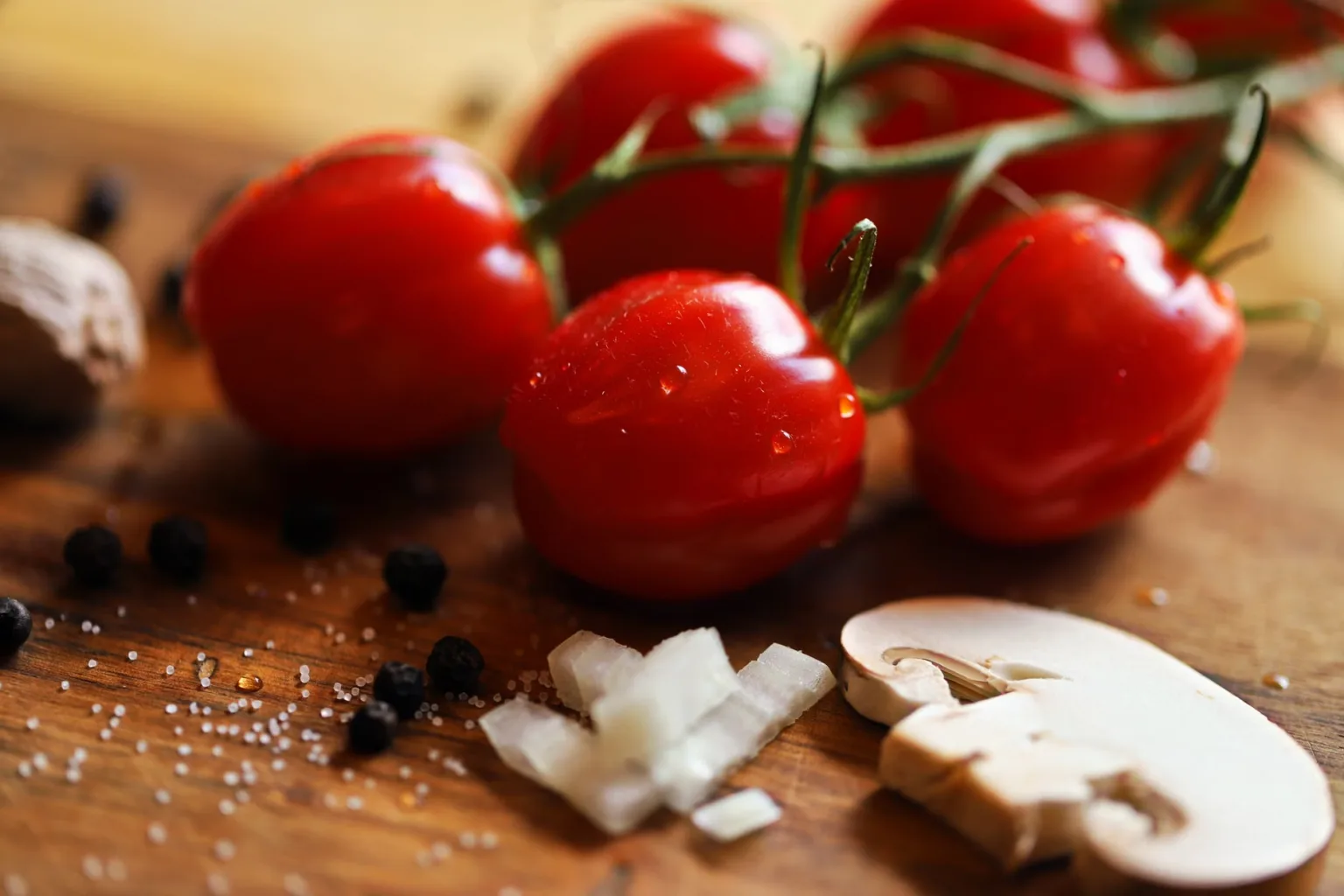
Crushed tomatoes are tomatoes processed into a moist mixture that may retain small pieces. They are a cooking ingredient and should not automatically be treated as identical to tomato sauce, sofrito, or a completely smooth purée: those products can differ in preparation and composition. Commercial products and recipes vary; a label may list tomato alone or additional ingredients such as salt or acidity regulators. Check the specific package to learn what is actually in it. This profile refers to crushed tomatoes ready for cooking, rather than a particular fresh tomato variety.
When to use it
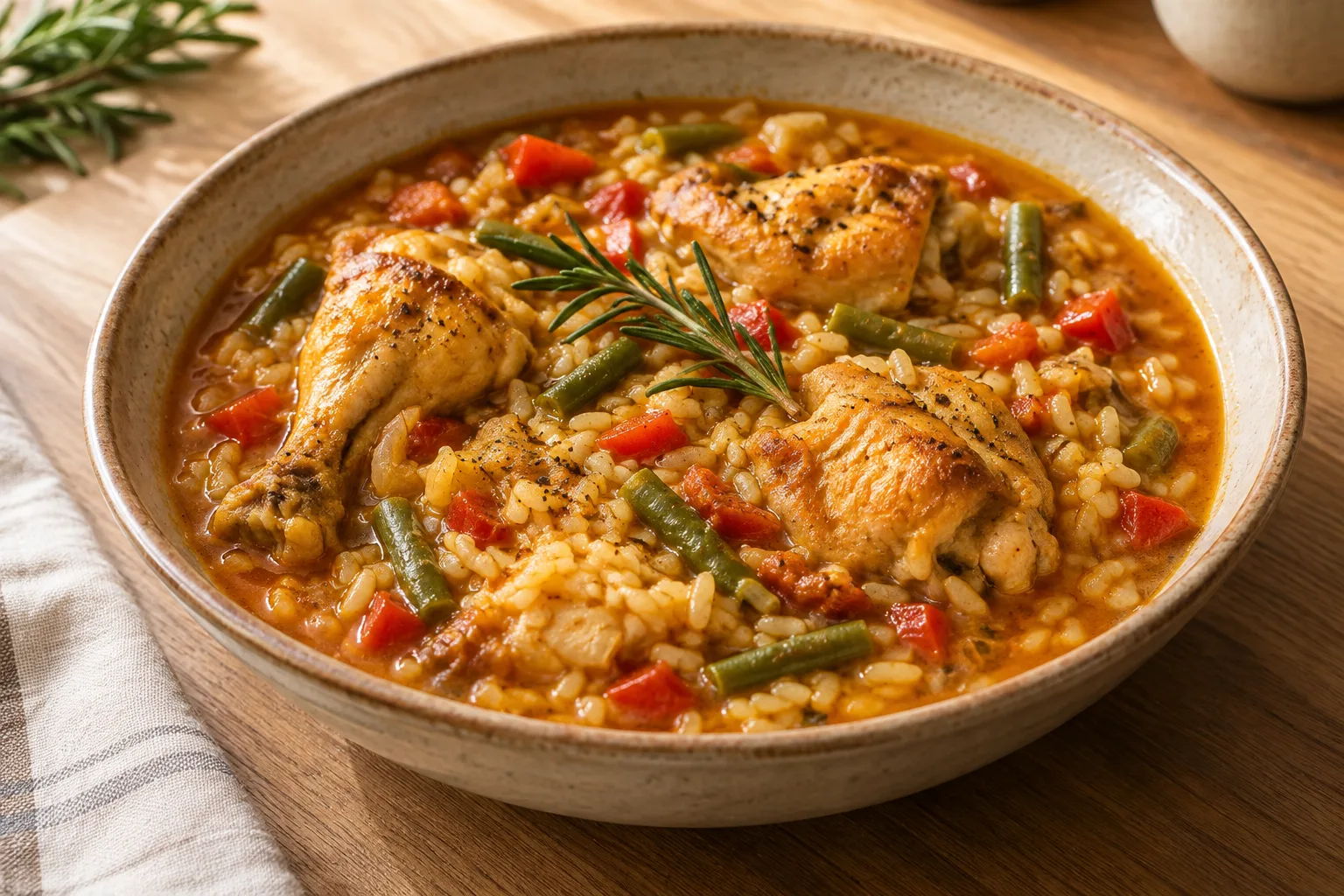
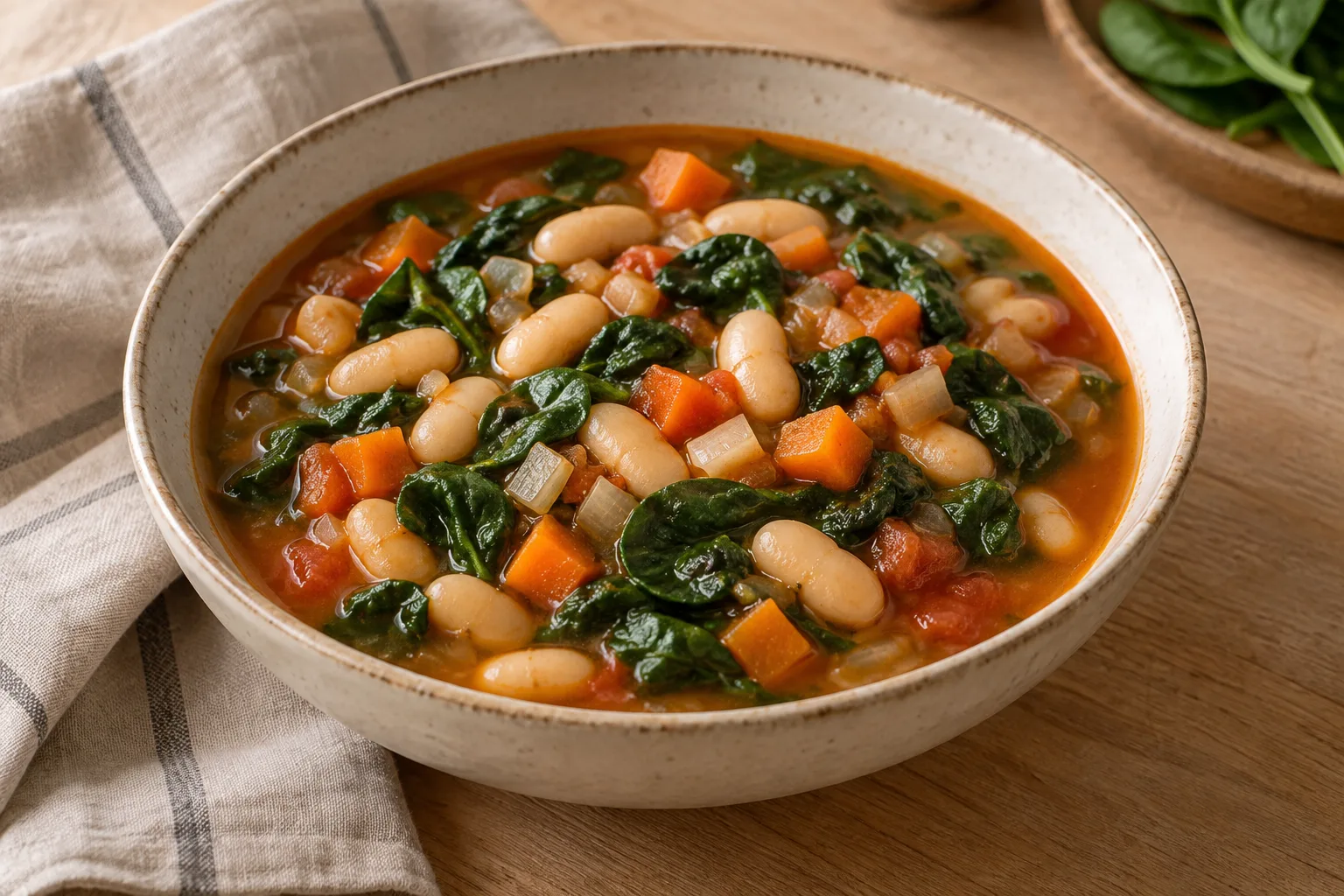
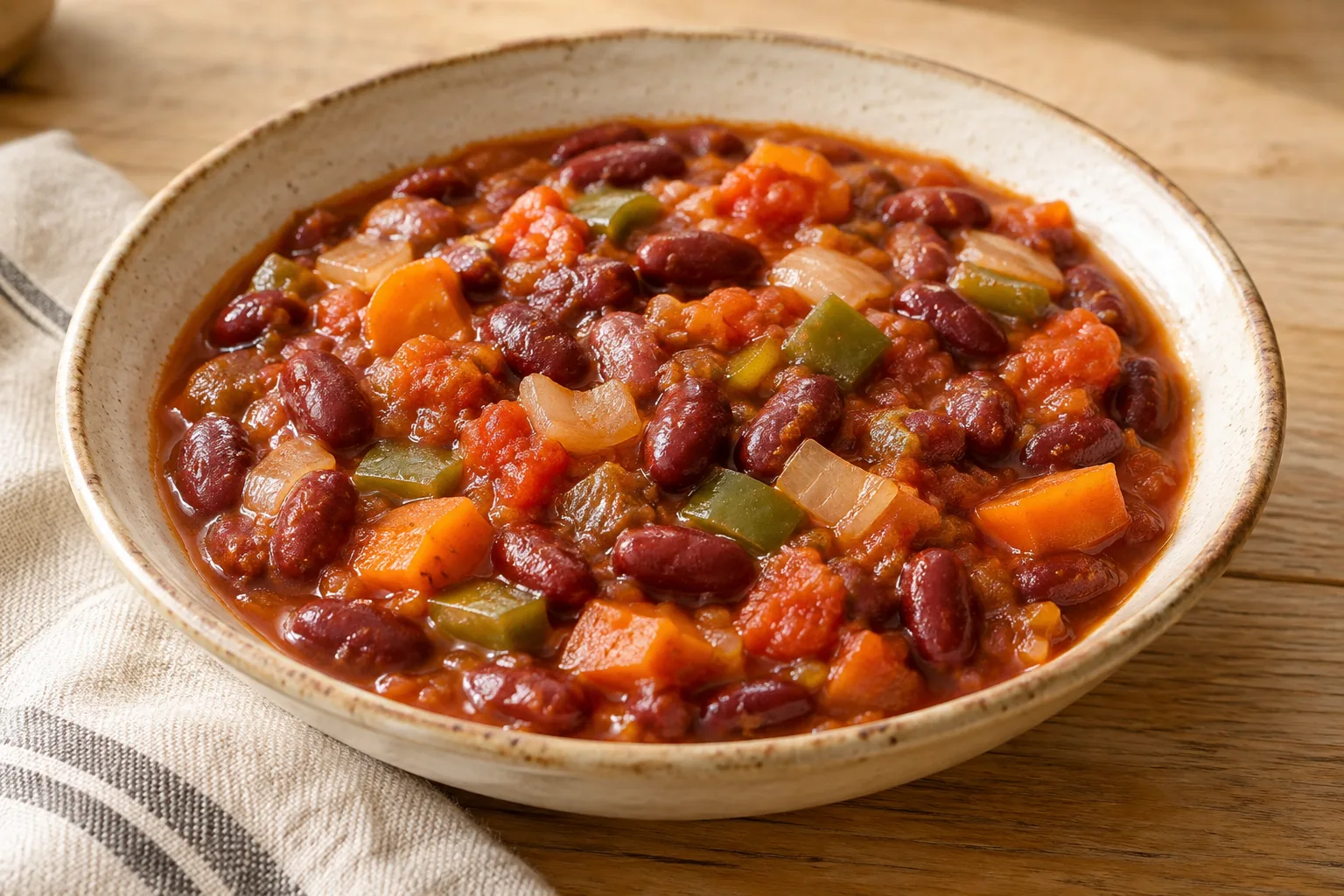
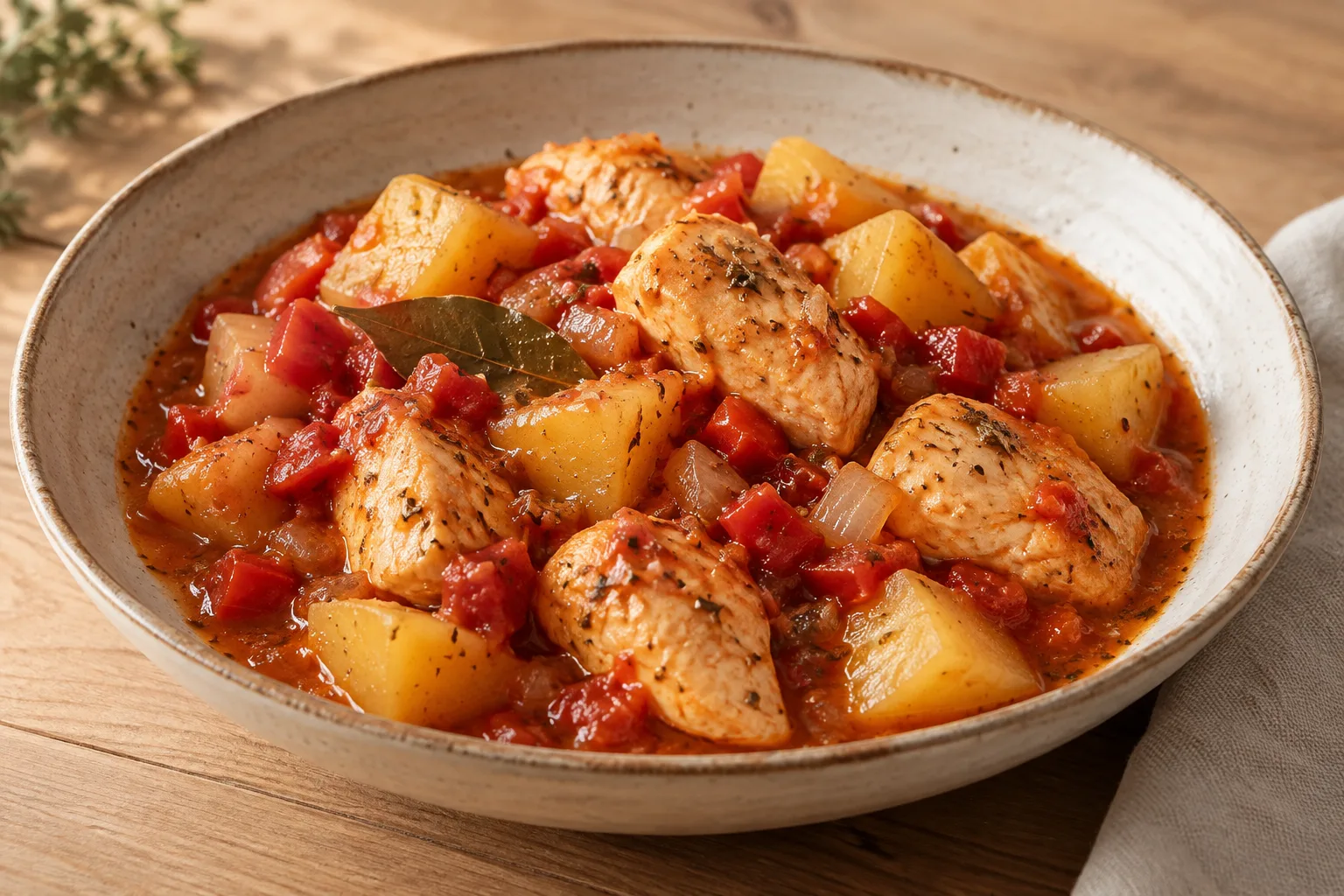
Use crushed tomatoes when a recipe needs tomato flavor and moisture as a starting point, such as in pasta sauces, soups, stews, braises, or dishes with vegetables and legumes. They can be useful when you want a more rustic texture than a smooth purée. If a recipe calls for tomatoes that are already cooked or for a seasoned sauce ready to serve, check whether your product fits: crushed tomatoes are not always interchangeable with prepared tomato sauce or sofrito.
How to use it
Add crushed tomatoes as directed by the recipe and let them combine with the other ingredients. For a sauce, cook them with onion, garlic, and herbs such as basil, oregano, or thyme; adjust the seasoning afterwards in light of the label and the taste. They can also contribute moisture to soups, braises, and stews with vegetables, legumes, rice, meat, or fish. For a smoother result, blend them further or choose a smoother product; for visible pieces, avoid over-processing. The amount of liquid and cooking needed depend on the recipe, so do not assume they are fixed.
Flavour and texture
Crushed tomatoes bring a clear tomato flavor and a moist texture that may contain small pieces. Acidity, sweetness, liquid content, and the presence of seeds or skin can vary with the product and tomatoes used, so do not assume every version has the same profile. Added ingredients can also affect the result: check the label, especially before adjusting salt or seasoning.
How to choose it
Read the product name and ingredient list to distinguish crushed tomatoes from cooked or seasoned products such as prepared tomato sauce or sofrito. Check whether salt, acidity regulators, or other ingredients are included, and choose a texture that suits the recipe. Also inspect the date, package integrity, and the storage and use directions on the label.
Storage
Store an unopened package according to its label. Once opened, refrigerate the contents and follow the manufacturer's directions; there is no universal storage period that can be given here because products differ. If transferring the contents, use a clean, covered container, and do not use a damaged package or a product showing clear signs of spoilage.
Substitutions
Peeled, crushed fresh tomatoes or lightly crushed diced tomatoes can stand in, but the texture and amount of liquid may change. Passata or tomato purée gives a smoother result and may require recipe adjustments. Check whether the substitute contains salt or seasonings before adding more.
Common mistakes
Do not assume crushed tomatoes are identical to prepared tomato sauce, sofrito, or passata: cooking, ingredients, and texture may differ. Another common mistake is adding salt before checking the label, since some products already contain it. Avoid assuming every brand needs the same amount of liquid or the same treatment in a recipe.
Safety and allergens
Follow the package directions for storage and safe use. After opening, refrigerate the product when the manufacturer directs you to do so, and avoid using damaged packages; composition and allergen information can vary between brands.
Culinary uses
- Base for tomato sauces and soups
- Moist, tomato-rich component in stews and braises
Recommended techniques
- Simmer with aromatics and seasonings to build a sauce
- Add to soups, stews, or casseroles and cook until the texture suits the dish
Pairs well with
- Onion and garlic
- Basil, oregano, and thyme
- Pasta, rice, beans, vegetables, meat, or fish
Frequently asked questions
Are crushed tomatoes the same as prepared tomato sauce?
Not necessarily. Prepared tomato sauce is generally sold as a cooked product, while crushed tomatoes are used as a cooking base. Check the package description and ingredients.
Can I use crushed tomatoes in pasta sauce?
Yes. This is a common use. Cook them with aromatics and herbs, then adjust the texture and seasoning to suit the recipe and the product label.
How should I store crushed tomatoes after opening?
Follow the manufacturer's directions and refrigerate after opening when the label instructs you to. There is no single storage period that applies to every product.
Sources and review
Automatically researched, cross-checked and validated content. Sources consulted:
- En el etiquetado alimentario hay algunas menciones que son obligatorias eletiquetadocuentamucho.aesan.gob.es
- Client Challenge doi.org
- Tomate - Wikipedia, la enciclopedia libre es.wikipedia.org
- Tipos De Tomates: Variedades Y Usos Culinarios | La Fallera lafallera.es
- Tomate: Variedades Españolas, Tipos, Propiedades y Cultivo frutamerca.com
- Aesan - Agencia Española de Seguridad Alimentaria y Nutrición aesan.gob.es
- Tomate triturado: Origen, diferencias con tomate frito y sus… codezero.es
- Tomate triturado – Hacendado es.openfoodfacts.org
- Tomate triturado de Mercadona: te contamos quién lo hace, qué ingredientes lleva y 19 recetas para aprovecharlo al máximo directoalpaladar.com
- Diferencias entre tomate tamizado y tomate triturado diferenciador.net
- 6 VARIEDADES DE TOMATES Y SUS USOS EN COCINA - Masymas Supermercados super-masymas.com
- Los 7 mejores sustitutos del tomate triturado para tus recetas - Cook & Logic cookandlogic.com
- Tomate en dados: El secreto para una salsa inigualable solococinar.com
- Diferencias entre tomate frito, triturado y sofrito: ¿cuál usar en cada receta? | Hida hida.es
- Recetas con Tomate Triturado - PequeRecetas pequerecetas.com
- tomate triturado | CocinaSinReceta.com cocinasinreceta.com