- Category
- Vegetables
- State
- Fresh
- Usual unit
- Variable
What it is
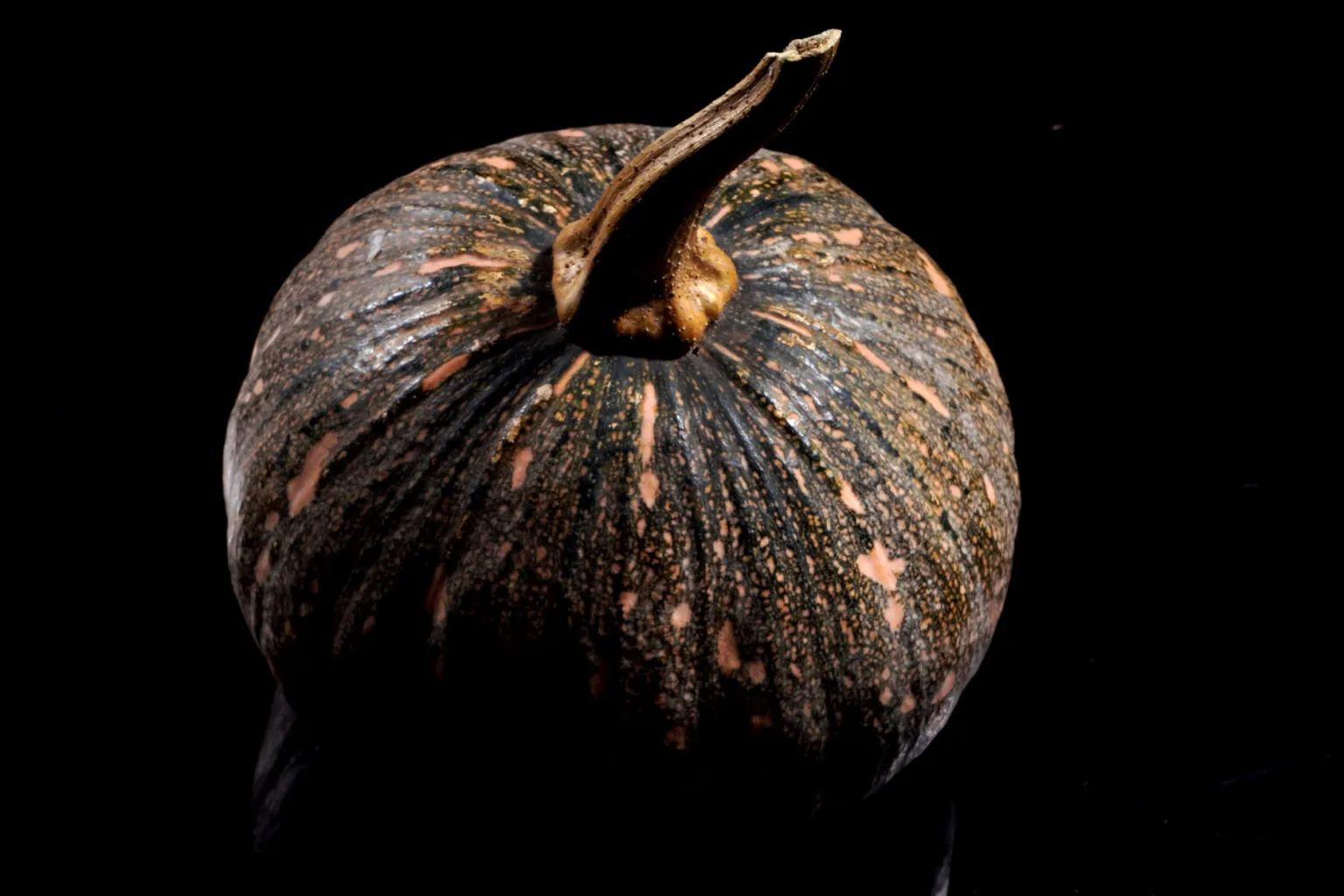
Pumpkin is the edible fruit of plants in the cucurbit family, although it is commonly treated as a vegetable in cooking. The name covers varieties with round, elongated or pear-like shapes and skins of different colors and thicknesses. The flesh may be orange or paler, and is generally soft, but its density and fiber vary among varieties. Butternut, also called violin squash, has creamy flesh; spaghetti squash separates into strands when cooked. Some cuisines also use the seeds. Because the name refers to many kinds of squash, choose according to the characteristics of the particular pumpkin and the dish you plan to make rather than assuming every variety cooks alike.
When to use it
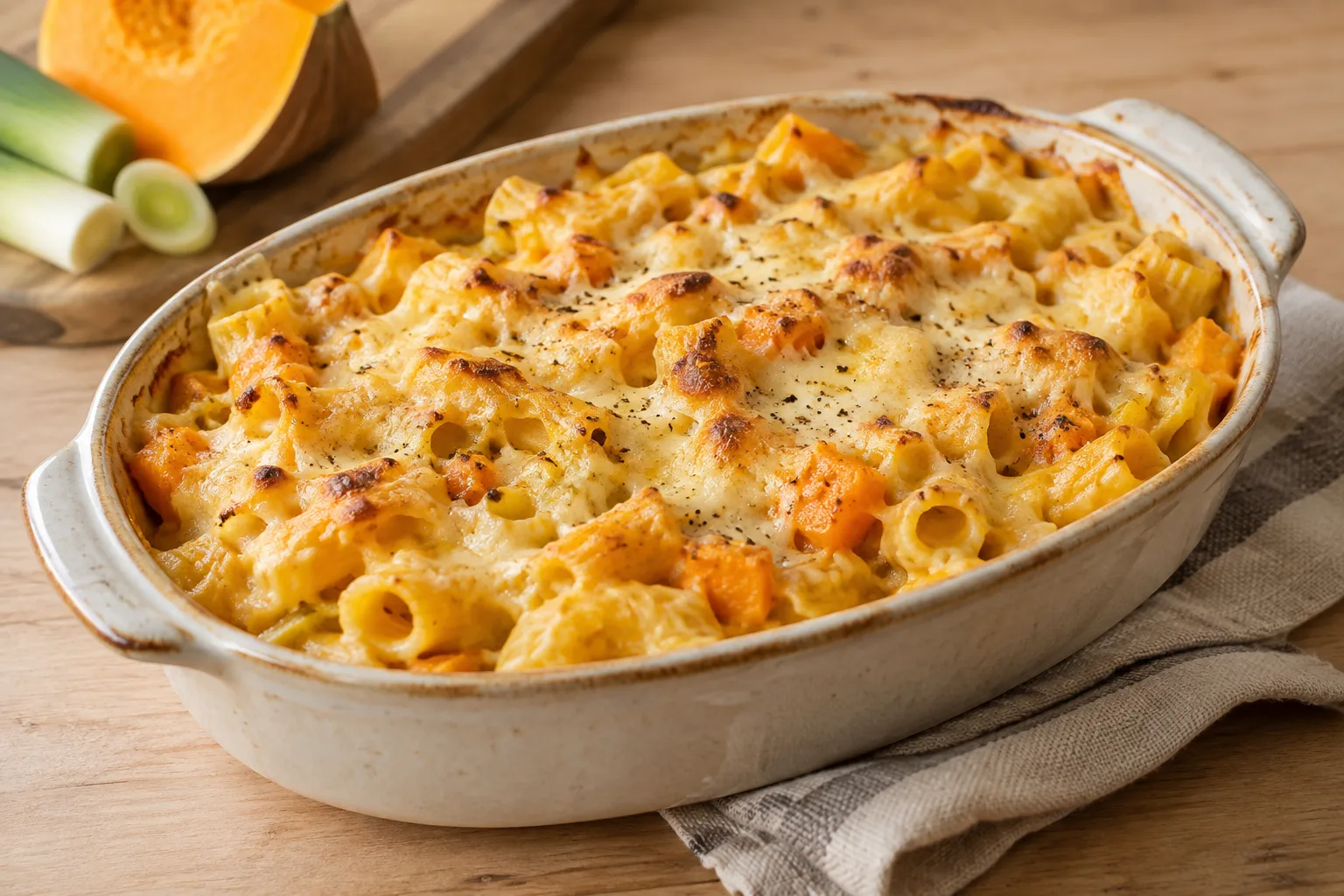
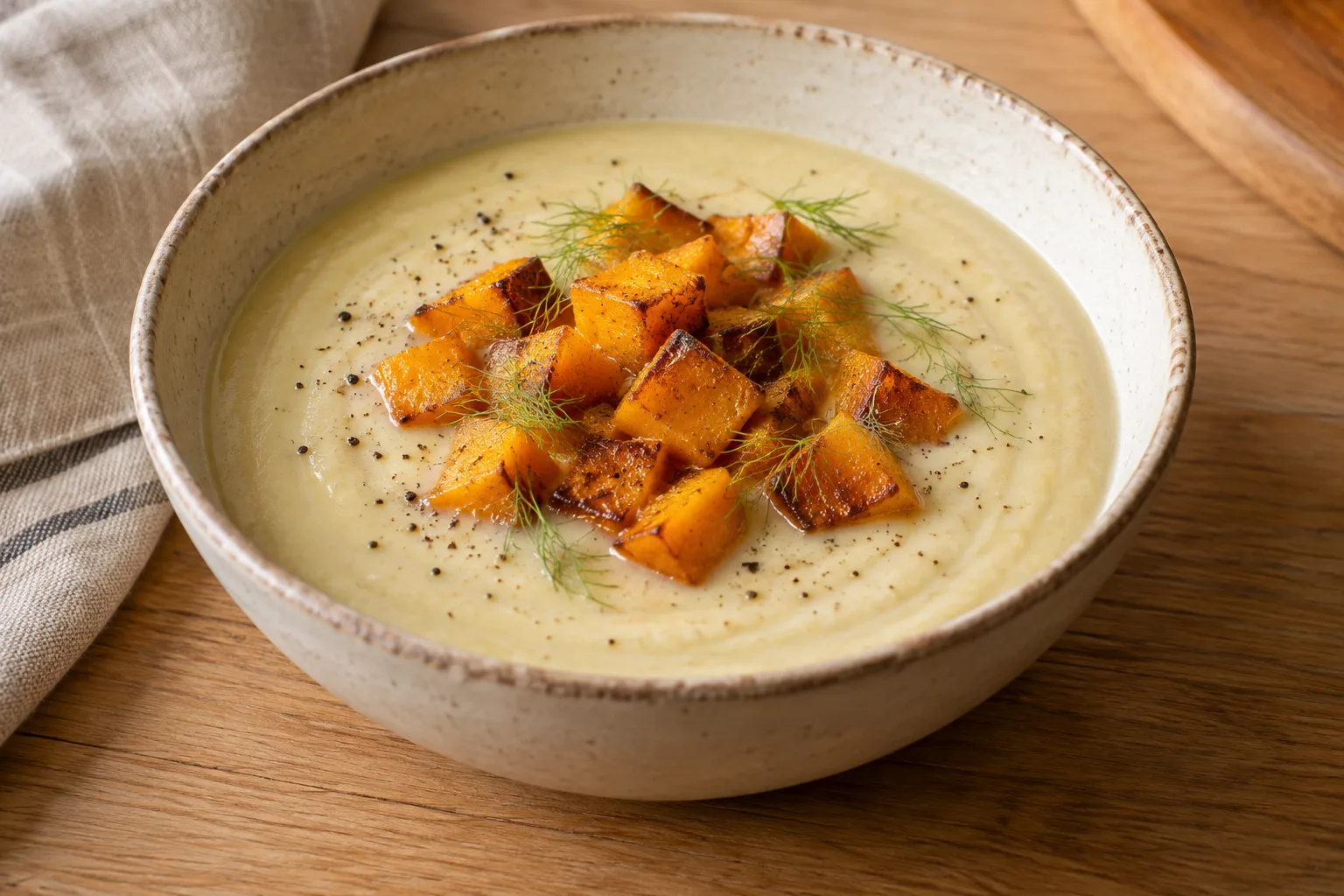
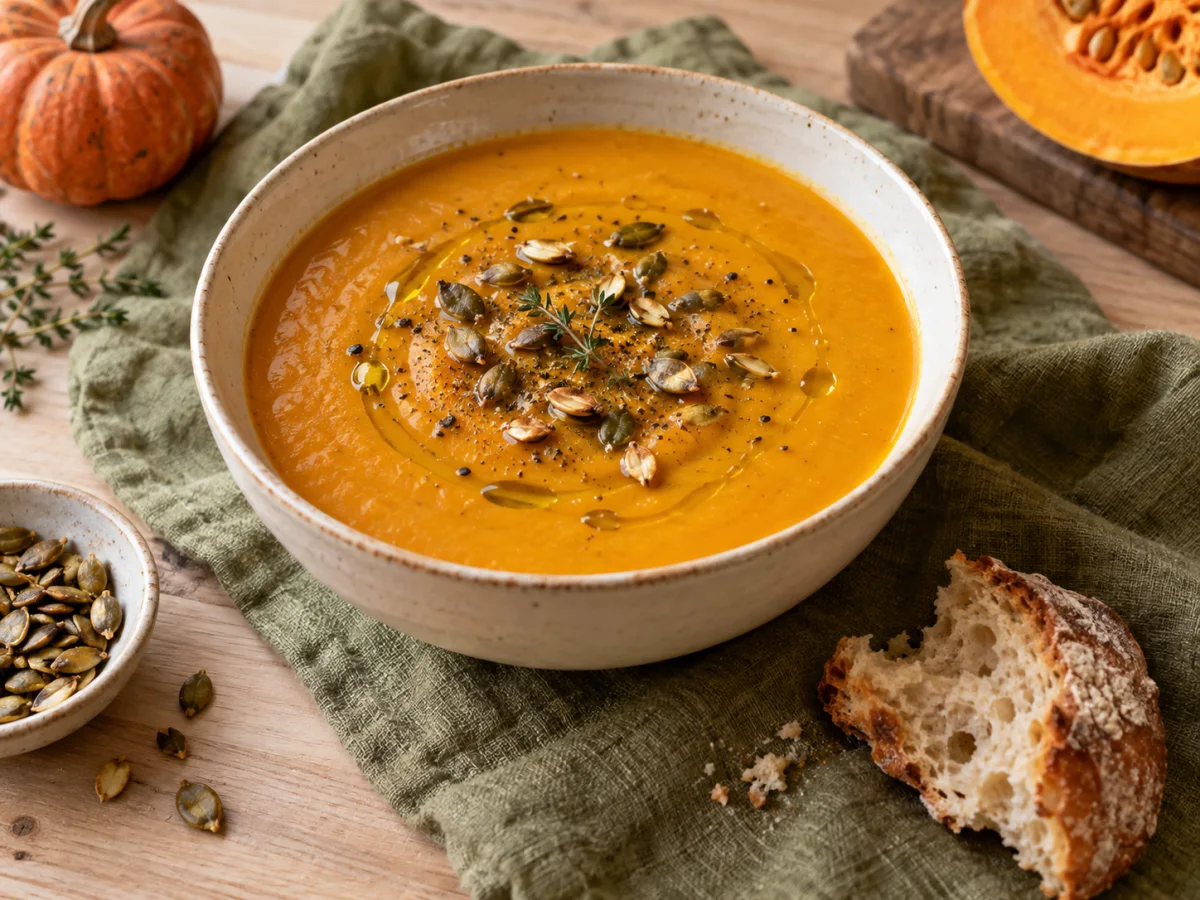
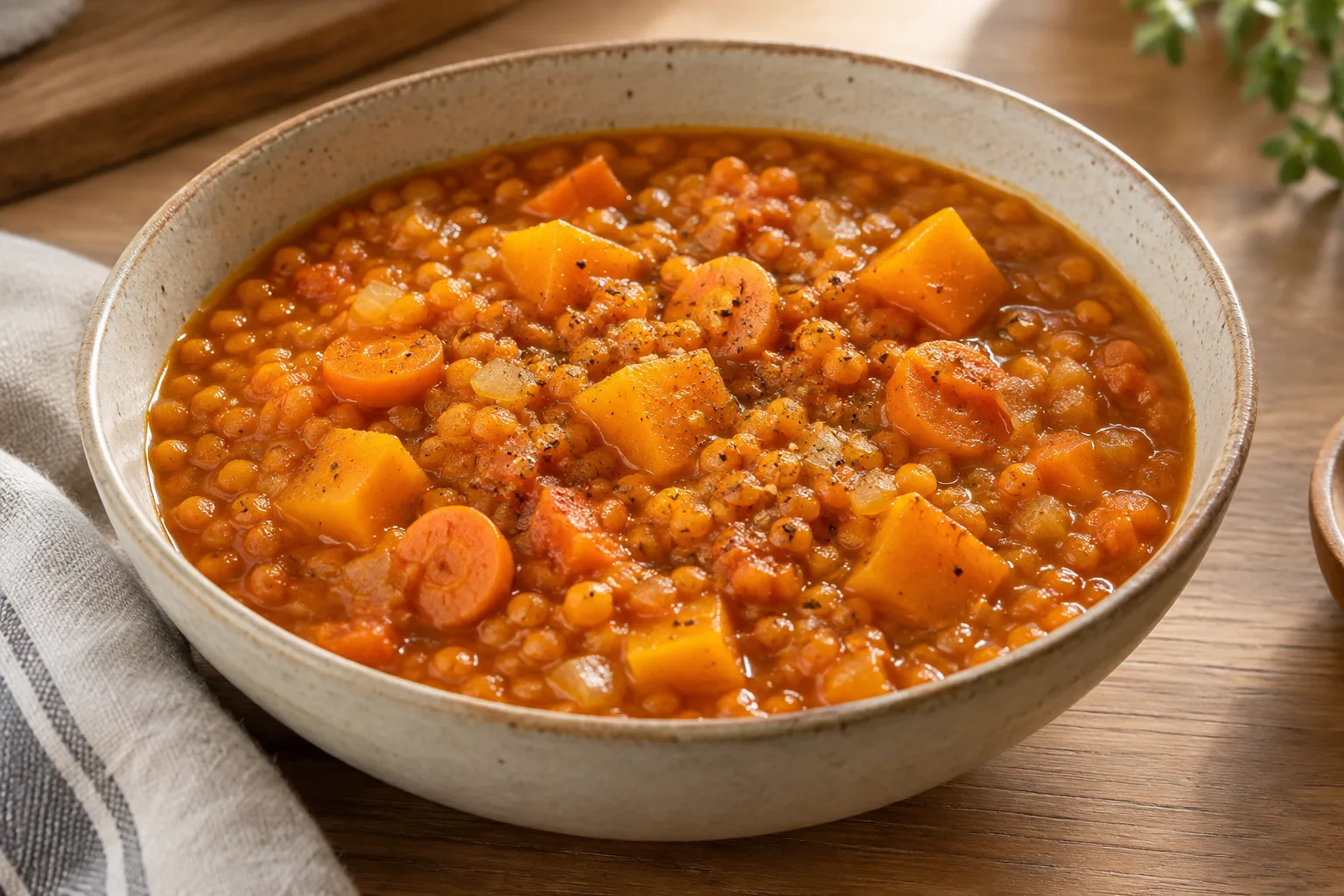
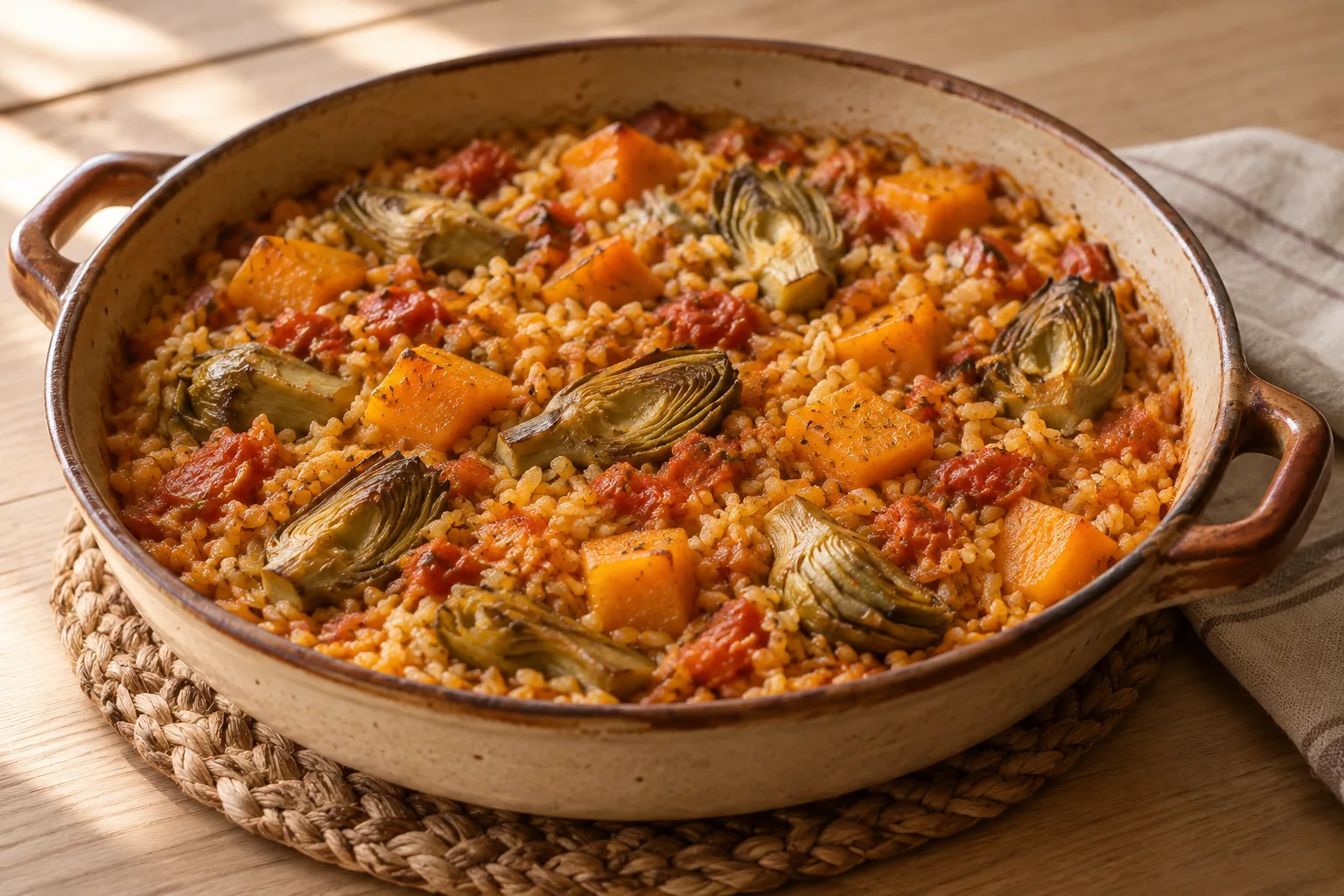
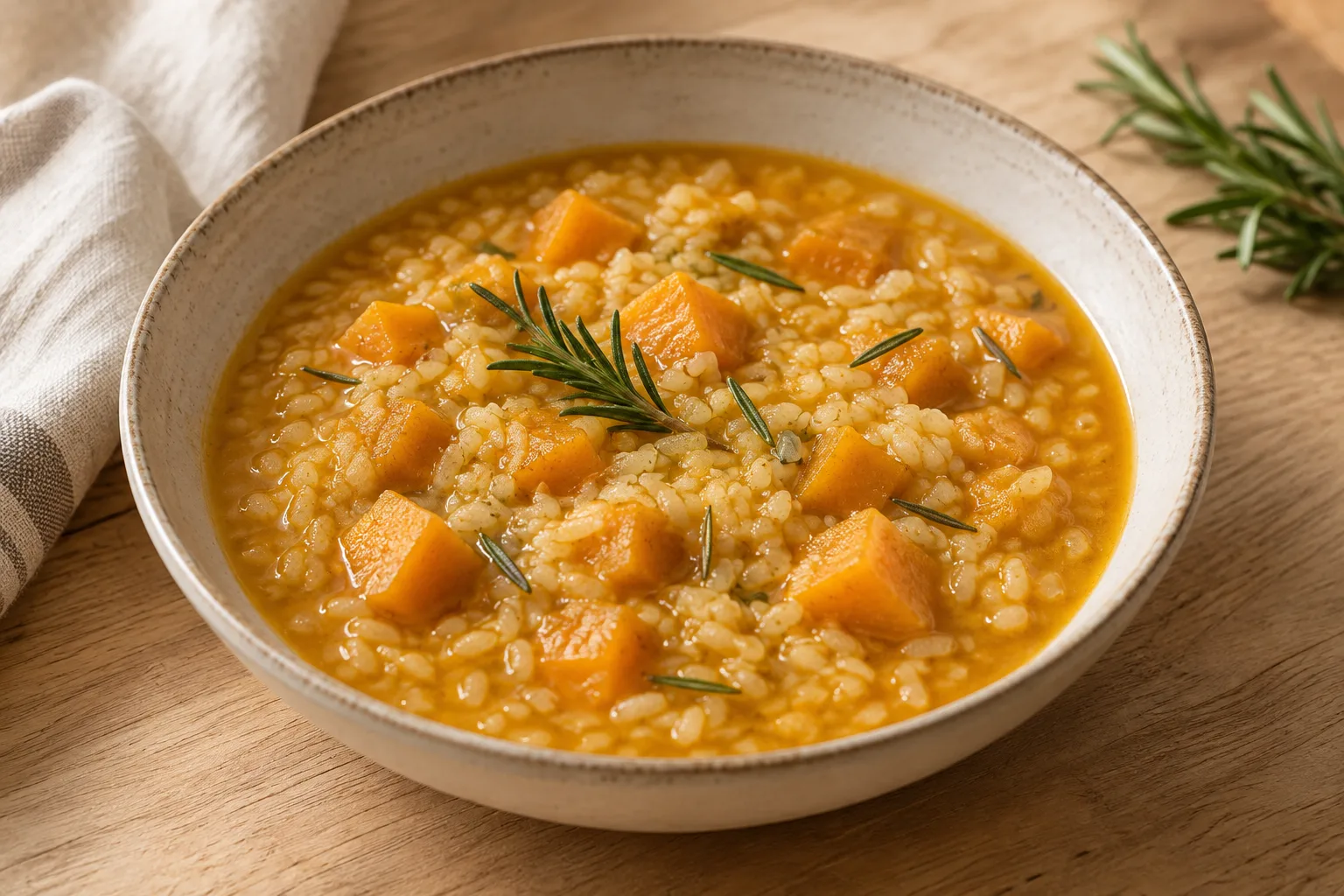
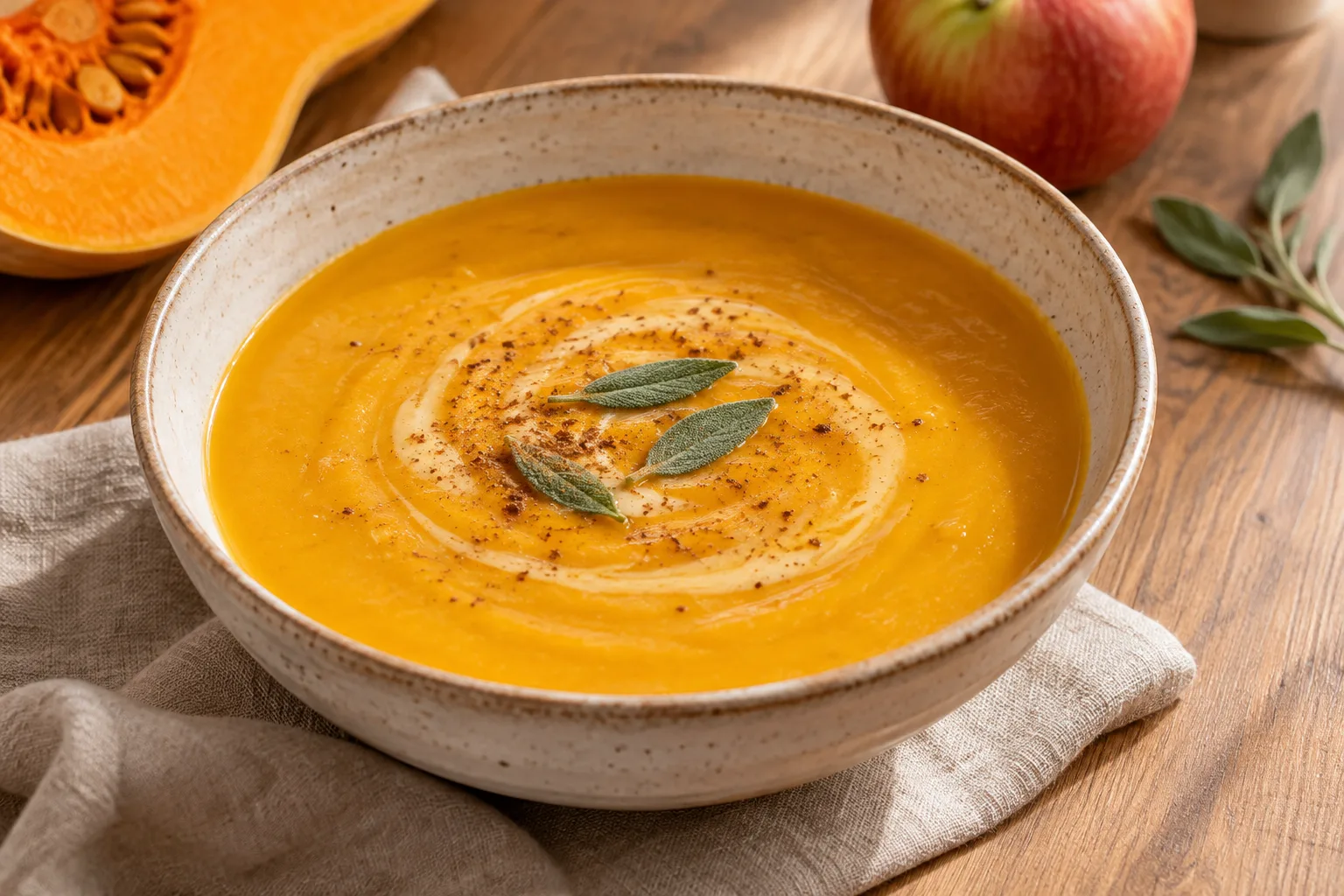
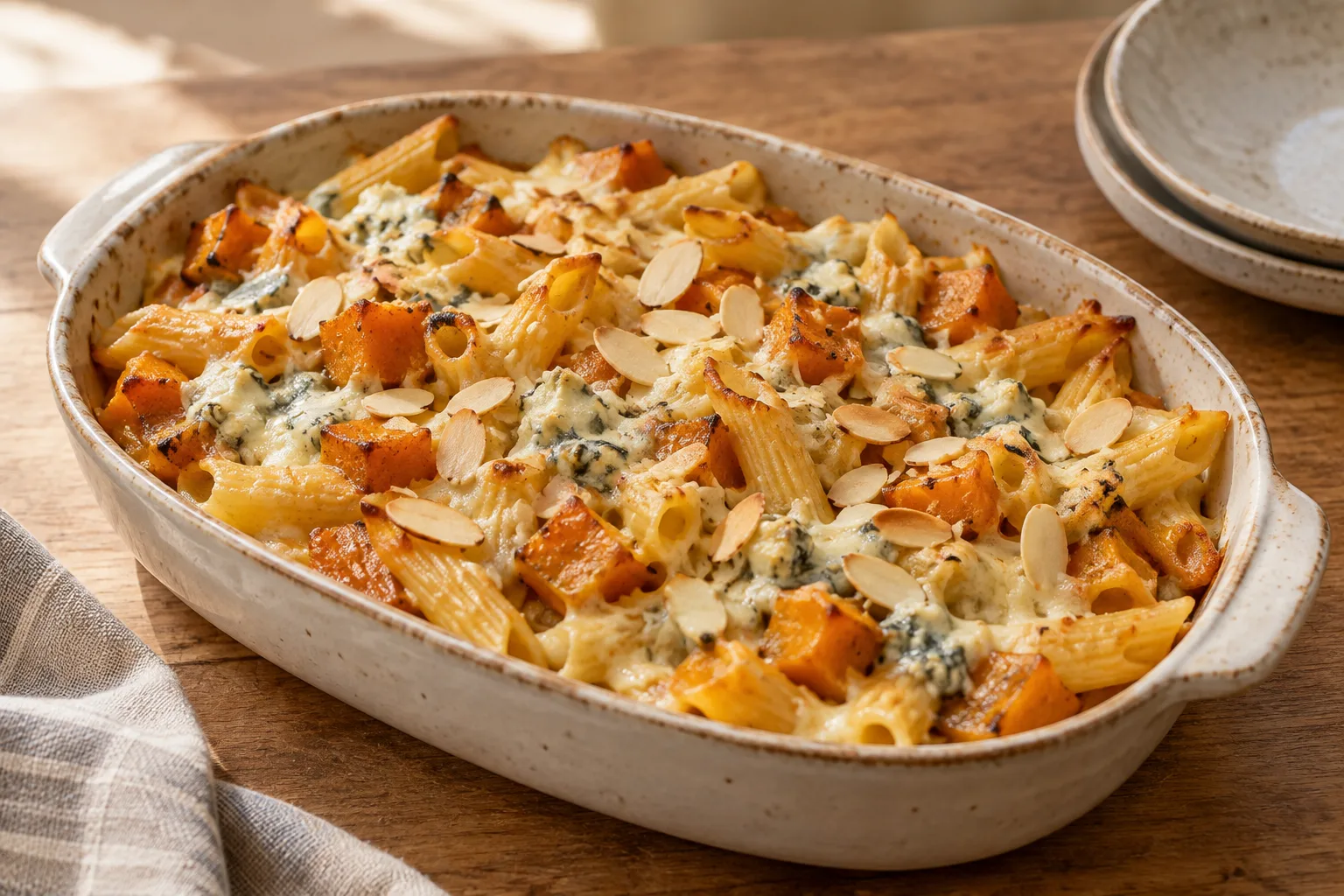
Use pumpkin when you want tender flesh with a mild, often slightly sweet flavor in soup, purée, stew or a side dish. Creamy-fleshed varieties work especially well in blended dishes; cubes can be boiled or sautéed when you want them to keep more of their shape. Pumpkin can also be roasted or baked, used with grains or legumes, and added to pies and other sweet preparations. Many varieties are available through much of the year, while in Spain pumpkin is particularly associated with autumn. Choose a type to match the texture you want, since the flesh and cooking results differ from one variety to another.
How to use it
Wash the pumpkin and cut it on a stable surface. Remove the central seeds if present, then cut the flesh into similarly sized pieces to help them cook evenly. For soup or purée, boil the pieces and blend once tender; you can also roast them before blending for a more concentrated result. To keep pieces intact, sauté them with the other ingredients or boil diced pumpkin before adding it to a recipe. Roasted flesh can be used in side dishes, pies and fillings. Pumpkin pairs well with spices, chickpeas, tomato, rice, spinach and feta. Adapt the cut and technique to the variety: spaghetti squash becomes stringy when cooked, while other types have flesh that turns creamy.
Flavour and texture
Pumpkin is generally mild and somewhat sweet, though the strength of its flavor depends on the variety. Its flesh may be orange or pale, dense, creamy or stringy; some varieties form strands during cooking. Skin thickness and texture also vary, so it is best not to assume that every pumpkin will behave the same way.
How to choose it
Choose a firm pumpkin without visible damage or soft spots. Pick one that feels heavy for its size, and check that the skin looks fairly even and the stem is firm and dry. Shape and color vary by variety, so neither is a reliable quality cue on its own. For cut pieces or packaged pumpkin, check its appearance and follow the storage information on the packaging.
Storage
Storage depends on the variety, the condition of the pumpkin and how it is sold; one rule does not fit every type. Follow any storage and use directions on the label when provided. For an unpackaged pumpkin, ask the seller for variety-specific guidance if you need it. Once cut, handle it cleanly and do not keep it in conditions that conflict with the seller’s or package’s directions.
Substitutions
Butternut or violin squash can stand in for another pumpkin in soups and purées when a creamy flesh is wanted. Spaghetti squash offers a different texture rather than a like-for-like replacement: it separates into strands when cooked and can work as a side. The result varies by type, so adjust the cut and cooking method.
Common mistakes
Assuming every variety has the same flesh can lead to a different result than expected: some turn creamy, while others are stringy. Avoid choosing a pumpkin with soft spots or visible damage. For more even cooking, cut pieces to a similar size, and choose a method that suits whether you want intact pieces or flesh to blend.
Safety and allergens
The available evidence identifies no pumpkin-specific warning for fresh pumpkin. Handle it cleanly and, for packaged or cut pumpkin, follow the label’s storage and use instructions. Mandatory food information can vary according to the product and how it is sold.
Culinary uses
- Base para sopas, cremas y purés
- Ingrediente para guisos, guarniciones, platos horneados y postres
Recommended techniques
- Asar u hornear
- Cocer en dados, saltear o cocinar al vapor
- Triturar la pulpa cocida para cremas y purés
Pairs well with
- Jengibre y especias como la cúrcuma
- Garbanzos, tomate y arroz
- Espinacas y queso feta
Frequently asked questions
Is pumpkin a fruit or a vegetable?
Botanically it is a fruit, but in cooking it is commonly used as a vegetable in both savory and sweet dishes.
Can every variety be used for soup?
Many varieties are used in soups and purées, but their textures differ. Creamy-fleshed types are especially suitable, while others may be more stringy.
How can I cook pumpkin?
You can roast or bake it, boil it, sauté it or steam it. Choose the method according to the variety and whether you want intact pieces or flesh to blend.
Estimated nutrition
- Fat
- 0.1 g
- Saturates
- 0.05 g
- Carbohydrate
- 6.5 g
- Sugars
- 2.76 g
- Fibre
- 0.5 g
- Protein
- 1 g
- Salt
- 0 g
Sources and review
Automatically researched, cross-checked and validated content. Sources consulted:
- En el etiquetado alimentario hay algunas menciones que son obligatorias eletiquetadocuentamucho.aesan.gob.es
- Calabaza: cocina fácil, casera, tradicional y barata con recetas de la abuela directoalpaladar.com
- Client Challenge doi.org
- Aesan - Agencia Española de Seguridad Alimentaria y Nutrición aesan.gob.es
- Guía de tipos de calabaza para tus recetas | Recetas Nestlé recetasnestle.com.co
- Calabaza - Wikipedia, la enciclopedia libre es.wikipedia.org
- Calabaza: Propiedades, beneficios y usos en la cocina mercadosantamariadelacabeza.es
- ¿Qué es la Calabaza? Origen, beneficios y posología | Dieti Natura dieti-natura.es
- Calabaza: propiedades, beneficios y valor nutricional cuerpomente.com
- Calabaza, origen, nombres, usos y beneficios. · Hablemos de Azúcar hablemosdeazucar.com
- La calabaza y su controversial origen en la historia culinaria anahuac.mx
- La calabaza: tipos, usos y propiedades - Nueva Mutua Sanitaria blog.nuevamutuasanitaria.es
- ¡Es tiempo de calabazas! - Concha y Toro conchaytoro.com
- Calabaza: Tipos, cómo cocinarla, trucos y recetas hogarmania.com
- 15 tipos de calabaza y cómo cocinarlas | HelloFresh hellofresh.es