- Category
- Herbs and spices
- State
- Dry
- Usual unit
- Variable
What it is
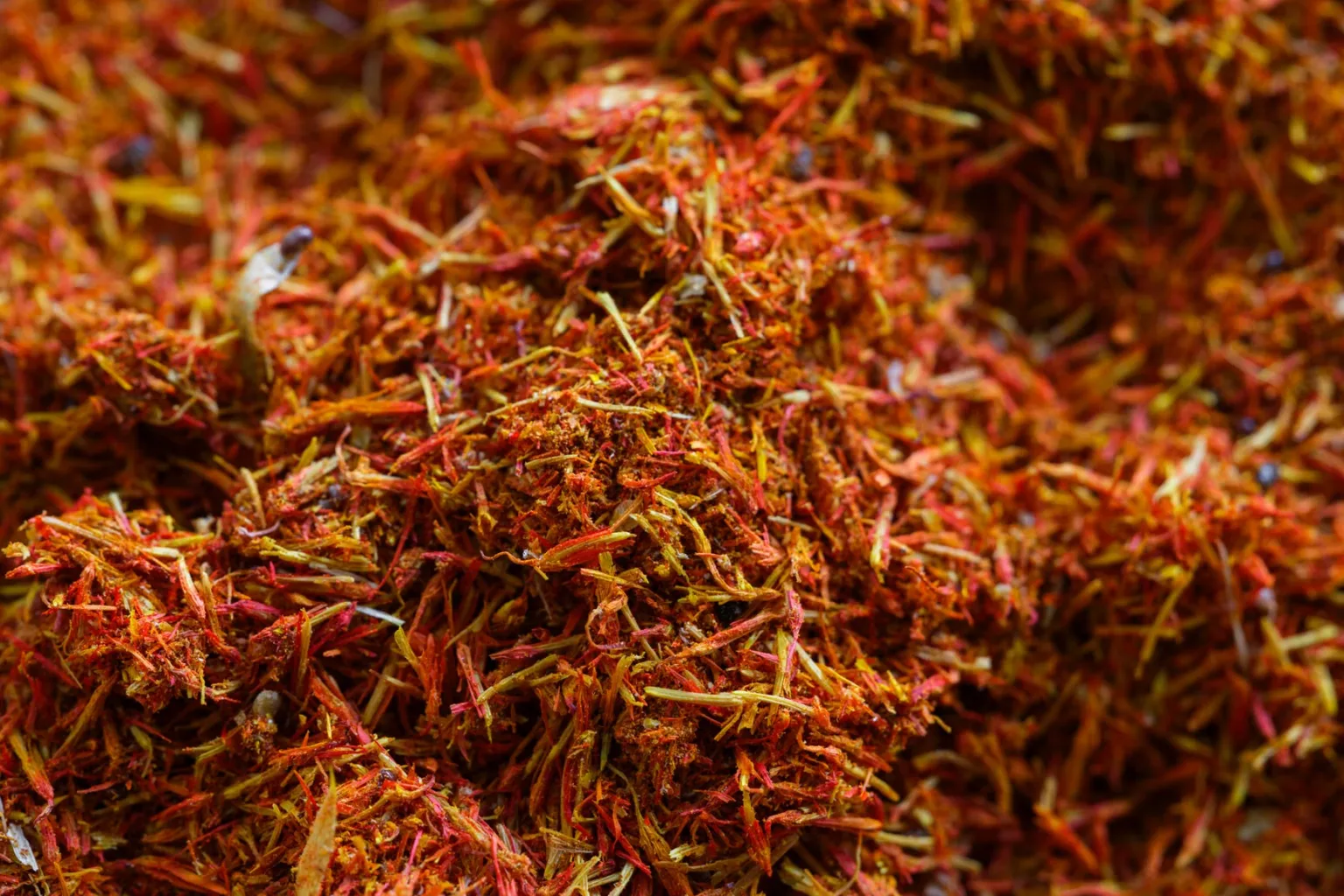
Culinary saffron consists of the dried stigmas of the Crocus sativus flower. It is commonly sold as threads or ground and is used as a spice, not as a fresh herb. Its distinctive color and aroma can transfer to the liquid and food it is added to. The threads are delicate, so handle them gently. Saffron should not be confused with turmeric: they are different ingredients and do not provide the same flavor, even though some alternatives can add a similar color.
When to use it
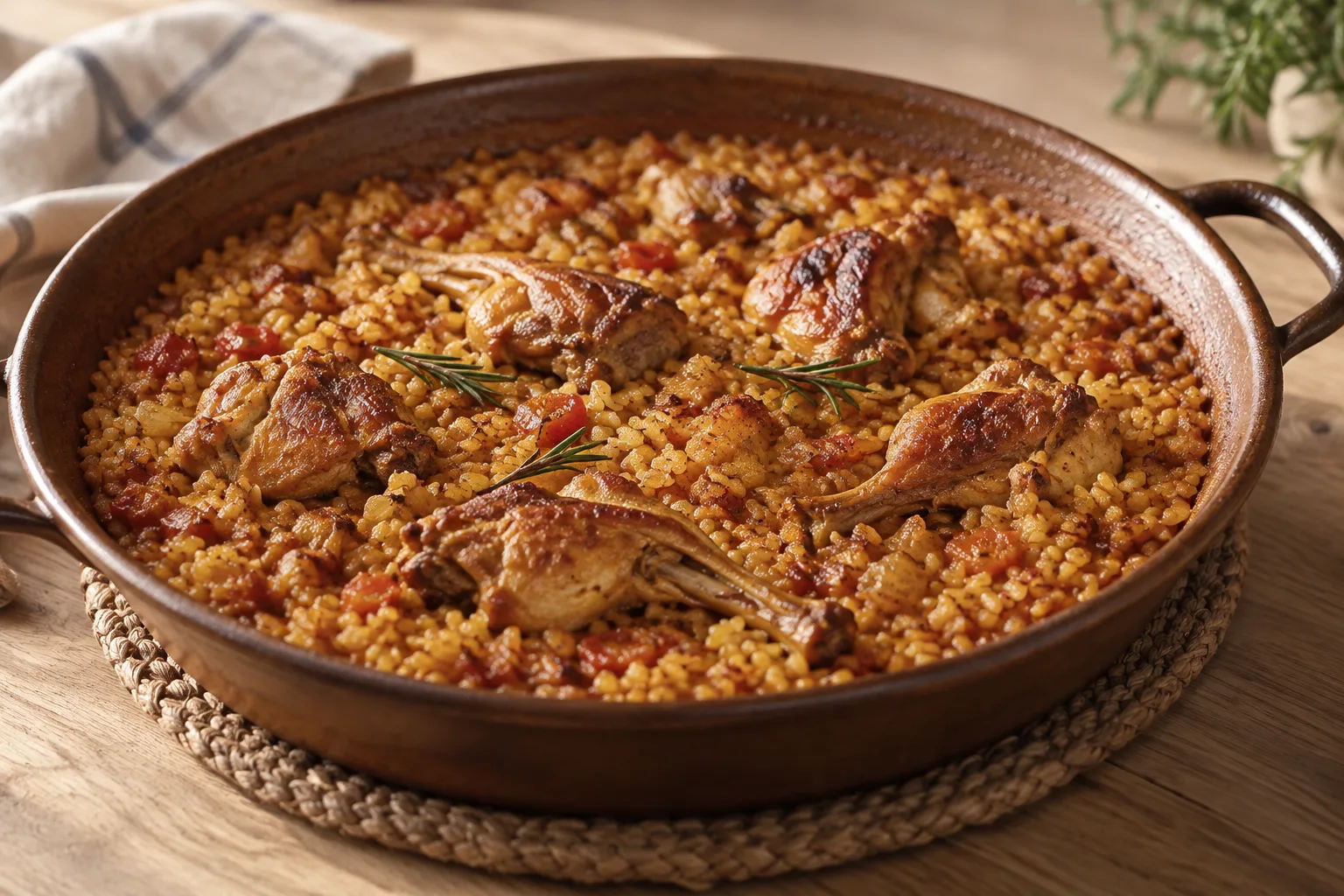
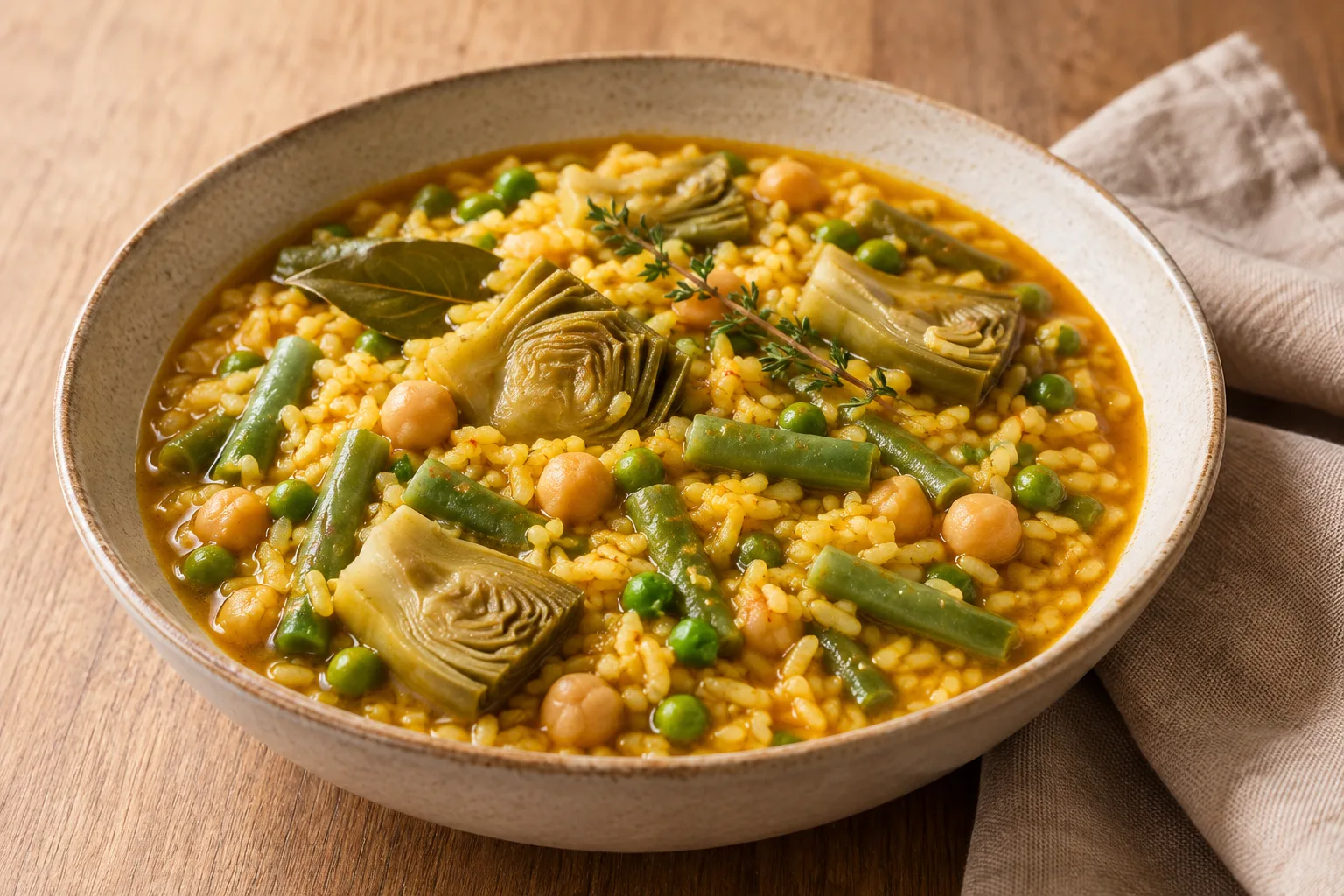
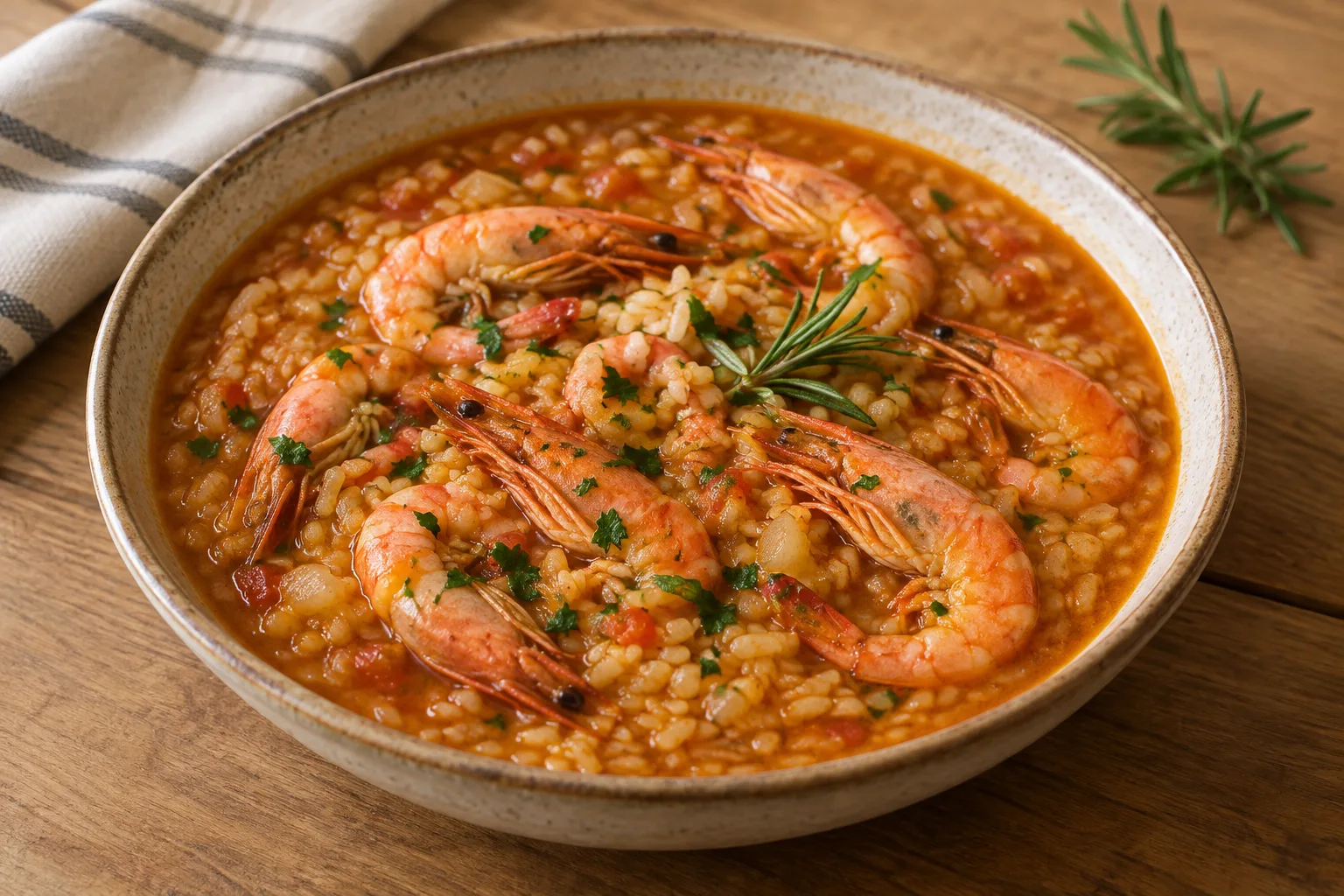
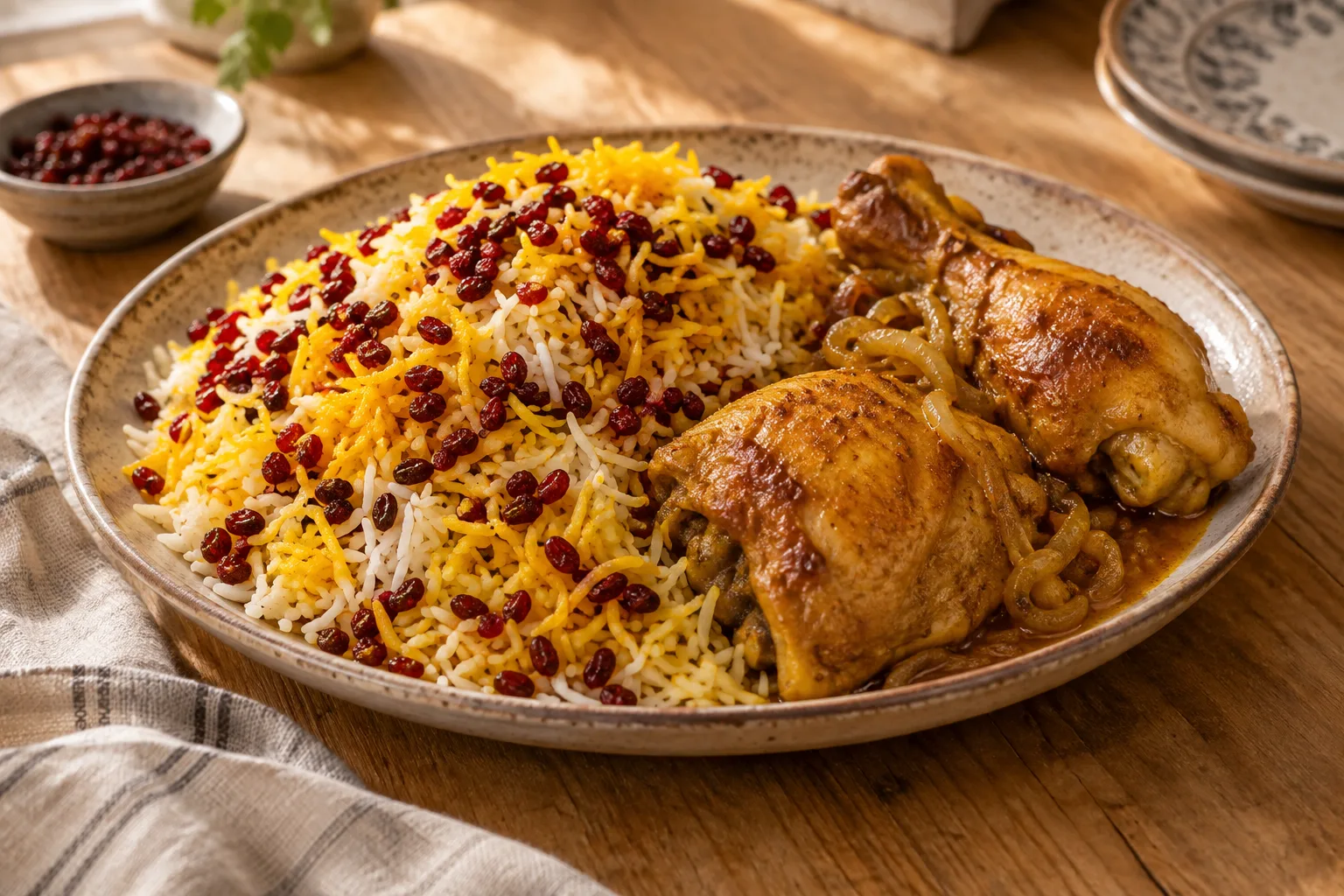
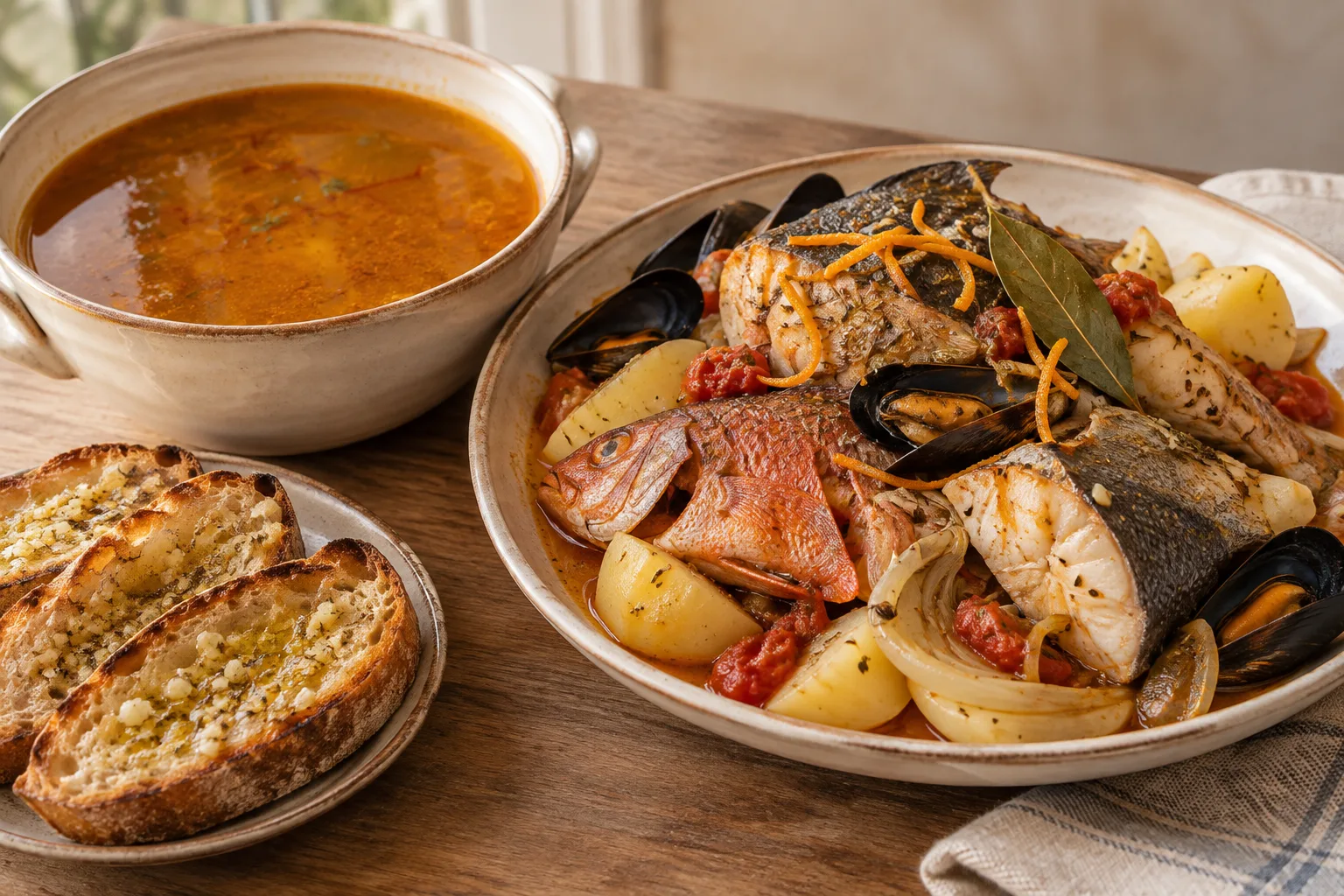
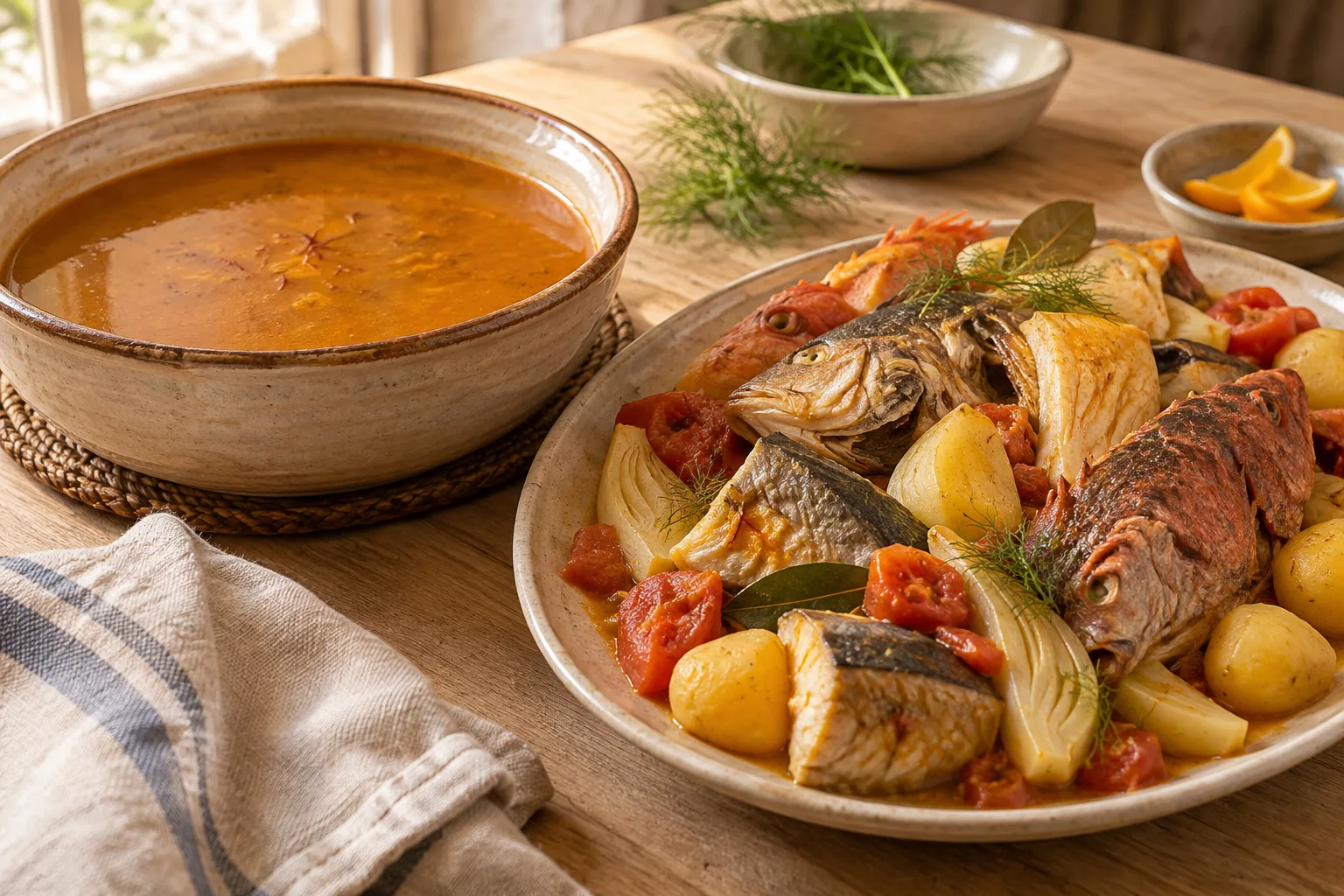
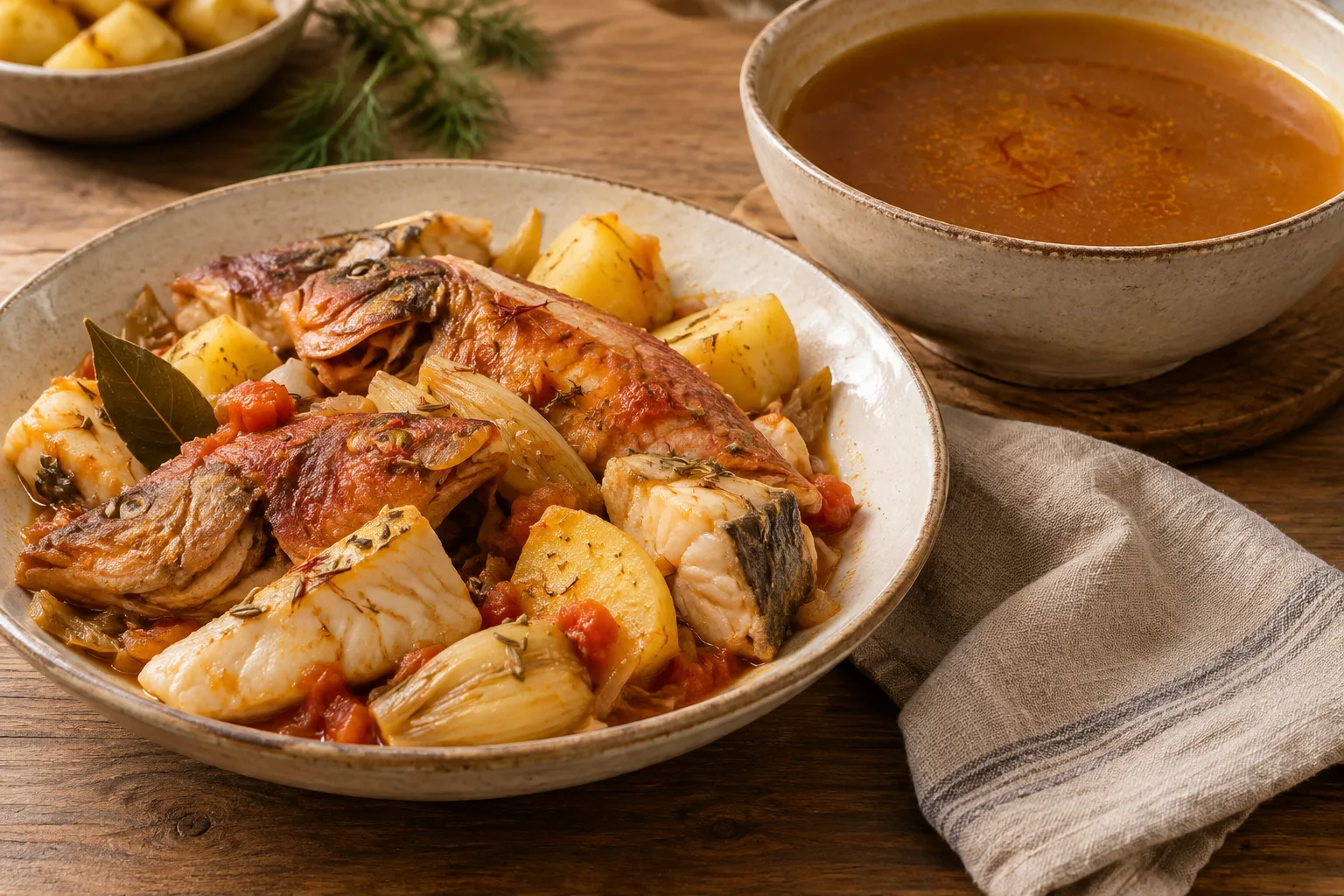
Use saffron when you want to add a distinctive aroma and golden hue without letting a stronger spice dominate the dish. It is familiar in rice dishes such as paella and risotto, and is also used in soups, stews, fish and seafood dishes, meat, and pasta. Its flavor is distinctive, so it is best suited to dishes where you want that note to come through, rather than when you only need yellow color. Adjust the amount to the recipe and the intensity you want.
How to use it
To distribute saffron's aroma and color more evenly, lightly crush the threads and let them infuse in a little warm water or broth before adding them to the dish. Add the infusion liquid too, so you use what it has taken up. Alternatively, put the threads directly into a cooking liquid or broth. Add saffron gradually and taste as you go: its profile is distinctive, and too much can dominate. The available evidence does not establish a universal dose; follow a reliable recipe and adjust for the size of the dish.
Flavour and texture
Saffron has a recognizable, intense aroma and a distinctive flavor often described as bitter, earthy, or penetrating. The dried threads are fine and delicate; when infused, they release some of their aroma and color into the liquid. Flavor and color can vary with the product, its form, and the amount used. Do not expect an alternative such as turmeric to reproduce saffron's aroma, even if it can add color.
How to choose it
Buy from a retailer or supplier you trust and check that the package clearly identifies the product as saffron. If choosing threads, make sure they are visible and the package is closed, with no apparent moisture or signs of damage. Ground saffron is convenient, but it does not let you inspect the threads before buying. Color and appearance alone cannot certify quality, so do not rely on origin or quality claims that you cannot verify.
Storage
Keep dried saffron in a tightly closed container, protected from light and moisture. Keep the container clean and avoid leaving it open while cooking. These precautions help preserve its aroma and color; they do not establish an exact shelf life, since no supported duration for every product and storage condition is available here. Follow any storage directions on the package. Discard the product if you notice moisture or deterioration.
Substitutions
Turmeric can provide a yellow hue, while annatto or paprika can add color and their own flavors, but none reproduces saffron's aromatic profile exactly. Choose a substitute according to the effect that matters most: color, flavor, or both. If saffron defines the character of the recipe, replacing it will change the result; do not automatically use the same quantity of a different spice.
Common mistakes
A common mistake is confusing saffron with turmeric because both can color food; they are different ingredients. Another is adding whole threads to a dish with little liquid without helping them disperse. Lightly crushing and infusing the threads can improve distribution. Avoid adding a large amount without tasting: the flavor can dominate, and there is no single measure for every recipe.
Safety and allergens
Use saffron as a culinary ingredient and follow the package directions. No specific official safety or allergen warning for this product is provided here; check the label and consult a professional if you have a known allergy or a personal concern.
Culinary uses
- Aromatizante
- Colorante culinario
Recommended techniques
- Infusionar las hebras en agua o caldo templado antes de añadirlas al plato
- Machacar ligeramente las hebras y dispersarlas en un líquido
Pairs well with
- Arroz
- Pescado y marisco
- Carnes
- Sopas y guisos
- Pasta
Frequently asked questions
Are saffron and turmeric the same?
No. Saffron comes from the stigmas of Crocus sativus, while turmeric is a different ingredient. Turmeric can add color but does not reproduce saffron's flavor.
How do you use saffron threads?
Lightly crush them and infuse them in a little warm water or broth, then add both the threads and the liquid to the dish.
What dishes can saffron be used in?
It is used in rice dishes, soups, stews, fish and seafood, meat, and pasta. Use it when you want its distinctive aroma and color to be part of the dish.
Estimated nutrition
- Fat
- 0 g
- Saturates
- 0 g
- Carbohydrate
- 0 g
- Sugars
- 0 g
- Protein
- 0 g
- Salt
- 0 g
Sources and review
Automatically researched, cross-checked and validated content. Sources consulted:
- Client Challenge doi.org
- Cooking Food Storage | USU extension.usu.edu
- The Essential Glossary of Cooking Terms for the Culinary Arts - Escoffier escoffier.edu
- Aesan - Agencia Española de Seguridad Alimentaria y Nutrición aesan.gob.es
- ¿Qué es el azafrán y para qué sirve? | JUST SPICES ® justspices.es
- Qué es el azafrán? Guía completa 2026 – FRISAFRAN frisafran.com
- A Freír Espárragos afreiresparragos.com
- Cómo usar el azafrán: 15 Pasos (con imágenes) - wikiHow es.wikihow.com
- Paella de Marisco Valenciana: Receta Auténtica y Fácil es.kitchen20.com
- Crocus sativus - Wikipedia, la enciclopedia libre es.wikipedia.org
- Azafrán: todo sobre la especia, beneficios y usos culinarios finedininglovers.es
- Azafrán, el oro rojo de la cocina mediterránea - Secretos Del Sur secretosdelsur.com
- Azafrán, la especia que te sacará de apuros | Recetas Nestlé recetasnestle.com.mx
- Azafrán: para qué sirve y cómo usar (con recetas) - Tua Saúde tuasaude.com
- azafrán - Ingrediente - Guías de Cocina guiasdecocina.com
- Origen del azafrán: propiedades, usos y secretos | Monastrell monastrell.com
- ¿En que comidas se usa el azafran y que sabor da, ya que siendo tan costoso podría reemplazarse por otras especias? - Quora es.quora.com
- Las 26 mejores recetas con azafrán, la reina de las especias directoalpaladar.com
- Los mejores sustitutos del azafrán: qué funciona y qué no | Raihan Saffron raihansaffron.com
- · 123 · NOMBRES VULGARES mapa.gob.es
- (PDF) Saffron Quality: Effect of Agricultural Practices, Processing and Storage academia.edu
- MF1181 Preserve it Fresh, Preserve it Safe: Vegetables bookstore.ksre.ksu.edu
- Cold Storage Chart & Reference Guide rvpadmin.cce.cornell.edu
- Saffron Post-Harvest Handling Best Practice ... uvm.edu
- Qué es el azafrán? Propiedades y usos | Caprabo caprabo.com