- Category
- Vegetables
- State
- Fresh
- Usual unit
- g
What it is
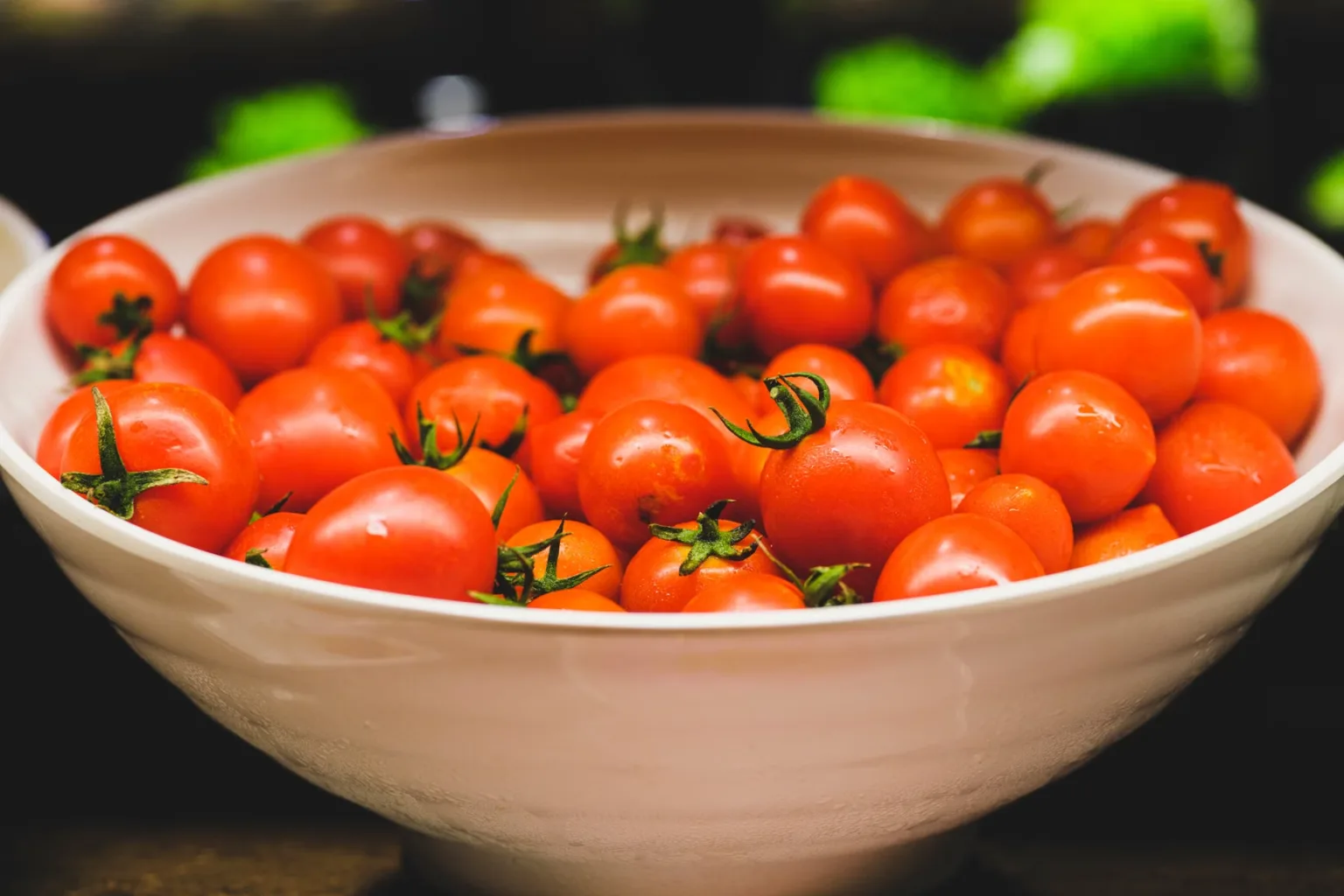
Cherry tomatoes are small-fruited tomatoes, usually round or oval, sold fresh in a range of varieties and colours. Their size makes them easy to serve whole or halve, and their juicy flesh suits both cold and hot dishes. Flavour is not identical across all varieties: it can vary with variety and ripeness, although cherry tomatoes are often described as sweet, aromatic and slightly tart. In everyday cooking, they are treated as a vegetable and used in savoury dishes; botanically, a tomato is a fruit. This profile keeps the ingredient’s current culinary classification as a vegetable.
When to use it
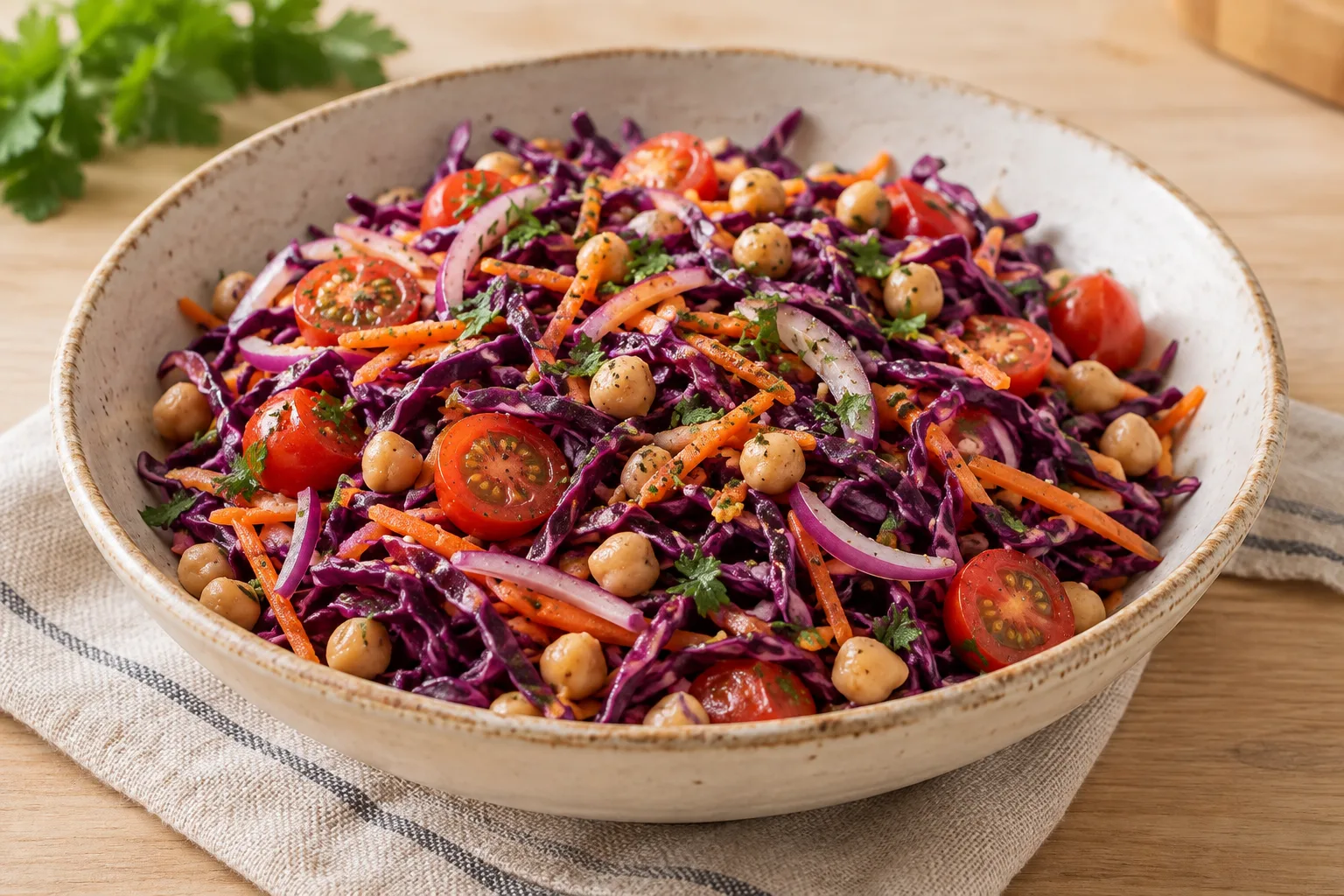
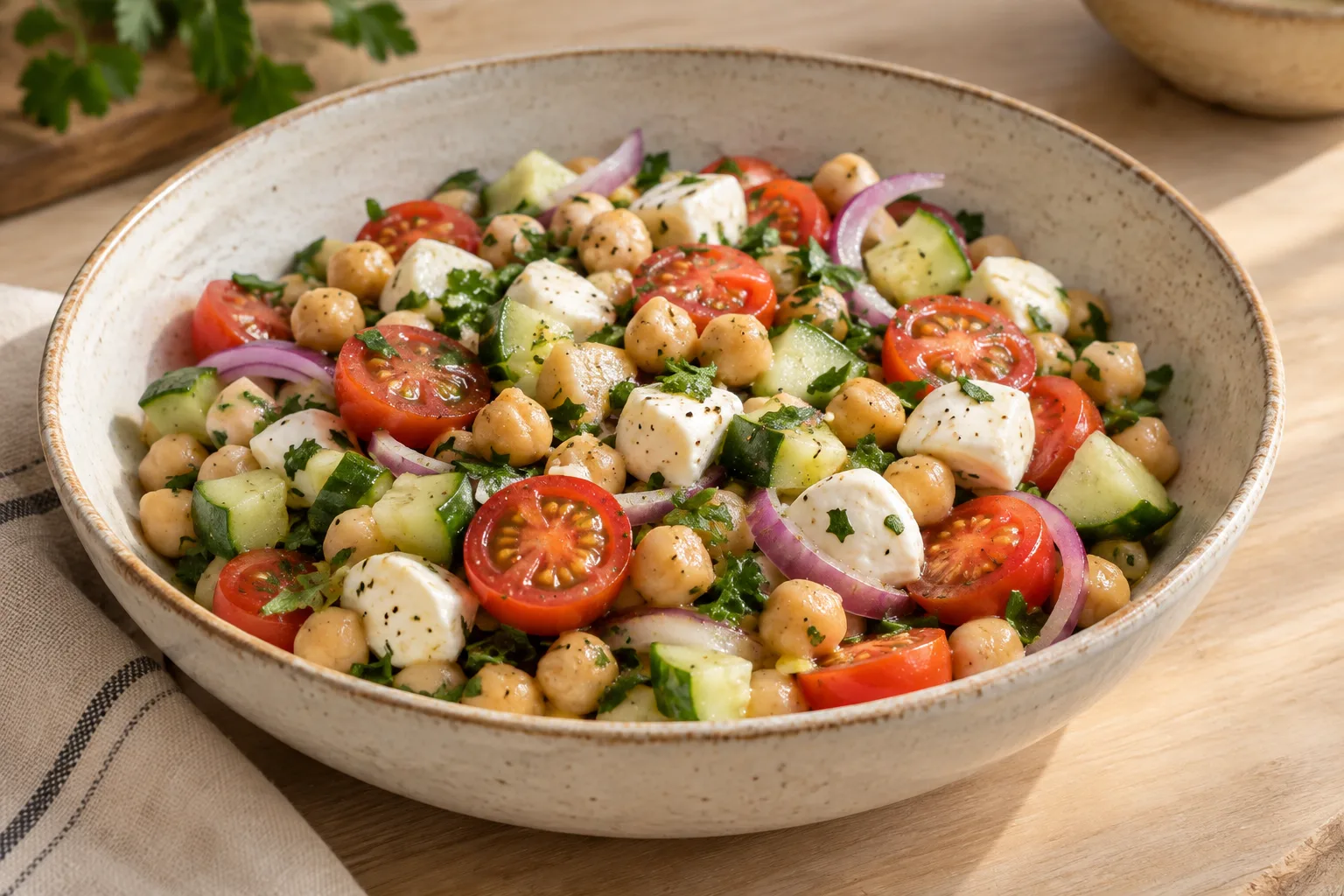
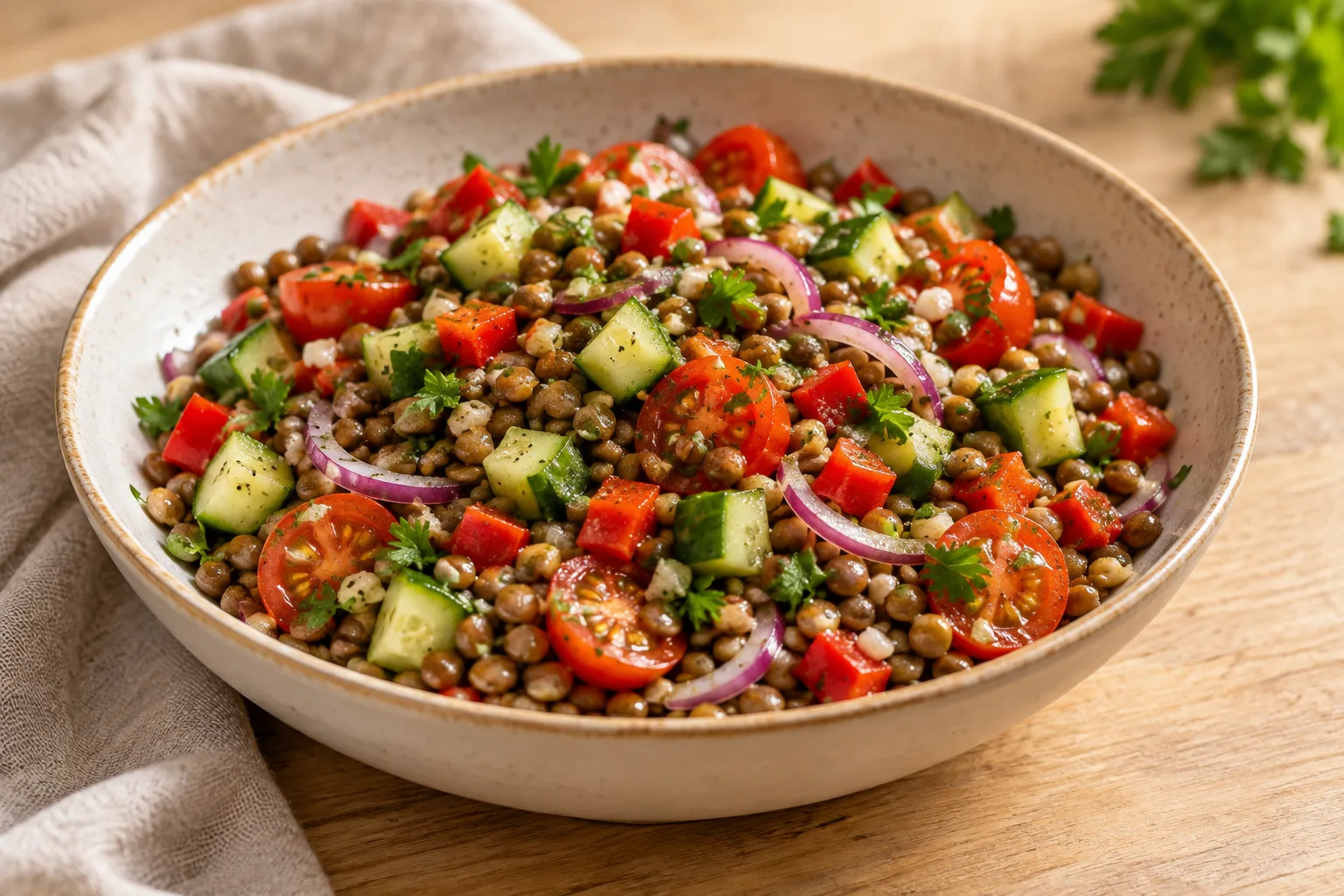
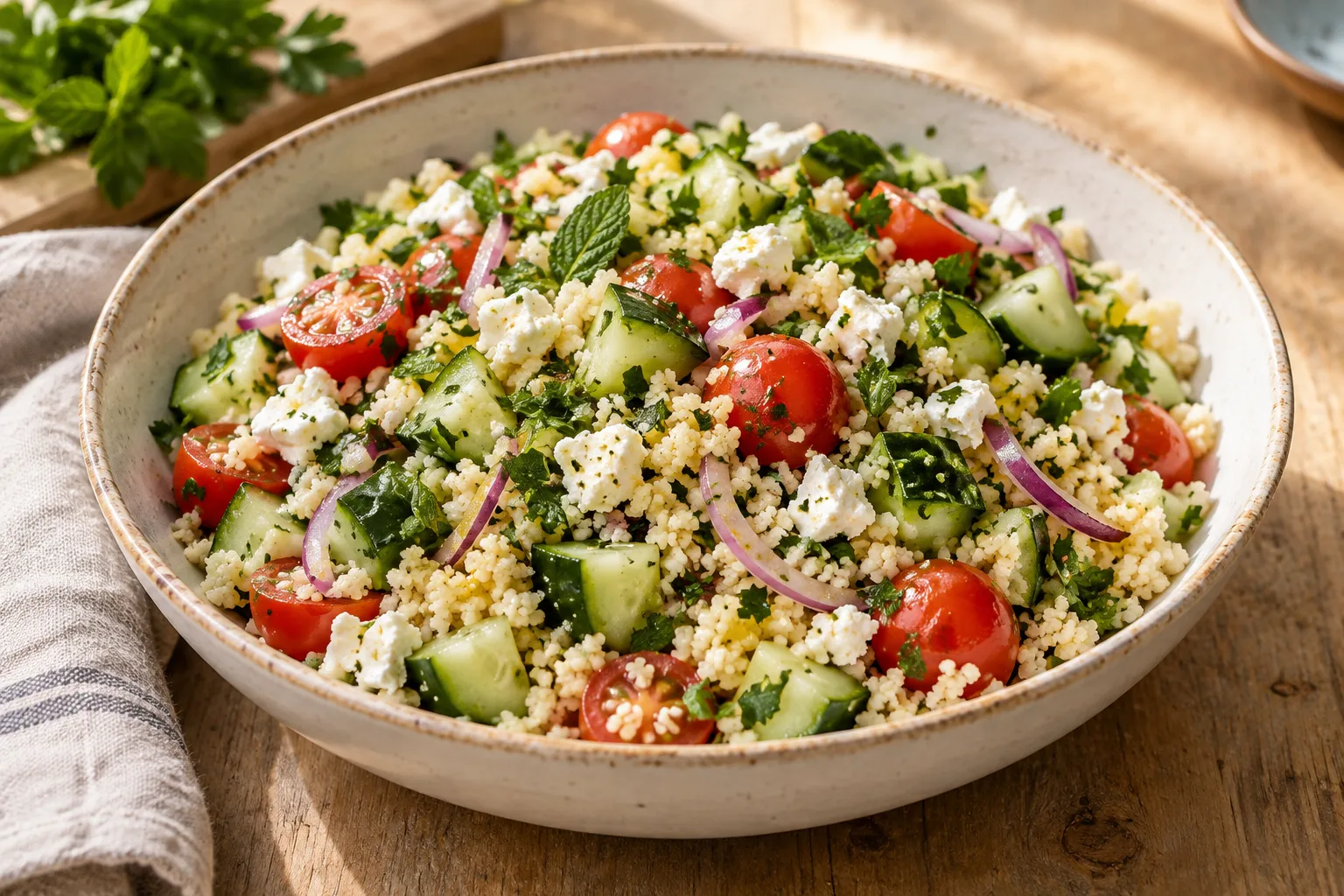
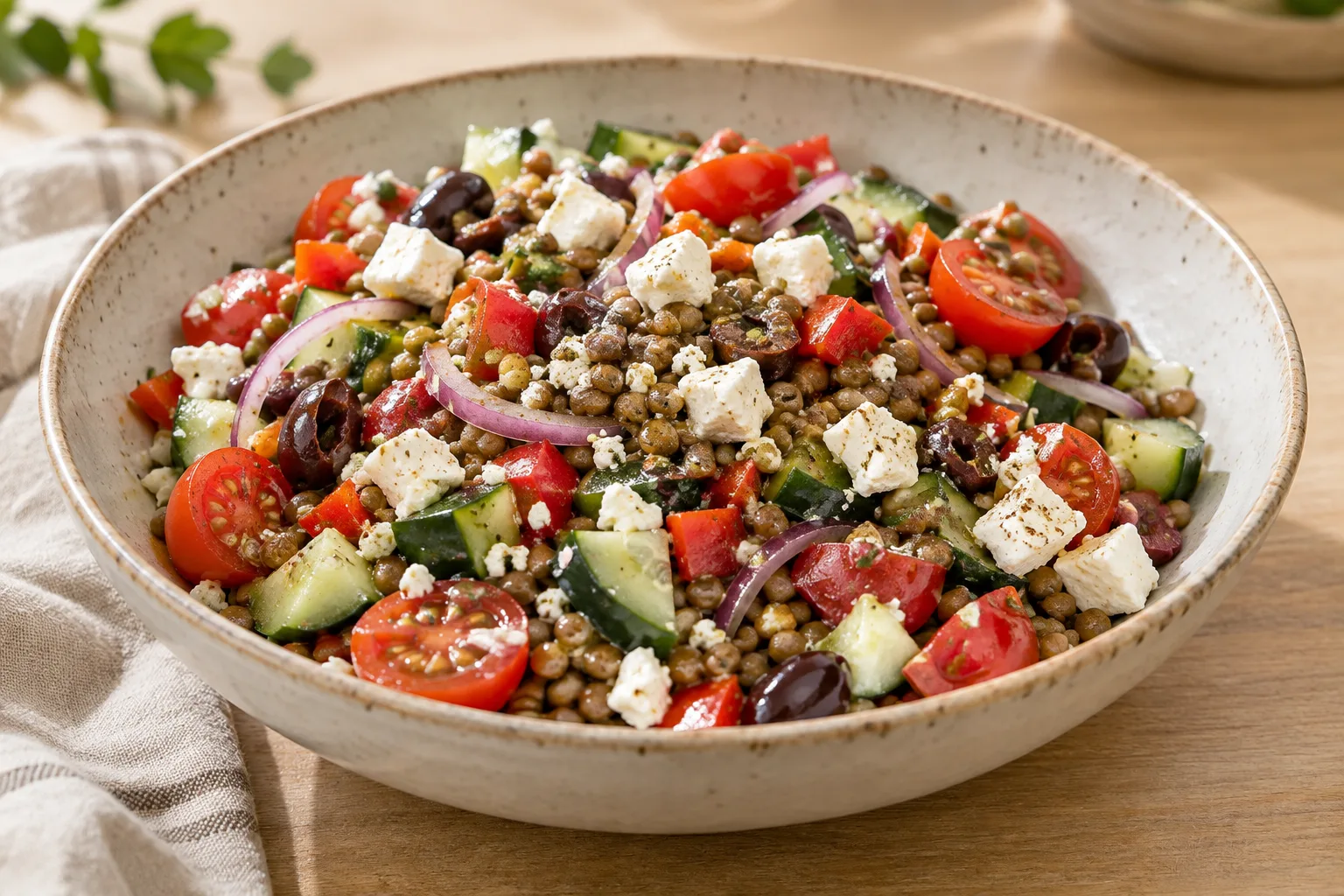
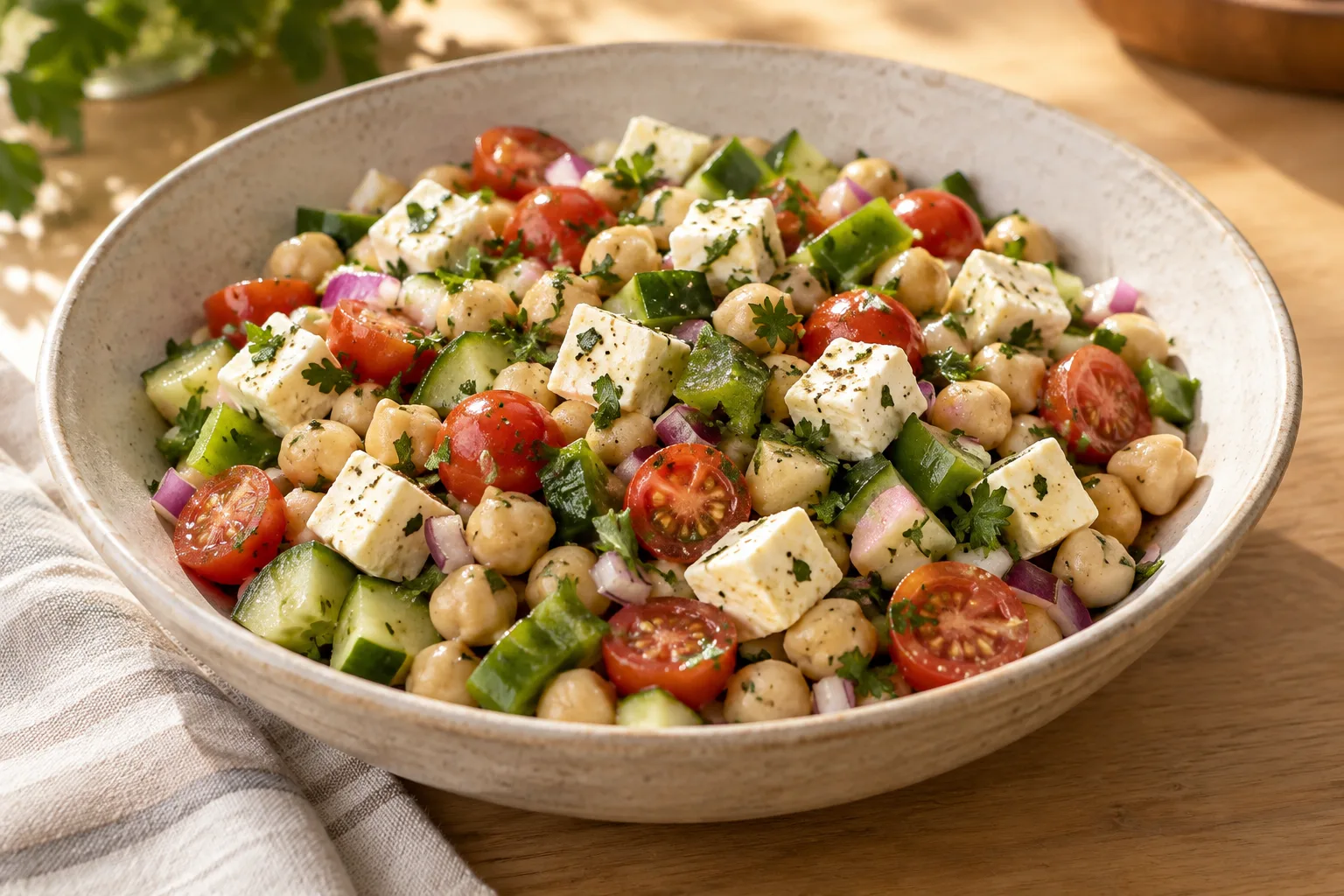
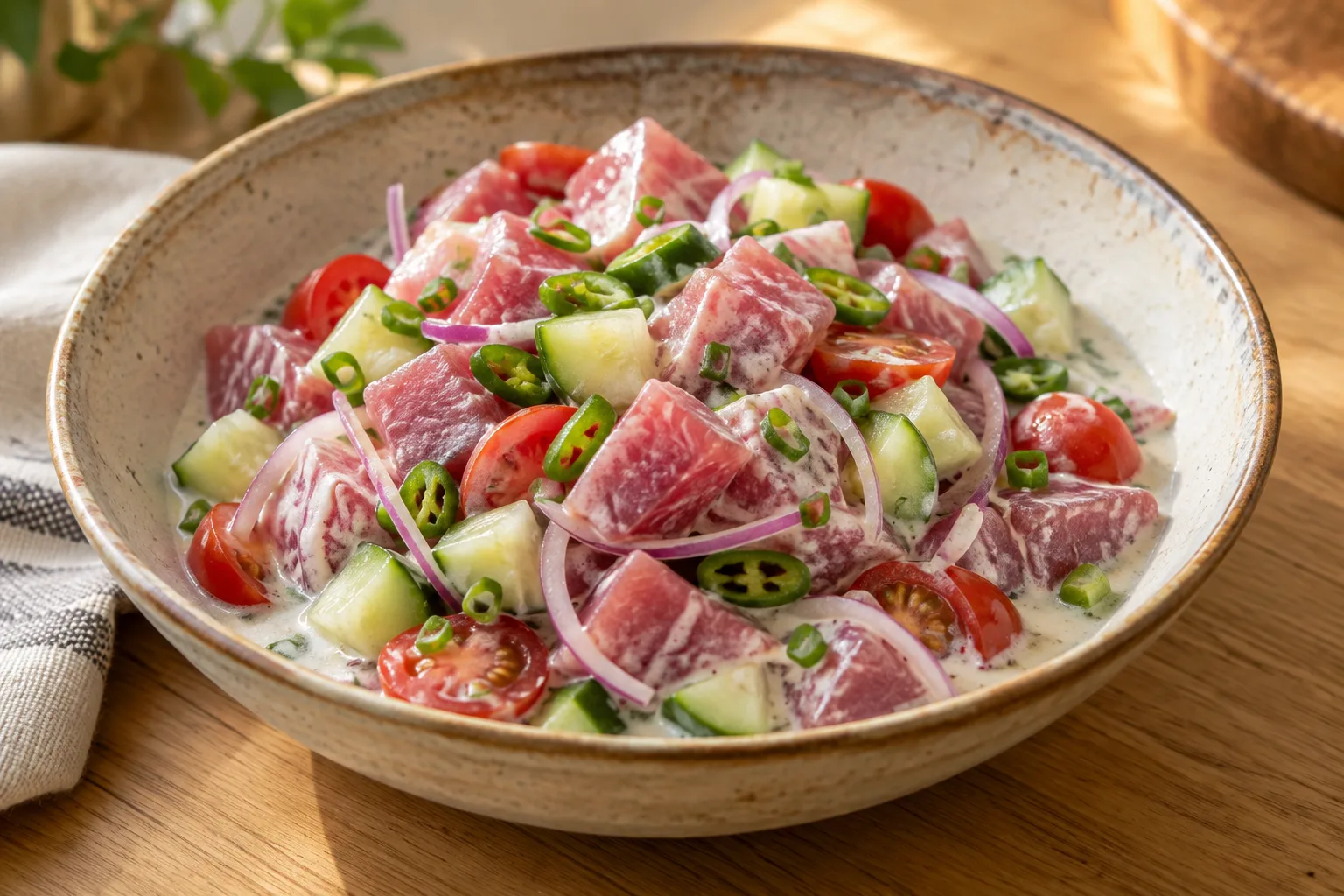
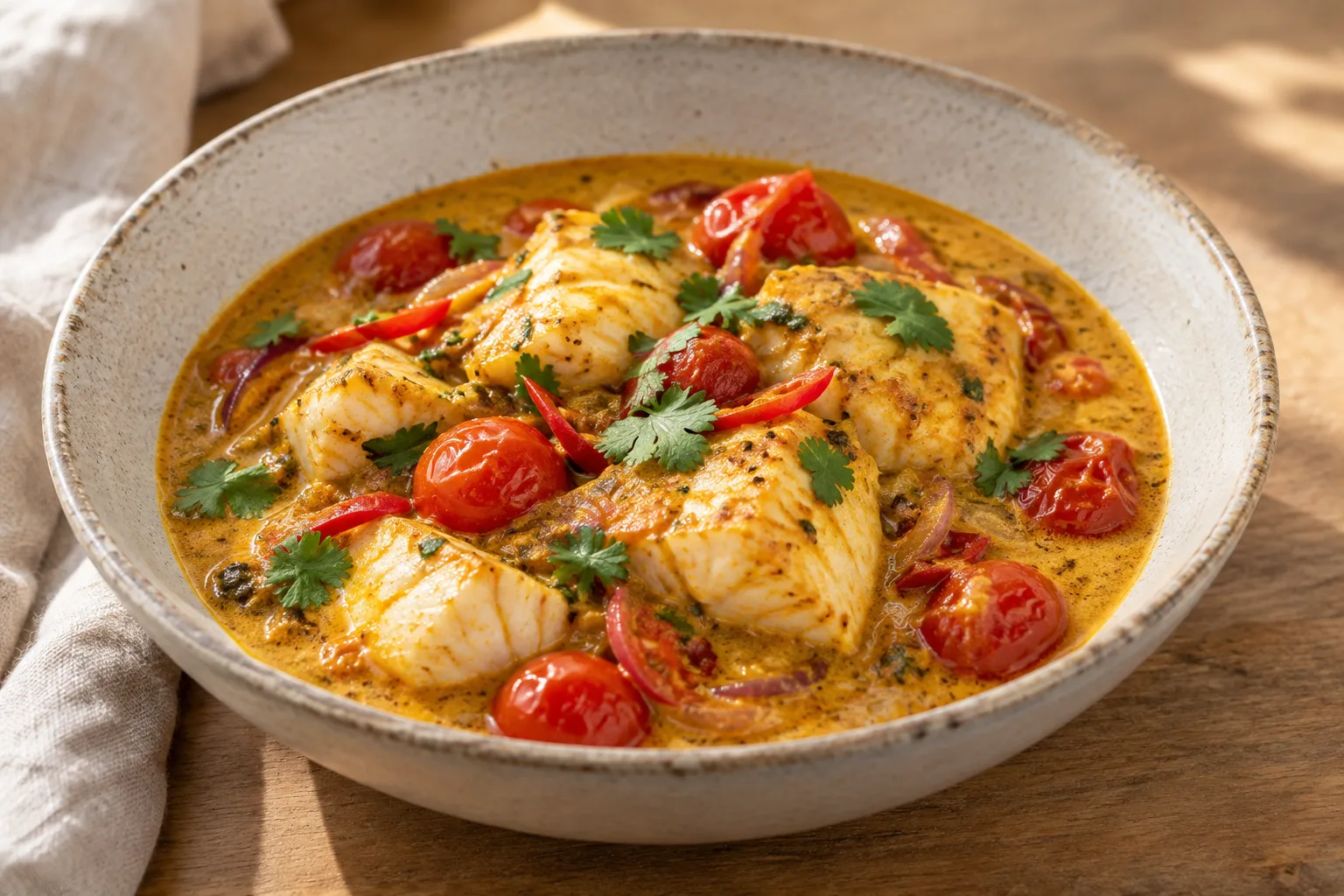
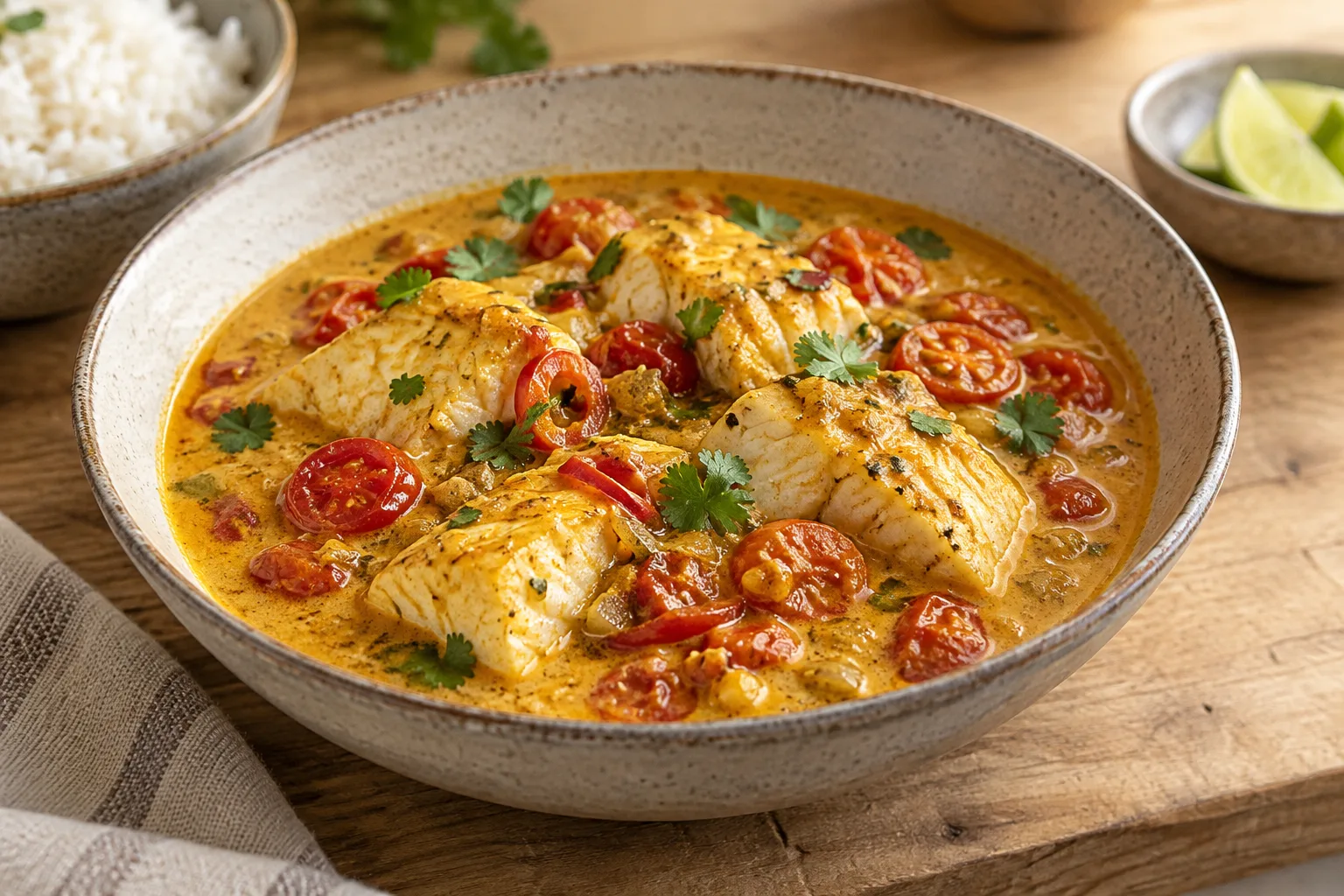
Use them raw when you want to add colour, juiciness and a fresh taste to salads, snacks or toast. Whole tomatoes are convenient as bite-sized servings; halved tomatoes mix more easily with greens, pasta and other ingredients. They are also useful for a simple cooked side: they soften with heat and can release juices that complement the rest of the dish. For a more concentrated preparation, cook them into a sauce or cook them slowly. If appearance matters, combine different colours; for cooking, choose tomatoes of similar size and ripeness for a more even result.
How to use it
Remove any damaged tomatoes and wash them when you are ready to use them. Serve them whole as a snack or halve them so their juices spread more easily through salads, pasta and toast. Pair them with aromatic herbs such as basil, or with olives or cheese, depending on the dish. For a hot preparation, roast or slowly cook them with herbs and a simple dressing; serve them as a side, mix them with pasta, or use them as the base for a sauce. They can also be placed whole or halved in savoury tarts and breads. Adjust the cut and cooking method to the recipe: riper tomatoes soften more readily, while tomatoes of different sizes may cook unevenly.
Flavour and texture
They are usually juicy and aromatic, with a balance of sweetness and acidity that varies by variety and ripeness. The skin can give a slight bite, while the centre is tender and moist. Shape and colour also vary: tomatoes may be round or oval, and varieties include red, yellow, orange and darker shades. Cooking softens them and concentrates their flavour; cutting them releases their juices.
How to choose it
For raw dishes, look for firm tomatoes with taut skin and no soft or damaged spots. If you plan to cook them together, choosing pieces of similar size makes an even result easier to achieve. Differences in colour and shape are normal across varieties and can add visual interest to salads and snacks. For cooked dishes, somewhat riper tomatoes may be useful when you want them to soften readily. If sold packaged, check the information on the package.
Storage
Specific storage advice can vary with the product and how it is sold, so follow package directions first when provided. One retail source recommends a cool, dry place, but the available evidence does not establish a universal temperature or storage duration for all varieties and conditions. Avoid keeping damaged tomatoes with firm ones, and remove any that no longer look in good condition. As a practical preparation tip, wash them just before use rather than storing them already washed.
Substitutions
If cherry tomatoes are unavailable, use another ripe tomato cut into small pieces; the bite size and amount of juice will change, so adjust the cut to suit the recipe. Another small, ripe tomato variety can also work, though its shape, colour and flavour may differ. For salads or toast, aim for pieces that are easy to eat and distribute. In cooked dishes, remember that size and ripeness affect how readily the tomatoes soften.
Common mistakes
Do not assume every variety has the same sweetness, acidity or size: these can vary. In cooked dishes, combining tomatoes of very different sizes or ripeness can lead to uneven results. For a salad, avoid cutting the tomatoes long before serving if you want to preserve their appearance and control the released juices. They do not need to be treated as mere decoration; they can contribute flavour and juiciness as a main ingredient.
Safety and allergens
Remove spoiled pieces and handle tomatoes with clean utensils and surfaces. Follow any storage or use instructions supplied with the product. This profile does not set a storage duration or special temperature because the available evidence does not support a universal recommendation.
Culinary uses
- Ingrediente para ensaladas y platos fríos
- Guarnición y base de salsas rápidas
Recommended techniques
- Servir crudos, enteros o cortados
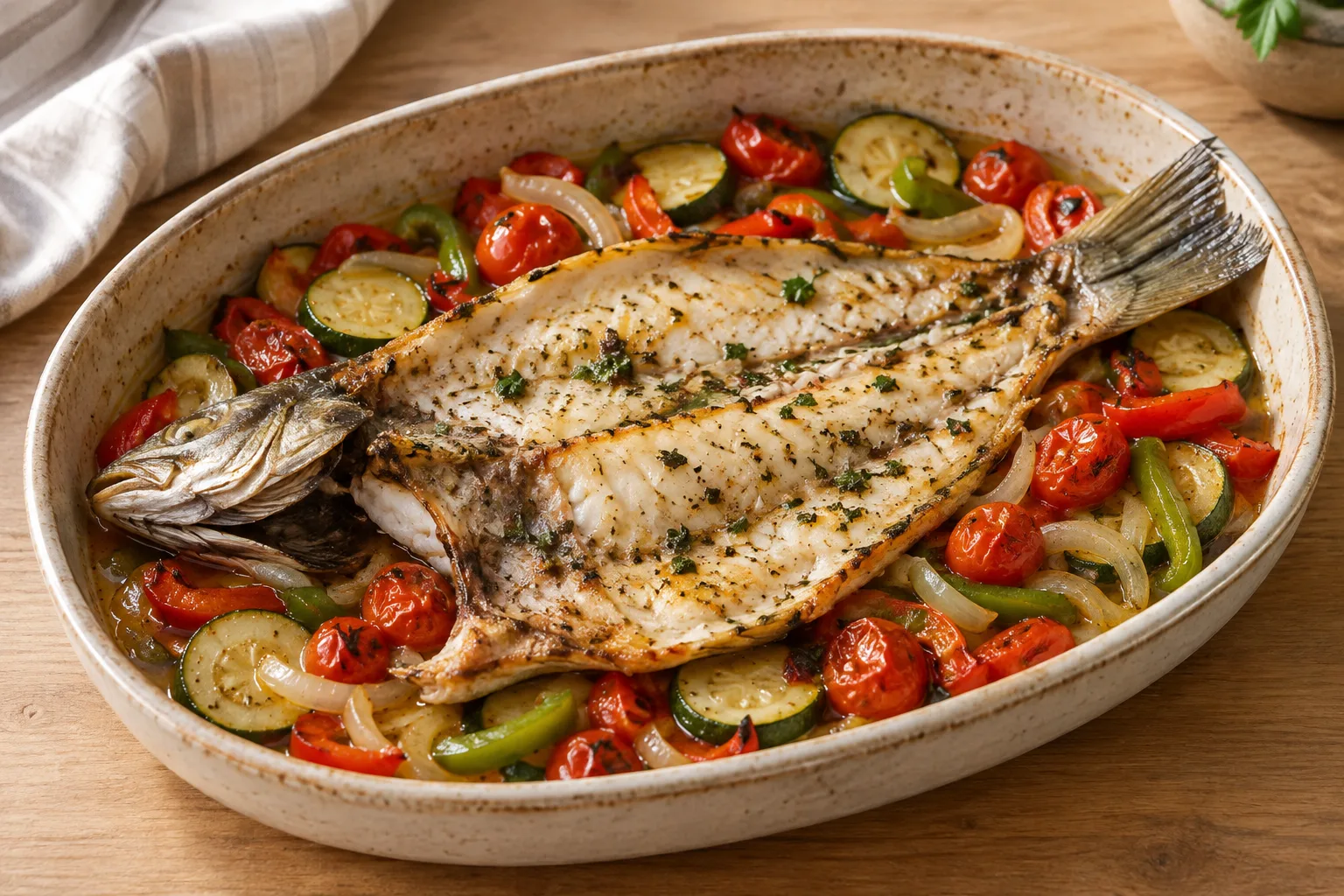
- Asar o cocinar lentamente para guarniciones y salsas
Pairs well with
- Albahaca y otras hierbas aromáticas
- Pasta, aceitunas, queso y aceite de oliva
Frequently asked questions
Do cherry tomatoes need to be cut before serving?
No. Serve them whole as bite-sized snacks, or halve them to mix more easily into salads, pasta and toast.
Can cherry tomatoes be cooked?
Yes. Roast or cook them slowly and serve them as a side, mix them with pasta, or use them as the base for a sauce.
Are all cherry tomatoes red and round?
No. Varieties can be round or oval and come in several colours, including red, yellow, orange and darker shades.
Estimated nutrition
- Fat
- 0 g
- Saturates
- 0 g
- Carbohydrate
- 82.1 g
- Sugars
- 60.7 g
- Fibre
- 10.7 g
- Protein
- 0 g
- Salt
- 1.11 g
Sources and review
Automatically researched, cross-checked and validated content. Sources consulted:
- En el etiquetado alimentario hay algunas menciones que son obligatorias eletiquetadocuentamucho.aesan.gob.es
- Client Challenge doi.org
- Tomate: Variedades Españolas, Tipos, Propiedades y Cultivo frutamerca.com
- Aesan - Agencia Española de Seguridad Alimentaria y Nutrición aesan.gob.es
- Tomate cherri - Wikipedia, la enciclopedia libre es.wikipedia.org
- Los tomates cherry no son solo para ensalada. Te sorprenderán elconfidencial.com
- Tomates cherry, crudos (tomates cherry, orgánicos) | Fundación G+E diet-health.info
- ¿Qué sabéis del tomate cherry? - Smart Food Yanuq - Eventos de Gastronomía smartfoodyanuq.com
- Tomate cherry o tomate común: qué diferencias de sabor y uso tienen diariouno.com.ar
- Tomate cherry: nutrientes, beneficios y usos - Mejor con Salud mejorconsalud.as.com
- Tomates Cherry | Jardinería TOT en U en Valencia totenu.com
- Tomate cherry (kg) - Delahuertacasa delahuertacasa.com
- 🥇 TOMATES CHERRY | Porta Vía Pizza | 2026 portavia.es
- Tomate cherry: las mejores recetas para disfrutarlo en casa directoalpaladar.com
- Tomates cherry confitados, exquisitos y muy fáciles de hacer bonviveur.com
- Recetas con tomate cherry fáciles para aperitivos, pasta y ensaladas petitchef.es
- Tomates cherry confitados al horno: receta fácil y llena de sabor - La Cocina de Frabisa La Cocina de Frabisa lacocinadefrabisa.lavozdegalicia.es