- Category
- Herbs and spices
- State
- Fresh
- Usual unit
- leaves
What it is
Fresh basil is the undried leaf of an aromatic herb commonly known as Ocimum basilicum. It belongs to the Lamiaceae family, alongside herbs such as mint. Varieties differ in their leaves and aromatic profiles: common basil is often fresh and sweet, while some varieties have anise-like, citrusy or more pronounced spicy notes. In cooking, the leaves may be used whole, chopped or blended. Fresh basil is sold as loose leaves, bunches or plants, and is distinct from dried basil, which has a more subdued aroma.
When to use it
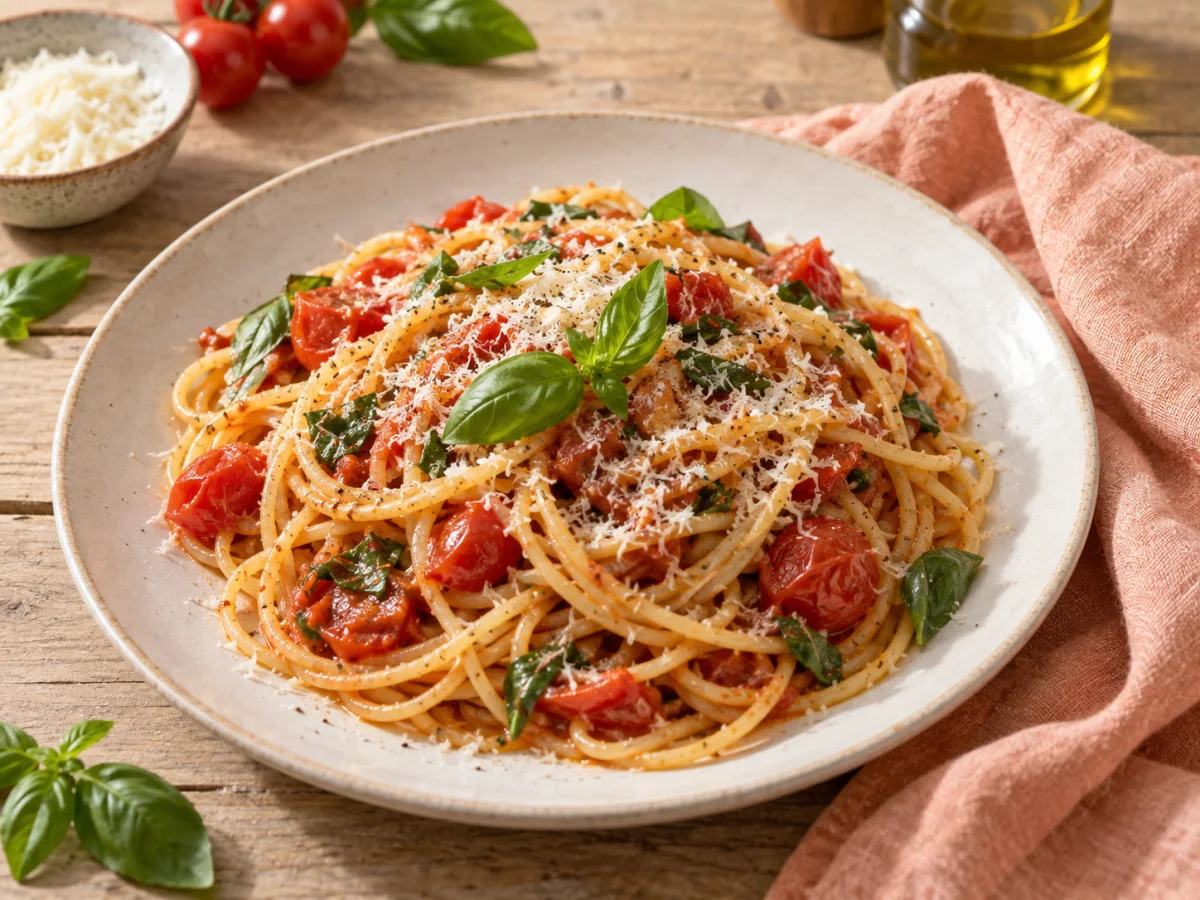
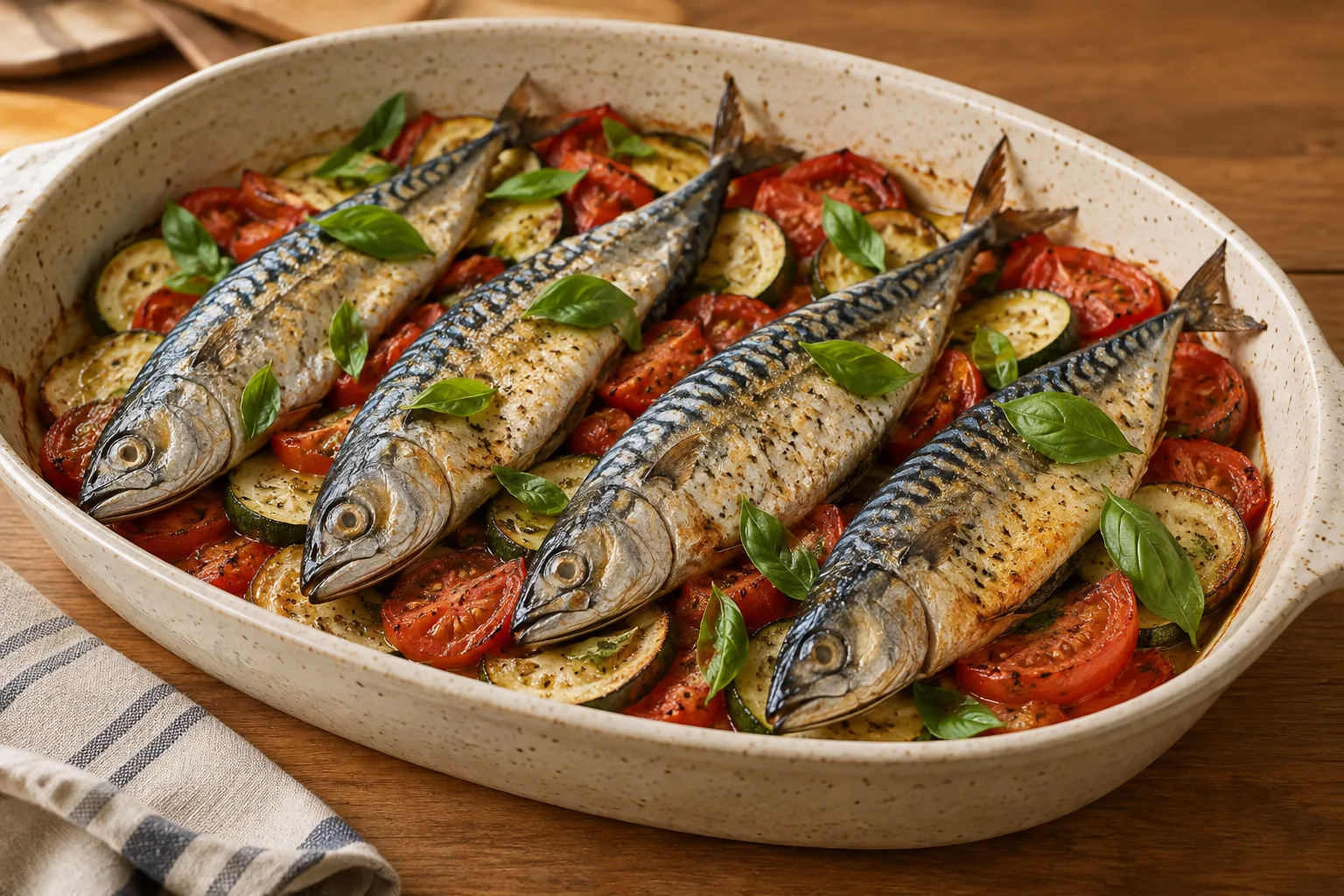
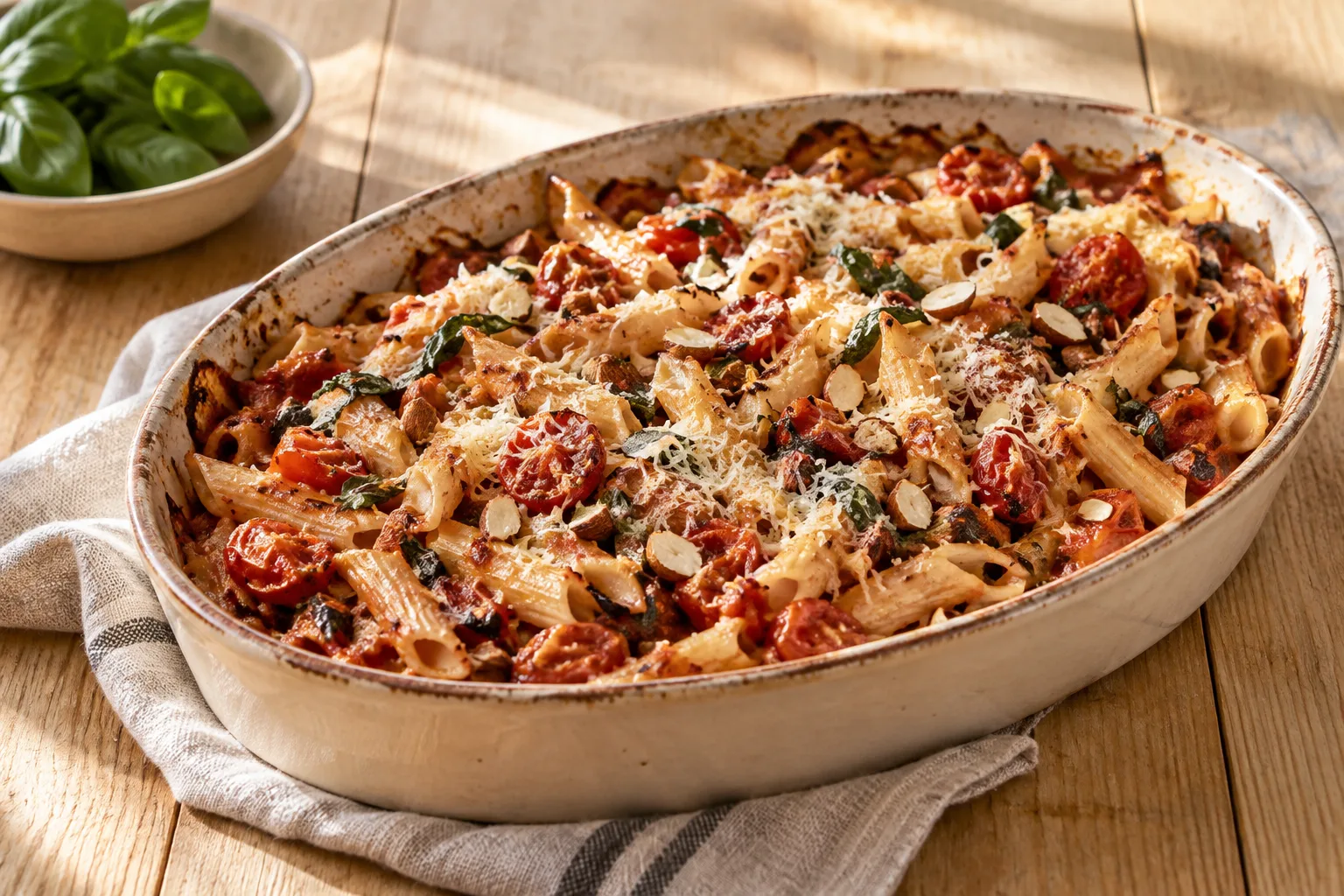
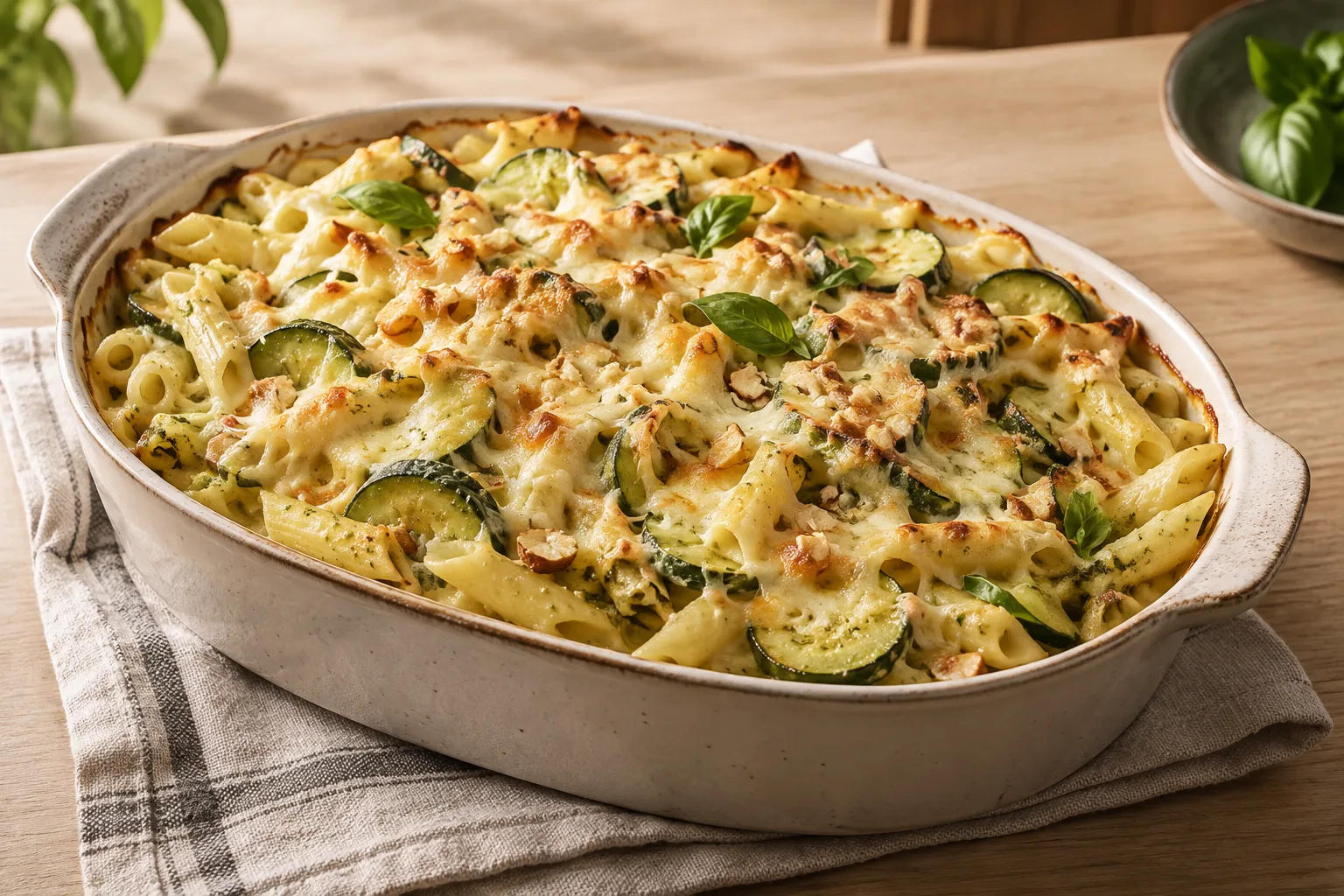
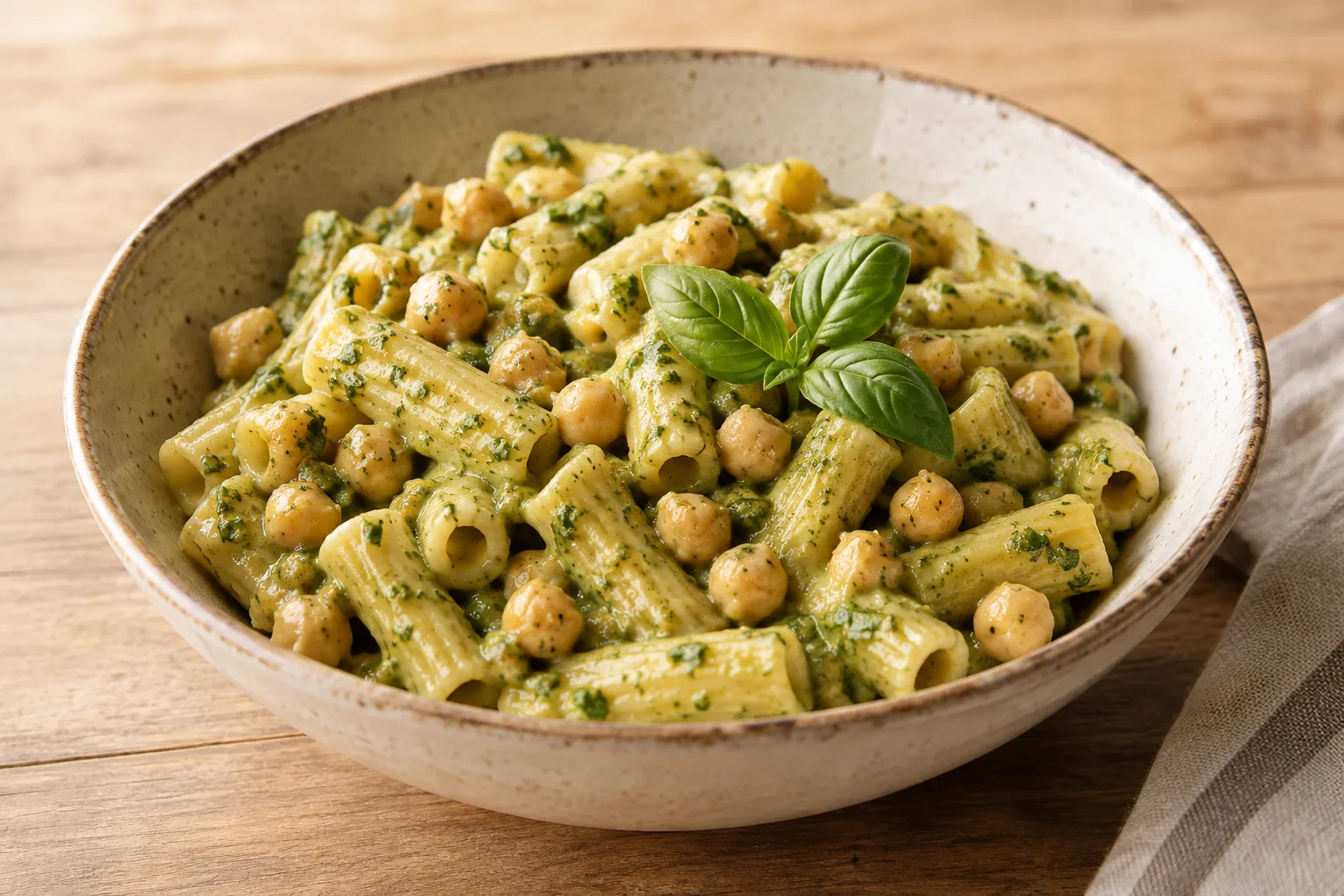
Use fresh basil when you want a recognizable, fresh herbal aroma, especially in dishes with tomato, pasta, mild cheese or olive oil. Whole or chopped leaves work in salads and as a pizza topping; blended leaves are used in pesto and other sauces. Basil can also pair with vegetables, fish, meat, citrus or fruit. Since varieties have different flavor nuances, choose one that suits the dish and smell or taste it before adding a generous amount.
How to use it
Separate the leaves from the stems when a recipe calls for leaves alone, then use them whole, chopped or blended as appropriate. For pesto, blend the leaves with the other ingredients in the recipe; for salads, pasta or pizza, add them fresh as an ingredient or finishing touch. Basil can also be cooked, but adding it near the end helps keep its aromatic presence noticeable. In sauces, dressings and drinks, blend the leaves or let them infuse to bring out their herbal character. Adjust the amount to taste, as the aroma can be prominent.
Flavour and texture
Fresh basil has an intense, fragrant aroma and a fresh, pronounced flavor that is often slightly sweet. Its intensity and nuances vary by variety: some types are anise-like, while others have citrusy, spicy or licorice-like notes. The leaves are tender and can be eaten raw or cooked. Drying makes the aromatic profile more subdued, so dried basil does not exactly reproduce the freshness of newly picked leaves.
How to choose it
Fresh basil is available as loose leaves, bunches or a plant. If a recipe depends on a particular flavor, remember that common, Thai, purple and other varieties can differ in aroma and taste. Choose the format that suits your use: loose leaves for immediate cooking, a bunch for several preparations, or a plant if you want leaves available to pick. Check the product identification so you do not mistake fresh basil for dried basil.
Storage
The available culinary evidence says fresh basil can be kept in the refrigerator for several days, but it does not give an exact duration or a single method suitable for every product. Follow package directions if provided, and do not assume loose leaves, bunches and plants all store in the same way. Since fresh aroma is a key part of its appeal, use it while it still has the profile you want and buy an amount you can make use of.
Substitutions
No substitute exactly reproduces the aroma of fresh basil. Parsley can provide a green herbal character; thyme and oregano work in some preparations but change the flavor profile. Tarragon can suit a dish when its anise-like notes fit. Choose according to the recipe and taste as you go. If basil is the main ingredient in pesto, replacing it will noticeably change both the flavor and character of the sauce.
Common mistakes
Do not assume every variety tastes the same: some have citrusy, anise-like or spicy notes. Dried basil also should not be expected to give the same fresh aroma as newly picked leaves. If you want its fresh character to stand out, do not add it too early in a long-cooked preparation; add it near the end or use it raw. Finally, a substitute herb is not an exact copy of basil.
Safety and allergens
The available sources do not identify a basil-specific safety warning. Identify the product correctly and follow any storage or use directions on its package. If it is sold packaged or included in a prepared food, check the ingredient and allergen information for that specific product.
Culinary uses
- Aromatic herb and fresh finishing garnish
- Main herb in pesto and herb sauces
- Flavoring for salads, pasta, pizza, soups, vegetables and some meat or fish dishes
Recommended techniques
- Use leaves raw in salads or as a finishing garnish
- Chop or blend into pesto, dressings and sauces
- Add to cooked dishes near the end when a fresh herbal aroma is desired
- Infuse into drinks or preparations where an herbal note is wanted
Pairs well with
- Tomato
- Mozzarella and other mild cheeses
- Pasta and olive oil
- Garlic
- Citrus
- Fresh fruit
Frequently asked questions
Does fresh basil taste the same as dried basil?
No. Dried basil has a more subdued aroma and does not exactly reproduce the fresh character of the leaves.
How can I use fresh basil?
Add the leaves to salads, pasta or pizza, blend them into pesto and sauces, or stir them into a cooked preparation near the end.
How long does fresh basil keep in the refrigerator?
One culinary source says it can keep for several days, but the available evidence does not specify an exact duration. Follow package directions when provided.
Estimated nutrition
- Fat
- 4.07 g
- Saturates
- 2.16 g
- Carbohydrate
- 47.8 g
- Sugars
- 1.71 g
- Fibre
- 37.7 g
- Protein
- 23 g
- Salt
- 0.19 g
Sources and review
Automatically researched, cross-checked and validated content. Sources consulted:
- En el etiquetado alimentario hay algunas menciones que son obligatorias eletiquetadocuentamucho.aesan.gob.es
- Client Challenge doi.org
- Glosario de especias: albahaca | JUST SPICES ® justspices.es
- Todo sobre la albahaca, planta aromática imprescindible no solo en la cocina mediterránea (y siete recetas para disfrutarla) directoalpaladar.com
- Albahaca: qué es, para qué sirve y beneficios bonviveur.com
- Albahaca | www.cocinista.es cocinista.es
- Albahaca. ¿Qué es y cómo utilizarla en la cocina? Recetas y consejos de conservación abc.es
- ALBAHACA FRESCA en tu Huerta de proximidad | deHigosaPeras dehigosaperas.com
- Ocimum basilicum - Wikipedia, la enciclopedia libre es.wikipedia.org
- La albahaca: toda la información y sugerencias de uso - TodoEspecias Sabores del Mundo SL todoespecias.com
- Albahaca: un toque de frescura en la cocina mundial | Excelencias Gourmet excelenciasgourmet.com
- Cómo utilizar la albahaca en la cocina y por qué es tan saludable hola.com
- ¿Qué puede sustituir a la albahaca en un adobo_Productos frescos y despensa drinkfood.biz
- Del Anzuelo a la Mesa: prepara y cocina tu pescado pescaycocina.com
- 10 Combinaciones Perfectas con Albahaca para Enriquecer tus Recetas | Chef Experto chefexperto.com
- 11 recetas con albahaca fresca | Mercado Calabajío mercadocalabajio.com