- Category
- Herbs and spices
- State
- Powdered
- Usual unit
- tablespoon
What it is
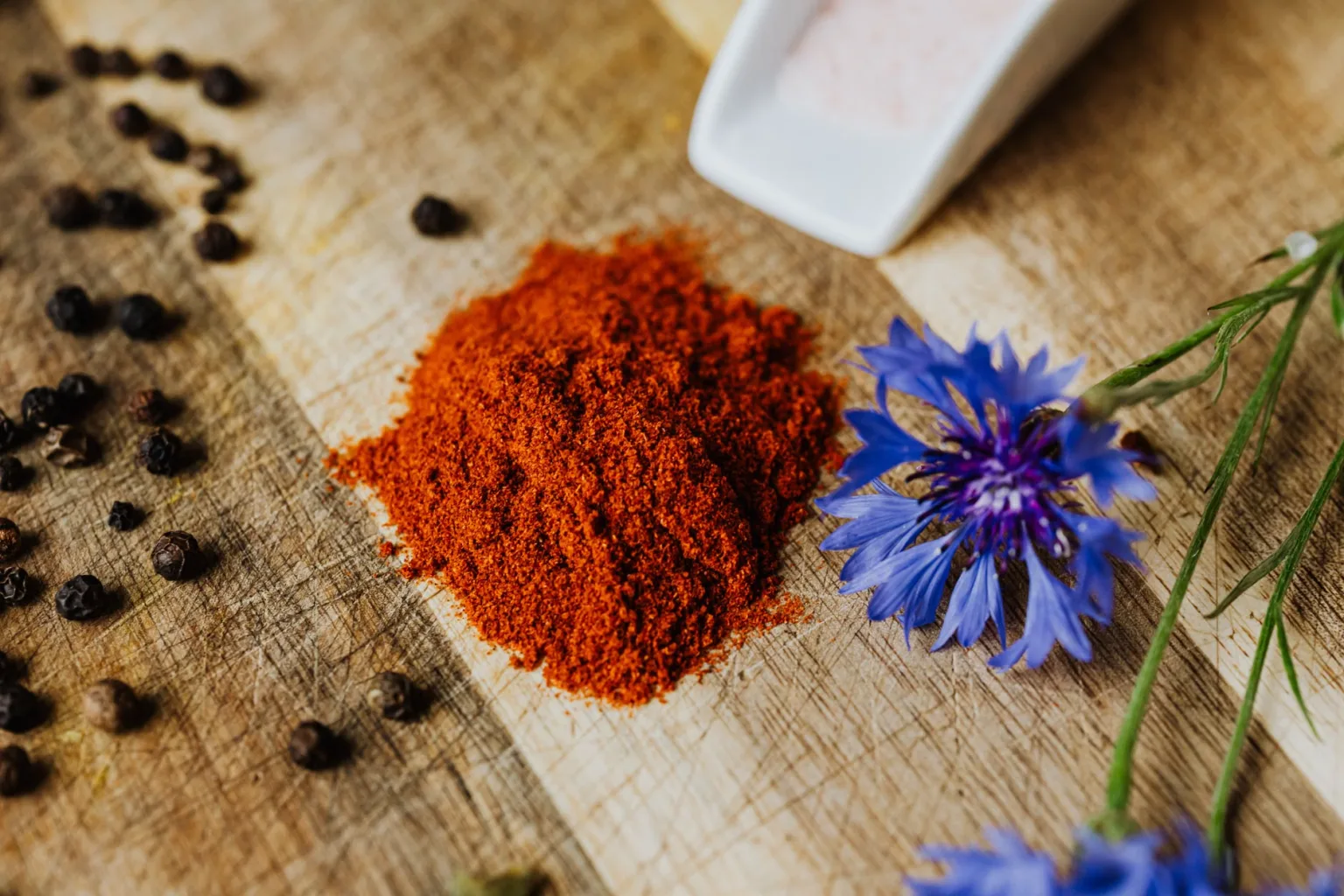
Paprika is a reddish seasoning powder made by drying and grinding certain peppers. It is not the same as fresh pepper: the ground form is used in small amounts as a seasoning or finishing touch. Its profile depends on the product; sweet, hot and smoked versions are available, and the heat or intensity can vary. Check the product name rather than assuming every paprika tastes alike. In some places, “paprika” is a general name for ground pepper seasonings, but names and flavor profiles are not always identical.
When to use it
Use paprika when you want to add color and a distinctive flavor to stews, soups, sauces, beans or marinades. Choose a sweet version when you do not want added heat, a hot version when you do, or a smoked one when that aroma suits the dish. It can also be sprinkled over potatoes, cooked vegetables, cheese or soups and purées as a finishing touch. Because products vary by variety and processing, start with a modest amount and taste before adding more.
How to use it
For a sauté or stew base, add paprika briefly near the end and follow it promptly with liquid or continue with the recipe. Prolonged cooking in hot oil can darken it and bring out an unpleasant bitterness. You can also stir it directly into stews, soups and other preparations with liquid, or combine it with oil for a marinade. To use it as a finishing touch, sprinkle it over potatoes, cooked vegetables, cheese or soups and purées. Adjust the amount and variety to suit the level of heat and smokiness you want.
Flavour and texture
Paprika is a fine, reddish powder that can visibly color a dish. Its flavor depends on the type: sweet paprika is not intended to be hot, hot paprika adds heat, and smoked paprika brings smoky notes. Do not assume that every product labelled paprika has the same profile; check its name and the information on the package.
How to choose it
Choose a type for the result you want: sweet for seasoning without deliberate heat, hot for a warming effect, or smoked for smoky notes. Read the product name and ingredient list, particularly if it is a blend or you need to check for allergens. Intensity can vary among products, so the name alone does not promise an exact level of heat.
Storage
Keep paprika away from light and in a dry place. Close the package and follow the storage directions on its label, since advice may depend on the product and how it is sold. Avoid leaving it exposed beside the cooking area, where it may encounter light, moisture or heat.
Substitutions
Ground ancho chile can be an alternative when you want a chile seasoning, but it will not necessarily taste the same as paprika. You can also switch among sweet, hot and smoked paprika to change a dish’s character. That changes its heat or aroma, so add a little at first and taste.
Common mistakes
Do not fry paprika for a long time: it can darken and become bitter. Add it briefly and promptly continue with liquid when the recipe includes a sauté. Also, sweet, hot and smoked versions are not interchangeable without changing the result; check the type and adjust the amount to taste.
Safety and allergens
Check the label for declared ingredients and allergens, especially for a blend or a product sold loose. Follow the storage directions provided for that product; required information can vary by product presentation.
Culinary uses
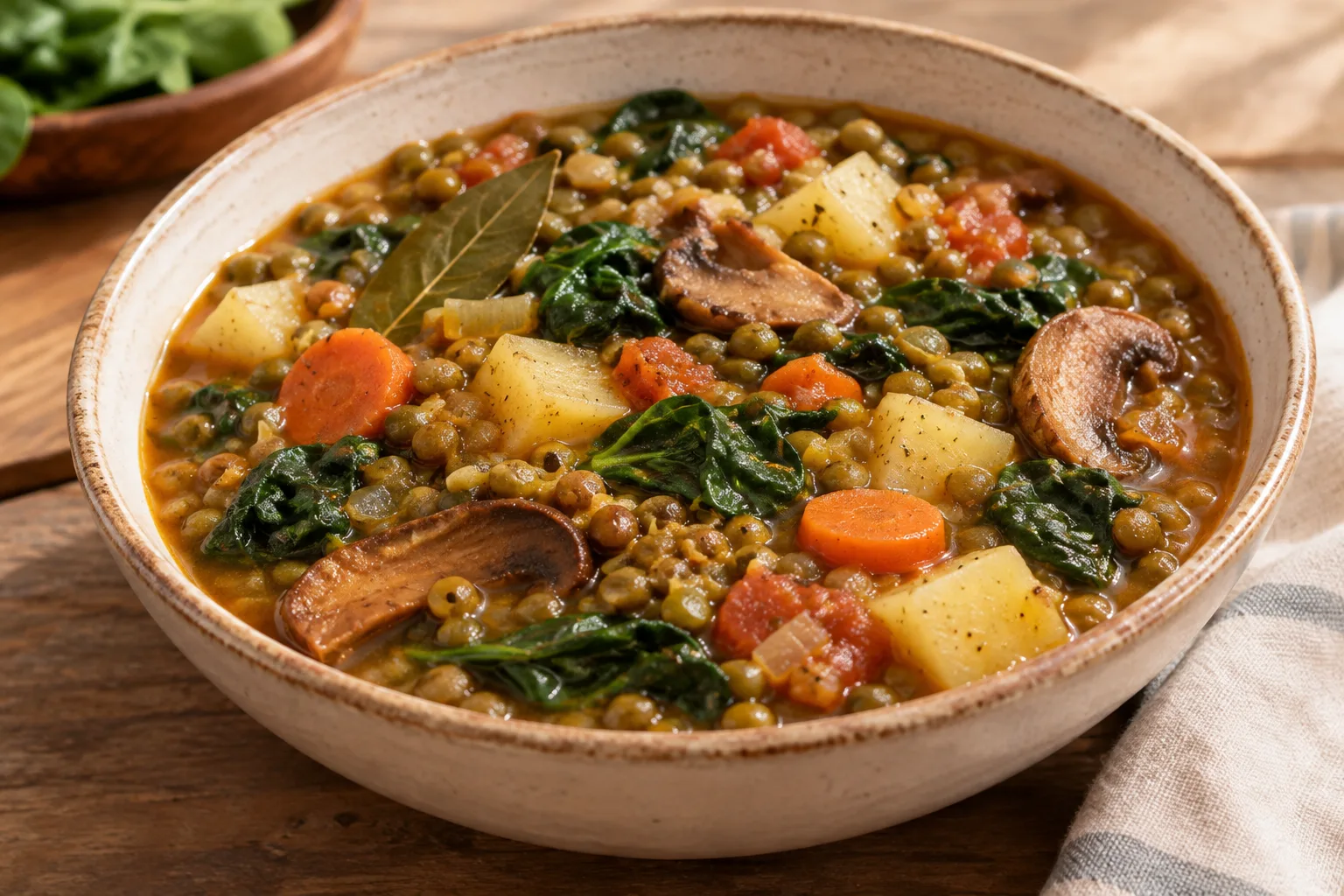
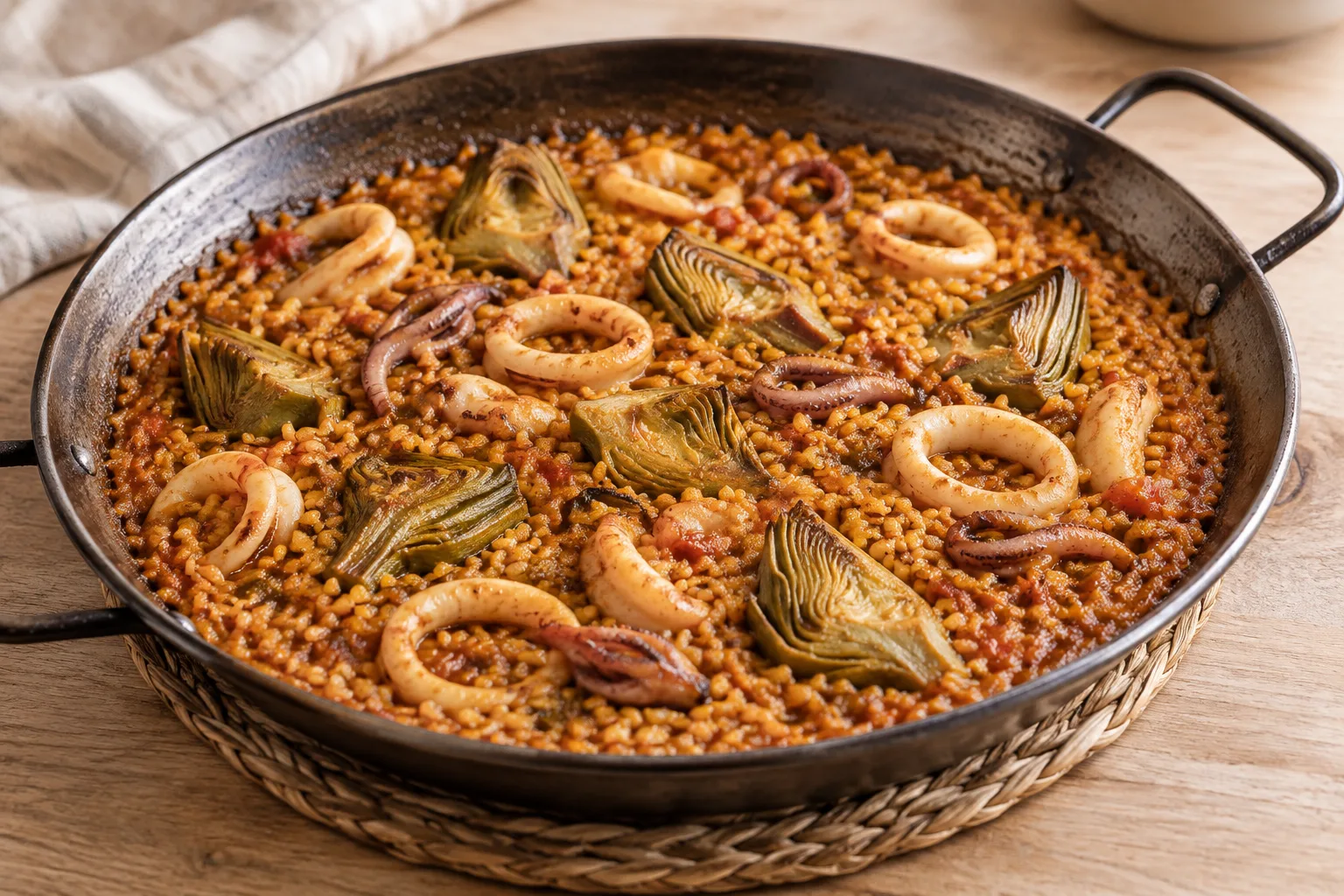
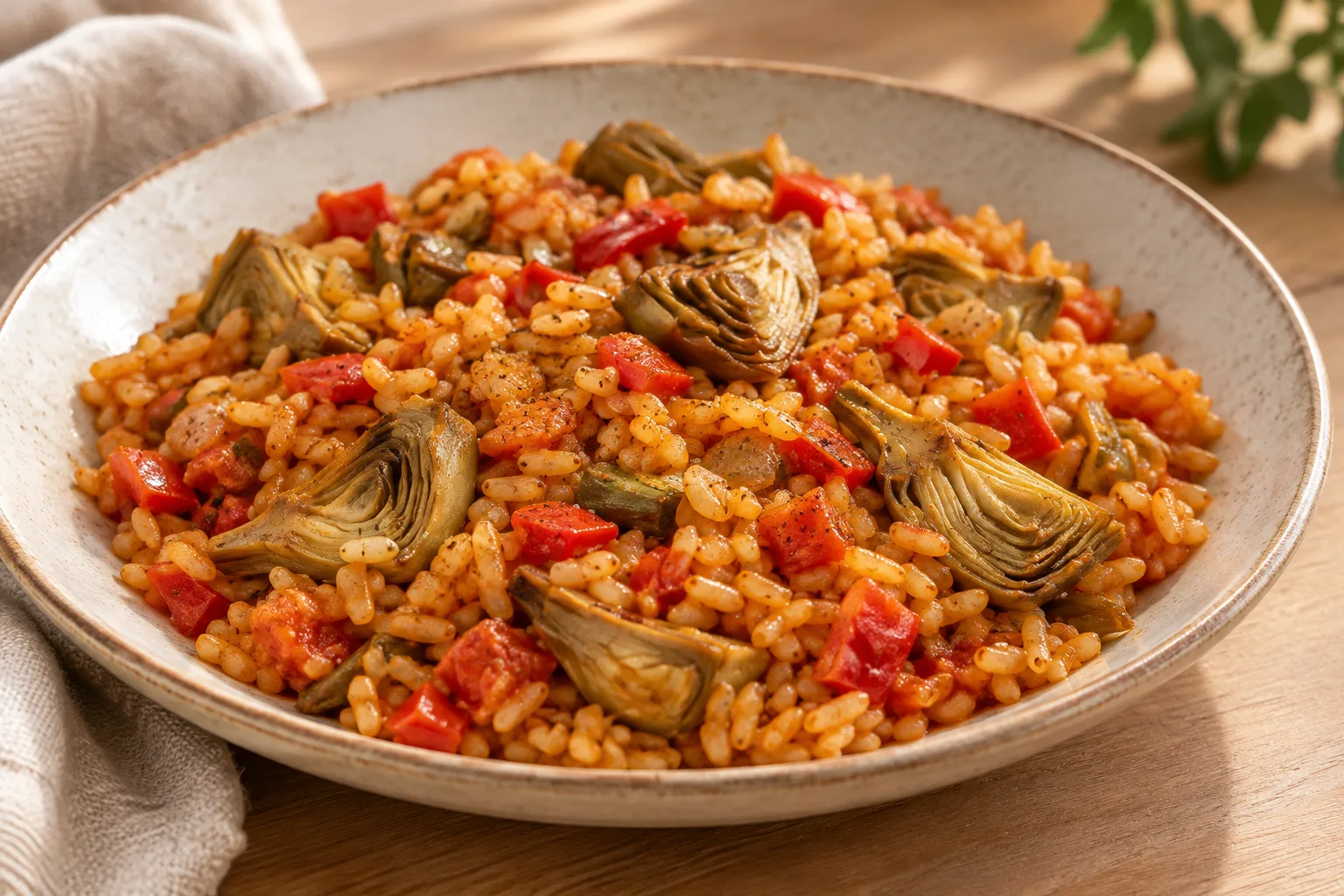
- Aporta color y sabor a guisos, sopas y salsas
- Condimenta adobos y marinadas; también puede espolvorearse sobre platos terminados
Recommended techniques
- Añadir brevemente al aceite y continuar enseguida con líquido para evitar que se oscurezca o amargue
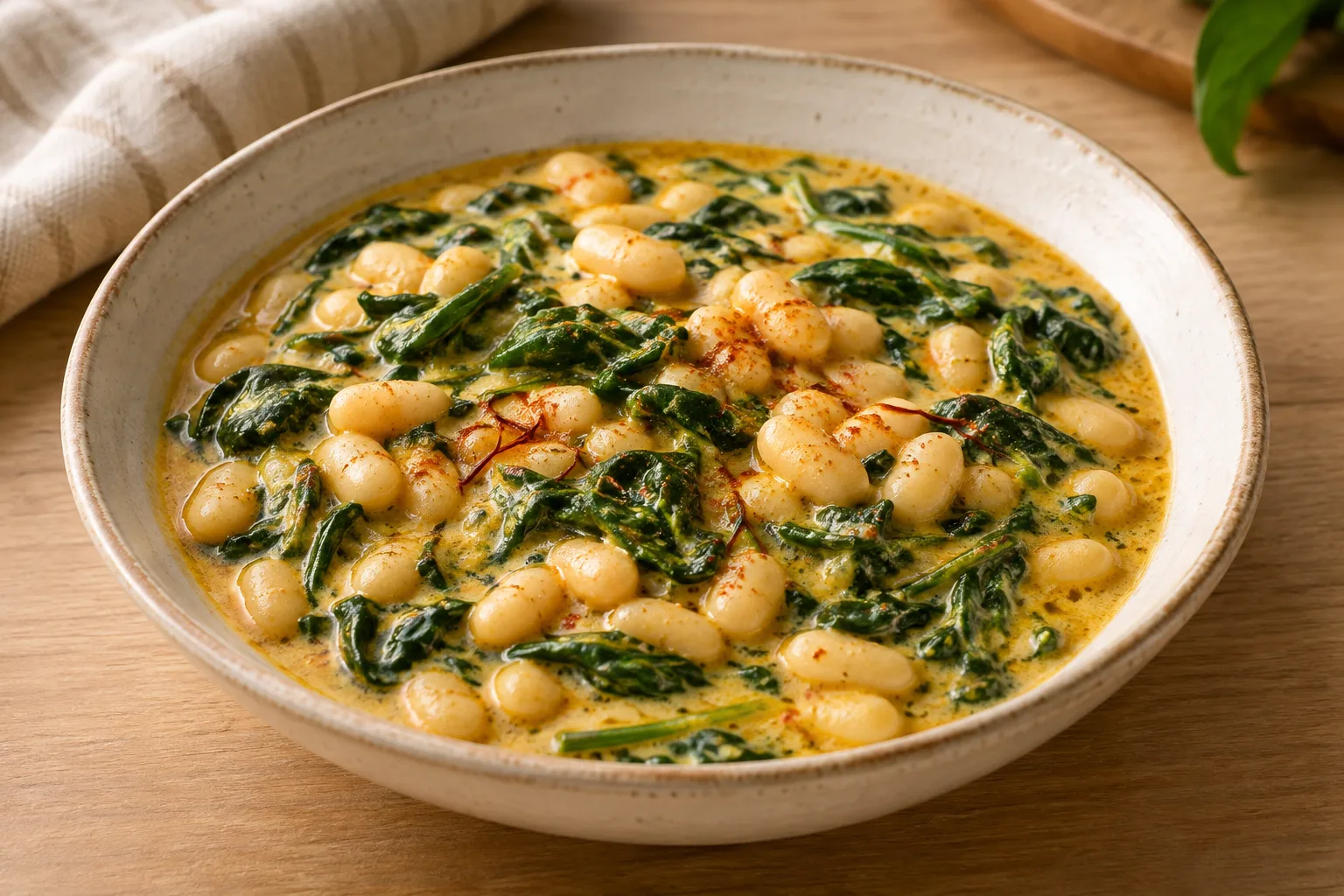
- Espolvorear en crudo sobre patatas, verduras cocidas, queso o cremas
Pairs well with
- Legumbres, patatas y guisos
- Carnes, pescados, verduras y platos con aceite de oliva
Frequently asked questions
Is paprika always hot?
No. Sweet, hot and smoked versions are available. Check the package name and choose the profile you want.
How can I stop paprika from tasting bitter?
Do not leave it in hot oil for long. Add it briefly and promptly continue with liquid when the recipe allows.
How should I store paprika?
Keep it in a dry place away from light, with the package closed. Follow the product’s label as well.
Estimated nutrition
- Fat
- 0 g
- Saturates
- 0 g
- Carbohydrate
- 0 g
- Sugars
- 0 g
- Protein
- 0 g
- Salt
- 0 g
Sources and review
Automatically researched, cross-checked and validated content. Sources consulted:
- En el etiquetado alimentario hay algunas menciones que son obligatorias eletiquetadocuentamucho.aesan.gob.es
- Client Challenge doi.org
- Pimentón - Wikipedia, la enciclopedia libre es.wikipedia.org
- Qué es el pimentón: guía completa sobre su origen, variedades y usos – Reposteriaypasteleria.com.es reposteriaypasteleria.com.es
- Pimentón: Propiedades, Tipos y Recetas | Enciclopedia... cocinista.es
- Todo sobre el pimentón: Variedades y usos cocinaespanola.es
- 6 métodos para cocinar el pimentón | Recetas Nestlé recetasnestle.com.co
- Cómo cocinar con pimentón hola.com
- Pimentón: qué es, tipos y usos en la cocina citopendia.es
- El Pimentón como especia | El Huerto Urbano elhuertourbano.net
- Pimentón: un condimento que no puede faltar en todas las cocinas cerditomio.es
- Irresistible Cómo Cocinar con Pimentón | Recetas Nestlé recetasnestlecam.com
- Sustituto del pimentón: 5 especias alternativas que puedes usar en tus recetas | Info Cafe info-cafe-wuppertal.org
- Qué es el pimentón: Descubre sus variedades y usos lacocinadelila.com