- Category
- Oils and fats
- State
- Liquid
- Usual unit
- g
What it is
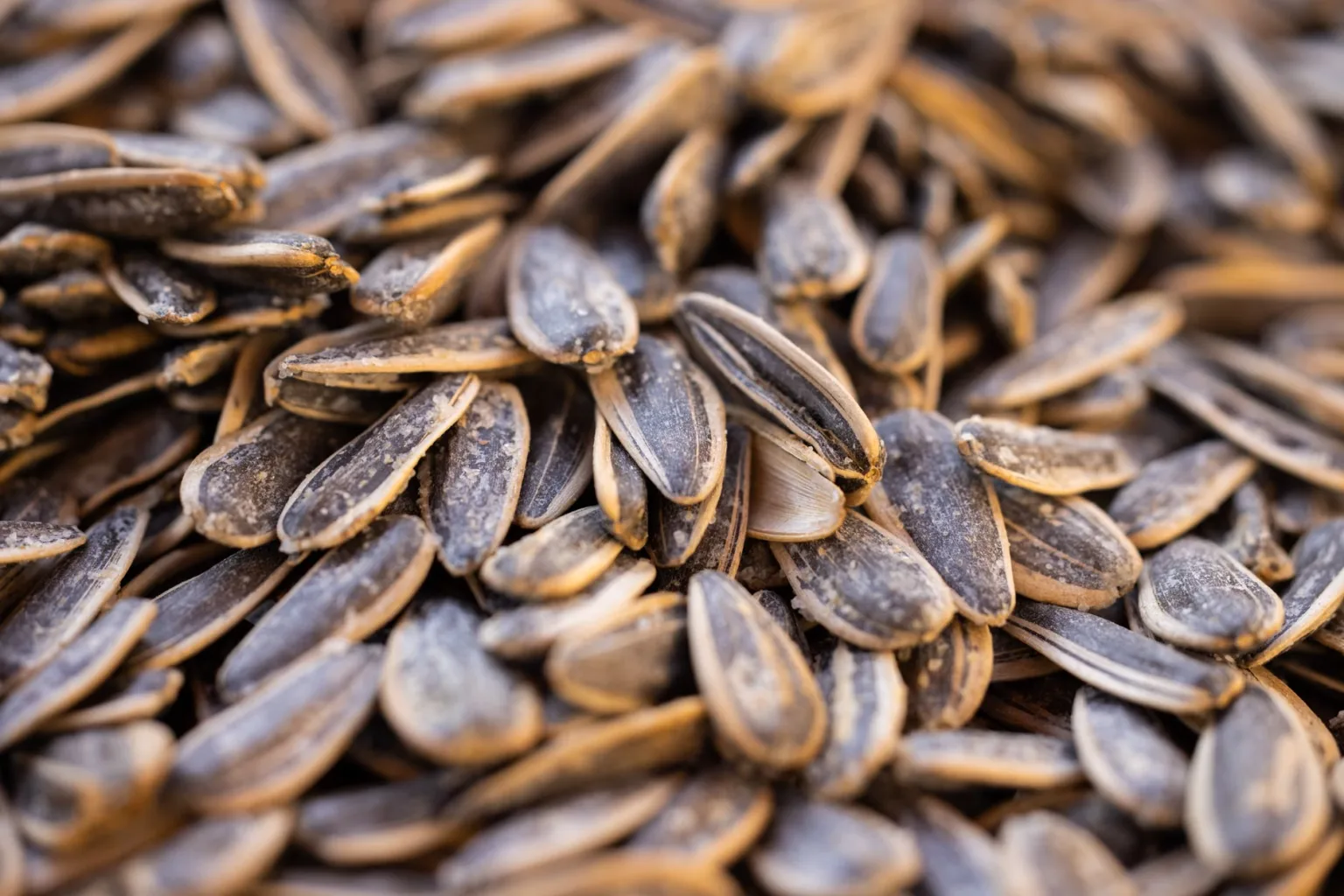
Sunflower oil is a vegetable fat obtained from sunflower seeds. Products may be labelled refined, cold-pressed or high-oleic; these terms describe differences in processing or oil profile, so check the label rather than assuming every bottle is the same. Refined oil is usually clear and mild because processing reduces impurities, colour and odours. Cold-pressed oil has a more noticeable seed flavour and is commonly used without cooking. High-oleic oil is made from sunflower varieties with a higher proportion of oleic acid and is described as more resistant to oxidation and heat than conventional sunflower oil. (4620, 4619)
When to use it
Choose refined sunflower oil when you want a mild-tasting fat for everyday uses such as frying, sautéing or mixing into batters where you do not want the oil to dominate. It can also be used uncooked as a base for sauces and dressings. Save cold-pressed oil for uncooked preparations where its seed flavour is welcome. If you want sunflower oil described as more resistant to oxidation and heat, check the label for high-oleic oil; do not assume every bottle is that type. (4620, 4621, 4624)
How to use it
Add the oil to a pan or preparation as directed by your recipe. Refined sunflower oil is used for frying and sautéing, and its mild flavour also suits batters and baking. For a vinaigrette, mayonnaise or another emulsified sauce, add it gradually while mixing to help create an even texture. Cold-pressed oil can bring more flavour to salads and sauces served uncooked. When frying more than once, pay attention to the oil's condition and stop using it if it has deteriorated; the available sources do not establish a universal reuse count or a temperature suitable for every kitchen. (4620, 4621, 4624, 4635)
Flavour and texture
Refined sunflower oil is usually clear, with a mild taste and aroma that let other ingredients stand out. Cold-pressed oil can have a more pronounced seed aroma and flavour. The oil is liquid at room temperature and contributes a fatty texture; when emulsified with other ingredients, it can help create a creamy sauce. Characteristics vary with the type and degree of refining. (4619, 4620, 4623, 4635)
How to choose it
Read the label to distinguish refined, cold-pressed and high-oleic oil: these are not interchangeable descriptions and indicate different flavour profiles and uses. Refined oil is the milder option for general cooking; cold-pressed oil has a more pronounced character and is commonly recommended for uncooked uses. High-oleic oil has a specific profile and is described as more resistant to heat and oxidation. Also check that the product is intended for food use. (4620, 4621, 4624)
Storage
Heat, air and light can speed up oil deterioration. Store sunflower oil in a cool place away from light, and favour packaging that limits light exposure, such as a dark bottle. The available sources highlight reducing exposure to heat and light but do not establish a universal storage life for every bottle. Follow the package directions and check the oil's appearance and smell before use. (4621)
Substitutions
Olive, soybean and peanut oils can replace sunflower oil in some preparations, but each may change the dish's flavour. Butter can replace some oil in certain baking recipes, although it changes the texture and character of the result. There is no universal conversion: adjust the amount and method to the recipe, especially when the substitution affects an emulsion or batter. (4621, 4623, 4632)
Common mistakes
Do not assume all sunflower oil varieties taste or perform the same: refined, cold-pressed and high-oleic oils are described differently. Another common mistake is storing oil where it is exposed to heat and light, which can speed deterioration. For frying, stop using oil that shows signs of deterioration, and do not treat a temperature recommendation from one source as a universal rule. (4620, 4621, 4624)
Safety and allergens
The supplied sources do not identify a specific general safety warning for sunflower oil. One included official alert concerns a particular cod product in oil and does not establish a risk from sunflower oil in general. Check the product label and follow its directions. (4618)
Culinary uses
- cooking fat
- salad dressing and sauce base
- baking fat
Recommended techniques
- frying
- sautéing
- emulsifying
- mixing into batters
Pairs well with
- vegetables
- potatoes
- fish
- baked goods
- garlic and lemon sauces
Frequently asked questions
Does refined sunflower oil have a strong flavour?
It is usually mild in flavour and aroma. Cold-pressed oil can have a more noticeable seed character, so check the type stated on the label. (4619, 4620)
How is high-oleic sunflower oil different?
It comes from varieties with a higher proportion of oleic acid and is described as more resistant to oxidation and heat than conventional sunflower oil. Check the label to identify it. (4620, 4619)
Can I use sunflower oil in a salad?
Yes. It can be used uncooked in dressings and sauces. Cold-pressed oil gives a more noticeable flavour than refined oil. (4620, 4621, 4624)
Estimated nutrition
- Fat
- 100 g
- Saturates
- 13.3 g
- Carbohydrate
- 0 g
- Sugars
- 0 g
- Fibre
- 0 g
- Protein
- 0 g
- Salt
- 0 g
Sources and review
Automatically researched, cross-checked and validated content. Sources consulted:
- Aesan - Agencia Española de Seguridad Alimentaria y Nutrición aesan.gob.es
- Aceite de girasol - Wikipedia, la enciclopedia libre es.wikipedia.org
- Aceite de girasol: propiedades nutricionales y usos academianutricionydietetica.org
- Aceite de girasol, cómo se extrae el aceite vegetal más utilizado para freír: propiedades y usos en la cocina directoalpaladar.com
- Sunflower oil El aceite de girasol es la grasa procedente de la semilla mapa.gob.es
- Artes culinarias/Ingredientes/Aceite de girasol - Wikilibros es.wikibooks.org
- Aceite de Girasol | www.cocinista.es cocinista.es
- Vidatos — Curiosidades del mundo vidatos.com
- Aceite de girasol - EcuRed ecured.cu
- Aceite de girasol: historia, producción y variedades | Agroempresario.com agroempresario.com
- Aceite de girasol: qué es, para qué sirve y beneficios - Viviendo La Salud viviendolasalud.net
- Aceite de Girasol doi.org
- Alternativas al aceite de girasol para cocinar - ALDI aldi.es
- ▷ Cómo sustituir aceite de girasol por mantequilla ✅ ◁ Sudigastro sudigastro.es
- Gastronomía | Sustitutos del aceite de girasol para tus platos y recetas elperiodico.com
- Aceites, el alma de cada plato | Hello Chefs hellochefs.es
- 5 ideas de salsas con aceite de girasol - Coosol coosol.es