- Category
- Herbs and spices
- State
- Fresh
- Usual unit
- pinch
What it is
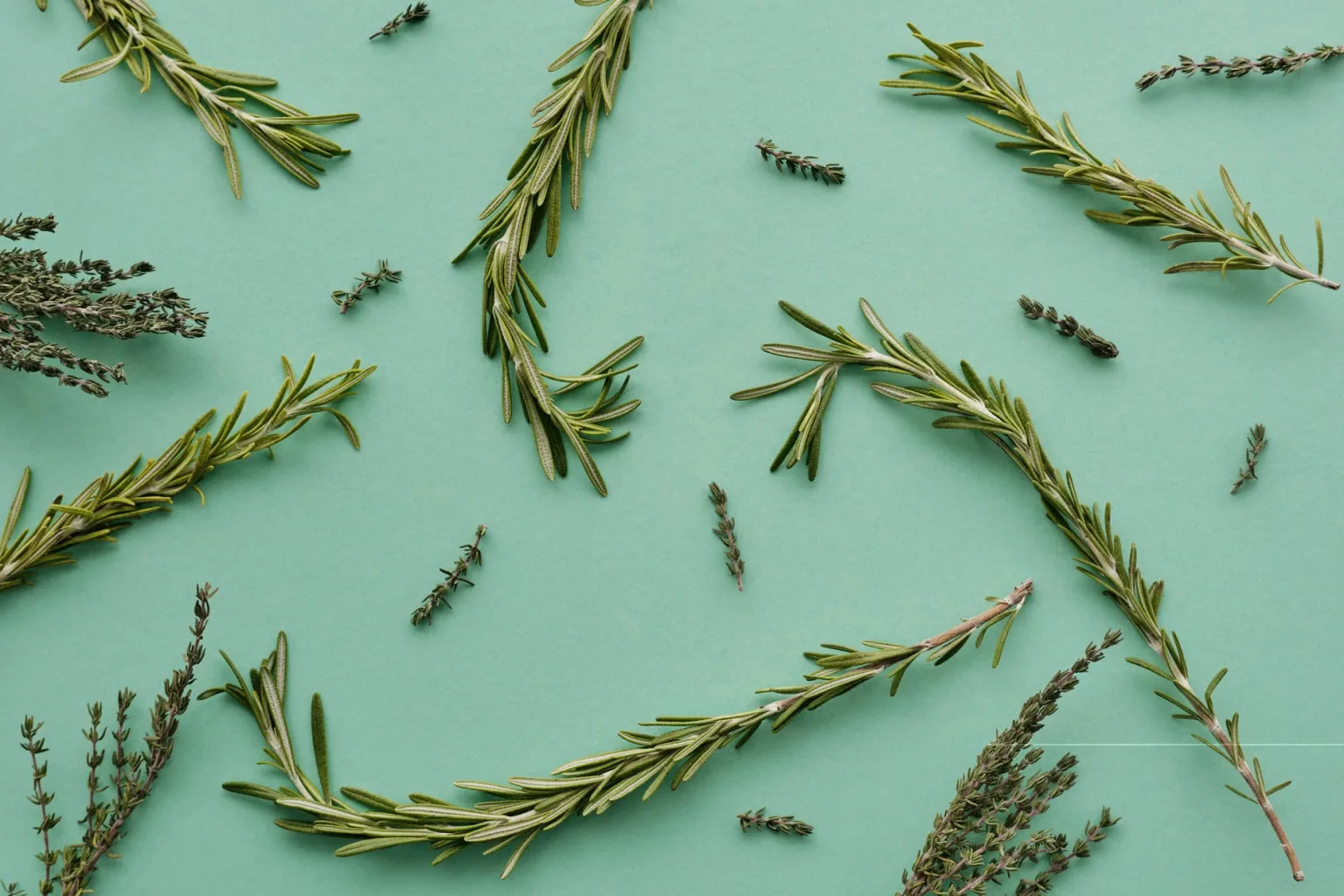
Thyme is an aromatic herb commonly sold fresh in sprigs and used as a seasoning. Common thyme is identified as Thymus vulgaris and belongs to the Lamiaceae family; other varieties, such as lemon thyme, have distinct aromatic profiles. The leaves are used most often, although a whole sprig can be added to a dish and removed before serving. Fresh thyme has a strong herbal, woody aroma that can add depth to both simple dishes and long-cooked preparations.
When to use it
Use thyme when you want a persistent herbal note in soups, stocks, stews, braises, sauces or marinades. It also pairs well with poultry, lamb and other meats, fish, vegetables, potatoes and legumes. In delicate dishes or those with mild flavors, start with a small amount so the herb complements rather than overwhelms the main ingredients. Some culinary sources recommend adding fresh thyme near the end of cooking when you want a fresher, gentler aroma.
How to use it
Strip the leaves by running your fingers along the stem, or add a whole sprig to stock, soup or stew for aroma; remove the woody stem before serving. Use the leaves whole or chopped in marinades, sauces, vegetables, potatoes, legumes, fish or meat. Fresh thyme can also be combined with herbs such as rosemary, parsley or bay. Add it sparingly and taste the dish, since its bold flavor can mask other ingredients. For a more delicate result, add it toward the end of cooking.
Flavour and texture
Fresh thyme has a bold herbal aroma with woody notes; depending on the variety, it may also have citrus notes. Its flavor is pronounced and can be slightly bitter or spicy. The leaves are small and tender, while the stems may be tough or woody. For that reason, cooks often use the leaves or remove the sprig before serving.
How to choose it
Choose a bunch with plenty of green-looking leaves and avoid one with many browned or damaged leaves. Thyme varieties can differ in aroma, so check whether the product is common thyme or a variety such as lemon thyme if you want a particular profile. Fresh thyme is usually sold with fresh herbs; dried thyme is sold separately and does not have exactly the same intensity.
Storage
Keep fresh thyme refrigerated and avoid leaving it exposed for long periods. One culinary source suggests loosely wrapping it in a damp paper towel and placing it in a sealed bag; another suggests keeping it in a glass of water in the refrigerator. Check the leaves and discard any that have deteriorated. Storage-life recommendations differ between sources, so do not rely on a fixed timeframe.
Substitutions
If you do not have thyme, try oregano, marjoram or savory, which culinary sources list as alternatives. They are not identical: their aroma and intensity differ, so start with a small amount and adjust to taste. Rosemary may work in some blends and dishes, but it also has a distinct profile.
Common mistakes
The most common mistake is adding too much thyme: its pronounced flavor can dominate and mask the other ingredients. Start with a small amount and adjust after tasting. Another oversight is leaving woody stems in a dish when a pleasant texture matters; use the leaves or remove the sprig before serving.
Safety and allergens
Use thyme intended for food and follow the package directions. An official alert reported undeclared allergens in a thyme spice preparation from a specific brand; this does not mean that all thyme has this issue. If you have allergies, check allergen information on packaged products and ask the supplier when needed.
Culinary uses
- Aromatic seasoning for savory dishes
- Herb for marinades, sauces, soups and stews
- Finishing herb for selected dishes
Recommended techniques
- Add whole sprigs to soups, stocks or stews and remove woody stems before serving
- Strip the leaves from the stem and use them whole or chopped
- Add fresh thyme near the end of cooking when you want a gentler, fresher aroma
Pairs well with
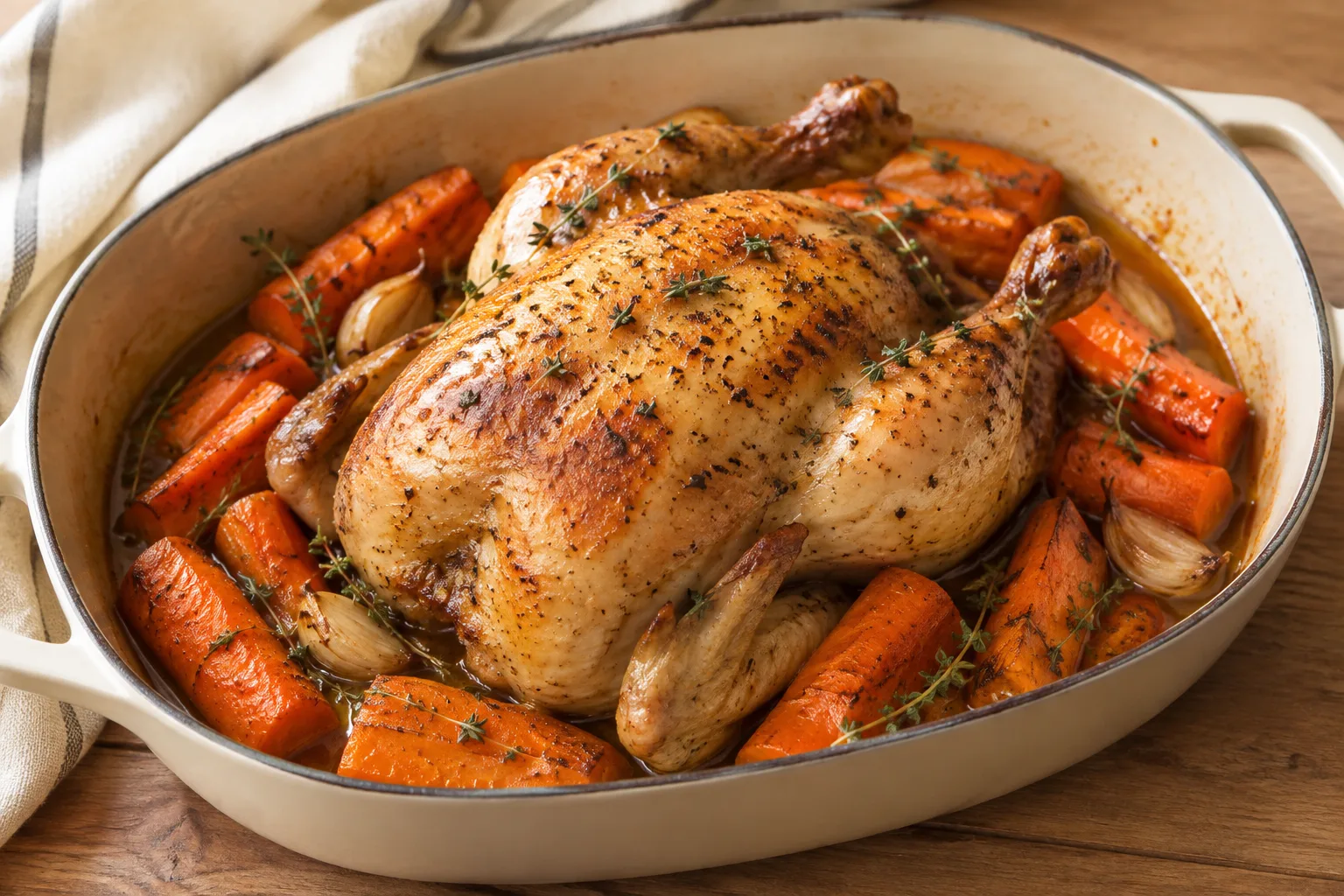
- Chicken and other poultry
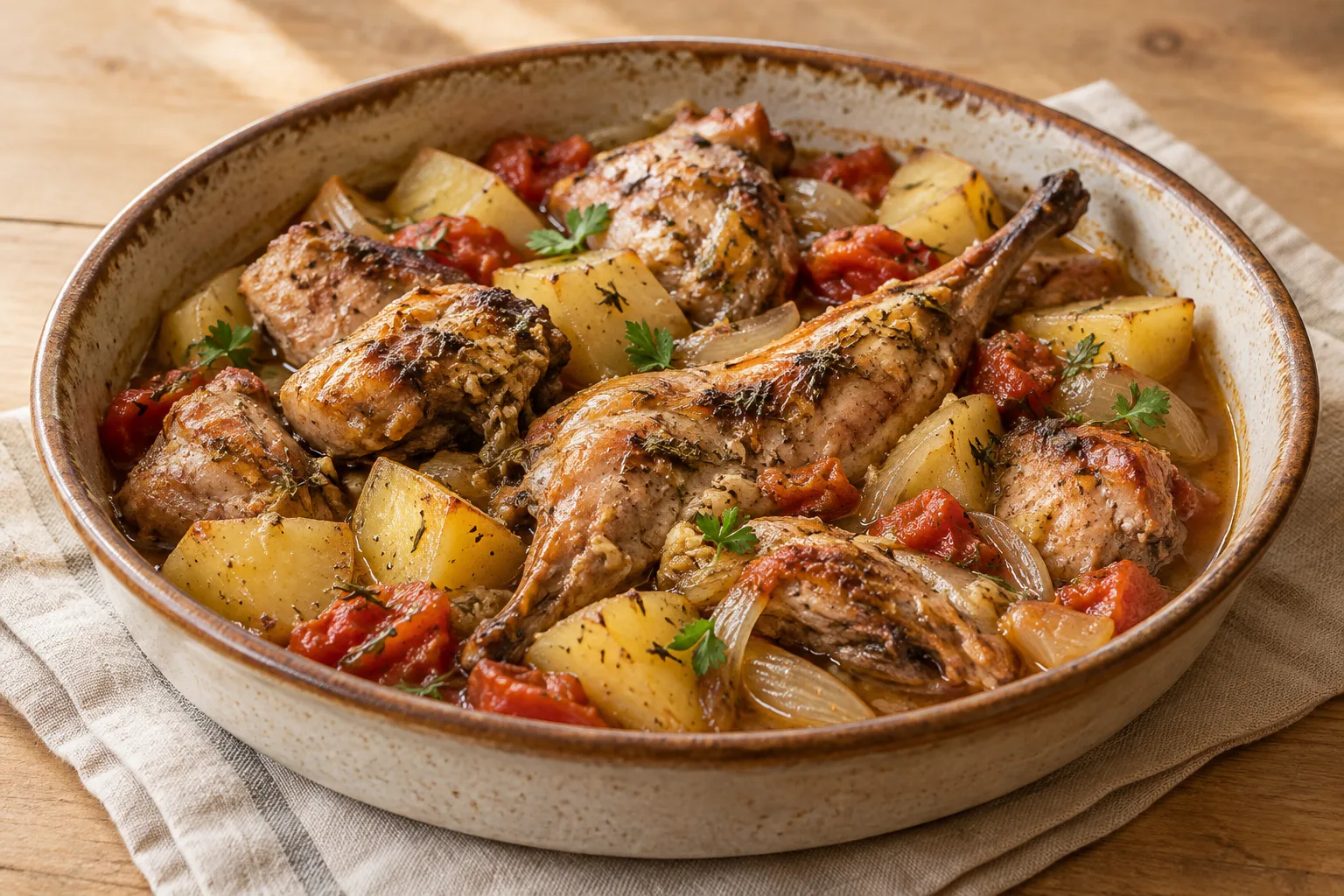
- Lamb, beef and pork
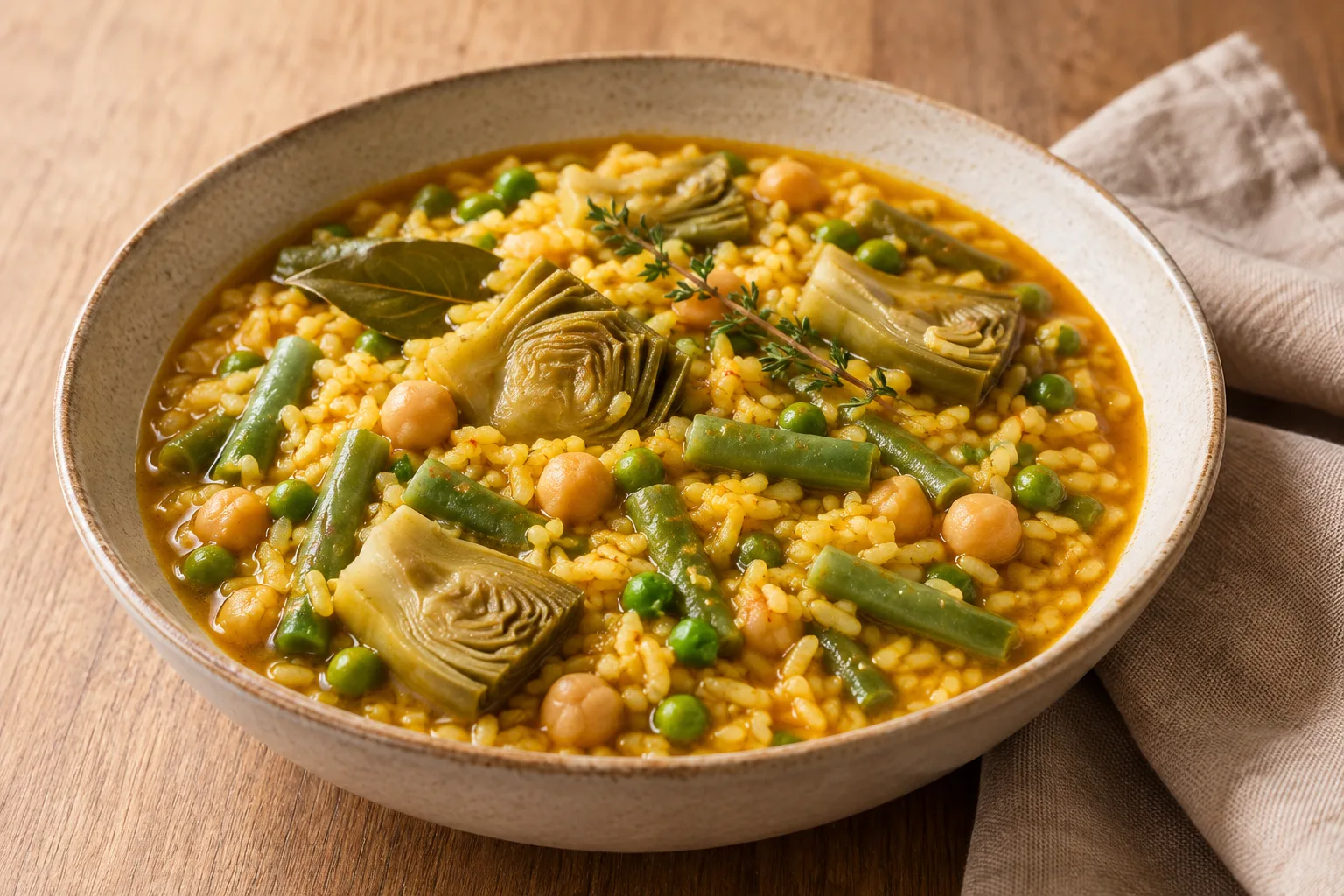
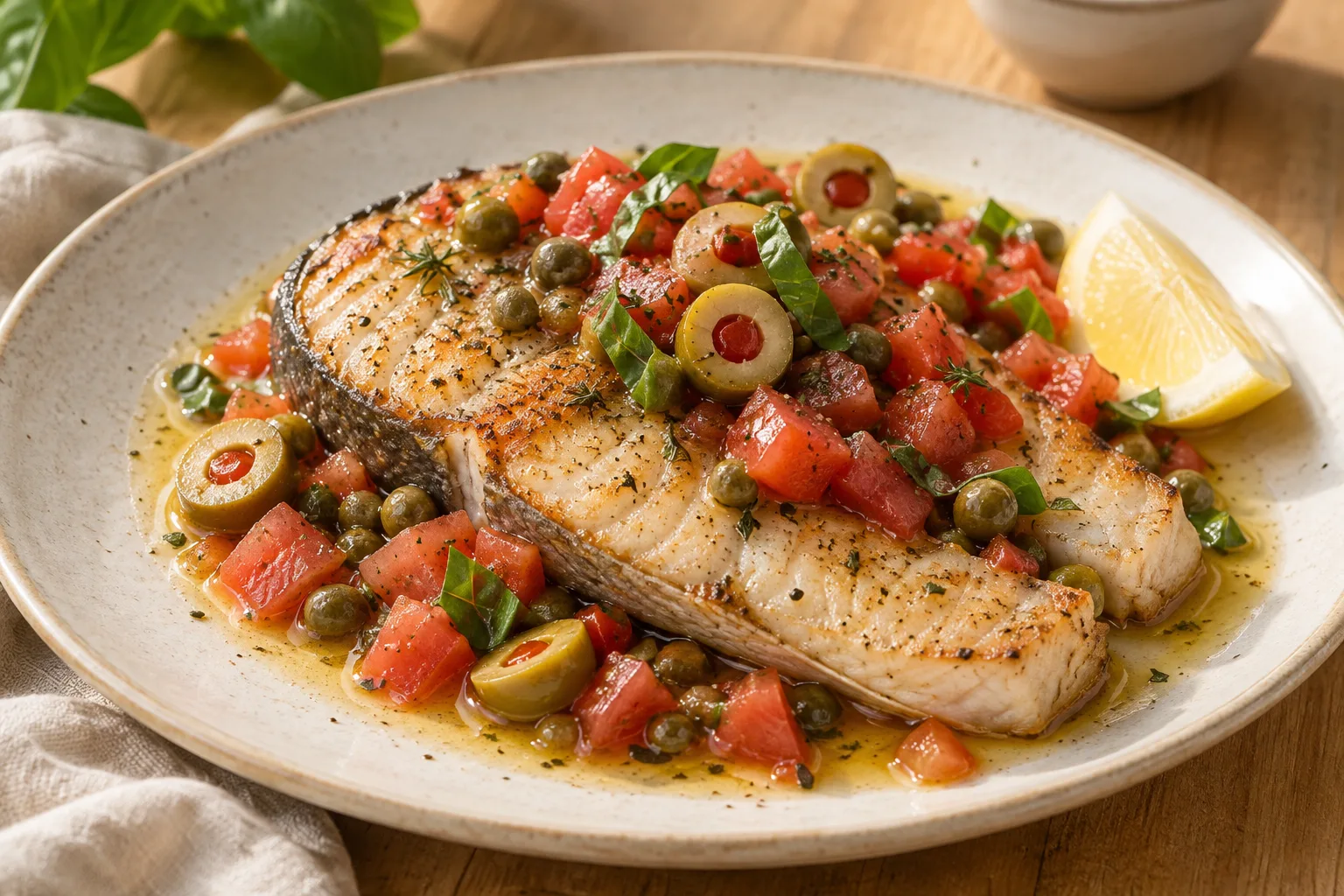
- Fish, vegetables, potatoes and legumes
- Tomato, lemon, garlic, rosemary and parsley
Frequently asked questions
Should I use the leaves or the stems too?
The leaves are the part most often used. You can add a whole sprig for aroma and remove it before serving, especially if the stem is woody.
What dishes go well with fresh thyme?
It pairs well with soups, stews, marinades, poultry, other meats, fish, vegetables, potatoes and legumes. Use it sparingly so it does not mask other flavors.
What can I use instead of thyme?
Oregano, marjoram or savory can work as alternatives, although the aroma will be different. Start with a small amount and adjust to taste.
Estimated nutrition
- Fat
- 7.43 g
- Saturates
- 2.73 g
- Carbohydrate
- 63.9 g
- Sugars
- 1.71 g
- Fibre
- 37 g
- Protein
- 9.11 g
- Salt
- 0.14 g
Sources and review
Automatically researched, cross-checked and validated content. Sources consulted:
- En el etiquetado alimentario hay algunas menciones que son obligatorias eletiquetadocuentamucho.aesan.gob.es
- Client Challenge doi.org
- Aesan - Agencia Española de Seguridad Alimentaria y Nutrición aesan.gob.es
- Glosario de especias: tomillo | JUST SPICES ® justspices.es
- Tomillo, rey de las hierbas aromáticas en la cocina: qué es, cómo usarlo y 16 recetas dulces y saladas para disfrutarlo directoalpaladar.com
- Tomillo | www.cocinista.es cocinista.es
- Tomillo: Qué es y cómo usarlo en la cocina - Ingredientes Culinarios cocinaycome.com
- Thymus vulgaris - Wikipedia, la enciclopedia libre es.wikipedia.org
- Tomillo: propiedades y como usarla en la cocina | Fine Dining Lovers finedininglovers.es
- ℹ Tipos de Tomillo: Variedades y Usos en la Cocina y Medicina ✔️ cncompetencia.es
- ▷ ¿Qué se puede condimentar con tomillo? | La Casa de los Sabores lacasadelossabores.com
- Tomillo (condimento): aplicación, para qué platos es adecuado, con qué se puede sustituir puritybox.decorexpro.com
- Tomillo: propiedades, beneficios, usos culinarios y contraindicaciones nonsprecare.it
- Tomillo, Thymus vulgaris, propiedades y usos - Blog LCDLS lacasadelassetas.com
- ¿Para qué sirve el tomillo?: Todos sus usos | Recetas Nestlé recetasnestle.com.ec
- ¿Para qué sirve el tomillo?: Todos sus usos | Recetas Nestlé recetasnestle.com.ar
- Tomillo especiado – ITALPEPE italpepe.com