- Category
- Meat
- State
- Liquid
- Usual unit
- ml
What it is
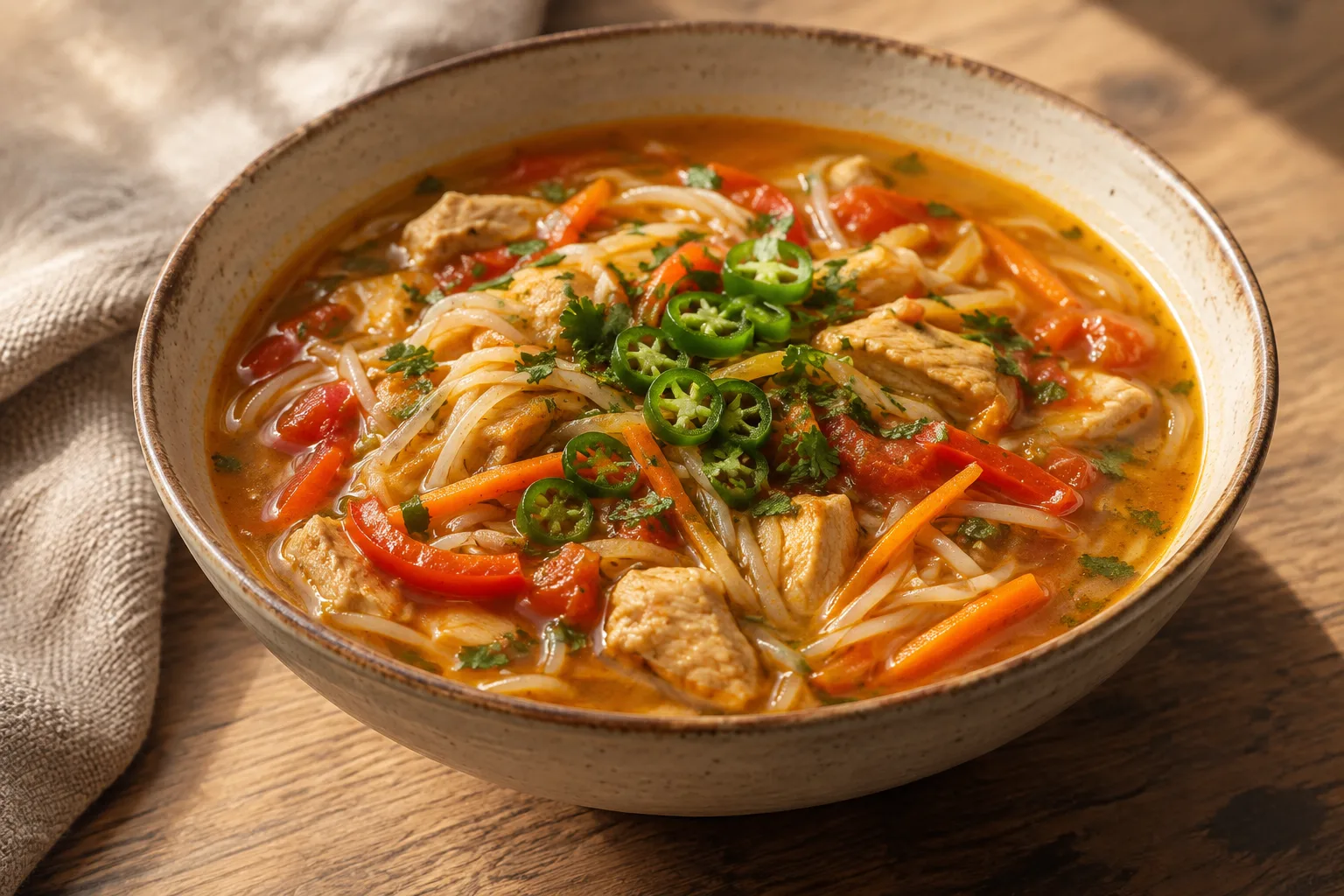
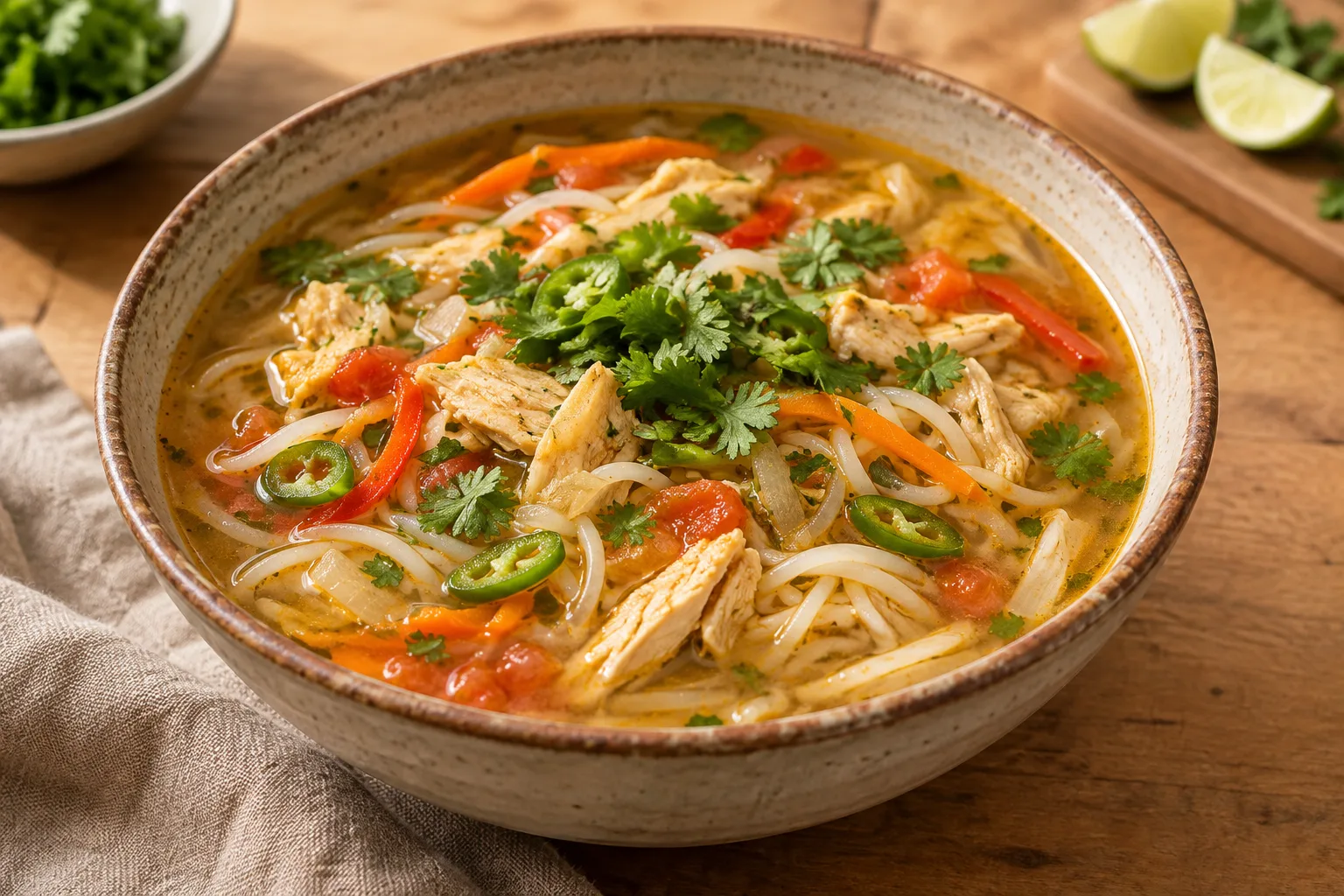
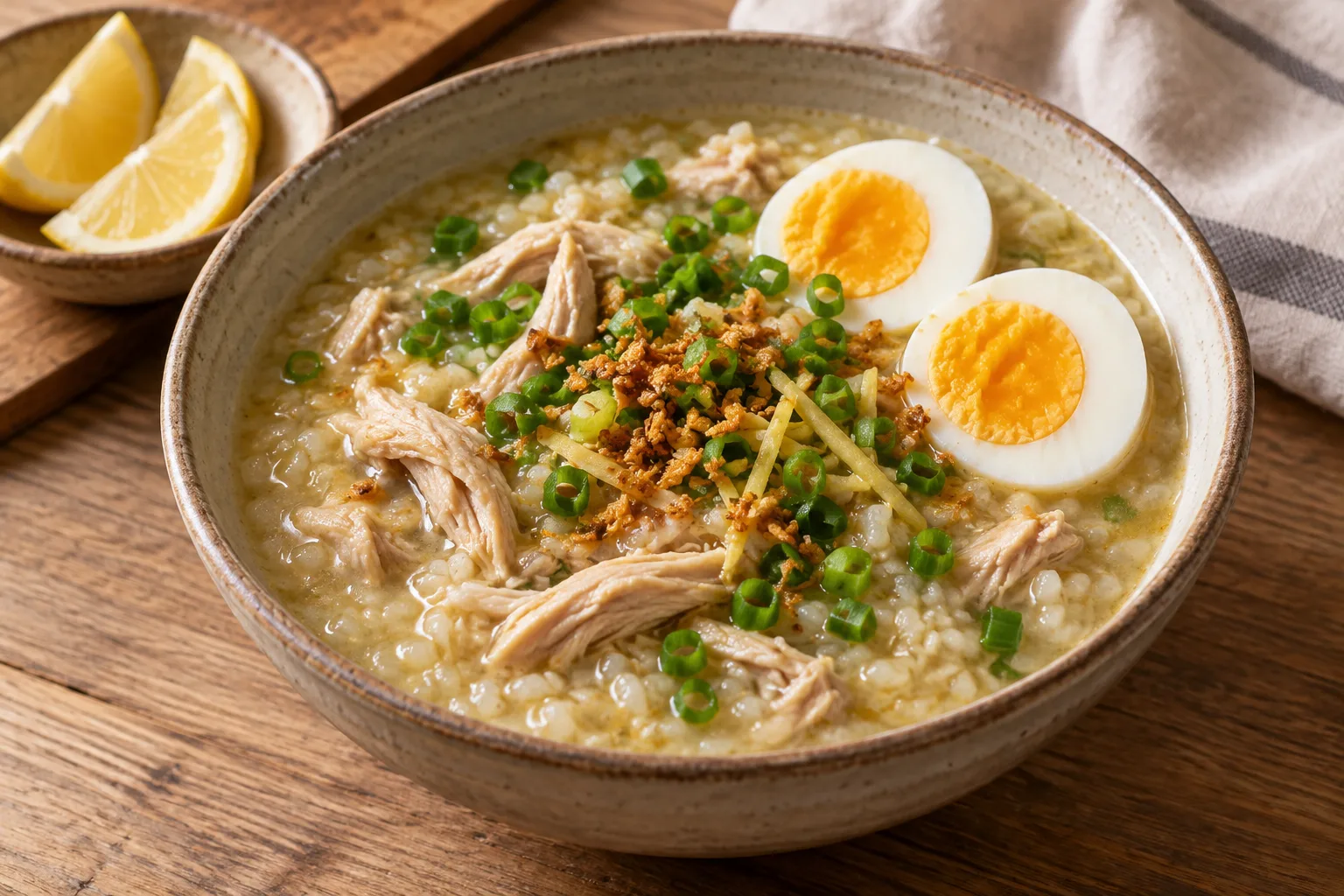
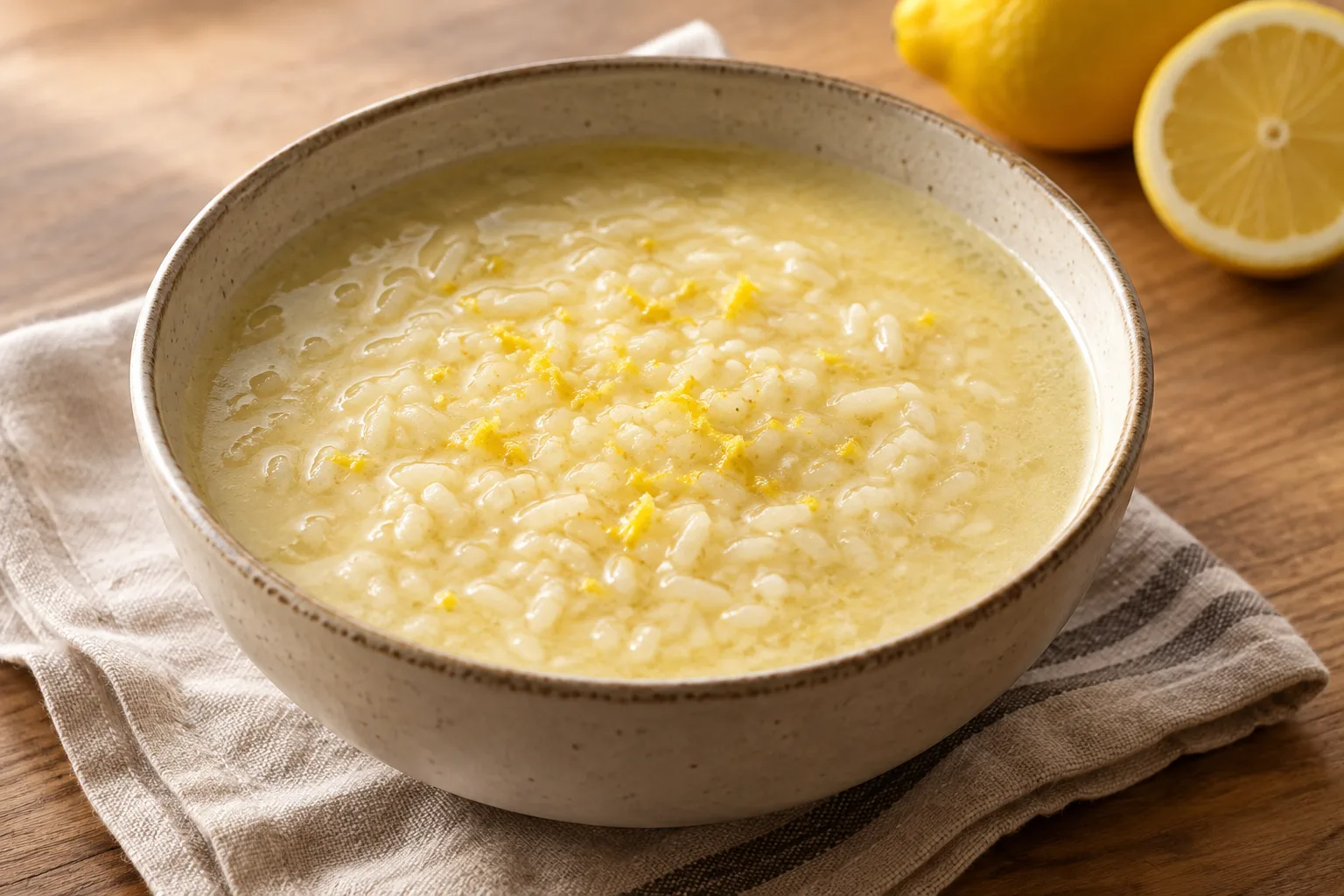
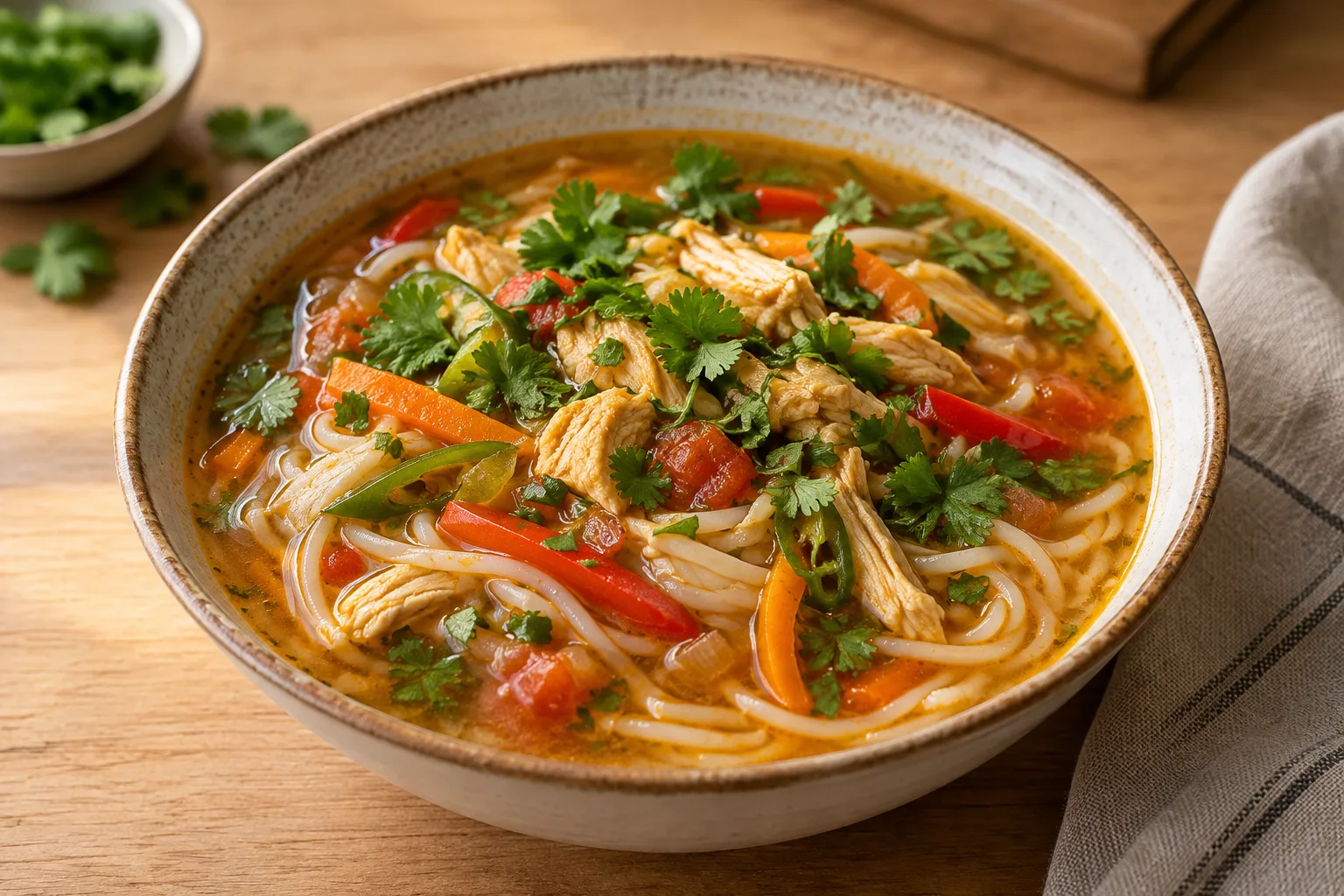
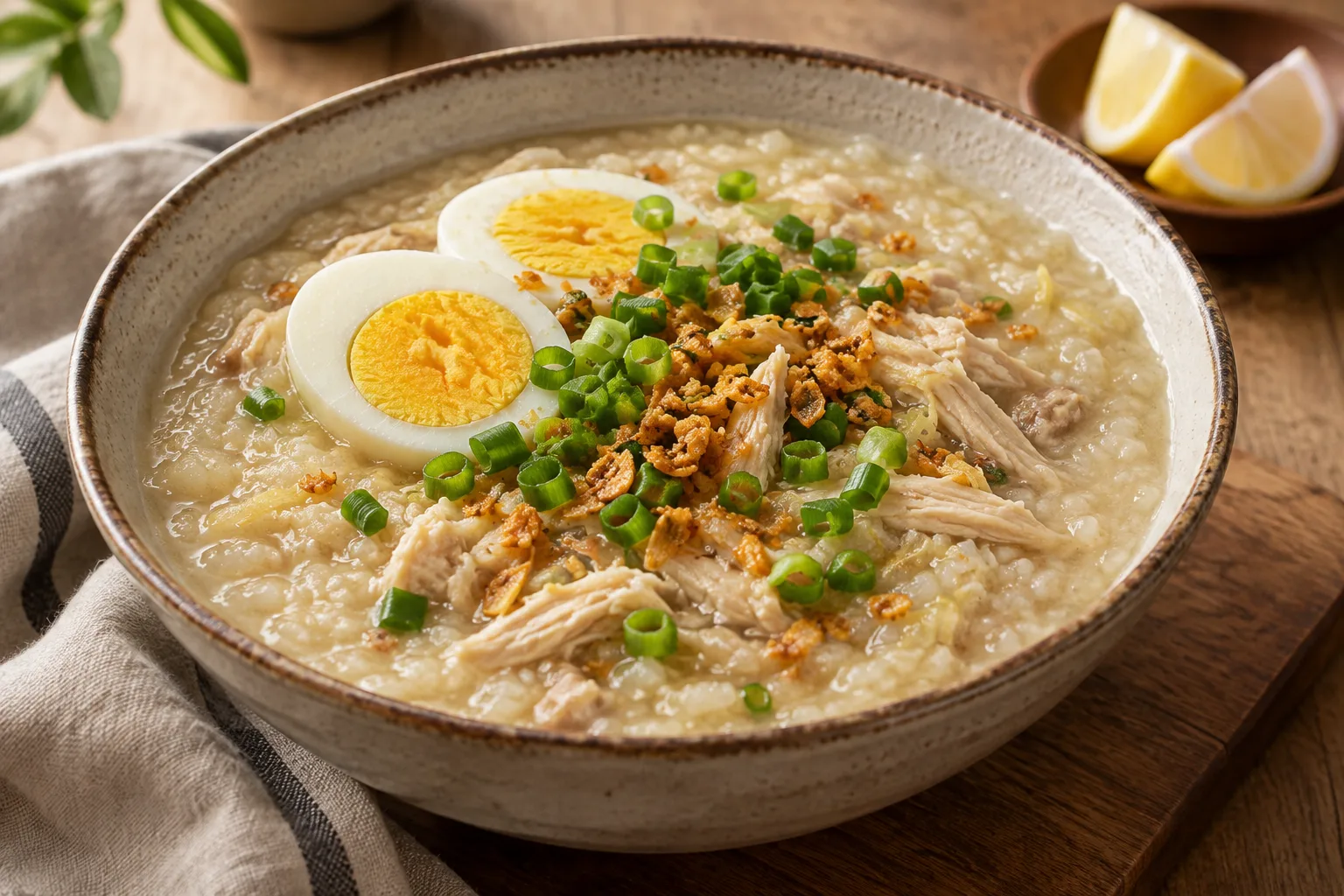
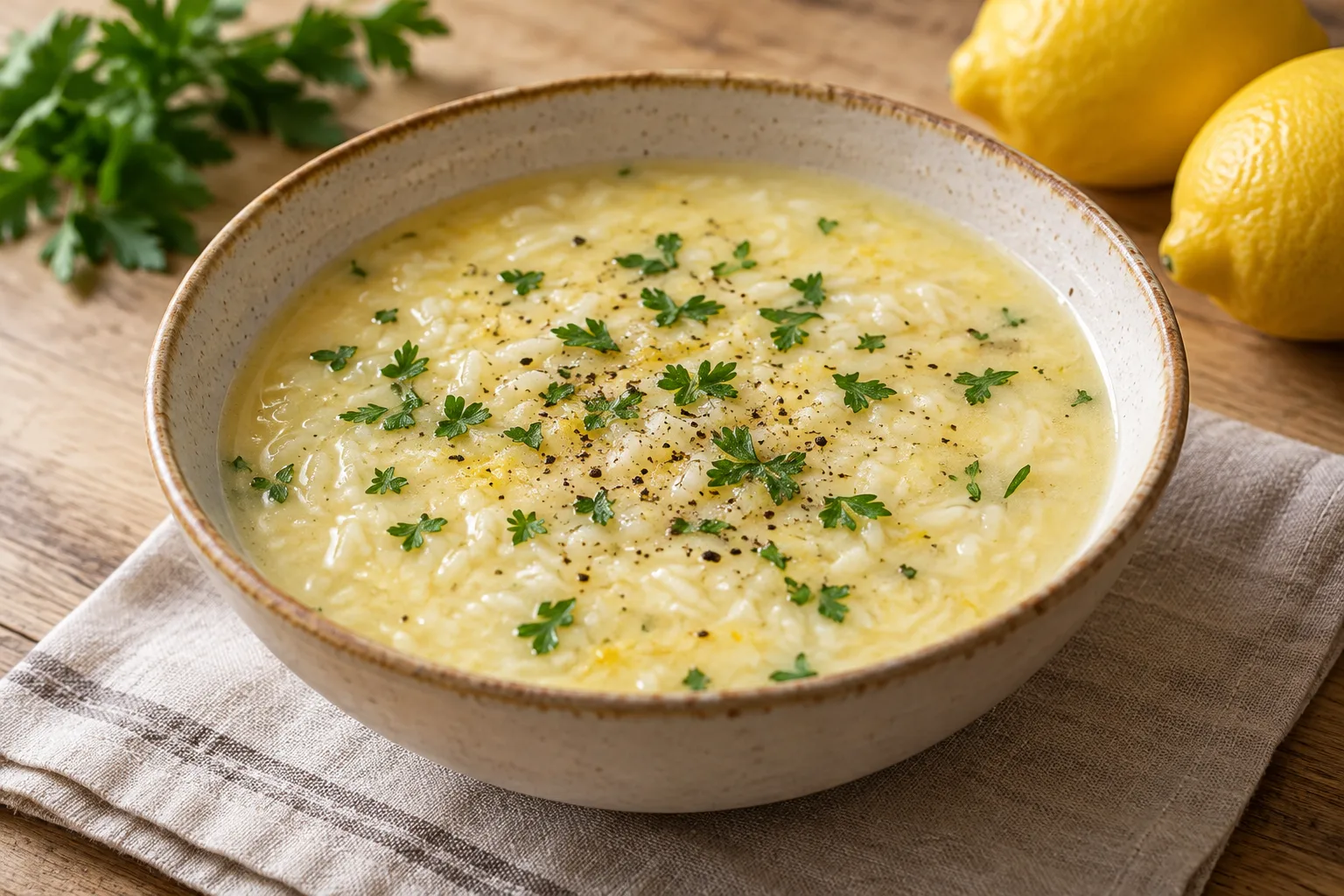
Chicken stock is a cooking liquid made in homemade preparations by simmering chicken or its bones in water, often with vegetables, herbs, spices and salt. There is no single fixed recipe: ingredients and styles differ, and commercial products can also have different formulations. It may be served as a soup or used to flavor the cooking liquid in another dish. It is not the same as a complete chicken soup containing pieces of meat, pasta or vegetables; stock is primarily the liquid used as a base or ingredient. Its intensity depends on the recipe or product selected.
When to use it
Use chicken stock when you want the liquid in a dish to contribute flavor as well as moisture. It works as a base for soups and puréed soups, as the liquid for cooking rice or other grains, and as part of stews and braises. It can also be added to a sauce to provide flavor and liquid. Choose a mild version when you do not want it to dominate other ingredients, or a more pronounced one when you want the poultry flavor to stand out. Recipes and products vary, so taste the dish before adding more salt.
How to use it
Replace some or all of the water called for when cooking rice or other grains with chicken stock, keeping in mind that the finished dish will taste of poultry. For soups, puréed soups and stews, use it as the cooking liquid and combine it with the other recipe ingredients. You can also add it to a pan with other components to make a sauce, or use it in a braise. Adjust the amount to suit the recipe and taste before seasoning: some stocks contain salt, and formulations differ. If the product is concentrated, follow its dilution directions rather than treating it automatically as ready-to-use stock.
Flavour and texture
Chicken stock contributes a recognizable poultry flavor, with intensity that varies according to the recipe, herbs, vegetables, salt and product type. It is liquid; homemade stock may have more body than a lighter version, but the available evidence does not support assuming a fixed consistency for every stock. In a dish, it can add depth to the cooking liquid without replacing the flavors of the other ingredients.
How to choose it
Read the label to distinguish ready-to-use stock from a concentrated product or a mix that must be prepared. Check the ingredient list and directions, since commercial formulations can vary: some products include flavorings, starch, yeast extract, herbs or other components. Choose a profile that suits the dish, and do not assume that all products have the same strength or formulation.
Storage
The available evidence does not establish a universal shelf life or storage temperature for every type of stock. Keep the product in its packaging and follow the storage directions on its label, especially after opening. For homemade stock, a culinary source describes freezing it in suitable containers; do not assign a storage period that is not given by the recipe or container.
Substitutions
Vegetable stock is an alternative when you want to avoid chicken flavor or make a dish without poultry stock. Water works when the other ingredients provide enough flavor, though the result may be less complex. Beef stock can also replace chicken stock, but its stronger flavor may change the balance of the dish; dilute it with water if needed.
Common mistakes
Do not assume all stocks have the same concentration, salt level or ingredients: check the packaging and taste before seasoning. Avoid replacing all the liquid in a recipe without considering how the chicken flavor will affect the finished dish. Also, do not confuse stock with a complete soup, which may include meat, rice, pasta or vegetables.
Safety and allergens
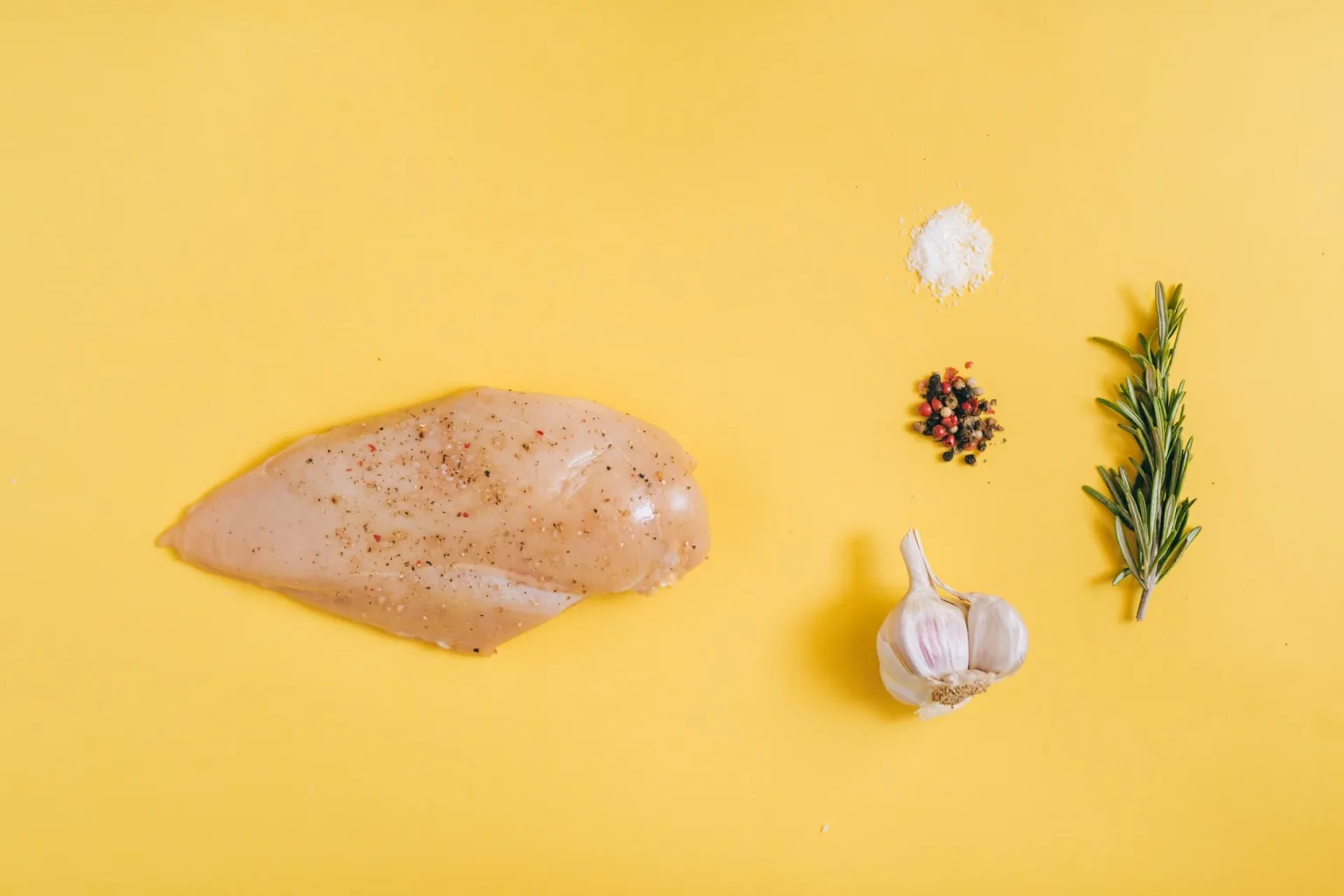
If making stock from raw chicken, an official guide cited here recommends cooking chicken meat until it reaches 70 °C at the center of the product. This reference does not by itself establish a shelf life or storage conditions for prepared stock; follow the directions for the specific product.
Culinary uses
- base líquida para sopas, cremas y guisos
- líquido de cocción para arroces y otros cereales
- componente para salsas y estofados
Recommended techniques
- cocer arroz u otros cereales en el caldo
- añadirlo a sopas y guisos como líquido de cocción
- reducirlo para concentrar su sabor en una salsa
Pairs well with
- arroz y pasta
- zanahoria, cebolla y apio
- ajo y hierbas como perejil, tomillo o laurel
- pollo y otras verduras
Frequently asked questions
What is chicken stock used for?
It is used as a base for soups, puréed soups, stews and sauces, and as the cooking liquid for rice or other grains.
Can I use chicken stock instead of water for rice?
Yes. Stock gives rice a chicken flavor; replace some or all of the specified liquid and adjust the seasoning after tasting.
What can I use if I do not have chicken stock?
Vegetable stock or water are options. Beef stock can also work, though its stronger flavor may change the character of the dish.
Estimated nutrition
- Fat
- 1.2 g
- Saturates
- 0.32 g
- Carbohydrate
- 3.53 g
- Sugars
- 1.58 g
- Fibre
- 0 g
- Protein
- 2.52 g
- Salt
- 0.36 g
Sources and review
Automatically researched, cross-checked and validated content. Sources consulted:
- TIEMPO-TEMPERATURA.pdf aesan.gob.es
- ¿Por qué la muerte es origen de miedos y tabúes? doi.org
- Caldo de pollo - Wikipedia, la enciclopedia libre es.wikipedia.org
- 🥇El origen y la clasificación del caldo de pollo en la gastronomía. reyvinoblanco.com
- Caldo de Pollo - Compra, Usos, Recetas - David Vanille davidvanille.es
- 3 datos que probablemente no sabías sobre el caldo de pollo eltiempo.com
- Caldo de pollo, el sabor del consuelo celebra su día elhorizonte.mx
- Caldo de Pollo Casero en 5 Pasos Fáciles - Paulina Cocina paulinacocina.net
- Caldo de pollo - Diccionario gastronómico laroussecocina.mx
- Los 5 Mejores Sustitutos Del Caldo De Pollo giotrace.com
- Las mejores salsas con caldo de pollo que puedes cocinar - Pastas Gallo : Pastas Gallo pastasgallo.es
- ¿Necesitas un caldo de pollo vegano o simplemente no tienes? 10 mejores sustitutos bitemybun.com
- Sácale provecho al caldo de pollo | Recetas Nestlé recetasnestle.com.co
- Cómo hacer un caldo de pollo casero y reconfortante con sabor y sin nada de grasa directoalpaladar.com
- Maridajes para caldo de pollo en Latinoamérica ✓ basmatic.com
- Adiós al caldo de pollo casero soso: el truco del chef Michelin es asar el pollo antes moncloa.com
- 7 Recetas con Caldo Casero de Pollo - Gallina Blanca gallinablanca.es