- Category
- Dairy and eggs
- State
- Liquid
- Usual unit
- cup
What it is
Coconut milk is a liquid made by combining coconut flesh with water and straining or filtering the mixture. It can also be made by diluting coconut cream with water. It is not the liquid found inside a coconut, and it is not necessarily the same as a coconut drink sold for drinking as a milk alternative. Commercial names and concentrations vary: some versions are fluid, while thicker, more concentrated products are often sold in cans for cooking. Some brands include emulsifiers or thickeners; the ingredient list tells you about the particular product. In some products, the solids and liquid may separate. That appearance alone does not mean the product is a different food.
When to use it
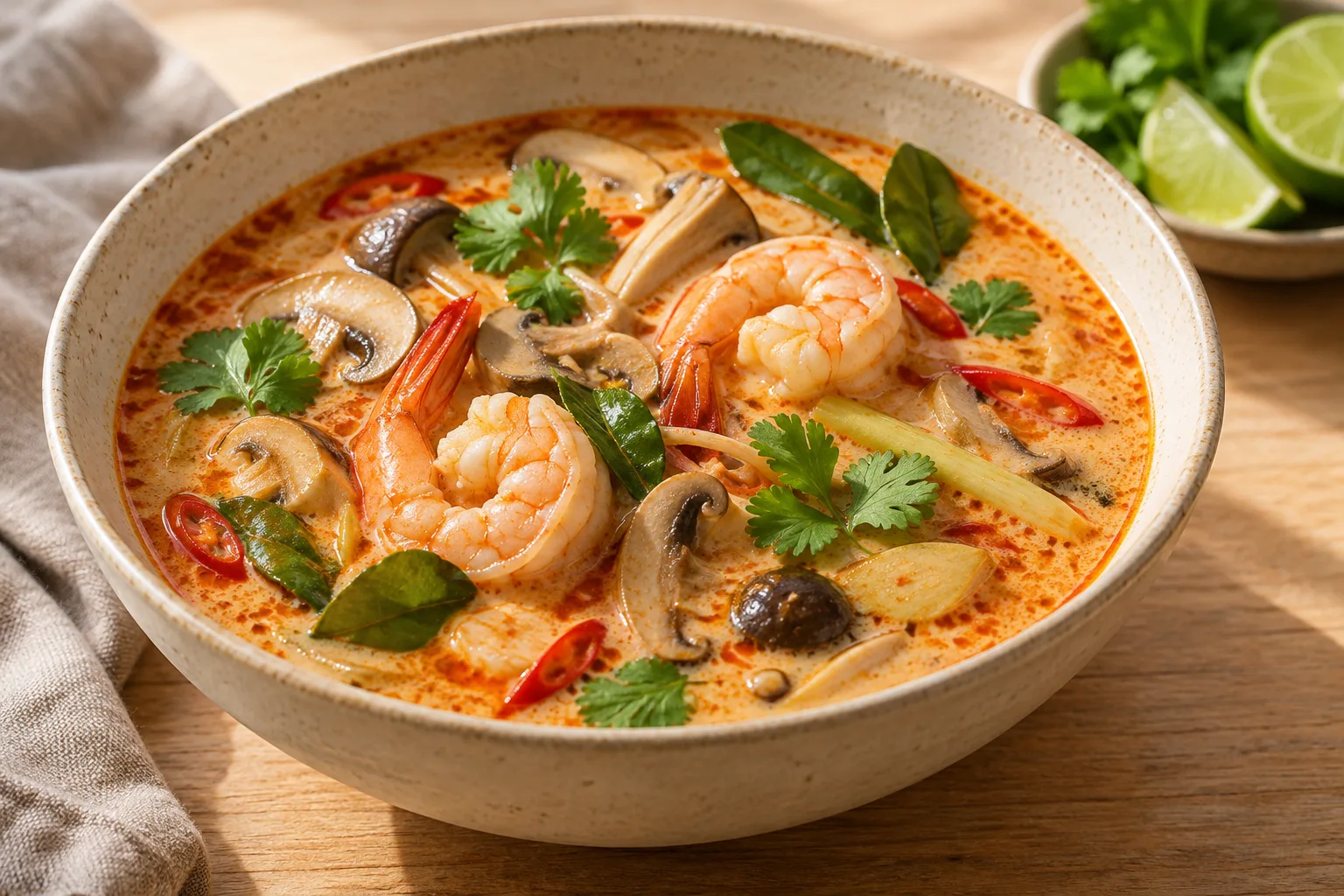
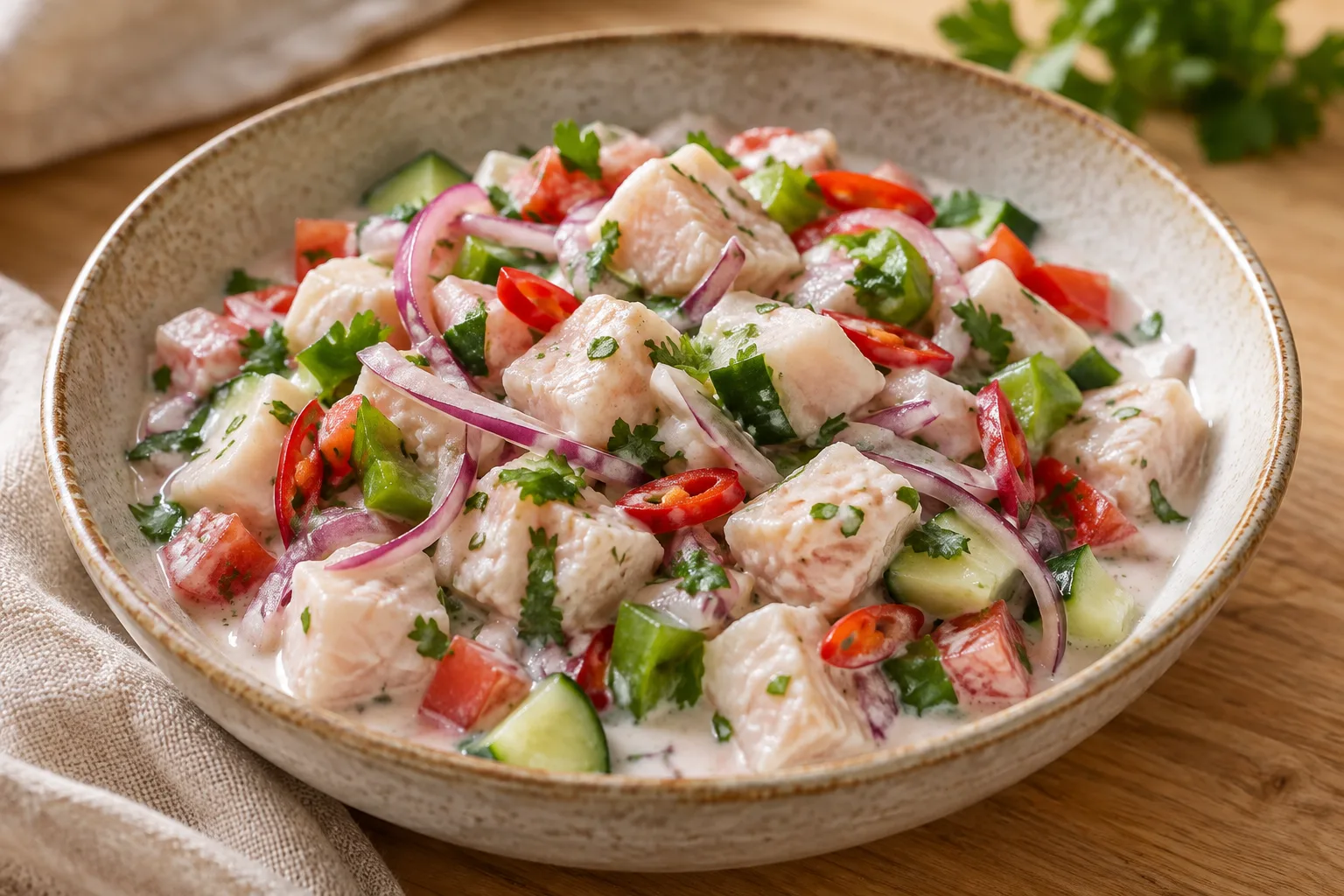
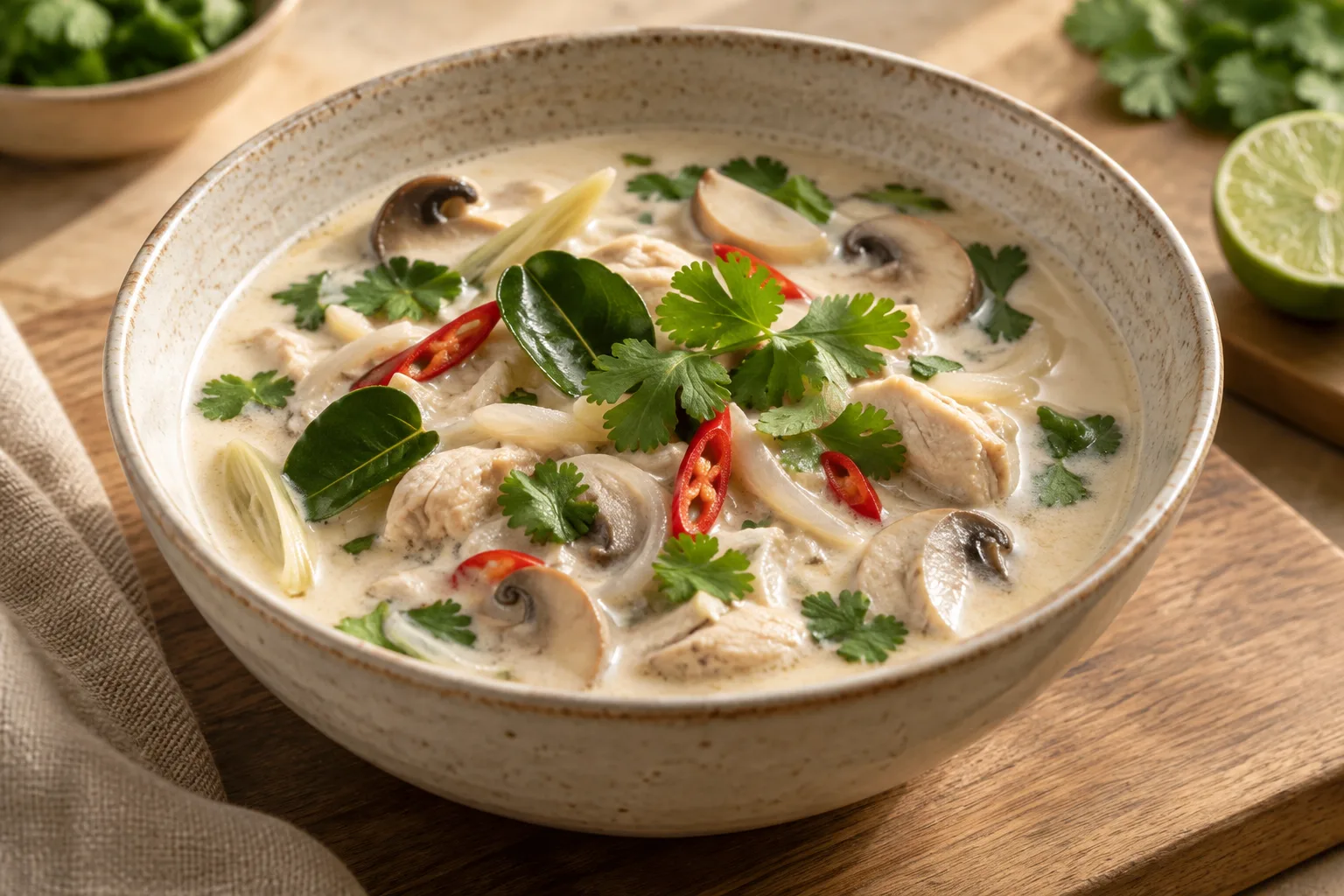
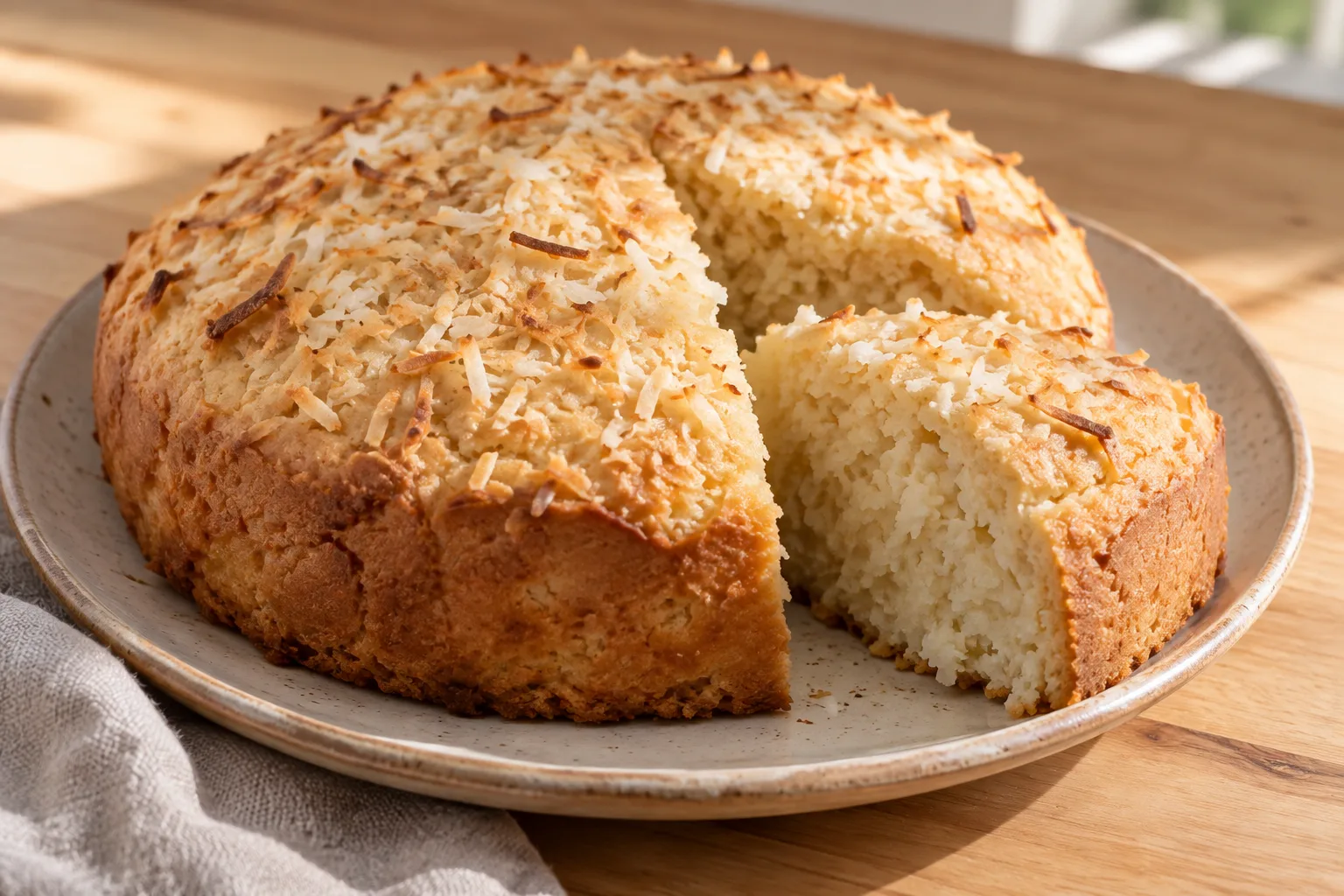
Use coconut milk when you want to add coconut flavour and body to a dish, such as a curry, soup, sauce, dip, or dessert. A more concentrated version is generally a better fit when a recipe needs a thick texture; a coconut drink may suit drinking or recipes that can accommodate a thinner liquid. Concentration and texture vary between brands, so compare the product with the recipe’s needs and check the label before substituting one form for another.
How to use it
Check the label to confirm whether you have cooking coconut milk, a coconut drink, coconut cream, or coconut water: their concentrations and uses are not interchangeable. If the contents have separated, shake the container or stir the product until the phases combine, when the label allows. Add it to soups, curries, and sauces as part of the liquid base; it can also be used in desserts and drinks. If switching to a thinner or thicker version, adjust the recipe’s liquid gradually and check the result. If the product is sweetened, account for that sweetness before adding other sweet ingredients.
Flavour and texture
It tastes of coconut and can range from fluid to thick, depending on the coconut-to-water ratio and the formulation. Concentrated cooking versions are generally thicker than coconut drinks. In some packages, the solid portion and liquid may separate; mixing them gives a more uniform texture. Flavour and mouthfeel also vary between brands, so the product name alone cannot tell you exactly how intense it will be.
How to choose it
Check the label to see whether the product is cooking coconut milk, a coconut drink, coconut cream, or coconut water. Names can vary between brands, so also read the ingredient list and check the stated or visible consistency. Choose a concentrated cooking version for recipes that need body and a drink for lighter uses. If the recipe depends on the result, check whether the product is sweetened and whether it contains added ingredients such as thickeners or emulsifiers.
Storage
Follow the storage instructions on the package, since the format and processing of products can differ. The available information does not support a universal storage duration or set of conditions after opening. If the contents have separated, shake or stir before use when the label directs or allows it. Separation can be a texture variation; by itself, it is not enough to determine whether a product is safe or spoiled.
Substitutions
A coconut drink may work when a recipe can be thinner, but it may not have the same concentration. Coconut cream can add more body; check that it is not sweetened cream of coconut before using it in a savoury dish. Since names vary between brands, compare labels and adjust the recipe’s liquid and sweetness gradually.
Common mistakes
Confusing cooking coconut milk with coconut water, a coconut drink, or cream of coconut can substantially change a dish’s texture and result. Another mistake is discarding a product solely because its contents have separated: some products become uniform when shaken. Check the label and mix the contents when appropriate. Do not assume all brands have the same concentration or that every product called cream is thicker than every product called milk.
Safety and allergens
Follow the package instructions for storage and use. If you have a coconut allergy or are unsure whether a product is suitable for you, check its label and do not consume it unless you can confirm it is appropriate.
Culinary uses
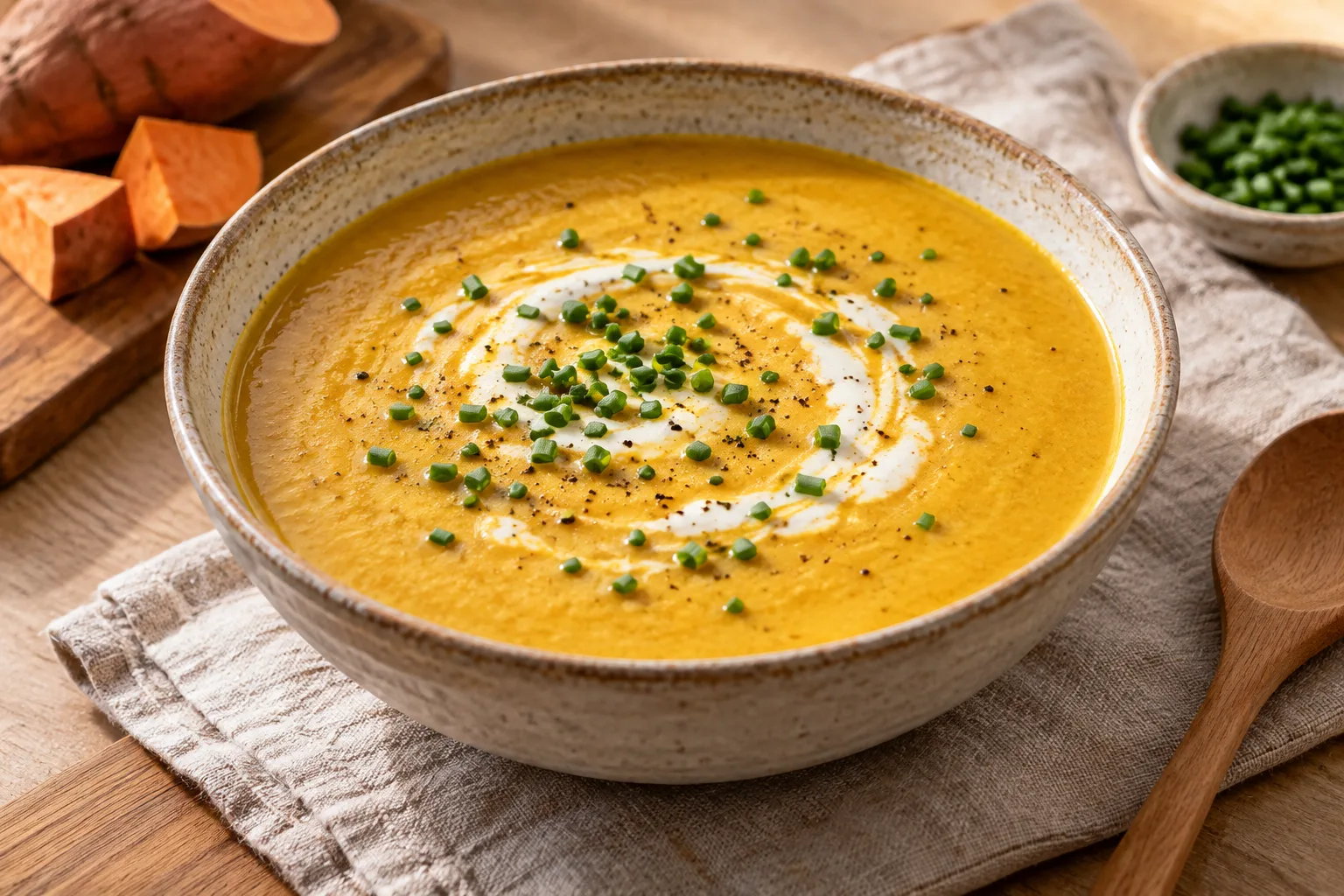
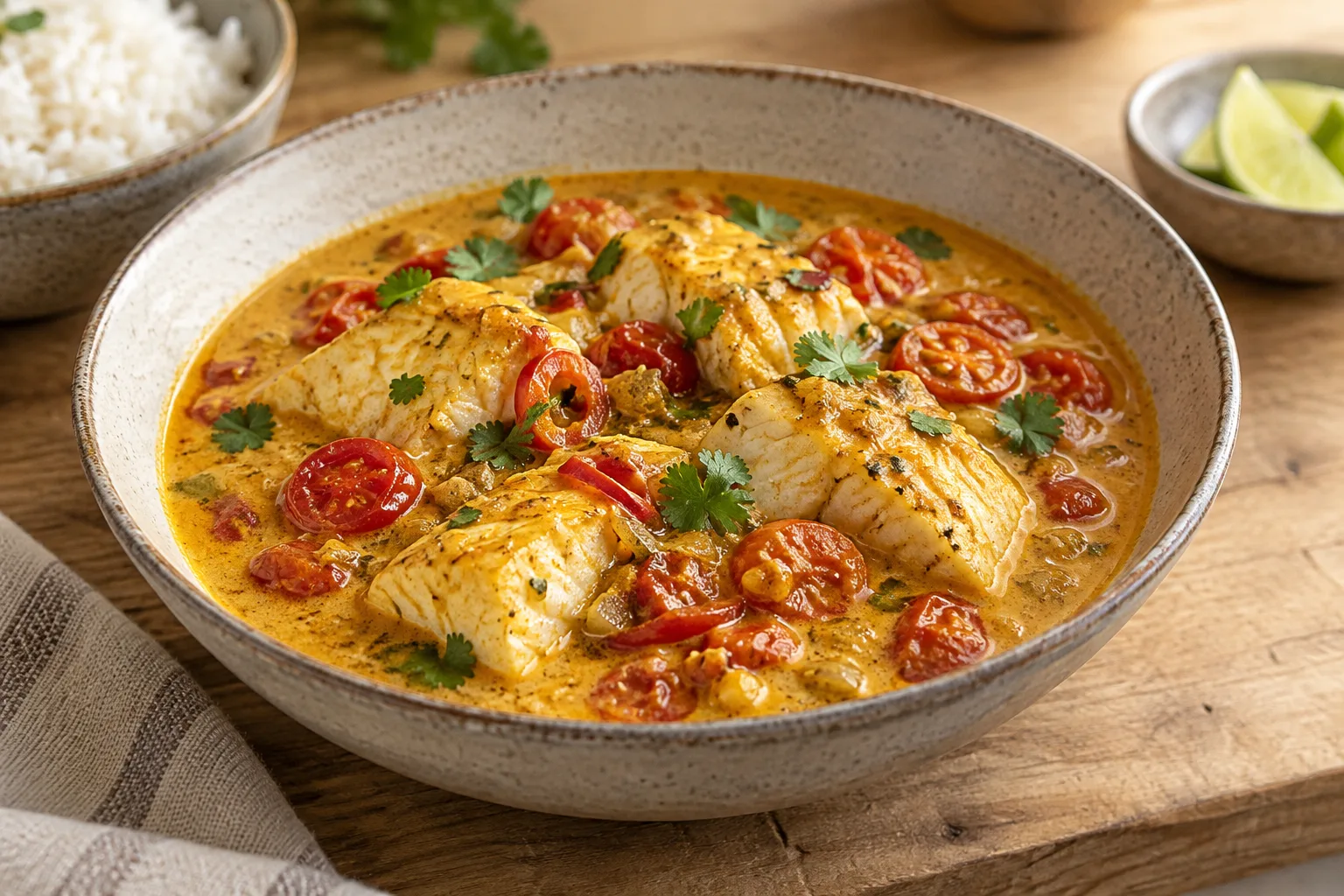
- Base cremosa para sopas, curris y salsas
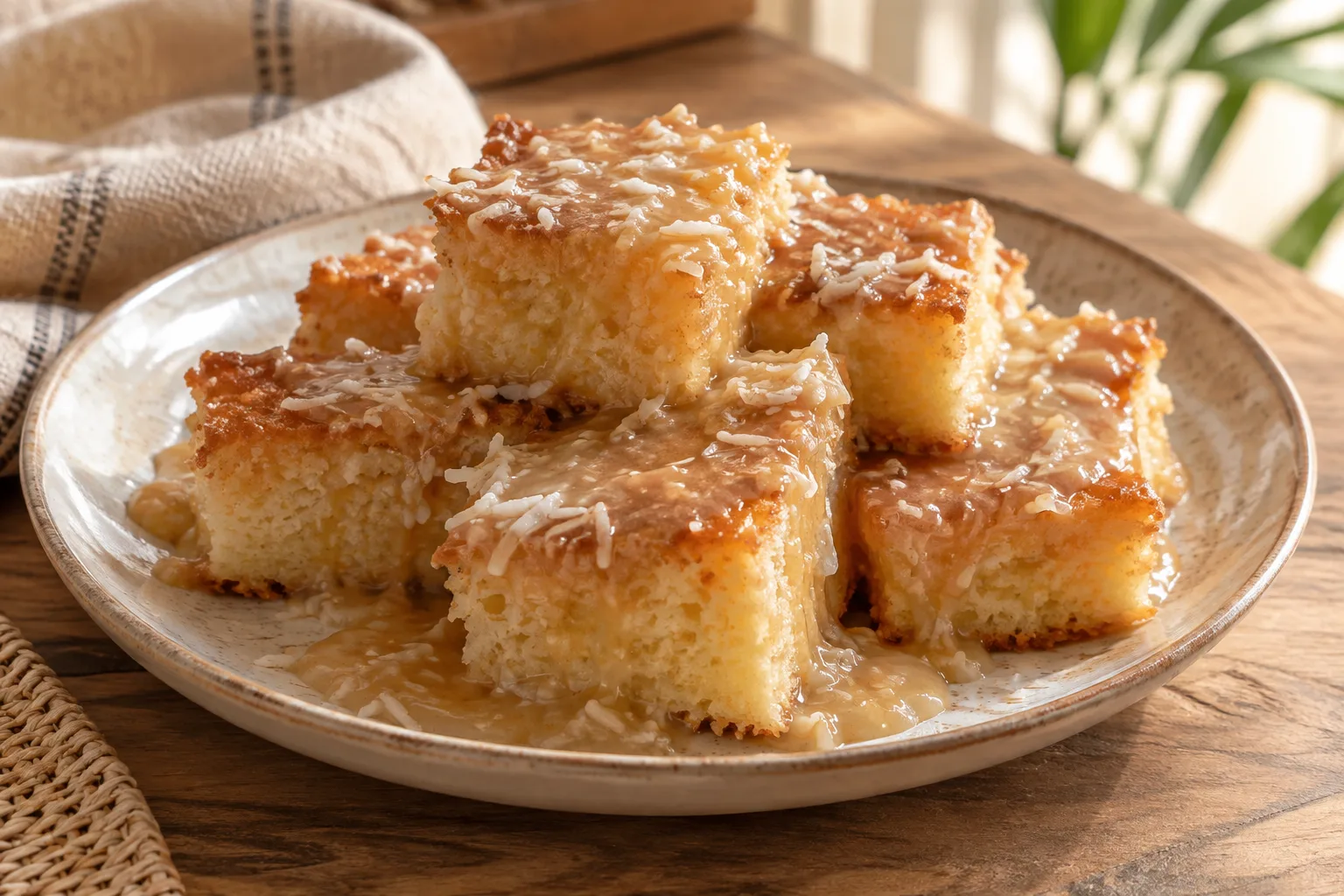
- Ingrediente líquido para postres y bebidas
Recommended techniques
- Agitar o mezclar para volver a integrar las fases separadas
- Incorporar a sopas, salsas, curris o preparaciones dulces
Pairs well with
- Curris y sopas
- Salsas y dips
- Postres y batidos
Frequently asked questions
Is coconut milk the same as coconut water?
No. Coconut milk is made from coconut flesh and water; coconut water is the liquid inside the fruit.
Why has my coconut milk separated?
Some versions may separate into a solid portion and liquid. Shaking or stirring can recombine them; check the product label.
Can I substitute a coconut drink for coconut milk?
Sometimes, if a thinner result works for the recipe. A coconut drink and cooking coconut milk may have different concentrations, so check the label and adjust the recipe.
Estimated nutrition
- Fat
- 19.3 g
- Saturates
- 15.8 g
- Carbohydrate
- 5.26 g
- Sugars
- 3.51 g
- Fibre
- 0 g
- Protein
- 1.75 g
- Salt
- 0.09 g
Sources and review
Automatically researched, cross-checked and validated content. Sources consulted:
- ¿Por qué la muerte es origen de miedos y tabúes? doi.org
- The Essential Glossary of Cooking Terms for the Culinary Arts - Escoffier escoffier.edu
- Nutrition After Your Transplant - Health Online healthonline.washington.edu
- opinión científica aesan.gob.es
- Study Abroad: Oaxaca: Cuisine and Culture - Colorado Mountain College coloradomtn.edu
- Food for Seniors | Focus: HOPE focushope.edu
- Edition Parent Communications Unit 4: Fats in Foods hsph.harvard.edu
- FSHN20-49/FS411: Plant-Based Milks: Coconut ask.ifas.ufl.edu
- Falvey Library :: Food blog.library.villanova.edu
- Leche de coco: propiedades, aplicaciones e importancia en la industria | FDCM fdcm.eu
- La leche de coco a examen - Formacion en Gastronomia formacionengastronomia.com
- Qué es la leche de coco, cómo utilizarla en cocina y siete recetas en la que brilla directoalpaladar.com
- La Leche de Coco: Un Ingrediente Esencial en Tu Cocina Profesional - Rodrigo Alimentación rodrigoalimentacion.com
- Historia y origen de la leche de coco en la cocina mundial roland.cr