- Category
- Vegetables
- State
- Fresh
- Usual unit
- g
What it is
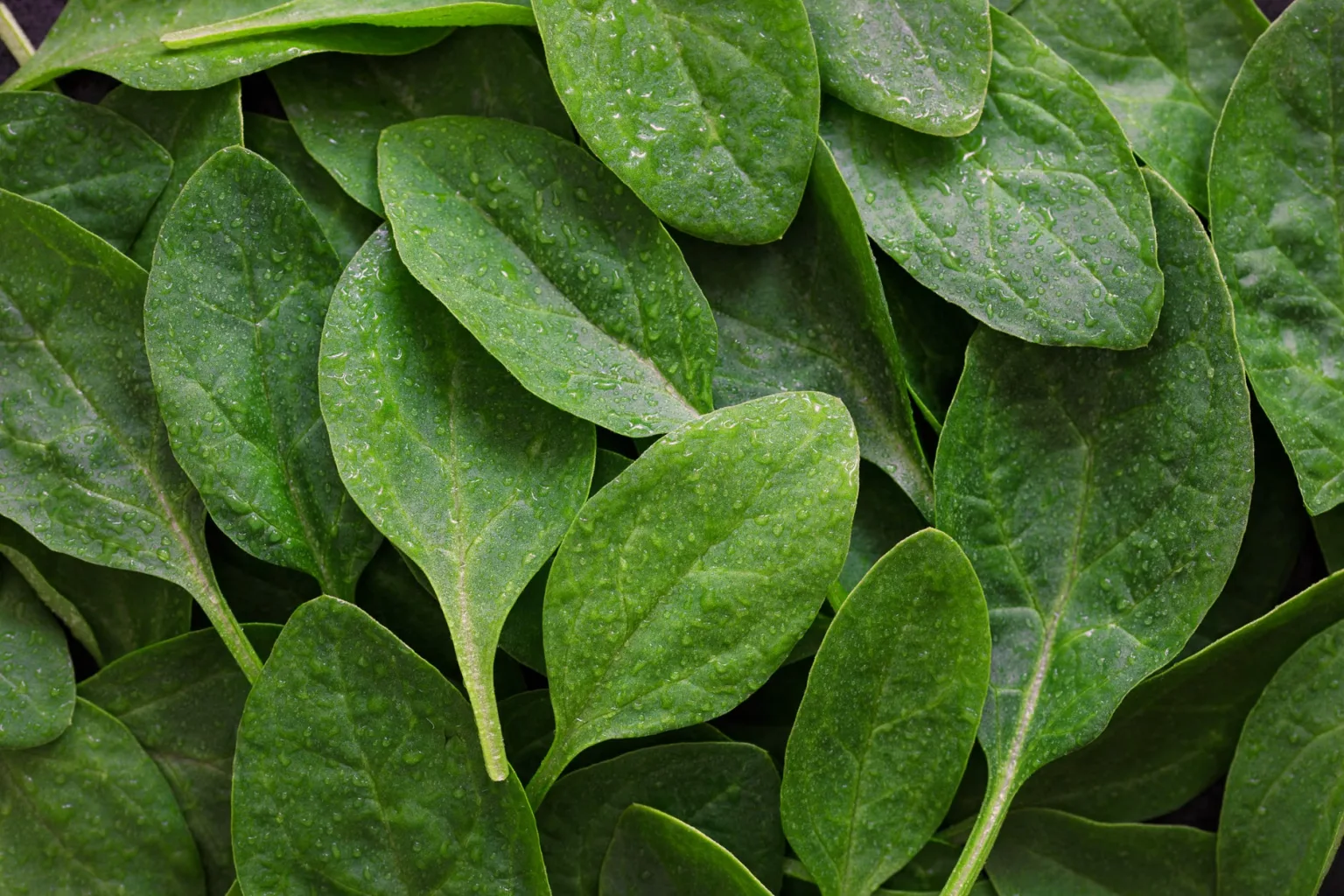
Fresh spinach is the edible leaf of Spinacia oleracea, a leafy vegetable sold loose, in bunches or in bags. Leaves may be smooth or crinkled, small or mature; these differences affect texture and use, but they are all spinach. Young leaves tend to be more tender, while more developed leaves have greater body and may taste slightly bitter. Spinach is eaten raw or cooked and belongs to the Amaranthaceae family.
When to use it
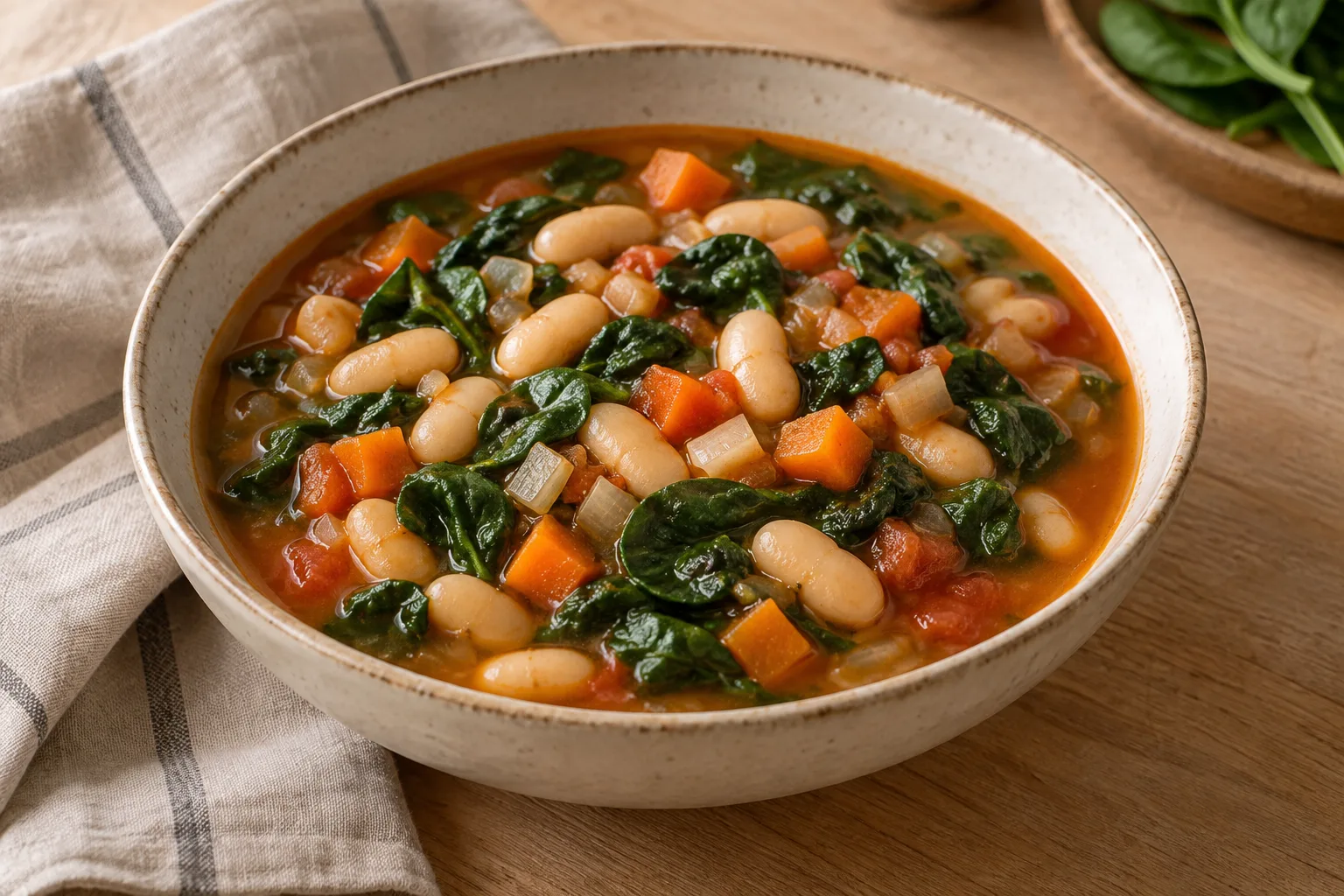
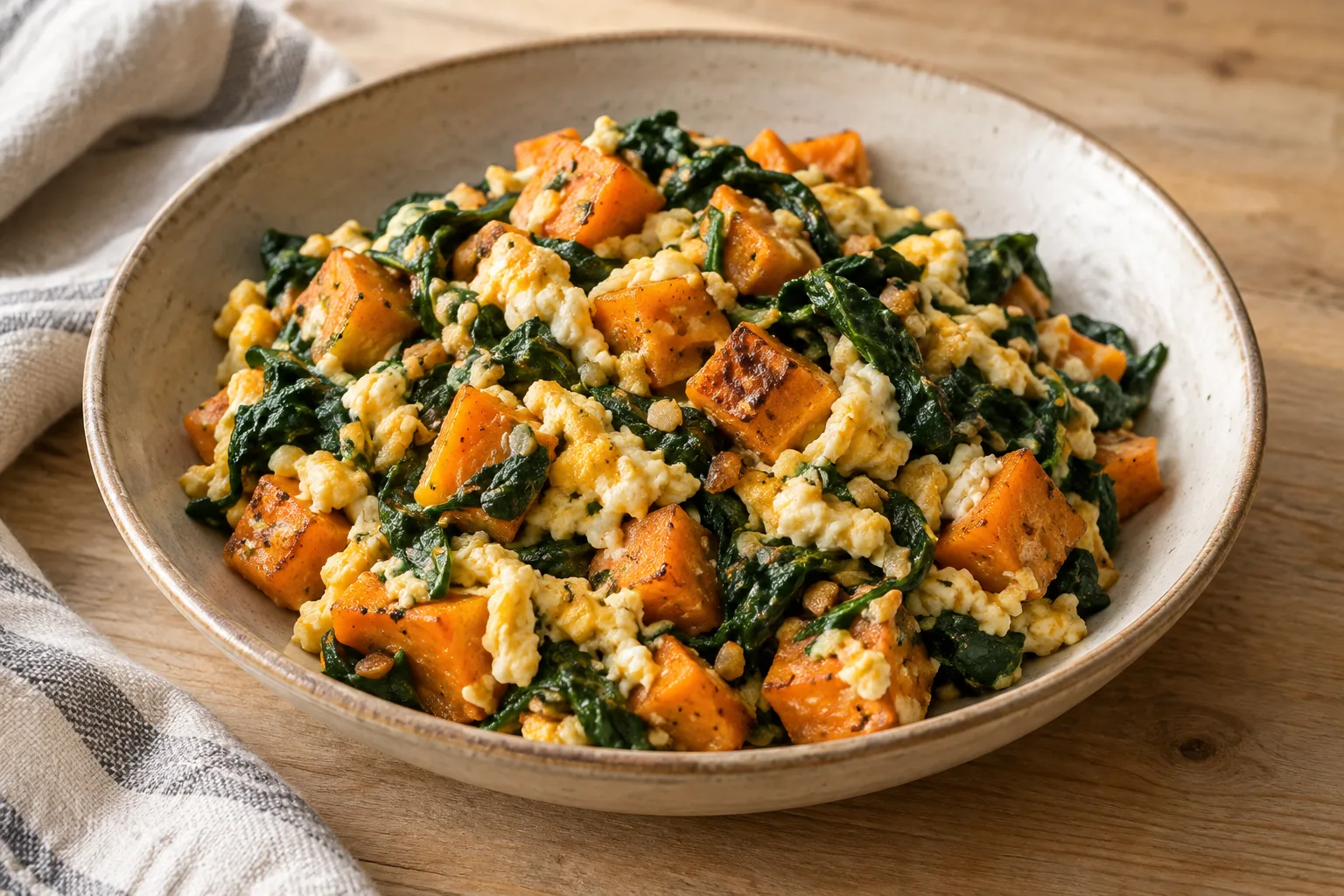
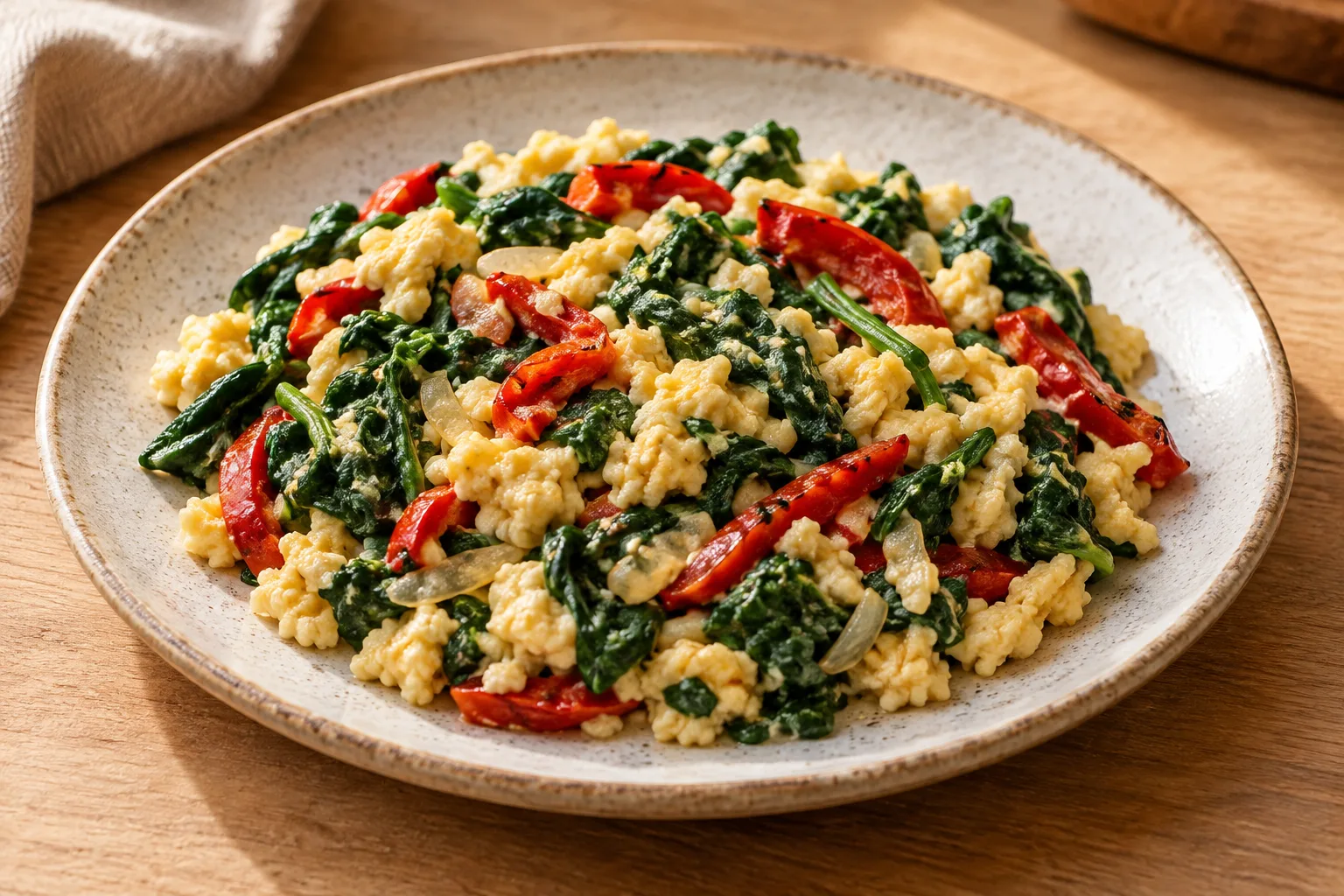
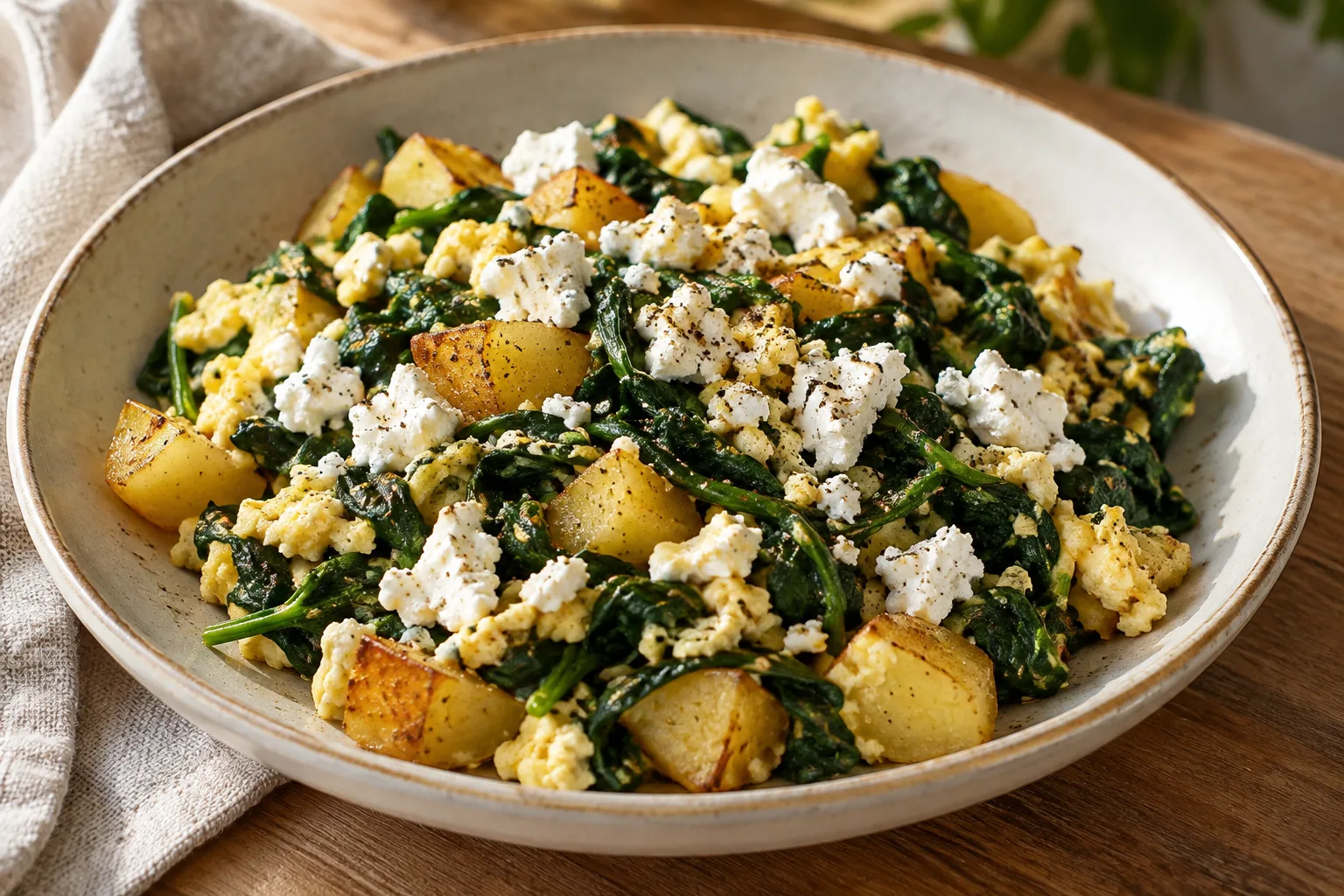
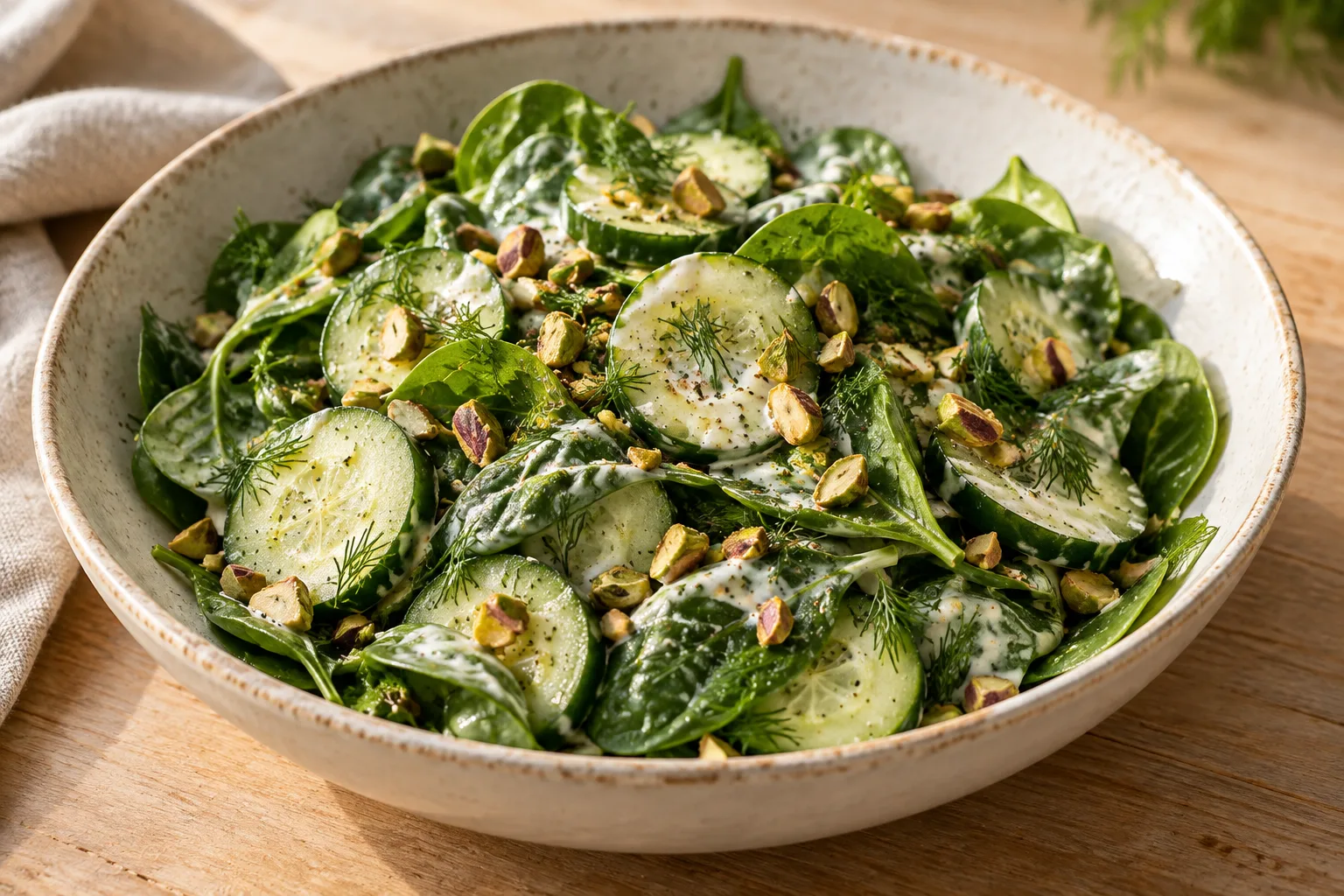
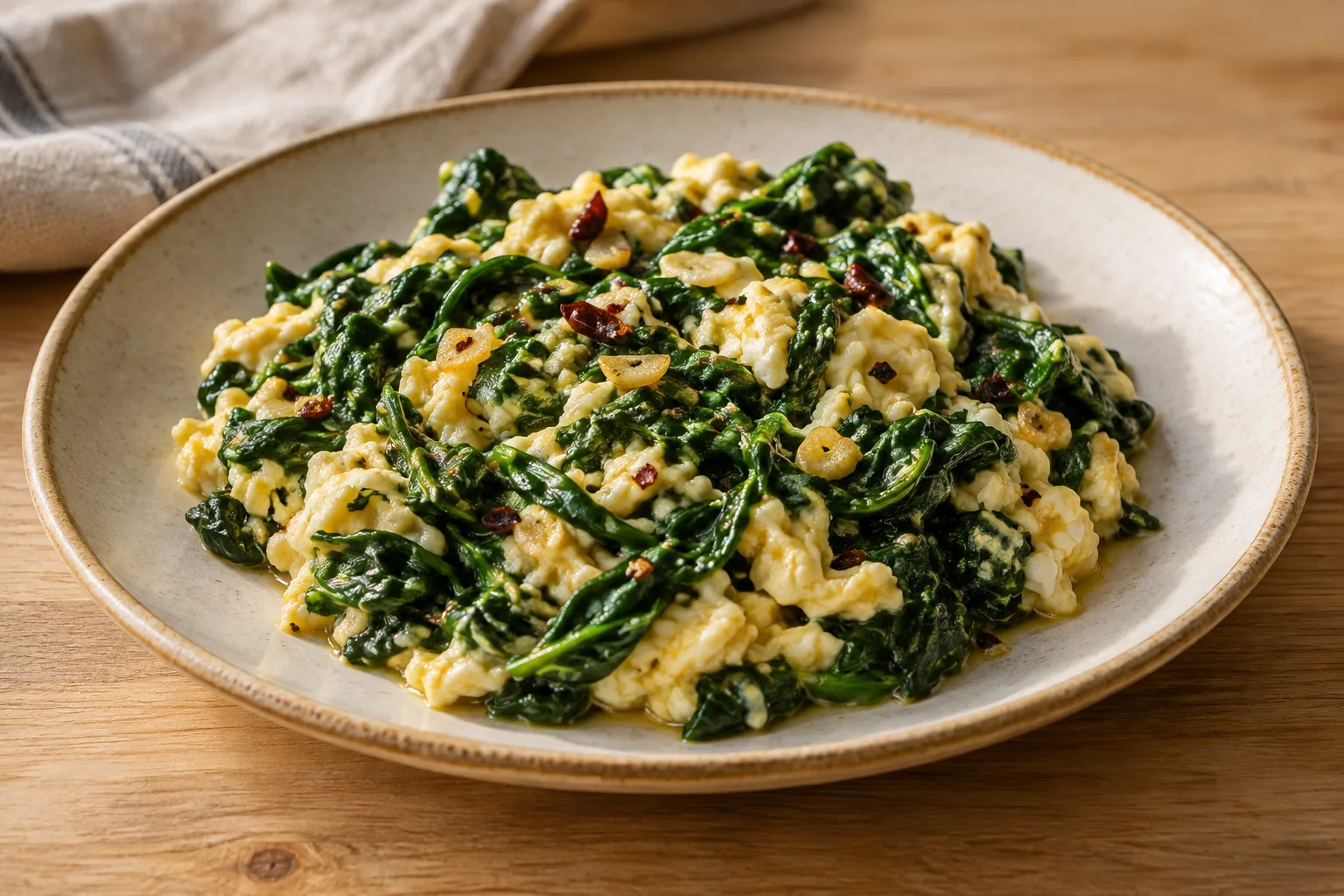
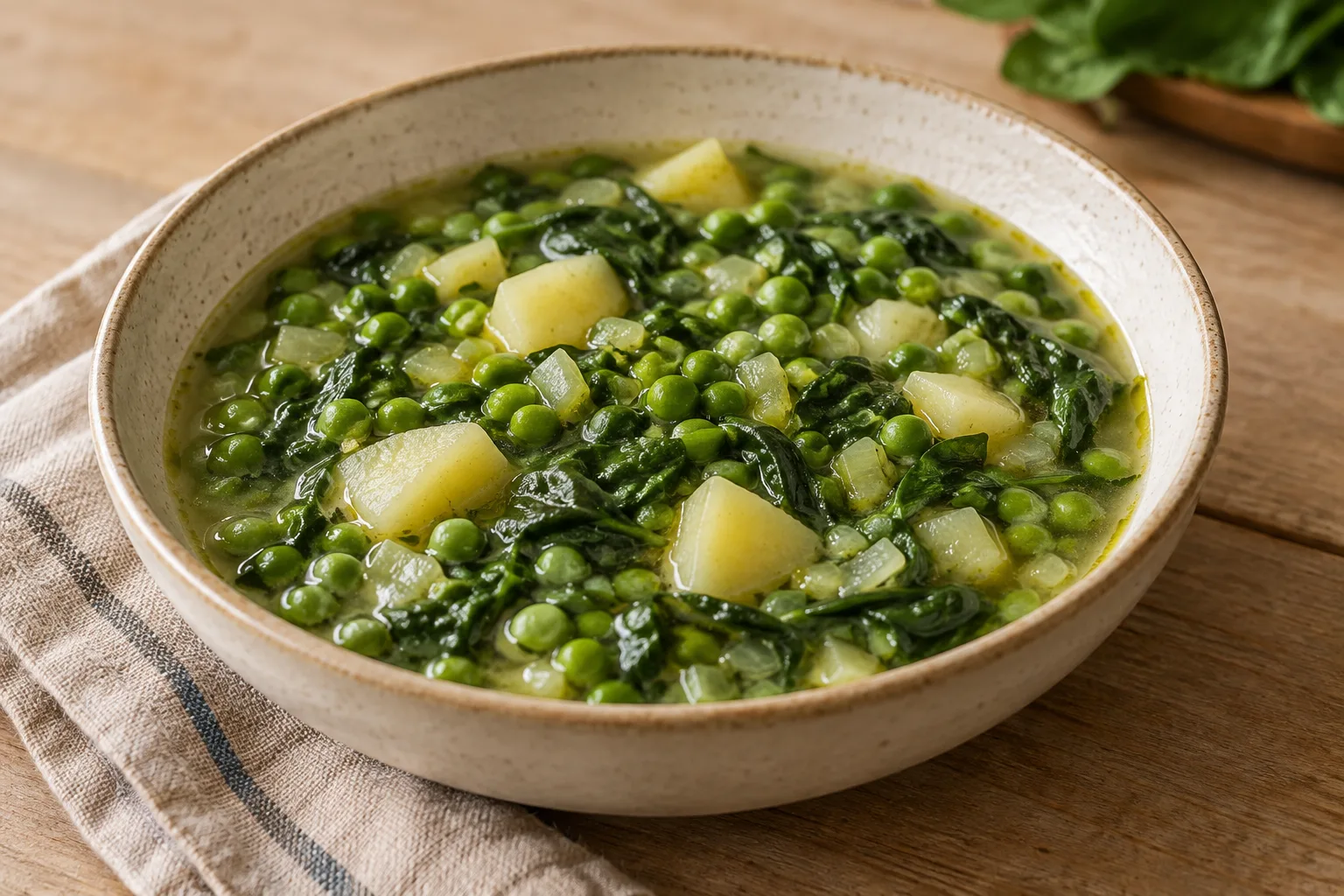
Choose fresh spinach when you want a leafy green for salads, fillings, omelets, soups, stews or side dishes. Tender young leaves work well raw; mature leaves generally stand up better to brief cooking or can be mixed into dishes where a more pronounced texture is welcome. They lose a great deal of volume when heated, so allow for that when deciding how much to buy. In Spain, fresh spinach is commonly in season from autumn through spring, though it may be available at other times.
How to use it
Remove damaged leaves and any stems that seem too tough for the dish. Wash the leaves carefully to remove possible traces of soil, then drain them well before use, especially for salads. Serve them raw with a dressing or combine them with other leaves. For cooked dishes, sauté them briefly or steam them; you can also add them to soups, stews, omelets, quiches, fillings, purées and sauces. Add them in batches if the pan looks crowded: the leaves shrink substantially as they heat.
Flavour and texture
Spinach tastes green and fresh, with herbaceous notes; young leaves are usually milder and more tender than mature ones. Mature leaves can be somewhat fibrous and, depending on size and variety, slightly bitter. Smooth leaves are easy to clean, while crinkled leaves have a rougher surface and firmer texture. Raw spinach adds freshness and bite; cooked spinach becomes tender and takes up far less space.
How to choose it
Look for leaves that are evenly green, fresh-looking and firm. Avoid spinach that is wilted, yellowing, spotted, damaged, or wet and deteriorating. If buying a bunch, check that the stems are not excessively thick or fibrous for your intended dish. Small leaves are often more tender; larger leaves may suit cooked preparations better. Choose the format that fits your recipe and check the packaging when buying bagged spinach.
Storage
Keep fresh spinach refrigerated and follow any storage directions on the package. It is perishable, so plan to use it soon and remove leaves that deteriorate. To preserve its quality, avoid crushing the leaves and limit unnecessary exposure to moisture and air. If buying loose spinach, protect it in a suitable food bag or container. Wash the leaves before preparation rather than before storage, so they do not remain wet while being kept.
Substitutions
Tender chard is a reasonable substitute in cooked dishes, although its leaves and stems have their own texture and flavor. You can also mix the spinach you have with other leafy greens when the recipe allows a blend. For salads, choose tender substitutes; for soups, fillings or stews, a firmer leaf may work better. Adjust the quantity and preparation to suit the thickness and volume of the replacement.
Common mistakes
Do not assume all spinach has the same texture: larger leaves can be more fibrous than young leaves. Avoid crowding a pan with a large amount without adding it in batches, because spinach shrinks substantially. Do not cook it longer than needed if you want it to retain some structure and flavor. Also, inspect and wash the leaves before use, especially if soil is visible.
Safety and allergens
Follow any storage and use instructions on the package. Handle the leaves with clean utensils and surfaces; do not eat spinach that is deteriorated or has not been kept according to its storage directions.
Culinary uses
- hoja para ensaladas
- verdura para cocinar
- relleno y guarnición
Recommended techniques
- servir cruda
- saltear brevemente
- cocinar al vapor
- triturar en cremas o salsas
Pairs well with
- ajo y cebolla
- huevos y queso
- setas y piñones
- pescados y mariscos
Frequently asked questions
Can fresh spinach be eaten raw?
Yes. Tender leaves work well in salads and other raw preparations. Remove damaged leaves, wash them carefully and drain them before serving.
Why does spinach seem to disappear when cooked?
Fresh leaves shrink considerably when heated. Allow for a generous amount if you want spinach to remain a substantial part of the dish.
What is the difference between baby spinach and mature leaves?
Baby spinach is harvested young and is usually more tender and mild. Mature leaves have more body and can be more fibrous, so they are often used in cooked dishes.
Estimated nutrition
- Fat
- 0 g
- Saturates
- 0 g
- Carbohydrate
- 3.53 g
- Sugars
- 0 g
- Fibre
- 2.4 g
- Protein
- 2.35 g
- Salt
- 0.19 g
Sources and review
Automatically researched, cross-checked and validated content. Sources consulted:
- En el etiquetado alimentario hay algunas menciones que son obligatorias eletiquetadocuentamucho.aesan.gob.es
- Client Challenge doi.org
- Espinacas: beneficios y cómo usarla en la cocina - Cocina y Come cocinaycome.com
- Espinaca joseanalija.com
- Escuela de Cocina: LAS ESPINACAS tuprofedecocina.blogspot.com
- Espinaca | HerbaZest herbazest.com
- Espinaca | Introducción | Verduras y hortalizas | EROSKI CONSUMER verduras.consumer.es
- Descubre Todos los Tipos de Espinacas: Variedades, Características y Beneficios jardineriaon.com
- Espinaca: origen, cultivo, propiedades y beneficios. frutamerca.com
- Espinacas - Infoalimenta infoalimenta.com
- Gastronomía sefardí - Wikipedia, la enciclopedia libre es.wikipedia.org
- Las mejores recetas para cocinar con espinacas: fáciles, caseras y rápidas directoalpaladar.com
- Recetas Cómo cocinar espinacas: seis maneras de disfrutar con una verdura maltratada: Cómo cocinar espinacas: seis maneras de disfrutar con una verdura maltratada | El Comidista | Gastronomía | EL PAÍS elpais.com
- Aesan - Agencia Española de Seguridad Alimentaria y Nutrición aesan.gob.es
- Descubre los beneficios y recetas con espinacas recetasdecocina.elmundo.es
- Cómo cocer espinacas frescas o congeladas - PequeRecetas pequerecetas.com