- Category
- Herbs and spices
- State
- Powdered
- Usual unit
- teaspoon
What it is
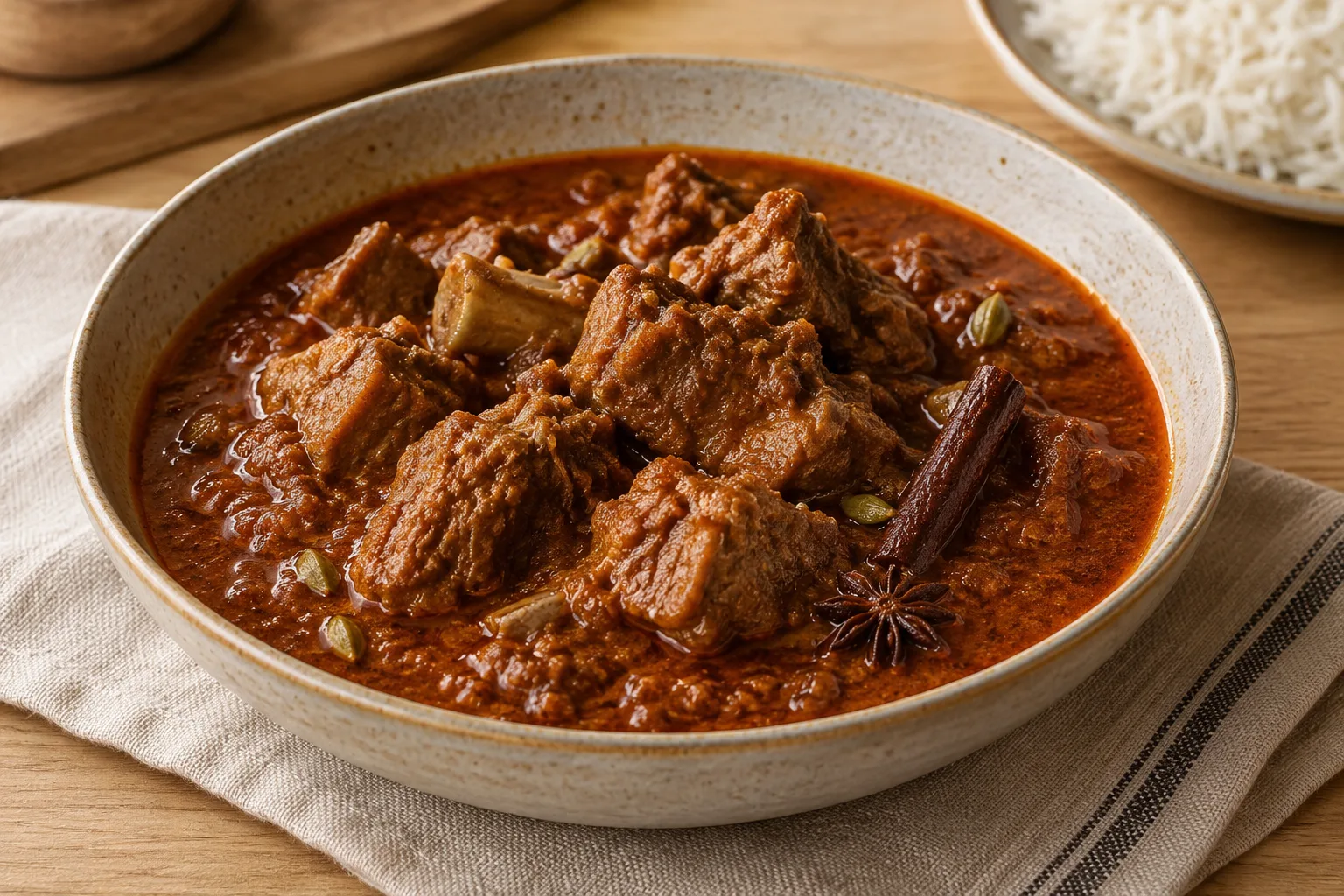
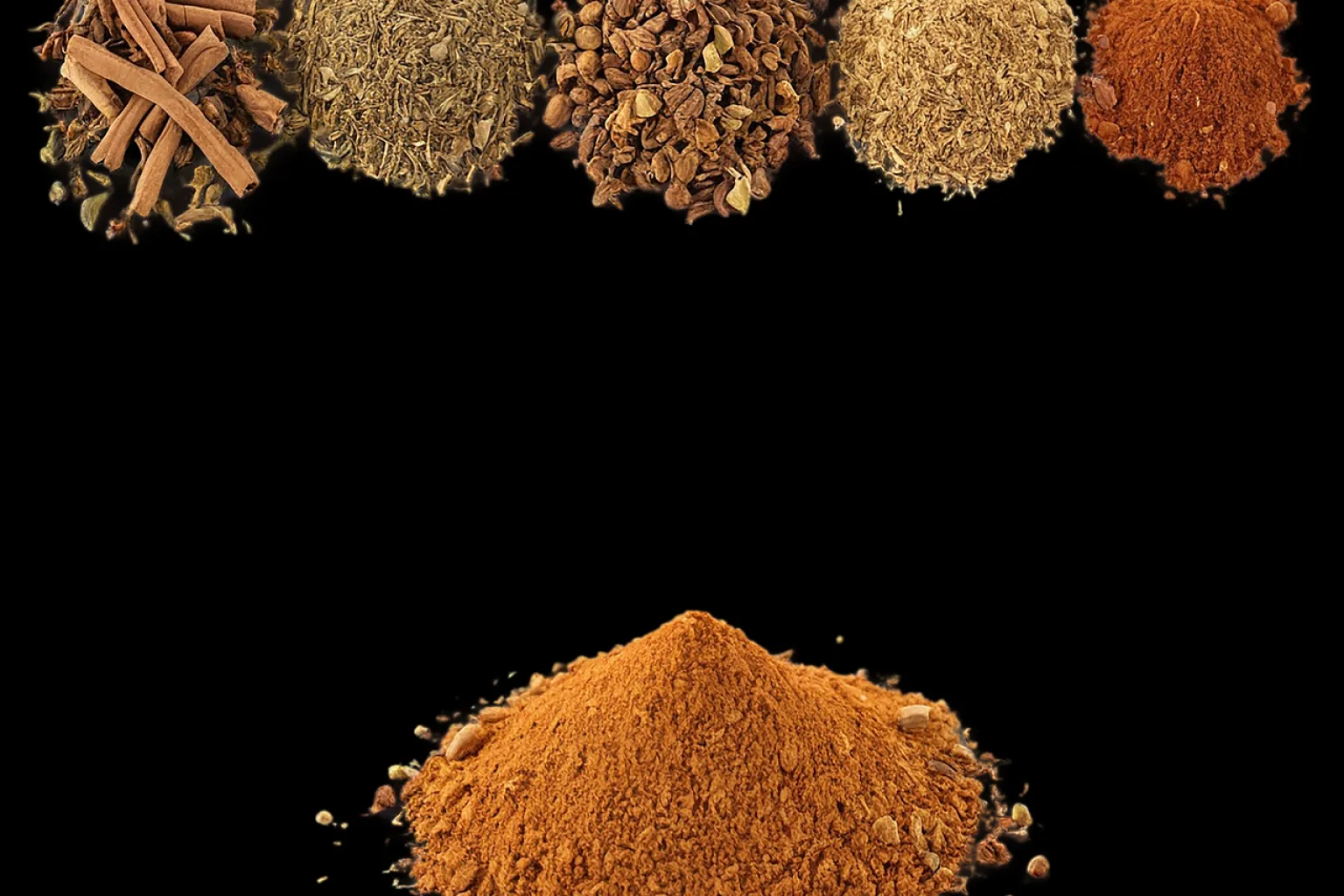
Garam masala is a ground spice blend associated with several cuisines of the Indian subcontinent. It has no single universal formula: its ingredients can vary with region, household, cook, and intended dish. Cumin, coriander, cinnamon, cardamom, cloves, and black pepper are among the spices commonly found in it, while some versions include other ingredients. The word “garam” refers here to a warming aromatic quality, not necessarily to a high level of chili heat. For that reason, check the ingredient list or taste a small amount before seasoning a dish.
When to use it
Use it when you want to add aromatic depth to stews, curries, or legume dishes such as chickpeas. It can be incorporated during cooking with other aromatics, or added near the end when you want its fragrance to stand out. The best approach depends on the blend and the recipe: some formulas are more intense or more pungent than others. Do not assume it replaces every other spice in a dish; some recipes use garam masala alongside additional seasonings.
How to use it
Start with a small amount and adjust after tasting, since blends can differ considerably in their ingredients and strength. For a stew or chickpea dish, you can add it to a base of onion and other aromatics along with the recipe’s other seasonings. You can also reserve some to stir in near the end if you want a more noticeable aroma. In a moist preparation, the blend can be combined with other ingredients to make a seasoning paste. Do not confuse it with curry powder: they are different products, and garam masala itself has no fixed ingredient list. If the blend is unfamiliar, use it sparingly at first.
Flavour and texture
It typically has an assertive aroma and warm, complex, spiced notes. Cinnamon and cardamom can contribute aromatic nuances, while cumin, coriander, cloves, and pepper help build a deeper profile; the exact blend can differ. Despite what the name may suggest, not every version is hot. As a ground blend, it has a powdery texture and mixes readily into stews and sauces.
How to choose it
Read the ingredient list: garam masala varies, and there is no single formula that every brand must follow. Choose a blend whose spice profile suits the dish you plan to make, and check that it has a noticeable aroma. If you prefer to control the result, make a blend from whole or ground spices such as cumin, coriander, cinnamon, cardamom, cloves, and black pepper. Buy an amount you can use while its aroma is still pronounced.
Storage
Keep it tightly closed in a cool, dry, dark place, away from heat and moisture, which can reduce the intensity of spices. Avoid leaving the container open while cooking, and do not store it next to a heat source such as the stove. Keep the label and purchase date, and smell the blend before using it: if much of its fragrance has faded, it may contribute less flavor. Ground blends lose aroma over time; there is no single time limit that applies to every brand and storage condition.
Substitutions
You can approximate its profile by combining individual spices such as cumin, coriander, cinnamon, cardamom, cloves, and black pepper, adjusting the blend to taste. The result will not be identical because ingredients and proportions vary. In some preparations, a masala paste can replace the powdered blend, but it adds moisture and may behave differently during cooking. Curry powder is not an automatic substitute: its composition and flavor may differ.
Common mistakes
Do not assume every blend has the same ingredients, strength, or level of heat. Avoid adding a large amount without tasting first, since a concentrated blend may dominate a dish. Do not confuse garam masala with curry powder or automatically use it in place of every seasoning in a recipe. When adding it, consider whether you want its aroma to develop during cooking or remain more noticeable at the end.
Safety and allergens
The available sources provide no specific safety warning for garam masala. Read the label on the blend you buy, and handle it with clean, dry utensils.
Culinary uses
- Aporta aroma cálido y complejidad a platos salados
- Sirve como condimento de acabado o como parte del sazonado durante la cocción
Recommended techniques
- Incorporar a una base de cebolla y otros aromáticos
- Añadir hacia el final de la cocción para resaltar su aroma
- Mezclar con ingredientes húmedos para formar una pasta de condimento
Pairs well with
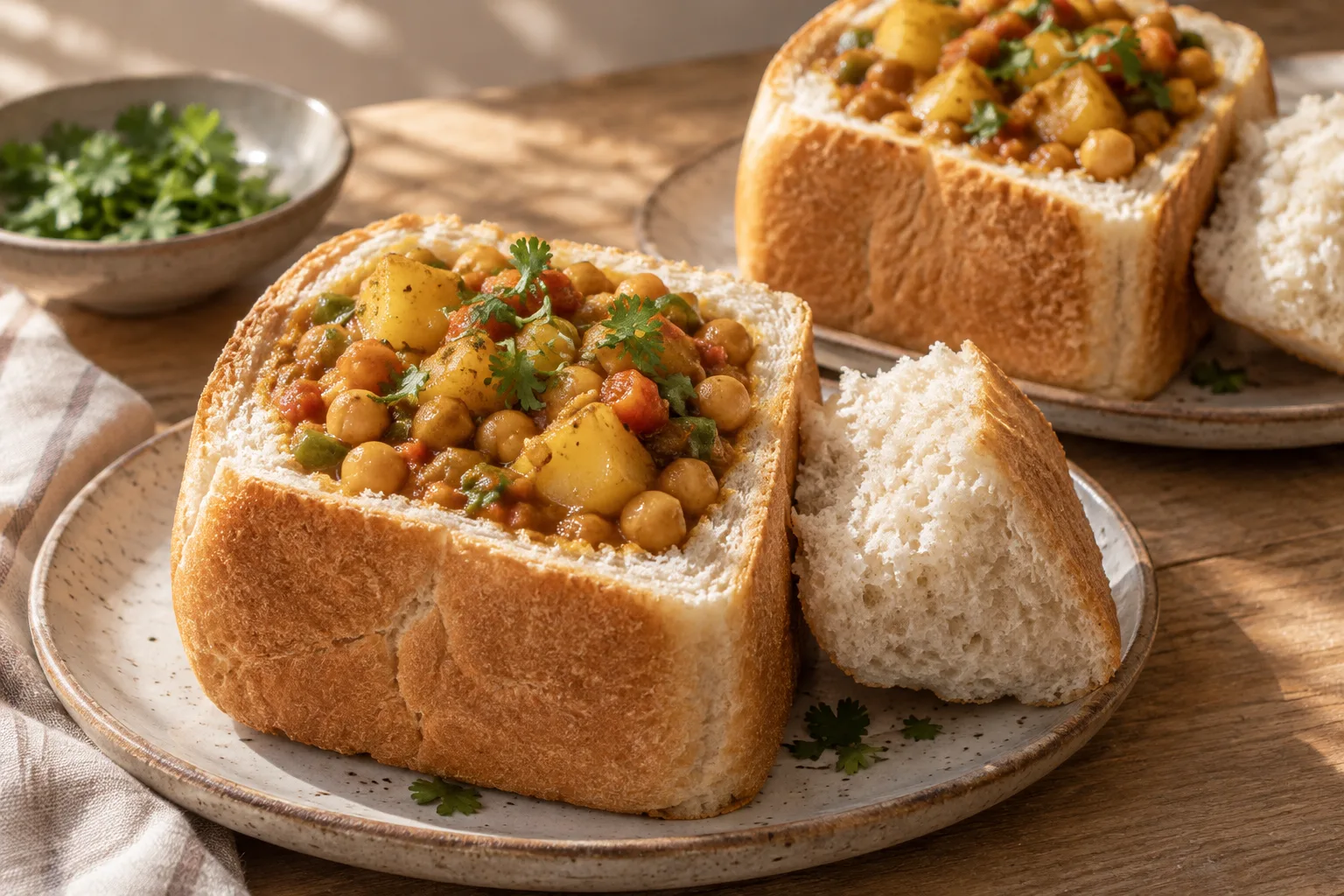
- Garbanzos y otros platos de legumbres
- Guisos y curris
- Platos especiados de carne
Frequently asked questions
Is garam masala always hot?
No. “Garam” refers to a warming aromatic quality, and heat depends on the ingredients in each blend. Check the label or taste a small amount.
Do all garam masala blends contain the same spices?
No. The ingredients vary with region, maker, and intended use. Cumin, coriander, cinnamon, cardamom, cloves, and black pepper are common, but not universal.
Can I use garam masala in a chickpea dish?
Yes. It is used to season chickpea dishes and other legume preparations. Add it with other aromatics and adjust the amount by tasting.
Sources and review
Automatically researched, cross-checked and validated content. Sources consulted:
- Client Challenge doi.org
- The Essential Glossary of Cooking Terms for the Culinary Arts - Escoffier escoffier.edu
- Curry - Wikipedia, la enciclopedia libre es.wikipedia.org
- 5 Tips for Buying and Storing Spices (at the Holidays and All the Year Round) | Institute of Culinary Education ice.edu
- Garam masala spice near me is a game-changer in your kitchen ~ cms.ncwc.edu cms.ncwc.edu
- Spices list: the best spices everyone should have in their kitchen insights.ehl.edu
- Global Cuisine Series: Exploring Indian Cuisine - Kendall Reagan Nutrition Center chhs.colostate.edu
- Test Kitchen: Chana Masala and Roti | Sargent Choice Nutrition Center bu.edu
- Qué es el Garam Masala y cómo cocinar con él? | Recetas Nestlé recetasnestle.com.ar
- Chana Masala: Comparativa de los mejores productos para preparar un auténtico Masala en casa thaibistro.es
- El Fascinante Garam Masala de la Cocina India - Spice and Colour spiceandcolour.com